![[Syntax] Constituents](https://i.ytimg.com/vi_webp/Ia7d4slVL6s/maxresdefault.webp)


![Syntax: Intro to Linguistics [Video 5]](https://i.ytimg.com/vi_webp/I9RPueD8wGs/maxresdefault.webp)







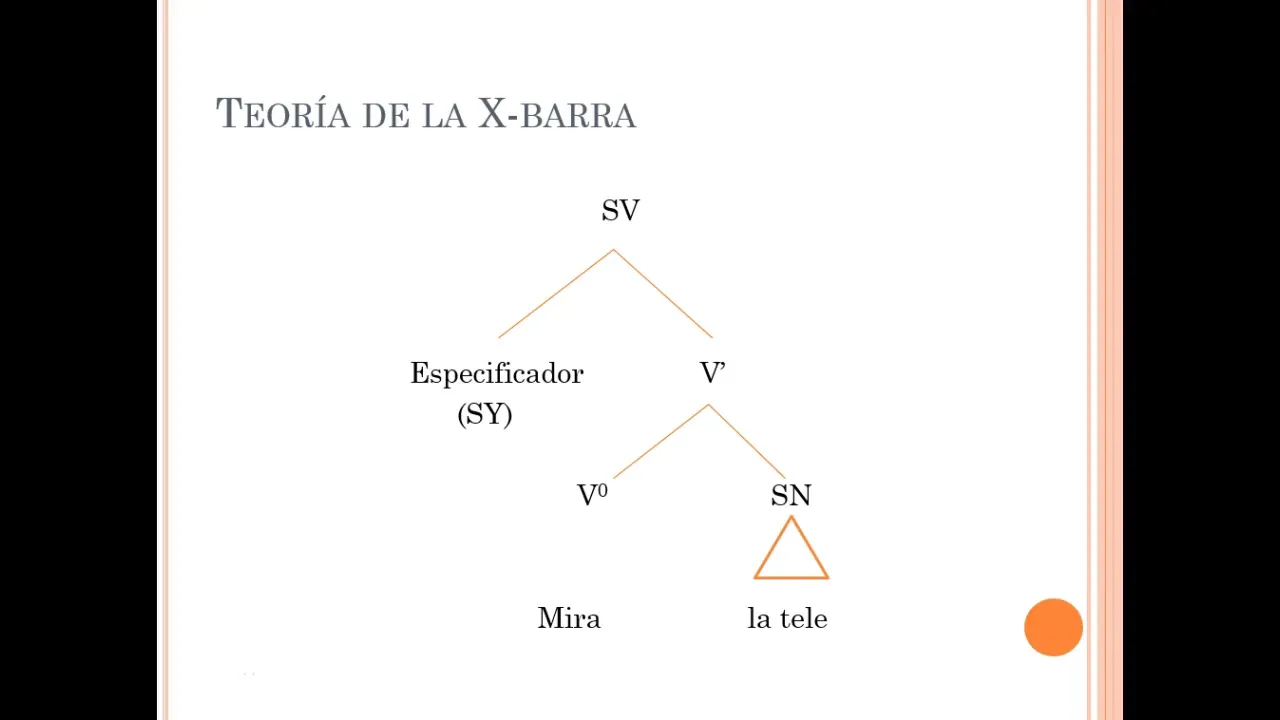
![[Syntax] X-Bar Theory - Specifiers, Adjuncts, and Complements](https://i.ytimg.com/vi_webp/n8TYuq173N0/maxresdefault.webp)
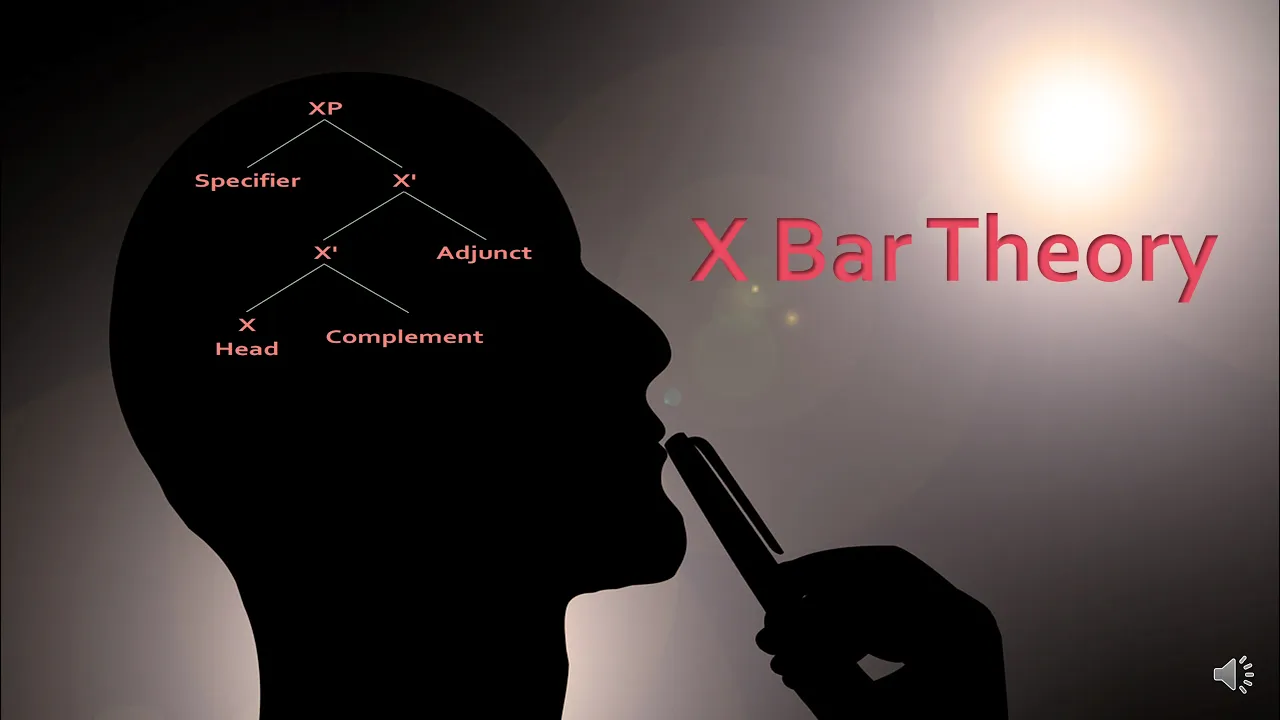
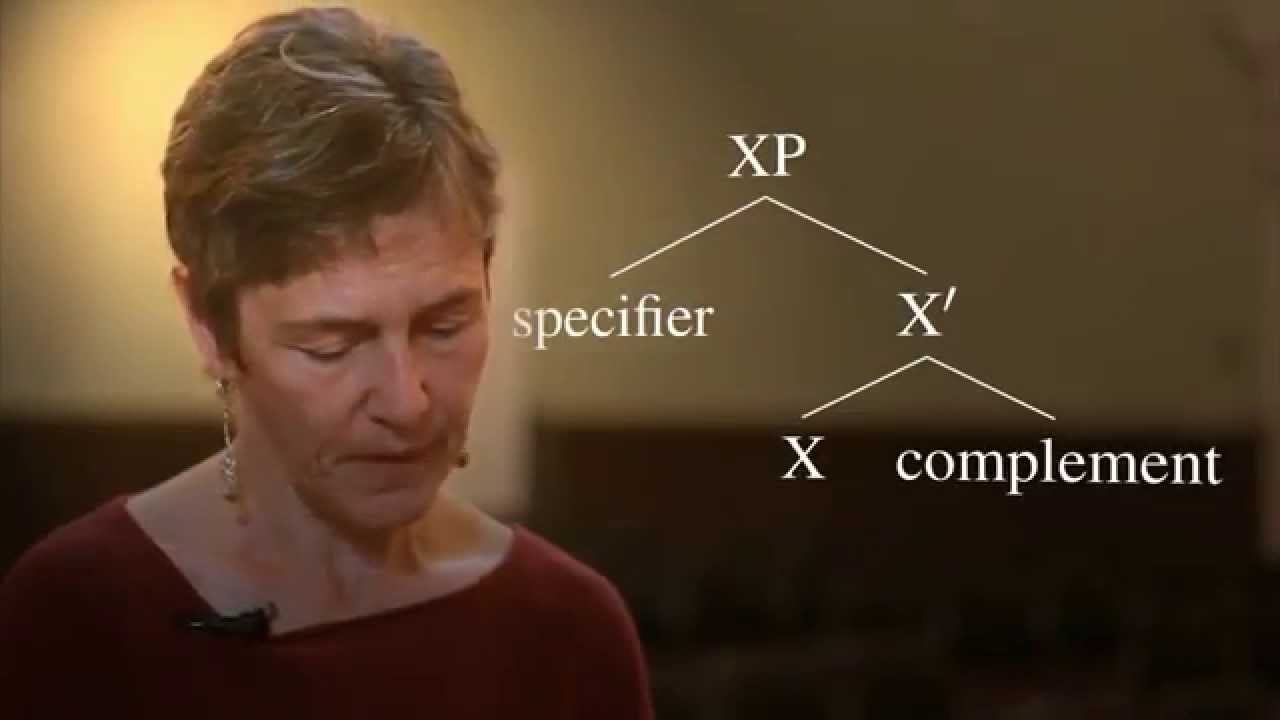
![[Syntax] X-Bar Theory - Practice Sentences](https://i.ytimg.com/vi_webp/CIFOSEvcsT4/maxresdefault.webp)


![[Syntax] Tree Structure Relations and C-Command](https://i.ytimg.com/vi_webp/YlflE0flai0/maxresdefault.webp)
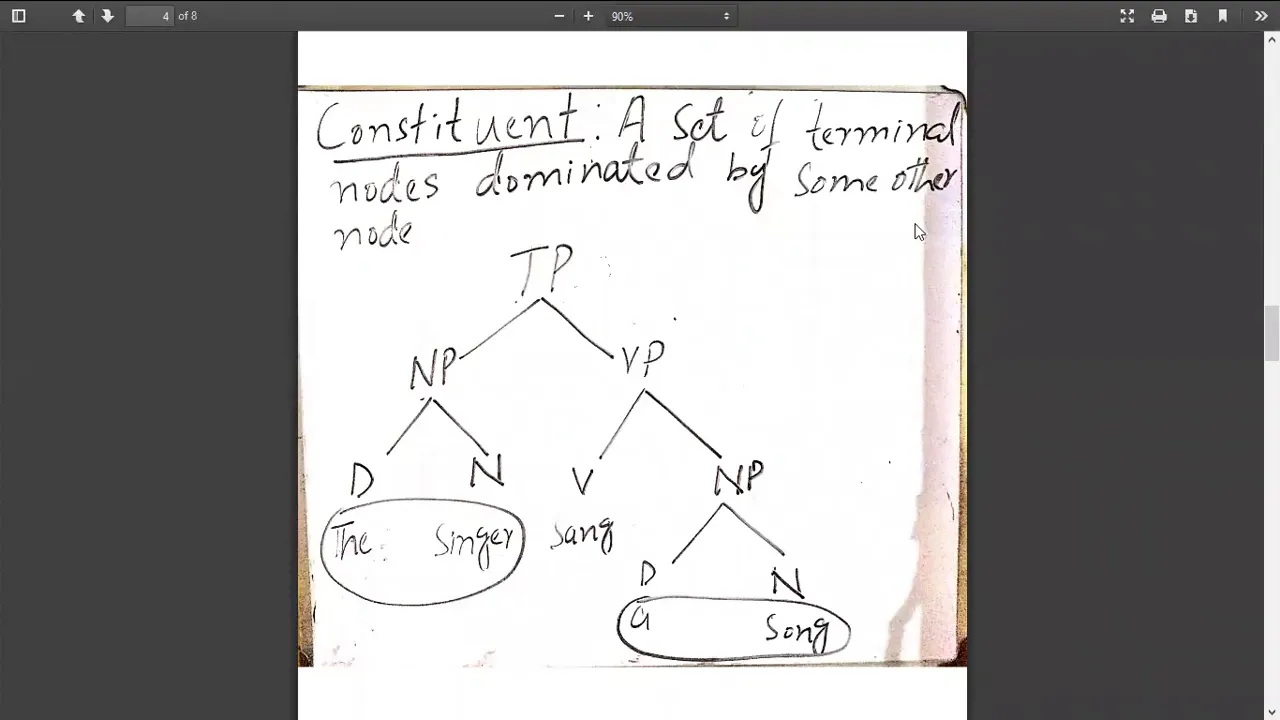




![[Syntax] Islands](https://i.ytimg.com/vi_webp/oIydDG4_V4E/maxresdefault.webp)


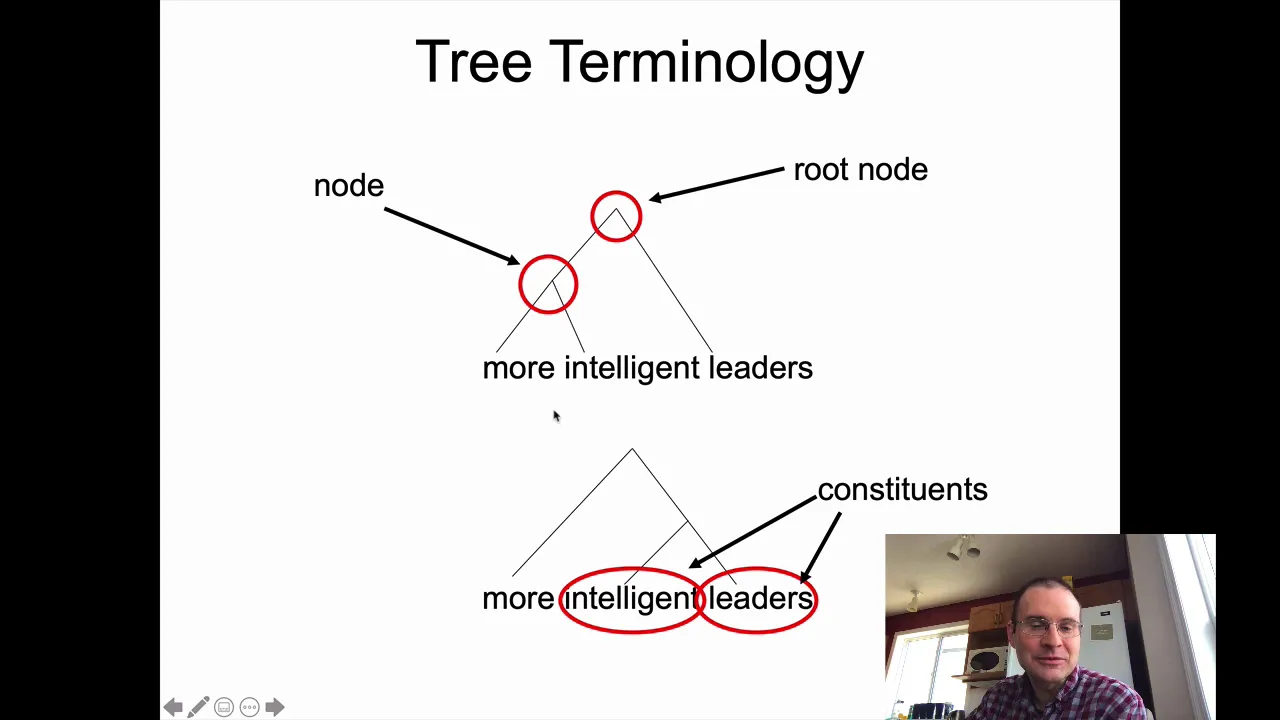
Constituents are internal syntactic units that can range from single words to entire sentences, and they can be identified through six major tests: (1) Modification test - if one word modifies another, they form a constituent; (2) Movement test - if a group can be moved within a sentence (e.g., clefting, preposing, passivization), it is a constituent; (3) Replacement test - if a group can be replaced by a pronoun, pro-verb, or pro-adjective while maintaining meaning, it is a constituent; (4) Ellipsis test - if a string can be deleted while preserving grammatical structure, it is a constituent; (5) Stand Alone test - if a string can function as a grammatical answer to a question, it is a constituent; (6) Conjunction test - if two items can be joined with 'and,' they are likely constituents of the same type. Linguists should apply multiple tests together for more reliable identification.
Constituency Tests in Syntax | Generative Introduction
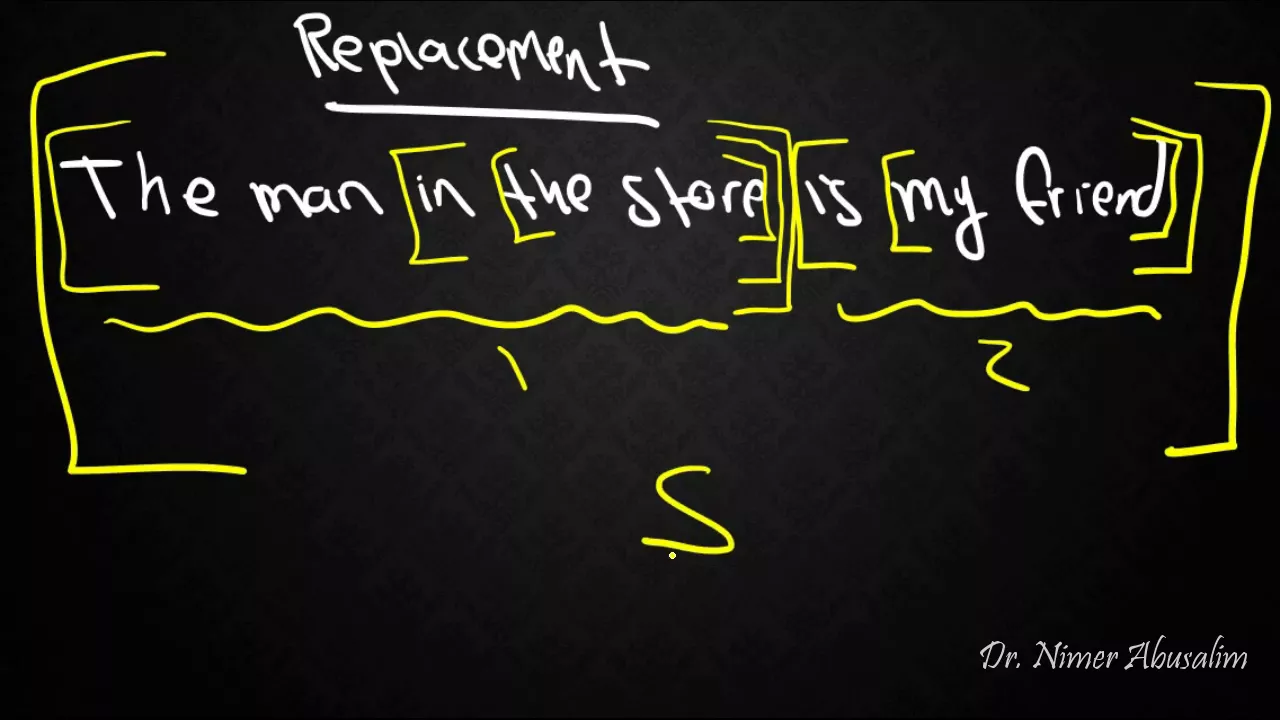
Added:[Music] welcome to syntax a generative introduction fourth edition my name is andrew carney i'm a professor of linguistics at the university of arizona i'm the author of your textbook and i'll be leading you through this series of video tutorials in this video we're going to talk about constituency the constituency represents the internal structure that we discussed in the last video constituents are those internal structures constituents can be anything from a word up to a clause up to a whole sentence containing multiple clauses all of those things are constituents a constituent is an internal unit of syntactic structure so for example from the exam from the example we used in the last video the ta who is here can eat chocolate the ta who is here is an internal unit of structure it's something that can be referenced by other rules in the system we have two notations for representing constituency one is to use brackets like you see here in this structure if you have a pair of square brackets around a structure then we identify it as a constituent the other representation is tree notation which we will do in a later video so what do constituents really represent one thing that's important to understand is that they typically re represent semantically connected material often an item plus all of its modifiers form a constituent so for example let's take the sentence the elephant snorted a bowl of peanuts if we think carefully about this sentence there's an there's a a key intuition that the the is associated with elephant not with peanuts right and peanuts and snorted are more closely related than the and snorted right so there there are some kinds of groupings of things that are semantically connected we're going to capture this with our representations of constituency so semantically connected material are going to be grouped together into constituents now we have a number of tests we can use to identify whether something is a constituent or not the first of these tests is the modification test which draws upon that insight we just talked about that semantically related material um sits together as a constituent now the the modification test says that if one word that mean uh modifies meaning limits the meaning of another then they're probably part of the same constituent so take for example i bought a red balloon ah and red they both modify blue they tell you what kind of balloon you have and they tell you that there was one of them so they're all part of the same constituent a red balloon so one test you can use to identify whether or something is a constituent is to sort of check those modification relationships if if one item modifies another then they're part of the same constituent another test draws upon the idea that we're looking at internal units of syntactic structure so if you find items that behave as units with respect to some kind of syntactic process then we know their constituents one kind of syntactic process we have is movement you can move things around in a sentence under certain circumstances if you can move something then you know it's a constituent so if you can move a group of words that's a constituent so let's take an example here it is or it was blank that so if you stick something in that position you know you have a constituent so it was a brand new car that he bought that a brand new car is a constituent because it can appear in that slot another example is pre-posing this this is actually technically a reverse pseudo clef but we'll just call it proposing where you can take some item and move it to the front of the sentence so big bowls of beans are what i like moving something into this initial position from where it started i like big bowls of beans shows that big bowls of beans is a constituent another example is the passive so for example if something can sit in the subject position of the passive it's a constituent so the slobbering dog kissed the big boy that's the active form of the sentence the slobbering dog kissed the big boy you can move the big boy to the front of the sentence by making it a passive the big boy was kissed by the slobbering dog that tells us that the big boy is a constituent there are many many many different kinds of movement i don't uh we're going to explore those as we move through the semester but this gives you an idea how we can use movement as a test to see whether something is a constituent or not another standard constituency test again makes reference to the idea that if you have a syntactic process and it identifies a group of words those groups must be um constituents so another process we have is where we replace one form with another so if you can replace a group of words with a single word roughly keeping the meaning the same then they're likely to be a constituent so i've always loved the man in a natty suit so the man in the natty suit is what we're gonna test to see if it's a constituent and we can replace it with a single word like a name so i will always love john john here standing in for the man in the natty suit that tells us that uh the man in the natty suit is a constituent because it can be replaced by a single word there's a particular version of that test where you try to replace a a constituent with a what we call a pro form so a kind of pronominal replacement so um we have more than pronouns you've probably heard of pronouns we also have proverbs not proverbs pro adjectives and again if we can replace the group of words with one of those items then we know they have a they form a constituent so the the classic case of using a pronoun is i've always loved the man in a natty suit i've always loved him him is a pronoun replacing the man in the natty suit that tells us that that's a constituent we have other pro forms as well so for example um what i've bracketed in the next sentence susan bought a truck with mag wheels bought a truck with mag wheels it um is a verb phrase and we can replace uh this string with what's called a proverb the the most common proverb in english is did so or did two so susan bought a truck with magnet wheels bill did too did two stands in for bought a truck with mag wheels so that's a pro verb standing in for that verb phrase we also have similar kinds of constructions for adjectives that's usually so okay our third test that we can use is to look i'm sorry it's our fourth test our fourth test that we can use is ellipsis ellipsis means to leave something off so just like you can move an item or you can replace an item if you can leave off a string of words then we know that you have a constituent so an ellipsis is that deletion of a string in english the most easy kind of ellipsis we have are verb phrase ellipses there's other kinds of ellipses but verb phrase ellipses are the most common ones so here's what happens is if you have a verb phrase then it can be deleted under identity with another verb phrase so let's take this sentence bill found a gold nugget in the stream but i don't think john will well what what will john do john will find a gold nugget in the stream we're missing a chunk in that second clause after the auxiliary will we're missing find a gold nugget in the stream so bill found a nugget a gold nugget in the stream but i don't think john will find a gold nugget in the stream that tells us that finding gold nugget in a stream is in fact a a constituent in this case a verb phrase constituent one more well two more but this is the last one that's really secure another test you can use is whether or not the string of words you're looking at can stand alone as a sentence fragment the easiest way to do this is to ask a question and then see if you can use that string of words as an answer to the question so what did heidi buy at the flea market a bag of moldy vacuum cleaner parts that string which is a sentence fragment is a legitimate response to the question what did heidi buy at the flea market that string is a constituent what did heidi do at the flea market buy some cheap t-shirts that's another verb phrase constituent by plus a direct object that is a constituent where did heidi put them in the back of her car that's a prepositional phrase constituent where we have a preposition followed by a noun phrase each of those strings and the answers because they're grammatical are constituents because they can stand alone in answer to a question we have one more test that is not quite as reliable which is if you can conjoin two things together um or coordinate is another term then you those two items are probably constituents of the same type so for example john and the man went to the store john is a noun phrase and the man is a noun phrase those are both constituents they're conjoined with and and you can see that if you try and conjoin john with something else like quickly the man that's not a constituent that's just terrible um there are some problems with this test um so here's my linguistics general warning um there are lots of situations where the conjunction test will actually give you false results so use it sparingly and use it with caution or maybe don't use it at all and use the other tests that's the other thing that this raises is i would strongly encourage you to use multiple tests if you're trying to figure out if something is a constituent try two or three tests don't just try one because sometimes they give you false positives and they can lead you astray but if you have mult if you apply multiple tests then you're going to do pretty well in identifying what's a constituent and what isn't let's do some examples so we're going to look at the sentence john eats at really fancy restaurants eats at really fancy restaurants is a verb phrase and is a constituent but let's test that to make sure that that's really true let's make sure that the string in parentheses is in fact a constituent so first of all can it stand in response to a question what does john do in his spare time eat at really fancy restaurants by the way i'm going to play a little fast and loose with the inflectional suffixes here but um the strip this the basic string is the same can you replace it with a pro form so with a pronoun or a proverb because this is a verb phrase we would try to use a um a proverb john eats at really fancy restaurants and bill does too does two stands as the pro form that represents eats at really fancy restaurants so we've done a replacement test here that tells us it is in fact a verb phrase can you move it here i've got to change the inflection a little bit so i've got eating at really fancy restaurants that's john's favorite pastime so i've taken that verb phrase string and i've moved it to the front of the sentence i had to change the morphology a little bit but you'll see that i can in fact move that exact same um stretch of words up to the front of the sentence that tells us that it is also a constituent um here's another example this is a different kind of movement this is vp fronting verb phrase functioning i told john to eat at really fancy restaurants and eat at really fancy restaurants he will that kind of construction also shows that this is a verb phrase that has this string of words is acting as a verb phrase and a constituent to see how these tests work it also helps to look at a case where we don't have a constituent so let's take john eats at really fancy restaurants but let's text this test the string eats it really this is not a constituent right off the bat you should see this is the case because remember our modification rule tells us that modifiers have to be parts of the same constituent and really here is modifying fancy right so by blocking really off from fancy we've we it can no longer be a modifier of fancy so that in and of itself should tell us that this is not a constituent but let's run through some of the other tests so can it stand alone in answer to a question what does john do in his spare time eat it really why terrible replaced by a pro form so because this is a verb this is a verb item we would try to do do do to john eats at really fancy restaurants and bill does so too fancy restaurants so there what i'm doing is i'm just replacing that string in parentheses and it's terrible and can it uh move around absolutely not eating it really is what john does fancy restaurants or it's eating at really fancy restaurants john does is eating it really that john does fancy restaurants it's almost impossible to say so that shows us that this particular string of words is not a constituent so these tests do seem to do the right thing they test they show when a group of words is a constituent and they show when a group of words is not a constituent so let's just summarize our our discussion in this video constituents are groups of words that function syntactically as a unit they catch it they capture judgments about the relatedness of words and about the hierarchical structures of sentences um we i gave you a whole string of tests um with varying reliability there's modification can you move the string can you replace the string can you delete this the string can the string stand alone in answer to a question or can you conjoin or coordinate the string if any of those things are true then it's probably the case you have a constituent all right with this object of study identified we now have to explain how we get them so that's a matter of proposing a hypothesis about how constituents are structured that will be the topic of the next video where we consider phrase structure rules phrase structure rules are our first hypothesis about capturing constituency you
Up Next
Syntax: From Flat Structure to X-Bar Theory Explained
@DrNimerAbusalim
50.7K views•2017-09-23
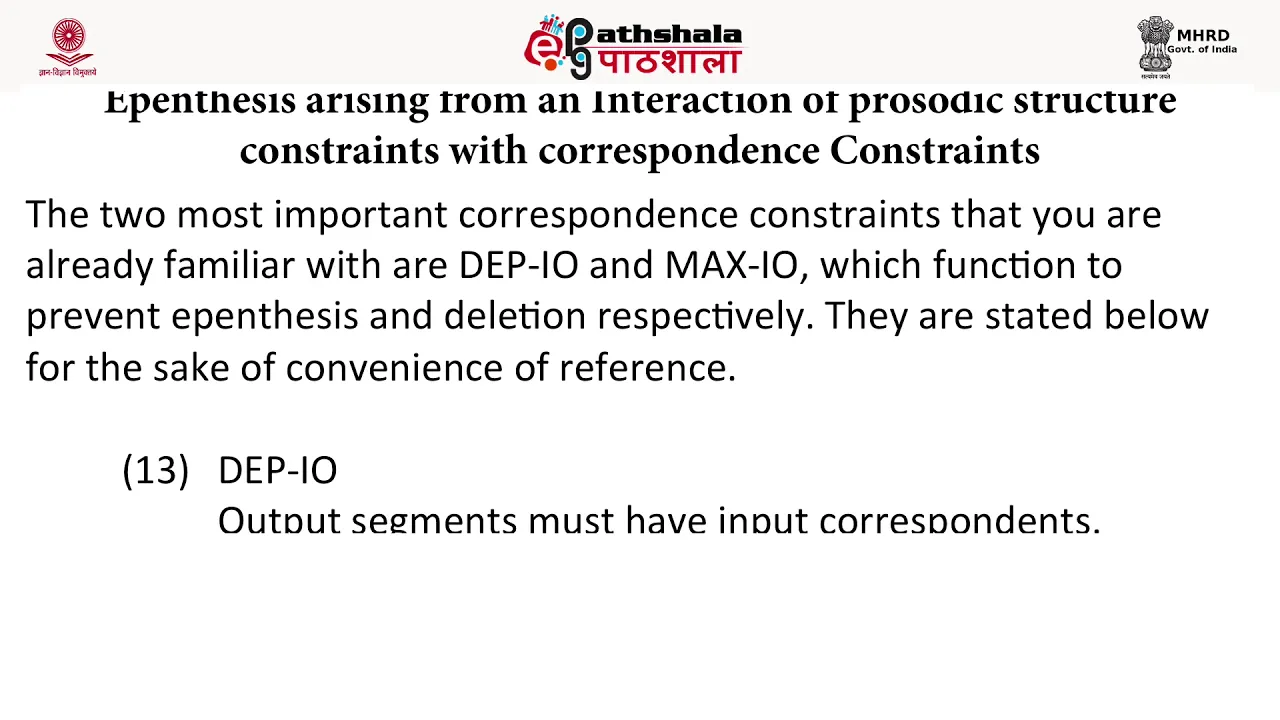
Constraint Interaction in Optimality Theory: Epenthesis & Deletion
@Vidyamitra
180 views•2018-08-20

Syntax: DP Movement & Case Theory Explained by Andrew Carnie
@CarnieSyntaxthEdition
14.3K views•2020-09-29

Accent Expert Explains U.S. Regional Dialects | Part 1
@WIRED
9.3M views•2021-01-21
Related Study Plans & Knowledge Roadmaps
Structured learning paths in Linguistics