













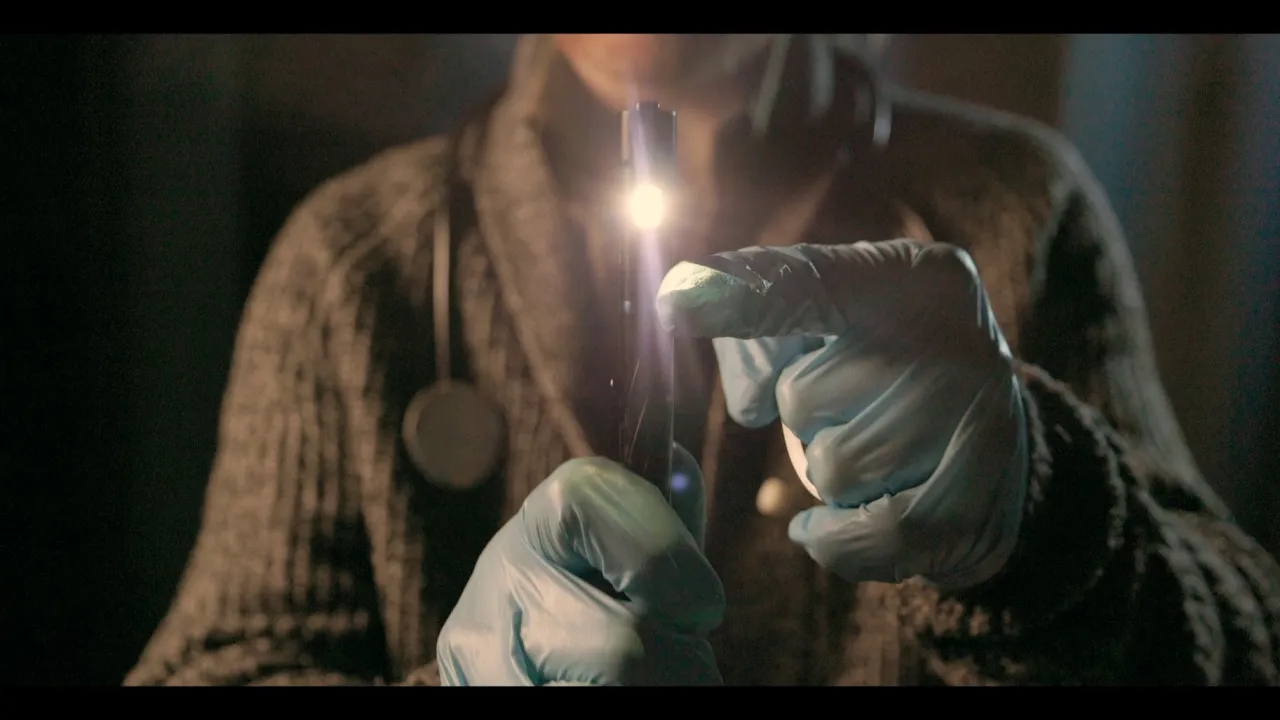

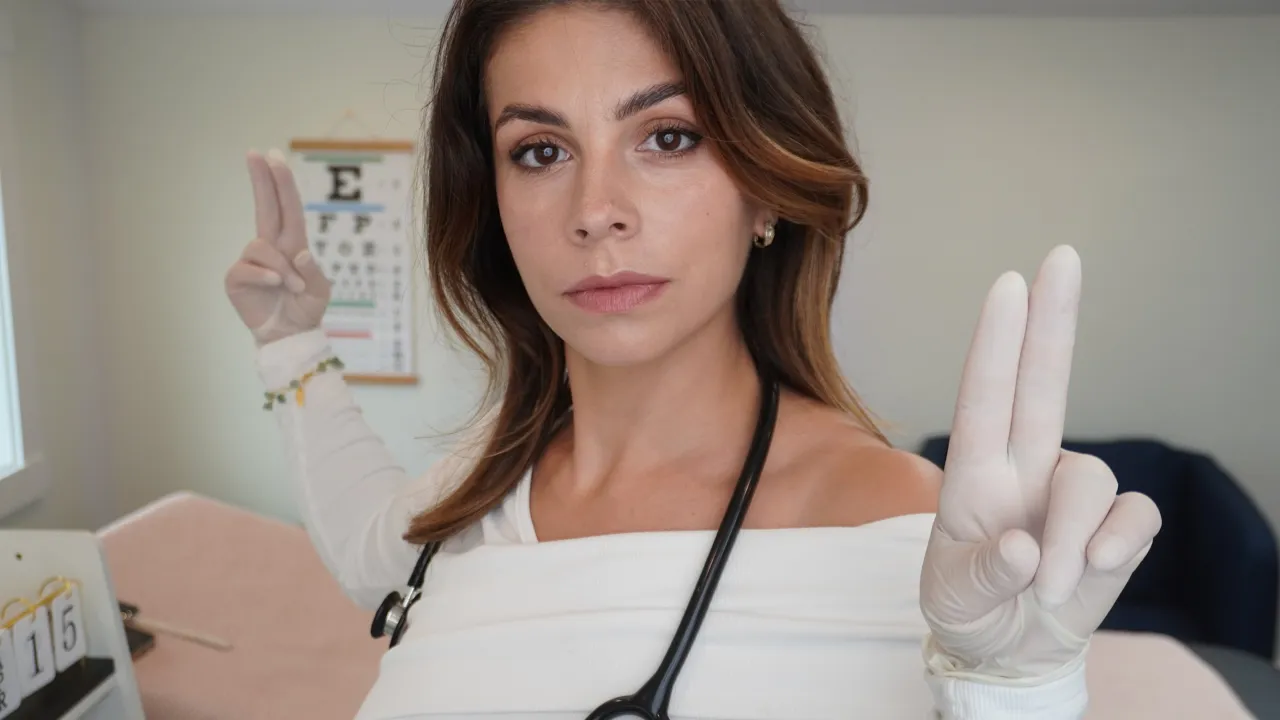


This video demonstrates the clinical examination techniques for the 9th (glossopharyngeal), 10th (vagus), 11th (spinal accessory), and 12th (hypoglossal) cranial nerves. For CN IX, examine taste sensation from the posterior one-third of the tongue and the palatal reflex. For CN X, assess soft palate movement by asking the patient to open their mouth and protrude their tongue. For CN XI, test sternocleidomastoid muscle function by applying resistance during head flexion and rotation, and evaluate trapezius muscle strength by applying resistance while the patient elevates their shoulders. For CN XII, observe tongue protrusion and movement; in unilateral paralysis, the tongue deviates toward the affected side.
9th to 12th Cranial Nerve Examination | Clinical Lab | Physiology
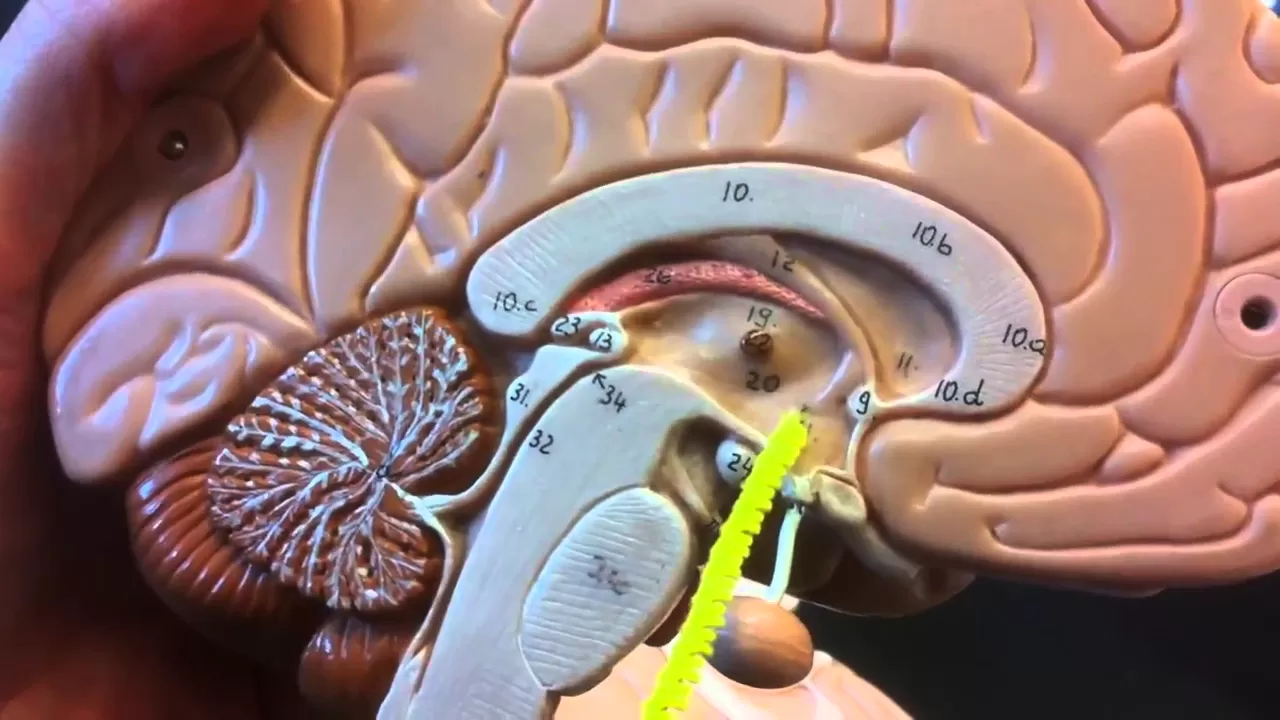
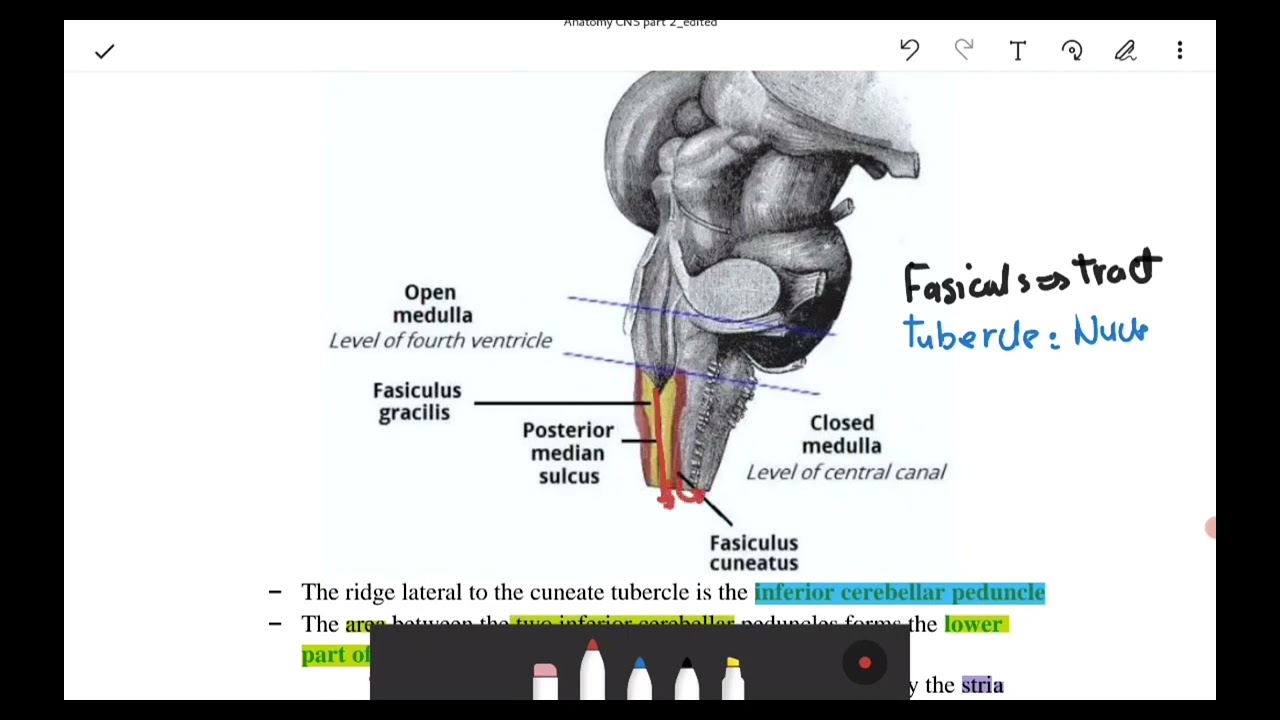
Added:Basic neuroanatomy of the brainstem, particularly the medulla oblongata where Cranial Nerves IX, X, XI, and XII originate.
The physiological functions and classifications (sensory, motor, or mixed) of the glossopharyngeal, vagus, accessory, and hypoglossal nerves.
The anatomical structure of the oral cavity, pharynx, larynx, and the musculature of the neck and tongue.
Clinical safety and hygiene protocols, specifically regarding the gag reflex test to prevent patient discomfort or aspiration.
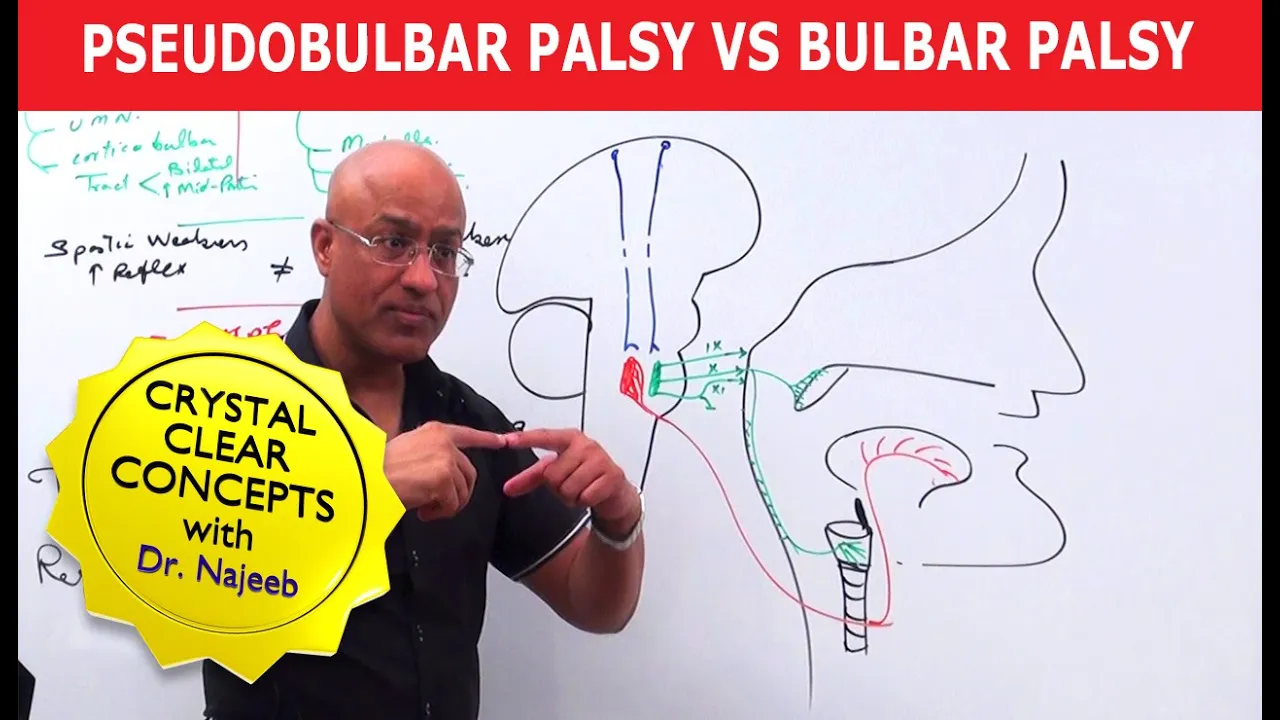
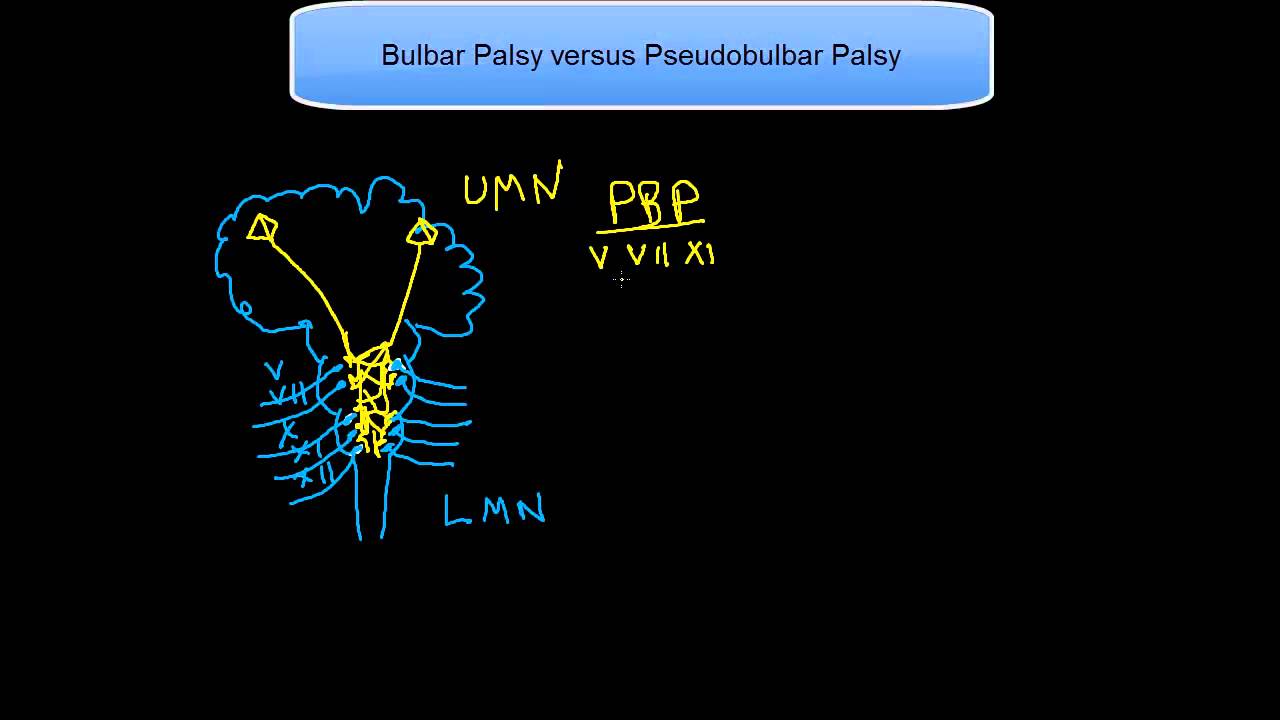
Pathophysiology and clinical presentation of lower cranial nerve lesions, such as bulbar palsy versus pseudobulbar palsy.
Localization of lesions affecting Cranial Nerves IX through XII, including clinical syndromes like Jugular Foramen (Vernet's) Syndrome.
Advanced neurological examination techniques for the upper cranial nerves (CN I to VIII) to complete a comprehensive neurological assessment.
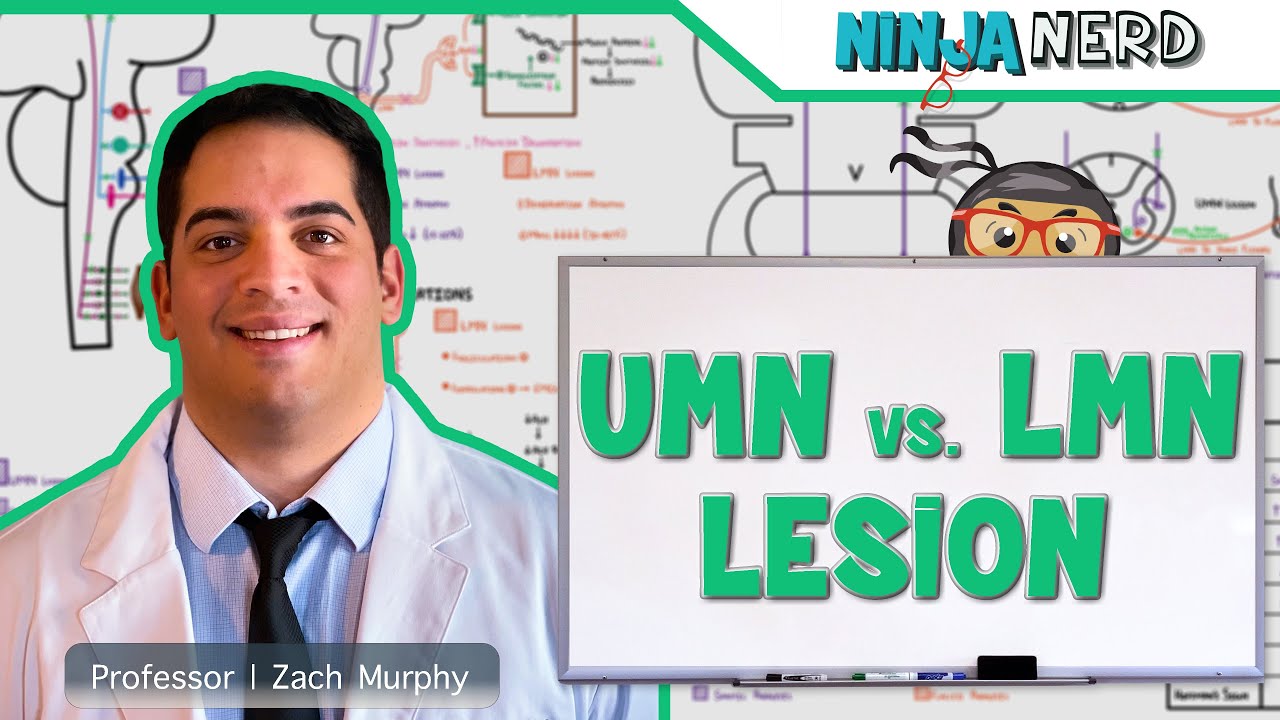
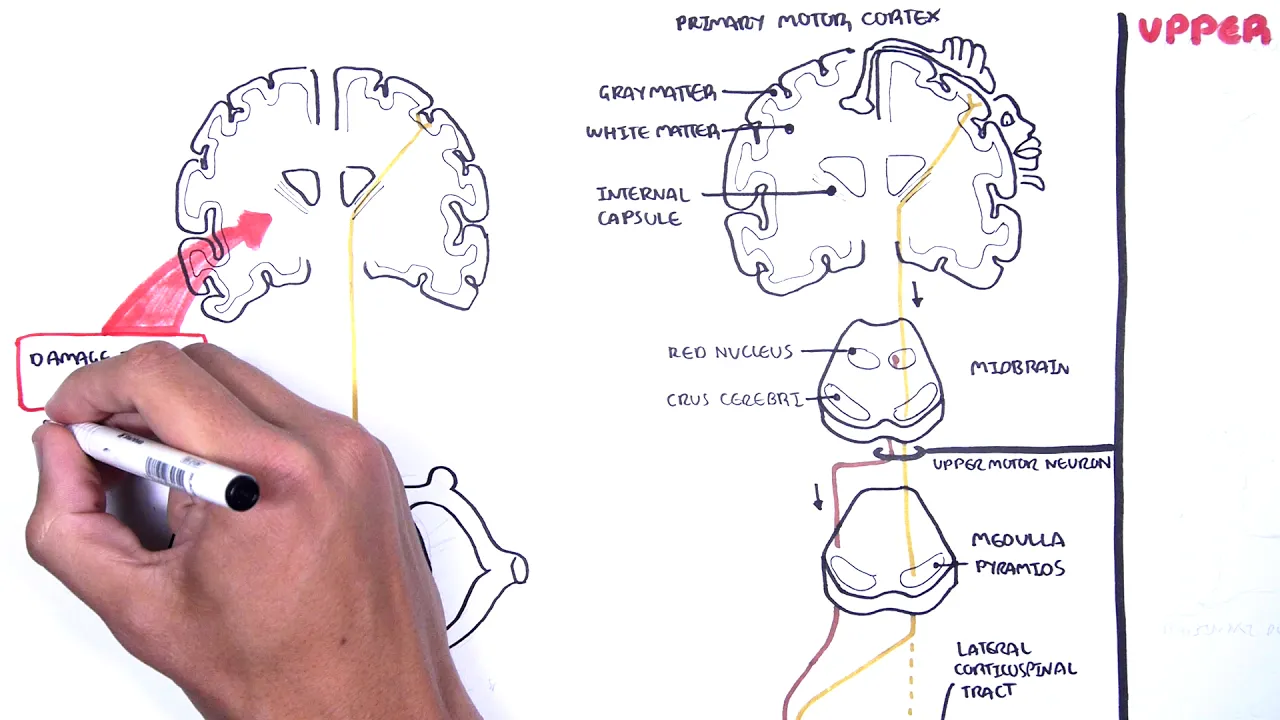
Interpretation of clinical signs such as uvular deviation, shoulder drop, and tongue deviation to differentiate between upper and lower motor neuron damage.
123.5K views2.3Klikes10:02Original Release: 2019-07-21
hello everyone so today we begins with the clinical examination of 9th 10th 11th and 12th cranial known 9th it is the glossopharyngeal of 10th Vegas no 11th spinal necessary know and 12 hypoglossal now so first we begins with the ninth cranial of examination which is the glossopharyngeal now it is a mix no sensory fibers motor fibers and secreto motor fibers sensory fibers it carries taste sensation from posterior one-third of the tongue and pharyngeal mucous membrane motor fibers to the stylopharyngeus muscle and the secret or motor fibers to the parotid gland whenever there is a paralysis of the glossopharyngeal now the taste sensation has been lost as well as there is a decrease in the salivation because parotid gland is going to affect how to check glossopharyngeal now check taste sensation from posterior one-third of the tongue so you have to check the taste sensation from the posterior one-third of the tongue salt sweet sore and bitter all four type of taste you have to check from the posterior one-third of the tongue and second it is the palatal reflex now palatal reflex or whatever the level of the cranial nerve or whatever the afferent it is the ninth cranial of an different it is the tenth cranial of efferent wire the glossopharyngeal now an different via the vagus know how to elicit the palatal reflex tickle back of the pharynx with sweb stick you to tickle the back of the fairings with the help of swab stick so what will be the response there will be the reflex contraction of the penet all muscle so this is the palatal reflex and it is going to cover under the clinical examination of ninth cranial now as well as the tenth cranial no both the glossopharyngeal now and Vegas no next it is the Vegas now which is the tenth cranial now sensory fibers and motor fibers sensory fibers from the mucous membrane of larynx pharynx soft palate and gastrointestinal tract up to right 2/3 of the transverse colon and motor fibers from the voluntary muscles of larynx pharynx and soft palate and involuntary muscles of heart respiration and gastrointestinal tract up to right 2/3 of the transverse colon so all these are the sensory fibers and motor fibers of the vagus know how to take or how to do the clinical examination of the vagus now find out whether there is any history of regurgitation or not whether there is any history of regurgitation of the food is present or not and palatal reflex as I explained earlier now take soft palate movement tell subject to open his mouth protrude his tongue and say see the movement of palatal Arts on the both decide so you have to tell your subject to open his mouth and put the tongue outside of the mouth as far as possible and say and you have to see the moment of the palatal arch on the both decides in normal condition moment of both palatal Arts will be equal and they raised upwards but if one side is paralyzed that side remains immobile and flat in normal condition movement of both palatal arch will be equal and they raised upward but if one side is paralyzed that side remains immobile and flat so this is how you to check the soft palate movement now eleventh cranial know which is the spinal accessory now it is a pure motor now and it supply sternocleidomastoid muscle and trapezius muscle how to take spinal necessary now we have to take to muscle power or axons sternocleidomastoid muscle and trapezius muscle so first sternocleidomastoid muscle when both side muscle contract there will be the flexion of the head when both side of muscle contracts simultaneously so there will be the flexion of the head applied resistance or apply passive resistance from team and tell subject to flex his head if muscle is paralyzed flexion of the head is not possible here first you have to apply resistance from the team and tell your subject to flex his head against the resistance if muscle is paralyzed flexion of the head is not possible we checked what will happen when both side of the muscle will contract simultaneously but when one side of the sternocleidomastoid muscle contract team is rotated to the other side so how we have to check the one side of the sternocleidomastoid muscle action we have to applied passive resistance from other side of the chain and tell subject to move his team on that side and if muscle is paralyzed rotation of the team to opposite side is not possible for example you are checking the action of the right side of the sternocleidomastoid muscle then tell your subject to move on the left side while applying pressure from the left side of the team and check the power of the muscle of the sternocleidomastoid so this is how you are going to check the one side of the sternocleidomastoid muscle son as well as on the both side of the sternocleidomastoid muscle accent simultaneously now the second trapezius muscle trapezius and levator scapulae causes elevation of the solder so both this muscle trapezius and levator scapulae elevate the solder so you have to applied passive resistance to both shoulders from the above and tell subject to raise his shoulders if muscle is paralyzed subject is not able to elevate the shoulder so this is of you to check the trapezius muscle first you have to apply passive resistance to both shoulders from the above and later you have to tell your subject to raise his shoulders if the muscle is normal both the solder will elevate in the normal level but if the muscle is paralyzed it not possible to elevate the shoulder so this is how you to check the trapezius muscle now the 12 cranial now which is the hypoglossal now it is a pure motor now and it's applied all the muscles of the tongue and it helps in the speech articulation and mixing of food and saliva during the tween so this is the twelfth cannula which is the hypoglossal now how to check 12 cranial no-tell subject to open his mouth and protrude his tongue as far as possible see whether tongue is placed centrally or deviate to one side simpler to tell your subject to open the mouth and protrude the tongue means they have to or subject how to put the tongue outside of the mouth as far as possible in unilateral paralyzes tongue will deviate towards the paralyzed side as the right side now supply to the left side and vice versa so the right side of the hypoglossal now supplies the left side of the muscle of the tongue and left side of the hypoglossal now supplies that right of the muscles of the tongue so that's why in unilateral paralyzes the tongue will deviate towards the paralyzed side he paralyzes on both the side the person is not able to protrude the tongue if paralysis is present on both the side then the person will not able to put his tongue outside of the mouth or protrude the tongue check for tongue movement as subject to move his tongue from side to side and lick his cheeks note any abnormal movements if present so this is how you have to check the hypoglossal now you
Up Next
10:00
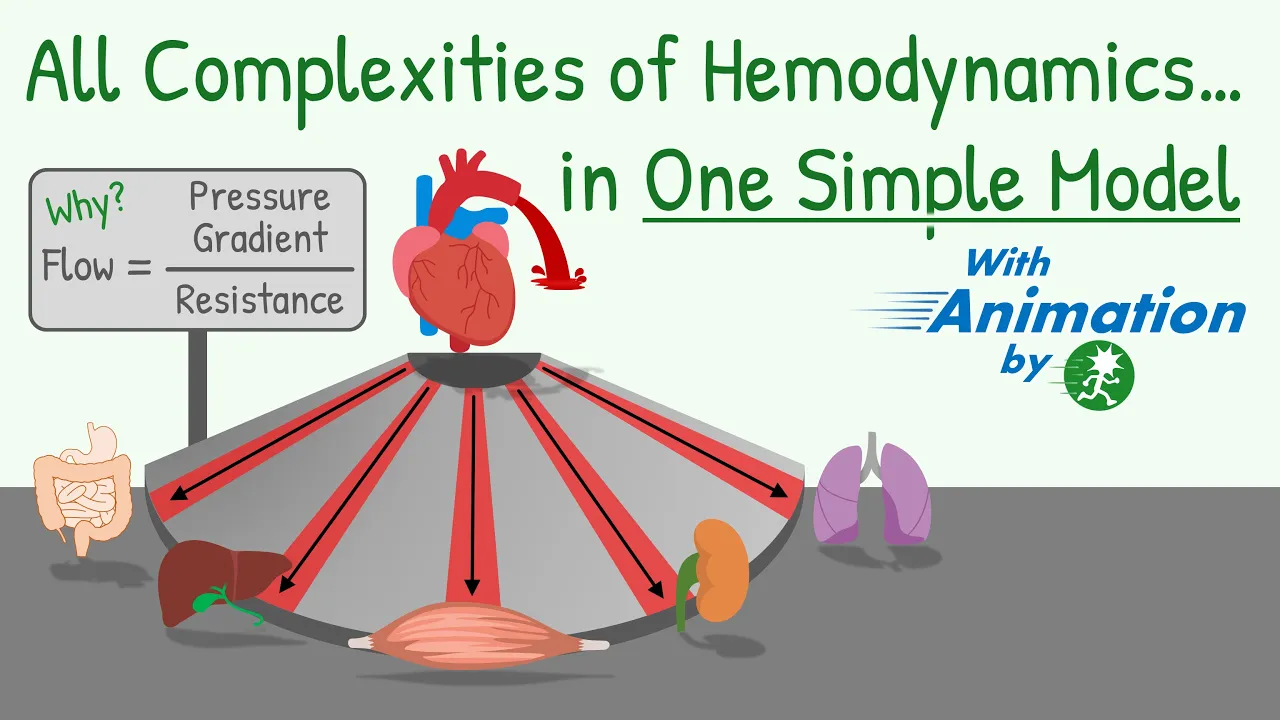
Blood Pressure, Blood Flow, and Resistance Explained (Hemodynamics) | Physiology
@NonstopNeuron
41.9K views•2023-10-17

48:47
Graphic Medicine: Comics for Collaborative Healthcare Communication
@nationalpatientadvocate
189 views•2023-12-04
13:03
WBC Identification in Peripheral Blood Smear | Hematology Lab Guide
@drhardikmistry
178.1K views•2019-10-18
3:05
Stages of Labor and Vaginal Birth | Childbirth Animation
@nucleusmedicalmedia
52.1M views•2017-08-18
Related Study Plans & Knowledge Roadmaps
Structured learning paths in Medicine
medicine
Abnormal LFTs: Diagnostic Workup & Pathology
01Liver Anatomy and Basic Physiology
02Introduction to Liver Function Tests (LFTs)
03Hepatocellular vs. Cholestatic Patterns
+ 3 more learning modules
12h6 modules
Explore Roadmap
medicine
Analyzing Blood Smears: RBC, WBC & Platelets
01Introduction to Blood Components & Smear Preparation
02Normal Morphology of Blood Cells
03Erythrocyte Pathologies & Morphological Variants
+ 2 more learning modules
12h5 modules
Explore Roadmap
medicine
Mechanical Ventilation: Waveforms & Alarms
01Anatomy and Physiology of Breathing
02Introduction to Mechanical Ventilation & Core Modes
03Ventilator Settings and Waveform Interpretation
+ 2 more learning modules
12h5 modules
Explore Roadmap
medicine
Neuro Exam: Localization & Stroke Syndromes
01Foundations of Neuroanatomy and Vascular Supply
02The Neurological Examination: Step-by-Step
03Principles of Neurological Localization
+ 3 more learning modules
18h6 modules
Explore Roadmap