






![[HÓA 12] AMINO ACID VÀ PEPTIDE (Sách Cánh Diều, Chân Trời Sáng Tạo, Kết Nối Tri Thức)](https://i.ytimg.com/vi_webp/7lW6UpVFJVE/maxresdefault.webp)
















Neurotransmitters are signaling molecules that transmit information across synapses, classified into three main types: amino acid neurotransmitters (glutamate, aspartate, glycine, GABA), monoamines (dopamine, epinephrine, norepinephrine, serotonin), and acetylcholine; they can also be unconventional (nitric oxide, carbon monoxide, endocannabinoids) or large neuropeptides, and they function either as direct-acting ionotropic agents causing rapid membrane changes or as indirect-acting neuromodulators using second messenger systems, producing either excitatory (depolarizing) or inhibitory (hyperpolarizing) effects on postsynaptic neurons.
Neurotransmitters: Types, Structures, and Functions Explained
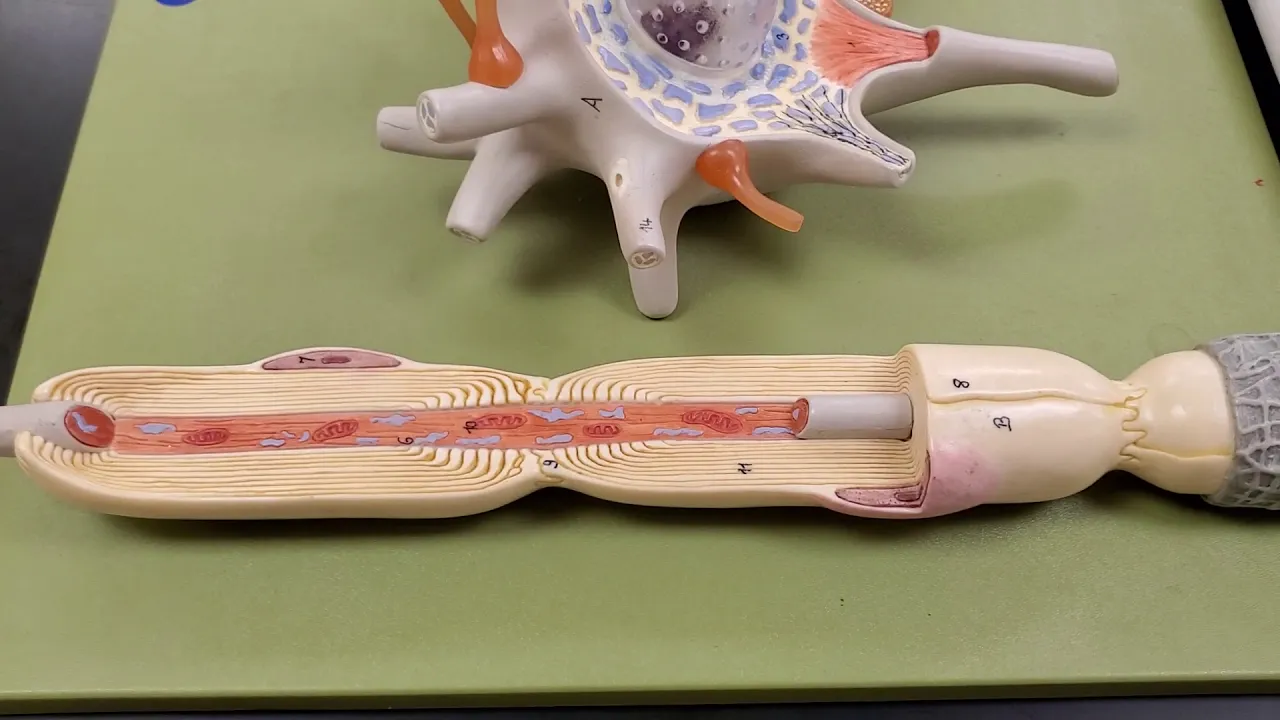
Added:Basic anatomy of a neuron, including the dendrites, axon, synaptic cleft, and myelin sheath.
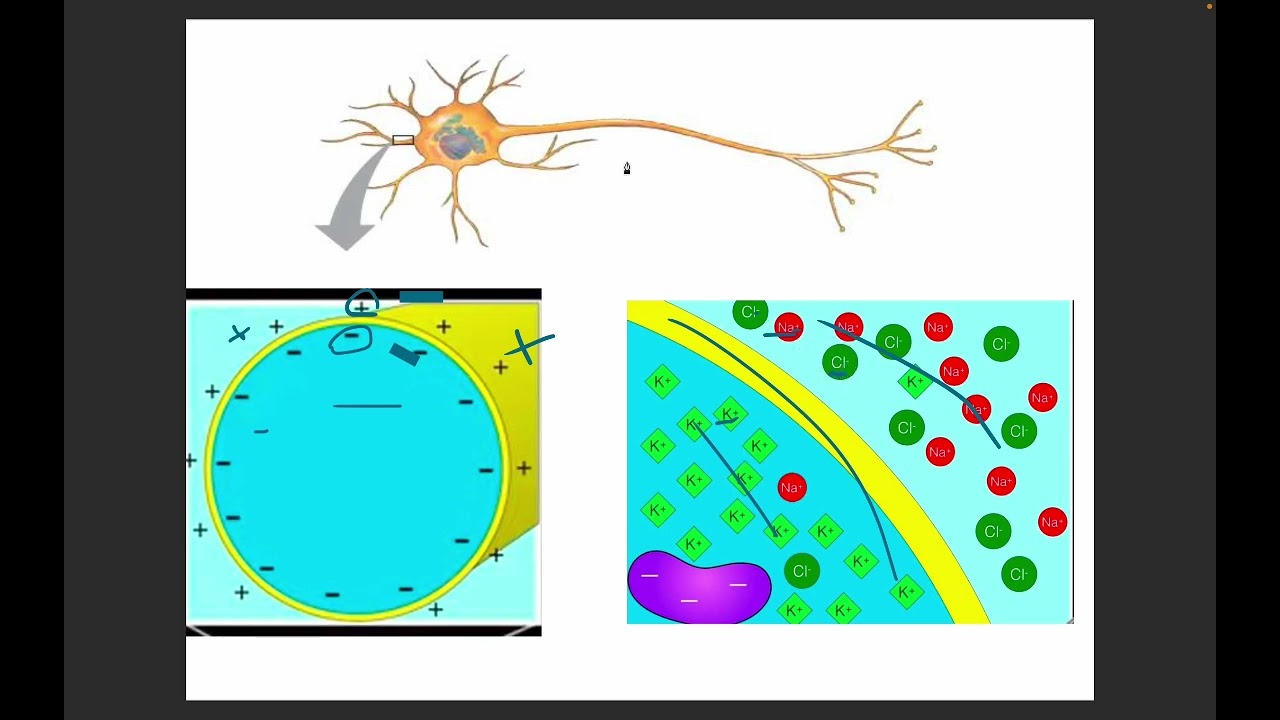
The mechanism of the action potential and how electrical signals propagate along a neuronal membrane.
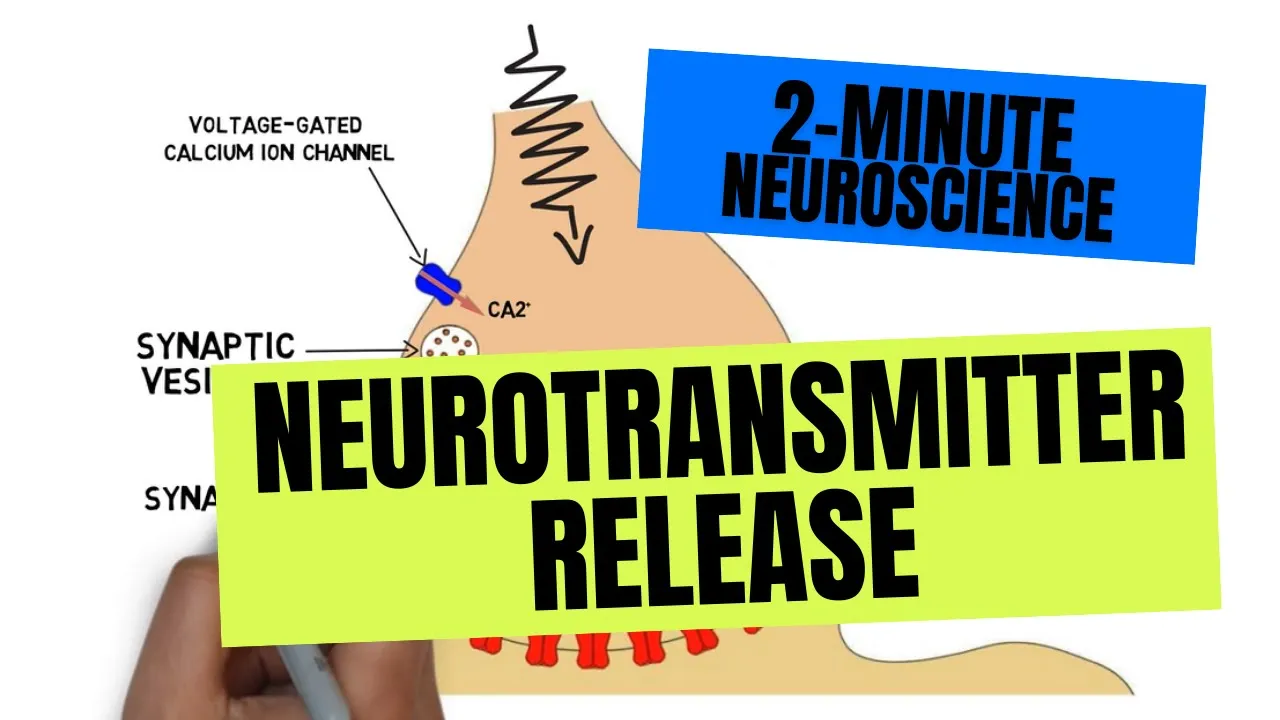
The general process of synaptic transmission, specifically how vesicle fusion releases chemical messengers into the synapse.
Fundamental organic chemistry concepts, such as molecular structure, functional groups, and the difference between simple amino acids and complex peptides.
Introduction to psychopharmacology, studying how external substances (drugs, toxins, and medications) act as agonists or antagonists at neurotransmitter receptors.
The pathophysiology of neurological and psychiatric disorders (e.g., Parkinson's disease, major depressive disorder, and schizophrenia) resulting from neurotransmitter imbalances.
Intracellular signal transduction pathways, including ionotropic versus metabotropic receptors (GPCRs) and second messenger systems.
The biological basis of neuroplasticity, learning, and memory, specifically focusing on mechanisms like Long-Term Potentiation (LTP) involving glutamate receptors.
265.9K views6Klikes7:52Original Release: 2019-09-11
Professor Dave again, let’s look at neurotransmitters.
We just learned all about neurons and action potentials, so we now understand how information is transmitted throughout the brain and the rest of the body.
Electrochemical activity propagates along an axon, resulting in one of two things.
With an electrical synapse, or gap junction, ions can flow from one cell to the next.
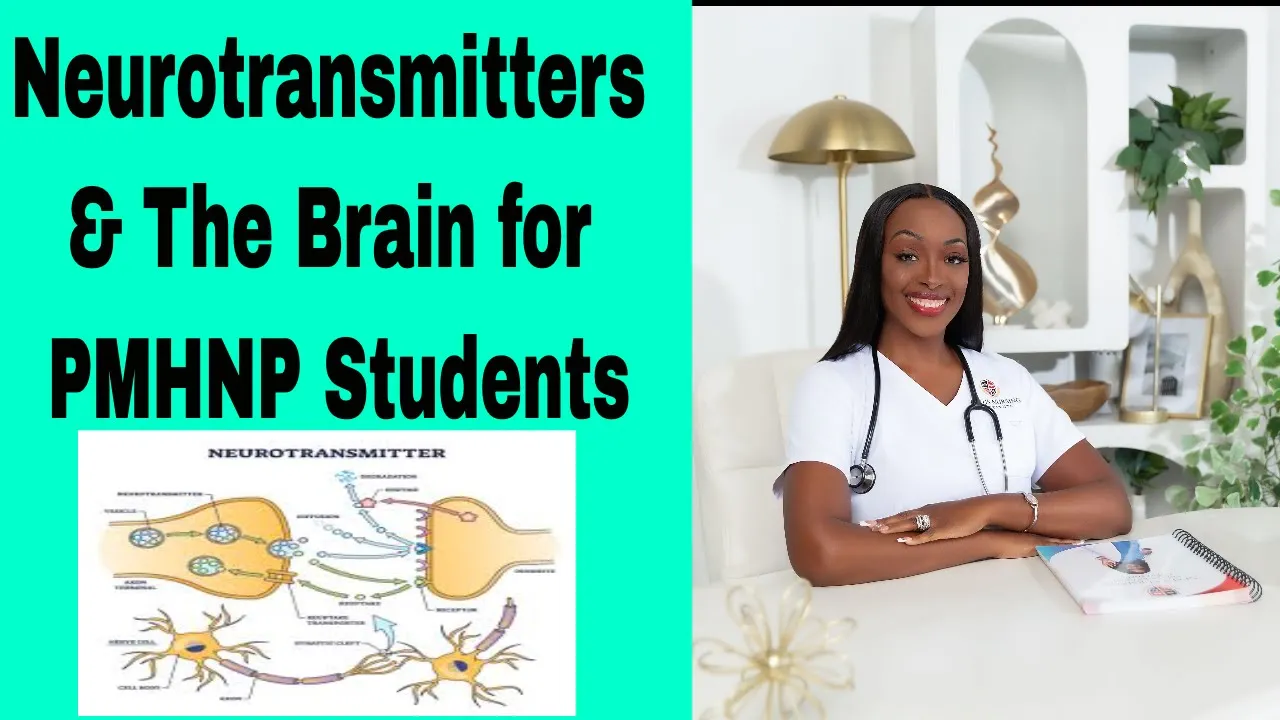
But with a chemical synapse, neurotransmitters are released at the axon terminals, these interact with receptors on the post-synaptic neuron, and then the signal continues.
But what are these neurotransmitters that traverse the synaptic space?
There are different types, and they serve different functions, so let’s get a closer look at these now.
While there are a great variety of compounds that qualify as neurotransmitters, let’s start with the most common ones, which are small molecules of three classes.
These are amino acids, monoamines, and acetylcholine.
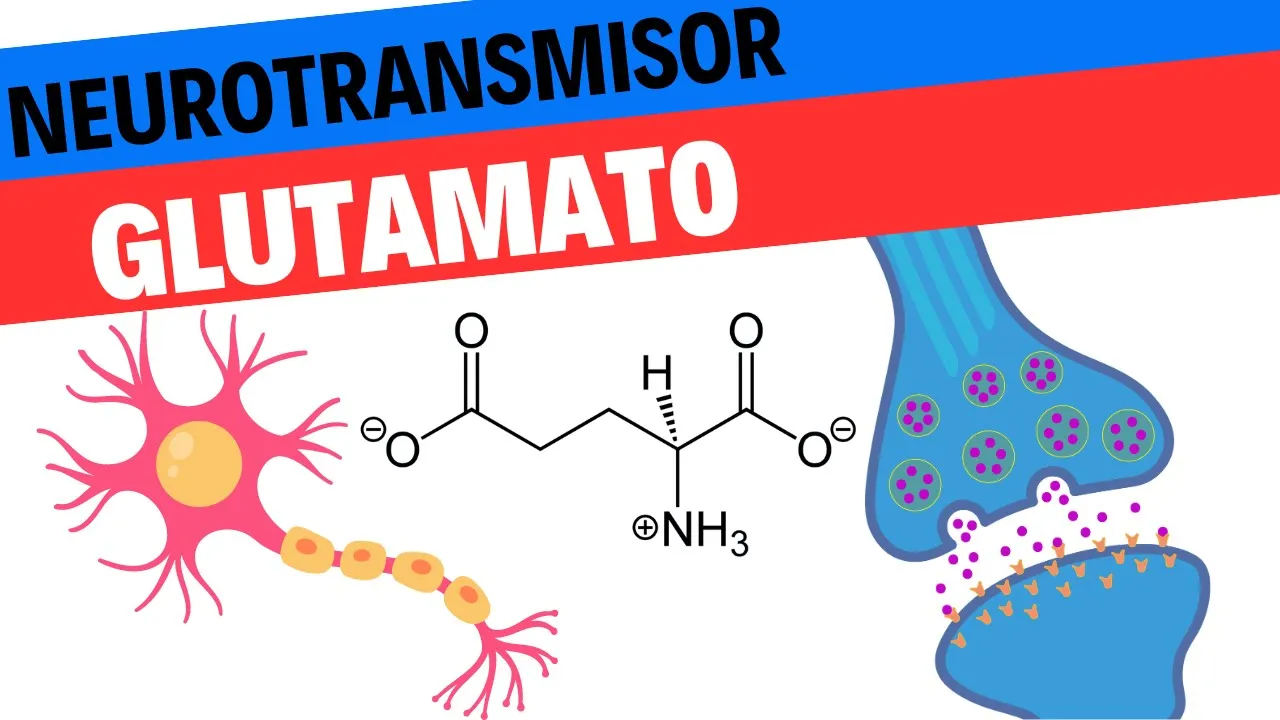
We learned all about amino acids in the biochemistry course, and the ones of interest here are glutamate, aspartate, glycine, and gamma-aminobutyric acid, or GABA for short, which is derived from glutamate.
Next there are the monoamines.
These are derived from amino acids as well, and they are the most familiar ones.
Dopamine, epinephrine, norepinephrine, and serotonin.
The first three are categorized as catecholamines, while serotonin qualifies as an indolamine.
The catecholamines are all synthesized by enzymes from tyrosine, which is converted in a series of steps into L-dopa, and then dopamine, and then norepinephrine, and then epinephrine.
By contrast, serotonin is synthesized from tryptophan.
We can clearly see the differences in structure.
And lastly, we also mentioned acetylcholine.
This is in a class of its own, and it is simply a choline molecule that has been acetylated.
This molecule should be very familiar from our study of the neuromuscular junction in the anatomy and physiology course, due to its role in promoting muscle contraction.
Apart from these classes of small molecules, there is another class of unconventional neurotransmitters that don’t fit into the other categories.
This includes small molecules like nitric oxide and carbon monoxide.
These are of a different class, because being extremely small and nonpolar, they are able to pass through the cell membrane and thus freely diffuse in and out of cells without needing to pass through membrane proteins.
Once produced inside a neuron, they move into other cells, where they stimulate the production of second messenger molecules, after which they are quickly converted into something else, so they are short-lived.
Sometimes these molecules are involved in retrograde transmission, where they travel from the postsynaptic neuron back to the presynaptic, opposite the direction of travel for other neurotransmitters.
Another class of unconventional neurotransmitter is the endocannabinoids, which are also retrograde transmitters.
These are similar in structure to delta-9-tetrahydrocannabinol, the psychoactive agent in marijuana, and also similar in function, as they all bind to endocannabinoid receptors.
There is also one class of very large neurotransmitters, and that’s the neuropeptides.
These are polypeptide chains, some of which are large enough to qualify as a protein.
Each has a different function, which will depend on the amino acid sequence it possesses, and they are categorized primarily according to their location in the body.
There are pituitary peptides in the pituitary gland, hypothalamic peptides in the hypothalamus, brain-gut peptides in the gut, as well as opioid peptides, which resemble opium, and then all the other miscellaneous ones are grouped into a fifth category.
So those are the basics regarding the various classes of neurotransmitters and their structures.
Let’s also briefly outline some details regarding function.
First, neurotransmitters will tend to exhibit one of two effects when they find their way into the active site of their respective receptor.
They will either cause excitation or inhibition.
This is kind of like flipping a switch on or off.
More specifically, an excitatory response will be one that results in depolarization for the post-synaptic neuron, while an inhibitory response will be one that results in hyperpolarization for the post-synaptic neuron, so it’s the difference between propagating a signal and halting it.
Some neurotransmitters tend to produce one effect over the other, like the way that glutamate is typically excitatory, while glycine and GABA are typically inhibitory.
For others, it depends on the context.
Acetylcholine is excitatory at the neuromuscular junction for skeletal muscles but inhibitory in cardiac muscle.
Next, we must distinguish between direct and indirect action.
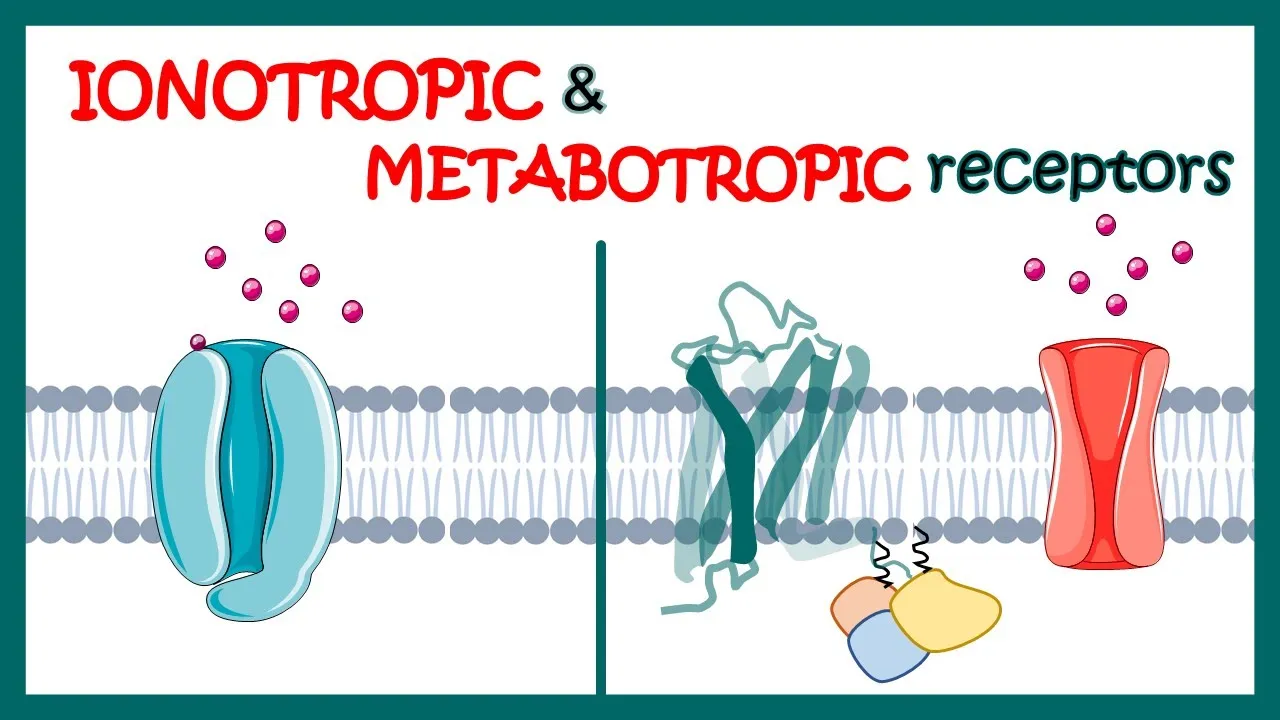
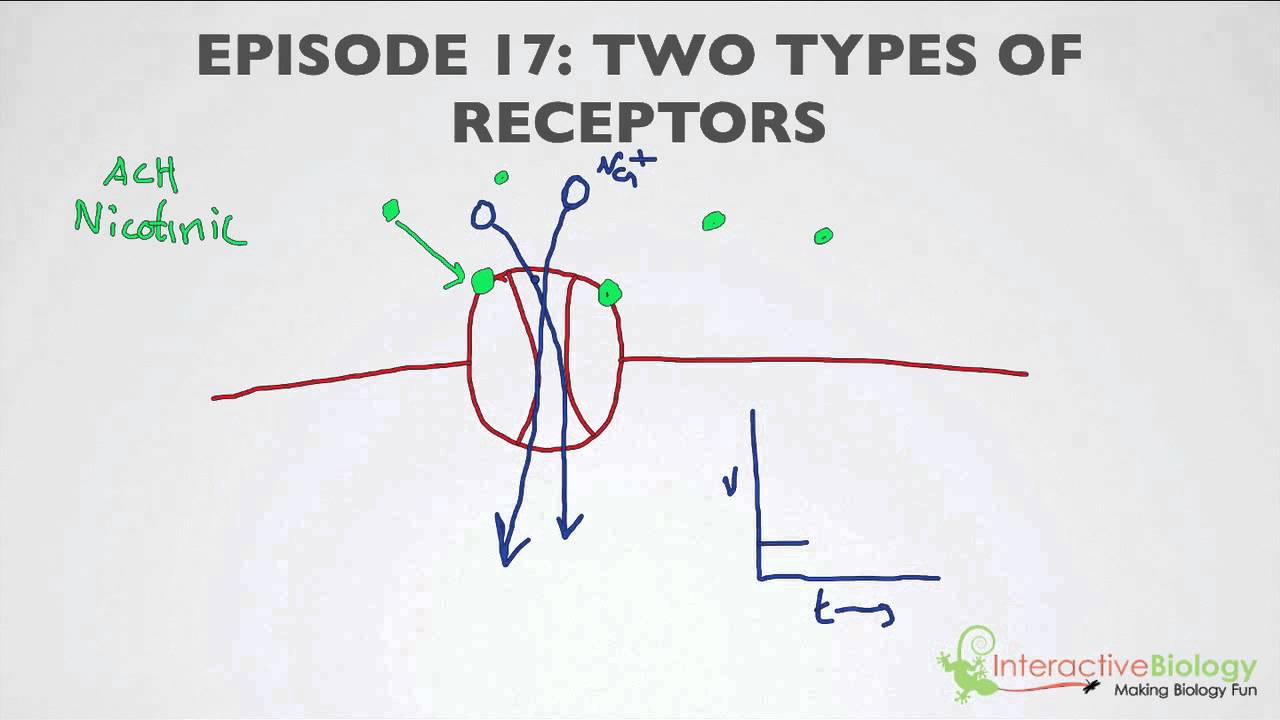
Direct action is when a neurotransmitter binds to an ionotropic receptor and opens it up, so that ions can pass through.
This will affect the membrane potential and promote rapid propagation of a particular effect.
Acetycholine and the amino acid neurotransmitters tend to behave this way.
Indirect action is when the action is promoted through second messenger molecules, like the G proteins we discussed in the biochemistry series.
This is similar to the way hormones operate, and the activity is mediated by metabotropic receptors.
The monoamines, neuropeptides, and small gas molecules will tend to exhibit this behavior, and when these act as chemical messengers in this manner we sometimes call them neuromodulators.
Now that we are familiar with the small molecules that neurons use to communicate with one another, let’s zoom out and get a better sense of how these neurons organize themselves.
Up Next

6:03
EEG Explained: How Brain Activity & Action Potentials Create Electroencephalograms | Neurological Diagnostics
@UCLMedicalPhysics
2.1K views•2012-05-01
21:55
Deciphering Neural Circuits Controlling Anorexia in Mice | Richard Palmiter
@AllenInstitute
2.3K views•2011-10-10

4:10
Vagus Nerve (CN X): Anatomy, Nuclei & Functions Explained
@Alilamedicalmedia
305.2K views•2022-10-31

13:03
How Exercise Benefits Your Brain: Science Explained
@TED
11.4M views•2018-03-21
Related Study Plans & Knowledge Roadmaps
Structured learning paths in Neuroscience
neuroscience
Appetite Regulation: Brain Circuits & Hormones
01Foundations of Endocrinology and Brain Anatomy
02Introduction to Energy Homeostasis
03Peripheral Signals: Leptin, Ghrelin, and Insulin
+ 2 more learning modules
14h5 modules
Explore Roadmap
neuroscience
Neuroeconomics: Value, Risk & Brain Mechanisms
01Foundations of Neuroscience and Brain Anatomy
02Introduction to Neuroeconomics and Subjective Value
03Dopaminergic Prediction Errors & Reinforcement Learning
+ 3 more learning modules
18h6 modules
Explore Roadmap
neuroscience
Spatial Navigation: Cells, Grids & Brain Maps
01Foundations of Brain Anatomy and Memory
02Place Cells and Head-Direction Cells
03Grid Cells: The Brain's Coordinate System
+ 2 more learning modules
12h5 modules
Explore Roadmap
neuroscience
BCIs: Neural Decoding & Prosthetic Control
01Neuroscience Foundations: How the Brain Signals Intent
02Signal Acquisition: Recording the Brain's Activity
03Neural Decoding: Translating Brain Waves into Data
+ 2 more learning modules
25h5 modules
Explore Roadmap