













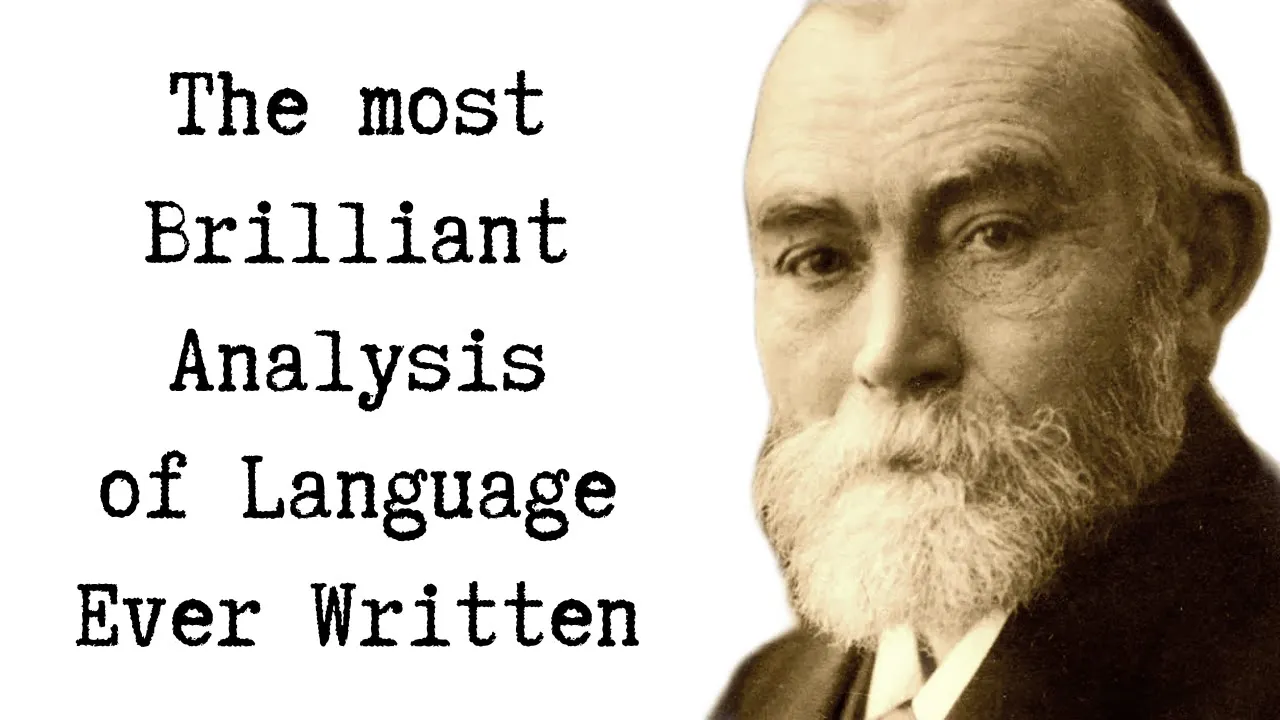



Frege argues that for language to work, there must be a distinction between the sense (Sinn) of a sign and its reference (Bedeutung); the sense is the mode of presentation or way of thinking about an object, which explains why some identity statements are informative (like 'The Morning Star is the Evening Star') while others are not (like 'The Morning Star is the Morning Star'), and this sense is what ultimately fixes what the sign refers to in the world.
Frege's Sense and Reference: Informative vs Uninformative Identity
Added:The basic concept of an identity statement (such as 'a = a' vs 'a = b') and why it poses a philosophical puzzle.
The Millian (or referential) theory of meaning, which posits that the meaning of a proper name is simply the object it refers to.
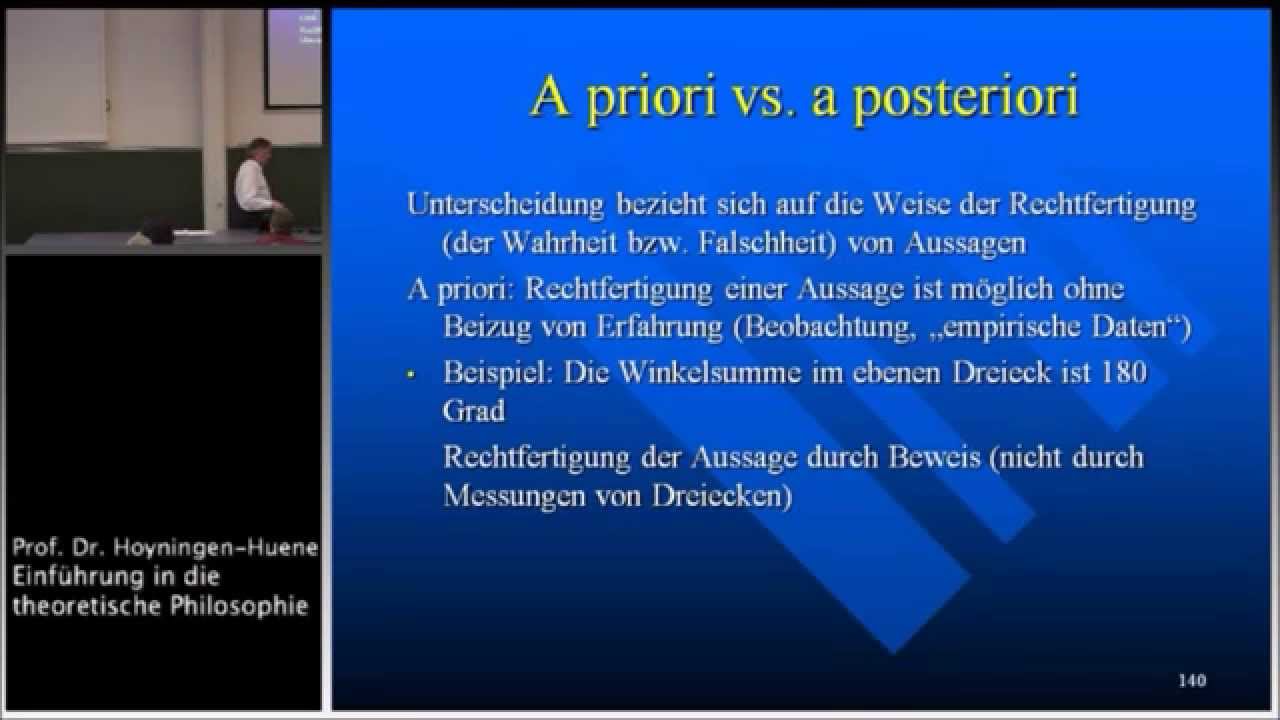
The philosophical distinction between 'a priori' (knowledge independent of experience) and 'a posteriori' (knowledge dependent on experience) justification.
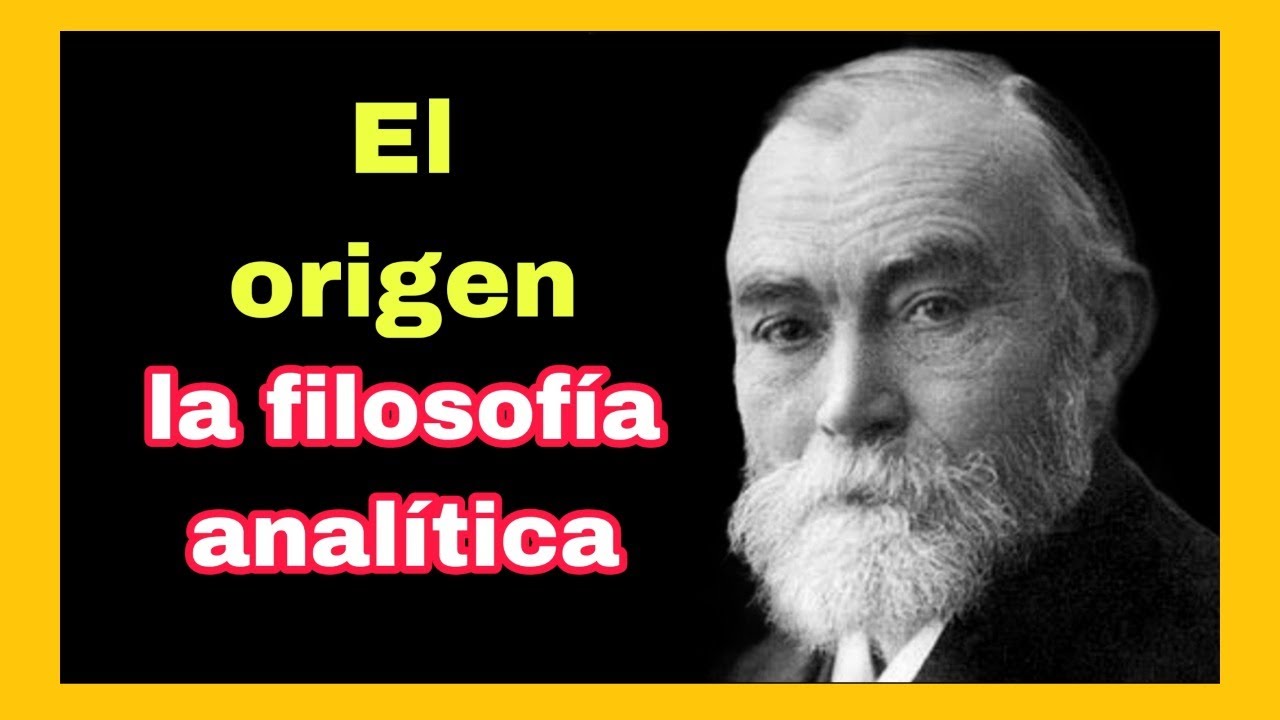
A foundational understanding of early analytic philosophy and Gottlob Frege's role in shifting focus toward the philosophy of language.
Bertrand Russell's Theory of Definite Descriptions as an alternative solution to the puzzles of reference and identity.
Saul Kripke's critique of Fregean descriptivism and the introduction of 'rigid designators' in his Direct Reference Theory.
The application of sense and reference to indirect contexts, such as belief reports and propositional attitudes (e.g., 'John believes that Hesperus is a planet').
The problem of empty names (referring to non-existent objects like 'Pegasus') and how Fregean vs. Millian theories handle them.
The development of intensional logic and formal semantics in computer science and linguistics, which build upon Frege's core distinctions.
2.6K views6likes38:26Original Release: 2012-05-24
okay so um where we left it last time was there are these large questions about what language is what kind of thing it is how it works um and uh I said let's try and Home in on simple concrete question as simple and concrete as we can make it um and I said well um what a language is the cord of what a languag is aha okay the core of what a language is is that there are sentences in the language that can be right or wrong you got something that's sentences in it that can be right or wrong that it's not music it's not some Communication System that's more primitive than language it's a language so long as you have sentences in it that are capable of going right or wrong and um those sentences are made up out of words and what the words stand for plays a role in fixing what it takes for the sentences to go right or wrong so if you take a sentence like Sally is is tall you have the S PP referring to S you have the is tall PP saying something about s that she told um and if you can understand how that works this is where language begins this is a very simplest case what's going on there how does the name get hooked up to the object in the first place um if we can understand how it happens that names refer to objects so the sign get hooped up to the thing then we'll understand something about how it can be there are standards of rightness and wrongness governing the use the sentences stat involving Nam then we have got somewhere with understanding how language works so what we need to understand first this is the strategy this is a weigh in is how it can be the the elements of a sentence the basic words that you're using how they can refer to the objects around you what sets up that connection how is it that war can out things and so what we're going to do today is look at fr's um uh strategy for addressing that question um those first incidentally in the reading I said the first six pages of the FR what I mean is the first six pages of I should I put this the original text the first three pages of the reader do you see what I mean my apologies if you write the first 12 pages of original text that's um far too much actually um let me just say something about these Pages we're looking at we'll be looking at the argument here today we'll be looking at it in the next lecture and we'll look at it in the lecture after that and then we might move on a bit so we're going to have a very sustained focus in those pages um uh this is quite restrained at UCLA in their philosophy of language classes it was for a long time a tradition that you spend the entire semester on those first six pages of the FR um they are for analytic philosophy begins um and uh uh they really repay a lot of study and the kind of format you should look at is you read the six pages I hope everyone's had at least a look at them by now you read the six pages you come to lecture you read the six pages again you go to section you discuss the six pages you go back what do you do you read the six pages again right you just keep repeating like that um they bear a lot of thinking about they are put with great clarity but the point that's being made there is um a very simple one and what we'll do today is try and in a PR set out what the point is so frus starts out with a distinction between informative and uninformative identities then he says that shows that there's such a thing as the sense of a sign and it's the sense of a sign that fixes what the sign stands for so this notion of sense is going to be that explains how it is that words can refer to that's a strategy um so to start with we need something about this distinction informative and uninformative identities fres a is identical to a all these Quotes come from actually mostly from the first page and a half of that article a is identical to a holds a priori and according to K is to be labeled analytic well statements of the form a is identical to B very often often contain very valuable extensions of our knowledge and cannot always be established AI so analytic aori um how many of you guys know what aori means pretty good not all but not bad what about analytic okay okay so the idea of API is you know it's true just by thinking about it you don't need to look to see so if I say [Music] um the cup in the waiting list will be removed um is that a priori that is not a priori you could not tell that just by figuring it out you had to wait for me to give you the good news right now actually I help this before before CL I think it's likely that but you could not told that just by figuring it out right um uh whereas if you take something like um uh my sister's son is my nephew is that if yeah you can do that just fig my sister yeah right it's not that hard 7 * 7 is 49 I mean it wasn't my day 4 right yes yeah okay uh you do just by figuring it out okay um analytic means um you can tell just by uh knowing what it meaning is whether it's true if you know the meaning of the statement you know it's true Bachelors are unmarried you know the meanings of the word you can just figure out that's got to be right the meanings of the word make it true whereas if you take something like the class is one to6 bottles that you have to look in the website the meaning of the Lord okay so Craig says take a statement like the Morning Star is the Morning Star if PRI or not you think that's it think you think that's it you are very good any desent very good right um the evening star is the evening star analytic or not analytic okay so these are prettyy easy stuff I tell you the Morning Star is the Morning Star all right what else have you got to say the evening star is the evening star okay um what about the Morning Star is the evening star the brightest star you see in the morning is the brightest star you see in the evening [Music] analytic I me what I mean is it analytic Ian is it in the one hand analytic aiori or not analytic and not aiori notori okay so that's informative if you told the Morning Star is the evening star uh if you told this heavenly body is this heavenly body that's um aposteriori it's not aori not an right so the idea here is um you take it's something like you a take on the object here you get one way of being presented with that object here and you got a different way of being presented with that object here and if the objects shown to you in different ways um then it's going to be informative is going to be not a priori to be told it's the same thing whereas if I just say to you this thing is this thing if I show it to you the same way two times then it's not going to be informative to be told it's the same thing you see what I mean yeah so there's that notion of your take on the object if your take on the object is the same um that it's not going to be informative to be told it's the same thing if you got a different take on the object two times then it is going to be informative can be told it's the same thing [Music] yeah for the moment I'm just taking all known the analytic statement but um what just says is just if it's inform if it's uninformative when I sayi and call can't analytic and if it's uninformative it's NE sorry it's informative it's uh there are deep issues in the theory of exactly what analytic and if I mean yeah questions about you generalize up very more for the moment we just think the same thing uh okay just just one more EXC just one more exercise here consider this building okay this building I give you the identity is this building this building is this building this building that's okay right that's okay is this building now watch me very closely here is this building the same as this [Music] building no yeah no not actually it is said this in my garden shed um um but if you look very carefully you can see this is the the site here that's not there yeah okay so that was informative I don't see I don't see I get any great price for this but I knew something you didn't there right I told you that's this is the same thing as that thing when that was informative right um so I showed you the same thing two different ways and it was informative to be told it's the same thing okay one last example here's frag again the discovery that the Rising Sun is not new every morning but always the same was one of the most fertile astronomical discoveries I I once saw a cartoon illustrating this point that had um two cavemen looking at the second sun and one of them is saying to the other you know there's a big pile of them down over there right so that they hadn't got it it's the same one going round and round um as well you see what I mean um it's the same thing that was a step forward to realize it's the same son you're getting today as you got yesterday um a friend of mine was a pinball addict when he was a teenager and uh pin pinball okay what pinball is um um and he thought that it that when you um loaded up a new ball it really was a new ball so you could bu balls you thought well a whole stack of them down there and he didn't realize it was the same ball going round and round again and again right so that's informative to be told is the same ball going run again and again okay so is that okay about informative and uninformative identities this is your chance to pause if that's not absolutely Rock Solid what that distinction is okay you can do that okay so P says given you got this distinction between informative and uninformative you need an ocean a sense and this is how the argument goes you get the sign and you have the object that the uh sign stands for your Sally the name Sally and you the person Sally and in between the two you have the sense of the sign um someone actually said to me an officer of today uh look if I have a name like um if you have a name like um Barak Obama then um the meaning of the sign all there is to the meaning of the sign is the object you're talking about the name is a tag for the object that's how the name is that's how the name works the tag is the object PR is saying no there is this other thing the sense of the sign so why do you need that if you're discussing the way the names function in a language what is a name after all a name is just a tag thing if you get the name tagging the thing that's all there is to the meaning of the of the tag to the meaning of the name it's just a tag for a thing FR says no well why is that why couldn't you have it that it's just a sign in the reference and after all if you did have a language where the names were just hooked up to objects and nothing in between wouldn't that be all you need you could then go on and talk about the things around you and make remarks about them and so on um well the argument is if identity was a relation between what names designate then a is identical to B and B A is identical to a would say just the same thing so what he's saying is um I wonder to p uh well I don't know if I should try working in the coal here um um okay what he's saying is suppose you take the name a and the name b and suppose that um a is just a tag for an object and suppose that b is just a tag for the very same object the Morning Star the evening star they both just tag the same thing planet Venus um then a just stands for Venus B just stands for Venus so they have just the same meaning they tag just the same object so a is identical to B would be saying just the same thing as a is identical to [Music] a to take the Morning Star is the Morning Star you got a tag here for this planet the Venus you got a tag here for Venus you a tag here for Venus and you another tag here for Venus what's the difference between these two you just replaced one tag for Venus with another tag for Venus so there's no difference in what objects you're talking about so how can it be that they say different things those two sentences the morning start is the morning start and the morning start is the evening start they must be saying different things because is this one informative we know the answer to that it's not informative the morning s is the morning St come on we were doing so well on this about five minutes ago the morning start is the morning start is that informative no no okay the morning start is the evening star is that informative very good okay but look this is like a trick um because how did I get from something uninformative to something informative I took a sign that refer to the planet Venus and I replaced it with another sign that refers to the planet Venus so there shouldn't be any difference between these two if all there is is the sign and the object I took one sign in the refer to an object I took a different signment ref to the same object and I just replaced this one with that one I didn't make any difference to the sentence you see what I mean so how did I get from something informative from something uninformative to something informative that is the puzzle there must be more to meaning than reference you might say PR say um maybe what's going on is when you say the Morning Star is the morning star and The Morning Star is the evening star what you really mean is take the when I say to you the Morning Star is the Morning Star what I'm saying is take the sign the morning star and take this other sign the Morning Star they stand for the same thing and take this sign the morning star and take that sign the evening star and sing they stand for something different so really what I'm talking about here is about signs when I say um the morning Stars the morning star that looks like a statement about planets but actually it's a statement about language that's one Theory and then they're going to be saying different things because they're talking about different signs yeah so this is fr what is intended to be said by a is identical to B is that the signs A and B designate the same thing so that the signs themselves are what's under discussion a relation between the signs is what's being s so if you take an identity statement you're actually talking about language you're talking about science that's one Theory yeah and frer says that can't be right that theory and this is his objection to the theory he has two objections to the theory one objection is when you say the sign a refers to this object and the sign B refers to that subject um that relation holds only in so far as you've got science here standing for things but what sign stands for what thing is arbitrary any sign can stand for any object but that's how languages work you can you can itly any science Lang any object um so I'd just be telling you then about this arbitrary fact that the sign the Morning Star stands for the same thing as the sign the morning star and the sign the Morning Star stands for the sign uh stands for the same thing as the sign the evening star and here's well you can't nobody can be forbidden to use any arbitrarily producible event or object as a sign for something and that's right I can say suppose this is a White House and this is the Pentagon right you can do that you can't say no no no you can't talk about the White House in The Penton like that um you can't I'll do it if I like um nobody can be forbidden to use any arbitrarily producible event saying for some but then you'd be saying well when you say the Morning Star is the evening star you're not referring to the subject matter you're not talking about the heavenly bodies you're only talking about the bits of language and you express puts no proper knowledge by their means I was talking to someone this morning about this kind of example this happened um a few years ago there was um a quazar there were a pair of quazars U let's call them quazar A and quazar B um far off SP work and the two quazar were quite close together and with very producing light of very similar Spectra and this was a real puzzle because you don't usually get that and um it was eventually found that well what was going on is there's just one quazer there was a black hole in between it and and light from it was being Dent around the black hole so we discovered quazar a is quaz RB right now the thing is that's what FR is calling proper knowledge there when you discover that quazar a is the same as quazar B you're actually finding out something about astronomy you're finding out something about the way the world is um you're not finding out something about the way the English language works so he's saying you take the sentence a is identical to B that's going to be remark about the world when you find out that Batman is um Bru way you guys know about Batman right I guess this is one of these legends that persists in every time and every society um uh okay when you find out that Batman is Bruce way that is a fact about the world that is not a fact about the English language the evening star is the morning star that is a fact about astronomy it is not a fact about the English language um if you said it is a fact about language you'd actually obliterate the distinction between informative and uninformative identities because suppose I told you look this sign a refers to the same thing sign as this sign a is that informative or uninformative uninformative is not actually if you think about it because you could use the same sign twice to rec different people that happens right your two friends call Bill and you say my God I can't believe what I just heard Bill said to Bill but right you can do that you can use the same sign twice to affect the different people yeah um and in fact actually ordinarily if you said Bill said to Bill you'd assume that there were two bills involved if it was one in the same bill you say Will Bill s himself are you with me so a refers to the same thing as a would be inform formative and a refers to the same thing as B would be informative so actually everything would turn out to be informative theing so how can it be that a difference between an informative and an uninformative identity here's F's punchline the difference can arise only if the difference between the signs the difference between the signs A and B corresponds to a difference in the mode of presentation of that which is designated so the point is that um when you get a sign a does a take on the object a way of getting onto the object object a perspective on the object that a expresses when you get the same B there is another take a way of getting onto that object that b expresses and if they're different then the identity is informative if they're the same then the identity is uninformative but you need that notion of the more of presentation the way you're given the thing your perspective on the object if you go back to that thing about the shed the whole point about the shed there was you got different ways of being presented with a shed in these two [Music] photos and so long you a difference in the way it's been presented then um you're going to have um informative identity so in the analysis of of signs um that stand for objects you need three things there's a sign itself there's the sense of the sign and there's the object the sign stands for there's the take that the sign expresses and the object and you need that if you're going to explain how come there this difference between informative and uninformative identities that's why you need a notion of s [Music] it's important we all be [Music] absolutely it's happy the one I want Comfort comfortable with that if you're not feeling comfortable and please try and express your this Comfort yeah um I think in the reading frga also uses in the same sentence he uses the word sense but he also uses context so use the word sense and the word context context before I was thinking of uh sense in the word and uh by context or like relationship and then he in one sentence he uses both words so I'm thinking that he is making a distinction between have the pass uh yeah let me make just one remark about that while you're looking it up um there's a sense in which context is obiously going to be important look um suppose you take you my way I'm being given the table right now yeah uh and then suppose that the discussion after the class goes on and on tomorrow morning I wake up with my head underneath the table I'm looking up at the base of the table uh the table from underneath um then I'm in a different context with respect to the table right so I lie there thinking where am I you could be practically anywhere right um I'm getting a different take on the table because my context with respect to it has shifted whereas if I stand here and I'm in the same context with respect to the table twice then um uh my identity there is going to be uninformative so those would be different modes of presentation because of the difference in context but I think that's okay we'll have to yeah is the sense just the characteristics that you're using as kind of the markers that attach it to or uh all I've said is all what I've done so far is um I said there's this distinction between informative and uninformative identities right and I say we're going to use sense as the name for sense is just a word for whatever it is when you get the same sense the identity is uninformative in a different sense it's informative right that's all I've done so far except I gave some kind of pictures or impressions as to that notion of a take or a way of being given but I haven't said anything at all more detailed about what the sense is are how it works so what I said so far has been very abstract plus a bit of metaphor you think about the co photographs and so on yeah uh and the next step is to get more detailed and say what is it how does it work how does the sense who got to say yeah um and that's really what what we be doing in the first six weeks of the class actually is trying to fill this out but at the moment we're just trying to triangulate qu the phenomenon of Ines you [Music] see there we go well go ahead okay uh so he's saying uh to every expression belonging to a complete totality of science there should be uh there should certainly correspond a definite sense but natural languages often do not satisfy this condition and one must be content if the same word has the same sense in the same context so I took what you was saying to be like if we had like perfect language then every word like you know that has different sense you would have a separate word for each of those sense but in our natural language which is not perfect we have to settle for uh if if one word has the same sense in the same context so I guess I'm it seems like he's drawn distinction between context and sense so I'm just curious what it would look like when those two come apart um what do he mean that is something that is Rel relatively superficial it's that um I don't know for example I used to work at a university where there were three John Campbell yeah I mean very upsetting and distressing um I once got an incredibly steamy Love Letter um I who the hell is this and eventually had to S tap do that on mail it on to someone else um uh so there um you have the same name being used with different senses different references yeah um and what is distressing about that kind of case is um uh you have sentences you have the same name being used with the same sense in the same context Mainely in the context of the postal system sorry same name being used in different senses in the context of system you see what I mean yeah so it's bad enough if there is someone on the other side of the planet with the same name as me yeah but so long as we are not using the name in the same context it doesn't matter yeah but once you bring two names being once you bring the same name being used in two different sentences into the same context then the possibility for confus is very great and that's what he's saying yeah does that make sense yeah I shouldn't think of sense as context no they completely different phen yeah and it's different again to the thing I talking okay okay and here's the move here's the main move that FR makes in um in these first few pages that thing about informative and uninformative that's a very kind of technical question right that would not have Ur to you I I suggest straight off as really the Bas problem that you're interested in when you're interested in how language works is a very subtle kind of technical phenomenon in that but fr's great move is um we're trying to understand how it is that the words in a sentence can refer to the objects around us this is the the big problem this is the fundamental problem how is it that things and fr has just been arguing that in order to explain how you got this distinction that is really um it might be a little bit technical but it's definitely there it is a real distinction between informative and uninformative identities in order to explain that distinction you need this notion of sense you need that notion of your way of getting onto the object um and a sense he says that's the mode of presentation of the object sense is what explains informativeness that's how we came in but then PR's move is to say sense is what fixes reference the thing that explains informativeness is what Hooks up the sign to the object that's how the sign gets tied up to the object by being associated with our Saints so just to go back over that when you take the Morning Star as the Morning Star sess of sense has to be making that identity uninformative right if you get the same sense it's got to be uninformative to be told that the Morning Star is the Morning Star you the same T both times um it's uh got to be is the same object but then SV of sense has got to guarantee sess of reference you get the same sense it must be get the same object there so sense has got to be fixing reference [Music] this is what's great about the frag is that all the pieces here are individually very simple but we really seem to be getting on to how it is that the sign get hooked up to the thing in the world is this notion of sense and we need that of sense sense is going to be what explains how the name gets tied up to the thing and that's how it works um uh when you have a sentence that you say take the general term is tall or sh or whatever it is then if you get a sentence the Morning Star is shining brightly whether that's true is going to depend on whether that General ter is shining rightly is pro that object so we're going to get something here about what it takes for a sentence to be correct or incorrect how can be sentences that are going right or wrong so long as you've got terms that get that are expressing sentences and thereby getting hooped up to objects then we're going to have sentences that can be true or false so the key thing is to figure out how sense operates we already know something the regular connection between a sign and sense and his reference is of such a kind that to the sign that corresponds a definite sense and to that in term a definite reference while to Any Given object but is not the only a single sign so the sign should be in any one context anyway the sign should be expressing a particular sense just one sense and in that's sense is hooking up the sign to the object that's how it works okay and we will go further into the theor sense next time but in the meantime what is it you do now you do reading okay and every time you do a bit more com to okay thank you
Up Next

36:39
Queer Theory Explained: History, Language, and Identity in Philosophy
@PhilosophyTube
1.6M views•2019-10-28

164:01
John of Damascus on Holy Images: A Theological Defense
@BannedBooks
139 views•2026-04-25

68:32
Should We Destroy the Machines? Big Tech Surveillance Critique
@TheStoriesWeTell303
167.9K views•2025-11-30
4:57
The Myth of Sisyphus: A Greek Legend of Eternal Punishment
@TEDEd
8.6M views•2018-11-13
Related Study Plans & Knowledge Roadmaps
Structured learning paths in Philosophy
philosophy
Frankfurt School: Critical Theory & Culture
01Foundations of the Frankfurt School and Critical Theory
02Horkheimer & Adorno: The Critique of Instrumental Reason
03The Culture Industry and Mass Deception
+ 2 more learning modules
12h5 modules
Explore Roadmap
philosophy
Philosophy of Language: From Frege to Austin
01The Linguistic Turn: An Introduction to Language in Philosophy
02Gottlob Frege: Sense and Reference
03Early Wittgenstein: The Picture Theory of Meaning
+ 3 more learning modules
15h6 modules
Explore Roadmap
philosophy
Feminist Epistemology: Standpoint & Injustice
01Introduction to Epistemology and Feminist Critiques
02Sandra Harding and Standpoint Theory
03Donna Haraway and Situated Knowledges
+ 2 more learning modules
12h5 modules
Explore Roadmap
philosophy
Environmental Philosophy: Ethics & Deep Ecology
01Foundations of Environmental Ethics & Anthropocentrism
02Biocentric Individualism and Animal Liberation
03Ecocentric Holism and Deep Ecology
+ 1 more learning modules
10h4 modules
Explore Roadmap