

![[교과보충집중프로그램] 아스피린합성실험관련 이론](https://i.ytimg.com/vi/LtCy_xrJk4s/sddefault.jpg?sqp=-oaymwEmCIAFEOAD8quKqQMa8AEB-AHUBoAC4AOKAgwIABABGGUgZShlMA8=&rs=AOn4CLCRcCRP1LOijiSurOypRcAeaguU3Q)






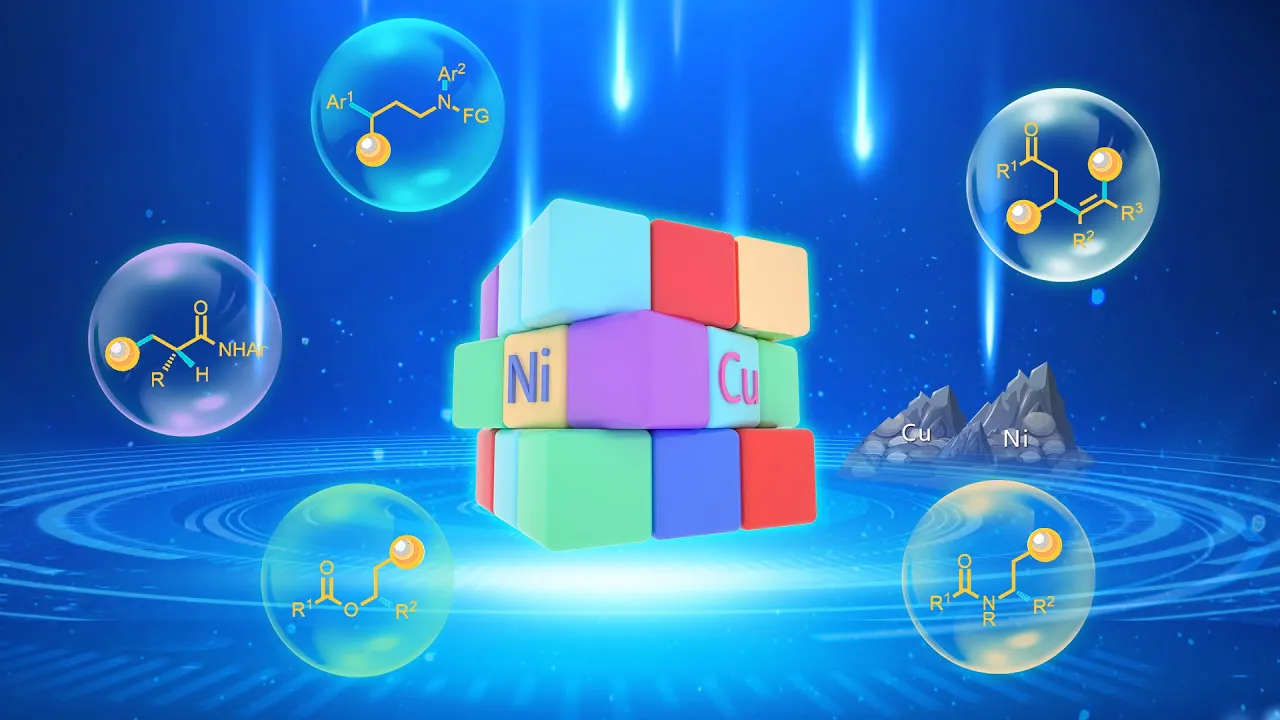








Click chemistry is a molecular approach that uses the most practical and reliable chemical transformations for rapidly synthesizing new compounds, particularly valuable in drug discovery and bioorthogonal applications. The core principle emphasizes orthogonality—reactions that proceed selectively without interfering with other functional groups—and typically work best in water. Key examples include the strain-promoted azide-alkyne cycloaddition (SPAAC), which enables stealth chemistry inside living systems, and copper-catalyzed azide-alkyne cycloaddition (CuAAC), which accelerates the reaction by approximately 100 million times. These reactions have applications ranging from dyeing cotton to drug discovery, proteomics, and DNA research.
Click Chemistry: From Dyeing Cotton to Drug Discovery
Added:Fundamental organic chemistry functional groups and structures, particularly alkynes, azides, and esters.
The principles of thermodynamic driving forces and reaction kinetics, specifically why certain reactions proceed rapidly and irreversibly.
Basic concepts of catalysis, including how transition metals like copper accelerate specific chemical transformations.
Introduction to biomolecules (proteins, nucleic acids, and lipids) and the general concept of molecular labeling.
Bioorthogonal chemistry, specifically strain-promoted copper-free click reactions (SPAAC) used inside living organisms.
Applications in targeted drug delivery systems, such as antibody-drug conjugates (ADCs) synthesized via click chemistry.
Advanced polymer synthesis and materials science, focusing on the design of functional hydrogels, dendrimers, and smart materials.
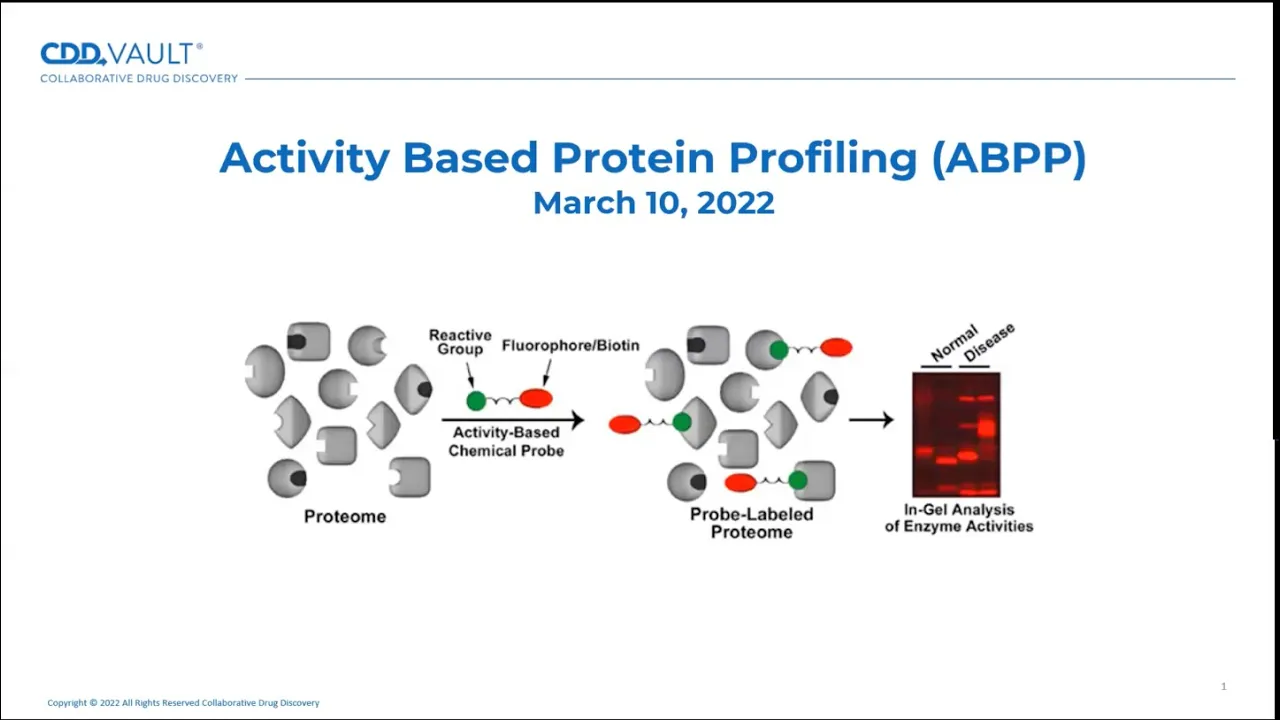
Activity-Based Protein Profiling (ABPP) and its role in modern proteomics and drug target identification.
12.3K views34likes1:24:21Original Release: 2010-10-12
good morning everyone and welcome to this year's Christmas colloquium I when I invited Barry Sharpless to give this talk he asked me you know outside of the fact that the colloquium is going to be given in December what's so special about it and what's so special about it is the person introduced to you is actually one of Santa's elves and I know you've been introduced by some very very famous people in the past but this may be the first time someone from the North Pole like like this so I wish you all Merry Christmas and Happy Holidays and I hope all goes well for you this this this Christmas season barry sharpless is our special guest today and it's going to give a talk about something that he is very passionate about and that's applied click chemistry from dyeing cotton to drug discovery barry sharpless shared the 2001 Nobel Prize in Chemistry for his work on Carly catalyzed oxidation reactions and that was the same year that myths and jealous Eric Cornell and Carl Wyman shared the Nobel Prize in Physics in fact I told Barry earlier we were many of us were gathered right here in the auditorium and watched that ceremony live from Stockholm so we didn't realize it at the time but we watched you walk across the stage at that time to incidentally the other half of the Prize in Chemistry that year was for work on Carly catalyzed hydrogenation reactions and that was shared by William Knowles of Monsanto Company and Rho AG knew Yuri of Nagoya University in Japan Barry's work work that he was a recognized for makes it possible to synthesize molecules materials basically with new properties this has been especially useful I would say over the last 10 to 20 years in the pharmaceutical industry for developing new antibiotics anti-inflammatory drugs and heart medicines barry sharpless grew up in philadelphia went to friends Central High School in Haverford and during his high school years at times his mind drifted into dreams I'm taking this now from his autobiography so so he knows about this he wrote it himself and so like most teenagers of the time he he had dreams daydreams but his dreams were a little bit different no they were not of chemistry they were not of catalyzed reactions they were of the ocean and what we called the shore infill I'm from thought about you too and in those days everybody wanted to go to the shore not and here it's the beach we go to but we got to the shore in fact one of his great loves is the ocean it's the rivers lakes he's been a oarsmen he's worked in the summers on fishing boats in the in the Atlantic Ocean and he just loves to see and it's still one of his passions he went to college at Dartmouth College and got his started out actually as a pre-med major and got exposed to organic chemistry and I guess the second year and thought oh this is really much more interesting than that other stuff and so he major in chemistry went on to graduate school at Stanford University where he got his PhD he stayed on an extra year to do postdoc work there with JP Coleman and he also went to till Harvard University for another year of postdoc this time with Conrad Block he got into a tenure-track position at MIT and spent the next 20 years at MIT except for a couple years that he went back to Stanford University to to renew some of his research there since 1990 he has been back at the ocean really maybe that was even some motivation for moving back to the west coast he's at the Scripps Research Institute where he is the Keck professor of chemistry and a member of Scaggs Institute for chemical biology berry is best known for discovering three reactions which often have his name attached to them these are the catalytic asymmetric epoxidation reaction that dihydroxylation reaction and the amino hydroxylation reaction the Nobel Citation talks about the epoxidation the sharpless epoxidation reaction as follows many scientists have identified sharpless epoxidation discovered in 1980 it's the most important discovery in the field of synthesis over the past 20 years at Scripps he continues his really career long search for useful new reactivity and general methods for selectively controlling chemical reactions click chemistry he's been as I said passionately involved with since he he started this research probably about five or six years ago and this is the you can hear about it today it's a set of powerful selective reactions for rapidly synthesizing new compounds and he says told me by male he can hardly sleep this is really such an exciting thing things are happening so quickly that as I picked him up at the hotel this morning he was working on some of this stuff so it's really become a passion obviously he's won many awards and and prizes became a National Academy of Science member in 1985 the King Faisal prize for science in 1995 the Benjamin Franklin medal from the Franklin Institute in 2001 if any of you from Philadelphia you know heart pounds when you go back to the Franklin Institute to actually be honored with the Franklin medal and then he got the wolf prize also in 2001 just a quick story Bill's he probably won't tell this story but when he was asked what was the most exciting moment and all of your these awards installed it wasn't it wasn't the phone call from Stockholm it was actually a phone call when he became a member of the Academy of Sciences and the reason this was so exciting was that he was actually giving a lecture at a conference and invited lecture and the call was answered by his wife who was and his wife and children were at the at the conference as well and she was in the hotel room so the person on the phone said you know really you really need to tell him right away this is really really tremendously exciting and quite an honor and all so she finally said okay I'll do that so the kids were little so she had to grab the kids and and she went to the conference and he was giving a lecture and as he was giving a lecture she saw her and children come walking across the back of the room became a little alarmed so he actually stopped his lecture and said to his wife yeah is there any anything wrong so she must have shouted from beckwith auditorium well nothing's wrong we just came here to tell you then that it as a member of the National Academy of Sciences of course the whole place roared I mean with collapse and everything and this must have been actually very very touching touching moment for you I hope you don't mind my telling sharing that story with with the staff here so without further ado can you join me in welcoming Barry Sharpless Thank You bill white boy it's been a pleasure he's such a gentleman and a fascinating fellow and I should have recognized his show lucky accident but he that story was it is actually pretty close to the way it happened the thing that really was amazing to me this is a sign of the times I think right I had no idea George Busey the late George believed my sort of Swiss professor or father and imaging committee had nominated me for the National Academy in other words this came out of the blue you know today I don't think many things come out of the blue like that anymore nobody you know he was a real gentleman european-style he never just got my secretary told give me some day and I'm in a couple you know five years later right you know that doesn't happen very often I'm George was a real gentleman and so with Nelson Leonard who just passed away you know I seem to be replicating those people in our field okay water is a big thing in my life that you've heard and mostly salt water actually because I'm not really interested in things that don't have creatures I'm looking for creatures I gave up on macroscopic I look for molecule creatures now see that that's like I don't take pictures anymore I don't go fishing I still like being near the ocean and walking but I I'm looking for creatures something I don't know is there that's the metaphor coelacanth that's that article it was a auto bike it was just the thing I wrote for the Nobel thing there wasn't what my wife wrote it actually she knows more about me than I do she told me she told me I was looking for my coelacanth so it's called coelacanth and catalysis because you know we found that coelacanth 1938 that was our generation everybody's going into the woods thumbs up we're gonna find the Yeti we're gonna get dinosaurs it was a Japanese just like us they loved monster movies it anyway anything was possible it seems the world was less optimistic these days this is a we went to the Antarctic on this one trip to South America for a meeting and that was the 19 I mean in 2004 with the family and I just my son was taking pictures and I just couldn't believe how many of these little Creole they're about this big little shrimp like things I guess they're not good for us to eat with the shell on because they have a lot of fluoride in them but it's a metaphor for how rich life is on this planet down there in the summer in the Arctic summers Antarctica summers exist in massive amounts of food in the water so the thing that really I guess it won't Quaker school my father was from a Quaker family doing something useful I always liked George Hammonds bold quote here it's it's the most fundamental lasting objective of synthesis is not production of compounds but production of properties there's just too many compounds I mean even little compounds like could be drugged 500 molecular weight or less and just have the elements of drug there's estimated to be 10 to the 63 possible structures at and that's like there are 10 to be visible universe is estimated to have 10 to the 80th Dalton's protons so tend to there's not enough carbon to make one of every one of those little guy there's we haven't made any will never make any it's impossible we all have to make I think 10 to the 30th compounds today for 10 to the 30th years grandfather's children everybody it's 6 billion of us so we got a problem here I telling you I don't have any reverence for structure all I care about is function I have to know structure it structures trivial though I mean you know that's this is 19 something a 2006 you don't know the structure you just tell somebody what you know and don't know but the structure is not what we need in this world we need the function there are many ways to get function I think connectivity is the way that that chemistry is the metaphor for everything in chemistry right yeah we got to get units that aren't connected connected and that that's the message in life that's the message cobble together proteins it's pretty boring in a way but it 20 building blocks cobbled together and that's the message and that's that that's the verb also the verbs and the message for read off of the nucleic acids so the connections this is a great word because you see it has a lot of things in it it has everything we need the Trinity the Holy Trinity carbon nitrogen and oxygen and so it's got three of those I like that and then it's got s could be sulfur and actually s II is is selenium that's got me tenure at MIT Titanium's in there too but but this is the pyramid that I really saw coming on strong in the last few years it's the especially 3:8 of nitrogen's Nature doesn't use more than one usually and but for her connections but and these we use sometimes hydrazine like things but this is a magic place I'll tell you more about it in a minute here so if we have reactivity that's what chemists should do they should understand why reactions occur and and how to get good good reliable ones I think that's my belief because the structure even you can't get one place to another in terms of new composition of matter unless you can have understand reactivity it's the structure yeah you might want a structure but you you gotta know whether you can make it in in a realistic sense and that comes from understanding reactivity and once you get the connections you you begin to have the chance for new properties and functions that's the idea of quick chemistry so quick chemistry it's just a way of it's nothing new it was just I had to go back to before 1950 to find all the good reactions there wasn't anything after 1950 and I didn't invent any of these click reactions they were there in the old German literature you know these guys didn't have from--it ography they didn't they were good at making compounds and they took what they could get and they crystallized out and they're made a lot of drugs that way they're heterocycles so it's like a few good men you know what can you do with a few good reactions the Marines type of approach and and and it's sort of a Back to the Future idea in other words if I don't use things that I can't really count on in a pinch then what will I what can I get out of that ten years down the road and I think you have to think down to the fact of the future I'm Polaroid I love Polaroid was right around the corner from MIT the land was a genius that was a wonderful thing I'm sure you remember those things pull that thing whoever thought that would go away it's gone Kodak I'm they're strong they're gonna try but hey I don't I don't give a much chin you things change in this world you can't have anything in it unfortunately you can't have reverence for anything you have to be ready we do as human beings need reverence for life and we will be just hang on to things - when it comes to the technology and how you can make a living I don't know if it's it's really able to have the kind of stability that we seem to need in our hearts so I'm looking for a no-nonsense way to make things and so what you'll notice about all this chemistry it works best in water in fact I'm going to because you guys are into the standards and basic things I'm going to tell you something about water that I think it's really amazing it's not we all know what is amazing but these quick reactions as we did them over the last five to ten years we found out they don't only like water they the very best ones by definition work best floating on water now this is like almost uncanny because life doesn't use click reactions she wants reversible chemistry we couldn't get off the ground if we couldn't recycle the parts you know we eat other organisms they eat us and they turn in return into what we need to turn into and that we wouldn't have a chance for that modularity but life is different than us and we don't have much control so I was looking for some good reactions bang they happen but they happen in water and that's great because that means you don't have to protect anything you know you like life itself you can sort out everything if you're allowed to use water as a solvent then you can't have interference from from a MIDI and hydroxyl group so that here's the idea you just this was just pure water either for half an hour and opens with buffered azide and nice crystals these aren't explosive or anything you can just burn them that they just burn normally and then you put them on water for an hour they don't dissolve that's an acetylene and you it goes click and you got a nice solid Vic just take the crunchy crystals off the top of the water and what I like about click chemistry we kept on going on this you keep getting more material you don't you know it's not you don't have any chromatography we just don't allow from at Agra fees until the end we have three L CMS's because everything is and no NMR is I hate Inamori I mean NMR is great but from mechanism I don't need NMR I got the structures there they're coming out the way I the molecular weight tells you the structure okay and the retention time and they all say you don't need anything else with this chemistry mass spec rules and that's the paper that was this is the manifesto which I think came out much better than we thought we didn't have anything all we had with some ideas to use up oxides and use click chemistry strange things that bang but very selectively bang that was the idea and then oh this is for us it's all off yet three simple letters but getting them assemble the right order takes more than a good typesetter even want a Benjamin Franklin's skill well if you're a physicist like a lot of you are here you'll know that you know you can have atoms in the gas phase of deep space you can have carbon atom and nitrogen and oxygen but you can't put them in bottles and arrange for them to meet each other one at a time all right so it's a very thick you part of the periodic table you know there's no empty orbitals everything is engaged it's just hardly it's a real tough area that's why it gives the stability to make life hang together but it's not easy to put it together and here's my quick course on stereochemistry I've always liked this the MIT students seem to like it back when I thought there so we this is the whole ball of wax here right we have a point it's a carbon atom at deep space the high vacuum I don't know if anything if there's many of those out there I don't think they can see those they usually see things like cyclopropane carbine and deep spaces that's the major species one of them okay so we know we we put a bunch of them together and we get a polyacetylene let's just stop at a one unit and that's the maximum state of one saturates a line we then add hydrogen's from the across the plane and we can do it two ways we get a plane then we add another pair of hydrogen's and now we're at the hydrocarbons which we get out of the ground and crack we usually crack them to get all the things but these are this is now like popping up into the 3-dimensional world and then that's the way I used to teach how a symmetric how you can get lots of stuff from olefins you go you come through this evolution to the 3-dimensional world and if you look at the periodic something about oxidation I was telling bill in his office just a few minutes ago that I first saw my father was a surgeon and we went and filled off your medical store and there was this book on the biosynthesis of steroids seto it was by Hofmann and amaz etic and on but they already knew enough to know they had low nostril and cholesterol you know I only had high school chemistry but I could see that three saturated methyl groups disappeared and they went off as co2 boy that really caught my eye I just learned that's probably maybe the beginning of my interest in burning things and oxidizing things so as you pull out hydrogen's that's equivalent to oxidation you've gained instabilities here I'm just showing you the game here it from ethnic phenyl ethane you just go to styrene and think they got another pair of hydrogens you're the maximum degree of unsaturation i'm doing it here for diazonium iron and down here this would be a possibly made but very unstable or try compound but that they're known especially they're known if you have was a long story anyway you start pulling hydrogens out of this you get here this is a known compound triazines especially when that's another group our group and then you go to the azide so what we see here is the evolution of unsaturation growing in and reactivity is coming in too and when you have the atoms being the same in the structure like here and here they're very very unsaturated very stressed compounds unsaturation also almost by definition means reactivity and yet they're they're really in a whole there's about twenty five ways to make azide it may be up there but it's up that it's in a whole lot there okay a big hole so all roads lead to a site in many parts of nitrogen chemistry so that's kind of really something i think people didn't realize it's that it so stable in many ways especially the aliphatic ones but because they are made out of the same atoms there's no big pull dipoles and there's no big charge separations and and so they're really kind of but not acid-base sensitive they're stuck in a world that's highly endothermic but but it's kind of like a cage and they have very few ways to go that they can get away from that unsaturation that's the kind of paradox here so they're caged tigers and and they only react in a sense they only react with each other that's all they really know how to do and and even that we you're gonna see is very demure very very demure except for the ones that are activated like the acetylene die carboxylate so we'll come to that so here we have two entities and not only are they highly stressed but they're almost invisible in our world they are invisible an acid-based world that's what life practices that's where we live so this is the point that I'm trying to come today is the orthogonality point of this chemistry that's what was a gift to us we didn't expect it we just ran into it we scan cycle of addition of azide and all kinds this goes back to the 50s actually this was first discovered this thrives old formation by Arthur Michel he was at Tufts University he thought he went to Germany to learn he did it in 1898 in Germany this reaction crystal you know well he was he described the compound first and it was definitely a triazole and that's it that's kind of cool he's the michael reaction and he was the first american that came back he ended up at Harvard I think and had Germans coming over to postdoc with him we all went the German in the old days I mean everybody went to Germany it gives a mixture and you have to heat it at maybe what they're almost no uses of wiscons dipolar chemistry got used a lot but not with azide as a dipole with more reactive dipoles that were not orthogonal to the world there you can't use those in water and stuff so I'm going to own it to start like preparing you for what I'm going to apply here this is a perfect reaction in a way that's funny you'll see why I meant it but the long reach of a perfect reaction that's what I'm beginning to try to see as the main I see as the main benefit of our quest here and here's a case where whenever you have one of these reactions that's very cyclic this is an N reaction so it's sort of like there's the older and the diels-alder and then the older een they're all concerted reactions so here this that so carboxylate picks the proton off the allylic and rearranges and this is an example from a few years ago what this reaction is like if you mix these together they float density 7.17 and this one's heavier than water but they float overall so the color is from this and you see it floating on water and then you stir it there should be a stir in there and it transits down to the odd and if you have more points okiyama tree wasn't right on this one it was easy it'll turn coalesced and will be a hundred percent yield of this white compound which happens to be heavier so it transits through the water and ends up on the bottom and that's not important it could have started on on the top and ended on the top or vice versa yes it's not that's not the point here what is important to notice is this same reaction if you do it need no salt same thing float those same liquids now not as much because these are high boilers and which once you get started and things start warming up then you can have an explosion and it'll be a mess but you won't thought it doesn't mean it went faster so we keep the temperature the same in a bath and these two it's liquids without water around take 70 times longer than with the water that's this this water effect and and they have to both be insoluble in water if one is soluble or if they're all in one phase with some Co salt it's not going to happen what's going on here well here's another one of it we did it on a like 50/50 Mills product 50 mils just stirring it each time I stopped you see it going down there you just decant the important step funneled the candidates pure product and it's very safe because this is a highly exothermic reaction like all click reactions but if you're going to do a dangerous reaction you got can't get in trouble when you have water around like I won't say can't because some people get in trouble you know there's a ways to get in trouble you No is it okay now here the best click reactions are simple fusions and actually you have to be a fusion to be a really perfect click reaction and maybe you can see why if you think about it it's almost like Bill Phillips was telling me he made it very intuitive today for me to understand what you guys do some of you and I I was impressed because I think it's really hard for me to understand physical principles but I do have a molecule I am a molecule I think like a molecule so I guess I guess you know that's really true unfortunately I that's maybe my secret like anyway this is the simple fusion they've they proceed best floating on pure of water now here's the one one up to Edwards Air Force Base and got a couple half gallon of quad recycling I don't know if you know what the I've gotten into this high energy community I hate part yeah that's jet fuel or but actually they have different things like they it's not that great I guess but it does burn very well because it's got all this strain in it and so they had considered it for fuel but you know another thing it does it's really nice you put it in the Sun see it's norborne a dying that's been fold wised with visible light you put that normal die in the Sun that's cheap out of gas it comes as a cracking product and its eye closes and then at night you run it over a ruthenium or you can run it over any kind of noble metal catalyst it gives up its energy you can run that cycle around and around anyway the reason I wanted this was because it's been known from my old one of my old Dartmouth professors Dave them all that Quadra cycling does a two plus two plus two it looks weird right but these bonds this makes an addition here that breaks and you get a double bond there it's a very it's a conservative reaction in very unusual territory because of that immense strain so if you do this reaction neat at zero degrees you mix these neat no detectable products after two hours but if you float this on ice water which is say make sure you're at zero it's done our and there's a 100% yield with his product which crystallizes on the bottom if you do it in homogeneous phase namely add a co solvent so these two are both soluble it takes a long time and it's always messy or 2i that's the part you may end up getting sometimes the rates aren't that different when you do it without the water but the products always cleaner when the waters here every diels-alder reaction should be done floating on water and that seems strange but that's that's truth now and I bet it's gonna take a long time organic chemists hate water we hate water you can't imagine how much a loathing we have for water and in proteins you know these things you know in my generation here floating the neat reaction of water provides a thousandfold acceleration okay now I'm gonna on the oh I'm probably not gonna finish this lecture but anyway now now we go to Rudy Marcos Marcos theory and and one of his postdocs and Rudy's about 81 we went to China together last year to two cities and for Chinese host didn't get anything out of us because Rudy loved this on water thing and we're just like we couldn't get away from each other my god the guy is amazing I mean it's just like a kid we had so much fun anyway Benny then he sends me a paper and I've gone around the guys like Chandler Brooke lots of smart physical chemists they just look at this floating on water and they see hey macroscopic systems don't interest them I guess because they don't I think there was something missing here on understanding of water it's not that like the breslow in water phenomenon hydrophobic it's nothing it's not that it's something else so and Egberts in Holland agreed and he's the other great expert on water and Rudy admires him so Rudy sent me a paper about three weeks ago a month ago and I didn't read it right away because I was really busy with something else I just read it a week ago and that's why I've got some slides Rudy's in Taiwan now but his students that me these last night and so here here is their this was an article by Egberts in nature highlighting this on water effect so I'm going to give Bill slides and a lot of other stuff in case you want to put it on your website and so if people can have access to it I but here this is another version of this stirring on here we have this this mix again it's red because of the chromophore here and then it stirring stirring stirring and then it's over and this is ruining slide actually and here he takes the data from our paper this is Sridhar I'm not the first author here well I mean I guess I'm an author but anyway this is a really slide and here got you know here are the rates I can toluene and homogeneous solvents need so need is 4.5 molar in this case and took 48 hours now on water standing for same concentration of course because nothing soluble it's over in ten minutes and another not solvent it's not soluble in like deutero something hexane I guess per floor hexane it's not that that it's not the heterogeneous aspect that's giving the rate acceleration and then comes the homogeneous again slow and but if it's heterogeneous and you have some methanol it's still fast so really was trying to I didn't understand what he was telling me so ball in China and then I got now I think I understand it better and I'm just gonna pass it I have the paper I'm sure he'd be glad if I share it with somebody if they like it but what he did I'll show you this is an old observation there's so many papers on water and what its structure are at the surface and this is an oil-water story turned upside down because we it's carbon Tet but this is apparently papers that described what they thought was going on and mainly what happens with water at the surface is it it ends up protruding naked hydrogen's it dangles hydrogen's from its structures into the into the organic phase so there is a that's an energy cost there because these are are naked in a sense no hydrogen bond and that's what Rudy his genius here was to see that I think he I think he should really explain this to me to my satisfaction and I don't have enough slides and they get clear but I feel the spectacular insights fight by Rudy because what what he saw was that okay if I go back here he saw that you could use you could get with it always gets the biggest rate accelerations when there are hetero atoms that are going to be in cycloaddition okay so you can hydrogen bond with these these groups and you don't have to pay for them you see if you're in water you've got to break hydrogen bonds to make them for your thing these are three two or three free hydrogen bonds that's the whole answer here and of course it's all fast as hell because it's at the interface and it beats the homogeneous reaction so you you have to realize that that rates are enormous at the interface okay so that's that's the way the story breaks down and here you can see and what I loved about this and if your students are young this is the kind of thing that a really good scientist does intuitively I guess and a kinetic sister a reactive 'ti person he said okay we got to get all these reactions in the same units so he made you know you make a lot of approximations so he put them all in big equations which I couldn't look at they make me nervous but they all came out and he had these reciprocal seconds they were all in that you know they're very different reactions but okay once you have that then these were the experiments the numbers that that he got that we had and then his theory predicted that you know he did theory and and so it's pretty good you know see it's it's the basic fact of the boys acceleration here it's uh it's very much faster on the surface you see already so much slower without the surface so that was good and I love that that somebody could come to a problem that I've been working on for three years asking everybody I could think of and and they just and I think it's a big part of what enzymes are getting that extra kick it's a big part of the extra kick from water we know what it does a lot of amazing things but you have a lot of isolated water entities inside of a protein and I think they're giving you a lot more than we know namely imagine those those free hydrogen dangling out that you can use that's my my message for from Rudy okay this is click chemistry in the old days this way we started these are all hot things that'll react they're all from strained we make these very strange things and pop them open with nucleophiles so that's the way click chemistry was until around 2001 and then all the others disappeared one day I was looking out across the Pacific and the Terminator was coming from behind you know and the Sun was coming up over the Pacific bill knows I'm weird I work at night and I saw it it's out in orbit of the moon it's not even an earthly reaction it's invisible ok it's not very fast but it's so invisible that maybe I can use it inside of a protein so I can use the protein as the reaction vessel and so mg and I always work love talking about crazy things and we walked on the beach a couple of days and we decided to commit a student and we did it and it took a long time because it was much more successful than we dreamed it would be and it was almost impossible actually for us to measure femtomolar inhibitors so so anyway back out to why you need this kind of type of property no reactivity under terrestrial conditions I mean this is the ineluctable as joists like this a ineluctable modality of the visible and Morison very well I worshipped that man at MIT powers of 10 and when he all this for the first time from space the NASA sent it back from some probe going out then we didn't see any turtles or there's no Atlas down here holding it up you know and and there's a lot of water it's blue where people say green I don't like this green thing I mean the great thing gets abused a lot people say they're doing green but hey this is a blue planet you know come on it's going to turn green if we get a billion years we get a hundred percent more Sun we got it have it's gonna be cool there's gonna be all kinds of things growing through the ocean it's gonna have to be green okay now uh this is the mother of all a site made by it's been just made in Germany by bannard and it's blue as hell right it is yeah but you know it's really amazing you know all these do cycloadditions with acetylenes that's a core not something I'm going to work with though anyway this is a glacier we got to walk on illegally because the young guys were the charge of the of the zodiac I was on and this is in Antarctica okay I call the azide Zin this seems a little a little bit weak I'm gonna get my learner's got 20 of these he thought that are wired to be ten times more powerful 50 amps or something this is I don't know learner doesn't do anything on a small scale okay this one is just a normal one the good things get much worse what I mean by this watch what I'm trying to say here the the we scan cycle addition and roughly scans all this when I came over there I said and I showed this lecture about the central motor inhibitor he said Barry you've got a problem it's a v6 sitting out there in the audience I said well I said I can give you 20% of your rate acceleration from entropy you know holding things together where he'd get the rest and he was right and so look at this it's a very exergonic reaction and it's about 70 kilocalories but delta-g but i guess about 15 is 60 delta-h a lot of heat comes out and but it's very slow and at micro molar concentration now we're gonna incubate the pieces with an enzyme the enzyme is going to bind to the two sides and then they're gonna hold together it's gonna go click that's the idea but micro molar concentration right because we're dealing with an enzyme at micro molar concentration we measured the half-life of a typical saturated azide and saturated acetylene and we backed off the room temperature from a hundred degrees and with an air of plus or minus 100 years it's gonna take 3,000 years to reach half-life well I mean if ramses ii in egypt started this on that nile we'd be getting halfway there now so that you know this is kind of like i'm learning around here femtoseconds everybody speaks @o femto well this is a long time too and so how can we possibly get anything good out of this well that's what makes it so good in retrospect if it was more demure it is the better the more information you get when you see a just trace of product form and so we can sing is the fittest clique reaction because it's invisible its stealth chemistry they're alien groups they move invisibly through the terrestrial world that we live on the surface so it enables this orthogonal is a big word for me now and it's actually a word that tracks in sciFinder which doesn't have any math in it so I don't know where you look up incidence of math things but orthogonal is obviously used by mathematicians more but it's coming up in chemistry every year since the sixties and you know when you put in one word in search then you count the frequency there's no there's no let no years out of order it's just coming up we need our thaw g''l things because we're pretty blunt objects when you think about it we're big blunt objects we're trying to do chemistry were trying to a lot of things and we need tricks and so the idea was we use this enzyme acetylcholinesterase from an eel and hijack it and use it to the feed itself and this was the paper published this cover from this is that electric fish he has a whole like mostly electro fish they have banks of aster cholinesterase enzymes that produce these massive discharges and so we're using the enzyme from Sigma and used it to incubate pieces and see if we could get a bond and if you look at the well why would we want to do this and I try to explain it already but we wanted to do this but to use it the enzyme to tell us something give us some whisper some hints about what it likes because we always before chemists make a finish structure they look at it you know they polish it off and you know they connect everything is it stable in water and okay good we put it then we just put it behind the veil as it were and s does this do it for you and a lot of cold answers come back here there's too many compounds there let the enzyme do the last step okay that's the idea it's a pretty simple idea and it turns out we got a Cinderella princess or princess and the pea result the thing didn't this whispered shouted at us because and it was a Trojan horse idea but it's a little better than that because you just leave the pieces outside the city at night and they take them in and then they can't get out of their rooms in the morning everything's locked and you can run in and take over the city this is a picture of the enzyme of the mouse different these are x-ray pictures from which things are removed either it's empty with water in there but see this suit applied here that's coming out this is about 3 or 4 kilocalories up the energy surface of that enzyme it's the cynic want none of this enzyme it's a trip to fame 286 if it's not there you don't have a cholinesterase the series at the bottom of this hole and this one apparently guides the quat you know choline in and and you're gonna see that this one is what we discovered with this in situ that they didn't know existed and they now think it's an important gating confirmation for the protein so go fishing up and down the hole this was known to bind on the outside this is not a drug concept because that monstrous Athenian compound but this was palmar teller Jones this blocks the hole this is the tack room that had been a drug binds down on the bottom and so we went fishing with about well I the permutations of these pieces we put the acetylene sometimes on the net we put the azide on different lengths obviously some can't reach down into the gorge middle to make the bond and these were the two that hit others more sensitive machines later four years later we found other hits but they're all exactly always this piece or you can also turn the thing around and put it in a settling here and azide coming down but this was the major obvious hit in the beginning and if I show you how we got the x-ray eventually and so we're gonna go in to the gorge we're going through the structure this is this long gorgeous full of aromatic amino acids and here comes the tack Hren down and this part is simulated to match an x-ray structure because saccharin has been x-rayed except many times in this inside its place so now we're sitting down here with tackling blinds and here comes the I'm kind down and now you see them juxtaposed here and it's going to snap together Oh too fast oh well what what I was what I wanted to show you and I don't have time to do what half of what I think I should be doing today so I I'm sorry I I it's writing no I think come back to it if we published this in PNAS when the x-ray came out took a few years to get the x-ray from Paul while teaming born and Mark showing a husband-wife team in France in Marseille and this is the aunty of what it turns out is the triazole normally goes this way in this way the homo-lumo controlled cycloaddition is more or less degenerate in this case so it really can't pick between the two so that's cool I thought we're gonna get some templating you know if the enzyme is around this it's gonna go this way or this way but not a mixture and sure enough we did get templating we got only the sin but the anti also forms and it's a 500 femtomolar inhibitor but it does nothing unusual this is the way every x-ray structure had always been for the gorge mouth whether it's empty or full the tryptophane is in the wall the tyrosine is in that wall and so this is the anti which the enzyme didn't make here's the sin it ripped this out of the wall and changed a lot of other things and it was now stacking on either side of the of the PI system of the Ophidian and the main thing is if I pull out the inhibitors from the x-ray you can see the holes are very different here even the well down and the Sirians down over here behind that area what uh what I wanted to say was that when the inhibitor is in what people don't get of course we can did right away you really need to be a physical organic physical chemist or physical organic chemist to understand reactivity and which can solve a well you know this thing made it's this excursion it's probably less than a percent in this confirmation in oops this conformation is estimated to be 3 or 4 kilocalories up the energy surface so you know you're not going to see it by NMR it's for me less than 1% population so what happened is these two these three things one big molecule two little ones the azide in assembly they took a journey up the energy surface and they got to this place they didn't know about the enzyme certainly didn't know it's a closet triazole synthesizer or the first magnitude that's a great job of equalizing the dipole and everything and it makes the trial and but then it's stuck so it's we call freeze-frame so you have the energy you see if you do things by equilibrium you can't get much information out but if you have a dart you know it's like that what's his name Muhammad Ali float like a butterfly sting like a bee okay this thing is so demure but boy once it once it goes it's gone it's gone so you nail it so so we found this hot high-energy conformation that way and it's happened only oh and then we went after the Med flies a problem right and also mosquitoes and a couple other students who have left the group academic jobs they're going after the Med fly in a mosquito with various selectivities because we reverted all the vertebrates have this open very similar almost identical structure all the insects they convert diverged early and and everybody with a nervous system needs this enzyme even a even C elegans so it's everywhere in poly or cellular things and the fly chooses to make this one out of these same pieces and it's about a thousand times difference in toxicity hopes to get something the million times different then you could maybe use them as insecticides and this is the fruit flight which we got the enzyme from France - from another group well this approach has worked on 20 different proteins so many industry others that I know about and I think it's really catching on and I have a pet skin I have a high through it's become high throughput thanks to art McCullough in UCLA and at Siemens and I could show some slides at the end about the PET scan which is just unbelievable how that works but this is just that HIV example you see that findings aren't doesn't have to be massive this was a mutant protein that we're working on it scripts a mutant HIV protein in protease also this woman is Shanna is in Jimbo's lab and they work on trans transfer RNA and RNA a lot and disadvantage her husband in my lab and they they they got a hit with the Plasmodium truckball I transfer the RNA piece because we this is for tryptophan and tryptophane in mammals I mean higher animals is not edited beyond it's just weird amino acid so evolution ablated the reading frame that tries to check if it has the right loading so but the Plasmodium still has a checker frame and we know and they got a hit by I'm not gonna stop on this but this is show you the range it's a very hard targets when you're dealing with nucleotides but they used a nucleotide with an acetylene and ran a size by it and they got a selective fully made selective inhibitor for that over this that's human this is the team Palmer made it all possible in Zorah and they can measure femtomolar and but even they gave up on Adam mower because we've since easily gotten Adam over inhibitors for a still cholinesterase and you just don't you can't get them off anymore it's like 26 kilocalories of binding energy and so you it's just no way you can measure that by modern methods according to them this is the guys mr. Warren he's the first student from mg and there's my student now in England postdoc in fact and he's plugging in he's the modeler poor guy model they modeled like crazy but every time they modeled everything they got a different structure but then the enzyme structure comes in guess what it's totally different of course nobody could have guessed that but the model I don't have much I love modeling for for mechanism of small things but not for not right now for those monster molecules so I've gotten way oh oh not good said okay okay I'm just gonna oh this I have to put this up I usually put it up in reverse and that because what's gonna happen now if I talked about copper first I would have had everybody thinking there was copper now in that enzyme stuff there's no copper this is the pristine we spin cycle addition as very Vedic reaction in a sense of rate but now what's gonna happen we're gonna discover something almost the next day thanks to serendipity because we needed now over getting these hits we have to try to make sin or anthem we wanted to do that so we started I said throw some copper in look through copper in and from the very first moment the copper accelerates the reaction over a hundred million times it may be a billion times I don't know it there's so little of it active that we can't really get a handle on it totally so here comes the copper and it was remember this very slow reaction and you have to heat it for 24 hours 120 degrees to get these almost need to very concentrated and get the 1 to 1 and is it the strongest link and how could we like it I mean so much well this is the serendipity of quick chemistry it started with the NC 2 idea right because we're looking at simple chemistry from the old dark ages and I noticed something about it and then with keeping things simple that old KISS principle it gave us suddenly ran head-on into the this works really better than we thought then comes we got water that water thing is interesting I think and then comes copper and this is the final thing I'll talk about today but that this is mind-boggling reaction out for the same read for different reasons than then what you might expect I'll try to tell you a little bit about it and and then um well there's many more things coming down this list now I just this is the original Trinity of breaks that came very quickly after the first the idea here and how much reactivity does a chemist need this is like that Tolstoy short story how much land is a man need which is one of my favorite it's a it's a morality tale writ large and I recommend it if you haven't read it but I think we think we need infinite reactivity or we need more and more fancy but no I think what we need is something that's orthogonal I mean we need more and more orthogonal things and you'll see you've seen one reason for that let me show you some more the Larry fokin came in because he's he was a dyed-in-the-wool clique chemist he's an associate professor now at Scripps and it's going to be independent for long he he said he and I said my god they won't when Luke green discovered the copper reaction he was going back to England the next day and he had it in organic solvents and and we tried to get it out I tried to get the next fellow saver who was really good chemist but once they in organic solvents and Valyria and I said my god this thing needs water right I mean yeah and so so so Valeri went put it in water and didn't even have to put copper in in the right one form it's got a copper oxide code on it so it recruits its own copper it's stirring this acetylene and then it starts generally it gets once it gets started it's about three parts per million copper that did the reaction in the solution and it crashes out now I could tell you the mechanism of this to see if I dare do this you know make money exit a second I was just going to come up and I'll probably mess everything can I open this are just if you're gonna ask about the mechanism I didn't I wanted to show you this I there are two coppers involved we did the kinetics month one post one graduate student lived inside of a dry box I didn't do this this is all mg fen and blurry fokin and so the kinetics absolutely clear there two coppers and that's critical point but other than that it's really hard to tell what's going on here because the copper it it's so active when it's working and we've got two more papers coming here they've got two more papers coming out on the calculations that are really proving more beyond any doubt on how good the calculations are now DFT but see the azide but this isn't showing the whole thing we have this is the last part of it you see where the reductive elimination occurs and we definitely know it's not a cyclo addition directly and this barrier keeps going down every time we we find a new way to deal with the copper ii copper and i'll just go back so could well really we usually make the copper in cqb use copper sulfate and ascorbate to reduce it a copper one and valeri about a week later he went he has a friend a nurse over in the hospital he got this is not legal right but he got 10 cc's of his own serum blood in the centrifuge that thing goes better in serum okay this is strong inference I got to give you that article I mean in other words some people might have taken five years to find how to work it it Valerie is really good and this guy he's got strong inference and he's tremendous creative mind and he also smells ether it's yellow and ethyl acetate is blue you gotta have a little mixed up stuff you know didn't get any ideas okay so then we go on that was the first publication and Saiva and Luke and Larry and it's really Valerius reaction in my opinion and sense of showing how how robust it is now this come this is Valeri fokin and mg is the father with me of this in situ idea and heartless has been off and on in my group for so many years and he's coming back the scripts with an adjunct appointment but he's the CSO of a startup company the PET scan thing and we're the click amigos and this is Valerius graduate student here all right no no I'm sorry but Larry was in China and and because one of my students pong mu is a vein that famous is fought his grandfather the famous teacher in in the town where the bears come from the polar bears so i he one of us who goes there apparently has privileges to go into the secret area in the back and so there's there's 30 bears back there and that there they're all looking like they're not on the evolutionary survival right right runs here how the hell these things ever lasted we'll make it No so okay no then I just to make sure copper was okay I had to go to South America to visit this mine in the desert and that's copper sulfate coming out of a leaching process for coming up 20 years it's been running it out and they take it an electrolyzer I wish I could show you that I couldn't find the right slides yes tonight was a huge beautiful place it looks like artwork and and so they take the copper sulfate and 20 more years that'll run out and they'll go to another location and that's Victor martinis number two men he's like like one of the godfathers of the asymmetric epoxidation he and Katsuki or bosom buddies and they he's in he's in Canary Islands now okay Gold this is Kipling Gold is for the mistress silver is for the maid coppers for the craftsman what are the chemists maybe cunning at his trade but said the Baron sitting in the Hall iron cold irons master of them all and and I love that poem but let me show you some copper I I brought it here because I get we get these in 300-pound buckets and we're running low now so I have to get some more but since you're the national standard something or another you got it you got to tell me oh you got to tell me I'm the these are electrolysis anode copper balls they drop new Stroman they'll you know you're plating that's dumped in a minute and this is supposed to be I forget there's three different sizes and this is an exact number of moles but I just wonder if we have any balances around it of course we could weigh them one but actually I think I'll just pass them around but but look at but look how beautiful the crystals are see they just pour it into a little sphere thing and crystals unbelievably nice to look at anyway people I give them out to friends and everybody anybody wants them because they make great paperweights and it's very pretty metal for its price and then this since I'm impatient we've got this reaction was a couple of weeks later I said let's glue something together so this is to one inch copper plates with about 80 kilos hang 70 kilos hanging on here and it's got it's been glued this this is the glue it's gonna be a polymer made by the copper itself yeah I've steel it's still water the next day but if you have copper and it's gonna make this nice glue and and it's still very clear the metal is very clean I was thinking somebody in the Navy should be interested in this okay the paint a lot of copper on boats as a kid and they really make a mess up you know I was just thinking maybe this would be good way to cover boat bottoms this is the way we did it first time we took this we have a half a kilo of it's very stable and easy to make and it's it's almost impossible to stop alkylating ammonia so you easily get to try and you put those together and this LEM stand overnight or heat them for 30 seconds and fifty degrees and you've got a permanent bond between the copper and there's a couple more papers on this if you're interested in material science things and so here we have this reaction 26 kilocalories right on the money calculated or measured for the cycloaddition over mount conservative okay we've got 26,000 foot peak and with the enzyme hugging it it's brought down on the order of weeks maybe a year it doesn't really get as far as you think because all you have to do is see that little blip in the lc-ms you're only making one tenth of one tenth or one percent when you can see it so it's going to take almost 10 years till the finish but if your enzyme doesn't rot and so but down here this thing is just something else and I'll just it makes dendrimers and there's my students who work on that we were in Kyoto Japan a couple years ago they were given talks and works inside of an animal I mean inside of a cell it even works because there's copper in there but that's something I can't tell you too much about today but then Corvette is making lots of proteasome work and you know you go in with a alkylating agent for and he went into specifically hit a brain protein sacrificed the rat has an acetylene hanging out which is very low-tech and not going to cause any trouble and then he takes the proteasome puts the azide and copper in and attach the fluorescent agent and runs the the electrophoresis and you can see it picks it up it can find it needle inside of a needle in a haystack there's no way it's not going to go and it's almost its quantitative reaction all the time it's like it it's it's like a polymer grade reaction right you can't make polymers it's nothing new to the polymer world but this is different than a polymer of the normal kind because you can have anything hanging on it no functional group will stop it phosphine Stiles it goes from pH to the pH let's see if I get there well coleman's down a lot I'm gonna give you these slides you know the hydrogels it makes great hydrogels hawker is one of my heroes in this area of material science and he's done some beautiful stuff Coleman's making electro putting things on narrow nano wires attaches things the virus is just put on 60 things onto a virus and you know people are really happy with it because it doesn't have any time so it won't work so it why would i say alien well it's really because the ph doesn't matter I mean you can go from pH 2 to pH 14 temperature doesn't matter you can go from minus 20 to 300 or whatever but a lot of reactions would probably do that but does that always give a hundred percent yield no the reason nothing there isn't the guys are like True Love Waits you know these guys they don't decompose they don't they don't do anything until they react with each other it's it's uncanny no functional group we've done reactions forty linear steps 96 percent you'll overall that's what mg is done now here's something I wanted to mention because Chris while you you must have some use for this I was thinking of patenting this because I just we got a couple liters of this solvent this is the parent trial I thought no there's never been much around but they're now making taser back to Emma beta-lactamase inhibitor with it and starting to become available and there's no reason why I couldn't be reasonably available and people always thought when I saw triazoles the guys in pharma Novartis and murica oh it's gonna blow up you know the truck is whole old resulting bloody stable them benzo triazoles much more stable than naturally but look at this here here's the DSC you come out with this it's a liquid at room temperature 23 degree melting point it tastes sweet crickets love it and they go crazy for a day and then they die I mean you know things like that I'm sorry you can do that kind of thing cuz they're going to be fed you go to the store and buy crickets but other mammals don't like it too much we injected it into some mice and I'll tell you if you want to know what happens here is the end of theorem big heat capacity much bigger than water about 200 degrees where it boils it boils at 203 so I figure maybe you can use it for a heat exchange right he exchanger it stabilizes copper it stabilizes metal services so it probably would just be great inside of it contained heat conducting a transfer system and BSC was the measurement was stopped by Novartis at 300 nothing and if you go to the micro microwave oh I didn't I didn't add the microwave I guess oh yeah I did here's pure water over here at 20 at 210 degrees 20 bar plus water Janet's pressure it's between zero and one atmosphere 2:10 I don't know why it's it's public spoiling point but you see this this increase in the mole fraction this is pure triazole in this is pure water so it goes up much faster than water it goes up like a linear bullet to the 200 degree mark in the microwave so I think this compound and it dissolves proteins you can heat the proteins in it they don't they denature but they don't crash out it's weird stuff cytochrome cytochrome C it dissolves in it without losing any of its copper or its iron I think it's interesting and I just was the other thing oh and then I found recently at Georgia this is interesting because I know you people like well fuel cells are gonna have to have some get better and better in this world and if you take polyvinyl triazole and polyvinyl imidazole this this is a very redox much more sensitive than this so these this Joe and his colleagues made polymers of these and this is a hundred thousand times more conducting with a little acid in it then the imidazole and the reason is it's a growth piece for imidazole to transmit it has to turnover trysil doesn't it can use a slippage that they want to the to nitrogen and they figure that must be the reason okay finish there's oh the high tolerance of quick chemistry issues from Craig's lab he's from Australia and you know tolerance means you get not an alcoholic I guess but she's not she's undergraduate at Stanford was working in his lab Craig's now an academic at Santa Cruz and I I can't say enough good things about him you'll love him if you get him out here for a lecture and there's my co-workers and I'm over time I tried to mention them anyway as I went along so I that's it thank you Thank You Barry I think you took us on a journey there from so that we might understand a lot of the things that you're so excited about let me open that the session today for for questions from from people got some chemists out there yes sir right in the middle yeah I work actually we're connected to Boulder too so if you could shortly repeat the question so they can hear us in Boulder okay so myself I actually yeah it it would you got to remember see the that simplest the azide settings are slow but you can activate you put some electron withdrawing groups on the acetylene and you can raise the or activity quite a bit you saw the diethyl as carboxylate reacts it quickly so yeah you you in a biological system you can't afford to do that because Google I own is millimolar inside the cytoplasm and it's a good nucleophile so we do a Michael addition but yeah I well Chris was showing me today how he draws holes in the sides of I mean I can see a lot of cases where you could suture your assembled vesicle together with a with the reaction especially if you had copper in there too right cuz and you wouldn't have any problem with that I guess you could have a little copper I couldn't but I know what you want it to you want the vesicle to have a rigid structure or not is that what you're asking Oh Oh my cell that's a good question okay now what happens is we did a lot of the tests the those tests you do like add the quantity knee and I'd get on my cell to the water on water phenomenon and you kill it yeah you take it down yeah it's not good because you see it makes sense that it's not good because well it's I guess maybe Marcus and Ingrid's would explain more but it's different this this thing the water phenomenon of questions it's just another a totally different story in a way but but I yeah the cycloaddition is very slow in light unless you have the copper or unless you we're not making and if I had an enzyme like this and I put the pieces in it's going to take a year to get to make it show up as an inhibitor because there's nothing there it's taking so long to make it but it's the power of analytical chemistry today you only need a little tiny blip I could show you the on the PET scans or heart with coal but has now got this in microfluidics where you can do 200 enzymes at a time and it all gets mixed and put in the chambers you shoot it on the lcms and get the same result as you do in a little eppendorf tubes and and and then he puts fluorine-18 on and shoots it into the rat gets real time pharmacokinetics he sees the whole thing light up where it's supposed to and sometimes it's really available in the cells I was telling you about but it's like a coxswain never goes in the cell stops across the gland in e2 it looks like it's gonna be actively shooted in the rat it never gets by the livers first pass it's in it's in the common bile duct in 20 seconds you need to know these things people Hartman's doing this he gets all the inhibitors down to nano more molar or Pico he shoots that with puts again a fluorine 18 it's a go or no going in six weeks and this is this that's why I like this stuff I want to give you that tape anybody wants the PET scan stuff from coal it's got movies in it and it's all about cancer they started off with cancer diagnosis but it's a drug discovery it's a radical new drug discovery method really I have a question - can you say anything about the connection of the click chemistry - the combinatorial methods that are so prominent in the drug industry does this fit right into that and yeah well I'm what I find that there's the reality of what they do in Big Pharma is they love numbers and they get ready and they screen for three months and they can't stand false positives I could show you half a dozen case studies were we just made one plate and we made the thing so low copper involved we made it right in the aqueous DMSO and it was against the ukuko the last step in Lewis accident this is a sore and over its glycosylated inhibitor and nobody knows why they work but we got one that was 400 times more potent on the first plate now if I have another azide ER and settling left on it I go down but I don't go down for long if the thing goes through the rat and doesn't make it you know I I throw it away I just take another one they don't do it the informant they they gotta at least they're too intentional and there's no diversity in the goddamn molecules they I sort of excuse me but they you know they're made they are going for numbers so that just the connectivity makes a difference right that's six ten to the 63 yep you said you realized four in one universe Heartland has a slide where he showed you know got this one universe then we have the Hubble Space Telescope view and we've never even been in these other universes and they're all possibly Formica for containing they they don't have any reason not to it's just that it's not our world so far because we connect things yeah it's Devils in the details yeah yeah questions yes okay to Terry I don't think so I think life always was facing water as the main theme and in the beginning it was she was probably she was dumping her electrons in the sulfur not into oxygen mainly were into iron or something but she didn't need that energy she needed to have something to push things but she the reversibility really strikes me at whatever was before life and that would be for our nav for anything I mean RNA there had to be some in my way of looking that had to be something building up there unless the Oracle thinks it happened on a deep ocean trench on a rock and rainiest we stuff the rings I mean they the rocks habits you know you don't need the membrane right away maybe if you have a rock and maybe we're all related to the same rock I don't know any other questions yes oh good question so a question is why it's me copper is that what why copper are not silver or gold um I know it's trying to think of something metaphor this copper thing because that's so bling Oh dr. Kipling yep yeah but silver you can make the silver acetylide and they're stable it sits there nothing happens I mean I've been explained by my friends who were real heavy-duty organometallic chemists the coppers got its deorbit it's a very simple element you know what you get the copper one it's got that a satellite it's going through the copper satellite I don't know didn't show that properly but and that's basically taking care of everything it needs because now it's it's not a filled shell but it's on d-10 and Silver's the orbitals that can come out see this this new orbitals have to come out and engage in the funny way to make an alkyl Atene intermediate and they're just much more stable it's over and gold you can make the Isetta lights but the d-orbitals aren't in play where they have to be and the exchange of rate greater exchange of things on copper that's these ligands that are around I bet you there's nothing everything gets shed I think because you can we need ligand sometimes to stabilize in the biological fluids but that's just the place where the copper hides when it needs to to not become art the copper - I think it has to get out of there and it's just the dye is settled it's daya settling dye copper complex and the exchange rates of water on this are almost the same as on sodium diffusion control copper is slippery as hell I mean we're a fine measure copper ting you in in your some part of your finger I'd know occupancy of everything in your body it's an equilibrium in the old days for bacteria when the sulfur was around one thing I'll stop it is sulfur and cyanide not permanently but it'll just make insoluble copper sulphide so there were there are carrier proteins for copper but there are they're left over from evolution when the earth was an toxic that's my opinion but O'Halloran northwestern is shown copper is that it's a pool and it's you can't keep it anywhere it's just it goes everywhere that does that help I it's so that helps when you're slippery I mean catalysis really requires slipperiness I learned that from osmium osmium you'll never hold on to that element and that I don't think I don't have any planet so I'm trying to make a house so they can have copper stay where it's both to and eject it in the veins and it go around feed strips of Aiza an acetylene and it'll chop off plaque or something a little motor but you know it contain copper I just don't think we can do it not right now I don't know how and maybe it's like that song what was it the answer of that's my answer you okay if that's the last question let's thank dr. Sharples again for coming
Up Next

20:48
Fluorescent Probes Explained: Chemistry & Labeling | MIT Lecture
@iBiologyTechniques
38.8K views•2013-11-17
83:56
Biocatalysis and Catalysis in Islatravir Synthesis | Merck Webinar
@SCIwheresciencemeetsbusiness
675 views•2020-10-08
10:06
1H NMR: Determining Number of Peaks from Structure
@MSJChem
59.2K views•2017-04-06
17:31
Edible Water Bottles: A DIY Guide to Sodium Alginate Spherification
@ryan
10.5M views•2019-06-21
Related Study Plans & Knowledge Roadmaps
Structured learning paths in Chemistry
chemistry
Nuclear Chemistry: Decay, Meds & Fuel Cycle
01Introduction to Nuclear Structure and Radioactivity
02Decay Dynamics and Kinetics
03Radiation Interaction and Detection
+ 2 more learning modules
24h5 modules
Explore Roadmap
chemistry
Supramolecular Chemistry: Forces & Machines
01Foundations of Chemical Bonding and Intermolecular Forces
02Introduction to Host-Guest Chemistry
03Thermodynamics and Dynamics of Self-Assembly
+ 2 more learning modules
16h5 modules
Explore Roadmap
chemistry
Photochemistry: Excited States & Reactions
01Foundations of Light-Matter Interactions
02Molecular Orbitals and Electronic States
03Photophysical Processes and Jablonski Diagrams
+ 2 more learning modules
18h5 modules
Explore Roadmap
chemistry
Coordination Chemistry: Bonding & Properties
01Introduction to Transition Metals and Ligands
02Crystal Field Theory (CFT) and Geometry
03Magnetic Behavior and Spin States
+ 2 more learning modules
14h5 modules
Explore Roadmap