



![[LIVE] Cheese bacteria that taste like pears and fruit loops - Whose Gene is it Anyway - #8](https://i.ytimg.com/vi/1TwXDnyj3ws/hqdefault.jpg)










Fluorescent probes' emission wavelength is determined by the energy difference between their Highest Occupied Molecular Orbital (HOMO) and Lowest Unoccupied Molecular Orbital (LUMO), with larger conjugated systems and heteroatoms shifting emission toward longer wavelengths; these probes can be attached to proteins via cysteine (using Michael acceptors) or lysine residues (using NHS esters), or targeted non-covalently using organelle-specific dyes like mitotracker and lysotracker that exploit proton gradients, while quantum dots offer alternative fluorescent properties through semiconductor nanocrystal technology.
Fluorescent Probes Explained: Chemistry & Labeling | MIT Lecture
Added:Basic principles of photophysics, including light absorption, excitation, emission, and the Jablonski diagram.
Fundamental organic chemistry concepts, specifically reactive functional groups (e.g., amines, carboxyls, and thiols) used in bioconjugation.
Basic protein structure and cell biology, to understand the biological targets of fluorescent labeling.
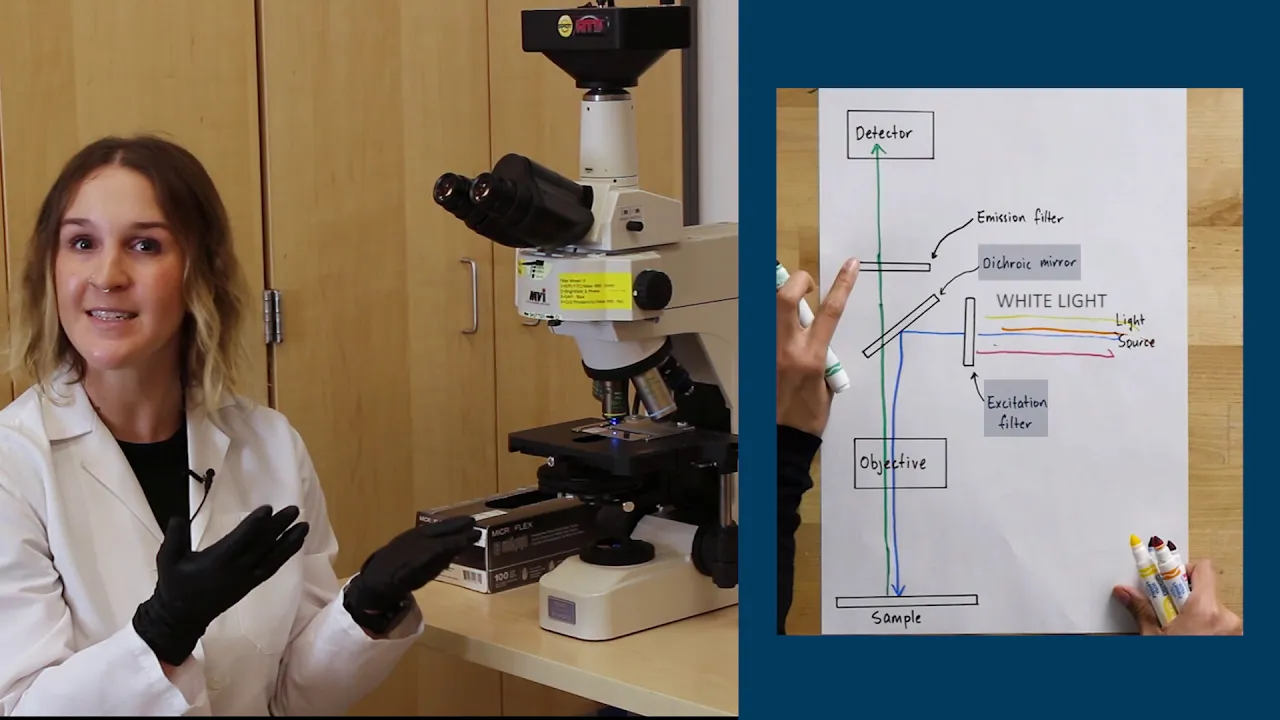
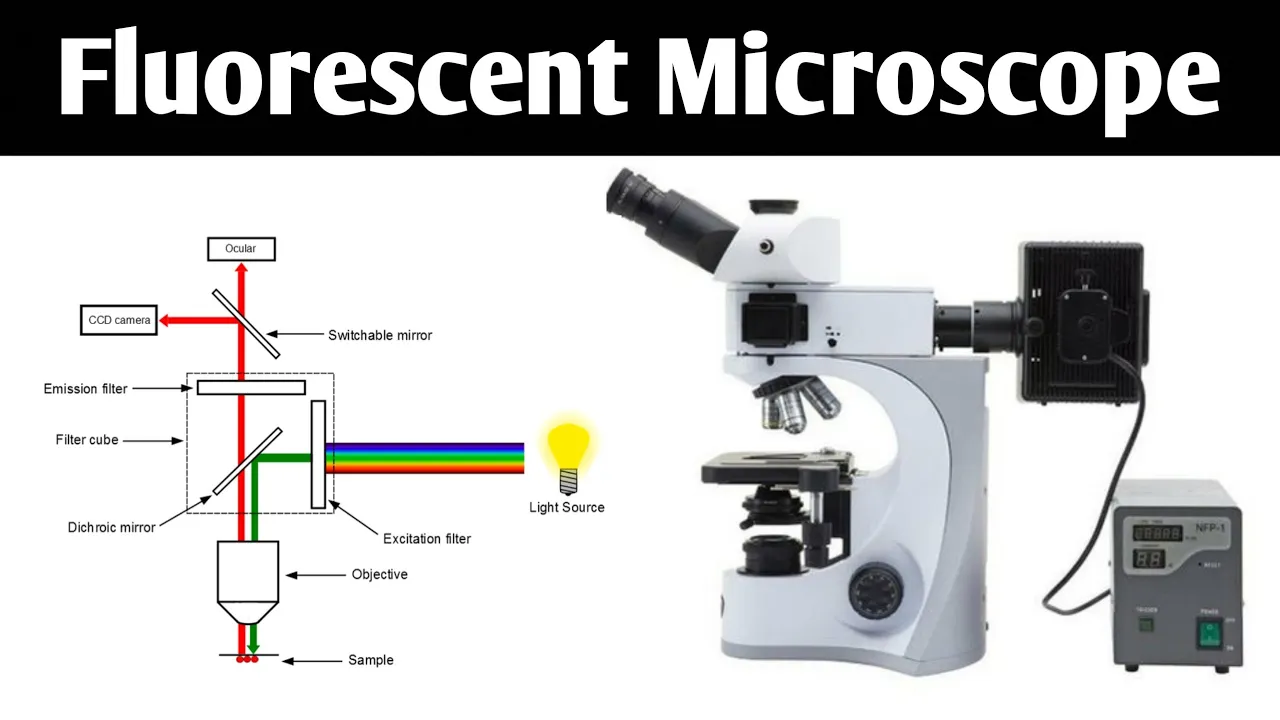
Introduction to optical microscopy, particularly how fluorescence microscopes separate excitation light from emitted light.
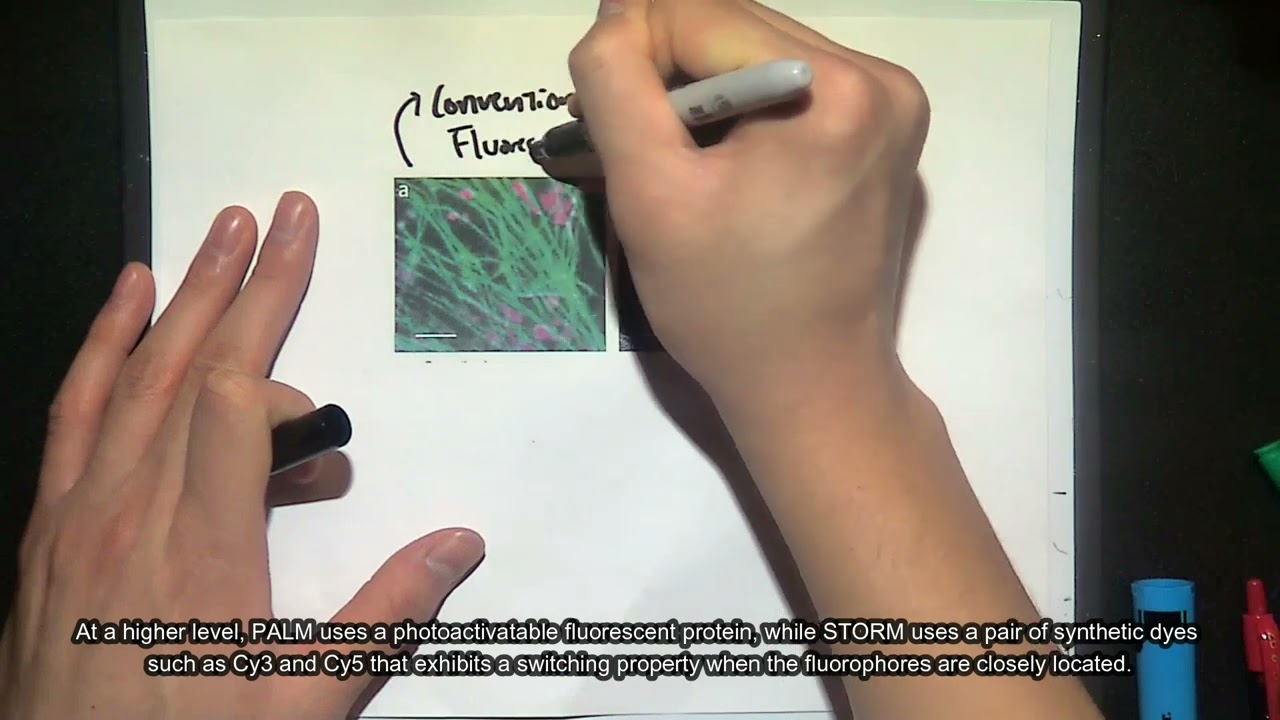
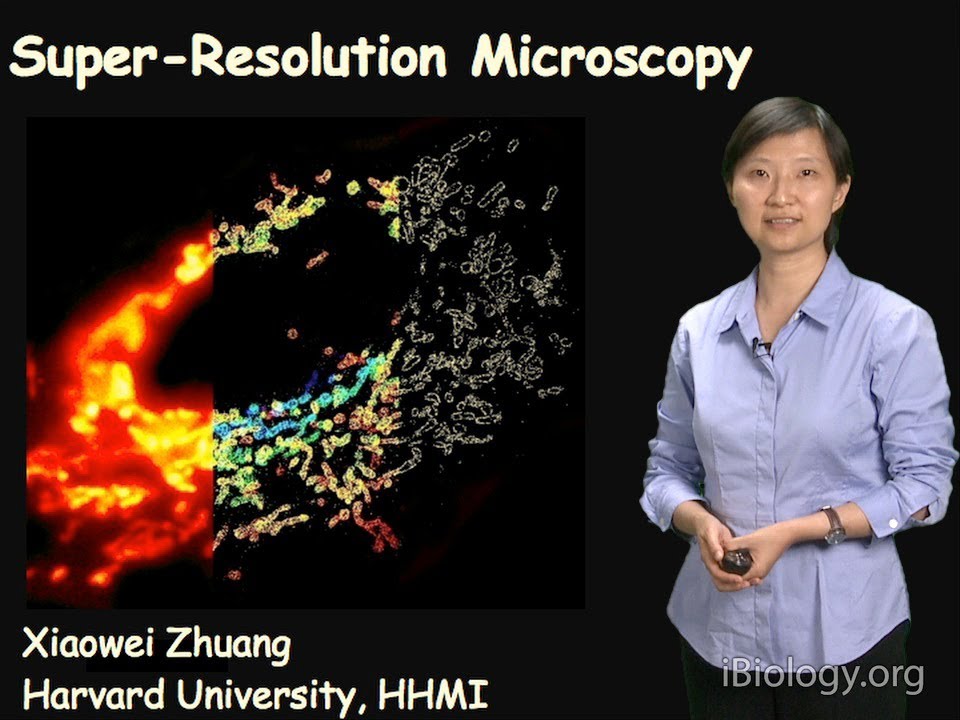
Super-resolution microscopy techniques (such as STORM, PALM, and STED) that rely on the photophysical control of fluorescent probes.
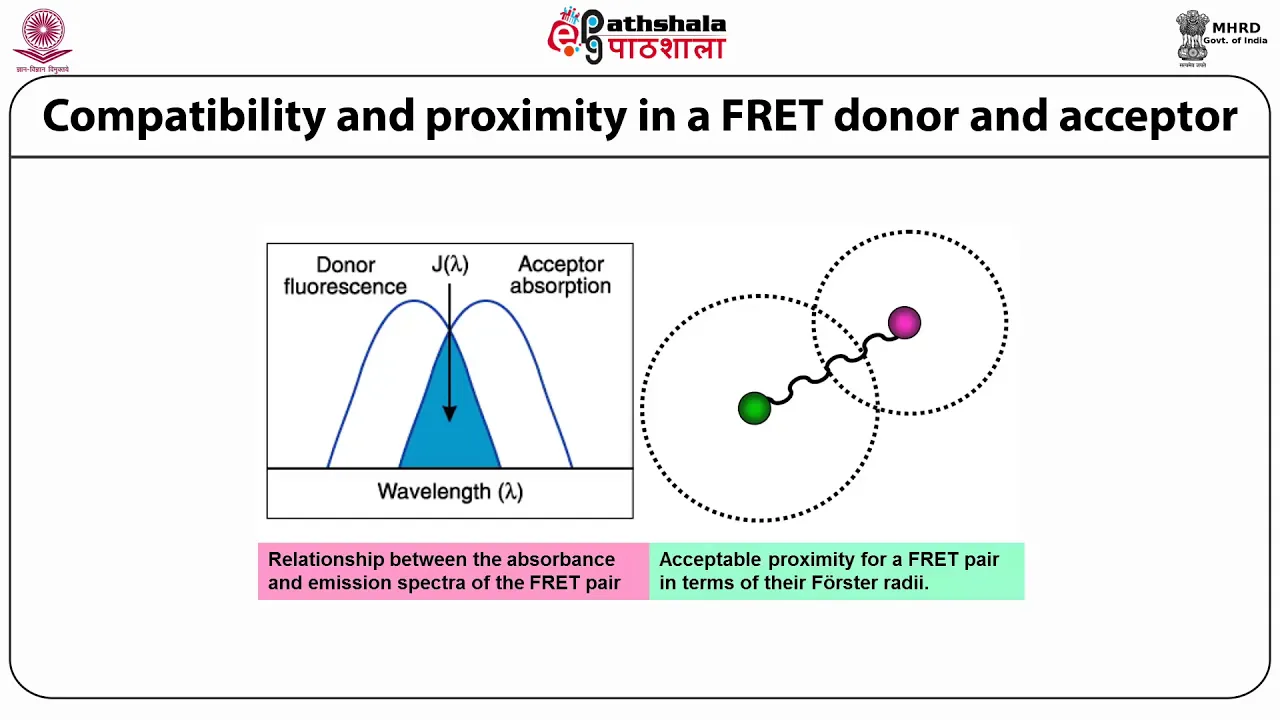
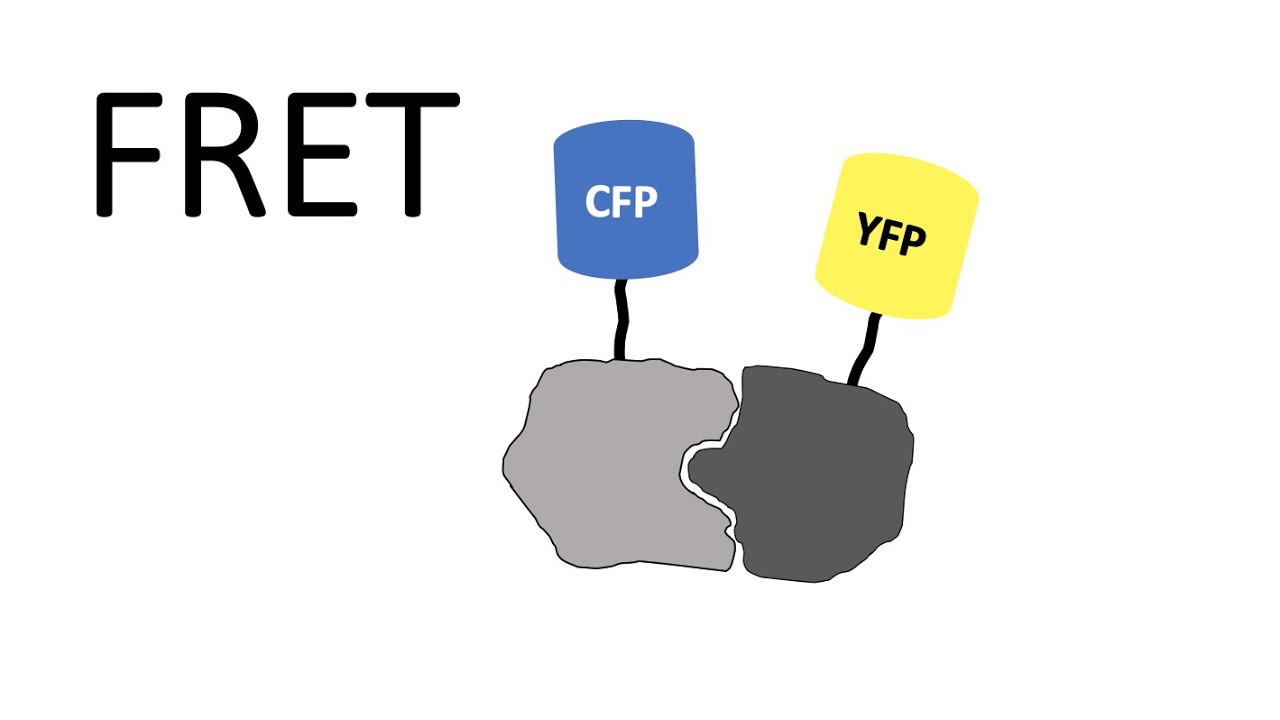
Design and application of smart biosensors, including Förster Resonance Energy Transfer (FRET) to study protein-protein interactions.
In vivo molecular imaging and clinical diagnostics, focusing on near-infrared (NIR) probes and the biocompatibility of quantum dots.
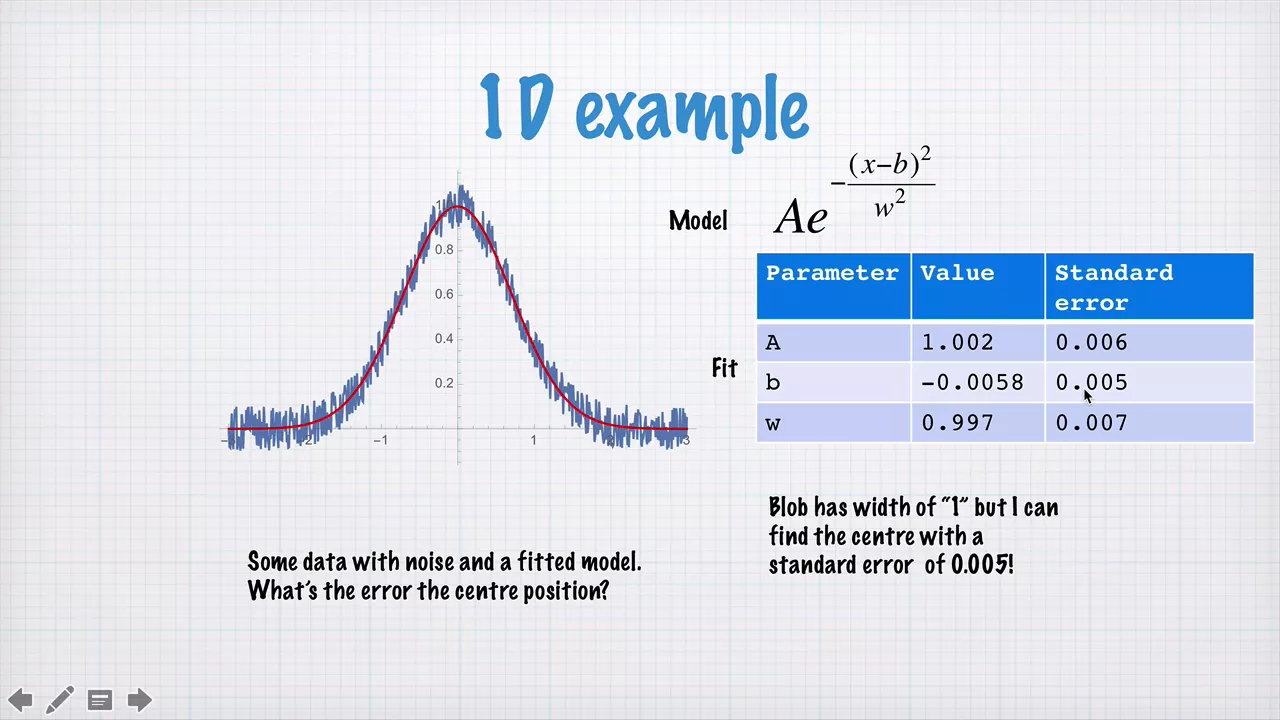
Quantitative image processing, including deconvolution, colocalization analysis, and single-particle tracking.
38.8K views401likes20:48Original Release: 2013-11-17
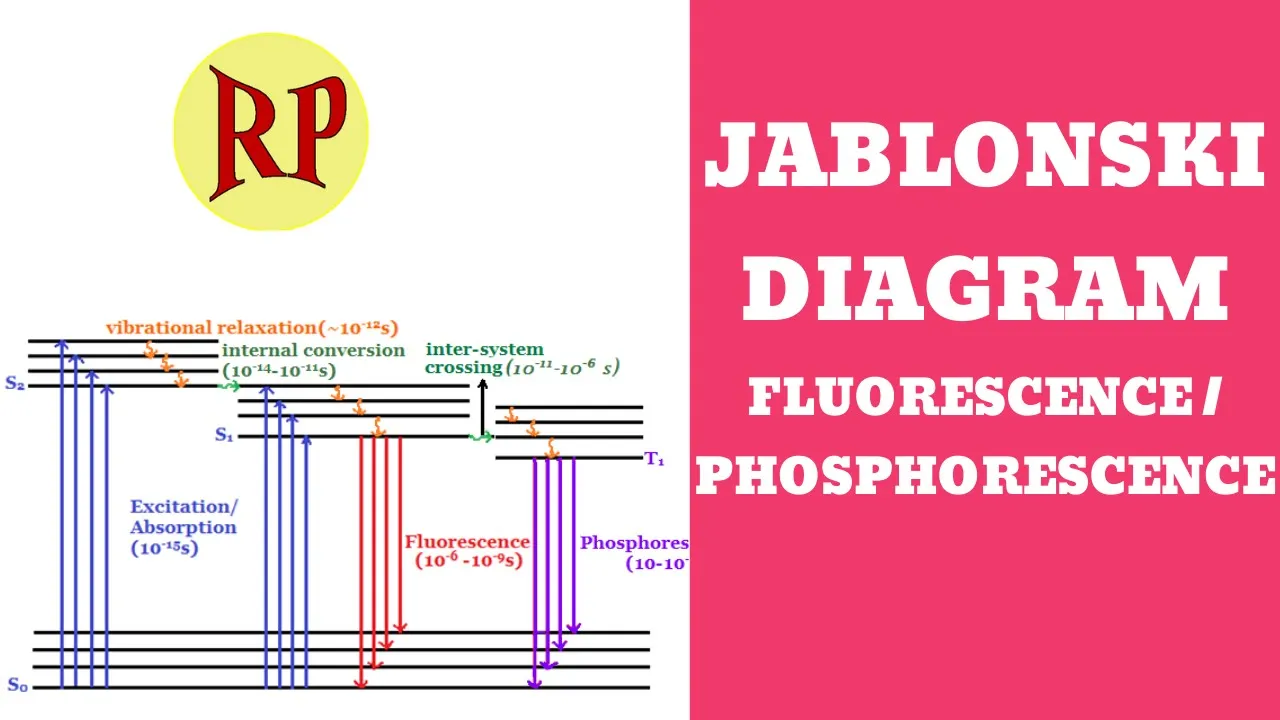
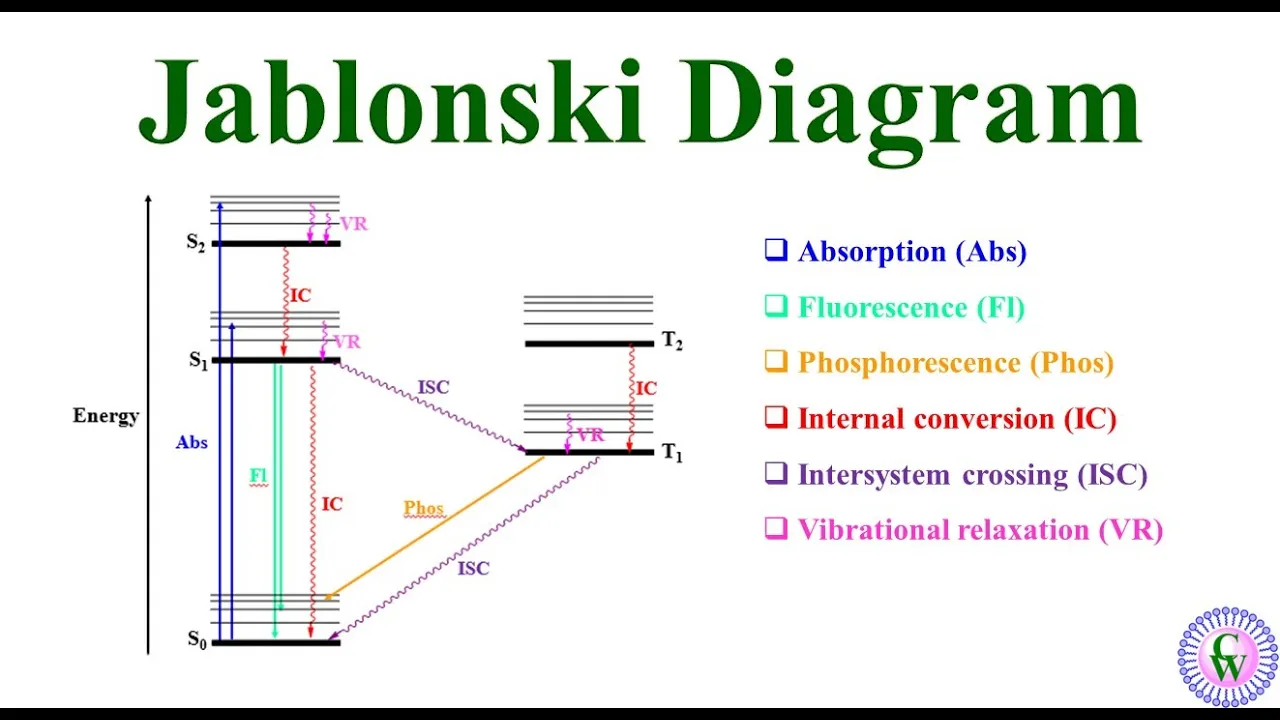
my name is Tim mitchison I'm from Harvard Medical School I've been working with fluorescent probes since before we had four essent proteins or at least before they were widely used and have done quite a bit of chemistry and that kind of thing on than myself and I really love these molecules one of the things I'd like to give you guys is some appreciation for these beautiful molecules and their properties and particularly how their chemistry gives rise to their properties so but for those of you aren't chemists you know don't worry I'm going to try and make it as easy as possible okay so the outline of this presentation we're going to be talking about probe chemistry and then we'll talk about protein labeling and then finally a non-covalent targeting of probes okay and in the in the chemistry section here I want to talk about the structure of probes I want to spend quite a bit of time on that I really people buy a probe from a catalog and they attach it to a protein then we really think about what that molecule is I'd like to encourage you and give you some tips for really looking at and appreciating these molecules talk about how the wavelengths has determined just briefly mentioned quantum dots and and then issues like photo bleaching and photo damage okay so we'll start here this is really I want sort of how to look at probe structure I think a nice place for smart is with this beautiful molecule here fluorescein arguably the first synthetic probe a synthesized in 1871 as part of the german dye industry that was going on at that time so people were doing building dye molecules for commercial applications and this is sort of like a dye molecule it's highly colored and a fluorescein is still in use today it's for example it's a very cheap floor and non-toxic you can use it to trace flow in underground rivers and it's a molecule I've made myself many of times it's actually one of the most fun things I've done in science is you you take two white molecules and you cook them up in a strong acid overnight you come in the next day you've got this brilliantly colored solution and if you put a drop of it in water the whole thing goes green fluorescence so it's a really very fun kind of molecule now the properties of fluorescein our pH dependent is this this this form over here is the the o- which is the high pH form is the threatened one you can see here the excitation and emission spectra and so I'm really only going to be talking about this one other this ability to switch between 4s on a non fluorescent is has many applications and this is I hope review you should have heard about Jablonski diagrams in eco store when you talk about the principles of fluorescence here I really only want to focus on the the homo the highest unoccupied molecular order and the LUMO the lowest unoccupied and of course the energy difference between these is what determines the color or the wavelength of the floor the the smaller the energy difference the the redder the floor and I want to relate that to the structures so the part of the fluorescent molecule that really matters for essence this lowering system doesn't matter that just you can use that for attaching to proteins it's this other part here that you can see extending from this o - up to this carbonyl here and if you look there's alternating single and double bonds here which means it's a conjugated structure in fact electrons can be in an orbital that extends across this whole structure here we call this an extended orbital and it turns out that the larger this extended orbital typically the lower the difference between the homo and the LUMO and the redder the floor you also notice almost all fluorochromes have a an electron donor at this end o - an electron acceptor at this to end the double bond o so you've got a kind of a push-pull system but this is a symmetric push-pull system the two are essentially the same here and this this symmetric conjugated orbital it turns out reduces quenching by other dipoles like water you can also have fluorescent molecules with a permanent donor at one end like an amine and a permanent etc the other end like a ketone those can be very fresh and in organic solvent but they don't tend to for us as well in water and it turns out this symmetry here is also responsible for the only small Stokes shift the small difference between the excitation and the absorption and the one other notable point about this structure if you look at this extended orbital here there are no rotatable bonds the whole thing is rigidly locked into these three rings and it turns out if the molecule can rotate it tends to be a way it can lose energy and become less for asand now first let me talk a little bit more about this size issue compare two molecules here that I hope you can see whether you're a chemist or not are really fairly similar fluorescein and here this is a coumarin derivative and basically you've chopped out one of the Rings in getting from here to here and if you look at the fluorescence this is ones for eighty-eight exciting 510 emission this is considerably shorter and that's just because the conjugated orbital is is is smaller you can actually add another ring Interflora through you get something called an Apfel fluorescein and that will shift it out into the red so size is one factor another factor the actual atoms matter though here's two two more similar molecules fluorescein we're already talking about this is another similar molecule I call it razor roofing I'm not sure if raised or ofin is more correct but you can see in place of the carbon here and fluroscein there's a nitrogen and it turns out that that shifts the wavelength considerably into the red and I don't understand that the kind of quantum mechanics that goes on but that's often the case with ad row atoms so you've seen here two ways you can kind of tune the wavelength by changing the size and the atoms and then here's the point about rigidity comparing fluorescein to another closely related molecule phenolphthalein the only difference here is this bridgehead oxygen is missing and it means you can you can rotate around this bond here so these rings can twist as a result phenolphthalein is highly colored in its high pH form it's it's purple it's used as an indicator dye but it's not at all fluorescent basically the the LUMO can lose energy very rapidly by a rotational process so rigidity matters as well as size and basically by tuning those kinds of properties the the size of the system the hetero atoms and keeping everything rigid at been possible for chemists to build a series of dyes that cover the whole visible spectrum all the way out here from the ultraviolet into the point where water starts to absorb so this is the usual useful spectrum we have in microscopy this particular set here is the Alexa dyes made by molecular probes I'll show some structures of those but there are comparable dyes made by other people one point I want to make you often see diagrams like this these these these are the absorption spectra and they've all been normalized so they have the same height in fact the absorption coefficient the efficiency of absorbing light scales strongly with the size of the orbital so these ones absorb light much less efficiently they've got absorbent coefficients around 20,000 whereas up here with these long wavelength songs you can get as high as 200,000 so in fact the longer wavelength floors are much better at capturing photons and much brighter on a per molecule basis here's an example of one of these long wavelengths one this is a particular favorite of in my lab alexa 647 this is a sign in type dye you can see here this really extended orbital and again a symmetrical this nitrogen is donating this one is accepting but but they're symmetrical and so that's this is the first part of the molecule and I'll come back to this molecule later and talk about some of the other features of it which are important for practical use like labeling proteins I just want to mention very briefly a completely different kind of floor here q dots that have become a very popular for certain kinds of experiments they look nothing like the molecular floor they almost look like a little tiny virus or something inside a q dot there's a semi conductor nano crystal it's actually a very special kind of crystal with two different layers of different semiconductors and these semiconductor these core shell nano crystals can be highly fluoresce and if the band gaps of the semiconductors a tune right so these can be incredibly fluorescent molecules they are nanometer sized these Q dots so they're more like a small protein in size and then they have to be coated with a biocompatible this this particular one has been coated with a lipid so that they don't interact non-specifically with biomolecules and it turns out with quantum dots you can choose the tune the wavelength simply by the size of the semiconductor crystal so you can here go from blue to red simply by increasing the size and they have very very tight emission spectra so you can in principle pack more deconvolve more of them in a microscope amazing with these molecules they don't photo bleach at all so they don't have the same kind of photo chemistry I'll talk about so they're extremely bright and they don't photo bleach which is incredibly useful some applications for example tracking single molecules on the cell surface or certain by physical applications the only downside of these Q dots they are rather large so you have to figure that into your calculations and also modifying them for labeling proteins as challenging although people have worked out methods of doing that um so not not quantum dots but the the organic flaws do tend to photo bleach as I'm sure many of you are already where the chemistry here is actually not terribly well understood but the basic idea is that the probe in its excited state can interact with molecular oxygen molecular oxygen is a stable radical and it can interact pick up energy from the excited state and the oxygen can be converted to highly reactive species singlet oxygen or hydroxyl radicals this is o h dot o h - these are highly oxidizing species that can come back and react with the floor and destroy it importantly they can also destroy nearby proteins and lipids so photo bleaching and photo damage tend to go together usually we think of them as a bad thing there they get in the way of our doing an experiment or cause artifacts but there are some experiments where people have put them to use notably in the so called cali technique chromophore assisted laser inactivation invented by dan j a few years back where the basic idea is if you have a pro a protein with a probe on it if you excite that in the presence of oxygen actually destroy the protein or in some cases you can destroy a whole cell and it can be used to local your blood so this is putting the damage to good work and there's a version of red fluorescent protein so-called killer red which will do the same thing so I'll end this part of the chemistry section by say there's been a lot of development on on probes but I think there's still a lot to do and this is sort of attention chemists here because I think there's still a great deal to be done by chemists in this space that's particularly I'll point out here with special properties probes that will switch on and off with different light or switch on when enzymes attack them and that kind of thing so I think a really cool area for people with an interest in synthetic chemistry to think about ok so that's the probe itself and it's fluorescent properties now I want to talk of course we can't about attaching to the proteins because in most applications people are attaching these probes to a biomolecule usually a protein sometimes a nucleic acid I'm only going to talk about proteins and there's really two amino acid side chains we have to worry about for or think about for proteins and I'm going to use the single letter abbreviation so see a cysteine SH and K is lysine and assisting labeling is ideal for site specific labeling if you can engineer it or Nature gives you one reactive c per protein lysine is much more common amino acid most proteins have a lot of lysines and this is ideal for general purpose labeling you can label a few lysines on most proteins without losing activity so an important point for both these protein and nucleophilic amino acids is they're only reactive in their deprotonated form ie at high pH cysteine is reactive as a thiolate ion above pH 8 a lysine is labeled labeled is reactive sorry as the free amine although you only completely deprotonate lysine about pH 10 you usually do lysine labelings around pH 8 or something like that there's enough unprotonated licensing to react um these two nucleophiles have very different properties that we can distinguish them with different probe chemistry the violator ion cysteine here likes to react with with these kinds of electrophiles so classically people would use io to my or NFL Malayan I this is a so-called michael acceptor to label protein in this same chemistry which goes back many years in protein chemistry was adapted to floors so here are two typical file reactive probes this one up here pyrene io satellite has an iota acetate that the thiolate attacks this one has a michael acceptor so that's cysteine the unprotonated form of lysine is is what people call a harder electrophile it prefers to react with sp2 carbon electrophiles particularly reactive carbonyl derivatives where x here is a good leaving group and you want a leaving group that leaves wow but not too well like chloride because that would react rapidly with water and a lot of probes now use this n hydroxy six in amid a stir which has a reasonable balance between being stable enough it's not immediately hydrolyzed in an alkaline solution but reactive enough that it rapidly reacts with lysine residues so here's this come back to the probe i mentioned before alexa 647 to highlight a different feature of this i talked about the orbital before but this is the protein labeling part and you should be able to recognize that this is an N hydroxy six in administer the lysine attacks of this carbonyl and kicks out this NH s portion so this is a lysine reactive probe and the one other thing I want to point out a lot of modern probes have these sulphonic acid groups there are four on this one and these are not reactive they're just present as the sodium or potassium salt and they're there to make the probe a water soluble and prevent it sticking hydrophobic lead approaching this one has four it's more common to have two but it may in my labs experience almost always you want to probe with some of these sulphonic acid zhan them they're much better behave they might sure they don't they're just less sticky in general okay so that's our labeling amino acids with cysteine you can often target to one particular amino acid but if you really want to label a protein in one place accurately and know exactly where that place is there are some other modern technologies for doing that that are very cool that I'm calling here snap pelo & flash tags and I think there are other methods being invented all the time the basic idea here is that you genetically engineer your protein you put some tag on it will then act as a kind of synthetic acceptor for the floor for covalent reaction I'll only show the chemistry I'll show the chemistry in detail here for the snap tag here we're using a substituted benzyl guanosine and this part here of the fusion protein is a modified DNA repair enzyme that evolved in nature to remove benzyl groups that happen to get on DNA it's been mutated now so it reacts but can't unreacted N and so these authors develop this as a really efficient labeling method called the snap tag the halo tag is a comparable method that uses an alkyl halide derivative so these are ways where you genetically engineer your protein then you know exactly where the floor go they work well in cells they also well work work well with pure proteins and finally a really cool piece of chemistry from Roger Tsien who's kind of the hero of fluorescence in biomolecules this flash molecule versus fluorescein with to arsenic groups on it here and arsenic likes to bind to thiols and atoms and chain developed this flash probe that will with very high selectivity bind covalently to four cystines engineered into an alpha helix and is the lead reference on that four people are interested it's a very elegant targeting chemistry and I'll end here by talking not not all probes are targeted covalently it's often very useful to have probes that target with high affinity non-covalently they can be easy to use I'll show just one example here there here's a cell stained it's probably a fairly familiar image to cell biologists with Dappy to stay in the nucleus blue and rhodamine phalloidin to stain the actin filaments red I'll just show you how the rhodamine phalloidin works here so as the name implies it's a bi functional molecule this is the rhodamine part a which excites that in the green here at 5:46 and then this a slightly more complicated piece of molecule here this bicyclic molecule is a toxin phalloidin from Amanita phalloides the poisonous mushroom the deathcap mushroom and this part binds very tightly to act in so this by functional molecule will find actin filaments and and bind very tightly to them and you can make fries and derivatives of other drugs as well it's a very useful way for localizing receptors I'll end here on on organelle probes which is another non covalent targeting method is a pretty image of a cell again staying with Dappy but the lot of the mitochondria solid sorry have been labeled red here the sort of wormy looking structures and the lysosomes have been labeled green and these probes are just making use of the physical biochemistry both mitochondria and lysosomes pump protons but in the case of mitochondria it ends up as a as a not as a pH gradient so much as a membrane potential in lysosomes there's actually a pH gradient and you can use this proton pumping to specifically target these organelles here's a micro tracker dye that was used in that image this is very like a rhodamine dye but it's lost the carboxylic acid here so this has a delocalized positive charge that's molecule it's lipophilic has a delocalized positive charge so it follows the membrane potential and enters mitochondria and then this the there this part here this chloro group that makes it reactor with thiols so it will actually get trapped inside the mitochondria and fire here i want to end here sorry i'm blocking one of these molecules but i'll step off the screen in a second whoops there you go here's three molecules for you to think about and i'm going to tell you the answers here but if you're interested try to think about what kind of wavelength would you predict these molecules fluoresce and will they react with proteins what other chemical properties can you note about them to predict their behavior the the one a you have to stand off here to look at this one's going to be a bit hard and it's kind of a trick but if you compare it to the low pH form of flora C and you may be able to figure it out and I don't know I hope especially for those of you who might be a bit afraid of chemistry I hope this will convince you that it's actually fun to look at molecules and if you make a habit of it they'll talk back to you so thank you you
Up Next
78:53
Bioorthogonal Chemistry: From Bench to Bedside | Carolyn Bertozzi
@hertzfoundation
6K views•2023-09-26
24:04
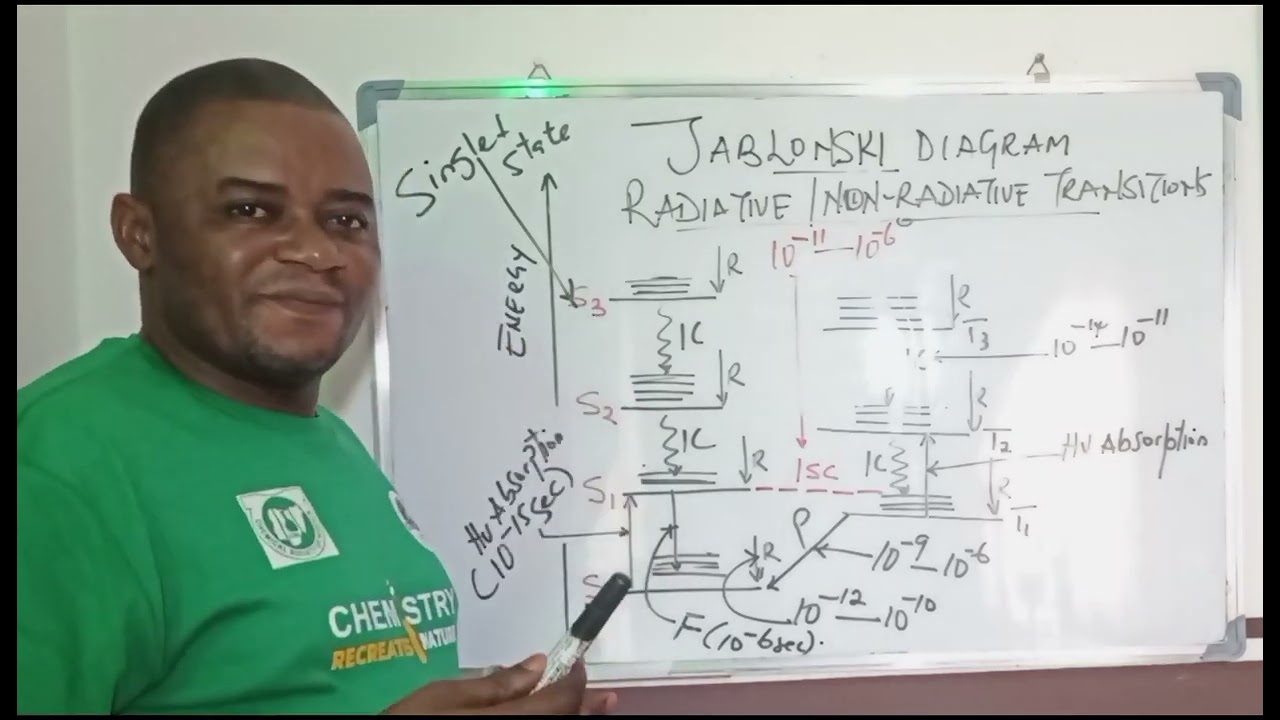
The Jablonski Diagram: Radiative and Non-Radiative Transitions | Photochemistry
@benedictugi8420
262 views•2025-07-15
10:06
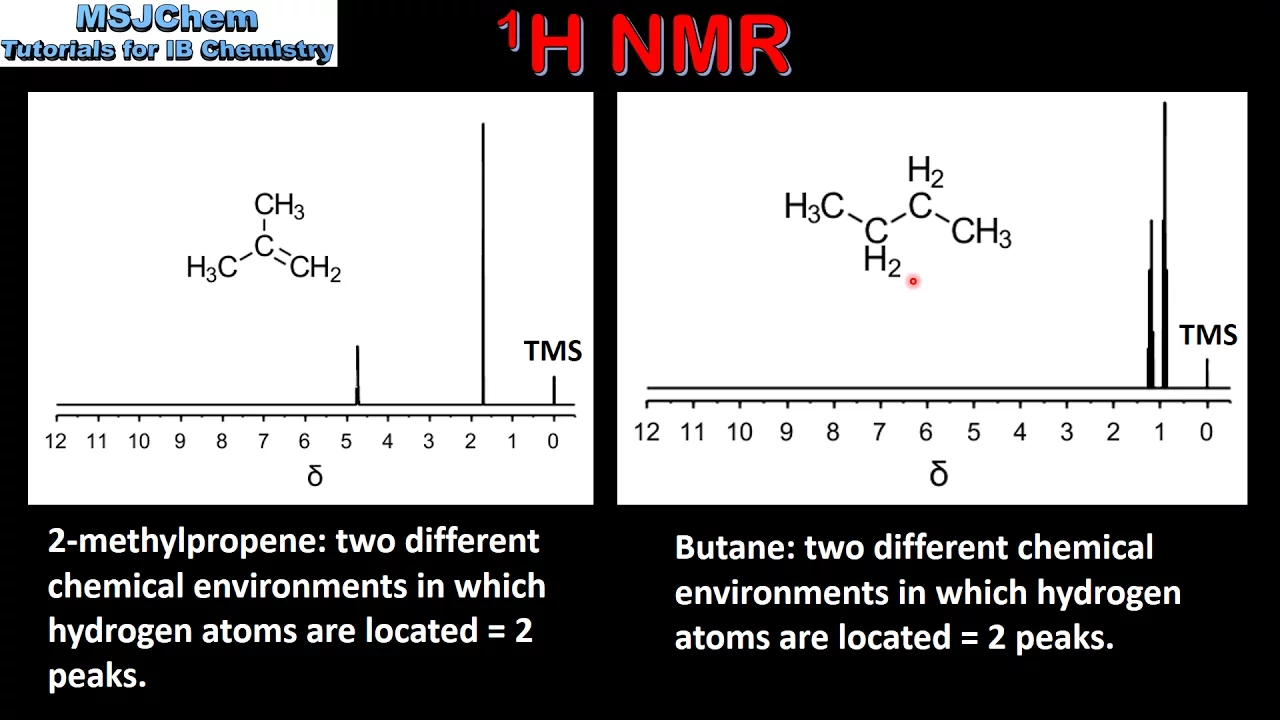
1H NMR: Determining Number of Peaks from Structure
@MSJChem
59.2K views•2017-04-06
17:31
Edible Water Bottles: A DIY Guide to Sodium Alginate Spherification
@ryan
10.5M views•2019-06-21
Related Study Plans & Knowledge Roadmaps
Structured learning paths in Chemistry
chemistry
Photochemistry: Excited States & Reactions
01Foundations of Light-Matter Interactions
02Molecular Orbitals and Electronic States
03Photophysical Processes and Jablonski Diagrams
+ 2 more learning modules
18h5 modules
Explore Roadmap
chemistry
Coordination Chemistry: Bonding & Properties
01Introduction to Transition Metals and Ligands
02Crystal Field Theory (CFT) and Geometry
03Magnetic Behavior and Spin States
+ 2 more learning modules
14h5 modules
Explore Roadmap
chemistry
Polymer Chemistry: Synthesis & Properties
01Introduction to Macromolecules & Monomers
02Polymerization Synthesis Mechanisms
03Polymer Characterization Techniques
+ 2 more learning modules
12h5 modules
Explore Roadmap
chemistry
Separation Science: GC, HPLC & Mass Spec
01Foundations of Separation Science
02Gas Chromatography (GC) Principles & Systems
03High-Performance Liquid Chromatography (HPLC)
+ 2 more learning modules
24h5 modules
Explore Roadmap