




![The Gilded Age (ตอน 1- 4) #หลงไปในประวัติศาสตร์ [EP.104]](https://i.ytimg.com/vi/hd39WIujg-g/maxresdefault.jpg)














![[저출생위기대응 특집] 우리도 가족을 꿈꾸고 싶다 | 더 보다 81회 (2025.11.16.)](https://i.ytimg.com/vi/66ETG07pg-Q/maxresdefault.jpg)



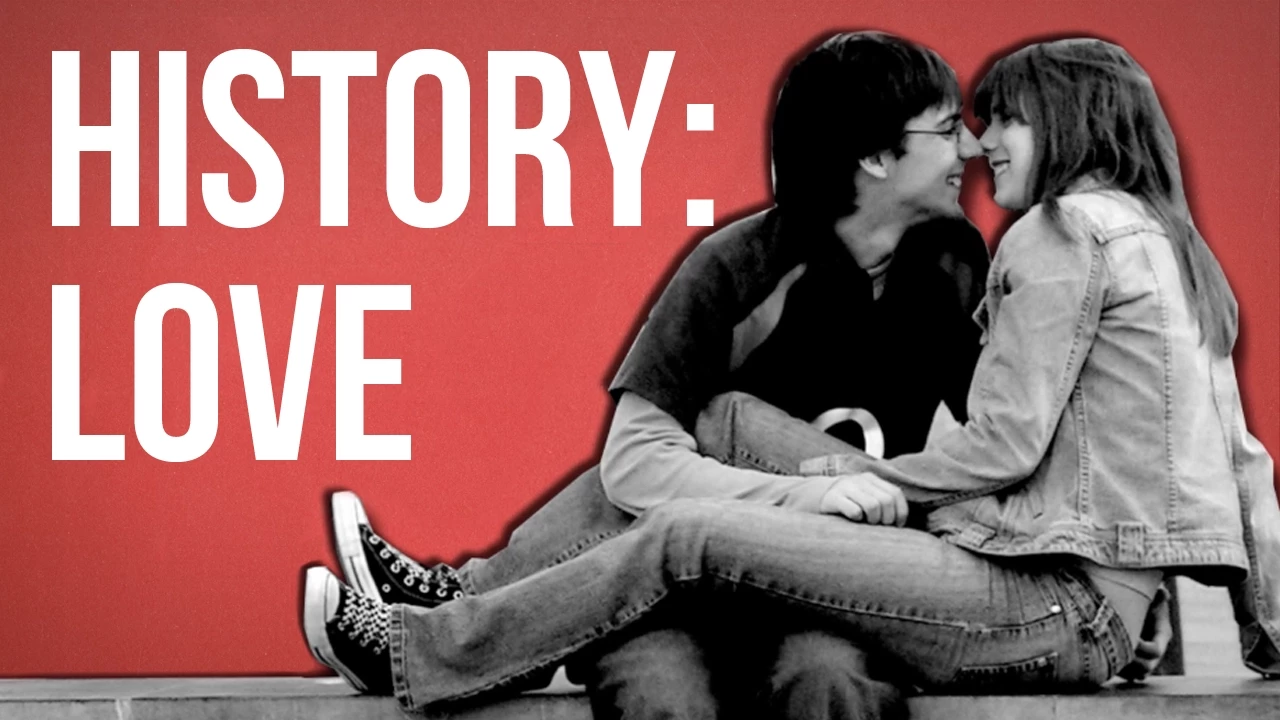
Marriage has fundamentally transformed from an economic and political institution designed to create alliances between families and ensure property transfer to a relationship based on romantic love and individual choice, with this shift occurring primarily in the last 30 years; this transformation has created a paradox where marriage has become more fulfilling and potentially loving but simultaneously more fragile and optional, requiring society to adapt support systems rather than revert to traditional family structures.
Family Myths and the History of Marriage: Stephanie Coontz
Added:The historical function of marriage as an economic, social, and political alliance rather than an emotional union.
The sociological concept of 'nostalgia' and the 'golden age fallacy,' particularly regarding the mid-20th-century nuclear family model.
The impact of the Industrial Revolution on shifting family dynamics from self-sufficient agrarian production units to wage-labor consumption units.
Basic sociological terminology related to kinship, including patriarchy, nuclear families, and extended family networks.
The 'deinstitutionalization of marriage' and how modern partnerships are increasingly defined by personal choice rather than social obligation.
The paradox of the love-based marriage: how basing marriage on emotion has made the institution both highly rewarding and inherently fragile.
Comparative family policy, analyzing how different contemporary societies adapt their legal and economic systems to support diverse family structures.
The sociological study of emerging family forms, such as voluntary singlehood, cohabitation, and chosen families.
85.9K views498likes43:52Original Release: 2010-09-29
my name is Shan nanon and I'm a student project manager at the Clark Center Dickinson College on behalf of the Clark Center and the Departments of History sociology and women's studies I'd like to welcome you to this week's common hour lecture The Way We Were memories of traditional marriage and family life modern society is strongly being criticized for its lack of family values and a declining respect for marriage in general few would disagree that the family oriented 1950s is often used as the basis of comparison while many argue that the ills of modern society are to blame for its breakdown in traditional marriage values and family life it is important to recall that during the idolized mid-9th century teenage childbearing peaked and alcoholism and drug abuse were just as prevalent as it is today Stephanie coun will discuss a surprising number of myths about the history of marriage and family life and how they prevent us from coping effectively with the challenge of recent changes she is a professor of history and family studies at Evergreen State College and director of research and public education of for the Council on contemporary families she is published extensively on the topic of marriage and family life and is the author of several prestigious books including the way we never were American families and the nost Nostalgia trap and marriage a history from obedience to intimacy or how love conquered marriage her work has been featured in many periodicals including the New York Times The Wall Street Journal Newsweek and Vogue as well as academic and professional journals including including family therapy magazine Chronicles of higher education and journal of marriage and family she has appeared on the Oprah Winfrey Show Crossfire CNN's talk back live and CBS This Morning Stephanie Coons a former woodor Wilson fellow has taught at Kobe University in Japan at the University of Hawaii at Hilo her honors include the Council on contemporary family Visionary leadership award the Dale Richmond award from the American Academy of Pediatrics and the friend of the family award from the Illinois Council on family relations before we begin I would like to ask that the sound be disabled on any electronic devices in addition please hold any questions until the end of the presentation when there will be a short question and answer session out of courtesy towards those who may be hearing impaired please raise your hand and wait for a microphone to be passed to you before speaking following the presentation in the lobby there will be a book signing session and lunch will be available thank you for your cooperation and now please join me in welcoming Stephanie Co well I know we've got lunch waiting for us and classes at 1:30 so I can't really take on all the myths about marriage and family life and I think I'll just concentrate today on some of the things about the way marriage has changed that maybe we don't completely understand I mean we all know that marriage is different than it used to be and that's absolutely right but it's not entirely clear that everybody actually does know how marriage used to be a lot of the things that we think are new were in fact extremely traditional whereas a lot of the things that we think are traditional were in fact very new and short-lived Adventure um ventions uh probably the best example of of the latter is dual earner families you know the Aussie and Harriet um uh family of so-called tradition was a very short-lived family form through most of History women were copr providers for their family they not only brought home half the bacon they raised the pig and butchered it and took it to Market um the idea that men were Bread Winners was unknown in colonial days women were called Yol Meats Yol mates and meat helps uh this invention of the ideal of the male Breadwinner only came in the 19th century and then it was an ideal that was only attained by a tiny minority of families it wasn't until the 1920s because even when the woman stayed home they sent the kids out to work so in the 1920s a tiny majority of families actually ended up being one where the bulk of the income was brought by the man the wife wasn't working beside him in a business or a farm and the kids weren't out at Labor that receded in the 30s and 40s it r bo back in the 1950s lasted about 15 years it's probably the most untraditional family form that you can think of what about the things that we think of as new but that are in fact traditional well the most obvious example of that is one parent families one parent families were the norm throughout most of History because of high death rates uh in the 19th C the beginning of the 19th century the majority of marriages were ended by death 10 years before the last child was ready to leave home and it wasn't actually until the 1970s that more kids became likely to experience a parents divorce before they left their teen years than experience a parents death as a result of that step families another non-traditional form in fact was about the most traditional form that you can imagine and in fact many step families of the past had many more problems than the ones that we tend to think of today uh because marriage as I'll talk about later was not about love and individual relationships through most of the past but about property and power you have all of these um uh Legends you know the Cinderella Legend the wicked stepmother stories had a real basis in fact because uh The Stepfather or stepmother might well try to kill the kids from a previous uh or at least get rid of them somehow from a previous marriage in order to make sure that the property went to their side of the family you know uh today the problems in Step families arise usually because the new parent wants the the love to develop too fast and she or he pushes it too fast you know Cinderella would have said boy I'll settle for that kind of problem as for divorce uh this is also not new there have been many times in history when divorce rates have been as high as they are today in 20th century Indonesia and Malaysia uh in many hunting and Gathering societies among the Shoni Indians a woman uh who wanted to divorce would simply put her husband's possessions outside the dwelling and when he came home he'd say oh okay I guess this marriage is over um in Japan a man had to write a letter of just three and a half lines it had to be exactly that you know like kind of a Haik coup a divorce hu that in order to get a marriage and a woman had to put in however two years of special service at a temple we tend to think of the Christian tradition as being uh very anti- divorced and in fact Jesus was the first religious leader to prohibit divorce equally uh to men as well as to women but for the first uh 10 centuries of its existence the church didn't enforce this very much uh in and even when they did uh begin to deforce for example in the first um three or four centuries there were many regions where churches had an early version of no fault divorce you just signed a little statement saying that because we can no longer uh because we uh affirm before God that we can no longer live together in harmony we part and even even after the church began to tighten its regulations on this there were two ways to get out of a marriage uh that uh that I was researching for this new book and that I I thought were kind of amusing the first uh was generally um what the upper class did now in those days the church had a very peculiar definition of incest that if you were related to the seventh degree removed it was incestuous and you couldn't marry in other words if you had the same great great great great great grandfather and who didn't in the medieval world uh you were technically in violation of the incest rules so people just married all the time in violation of incest rules and particularly the upper classes who wanted to consolidate property and marry cousins and then if they wanted to divorce they would simply say my conscience is killing me turned out I'm married to my cousin it's incestuous you got to and the you know the church would usually say okay the lower class didn't have as much access to divorce but they had an interesting um outlet that might have been a little more common than we realized because the church also had an interesting position that again violates most of our Notions about traditional marriage the the church did not demand that marriage take place in a church or be blessed by a priest or anything like that in fact through most of History marriage was a relationship between families it wasn't enforced by church or state not until 1754 did the England require a license to get married well an early Pope uh said you know maybe we should make uh the validity of a marriage dependent on it happening in church but the tradition in the Roman Empire had been that if people lived together and thought they were married then they were married and if they lived together and thought they weren't married then they weren't married there was no legal or formal requirement and so his advisers pointed out to them that if you made the validity of a marriage dependent on on it having been contracted in church the majority of Europeans would instantly end up illegitimate so the church took the position that you were married they would prefer it if you had banss and parental consent in a church marriage but if you said that you had exchanged words of consent out by the wood pile no Witnesses no priest then you were married and the only way to get out of that and this is something that I found in my research a surprising number of people did was to say just like the upper class my conscience is killing me I know I've been living with Will for the last five years but actually I exchanged words of consent six months earlier with John and the chur well then you got to go live with him so divorce is not L you know some people look back nostalgically to the days before no fault divorce or the days before divorce at all but in most societies that didn't allow divorce all that meant is that when desertion happened women and children had no recourse to get alimony or child support and as for no fault divorce um there may have been some problems with its implementation but I don't think many people would like to go back to the kinds of cases that I found in the 30s and 40s the courts used to hold that in order to get a divorce both parties had to come to the marriage with clean hands that is no the one wanting the divorce couldn't have done anything to can now how realistic is that about real life relationships so you would get cases like the mauers in Oregon where the judge admitted that the guy was so violent that his wife and child lived in fear but the woman had twice thrown things across the room and therefore since she didn't come to court with Clean Hands even though the marriage was totally miserable neither of them deserved relief from it and it's worth noting incidentally whatever the problems with no fault divorce that at in the five years after its introduction every state that adopted it experienced a 20% decline in the suicide rate of wives and even bigger decline in the rate at which husbands were murdered by wives so as for the idea that sex outside marriage is something new you know every generation thinks it invented sex you know but in fact throughout most of history there was more adultery than there is today it was perfectly acceptable for men to have Mistresses and prostitutes as late as the 18th century I found that when a wife did make a fuss about this which was very very rare it was so it was considered so inappropriate that her own family would write letters to her husband saying we're sorry she's behaving this way at the end of the 19th century um the the recourse to prostitutes by men in Victorian England and America was so great that there was an epidemic of venial disease in respectable middle class homes because they were bringing it home to them as for sex outside marriage by politicians believe me Bill Clinton did not not uh yeah it started with Thomas Jefferson we now know right it went through Grover Cleveland who was forced to admit that he probably fathered a child with the department store clerk he'd seduced uh so that the political ddy of the day was mama where's my paw gone to the White House wahaha Warren Harding who uh not only had a long-term affair with the wife of a family friend but fathered a child with a second mistress a teenage girl and of course John F Kennedy we now think that um both Roosevelt and Eisenhower also had more discreet Affairs so sex outside marriage um all of these kinds of things that we think are new are not in fact new and although for most of European and American history marriages were more stable than they are today one of the reasons they were stable was because they were not fair and they were not loving relationships husband and wife are one said anglo-american law that was uh that prevailed until the very end of the 19th century and that one is the husband he had the right to make all decisions for the family he owned and controlled all of the property even if the woman brought it from inheritance or had earned it herself and he had the right to physically restrain his wife to until 189 was until 1897 that the British courts ruled that a man didn't have the right to imprison the wife in his home also had the the right to beat his wife it wasn't until 1864 that the first courts in America began to forbid that I did find one prohibition against wife abuse in my research and that was in 16th century London wife of U beating your wife was prohibited after 9:00 because it would wake the neighbors but these marriages were not harmonious in the past and nor did traditional marriages always protect uh kids you know sometimes we think that they did but actually through most of History uh parents didn't sacrifice their kids kids sacrificed for their parents the you know kids were kids were it was child labor that provided for the parents' retirement and instead of saving up for the education parents pulled their kids out of school and although and right up until the 1940s we have budget studies malnutrition studies hospital records that show that in many families that were actually slightly officially above the poverty line there were in fact two standards of living in that family one considerably above the poverty line for the man who had protein Medical Care you know meat for dinner uh and even recreational money for beer and one considerably below it for the women and children that's no longer true in America partly because the woman's movement has made it possible for a woman to leave a marriage that is so unfair it remains so true in the rest of the world that in Africa and parts of Latin America a woman 's biggest risk factor for AIDS is to be married and children in single um female headed families where the wife has where the woman has a job are often more likely to be well-nourished and to get education than uh children in two parent families where the wife doesn't control any of the income so these things I think lead us to suggest that perhaps we shouldn't romanticize the past but what is new what is new today uh the first thing is that marriage is today about love it's about a relationship and as I'll explain in a minute this is a very rare thing to find in history and it was a very new invention and the second is that both men and women have the options not to marry or to leave a marriage that they find unfair or unloving and I will argue that this has created this tremendous historical Paradox that the very things that have made marriage more wonderful more potentially fulfilling as a relationship have weakened marriage as an institution and vice versa the same things that have weakened marriage as an institution have strengthened as a relationship what makes for a strong institution it's rigid rules nobody has a choice you don't have a choice whether you're a citizen of the United States and have to it's laws right uh it you don't make individual exceptions you don't change the rules over time as someone ages well those things make for a very strong uh institution and um if I may say so they make for a fairly crappy relationship you know um what makes a strong relationship that it's individualized that it's negotiated that it's fair that you can change the rules that you can uh change it as you grow older but all those things make for a less stable uh institution so what we have created as a result of these historic changes is that a marriage when it works is fairer more fulfilling more loving more passionate more intimate than any couple I studied in history would ever have dared to dream but it's also more optional it's more fragile it's less bearable when it doesn't live up to that potential it's hard to for me to to think of a way that you could keep the one and get rid of the other so how did we get here um well as I said for thousands of years marriage was not about love we now believe that that contrary to the idea that marriage was invented to you know protect women or the feminist uh idea of the 70s the obverse that it was U pres uh invented to to oppress women marriage wasn't about the relationship between individual men and women at all it was a way of making connections between bands that had to be able to cooperate when they met each other it was a way of turning strangers into relatives um many languages have the words like the ancient Anglo-Saxon word for wife the peace Weaver uh the mauy of New Zealand say you can cooperate with groups in many ways you can have rituals you can have dances you can have trading partners you can can have feasts to get good relations but the strongest way to get a good relation is to uh make a link that produces a child with a foot in both camps so we believe now that marriage was invented to get in-laws of course that yeah I know nowadays we think goodness we want our in-laws out of our marriage and that that's yet another good example of the things that have improved marriage as a relationship the fact that your parents don't tell you who you have to marry and the in-laws can't intervene have also removed one of the sources of stability especially after you began to get um more differences of of wealth and power in a community you know if I was a member of a band and we had to we were going to exchange spouses um you know I might send my son to Mary you know from the other band and I could allow my son a little bit of choice in that as long as you know he knew he had to marry out or my daughter had to Marette but let's say now we're in a society where I'm one of the real upper classes or almost upper class in that I'm not going to let my son just marry anybody in that other group I want to marry someone equally or preferably more uh wealthy and Powerful so at that point in history and and was really where the ancient civilizations begin to arise marriage becomes this Center of intrigue and um calcul and remains so for thousands of years I mean we look back at stories like Anthony and Cleopatra not a love story you know a self-interested power play by the two superpow by by two individuals of the two superpowers of the world attempting to bring them together there's incest bigamy murder betrayal false paternity suits you name it everything I think but love um for thousands of years marriage was about making these political and economic alliances for the upper classes it was the way you Consolidated property made business mergers um laid a claim to Social Status so that you could claim to rule you know you were descended from royalty on both sides was a way of concluding peace treaties and making military alliances for the middle classes it was also an economic and political calculation you know uh the for in in Europe of course the dowy that a man earned right up until the 18th century well I wouldn't say earned that he got at marriage was the biggest it was usually the biggest infusion of cash and property he would ever get at a single time so the dowy was of a lot more interest than the daughter and for women of course it was the way having a dowy was the way your um parents brought you a little Economic Security so now today of course we in we save up for college we try to send our kids to college to give them some economic security and one of the the things that parents say is you don't have a choice about doing your homework when you're in high school you know because this is the providing for your future well that's the way parents felt about arranged marriages at the time you don't have a choice about who you married I'm providing for your future and often for ours as well um and that's the way it goes even in the lower classes marriage was a practical matter you couldn't run a farm or a business by yourself you needed someone your neighbors were ingly concerned is this someone who's going to fit in with us and neighbors had a lot of say it turns out over who married whom your parents were also concerned what if you why why don't you marry this person because they have connections at court or they have a relative or their landh Holdings are near to ours and so we find there too that even in um even where individuals had choice they were more likely to choose someone who was a good work partner than somebody you know who they were madly in love with so for centuries What's Love Got to Do With It could have been the theme song for most marriages not that people didn't fall in love but it's no accident that most love stories throughout history were tragedies marriage wasn't the happy ending to a love story it was usually the unhappy ending to a love story when people came to terms with what their parents were or what their needs were and got married and then about 200 years ago some circles in Europe and America uh in the process of the Enlightenment and uh the French and American Revolutions began to spread the radical idea that had been broached occasionally uh tentatively beginning to spread over the last couple hundred years but never had one out you know never the idea was um by the 16th and 17th century people were saying well maybe you should marry someone you could learn to love but marrying someone just for love not a good idea in the 18th century especially the enlightenment had a big influence here the idea that the state and the older generation shouldn't dictate to young people they should maybe be able to choose their partners for themselves combine that with the radical idea of the French Revolution I mean the fren American Revolution Declaration of Independence Pursuit of Happiness people had a right to the pursuit of happiness and you get this new idea that people should choose their own Marriage Partners and they should do so on the basis of what would make them happy they should do so on the basis of love and one of the funny amusing things to me in researching this that I didn't realize was that traditionalists of the day social conservatives of the day Defenders of what was then the traditional marriage of political and economic calculation were horrified they thought that this was going to be a disaster you've opened a Pandora's Box they said look if you say that marriage should be about love how are you going to get the right people to marry each other one of the most say oh I don't love him you know how will we make our you know our social status work how will we prevent the wrong people from demanding the right to marry now today of course that is playing out over demands for Gay and Lesbian marriage but at the time they they didn't want poor people to marry you know today we say oh let's marry them off and that'll somehow solve their poverty uh they they said no let's not allow them to marry or reproduce and that'll somehow solve their poverty so they said what what do you do if two poor people fall in love and demand the right to marry what will we do about people who get married and then find that they're not happy won't they demand the right to divorce and even scarier for them at the time is what will happen to this male dominance that has U been there for so many thousands of years if you get people to marry for Love Won't Men start giving into their wives so they predicted basically that love would be the death of marriage and actually it turns out they had a point but but it took another 150 years for the radical implications of that to play themselves out because the instant that the love match was invented people did begin to demand the right not to marry if they didn't fall in love and to get Social respect for making that choice they began to demand the right to divorce if the marriage was Loveless they began to question female subordination and they began to question but it's always been the dark side of the strong institution of marriage and that is the notion of illegitimacy I said earlier that we think marriage was invented to turn strangers into relatives but the flip side of marriage illegitimacy was invented to turn relatives into strangers and throughout the centuries millions of kids lost all access to their husband to to a mother and father because a husband and mother were not in an improved marriage so people began to question that it's no accident that uh illegitimate children were called love children people began to say why do we have these penalties for illegitimacy if they were conceived in love all of those things were raised the instant that the love match was raised so conservatives were right to be frightened but it took 150 years uh to play themselves out uh first of all in the 19th century they developed one they were very uh concerned about this because there was a wave of women's movements and demands for divorce uh in in France America Europe ACR even demands for legitimation of gay and lesbian unions they didn't call them marriage but they said if people love each other you know we should recognize a valid relationship France developed the slogan there are no bastards in France they wanted to get rid of illegitimacy um in in America there were demands for equality within marriage and fre free choice and the right to remain single but these were pushed back in the 19th century by a combination of an almost conscious campaign to redefine love and marriage in ways that made it a little more manageable and that was this new idea about the separation of spheres and that that now men were considered not to be in charge of women but they were considered so different that that men and women were only halfway human beings without each other that men were the ones the only ones who could go out and bring home the bacon you know in contrary to you know thousands of years of evidence to the contrary this new idea developed that they should be the ones who protected women and women should stay home women by contrast were the ones in charge of nurturing men weren't capable of that contrary to thousands of years of evidence to the contrary where men were the ones who remembered birth days and organized funerals and weddings uh so these new ideas about strict gender roles women passionless sexless again contrary to the medieval idea that women were the more sexual sex these kind of developed to create a sense that men and women could only reach Humanity by combining in marriage um it looks we look back at those Victorian marriages and romanticize them uh they were very stable and they did have a lot of you know sort of sentimental rhetoric around them but actually when you scratch the surface they were often quite unhappy because this new definition of men and women as Polar Opposites didn't exactly Foster Intimacy in marriage you know uh women often referred to men as the grosser sex they were terrified of marriage you know to get with this guy and men for their part uh really didn't know how to deal with you know these virgin pure angels in the house and often expressed considerable discomfort about how to be around them that prostitutes were better company than the kind of woman that they'd like to marry and there were all sorts of sexual tensions in Victorian marriage so until you had a sexual revolution in the 1920s um that particular part of radical implication of the love match could not play itself out also of course you had unreliable birth control and despite the attempt of France to Outlaw illegitimacy the strong penalties for illegitimacy remained in in play until um the 19 late 1960s and 1970s most people don't realize this but until a Court Supreme Court decision in 1968 a child who uh was born to and raised by an unmarried uh mother did not have any right to collect on her debts if she died didn't had no claim on her family for inheritance and if she was killed by the wrongful Act of an employer or someone else could not sue for damages so the harsh penalties against illegitimacy and the unreliability of birth control prevented the radical implications of the love match from playing out there furthermore there was the ability of Elites and employers to dictate Behavior so even though people were more and more talking about the idea that you ought to be able to divorce if you wanted to and that love match you know was more important that actual love was more important than a marriage license you could get penalized terribly right up until the 1950s um men who were not married by a respectable age or who were divorced could be denied promotions and employment and of course women were just ostracized if they had a baby they did have babies out of wedlock but they usually put them up for adoption or went and went away and pretended nothing had happened um and then of course there was the legal authority of uh men in marriage despite the fact that by the Light late 19th century violence was not acceptable uh and uh women be and gained their own property rights most people don't realize that right up until the 1970 Most states in this country had head and master laws and all of Western Europe did which gave men the final right to make the the say to have the final decision about most things that went on in the home and marriage was defined very unequally that men but not women had a duty to support the family women but not men had the duty to take care of the kids uh do the housekeeping and provide sex which is why it wasn't until the 1980s that it was possible to say that marital rape was a crime if you were raped even violently by her husband you had no recourse up until then because the legal definition of marriage was that once you'd said I do you'd said I will forever um so as long as that legal authority of men uh in marriage prevailed it was again a sort of t uh tamped down the implic the radical implications of the love match and then above all the the the the thing that really held it in check was the economic dependence of women on men so that you know we tend to think that that women are the more romantic sex but actually it was men who were able to embrace the Love Revolution first and in the 19th century I read Diaries and letters and the men are like oh I'm just madly in love with this woman I can't wait to marry her and the women are like well you know my heart inclines to Harry but you know John over there has got better economic prospects as late as 1967 there was a college a poll of college students in America and they found that only 5% of the men but 2third of the women said they would consider marrying someone they didn't love if he met all their other criteria well in the last 30 years all of those things have been swept away we have reliable birth control we have destroyed we have abolished the old penties for illegitimacy a important humanitarian reform but one that has weakened the ability of marriage to dictate people's lives and the distribution of resources we have uh told people that they cannot discriminate on the basis of personal behavior that we use objective Behavior to decide whether you can get into college or whether you're going to be promoted at a job again decreasing the coercive power of Elites we've removed the um legal authority of men in marriage we've allowed uh women access to education and above all we've had women enter into the workforce in terms that make them uh more possible to be able to either refuse marriage uh even if they were pregnant or to to leave a marriage marriage has changed more in the last 30 years than the previous 3,500 it is a worldwide irreversible Revolution that I've come to think of as the equivalent of the Industrial Revolution like the Industrial Revolution it really shook things up you know I mean the industrial revolution has had some long-term benefits of course but at the time there were lots of tragedies you know for every individual who found a new way to to uh move out of the pack and develop a new entrepreneurial success there were a dozen who lost their old ways of living and were displaced from their farms and had to go into dangerous factories but you know you really didn't have a choice you couldn't say well we're going to shoehorn everybody back onto self-sufficient Farms you had to say well look if we don't like the way this is working this Industrial Revolution we have to uh find new routes to self-employment for people because the old ways are gone and we have to recognize that corporations and factories are here to stay so instead of you know sitting around cursing at them we need to reform them right well I would say the analogy is completely holds for this change in in marriage we there is no way we will SHO horn people back into lifelong Universal early marriage where we can be sure that all obligations will be contracted in marriage and all interdependencies will be taken care of and all child raring uh will take care of there uh there's no way we're going to actually be able to just completely ignore as we did for centuries the accidents that that were outside of marriage the rising you add these other changes that I've talked about to the riseing age of marriage so that there's now a 10 to 15 year or longer period of sexual maturity between the time that people reach puberty and the time they get married no Society in history has ever kept young people celibate that long SE marriage is no longer the only place where sex uh people get initiated into sex the separation of reproduction um means that um in that some people can have um children who never never would have been able to have them before which means that wonderful wonderful gain for married couples who are infertile but it also means it's next to impossible to prevent single women or gays and lesbians from having children it also means that more and more marriages are childless so that the old equation of marriage with childhood is broken down you add that the invention of consumer products that do away with the need of a fulltime housewife and you have a situation where this is an irreversible change yes it causes lots of problems you know these these shakeups uh are are very disturbing you know the entry of women into the workforce in a in a country that has unlike other European countries has not caught up with these changes and doesn't have subsidized parental Le policies or good child care this is a problem for people the uh new access to divorce yeah some divorces deliver people from very difficult situations but in other other cases they're very very painful and the kids and the adults alike go through agonizing changes remarriage and step families it's hard to blend a family uh the ability of women to say no to a shotgun marriage good in some ways but also creates economic burdens for them and of course it's really hard to raise a kid when you have one U parent only you know having just got my own kid off to what is now a very successful College and postol Career but he was a handful I you know think three or four good parents would have been a help uh far less trying to do it as one but just as with the Industrial Revolution these changes are here to stay the question is not what we wish we could accomplish but how do we build on the gains that we have and there have been many gains you know for the in the position of women in the Improvement of the relationship of marriage how do we minimize the losses and there have been losses and challenges to us but that's the question not how do we turn the clock back and as it turns out once you ask that question there's exciting new research that shows that we can meet these challenges that dual earner families don't have to be so stressful and in fact uh although there is extra there are real time management problems that when they have access to decent child care or leaves um these these there's less likelihood of depression than there is in more traditional um male Breadwinner families there is um men whose wives work are much more likely to become Hands-On fathers and that has tremendous benefits for the kids it raises boys who are more empathetic and it raises girls who are more likely to succeed especially in non-traditional Fields uh even the use of child care is not bad when when you actually look at good child care it it it substitutes for the historical uh loss of all of these sources of non-parental care and peer socialization outside of the families that we don't have in our commuter uh neighborhoods you know and our smaller families today and improves kids social and uh economic adjustment although un uh not good unregulated child care does not do that uh we know how to make marriages work better uh there's lots of fascinating Wonder ful fun new research on how to make marriages work better but part of it has to do with weeding out incompatible couples before they get marriage so we're not going to get everybody back into marriage and we're not going to make divorce disappear it's been rising in a steady line ever since the invention of the love match and although it is leveled off the divorce rates actually come down by 26% since 1981 there is still going to be divorce but we know how to teach people to divorce better and to minimize the damage that's associated with it and same is true for single Parenthood we actually know what we can do to minimize the impacts of that little thing I I'll just I can talk about these more in the question period if you like but little things adults and single parent families actually read to and talk to their kids more than adults and two- parent families if you can harness that and channel it in productive ways and make sure that that talking doesn't become inappropriate like venting about things that the kids shouldn't know those kids can turn out just fine so I don't want to be a panao we do face real challenges but we have to be realists you're not going to turn the clock back so let's figure out how we can build on these um possibilities how we can minimize the weaknesses that every family form including two parent families you know male Breadwinner families families face tremendous stresses in our society today and they're not immune proof uh to divorce and how do we so how do we minimize the weaknesses and the vulnerabilities that every family form has how do we build on the strengths that yes every family form potentially has that's the question today and the only way we're going to answer it is if we stop pointing fingers and start extending A Helping Hands So I want to uh end perhap um since I didn't have an ending I've got to make one up right here in order to have time for the question period uh by uh by by by telling you my grandmother's favorite saying when I was growing up it was um well my my father and my grandmother had two sayings that I think sum up the argument I've been trying to make today my father used to say if wishes were horses then Beggars would ride you know which I think is a very good thing to remind people of when they start saying what can we do to make marriage once again the only option that people have and then my grandmother used to say problems are sometimes opportunities in work closeth but if you won't sit down with them because of the way they're dressed you're never going to find out and that I think is the theme that we have to have in dealing with today's families thank you very much [Applause]
Up Next

6:38
History of US Civil Service Reform: Spoils System Legacy
@CBSSundayMorning
107.2K views•2025-01-26

33:02
The Great Schism of 1054: Causes and Consequences
@SacredCathedrals
113.5K views•2026-02-19
91:57
The Geopolitics of the Ukraine War and the Rise of Global Autocracy
@JordanHarbingerShow
468K views•2025-04-19
17:05
Understanding the Cold War: Superpower Conflicts and the Road to Détente
@OverSimplified
46.1M views•2019-01-24
Related Study Plans & Knowledge Roadmaps
Structured learning paths in History
history
Byzantine Iconoclasm: Theology, Art & Politics
01Foundations of Byzantium and Early Christian Images
02The First Iconoclasm: Leo III and the Crisis of Images
03Empress Irene, Nicaea II, and the Second Iconoclasm
+ 2 more learning modules
9h5 modules
Explore Roadmap
history
Iranian Revolution (Causes, Events & Legacy)
01The Pahlavi Dynasty and the Roots of Discontent
02The Spark of Rebellion and the Rise of Khomeini
031979: The Fall of the Shah and the Climax of the Revolution
+ 2 more learning modules
8h5 modules
Explore Roadmap
history
Mali Empire: Mansa Musa, Trade & Timbuktu
01Foundations of the Mali Empire
02The Trans-Saharan Gold and Salt Trade
03The Reign and Pilgrimage of Mansa Musa
+ 1 more learning modules
6h4 modules
Explore Roadmap
history
1947 Partition: Politics, Borders & Legacies
01Foundations of British India and the Divide
02The Political Negotiations and the Mountbatten Plan
03Drawing the Boundary: The Radcliffe Line
+ 2 more learning modules
8h5 modules
Explore Roadmap