
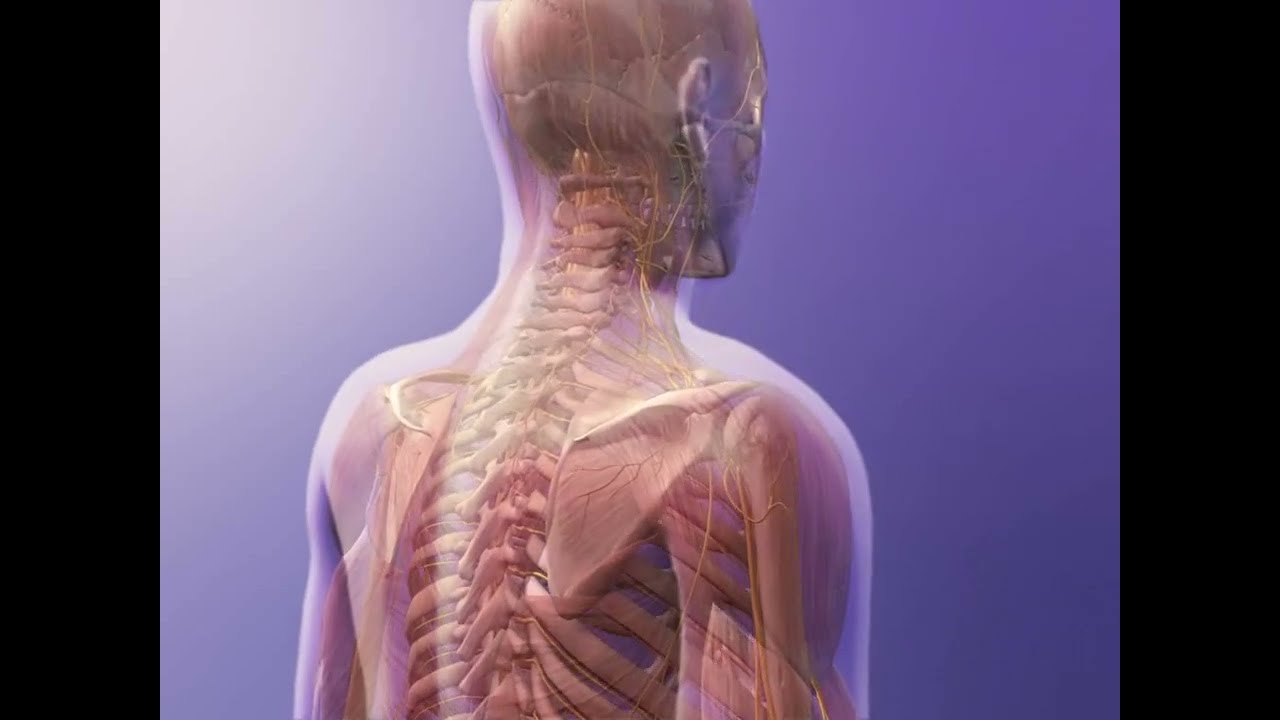



![[PASS 2024-2025] TAToutcapté n°10 - Physiologie](https://i.ytimg.com/vi/tDzHHW6rrRo/maxresdefault.jpg)





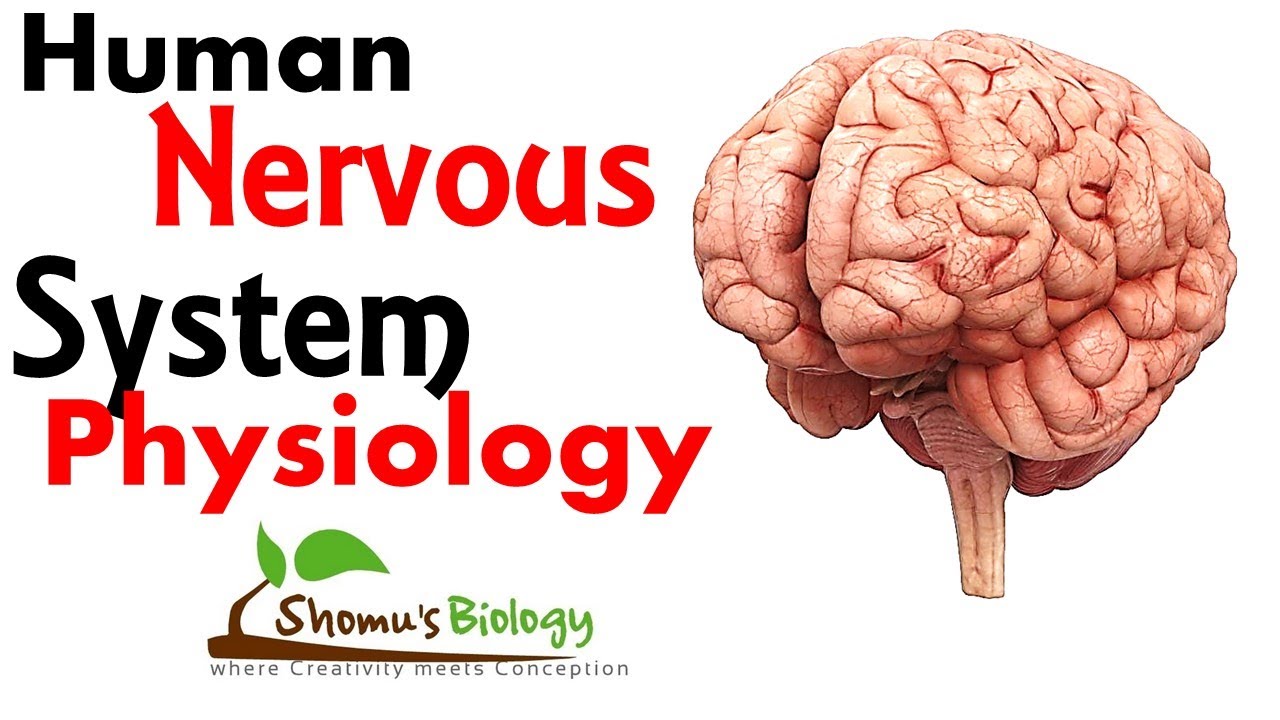




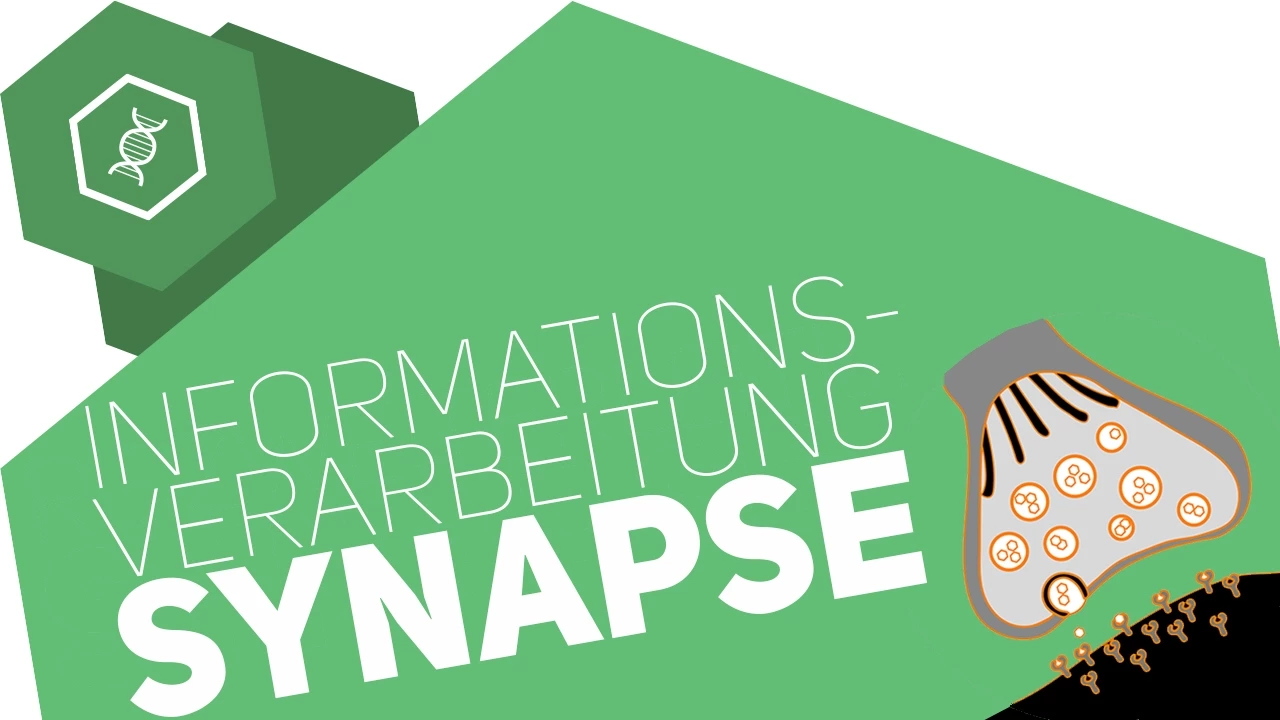


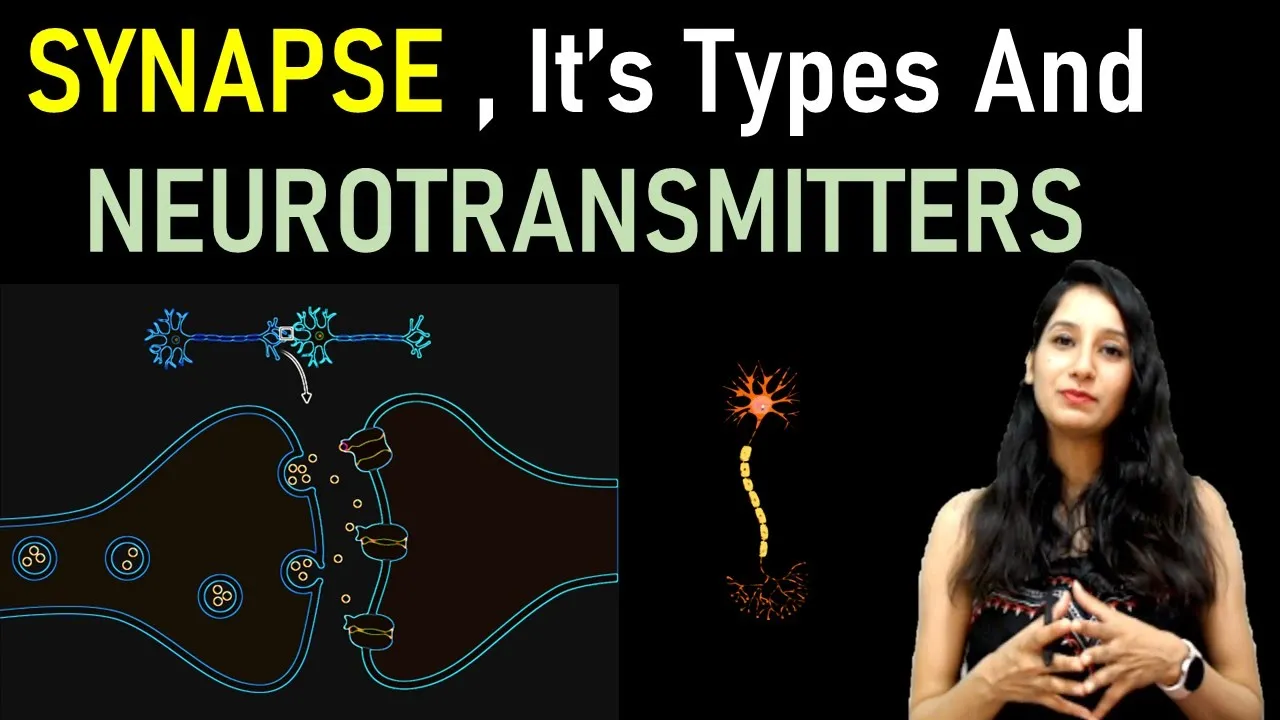
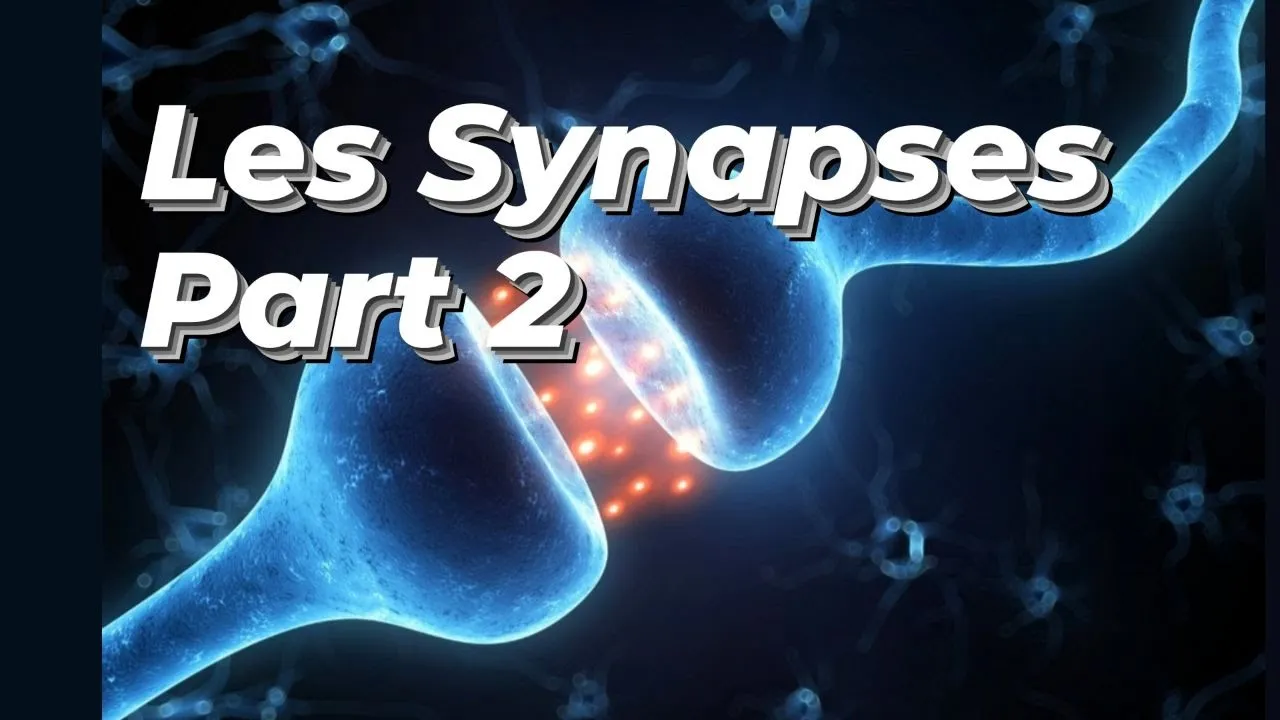





Neurons communicate through specialized junctions called synapses, where electrical signals from the presynaptic neuron trigger the release of chemical neurotransmitters stored in vesicles; these neurotransmitters cross the synaptic gap and bind to receptors on the postsynaptic neuron, converting the chemical signal back into an electrical signal that continues the neural communication. This process involves complex molecular machinery including vesicle fusion proteins and neurotransmitter recycling mechanisms, and the brain contains over 100 billion neurons with hundreds of thousands of synapses per neuron, enabling sophisticated information processing for functions like memory, emotion, and cognition.
How Neurons Communicate: Synaptic Transmission Explained
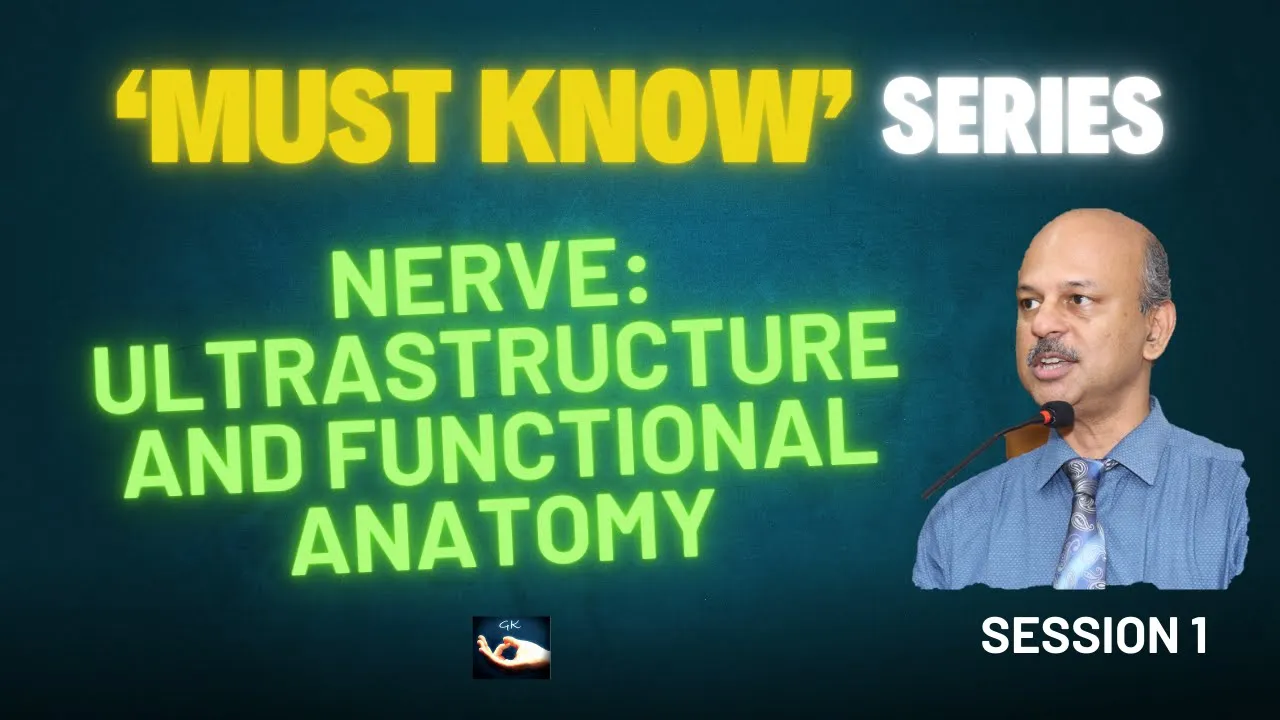
Added:Basic anatomy of a neuron, including the structure and functions of the dendrites, cell body (soma), axon, and axon terminal.
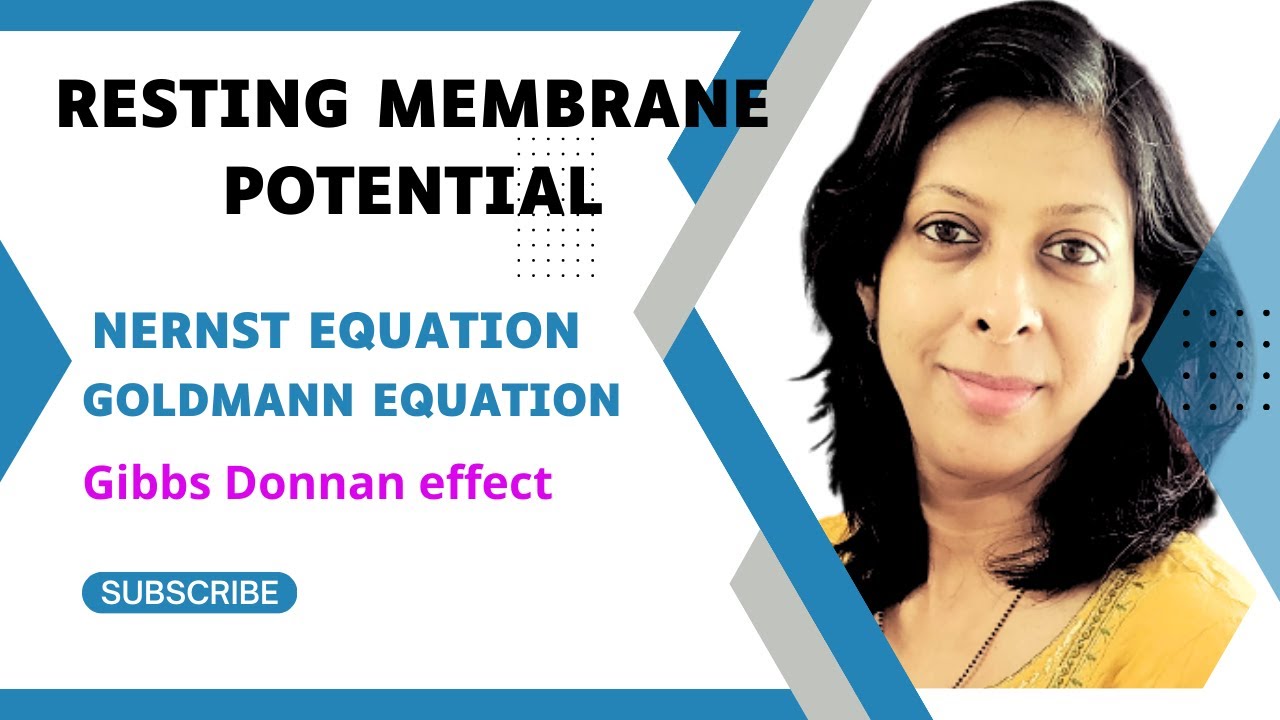
The concept of cell membrane potential, specifically how sodium (Na+) and potassium (K+) ion gradients maintain a resting state.
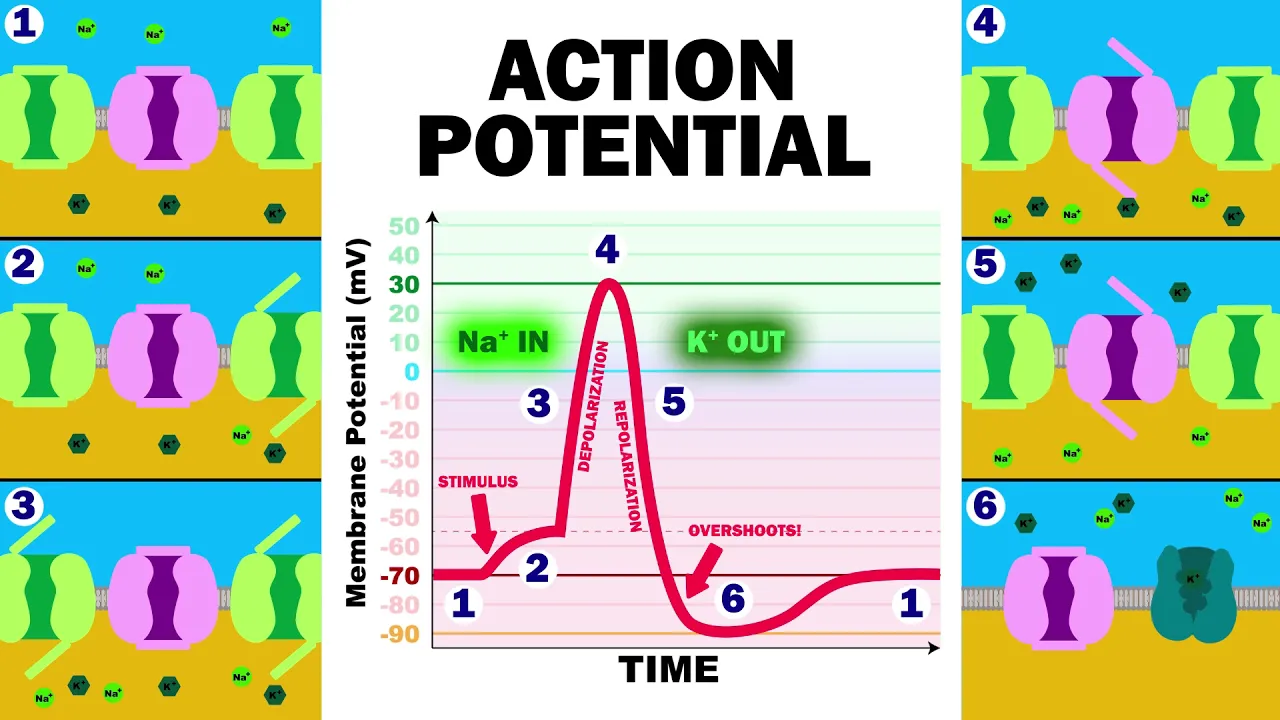
The basic mechanics of an action potential, including depolarization, repolarization, and how electrical signals travel down an axon.
The difference between active and passive transport mechanisms across biological membranes, particularly voltage-gated ion channels.
The classification of neurotransmitters (e.g., amino acids, monoamines) and the distinction between excitatory (EPSP) and inhibitory (IPSP) postsynaptic potentials.
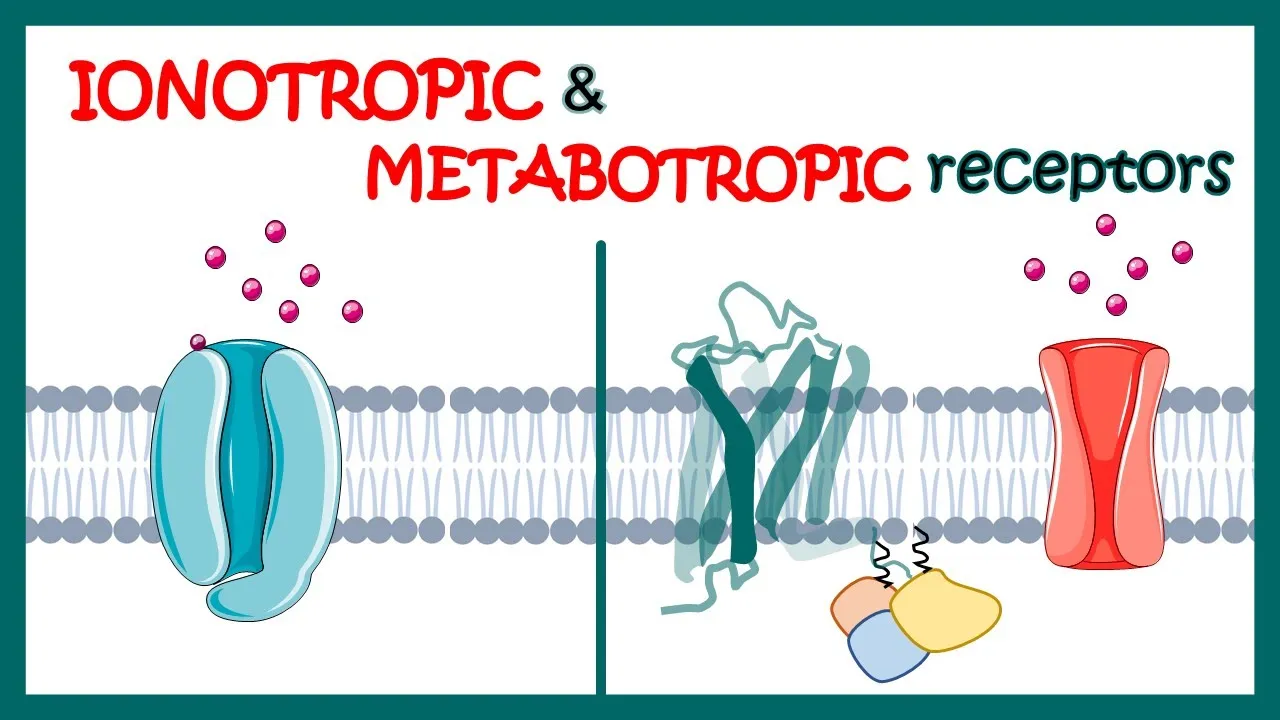
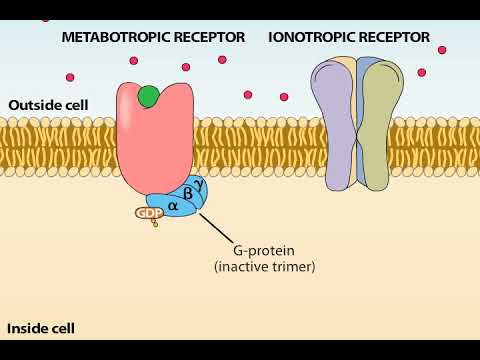
The structural and functional differences between ionotropic (ligand-gated ion channels) and metabotropic (G-protein coupled) receptors.
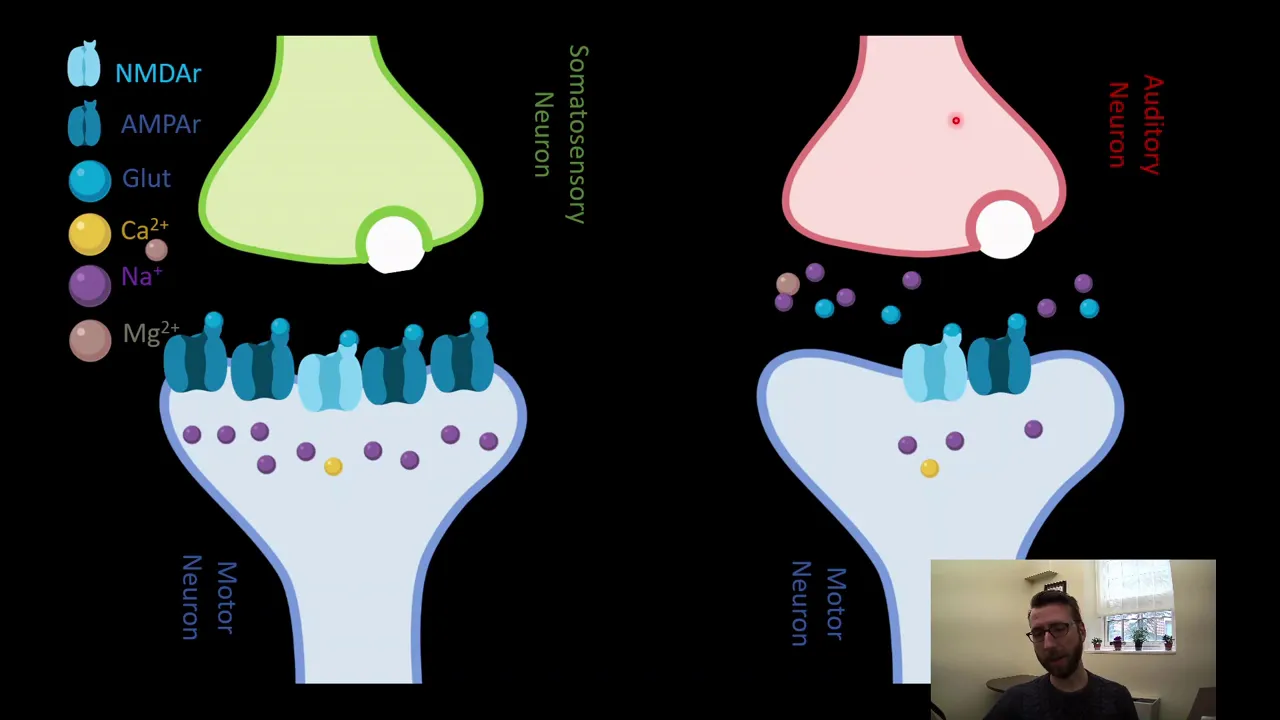
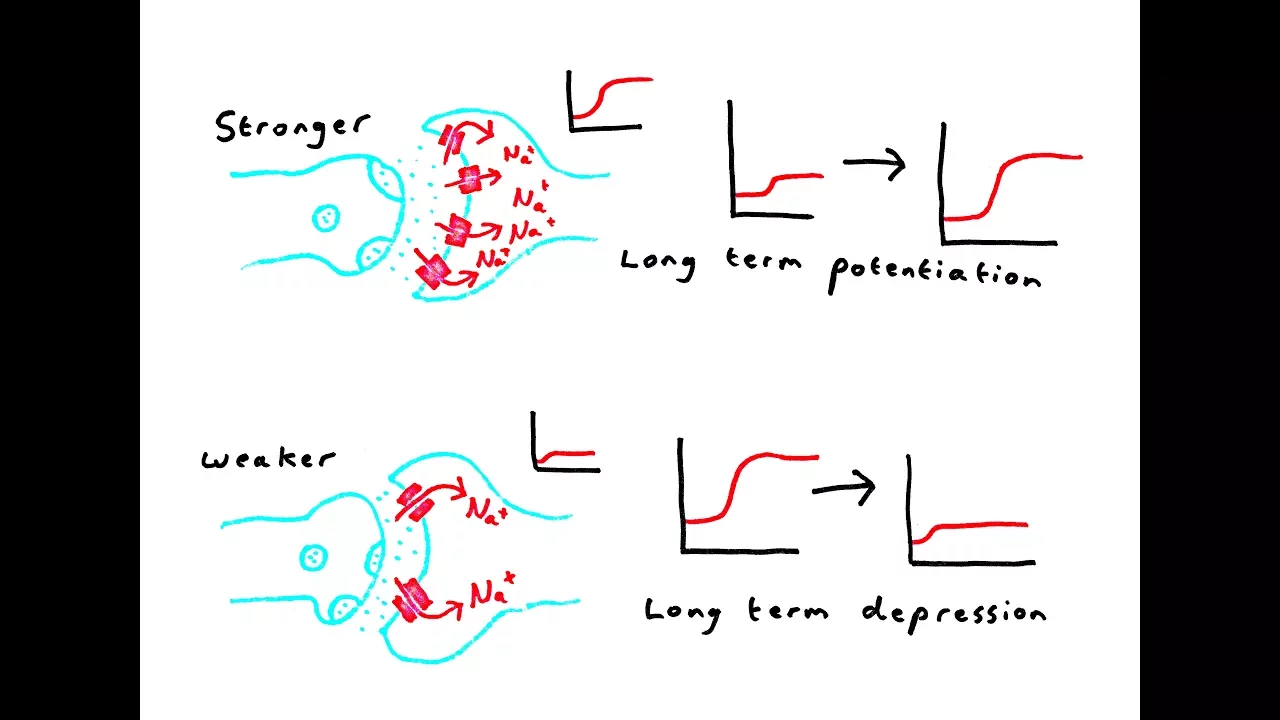
The mechanisms of synaptic plasticity, specifically Long-Term Potentiation (LTP) and Long-Term Depression (LTD) as cellular bases for learning and memory.
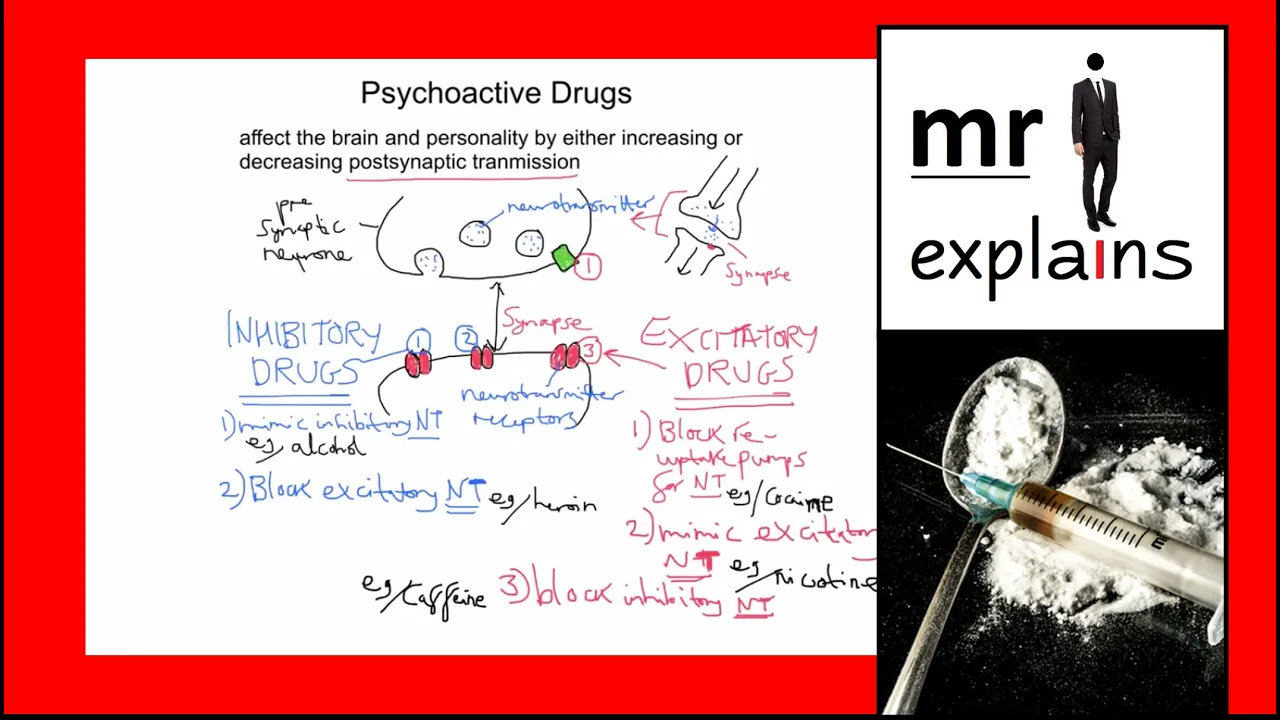
Neuropharmacology, exploring how therapeutic drugs, drugs of abuse, and toxins alter chemical transmission at the synapse.
145 views4likes32:39Original Release: 2021-09-10
[Music] our second speaker today is associate professor brian phillips brian's lab the synaptic mechanisms laboratory investigates how individual synapses the central nervous system function and how they are modulated he has put together a wonderful talk for today how do neurons communicate thank you brian please take it away hi let me work out sharing my screen [Music] okay good morning everyone and i'd like to begin by acknowledging i'm sitting here in canberra in the land of the nanoworld people and paying my respects to their elders past present and emerging so my talk today is about how neurons communicate and as you'll know this is part of our brain teaser 2021 program today so you just heard a talk from john and he described how the nervous system was built up and how these cells in your brain called neurons are structured something like this you have a cell body and you have dendrites on the top which is the word dendrite comes from the latin for tree so there's processes coming out like a tree and this is where the inputs into a neuron come to and then there is an output down the axon and these neurons um communicate via electrical signals so electrical signals are going through the dendrites and out of the axon like electricity running down wires okay and john showed you a picture of a real neuron here and just for scale i put a human hair here this is roughly the width of a human hair and notice that the cell body of a neuron is less than the width of the human hair so these things are tiny but some of their axons can be very very long they can stretch up to a meter away from the cell body so i know that cell bodies are tiny they have a far reaching processes as john mentioned that these neurons are wired together in circuits okay where they join together and where the electrical contact of one neuron is communicating with the second neuron there's this place called the synapse and this talk today i'm going to give you is going to be focused on the communication between neurons which occurs at that synapse so as he introduced there's an electrical signal coming down neuron one here and there's a gap here between the two and there's a chemical signal which crosses this gap and is turned into an electrical signal going down to the other neuron okay so that's how these neurons are wired together in these networks and this really is the essence of how your nervous system works everything that your nervous system does can be broken down into these neurons and these synaptic connections between those neurons everything from how your body moves how you think emotions and memories feelings everything is coming down to those neurons and particularly those synapses now this is a cartoon image and it doesn't really do justice to how complicated the system is but this is actually a real picture of neurons inside your brain now this is a special mouse produced by these guys over 10 years ago now and this is called the rainbow mouse now the braindom mouse is genetically engineered so each of its neurons is a different color and this is showing a photograph of part of the brain called the hippocampus this is a tiny little bit in the middle that's responsible for encoding memories in your brain now this whole section here is just over a millimeter across but you can see within that there are thousands and thousands of these neurons here in the hippocampus the inputs are coming in here to the dendrites and they're all intertwined and all packed together really really densely that it's so hard to see an individual neuron and then the outputs are all coming out here and this is a bundle of axons coming out to other areas of the hippocampus this is just part of the hippocampus so you really get a sense from this picture of how densely packed these things are and there's 100 billion neurons or so in the brain that's as many stars as there are in the milky way so when you look up at night and the dark night and you can see all those stars that's just a fraction of the number of neurons that there are in your brain but it's easier to think in terms of cartoons because you can get a sense then of how these neurons are joined together in a network and where they communicate these processes of these neurons actually come together and touch and here i've just put a little cartoon which is a section of the creation of adam drawn by or painted by michelangelo on the roof of the sistine chapel you can see this picture here now michelangelo was a keen anatomist and he was a very aware he was aware of the structure of the brain and it's thoughts that this picture here this is god here creating adam and and this represents the human brain the structures and the lines are very clearly focused and located in the same place as some of the faults of the human brain and this sash here is where one of the major blood vessels are so scholars have interpreted this to be a representation of god giving intelligence to adam and they're communicating by reaching out their processes and touching just like neurons communicate in the drain however what you notice is that they come very very close but they don't actually touch and this is how synapses are in the brain so i'm going to draw an analogy here between the hand between god on one side and adam touching and the synapse in the brain where there's a little gap between non-neurons where this chemical transmitter must jump across okay now obviously i've drawn this analogy a bit far over the glass of wine last night this is just what i came up with now michelangelo was very aware of the structure of the brain but he'd no idea about synapses synapse is a tiny they're about four hundredths four thousandths of the size of a human brain so he had no idea that these things existed even our very own john echols was skeptical about the existence of synapses as late on as 1949 he believed neurons communicated by deluxe electrical transmission just the electrical spread of signals down neurons in what's termed action potentials and he got the nobel prize for discovering the mechanism of these action potentials these electrical signals but it was two of his colleagues who really spearheaded this idea so stephen cuffler was eccles phd student here in australia bernard katz worked with him in australia before going on to work in the uk in london for many many years what these guys did is they put sharp electrodes inside of neurons and they measured the communication between the neurons and the time it took and what they realized was that it was a very tiny delay between the signal from one neuron to another neuron and if it was purely an electrical spread down the wire that wouldn't have energy life but because there was a timely delay less than a thousandth of a second it caused them to propose that there was this chemical step in between the neuro communication okay and advancing these ideas cats went on to get the nobel prize for work done in the 50s it's awarded some time later but he did this work in the 50s discovering that neurotransmitter was contained in little packets called vesicles this is a chemical neurotransmitter that's released from one neuron and activates another now this is remarkable because at the time microscopes were not good enough to be able to actually see these structures sometime later the electron microscope was developed and then we could really see these synapses so this is a very classic picture of the synapse in your brain what you see here this is the end of the axon from one euro on here this is just the very tip of that axon and that's communicating with the second neuron which is down in this area here so in there we see lots of these mitochondria synapses have lots of magic to conjuring because this is a very energy intensive process is that the powerhouse of the cell producing the atp for the energy driving this process but what you'll also see are these little bubbles of vesicles these are synaptic vesicles they're little balloons of membrane which contain a chemical neurotransmitter and they release that to activate the postsynaptic cell and what you can clearly see is this gap in between the two cells running here if you're lucky with taking the picture at just exactly the right time what you can see is one of these vesicles merging with that membrane releasing its contents out to the gap between the two cells here in real life okay but it's a little easier to see in cartoons so we'll go back to a cartoon here here's a neuron coming in with its electrical signal some synapses here communicating with the output neuron so if we zoom in it looks a bit like this this is our sinus our gap between the neurons the electrical signal comes down here it can't directly activate here there has to be this chemical signal to cross this gap so this gap is called the synapse this is the synaptic cleft the neuron coming in is called the presynaptic neuron pre before synapse then the neuron coming out we'll call the postsynaptic neuron post meaning after the synapse and inside the synapse then are these vesicles these membrane bound sacs which contain this neurotransmitter okay when the electrical signal comes down here these vehicles merge with the pre-synaptic membrane release that neurotransmitter and activate the postsynaptic neuron okay bringing all that together then i'm going to show you a very short video just to give you a sense of how these neurons flashing their electrical signals down and we have to thank elon musk's company you're a link for this video they're doing lots of research into how neuronal communication can be harnessed to drive machines but it's a great video so have a look at this video [Music] your brain is composed of nearly 100 billion cells called neurons neurons come in many complex shapes but generally they have a dendritic arbor a cell body called a soma and an axon the neurons of your brain connect to form a large network through axon dendrite junctions called synapses at these connection points neurons communicate with each other using chemical signals called neurotransmitters neurotransmitters are released from the end of an axon in response to an electrical spike called an action potential [Music] when a cell receives enough of the right kind of neurotransmitter input a chain reaction is triggered that causes an action potential to fire and the neuron to in turn relay messages to its own downstream synapses action potentials produce an electric field that spreads from the neuron and can be detected by placing electrodes nearby allowing recording of the information represented by a neuron okay it's a nice little animation just putting all that into context and showing that communication in this cartoon form okay moving on now to think about some more detail of how these synapses actually work so here's another schematic synapse here we have a pre-synaptic terminal vesicles with neurotransmitter in them and the postsynaptic side with a receptor for that neurotransmitter an electrical signal comes into this synapse and that causes the vesicle to merge with the membrane and release its neurotransmitter now this is a very complex biochemical process of releasing the neurotransmitter vesicles here merging these vesicles with the membrane it's driven by little nano scale machines individual proteins which join together and cause that release process and this is a little cartoon i have here showing how this occurs okay so we know what these proteins are and we know how these little machines really work together to provide the energy to merge those membranes and to release those vesicles and this all happens very very quickly thousands and thousands of times a second okay so after the neurotransmitter is released then it binds on to the postsynaptic membrane here and that causes that electrical signal to carry on onto the postsynaptic cell this is how most of the synapses in your brain work one synapse excites the postsynaptic cell and the neurotransmitter molecule would be the molecule glutamate this is the most prevalent neurotransmitter in your brain it's a simple chemical molecule it's actually amino acid one of the amino acids that go together to make proteins in your body but on its own in your brain it's a neurotransmitter and the structure is shown here four carbon atoms an amino an acids group not all neurotransmitters excite some inhibit so the neurotransmitter gaba gamma-aminobutyric acid has a very similar structure to glutamate when that's released from a synapse that activates different receptors on the cells and that opposes this excitation and causes inhibition so a large postsynaptic neuron in your brain can have up to a million synapses going on at least several hundred thousand synapses on a typical brain some are glutamatergic some are gabaergic this postsynaptic neuron is performing a computation between all the pluses and all the minuses coming in to integrate all those signals to give its one output down it's one axon to decide if it's firing or not okay so this is how neurons are performing computational processes okay now for any signaling system to work obviously the signal is turned on but the signal has to be reset it has to be turned off how does that occur well after the neurotransmitter is bound to the receptor it diffuses away and the receptor starts working the vesicle is pulled empty back into the pre-cyanotic terminal you have to recycle this neurotransmitter to allow this to reoccur this is done in many different ways but one way this occurs is by taking the neurotransmitter back up into the pre-synaptic terminal with a special little pump molecule another of these special nano-molecular machines which uses energy and pumps neurotransmitter back into vehicles we'll call this a re-uptake transporter once the neurotransmitter is back inside the terminal here there's another of these special pump molecules to get the neurotransmitter into the vesicles ready to be released again so bringing all that together then our post-synaptic neuron down here has excitatory signals it has inhibitory signals it has different neurotransmitters and it has recycling mechanisms for the neurotransmitters than getting the neurotransmitters into the vesicles this is a very complex system why do we have synapses you might think well this is how the neurons can regulate their communication there's many many points of regulation here that the brain can use to make the communication stronger weaker faster slower modulate it in different ways we can modulate the number of receptors we can modulate the amount of transmitter we can modulate how long the transmitter is around in the cleft how it's recycled and how it's produced so that gives a very rich variety of ways which the neurons can change our communication in our brain now there's different transmitters i've just introduced you to glutamate gaba that's the main excitatory transmitter the main inhibitory transmitter but there's more than a hundred different neurotransmitters inside your brain now some of them excite and some inhibit as i said glutamate and some of them are very fast and some of them are very slow so glutamate is a very fast neurotransmitter it's a neurotransmitter the cells in your eye are using to detect vision think how fast that's working it's the neurotransmitter your ears are using to detect the sound i'm talking so it's very fast signals going on and off serotonin is a slow neurotransmitter serotonin neurotransmission is responsible for your mood for your happiness also appetite also regulating sleep these things happen over minutes hours days or even months okay serotonin is a slow neurotransmitter okay with all these different neurotransmitters all the different ways that the brain regulates neurotransmission it's a very plastic system it's a system that can be molded it's a system that can be changed and it's also the place where drugs that alter our brain are affecting they're really affecting these synapses and just for an example to finish off i'm going to talk about two classes of drugs that alter your neuronal communication the first one i'm going to mention are anxiolytics now an anxiolytic drug is one which reduces anxiety it reduces stress so such a drug for example would be diazepam also known as valium now this works at the synapse by activating those inhibitory gaba receptors so when our postsynaptic neuron here is integrating its excitatory signals and its inhibitory signals to give an overall level of activity it's just in the balance that's um giving a normal level of activity sometimes when things go wrong the neuron can get slightly over excited and you can get anxious so a drug like diazepam comes in here and it increases the ability for gaba to activate these inhibitory receptors that enhances the inhibition and just gradually gently pushes that neuron more to an inhibitory state than an excitation state it's quite a gentle drug and it does this in a very controlled way some of the stronger drugs which activate the gabaergic system such as some anaesthetics work and that can completely shut your brain down by over exciting the gaba system so this is a way that we can modulate communication in our brain by enhancing a receptor the second example i'm going to give you then is antidepressants now i mentioned that serotonin was a neurotransmitter that's responsible for happiness now if you don't have enough serotonin you can get depressed people who have depression have reduced amounts of serotonin in their brain generally and one class of antidepressant drugs there are others but one the main class are these specific serotonin reuptake inhibitors or ssris such as the drug fluoxetine known as prozac or the drug escitalopram which is probably one of the most widely prescribed drugs in australia lexapro and it's an ssri and it works on serotonin reuptake so this is a synapse that's releasing serotonin here when the serotonin has finished activating the postsynaptic cell the serotonin reuptake transporter sucks it back up into the pre-synaptic terminal and turns off the signal our serotonin reuptake inhibitor then blocks this so as more serotonin is released there's more of it around to activate the postsynaptic cell and our mood increases now this is a very generalistic way of how ssris work but it gives you the broad idea of how you can take a a drug which interacts with your neuronal communication and has an effect on a particular neurotransmitter which has a particular behavioral effect in your body so as i said that this is a complex system with many many points of regulation now we know some things about the neurotransmitters in our brain we know some things about how this synaptic communication works but there's an awful lot we don't know and it's an ongoing area of research in many labs across the world and also in labs in australia and labs here in canberra near eccles institute on the other side we're studying how these neurotransmitters are released how they're processed how they're recycled and how that can affect behavior in your brain i'm going to leave it there for now and i'll be very happy to take any questions thank you thank you brian for such an interesting talk and explaining all the mechanisms in such detail for everyone to understand um we've got a lot of questions where we could start with angelique um are there different mechanisms that regulate what neurotransmitter is used in synaptic communication the different mechanisms that regulate what neurotransmitter is used in synaptic communication well yes i mean different neurotransmitters are released by different cells there used to be thing called bales principle and dale's principle named after henry dale who got a nobel prize for understanding euro transmission in the 1930s and that basically said that each neuron releases one type of neurotransmitter so it gets lots of inputs from different neurotransmitters excitation from glutamate inhibition from gaba regulation from serotonin but it only releases one type from its pre-synaptic terminals so if it's an excitatory neuron it would release glutamate if it's an inhibitory neuron it would release camera if it's a modulation meaning neuron it would release serotonin or dopamine etc um not necessarily strictly true now because it's known some neurons can multiply release different neurotransmitters but as a general principle um each neuron type releases one neurotransmitter to activate its neighbors so it's sensitive to avengers neurotransmitters it releases only one um the release mechanisms of the different neurotransmitters may be slightly different um so glutamate is a fast neurotransmitter and that releases you have these vesicles and they're on the membrane and they can actually release by quickly opening and quickly closing and they release neuron transmitter the slower neurotransmitters can release by fully fusing with the membrane and that's a bit slower some neurotransmitters are peptides um such as the endorphin neurotransmitters um and they tend to be in bigger vesicles and they're released more slowly and those vesicles are recycled in a different way and those peptides aren't really recycled in the same way they're just broken down more peptides are synthesized by the neuron so there's differences there between the fast neurotransmitters like glutamate and the slower ones and the bigger ones like the peptides thanks brian i've got one follow-up question so when there's all these cells communicating with each other at once they're all so close together and releasing neurotransmitters at the same time the cells ever make mistakes and if they do make mistakes what do they do to cope um whether it's a mistake or not you're not really sure but what i've shown you is i rather simplified view where one presynaptic neuron synapses with one postsynaptic cell and you've got your neurotransmitter in the middle and that just communication is there but if you over stimulate and you get lots and lots of neurotransmitter here it's what's called spillover and that leaks out from that synapse and it affects the synapses next to it and it's thought that that isn't necessarily how these things are supposed to work because for the most computing power you want every sign up to be independent but too much excitation then this spillover occurs and the neurotransmitters get to where they maybe shouldn't and too much neurotransmitter can actually be toxic if you put too much glutamate on the cell the cells can die quite quickly so it's very important that you quickly take it back up with those pumps back into cells if that process breaks down then that can cause neurons to die yeah that's very interesting because the next question was what happens if excess serotonin is released by shukla which i think you covered in your presentation as well yes excess serotonin um it can be dangerous you can get serotonin toxicity it can massively increase your heart rate it can increase your temperature too high there are certain drugs of abuse which increase serotonin particularly mdma ecstasy and you can get what's called serotonin in shock if you take too much and you try and drink lots and lots of water to bring your body temperature down if it gets out of hand then it doesn't work but excess serotonin can be not good for you yeah and i think we have a question from dave which is where about general neuroscience um when forming memories is one memory stored in one neuron or is it partially stored in a number of neurons yeah so there's a thing called the grandmother neuron i don't know if you've heard about the grandmother neuron but the idea is that you know you have all these memories stored in your brain and if one neuron stored one thing then you'd have one neuron in your brain that was responsible for the memory of your grandmother and the problem there would be if that one year on died you would forget about your grandmother you wouldn't forget anything else you'd just get that one person right and as you get older neurons die um and that's the sort of evidence that it's not one you're on one memory right so you've got a big network of interconnected synapses one euro could have hundreds of thousands of synapses coming on and the memory is stored in those synapses but it's distributed over the whole network and there's a whole field called neural networks where we study how these networks can store memories and you can do this from a computational point of view and sort of neural modeling and big computing power and a good neuronal network is quite robust and you can lose bits of it and you don't lose the entire memory some bits of the memory might become a bit blurred and if you don't regenerate and renew the memory now and again it can gradually fade um but because that memory is distributed in the storage in synapses over the network then it's more robust to the grandmother cell problem where you don't instantly lose one very specific part of your memory right um thank you i think we have one last question if you have time sure um do you take into consideration the neurovascular unit's role in synaptic activity and aiden's asking if you investigate astrocytes microglia and capillaries in addition okay well in a short talk we haven't had time to talk about everything about um the nervous system but then on neurons but there are also other cells in the nervous system and glial cells which are support cells for the neurons there's different types of glial cells in your brain and as you say astrocytes and microglia there's as many glial cells in total as there are um and they support the neurons they're important in processing the neurotransmitter i showed you a very simple recycling mechanism where the neurotransmitter went straight back into the pre-synaptic terminal actually for glutamate it goes into the astrocytes and the astrocytes process it and put it back into the neurons um so yeah the astrocytes are very important there and that's something i study in my lab that's one of the things that we do here in the amu microglia are a little bit like um they're sort of immunology cells of the brain there they move around they're not connected to any particular brain cell they move around and they travel around through the brain detecting problems and when they detect a problem they get activated they move to it and they try and um cure the problem in the brain and there'll be some talks this afternoon i think you will hear when we talk about macular degeneration in the eye you'll hear about microglia and that's certainly something that in roxanna's lab they study a lot the capillaries are the blood supply which are going into the brain and that's very important it's very important for the oxygen going to the brain it's very important for removing the waste products and the carbon dioxide and the neurons really control the blood flow if you get high activity in the part of the brain then you increase the blood flow to that area of the brain um and if the blood flow is gradually reduced this could be one of the triggers for dementia and of course if it stops completely this can be stroke so obviously that's something also very important something i'm not particularly studying in my lab at the moment um but there are labs um who do study that sort of thing yes beautiful thank you brian so much thank you for your talk and also thanks for answering everyone's question and thanks everyone for your questions and if you have more of course please email us
Up Next

67:32
Cognitive Reserve: Brain Aging, Alzheimer's Risk, and Protection Factors
@brainponderingswithmarkmat648
673 views•2024-04-24
21:55
Deciphering Neural Circuits Controlling Anorexia in Mice | Richard Palmiter
@AllenInstitute
2.3K views•2011-10-10

4:10
Vagus Nerve (CN X): Anatomy, Nuclei & Functions Explained
@Alilamedicalmedia
305.2K views•2022-10-31

13:03
How Exercise Benefits Your Brain: Science Explained
@TED
11.4M views•2018-03-21
Related Study Plans & Knowledge Roadmaps
Structured learning paths in Neuroscience
neuroscience
Appetite Regulation: Brain Circuits & Hormones
01Foundations of Endocrinology and Brain Anatomy
02Introduction to Energy Homeostasis
03Peripheral Signals: Leptin, Ghrelin, and Insulin
+ 2 more learning modules
14h5 modules
Explore Roadmap
neuroscience
Neuroeconomics: Value, Risk & Brain Mechanisms
01Foundations of Neuroscience and Brain Anatomy
02Introduction to Neuroeconomics and Subjective Value
03Dopaminergic Prediction Errors & Reinforcement Learning
+ 3 more learning modules
18h6 modules
Explore Roadmap
neuroscience
Spatial Navigation: Cells, Grids & Brain Maps
01Foundations of Brain Anatomy and Memory
02Place Cells and Head-Direction Cells
03Grid Cells: The Brain's Coordinate System
+ 2 more learning modules
12h5 modules
Explore Roadmap
neuroscience
BCIs: Neural Decoding & Prosthetic Control
01Neuroscience Foundations: How the Brain Signals Intent
02Signal Acquisition: Recording the Brain's Activity
03Neural Decoding: Translating Brain Waves into Data
+ 2 more learning modules
25h5 modules
Explore Roadmap