


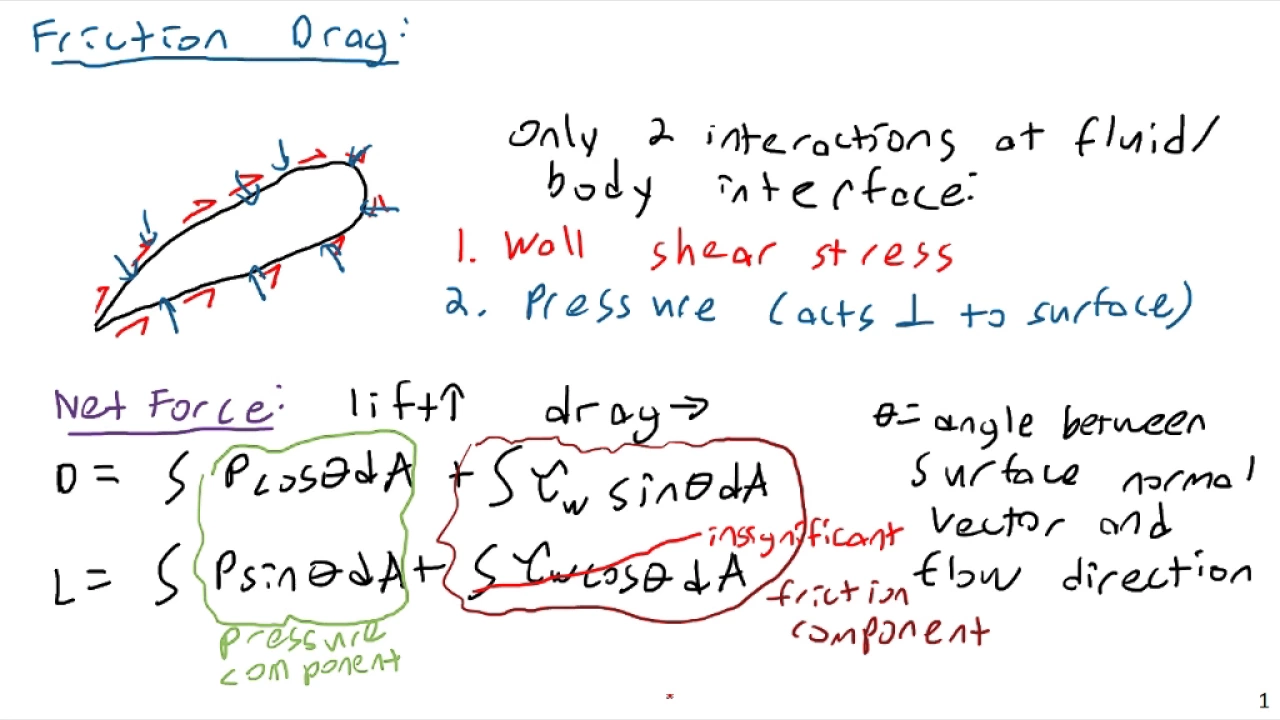












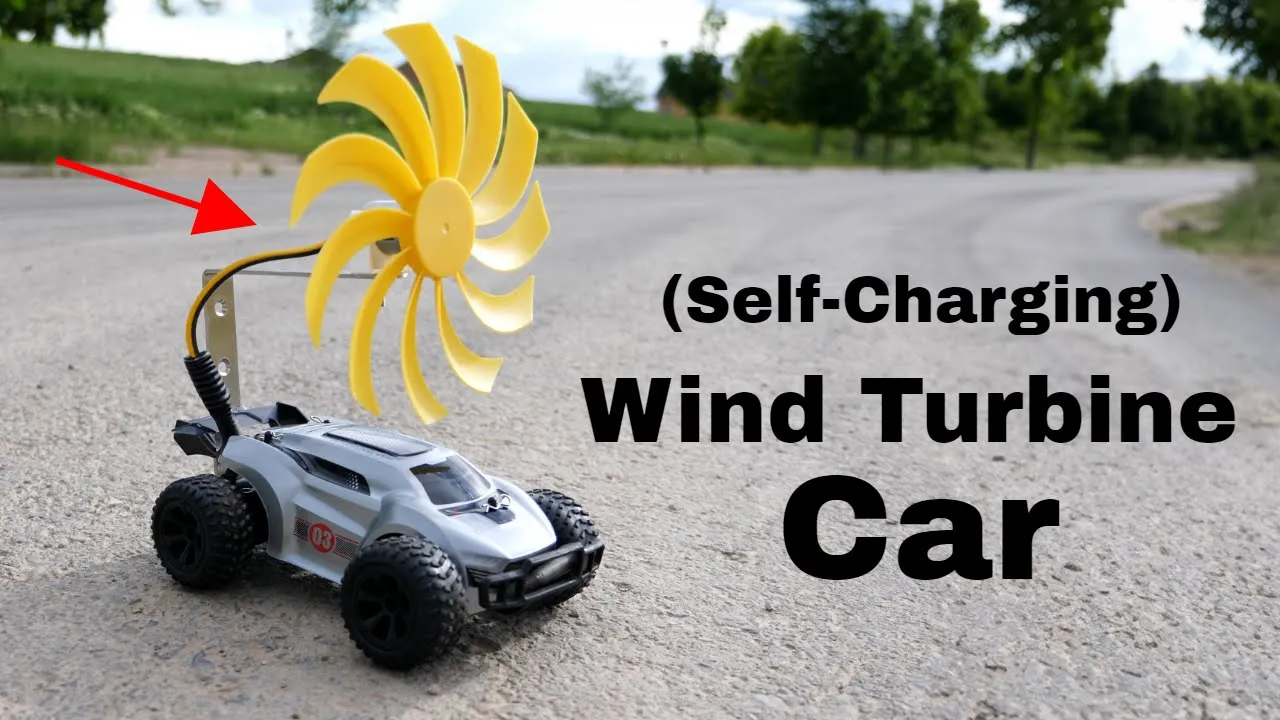



Wind turbines harvest energy by converting wind kinetic energy into rotational motion through carefully designed blade angles; the angle of attack (angle between blade and relative wind) determines lift and drag forces, with optimal performance achieved when blades are pitched at moderate angles relative to the relative wind direction rather than the incoming wind direction alone.
Wind Turbine on a Vehicle: Feasibility & Aerodynamics 1
Added:Basic principles of fluid dynamics, including lift, drag, and fluid flow behaviors.
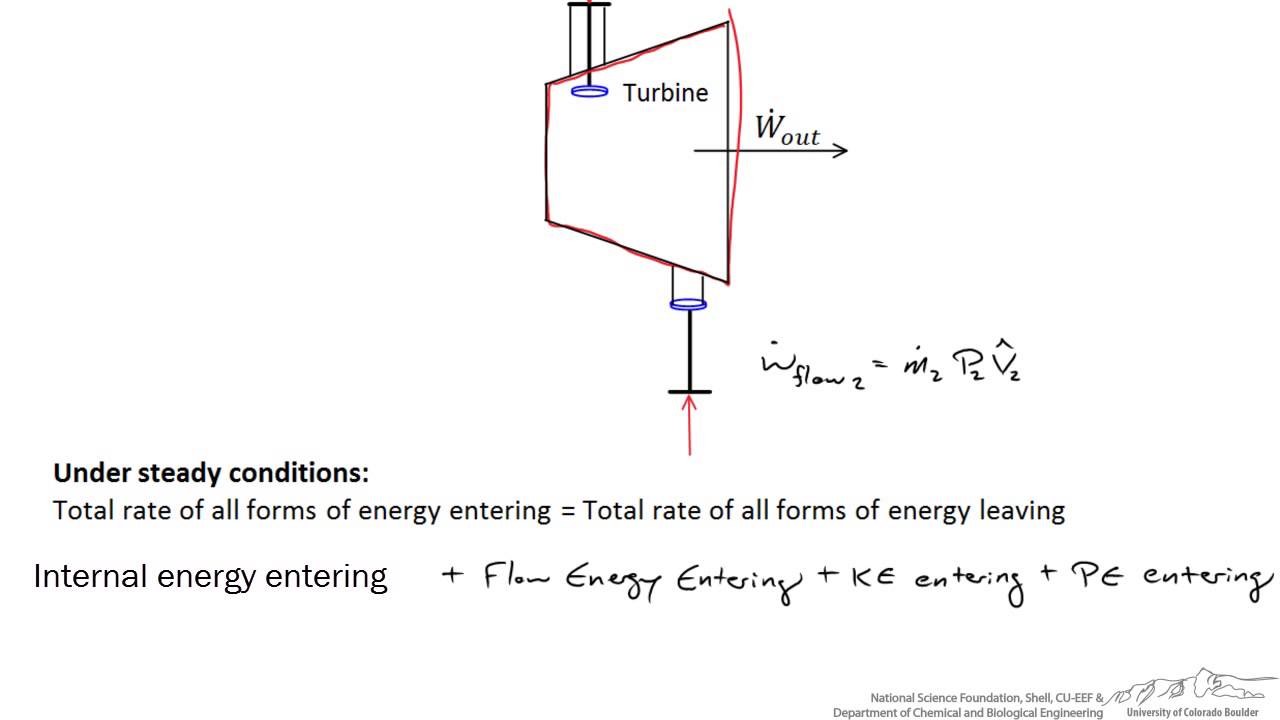
The First and Second Laws of Thermodynamics, specifically the conservation of energy and the impossibility of perpetual motion.
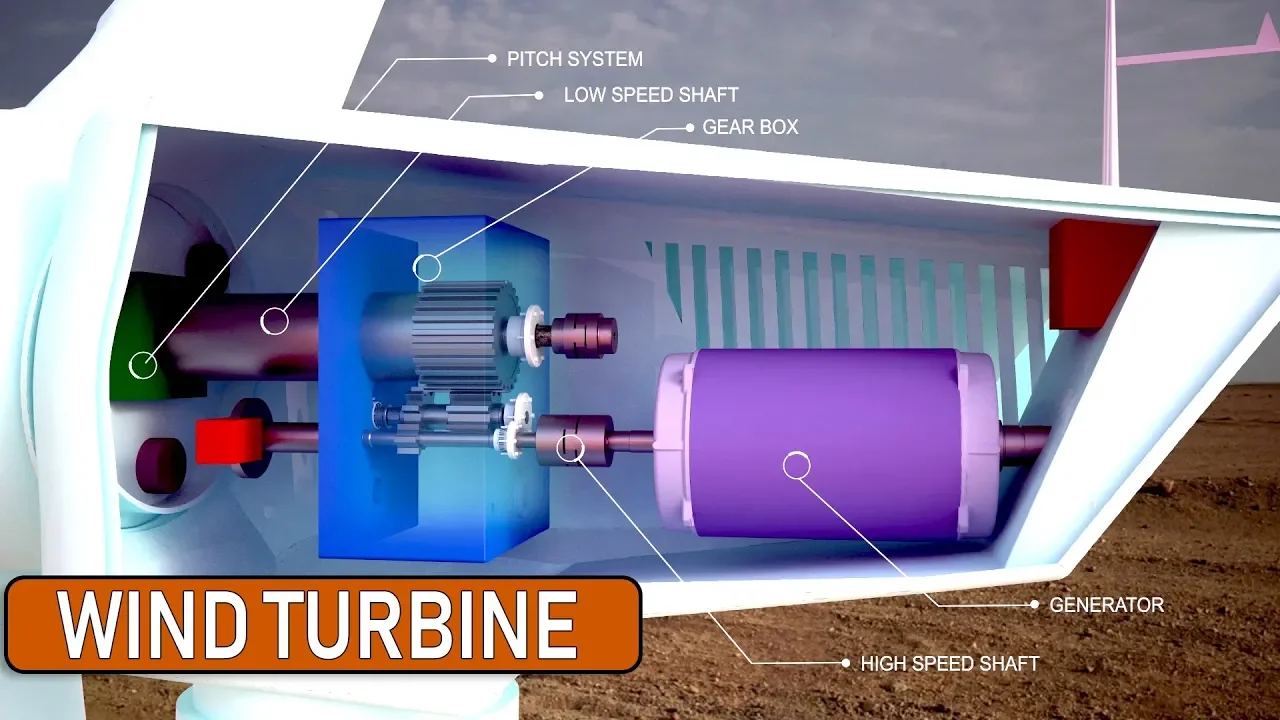
Fundamental wind turbine mechanics, including how kinetic energy from wind is converted into mechanical and electrical energy.
The concept of relative velocity and vector addition, to understand how a vehicle's motion affects perceived wind direction and speed.
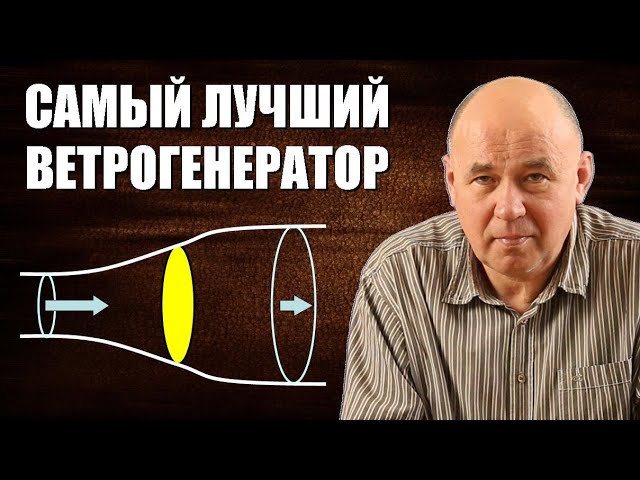
Mathematical analysis of Betz's Law and its application to the efficiency limits of wind energy extraction.
Detailed drag coefficient calculation and energy balance equations comparing turbine power output to vehicle engine drag penalties.
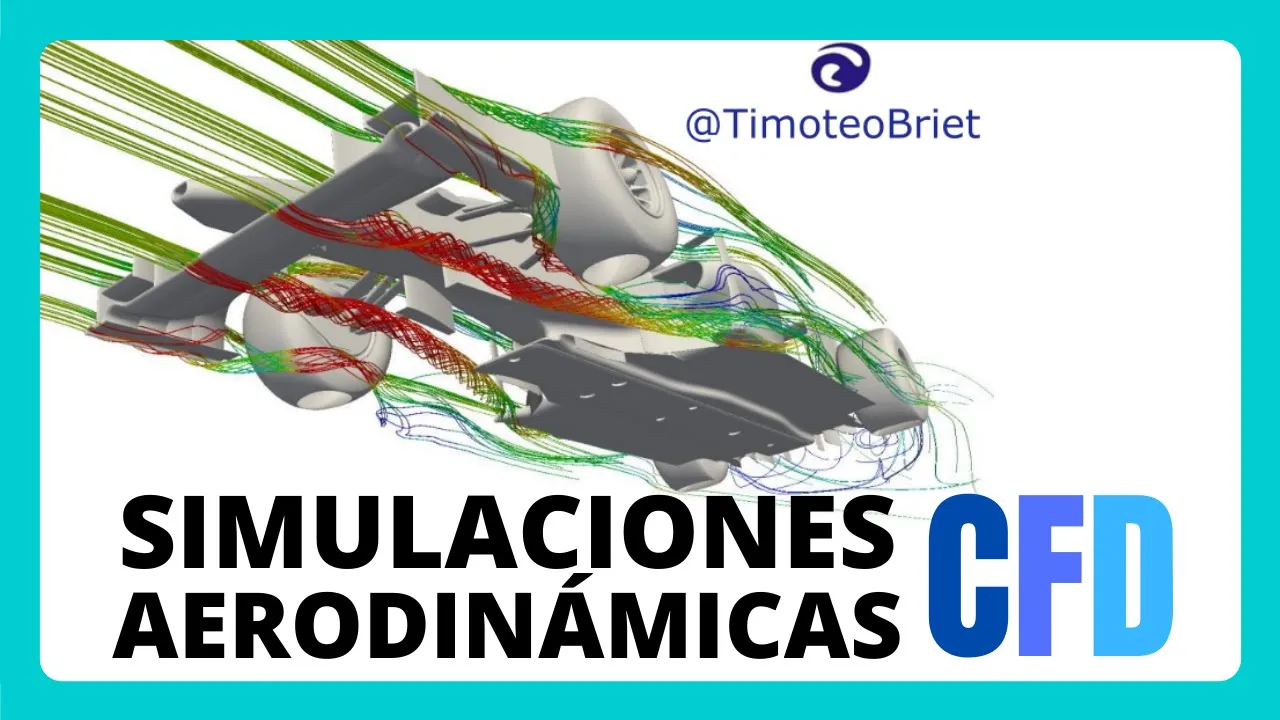
Introduction to Computational Fluid Dynamics (CFD) tools to simulate airflow over complex, moving vehicle geometries.
Analysis of practical energy harvesting alternatives, such as regenerative braking systems and solar-integrated electric vehicle designs.
270.1K views11.3Klikes17:06Original Release: 2020-06-22
i love old trucks but they guzzle gas partly because they have the aerodynamics of a brick consequently at highway speeds a lot of that fuel gets used just pushing air molecules out of the way now the crazy idea i've got is what would happen if we mounted a wind turbine out here in front to encounter the air before it hits the truck now certainly it would be able to generate some electricity but the question is could it do it without increasing the amount of fuel that's used and if it could is there some way of channeling that electricity back into the truck to reduce the total fuel consumed anybody's ever driven with their hand out the window has some idea the power of the wind and i remember doing this as a kid playing with the tilting of the hand and how it changes the forces but if we're going to be able to harness any of the power of this while driving we need to get a better understanding of how it works okay we've got an artificial hand with some artificial wind simulating as if we were driving around with our hand out the window and i've set this up so it can pivot up and down it's got a counterweight on it so it doesn't take anything to move it up and down and if we compare the angle of the hand to the angle of the wind they're in alignment right now so we say that the angle of attack is zero but if we increase the angle of attack we see that that pushes the hand up and if we go to a negative angle of attack that forces the hand down [Applause] going back to a zero angle of attack there's no lift force on the hand pushing up or pushing down the only force is the drag force pushing directly on the front of the hand now if we go back to a positive angle of attack at first we're increasing the lift but if we go all the way to 90 degrees we've maxed out our drag force and don't have any lift and this is why when we rotate our hand that direction that's where we feel the greatest force of the wind but if we want to get any lift out of it we have to stay somewhere in here in that low to mid angle of attack wrench now you might be asking quin what does a rubber hand have to do with harvesting power from the wind and you know what i'm glad you asked but to explain it i first have to build a special fixture called a jig that helps us drill holes consistently in the middle of several hands next we'll turn a hub on the lathe with a precision bore remove the entire chuck and swap it onto the rotary head of the mill that way we can precisely drill and tap several evenly spaced holes around the diameter without ever letting go of the part all we need now is to swap everything into a fan and the next thing you know we have a spinning version of our hand out the window first time powering this thing on let's uh let's see what happens it's got a little more inertia oh my gosh it's actually it's actually blowing quite a bit of air i don't believe it this thing is actually working i mean we saw the lift effect on the bronco on the window there i mean it really worked and this this may have to be a permanent fixture for me [Laughter] now i realize this doesn't look much like the experiment with the truck window but in reality they're almost identical to see how let's lay the whole thing down flat and remove the housing so we can look at it from the side we'll mount a wind meter called an anemometer just below to monitor the results when we make the hands horizontal air moves over the top and bottom equally making zero lift just like out of the window of the truck the anemometer verifies this showing zero wind speed rotating the hands to 90 degrees we still get essentially zero lift but stir the air just enough to trigger our meter but notice how much slower the hands are spinning the drag is so much higher i thought i must have put it on a slower setting and started changing the switch it's not until we adjust the hands to a moderate angle of attack that they generate lift and perform like a normal fan moving a significant amount of air but you might be thinking wait a minute these hands are being spun by a motor that's different than being spun by the wind and you're right but to see exactly how we need a way to mount this to a vehicle kind of like a trailer but in front and sure there are kits for doing this but i want it hidden as much as possible when not being used which means positioning the bulk of it behind the bumper that way only the front of the tube is visible but still right where we need it when it's time for an experiment plus i have some ideas for future videos that this will come in really handy for now that our receiver tube is in place it's easy to position our fan however we want and just like before when it was pushing air down now it's pushing air back towards the front of the truck but how is this different from a wind turbine for starters let's rotate the hands back to their zero angle of attack that's where the hands are aligned with their motion through the air but when we drive down the road wind comes from the front therefore zero angle of attack means turning all the hands 90 degrees with the thumb facing down the road now the question is which way do we twist the hands so they act like a wind turbine from our bench experiment we already know that to move air like a fan we need the hands angled to the right and if we were to drive down the road like this the wind would make them spin but with a negative angle of attack for a positive angle of attack which will be very important later on we need to rotate the hands to the left that keeps the high and low air pressures acting the same way they did when we had our hand out the window with a positive net lift force so far we've only been looking at the speed of the wind coming into the turbine blade but as soon as the blade starts to rotate it starts to pick up its own rotational speed for instance there's no wind here right now but i can feel wind on my hand just by spinning it through the air and the faster i spin it the more wind i feel across my hand and wind turbines are exactly the same any time a blade spins by definition it has velocity and feels air move in the opposite direction this velocity combines with the wind to form what's called relative wind so the faster the blade spins the greater the relative wind and the steeper the angle it approaches from if it were to match the angle of our blade the angle of attack would be zero even though the blade is at a substantial angle if it rotates fast enough there could be zero lift this is why angle of attack of a rotating blade is measured to the relative wind not incoming wind direction if we want a turbine blade to go faster but it's already at a zero angle of attack we have to increase the angle of the blade but since angle of attack is subject to changing conditions it's useful to have a term for the blade angle relative to something fixed so pitch is what we call the angle to the plane of rotation therefore decreasing our pitch increases the angle of attack thereby increasing lift and the speed of our turbine but let's do a quick experiment to see if this is true okay we are set up with here's our little sensor for our tachometer and then we've also got our anemometer our little wind meter here that's going to pick up and they're both tied back into a display inside the truck so now we are set up with a very low just absolute minimum angle of attack and the theory says this isn't going to spin all that fast but we're going to go for a spin and see how it does we'll do a few runs here see what we get we'll do it in the same spot same direction the neighbors didn't think i was crazy before you imagine what they're thinking now i ended up doing five different test runs targeting eight meters per second wind velocity or about 19 miles per hour while the rpm did increase as i reduced the pitch it eventually dropped off having peaked at around 30 degrees from the plane of rotation now real turbine blades would go faster than this but even they have limits we just found ours a lot sooner okay i just noticed something that i absolutely love so here is our hand out the window example and we know how we had our positive angle of attack causing lift and this thing going up and down and how that compares to drag and all that stuff well we just got back from doing our test drive with a bunch of different iterations of the angles of these hands and look at how steep we ended up with this thing and we know now of course that that is because the hands are free to rotate we're getting the air coming in causing the high pressure side on the underside of the on the palm and the low pressure side on the top which creates this net lift force and of course the thing is allowed to rotate so we have that new as it rotates we have that new incoming that rotational speed of the wind coming in that creates this relative wind which is why these turbine hands if you will can be so much steeper than the ones out the window and not necessarily experience the same kind of drag because the wind isn't for the hand the wind isn't actually just straight coming in like this it's coming at an angle that depends on how fast this thing is spinning once i saw that i was just this this is so cool to be able to see this relationship between sort of a wind turbine and what we're all accustomed to with our hand sticking out the window now you might be wondering how much electricity these rubber hands were able to make driving around the block but the answer is none they're still mounted to the original box fan motor which just isn't designed to make electricity but that's fine i already ordered something else that can i want to start off by saying this wind turbine is way underpowered for what we're doing but it's a great example to illustrate a point about pitch so you can see down here near the root of the blade we've got a really aggressive angle of the blade relative to the rotation and then clear out here at the tip it's almost parallel to the plane of rotation now this gets back to that blade velocity that is a function of how fast this is rotating as well as the radius of how far we are from center to illustrate let's attach a couple of hands to the blade and look at how far each one travels in a single rotation the hand at the tip is probably going five times farther than the one near the center which means the velocity is five times faster with our new understanding of relative wind it makes sense why the root of the blade would have such a large pitch while the tip has almost no pitch appearing nearly parallel to the direction of rotation but something that's always bothered me is how the tips of the blades look like they couldn't possibly make the turbine rotate any faster just look at them any lift forces on the bottom of the blade would have to push straight into the axis of the rotor and the drag force would just slow it down right well not exactly here's where i have to be reminded a spinning airfoil deals with relative wind and out on the tips of the blades that's very different from the free stream wind direction though the lift force does come from the pressure on the surfaces of the blade it acts in a direction perpendicular to the relative wind so even when the blade is parallel to the plane of rotation part of the lift force still results in a net positive torque on the rotor another point i want to make about this is these things are designed for an incredibly low wind velocity so putting this thing on a vehicle and going and driving at highway speeds is going to way exceed what this thing is built for and i don't know how it's going to destroy it if it would burn it up or if these blades would come flinging off of there but man just because you have a welder in one of these turbines do not go mount this on a vehicle because really bad things could happen of course i'm going to be extra careful to stay well within the rated speed and while there are lots more little details about wind turbines we didn't cover right now i am dying to go for a drive and watch this thing spin while thinking about all the cool stuff we just learned that makes it work okay that about does it for part one in part two we're going to learn how to calculate how much wind power is available from the front of a vehicle as well as something called the bets limit on how much of it we can actually harvest we're also going to connect up to the output of this wind turbine to see how closely it can approach the theoretical as well as the factory specs now because we can't just go to the store and buy a wind turbine designed for this application we're probably going to have to build our own which means we're going to need to understand features like camber and cord length on wind turbine performance also i want to give a huge thank you to my supporters on patreon they basically funded the materials for this project and if you want to see more stuff like this i need you to please like and subscribe to help me grow this channel but if not that's okay i'm quint with another one of my builds thanks for watching ah
Up Next

24:05
The Propeller Explained: Aerodynamics and Aircraft Propulsion
@TheWrightStufff
931.3K views•2013-10-27

30:21
Damped Free Vibration of Structures: Viscous Damping Theory
@IITKanpurNPTEL
23.4K views•2019-08-26

54:16
Polymer Environmental Degradation: Mechanisms & Stabilization
@iit
1.8K views•2012-07-10
33:39
How a Student's Question Saved a NYC Skyscraper from Collapse
@veritasium
22.8M views•2025-04-26
Related Study Plans & Knowledge Roadmaps
Structured learning paths in Engineering
engineering
Structural Dynamics (DIY TMDs & Shake Tables)
01Foundations of Structural Dynamics & Resonance
02Designing and Building a Motorized Shake Table
03Constructing the Scale Building & Tuned Mass Damper
+ 2 more learning modules
35h5 modules
Explore Roadmap
engineering
Building Acoustic Levitators: Physics & Arduino
01The Physics of Sound and Standing Waves
02Piezoelectric Transducers and H-Bridge Drivers
03Arduino Programming: Generating 40 kHz Signals
+ 2 more learning modules
14h5 modules
Explore Roadmap
engineering
Building Peltier Cloud Chambers: Particle Tracks
01Cosmic Rays & Cloud Chamber Physics
02Thermoelectric Cooling (TEC) Fundamentals
03Custom Liquid-Cooling Loop Design
+ 2 more learning modules
18h5 modules
Explore Roadmap
engineering
Yagi-Uda Antennas: Modeling, Build & VNA Test
01Introduction to RF and Antenna Fundamentals
02Yagi-Uda Antenna Design Principles
03Antenna Modeling and Simulation in 4NEC2
+ 2 more learning modules
18h5 modules
Explore Roadmap