
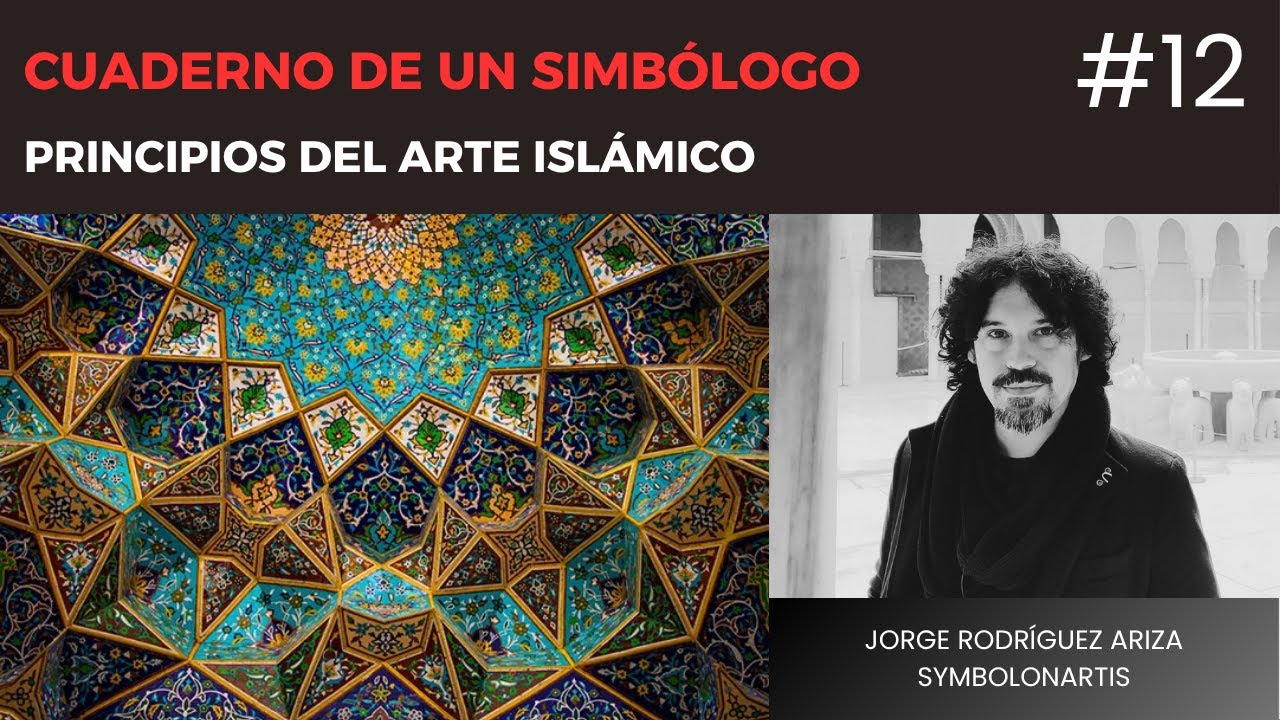





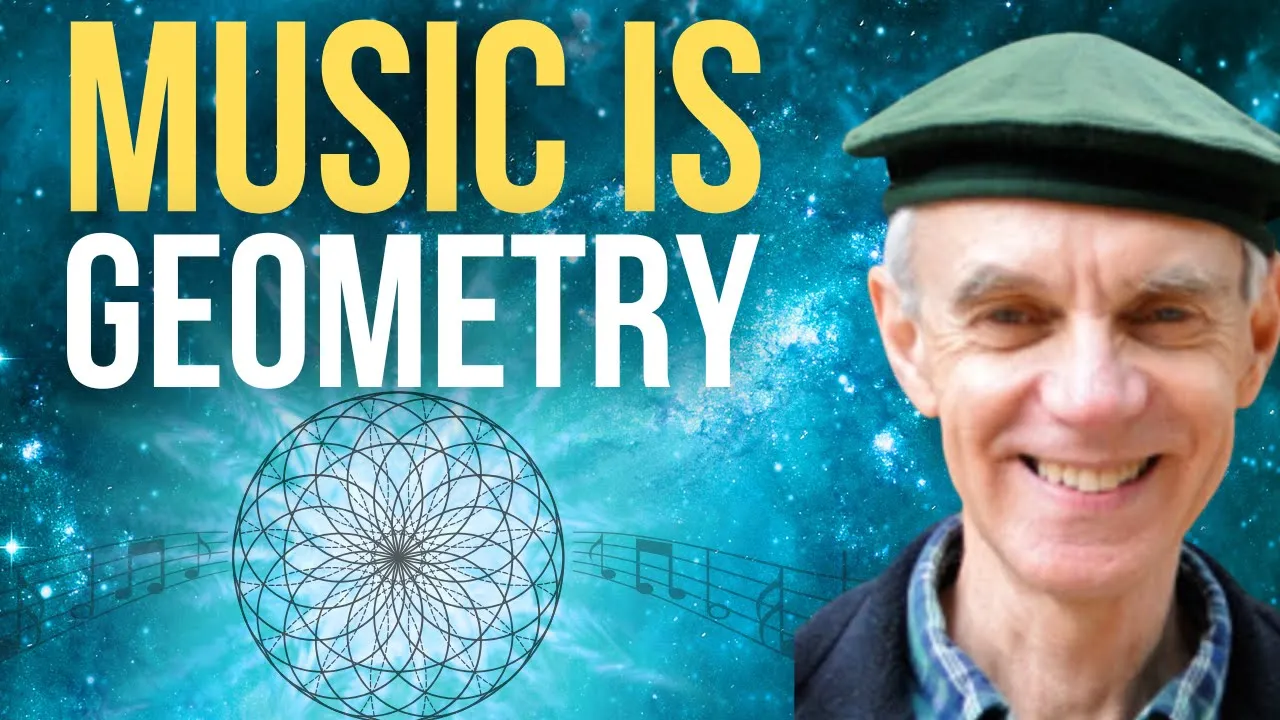






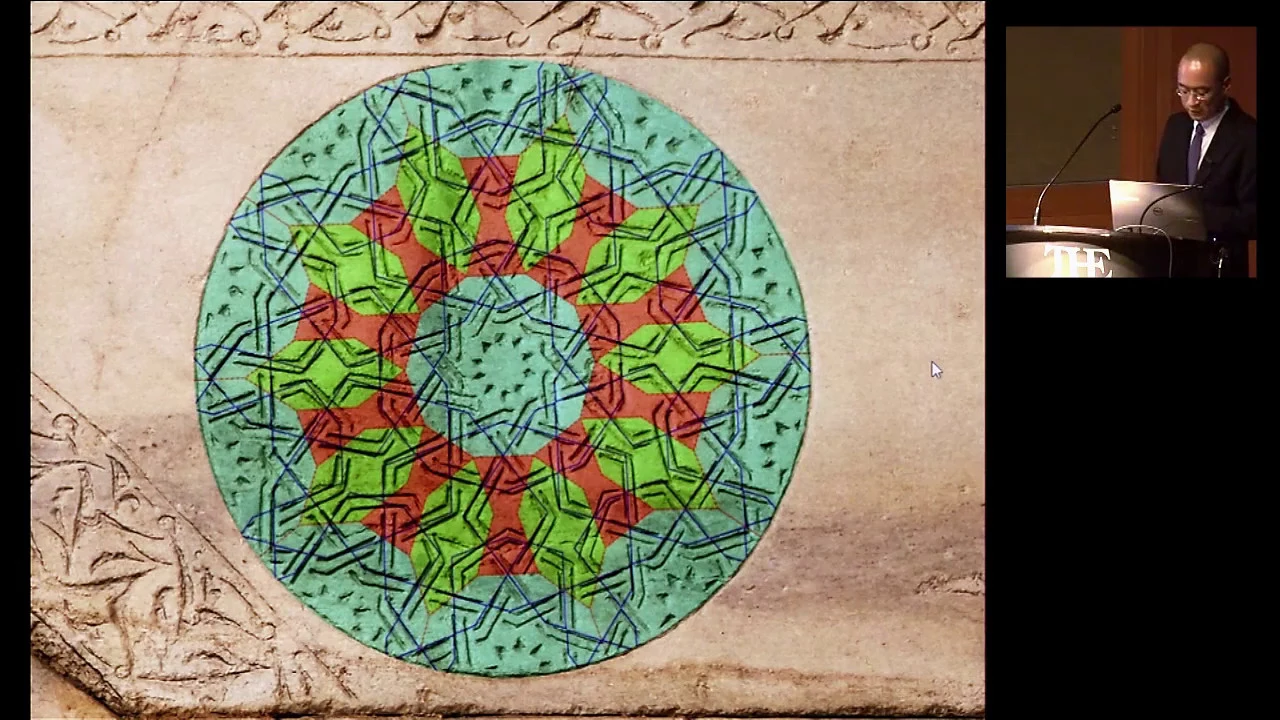









Sacred geometry uses dividers (compasses) as a spiritual tool where the top part symbolizes God's eye, one leg represents the direct connection from God to creation, and the other leg enables variation; Islamic geometric patterns emerge from regular polygons (triangle, square, pentagon, hexagon, heptagon, octagon, nonagon) by finding the balancing point (bazak) at their midpoints, creating the distinctive symmetrical designs found in Islamic art and architecture.
Sacred Geometry in Islamic Architecture | Dr Keith Critchlow
Added:Understanding of the core principles of Islamic art, particularly the concept of aniconism (avoiding figurative representations) and the resulting reliance on geometric, calligraphic, and vegetal motifs.
Fundamental concepts of Euclidean geometry, including symmetry, tessellation, proportions, and the traditional use of compass-and-straightedge constructions.
The philosophical definition of 'Sacred Geometry'—how historical civilizations viewed mathematical ratios and geometric patterns as reflections of a deeper cosmological or divine order.
Basic architectural elements of a mosque, such as the dome, prayer hall, mihrab, and minaret, to understand how structural components interact with geometric design.
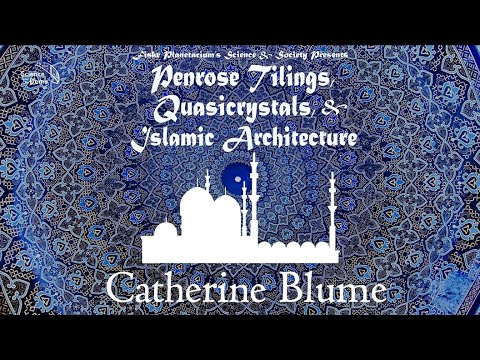
The study of advanced mathematical tessellations in Islamic art, such as Girih tiles and their relationship to modern mathematical concepts like quasi-crystals and Penrose tilings.
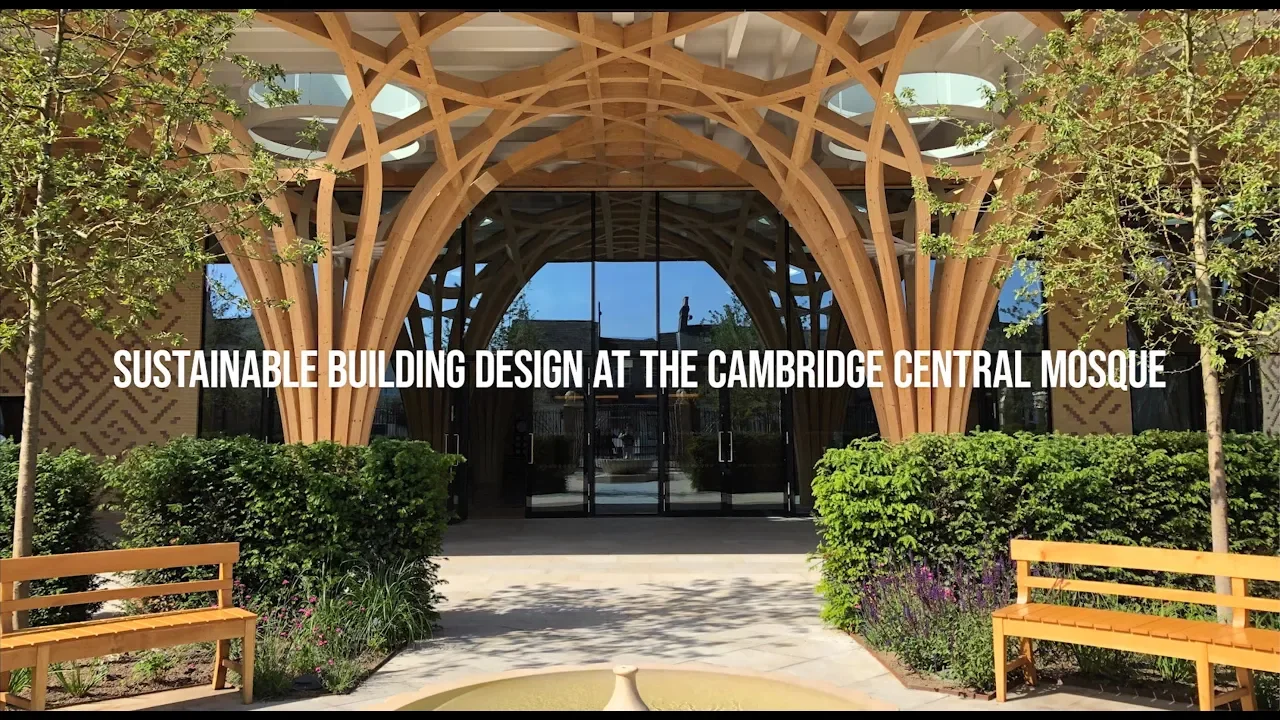
In-depth analysis of biophilic design and eco-architecture, exploring how the Cambridge Central Mosque integrates traditional geometry with modern sustainable engineering (e.g., passive ventilation, timber construction, rainwater harvesting).
An exploration of the works of Dr. Keith Critchlow and other perennialist thinkers regarding the symbolic and metaphysical meanings embedded within traditional crafts and architecture.
Comparative analysis of sacred geometry across global traditions, comparing the geometric principles of Islamic patterns with those found in Gothic cathedrals, Hindu temple layouts (Vastu Shastra), or Tibetan mandalas.
17.5K views338likes5:24Original Release: 2015-12-20
I believe that um geometry is the art of continual renewal that's what I would call it traditional geometry and all these things is constantly renewed by every person who does it the truth of the matter is this is the most um important instrument that was ever invented the most important scientific instrument that was ever invented they're called dividers sometimes called compasses and um they're used for geometry this is a later version of the same thing this is quite quite a crude pair but nevertheless can be made to use this is a Victorian pair of dividers and every single part of this instrument has a symbolic meaning this top part here um which you can see is made of two different metals and those two different metals are two circles this is this is is the eye of God this is God here when you hold it that you if you're in the right frame of mind you are in a very privileged position one of the legs that goes down that is the leg which goes down to the surface on which you're going to work that is a direct emanation from God to Creation creation is what you're going to do on your piece of paper or on your surface and this leg here is the one of variation this one can make little circles or large circles whatever this one will deviate from the ontologic this is called the ontological axis to the to the surface on which you're going to work and then you have a hand which usually you you have to have three fingers to hold this top piece but you can do it with two and then you spin you spin the dividers until you feel confident and then you bring the that to to top the surface each each of these patterns which become Islamic are based on Triangle Square pentagon hexagon heptagon octagon and anagon they become Islamic by this is known as the bazak this is the balancing point point between the two extremes of that triangle that balancing Point has a form which goes above and a form which goes below at the exactly the halfway so at the halfway point of every geometric regular polygon by Crossing it like this you create what the Muslims or the Muslims created these patterns which became quite specifically Islamic art this is the impression you get from the street moving towards the mosque and um they found a nice site in in in Cambridge very good site and Emma Clark designed the gardens which is very nice Emma being an ex student of mine I'm very proud of her and um David had this lovely idea of of having the Arches which are normally made of masonry in Timber so um I hope I had some influence on the use of the Octagon I can see that and um octagons within octagons and all the little details within here the windows and the details that go in there I've has been my input in terms of the geometry and the the metab as well which is rather important so um i' I've enjoyed collaborating with David it's been very good and um happy to be making this film too if you want to talk about richness being approved of is the greatest richness you can have if eventually you're approved of by God even better what greater approval is there I guess that's fascinating one mustn't one mustn't make presumptions about God I totally well as s Augustine was very good he said those who talk about God couldn't be
Up Next

25:59
Arabic Calligraphy Styles Overview for Beginners | Learn Khatt
@Madrasatuna
7.2K views•2020-08-05

12:54
Triumph of Orthodoxy Icon: Byzantine Art & History Explained
@BenCallan
2.1K views•2024-08-06

9:49
FastAPI vs Flask vs Django: Choosing the Right Python Web Framework
@TechWithTim
302.5K views•2024-05-26

1:42
Game of Thrones Opening Credits: A Cinematic Analysis
@gameofthrones
46.3M views•2011-04-18
Related Study Plans & Knowledge Roadmaps
Structured learning paths in General & Interdisciplinary Studies
general-studies
Elevator Engineering: History, Physics & Cities
01From Hoists to Safety Brakes: The Dawn of Vertical Lift
02Hydraulic vs. Traction: The Engineering Physics of Elevators
03Modern Speed, Safety, and Algorithms
+ 2 more learning modules
12h5 modules
Explore Roadmap
general-studies
Rubber: Material Science, History & Geopolitics
01Origins of Natural Rubber & Mesoamerican History
02The Chemistry of Natural Rubber & Vulcanization
03The Geopolitics of the Rubber Boom & Colonization
+ 2 more learning modules
12h5 modules
Explore Roadmap
general-studies
Containerization: Evolution, Logistics & Trade
01Ancient Trade & Bulk Cargo: Amphorae to Barrels
02The Industrial Revolution & Cardboard Packaging
03The Containerization Revolution: Malcom McLean
+ 2 more learning modules
12h5 modules
Explore Roadmap
general-studies
Textile Tech: Evolution, Labor & Global Impact
01Pre-Industrial Textiles: Handloom & Cottage Industry
02Mechanization: The Spinning Jenny to the Power Loom
03The Factory System & Global Labor Transformation
+ 2 more learning modules
10h5 modules
Explore Roadmap