





























Glass, a material born from the accidental fusion of sand, soda ash, and lime under extreme heat, has evolved from a rare precious commodity in ancient Mesopotamia and Egypt to a transformative force that enabled scientific revolutions through telescopes and microscopes, industrialized manufacturing, and now serves as the essential infrastructure of our digital age through optical fibers and smart displays, fundamentally reshaping human perception and technological capability throughout history.
How Glass Shaped Civilization: A History of Innovation
Added:Basic state-of-matter chemistry, specifically the difference between crystalline structures and amorphous solids like silica glass.
Fundamental principles of optics, including refraction, reflection, and how lenses bend light to magnify images.
A general timeline of human history, particularly the transition from the Bronze/Iron Ages to the Scientific Revolution.
The basic concept of electromagnetic waves and how light can be used to transmit data or information.
The physics of total internal reflection and its application in modern fiber-optic telecommunication networks.
Advanced materials science, focusing on specialty glasses like borosilicate, Gorilla Glass, and bioactive glass used in medicine.
The history of scientific instrumentation, analyzing how the telescope, microscope, and vacuum tube revolutionized biology, astronomy, and physics.
The industrial and ecological impacts of glass manufacturing, recycling, and its role in sustainable modern architecture.
116 views2likes32:58Original Release: 2025-10-28
Our journey through history often unveils the unexpected.
Moments of serendipity that reshape human existence.
Few discoveries embody this more profoundly than glass. A material so ubiquitous today, yet born from a primordial alchemy of earth, fire, and chance. Its origins are shrouded in legend. a testament to its enigmatic arrival.
Imagine the vast ancient deserts, endless dunes stretching under an unforgiving sun. Here, amidst the barren landscape, the foundational elements for glass laying.
Silica, primarily from sand, combined with soda ash, often derived from natron deposits in dry lake beds, and a touch of lime for stability. These inert minerals, in isolation, held no hint of the transparent marvel they would become. The secret lay in extreme heat.
temperatures high enough to melt and fuse these disperate components into a unified viscous liquid. The secret lay in extreme heat, temperatures high enough to melt and fuse these disperate components into a unified viscous liquid.
The most enduring tale speaks of Phoenician merchants traversing the Syrian desert. As night fell, they rested their cooking pots on blocks of natron, the only available supports. By morning, the intense heat of their campfires sustained through the night had fused the natron with the desert sand beneath, creating strange glistening rivullets. A liquid mystery had cooled into solid form.
While likely an apocryphal story, it beautifully captures the essence of glass's accidental birth, a blend of natural chemistry and sustained heat.
Archaeological evidence points to a much older, more deliberate, though still rudimentary origin. The earliest known glass objects date back over 4500 years found in Mesopotamia and Egypt.
Here, artisans likely experimenting with glazes for pottery or metals stumbled upon the recipe. They weren't seeking transparency, but rather a colorful jewelike material.
Molten glass poured or molded initially mimicked precious stones, opaque and vibrant.
This early glass was a rare precious commodity, a testament to advanced craftsmanship and a society capable of harnessing extreme temperatures. The technical challenges were immense, making this dense, often dark, and highly prized substance a profound marvel even in its earliest forms, setting the stage for centuries of innovation.
This profound marvel, however, was not immediately transparent. For millennia, glass remained a material of mystery and magic. Cherished not for its clarity, but for its vibrant opaque beauty.
In the hands of ancient artisans, it transformed from a raw curiosity into a symbol of wealth, power, and even divinity. It was quite literally seen as a gift of the gods, a testament to the human capacity to emulate nature's most exquisite creations.
In Mesopotamia and Egypt, cultures that revered precious stones, early glass found its most significant role. Lacking abundant sources of natural gems like lapis lazuli, turquoise or carnelon, these civilizations turned to glass as a brilliant man-made substitute.
Craftsmen with astonishing skill and secret recipes learned to imbue glass with rich, deep hues, blues mimicking the majestic heavens. greens recalling the fertile bounty of the Nile and reds echoing the lifegiving sun. These colorful glass creations were not merely decorative. They held profound symbolic value, often believed to possess protective or sacred properties.
Archaeological discoveries paint a vivid picture of this era. Elaborate glass beads, often eyebeads designed to ward off evil or bestow good fortune, adorned pharaohs and highranking officials. Such intricate designs frequently incorporated contrasting colors, showcasing advanced craftsmanship.
Intricate amulets crafted with painstaking detail into forms like scarabs or deities were buried with the deceased intended to protect them in the afterlife or bestow blessings in this one. Beyond personal adornment, small vials for precious oils and cosmetics, though less common than pottery, showcased the materials increasing versatility and prestige among the elite. Each piece was a testament to the artisan's mastery over fire and sand, a skill often passed down through generations within royal or temple workshops. These early glass artifacts were far from mass- prodduced. Their creation was an intensive, laborious process requiring immense heat, careful manipulation, and artistic vision, often involving intricate core forming techniques. This scarcity naturally elevated their status. Only the wealthiest and most influential members of society, kings, priests, and nobility could afford such treasures. Owning glass was a clear indicator of one's elevated position, an item of conspicuous consumption that rivaled the rarest natural jewels. It was a testament to human ingenuity, replicating nature's most coveted beauties, bridging the gap between earthly craft and divine aesthetics, solidifying glass's place as a truly precious commodity, a luminous gift of the gods in the ancient world.
The trajectory of glass, however, dramatically shifted with the rise of the Roman Empire. Where previous civilizations guarded its secrets, crafting exquisite but rare items, the Romans, with their engineering prowess and innovative spirit, were poised to unlock its true potential.
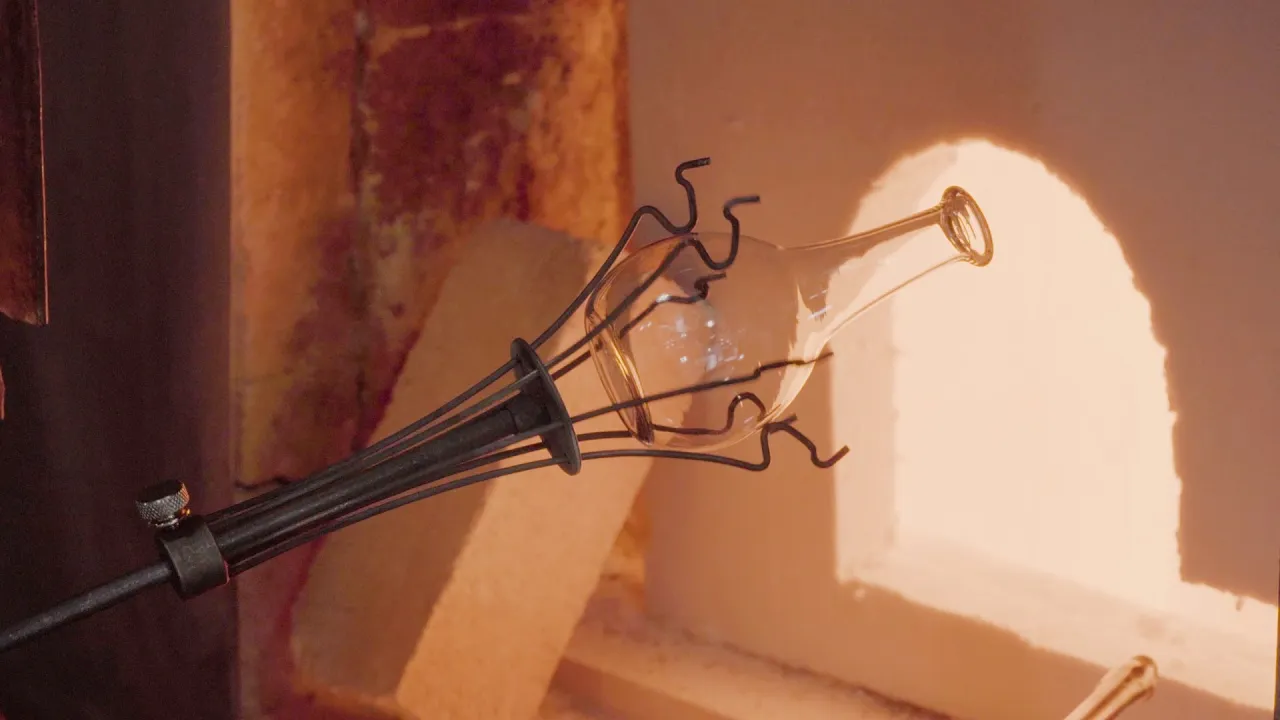
Around the 1st century B.CE, CE, a revolutionary technique emerged in the Suropolastinian region, one that would utterly transform the material. Glass blowing. This simple yet profound invention allowed molten glass previously shaped through laborious core forming or slumping to be rapidly inflated into thinwalled hollow forms using a blowpipe. The ease and speed of this process were unprecedented.
Suddenly, glass was no longer the exclusive preserve of pharaohs or high priests. It became accessible.
Roman artisans, skilled and numerous, embraced this method, establishing workshops across the vast empire from Egypt to Gaul, from Britannia to the furthest eastern provinces. No longer confined to small decorative objects, glass could now be mass- prodduced into a staggering array of functional vessels. Elegant cups, practical bottles, delicate bowls, and storage containers for oil, wine, and food filled homes and marketplaces, bringing a new level of hygiene and aesthetic appeal to everyday life. But the Roman innovation didn't stop at vessels.
Perhaps its most enduring legacy was the introduction of window glass. Before Rome, openings in structures were often covered with cloth, animal hides, or thin sheets of marble or horn, offering little light or poor insulation.
The Romans developed methods to create sheets of glass, initially thick and translucent, but later becoming clearer, allowing natural light to flood into bathous, villas, and public buildings while keeping out the elements.
This seemingly minor architectural detail dramatically altered the quality of indoor environments, bringing clarity and warmth into spaces previously dim and exposed.
This widespread availability and versatility propelled glass from a luxurious curiosity to an indispensable part of Roman daily life and infrastructure.
It was a silent revolution, one that transformed material culture, enhanced domestic comfort, and quite literally brought light into the world. The Roman Empire did not just spread its legions and laws. It disseminated a transparent clarity that forever changed human interaction with their built environment and the objects they held in their hands.
The collapse of the Western Roman Empire brought an end to many widespread technological applications. For a time, the ubiquity of glass receded. However, the material did not vanish. Its purpose profoundly transformed, finding new reverence in the spiritual fervor of the Middle Ages. As Europe entered an era dominated by the church, glass was elevated from a utilitarian substance to a powerful medium of divine expression, most powerfully manifested in the breathtaking stained glass windows of medieval cathedrals.
These soaring structures, monumental testaments to unwavering faith, were designed not merely as places of worship, but as awe inspiring earthly reflections of heaven. Within their hollowed walls, stained glass became the visual theology of an age, a luminous bible for the largely illiterate masses.
Instead of prosaic pains, master artisans painstakingly crafted colossal windows, meticulously piecing together countless fragments of vibrantly colored glass, ruby reds, sapphire blues, emerald greens, all held securely within intricate lead armatures.
Each window was a vast glittering tapestry vividly depicting biblical narratives. the revered lives of saints and profound allegorical scenes that guided the faithful through complex scripture and dogma. The light pouring through these magnificent, vibrant mosaics was not just mere illumination.
It was profoundly sacred. It dramatically transformed the interior of the cathedral into an ethereal otherworldly realm, suffusing the cold stone with shifting kaleidoscopic hues and casting spectral patterns across generations of worshippers.
This radiant glow was perceived as a tangible symbol of divine presence, a direct connection between the earthly and the celestial.
The intricate art of stained glass was a highly sophisticated, laborious process requiring immense skill in precise glass cutting, delicate painting, and careful leading often passed down through generations of dedicated craftseople.
From the grand spires of Chart to the ancient stones of Canterbury, these monumental windows became the indisputable crown jewels of Gothic architecture. Their compelling narratives reinforcing the spiritual bedrock of medieval society.
They did far more than simply adorn.
They instructed, inspired, and deeply aed, enveloping congregants in a profound kaleidoscopic embrace of sacred light. Glass once a simple transparent utility now served as a brilliant and transformative conduit for divine revelation embodying the spiritual aspirations of an entire civilization and forever changing how humanity perceived light sacred space and the very essence of the divine.
The brilliant light filtering through medieval stained glass, though sacred, remained largely symbolic, illuminating spiritual truths rather than earthly realities. But as Europe emerged into the Renaissance, a new kind of light began to dawn, driven by a profound shift in intellectual curiosity.
No longer content with merely contemplating divine mysteries, human ingenuity turned towards understanding the physical world, leading to a quiet yet monumental revolution in how humanity perceived its own place within the cosmos.
This transformation began not with grand pronouncements, but with simple groundbreaking innovations in glassm.
The mastery of shaping and polishing glass refined over centuries now found a new purpose. Correcting and extending human vision.
Spectacles known since the late 13th century but increasingly refined offered clarity to aging eyes, literally opening up a new world of literacy and detailed observation.
Scholars, craftsmen, and merchants could now pour over texts and intricate designs with renewed vigor, extending their productive lives and deepening their studies. Yet, these initial aids to vision were only the beginning. By the late 16th and early 17th centuries, the manipulation of lenses escalated from mere correction to profound discovery. The assembly of multiple curved glass pieces into ingenious devices dramatically extended human perception beyond its natural limits.
The telescope attributed to figures like Hans Lipersche and refined by Galileo Galile turned human gaze towards the heavens. What had once been distant, unmoving pin pricks of light were now revealed as celestial bodies with moons, rings, and phases. A Capernac universe made manifest through a tube of glass.
Humanity's perspective of its cosmic home was shattered and then reassembled on an epic scale, revealing a universe vastly more complex and expansive than ever imagined.
Simultaneously, another instrument, the microscope, began to unveil an equally astonishing realm. Developed by pioneers such as Zacharias Jansen and later mastered by Anthony Van Leenhook, this device inverted the telescope's function, revealing a world infinitessimally small, teeming with life invisible to the naked eye. minute organisms, intricate cellular structures, and the hidden details of everyday objects suddenly burst into view. This dual revelation, the immense scale of the cosmos and the intricate detail of the micro world fundamentally altered humanity's understanding of existence, demonstrating that reality was far richer, more varied, and more complex than previously conceived.
Glass, once a conduit for sacred light, became the transparent revolution that unlocked reality itself, forever changing our perspective.
The profound revelations brought by early telescopes and microscopes were not merely spectacles. They ignited a new era of systematic scientific inquiry. As the Renaissance blossomed into the Enlightenment and beyond, glass ceased to be solely an instrument of distant observation and transformed into an indispensable tool for rigorous experimentation and discovery across every burgeoning field of science. In the smoky, often hazardous alchemical workshops that slowly evolved into modern chemical laboratories, glass vessels became paramount.
Retors, flasks, and beers crafted with increasing precision and resilience allowed for the controlled heating, mixing, and distillation of substances, enabling pioneers like Robert Bole and Antoine Lavoisier to unlock the fundamental laws of chemistry.
Gases previously mysterious and unseen could now be safely collected, measured, and analyzed in sealed glass containers, leading to a deeper understanding of matters composition and the nature of combustion itself.
Beyond chemistry, the burgeoning fields of biology and medicine found their clarity and progress profoundly aided by glass. Refined microscopes far more powerful and stable than their early predecessors unveiled the intricate architecture of life. Anton Tony von Lewen Hook's meticulous observations of anamalcules microorganisms laid the foundation for microbiology revealing a vibrant unseen world teameming with bacteria and prozzoa.
Later, with improved acromatic lenses, scientists like Robert Hook could discern cellular structures, understand disease vectors, and embark on anatomical explorations with unprecedented detail. Glass slides became the crucial canvases upon which the unseen mechanisms of life were meticulously preserved and painted for systematic study. Optical glass, meanwhile, continued its vital role in astronomy. Precision ground lenses in ever larger telescopes pushed the boundaries of the observable universe, charting new stars, nebula, and galaxies, confirming and expanding upon the Copernican model with undeniable empirical evidence.
Spectacles, once a luxury, became increasingly common and affordable, aiding scholars, artisans, and the general populace in their daily lives, facilitating widespread literacy and intellectual pursuit. From the delicate thermometer measuring minute temperature changes to the robust test tube enduring powerful chemical reactions, glass became the silent transparent partner in humanity's relentless quest for knowledge. It was through these myriad glass instruments that abstract theories were rigorously tested, intricate hypotheses validated, and the very fabric of reality meticulously unraveled, paving the way for the technological marvels that would define future eras.
The relentless march of scientific discovery, often enabled by ever more sophisticated glass instruments, was paralleled by another transformative force, the industrial revolution.
This era characterized by unprecedented mechanization and mass production fundamentally reshaped society and in turn revolutionized the manufacturer and application of glass itself.
No longer merely a tool for observation or a luxury item, glass became an essential component of the burgeoning industrial landscape and everyday life, profoundly altering human perception.
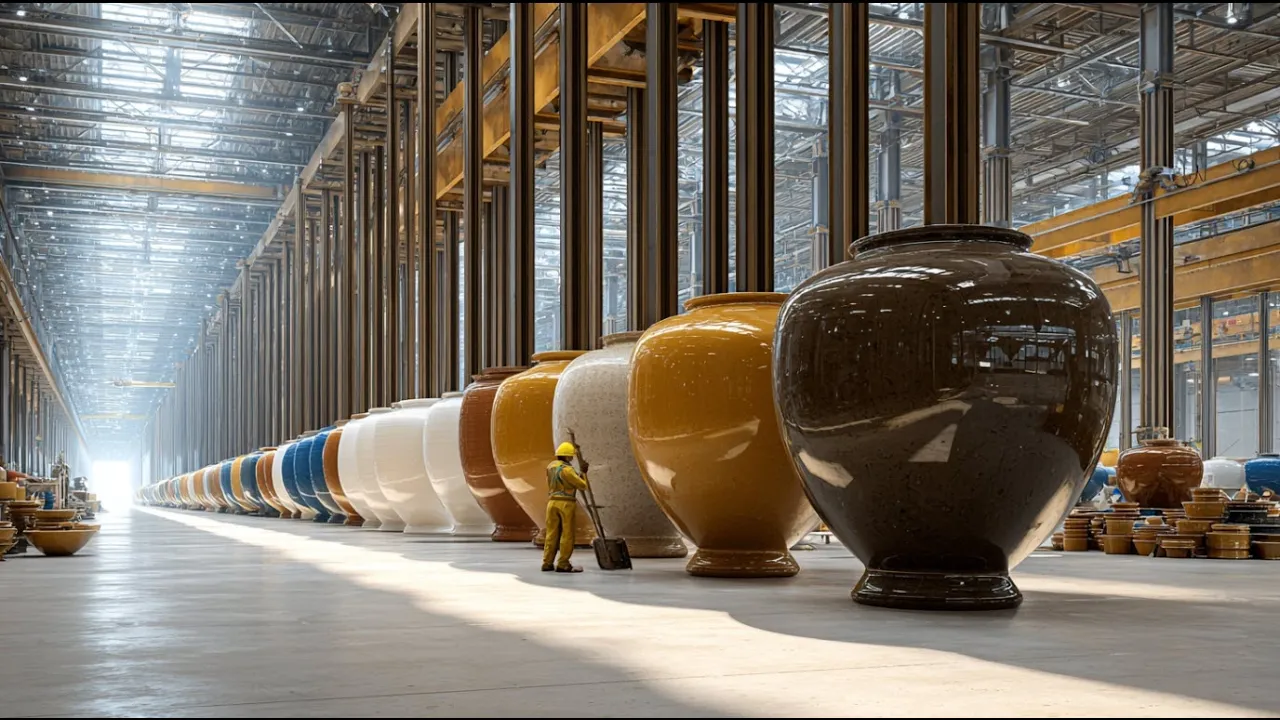
Before the 19th century, large clear panes of glass were costly and difficult to produce, limiting their use primarily to grand buildings. The introduction of new techniques such as the cylinder method and later the continuous ribbon process dramatically changed this. Glass factories powered by steam engines and organized with efficient assembly lines could now churn out vast quantities of uniform glass sheets and intricate bottles with unprecedented speed. This industrialization democratized transparency, making it affordable and accessible to the common person. Cities rapidly transformed. Row upon row of terrace houses, bustling factories and grand commercial establishments were fitted with countless windows, vanishing perpetual gloom, and flooding interiors with natural light. This proliferation of glass windows wasn't just aesthetic. It profoundly improved working conditions, hygiene, and public health by increasing ventilation and light penetration in dense urban environments.
Simultaneously, glass bottles and jars became the ubiquitous standard for packaging everything from vital medicines and refreshing beverages to preserved foods and industrial chemicals. This provided hygienic, durable, and transparent containers, revolutionizing food preservation, distribution, and commerce, enabling goods to be transported and stored safely for longer durations, fostering global trade. The sheer scale of industrial glass production meant that the material, once a rare marvel, became an unassuming but indispensable part of the very fabric of modern existence.
From the vast light-filled glass houses of botanical gardens to the humble street lamp protecting its gas flame, glass was everywhere. It literally illuminated the path for progress, creating a world where clarity, hygiene, and accessibility enabled by its silent transparency were rapidly becoming the norm. The industrial glaze had truly set upon civilization, making the once unseen, omnipresently seen a foundational element for the technological marvels that would follow.
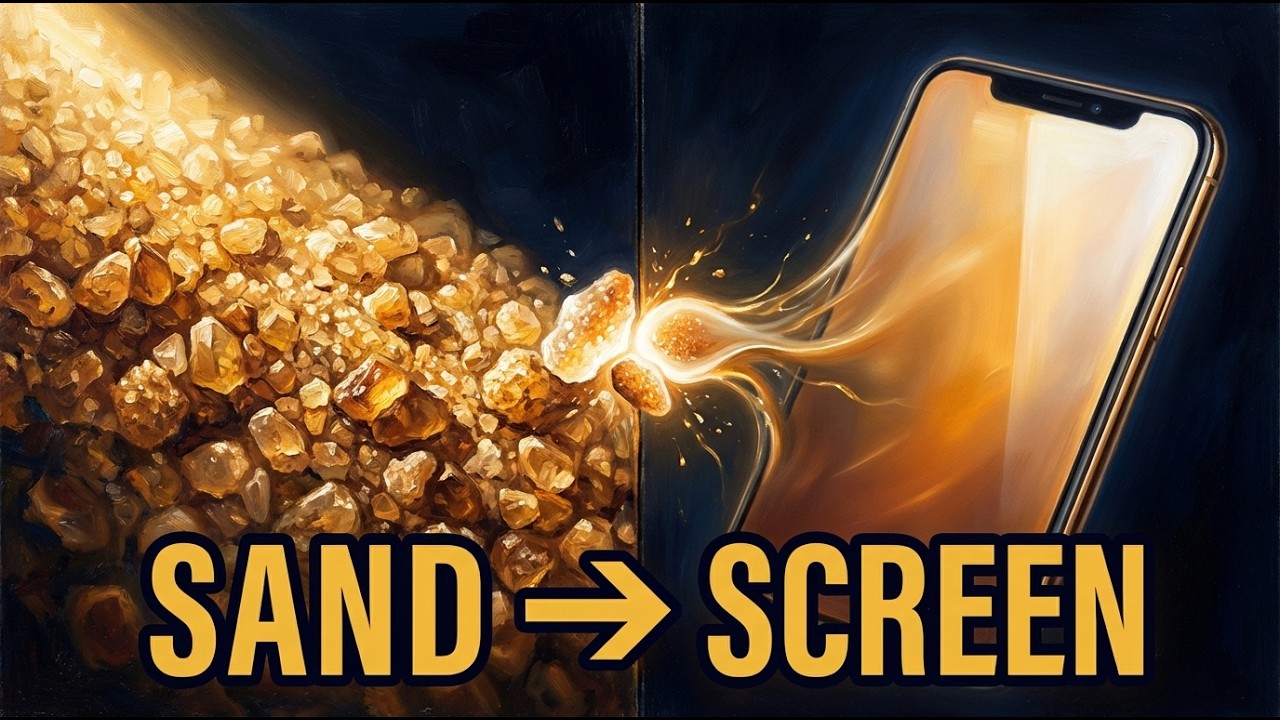
The industrial era's ubiquitous glass, making the unseen omnipresently seen laid the groundwork for an even more profound revolution, the digital age. As humanity ventured into the realm of information, glass, ever the silent enabler, transformed its role from mere container and window pane to the very conduit and display of our interconnected world. At the heart of this transformation lies the optical fiber. Incredibly thin strands of ultra pure glass, each no thicker than a human hair. These delicate filaments replacing bulky copper wires became the superighways of data, transmitting information as pulses of light at unimaginable speeds across continents and under oceans. From the moment you send an email, stream a video, or make a global call, chances are your data is zipping through countless miles of glass, silently, making the world smaller and communication instantaneous.
But glass doesn't just transport data, it allows us to see it. Every glowing screen we interact with daily, be it the smartphone in our hand, the computer monitor on our desk, or the television dominating our living rooms, relies fundamentally on precisely engineered glass. These display panels are not just protective layers. They are active components, often incorporating sophisticated touch sensitive layers that respond to our fingers. The clarity and durability of modern glass are paramount, ensuring vivid images and robust interfaces for devices that define our personal and professional lives.
This digital transparency extends beyond our personal devices. In data centers, vast arrays of servers communicate via internal fiber optics while giant glass screens monitor global networks. Medical imaging, scientific instruments, and even advanced military technologies depend on specialized glass components.
The material, once a luxury, then an industrial commodity, has become the invisible backbone and the luminous face of the information age. It's a testament to its adaptability that glass, born of ancient signs and fire, continues to be at the forefront of human innovation, enabling a world where information flows freely and reality is rendered in breathtaking clarity, preparing the stage for even more integrated futures.
From the glowing screens of today, glass continues its silent, relentless evolution, shaping not just how we interact with information, but how we inhabit our world. As we look to tomorrow, the concept of smart glass emerges as a cornerstone of futuristic design and profound functionality.
Imagine architectural facads that dynamically adjust their transparency and tint, not merely for privacy, but to intelligently control light and temperature, optimizing energy efficiency with stunning aesthetics.
These aren't static windows. They are responsive membranes capable of instantaneous transformation from opaque walls to crystalclear vistas activated at the touch of a button or autonomously reacting to subtle environmental cues.
Beyond mere light control, Smart Glass intricately integrates advanced technologies directly into its surface.
Transparent displays once relegated to science fiction are now rapidly becoming reality. They transform ordinary windows into interactive information hubs, dynamic digital signage, or even personalized entertainment screens.
Picture your home's windows seamlessly displaying realtime weather forecasts, news updates, or video calls, all while allowing you to gaze at the world outside. This profound blend of transparency and functionality redefes our perception of space and utility, blurring the lines between physical structures and digital interfaces in unprecedented ways. Furthermore, the future promises truly transparent electronics where intricate circuits and components themselves become virtually invisible, intricately embedded within the glass. Bulky wearable technology can finally become as subtle as a pane of glass. Consider smart eyeglasses that offer augmented reality overlays directly onto your field of vision or devices so discreetly integrated into our environment that they vanish until needed. This relentless pursuit of invisible technology where the medium is almost indistinguishable from the message pushes the very boundaries of design and human computer interaction.
Glass, the ancient material born of sand and fire, has journeyied from a simply bead to the invisible backbone of our digital age. Now it stands poised to redefine our physical and digital landscapes simultaneously.
It will clad our intelligent cities, empowering buildings to breathe and respond. It will subtly power our connected homes, making every surface a potential interface. It will undeniably make the invisible visible and the visible truly interactive.
Its quiet revolution enabling transparency in every sense of the word continues its unstoppable unfolding.
It ensures that glass remains not merely a material but a fundamental enabler of human progress reflecting both our boundless ingenuity and our endless quest for clarity. It is actively shaping the very fabric of tomorrow, one transparent innovation at a time.
Up Next
3:26
Ancient Glassblowing: The Earliest Vessels in the Corning Museum
@corningmuseumofglass
1.3K views•2024-01-29

12:54
Triumph of Orthodoxy Icon: Byzantine Art & History Explained
@BenCallan
2.1K views•2024-08-06

9:49
FastAPI vs Flask vs Django: Choosing the Right Python Web Framework
@TechWithTim
302.5K views•2024-05-26

1:42
Game of Thrones Opening Credits: A Cinematic Analysis
@gameofthrones
46.3M views•2011-04-18
Related Study Plans & Knowledge Roadmaps
Structured learning paths in General & Interdisciplinary Studies
general-studies
Elevator Engineering: History, Physics & Cities
01From Hoists to Safety Brakes: The Dawn of Vertical Lift
02Hydraulic vs. Traction: The Engineering Physics of Elevators
03Modern Speed, Safety, and Algorithms
+ 2 more learning modules
12h5 modules
Explore Roadmap
general-studies
Rubber: Material Science, History & Geopolitics
01Origins of Natural Rubber & Mesoamerican History
02The Chemistry of Natural Rubber & Vulcanization
03The Geopolitics of the Rubber Boom & Colonization
+ 2 more learning modules
12h5 modules
Explore Roadmap
general-studies
Containerization: Evolution, Logistics & Trade
01Ancient Trade & Bulk Cargo: Amphorae to Barrels
02The Industrial Revolution & Cardboard Packaging
03The Containerization Revolution: Malcom McLean
+ 2 more learning modules
12h5 modules
Explore Roadmap
general-studies
Textile Tech: Evolution, Labor & Global Impact
01Pre-Industrial Textiles: Handloom & Cottage Industry
02Mechanization: The Spinning Jenny to the Power Loom
03The Factory System & Global Labor Transformation
+ 2 more learning modules
10h5 modules
Explore Roadmap