



![Class[12]Chemistry-Solid State[L-15]Imperfection In Solids-3&Important Questions-1](https://i.ytimg.com/vi/qmzTafEYMfc/maxresdefault.jpg)


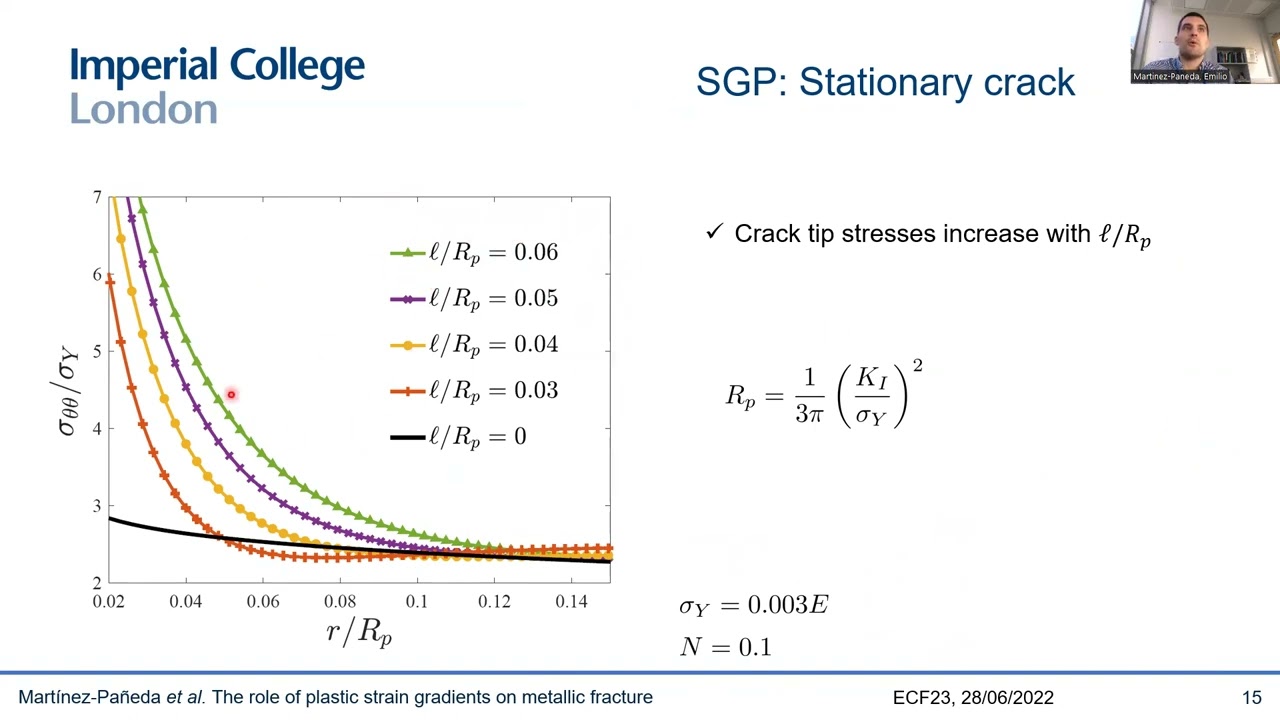



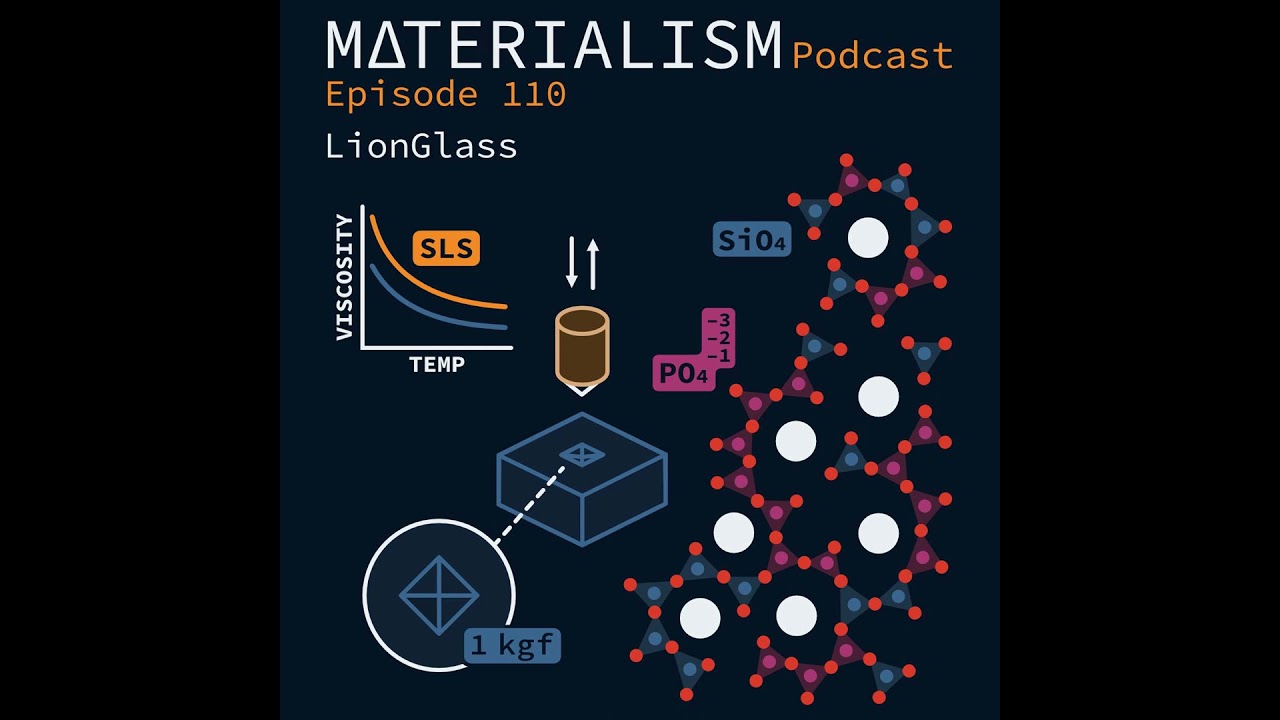








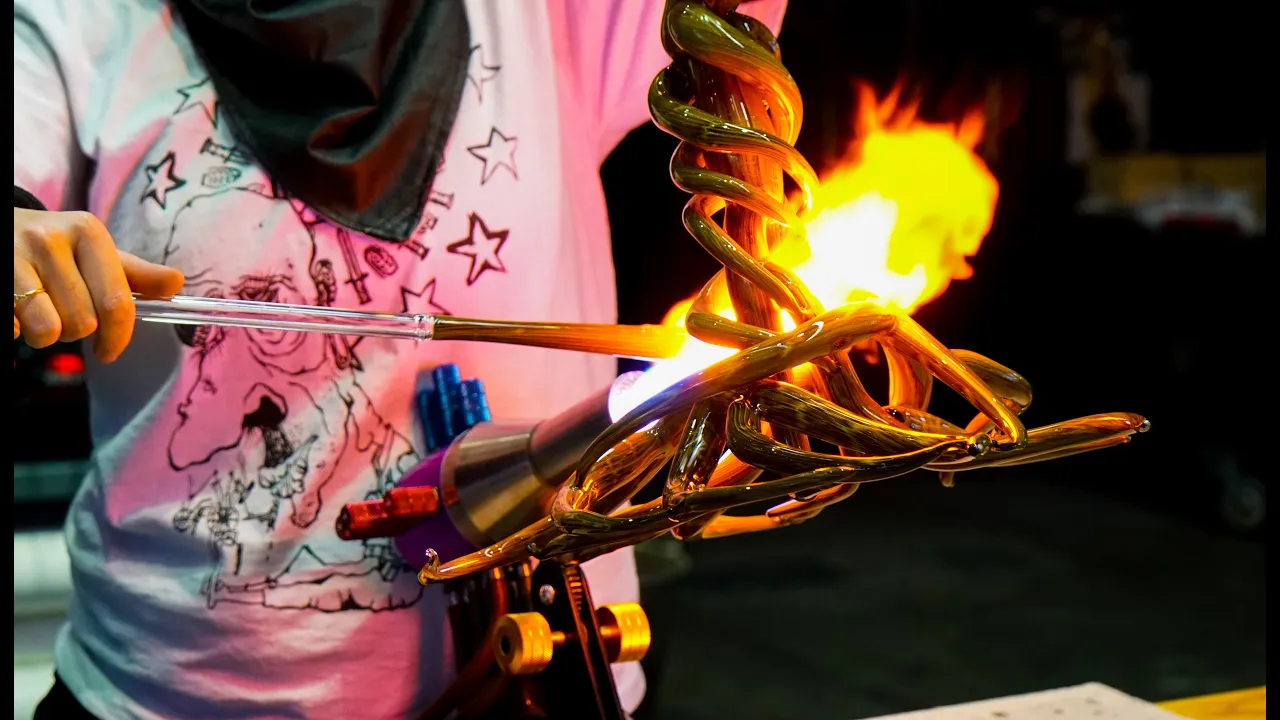



Borosilicate glass, famously known as Pyrex, achieves exceptional thermal shock resistance through its unique composition of silicon dioxide with boron and alkali oxides; unlike soda-lime glass where alkali ions create non-bridging oxygens that disrupt the atomic network and increase thermal expansion, boron in borosilicate glass can adopt a four-coordinate structure that restores network connectivity and dramatically reduces the coefficient of thermal expansion, making it highly resistant to temperature-induced stress and cracking.
The Science of Borosilicate Glass: Pyrex Thermal Shock Resistance Explained
Added:The concept of thermal expansion and the Coefficient of Thermal Expansion (CTE).
The basic atomic and molecular structure of glass as an amorphous solid.
Fundamentals of mechanical stress, brittle fracture, and how temperature gradients induce physical strain.
The role of network formers and network modifiers in glass chemistry, specifically focusing on silica (SiO2).
The structural coordination changes of boron in glass networks (the transition between trigonal BO3 and tetrahedral BO4 units).
The manufacturing physics of glass tempering, comparing thermal quenching and chemical ion-exchange tempering.
Practical applications of borosilicate glass in scientific laboratory equipment, optical lenses, and aerospace thermal protection systems.
An exploration of alternative high-performance glass formulations, such as fused quartz and aluminosilicate glass.
77.3K views1.7Klikes12:13Original Release: 2019-04-03
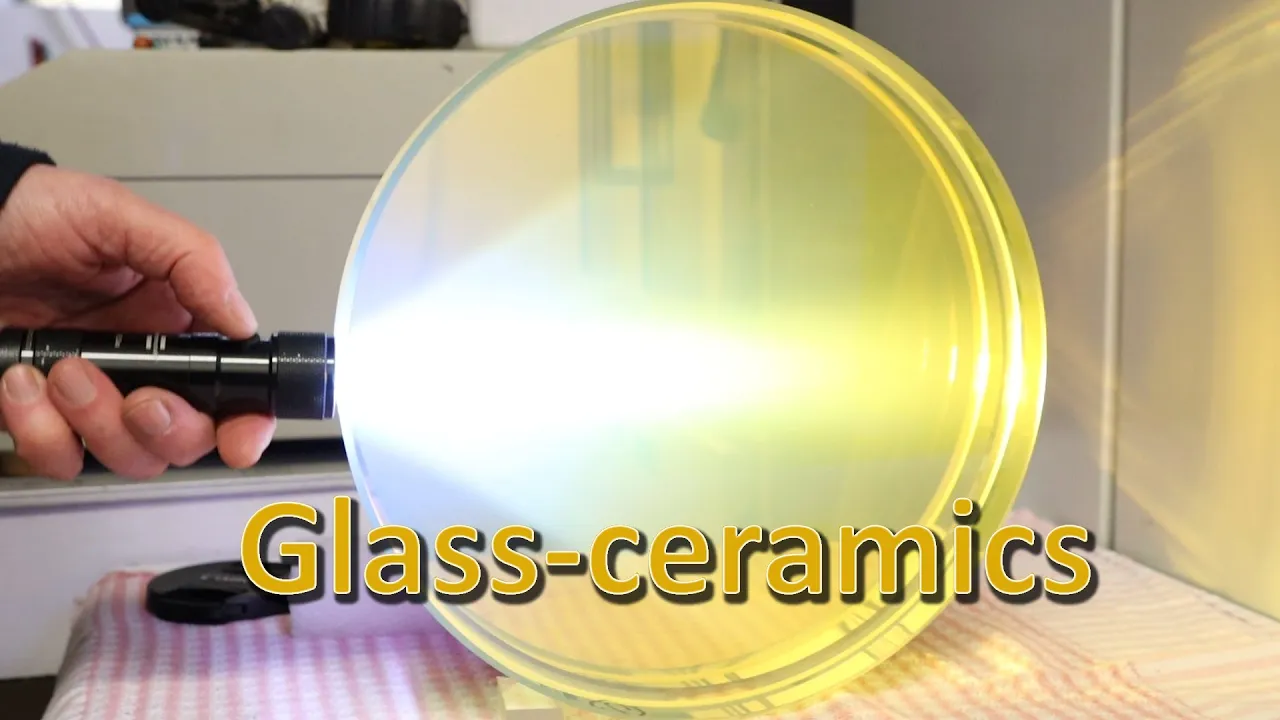
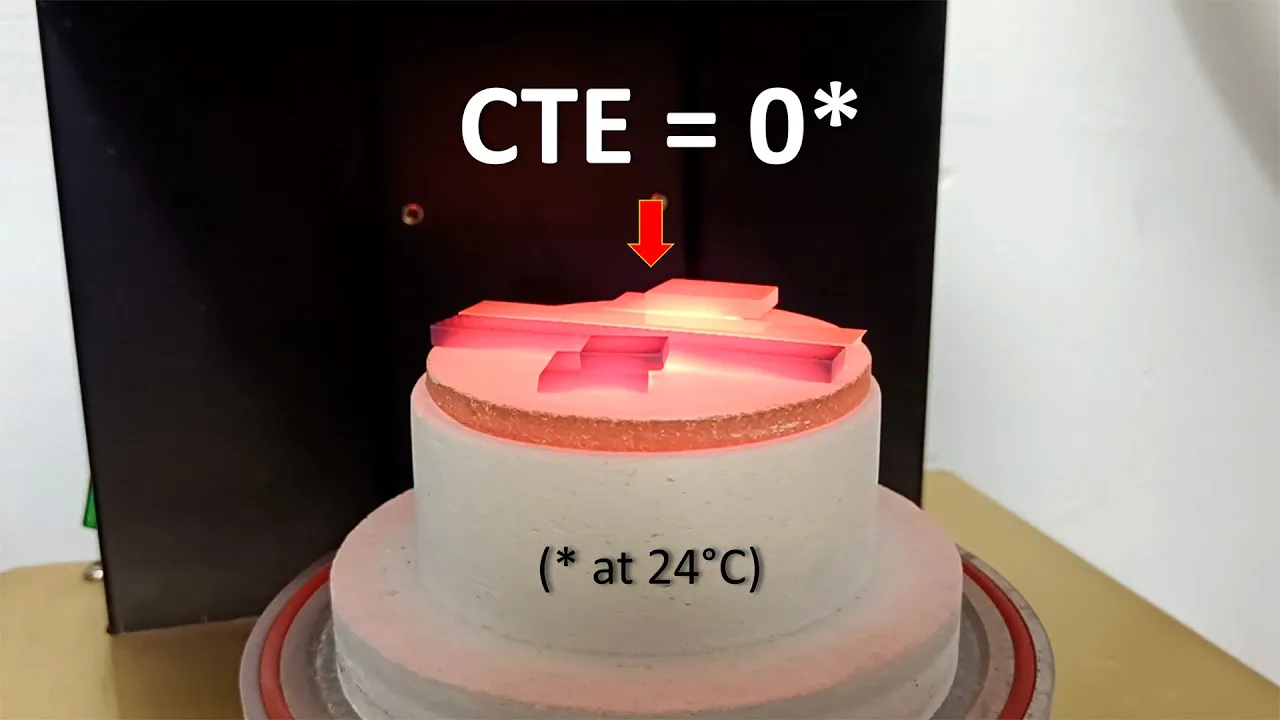
this measuring cup is amazing it's not just the recognizable brand name the shape or the colorful markings the material itself is fundamentally different and it allows it to handle things that other types of glass simply can't this is the story of borosilicate glass even if you aren't a material science aficionado you might know the name Pyrex it's a common sight on kitchen glassware and it's famous for being able to withstand thermal shock thermal shock itself is pretty intuitive materials tend to expand when heated if the heating is uniform throughout the material it usually isn't a problem but if you have a sudden temperature change obviously different parts of the material will be at different temperatures this causes huge internal stress as the hot parts want to expand but the cool parts don't and eventually this can lead to catastrophic failure if we want to make a glass that is resistant to thermal shock we need to make it expand less when it heats up and the material science behind how we can do so is pretty interesting let's start at square one why do most materials expand when heated the easiest way to visualize it is to consider just two atoms there's a relatively long range attractive force that wants these atoms to be closer and a repulsive force that arises once electrons get close to overlapping in the lennard-jones potential a basic model of this the repulsive force naturally falls off much more quickly with distance than the attractive force so the sum of forces forms this sort of well shape an atom in equilibrium will tend to sit here because it's where the attractive and repulsive forces are equal this distance is the bond length if we add some energy in the form of heat we're basically moving upwards in this well if it were symmetrically shaped this wouldn't affect the bond length the extra movement due to thermal energy can be in either direction but remember that the repulsive force is a much steeper curve this means that as we add energy the average position of this atom tends to be farther away from its neighbor at this point I should mention that the lennard-jones potential isn't a real mathematical description of the forces involved and it comes with several caveats but this principle of a mismatch between repulsive and attractive forces in the bond is useful for visualization purposes and we can use this model to understand a very real trend in thermal expansion how much a material expands when it's heated is usually expressed in terms of the coefficient of thermal expansion or CTE there are many factors that affect a certain material CTE but one obvious pattern is that materials with stronger bonds tend to expand less the can be easily understood in this model since a stronger attractive force essentially means a deeper and more symmetric well if we assume that the repulsive force is the same increasing the attractive force basically locks this atom into a tighter position meaning less expansion with temperature now let's apply these concepts to glass glasses mostly silicon oxide SiO 2 arranged in an amorphous Network these bonds are very strong and actually this amorphous structure tends to expand less than crystalline ones of the same composition at first this seems like a recipe for a material with a very low CTE but the problem is that glass isn't pure sio2 pure sio2 glass is known as fused silica and it's an outstanding material the CTE is extremely low like we'd expect and it's very chemically and mechanically stable the problem is that it requires extremely high temperatures to melt and process to make glass easier to shape at lower temperatures other oxides are added most notably ones like sodium and calcium this makes soda lime glass the stuff that you see in windows and the vast majority of glass products in general the CTE of soda lime glass is over ten times higher than fused silica and to understand why we need a bit of background on how the bonding works in this system you see in pure sio2 the atomic structure is this sort of tetrahedra with each silicon atom bonded to four oxygen atoms oxygen can bind with two silicon atoms bridging them and making everything a solidly bonded network this can almost be thought of as a single giant molecule everything is well connected with very strong bonds but when we introduce an additive like sodium our nice network starts degrade as an alkali metal sodium really wants to lose an electron and only one electron when that happens in our nice network of silica it drops off that extra electron and creates an oxygen that is no longer bridging silicon atoms or any atoms for that matter the creation of these non bridging oxygens leads to a sharp decrease in network connectivity and makes the CTE increase significantly as more alkali or alkali earth oxides are added calcium functions in a similar way with the only difference being that it creates two non bridging oxygens per atom now let's introduce boron boron is a bit of a weird character in this whole saga because of first glance he seems to function kind of like the other additives if you add boron to pure silica glass the CTE increases not much to see here the interesting thing happens when you add boron to a glass that contains alkali ions like sodium the CTE decreases dramatically all the way to less than half that of soda lime glass this was dubbed the boron anomaly and scientists initially weren't sure of exactly why this happened what was later discovered is that boron can actually have two different structures in this system normally it likes to have a coordination number of three which makes sense since it has three valence electrons to give this ends up disturbing the silicon network and not helping reduce our CTE at all however if we add sodium or any other alkali metal boron can actually have a coordination number of four this is the big secret to the low CTE of borosilicate glass not only is the boron now better connected in the network but the sodium atom is now no longer free to create non bridging oxygens network connectivity is restored and we now have a glass that is less prone to thermal shock while still being fairly easy to process a reasonable temperatures borosilicate glass has been available commercially for over a hundred years now and its impact has been felt everywhere glass maker Corning originally marketed its borosilicate glass fire under the name of Pyrex and it quickly became a common sight in kitchens everywhere unlike regular soda lime glass which would tend to shatter when suddenly heated or cooled Pyrex was stable enough to handle all of the duties of ceramic or metal kitchen items in addition to consumer glassware borosilicate made a big impact in scientific labs where glassware is often subjected to extreme temperatures borosilicate glass sold under both Pyrex and other names was incredibly useful there and it remains the standard for scientific glassware today overall countless borosilicate products have been sold but the classic Pyrex measuring comes with the distinct red markings are probably the most iconic the name Pyrex became so well known that some still use it as a term to mean borosilicate glass in general so if it's so great why isn't everything borosilicate glass why are most of our glass products still just a regular soda lime glass that's prone to thermal shock well one reason is simply price borosilicate glass is significantly more expensive and it's just not worth it in applications where resistance to thermal shock isn't required another disadvantage of borosilicate glass is that a low CTE is a bit of a double-edged sword tempered glass is soda-lime glass that has been rapidly cooled this makes the glass mechanically stronger and makes it shatter in a much safer way forming smooth chunks rather than the sharp pieces like non tempered glass the low CTE of borosilicate glass means this heating cooling process can't really produce the same effect and as a result it can't be tempered in the same way despite becoming synonymous with borosilicate glass many things sold under the Pyrex name are now just tempered soda-lime glass the company which makes Pyrex in North America has been using exclusively tempered glass since 1998 but in Europe and some other regions Pyrex is still true borosilicate glass even though it's the same name the real borosilicate ones still sold outside of North America are distinguished by all capital letters tempered glass bearing the Pyrex name is all lowercase and it often has a more bluish tint of course the parent company claims that their tempered glass is safe for most kitchen use but it's still not as resistant to thermal shock as the original borosilicate variety and there's even a lawsuit related to Pyrex bakeware exploding and ovens it's a bit sad to see a brand name the ones meant a truly special type of glass being reduced to this so if you live in North America and you find some really old Pyrex glass wire in your kitchen don't be so quick to throw it out it might be a bit dusty and worn but you're holding something truly unique and special it's a material the revolutionised glass in general and its impact can still be seen in scientific laboratories around the world even as its popularity wanes in the consumer market that old measuring cup can last for many more years if you take good care of it and you too can be part of the story of borosilicate glass [Music]
Up Next

15:14
Hydrogen Cyanide Co-Crystals on Titan Challenge Chemistry Norms
@InsaneCuriosity
4.8K views•2025-10-25
83:56
Biocatalysis and Catalysis in Islatravir Synthesis | Merck Webinar
@SCIwheresciencemeetsbusiness
675 views•2020-10-08
10:06
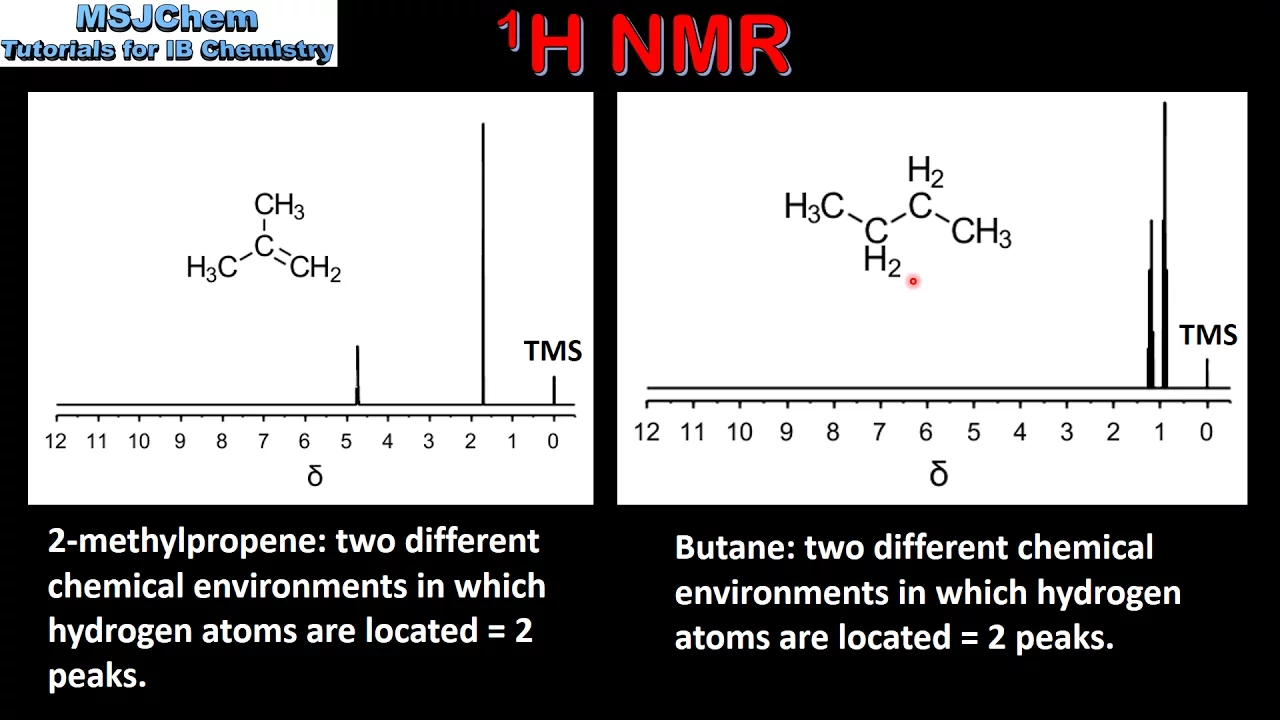
1H NMR: Determining Number of Peaks from Structure
@MSJChem
59.2K views•2017-04-06

17:31
Edible Water Bottles: A DIY Guide to Sodium Alginate Spherification
@ryan
10.5M views•2019-06-21
Related Study Plans & Knowledge Roadmaps
Structured learning paths in Chemistry
chemistry
Nuclear Chemistry: Decay, Meds & Fuel Cycle
01Introduction to Nuclear Structure and Radioactivity
02Decay Dynamics and Kinetics
03Radiation Interaction and Detection
+ 2 more learning modules
24h5 modules
Explore Roadmap
chemistry
Supramolecular Chemistry: Forces & Machines
01Foundations of Chemical Bonding and Intermolecular Forces
02Introduction to Host-Guest Chemistry
03Thermodynamics and Dynamics of Self-Assembly
+ 2 more learning modules
16h5 modules
Explore Roadmap
chemistry
Photochemistry: Excited States & Reactions
01Foundations of Light-Matter Interactions
02Molecular Orbitals and Electronic States
03Photophysical Processes and Jablonski Diagrams
+ 2 more learning modules
18h5 modules
Explore Roadmap
chemistry
Coordination Chemistry: Bonding & Properties
01Introduction to Transition Metals and Ligands
02Crystal Field Theory (CFT) and Geometry
03Magnetic Behavior and Spin States
+ 2 more learning modules
14h5 modules
Explore Roadmap