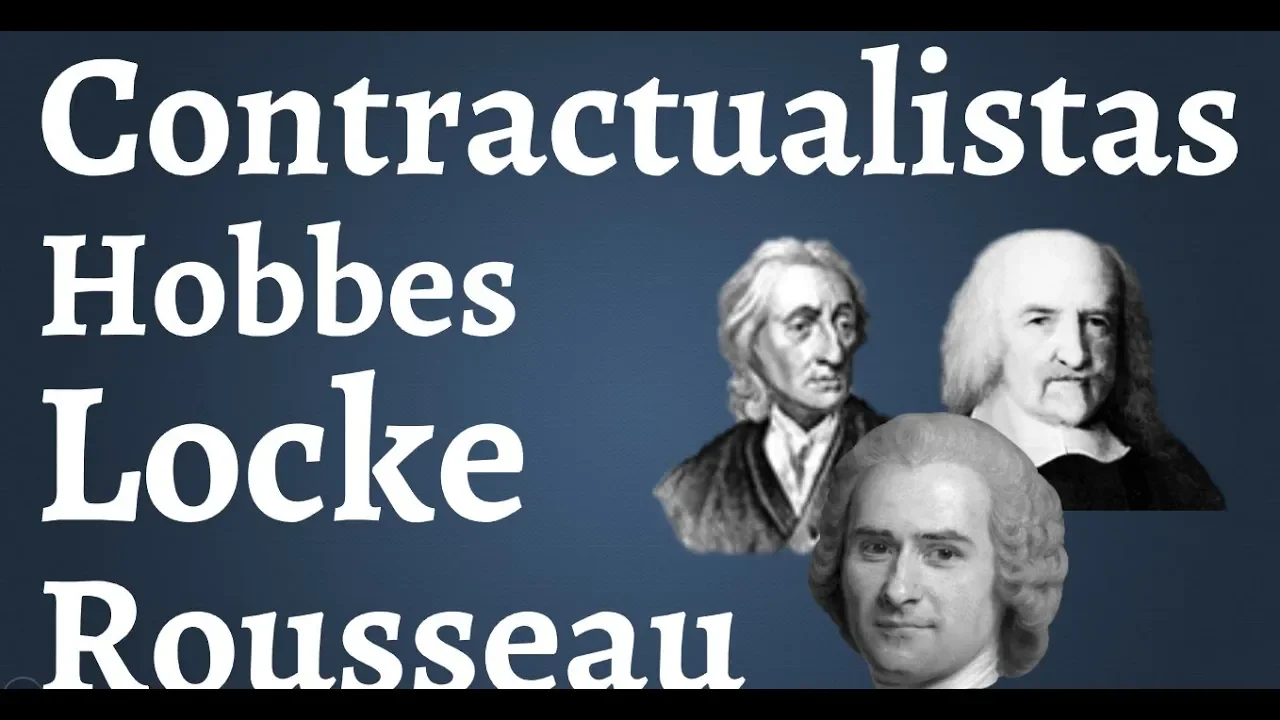














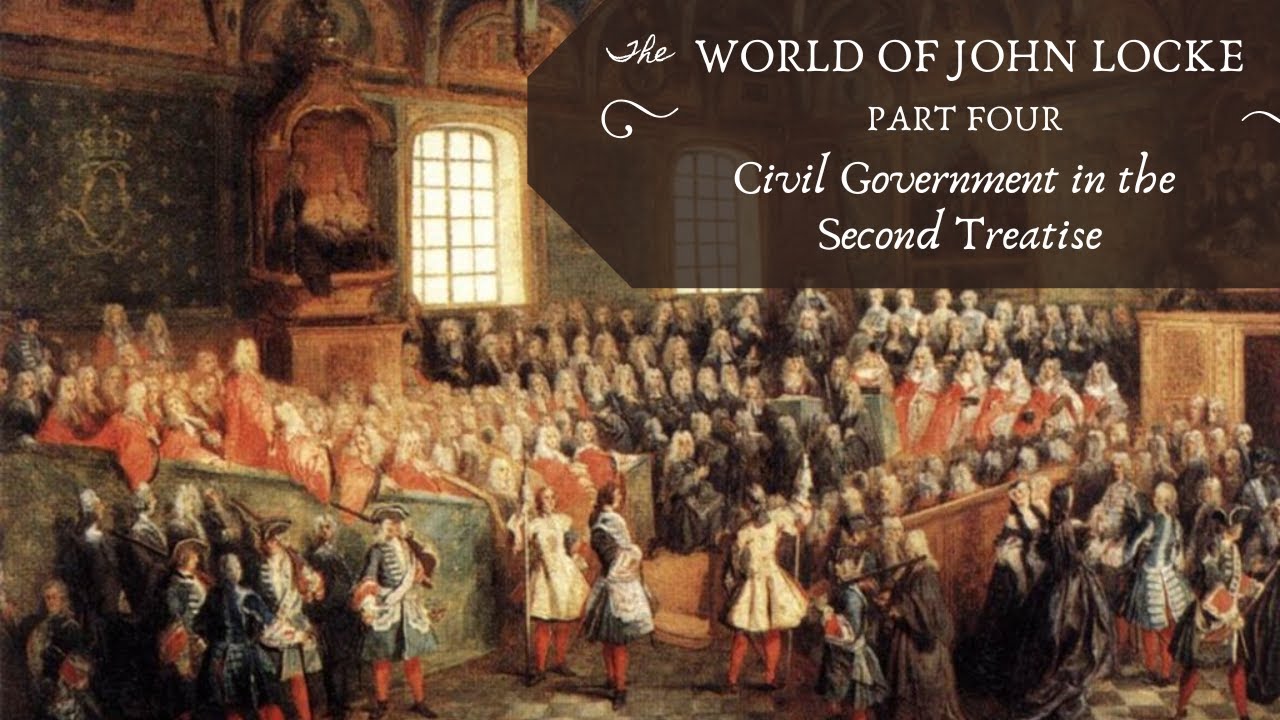
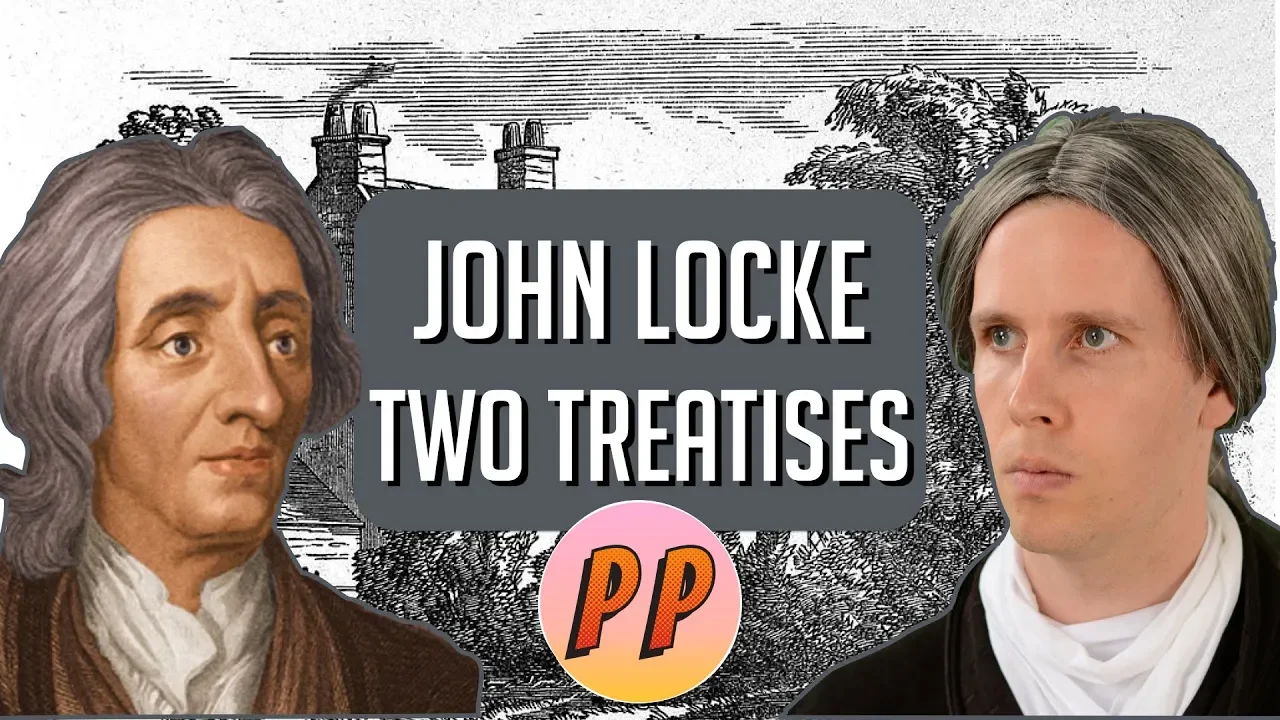

John Locke's Second Treatise of Government presents a social contract theory where individuals are naturally free and equal in the state of nature, possessing inherent rights to life, liberty, and property; political societies form through voluntary consent to establish governments that protect these natural rights, with Locke distinguishing between the state of nature (where there is no common judge to resolve disputes) and the state of war (force without right), arguing that legitimate government derives its authority from the people's consent and must be limited to protect individual freedoms rather than impose absolute rule.
Locke's Second Treatise: Social Contract & Property
Added:An understanding of Thomas Hobbes's 'Leviathan' and his pessimistic view of the State of Nature as a crucial point of contrast to Locke.
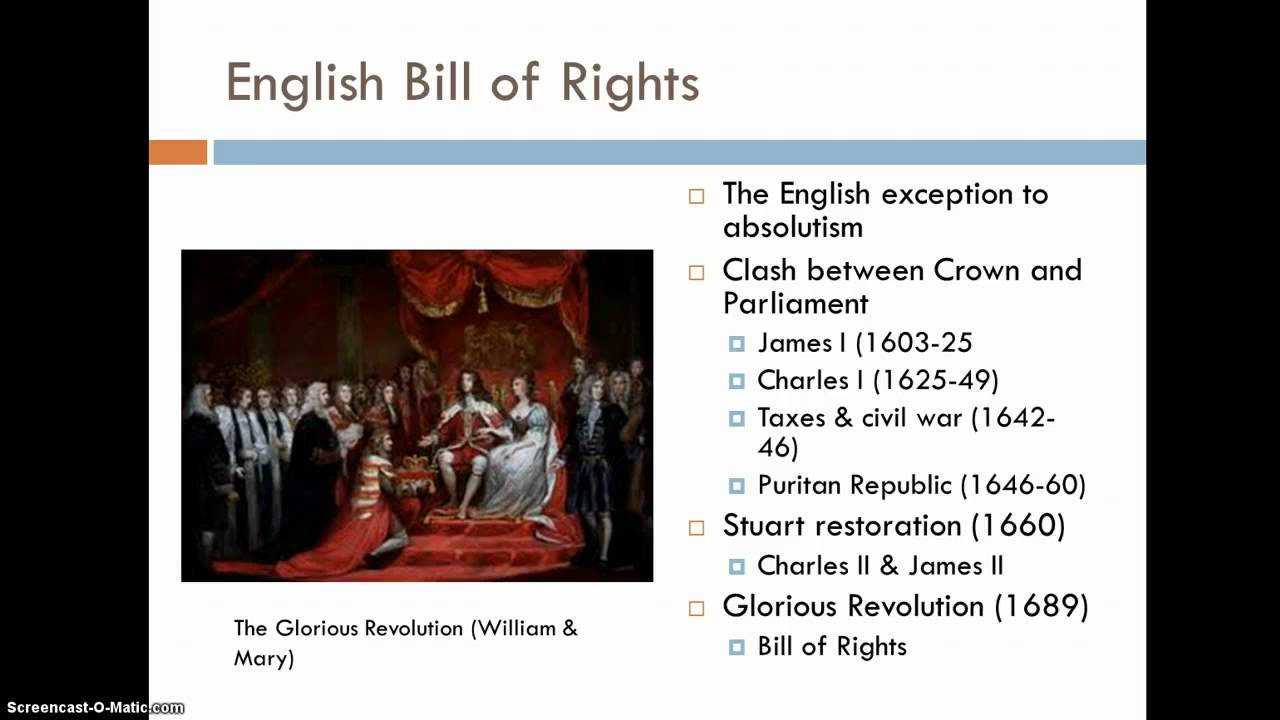
The historical context of 17th-century England, specifically the rejection of the Divine Right of Kings and the political shifts leading to the Glorious Revolution.
A basic comprehension of the distinction between 'natural law' (inherent moral principles) and 'positive law' (statutes created by governments).
Familiarity with the foundational concept of a 'social contract' as a theoretical model for how political authority is legitimized.
How Locke's philosophy directly influenced the American Revolution, particularly Thomas Jefferson's drafting of the Declaration of Independence.
Jean-Jacques Rousseau’s alternative framework of the social contract and his concept of the 'general will' for comparative analysis.
An exploration of the later chapters of Locke's Second Treatise, specifically his arguments regarding the separation of powers and the justified right to revolution.
Modern economic and political critiques of Locke's labor theory of property, such as Karl Marx's critique of capital accumulation or Robert Nozick's libertarian entitlement theory.
5.9K views156likes1:04:56Original Release: 2024-09-18
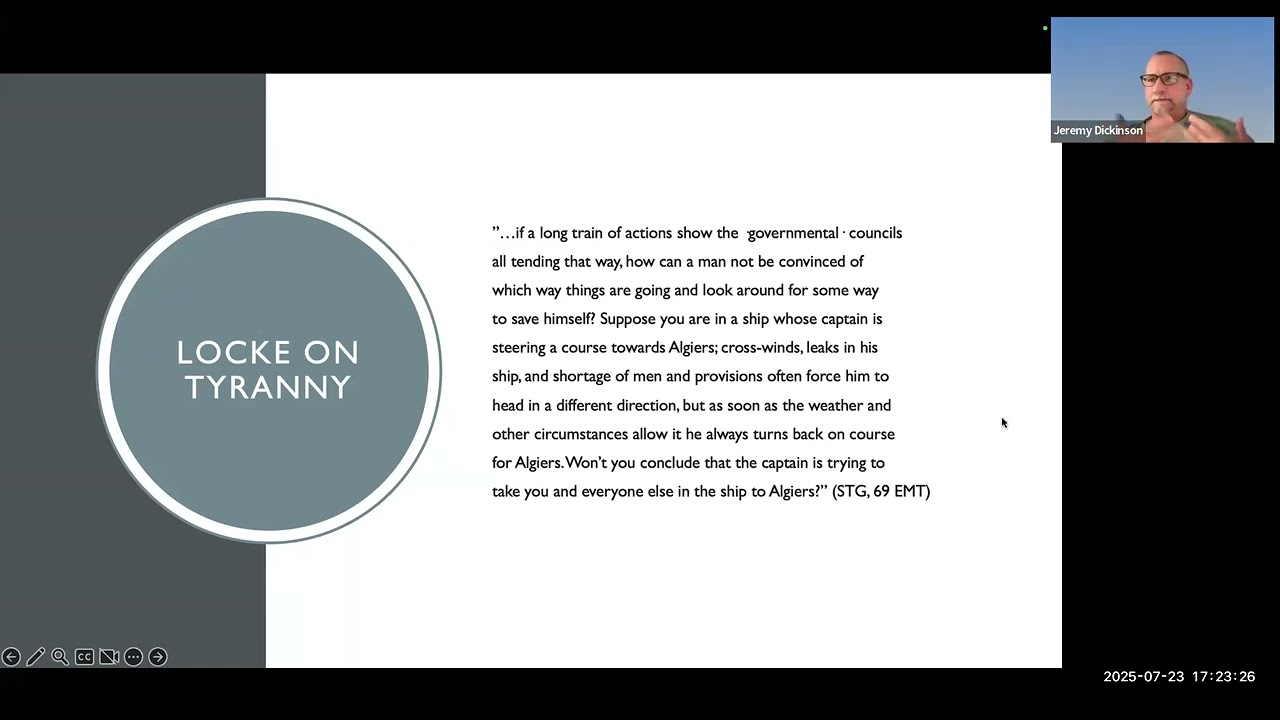
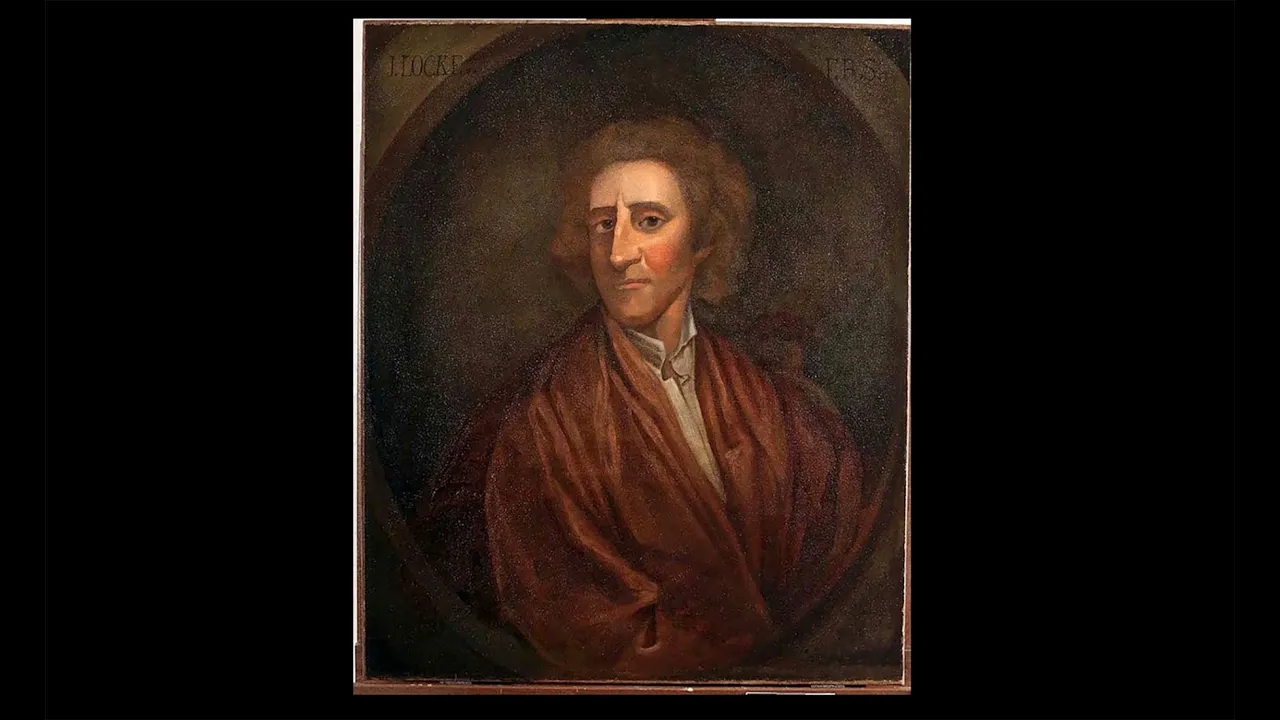
so we are looking today at the political theory of John Loch uh Lo is a philosopher who wrote on many things and perhaps um even more famously on um he wrote a massive work called the essay on human understanding which is uh about metaphysics epistemology all those kind of things and was very influential there in contrast his writings on political subjects are much more slender uh and which is why I'm asking you to read the entire second treaties because it's just not that long but in terms of influence on the real world there's no contest his political writings were far more influential particularly on the founders uh the US Founders we're looking at the second treaties the first treaties is devoted entirely to debunking filmer patriarcha so um we saw earlier that filma in his patriarcha defends a version of the divine right of kings and um more basically political naturalism the idea that we are naturally obligated politically you're not born politically free no one enters into the world free from political obligations you're born into a a natural hierarchy where um Descendants on the line of the eldest son from Adam are naturally intended by God to rule us um so the first treaties attacks filmer positive Theory and fil's positive theory is pretty ridiculous most people would say even at the time I would think um however filmer criticisms of the alternative to political naturalism that is the idea that we're born uh free from political obligation are more interesting and more challenging and in the second treaties uh Lo tries to respond to those at various junctures this is the reason for example that he devotes an entire chapter to paternal power this is just the first nine of 19 chapters uh we'll get to the remaining ones in the second half um and in the later ones he actually has another chapter that compares three powers of which uh paternal power is one of them or parental power as he says more accurately so the first chapter the these are the chapter numbers the first chapter is just the introduction it doesn't have a title and it sort of summarizes what he's done in the first treaties specifically debunking uh filmer claims about Kings being descended from Adam and so on um the remainder of it is locks uh basically the first half of which this is essentially it is a theory of how political uh obligation can arise and more basically how political societies can form legitimately because fil's number one challenge is look unless if if as Lo and the social contract theorists in general contend if we the natural state of is not to be politically obligated to anybody to be under the um authority of Nobody by birth filmer says if that was the case then we would never leave this anarchical state the world if we're born into Anarchy Anarchy would persist there's no way that from an initial Baseline of zero political obligations you could ever arrive at legitimate political obligations the world would stay in Anarchy and a correlate of that claim is if the world is given to humankind in common basically uh communism in terms of property then there is no way that we could uh exit that state and arrive at private property so Lo has to answer both these challenges because Lo believes both those things he believes that uh humans are naturally free um this comes up in the very first chapter uh well the very first chapter after the introduction chapter two of the state of nature um he believes that went actually free and he believes that God gave the world to humankind in common and yet he believes that it's possible to own things privately filmer theory is is that no God gave the world to Adam it belongs to Adam and it's private property everything has always been private the world was the private property of Adam and it's only the property of those people he left it to which by primogeniture is the eldest son in each case um so Kings own everything in their country and in so far as any of the subjects claim to own it it's only if the Kings have given it to them uh so lock says no actually the world was given to humankind in common so then he has to come up with a theory of how you can how people can arrive at at property from that all right the state of nature now we've already seen Hobs talk about a state of nature and famously describe it life in the state of nature as solitary poor nasty brutish and short so hubs uh has described the state of nature as so terrible and so dangerous that um basically any political Society will be preferable and in fact uh the most preferable political Society will be the most stable and the only truly stable political system is absolutism where uh all of the powers of government legislative executive Judiciary or whatever are united in one individual or body not divided hubs is very uh insistent on that divided Powers will lead to the same problems as we have in the state of nature of two bodies with no common judge above them and further and the second aspect to absolutism is that the uh the The Sovereign is above the law the laws are made by The Sovereign to apply to subjects but the Sovereign themselves are are above the law lar is going to deny both of those things so how is he going to uh given that he agrees with Hobbs in rejecting political naturalism given that he agrees with Hobbs that humans are in their natural state a iCal we're not like ants and bees born you know naturally uh in a political system we are naturally individuals free from political obligation given that he agrees with hubs about that how is it that he's going to arrive at a radically different um kind of political system that is Justified lock is to this day popular amongst conservatives and Libertarians because the kind of political system that he justifies is one the point of it is to protect property now it property is not just what we mean by property which is our stuff as he says repeatedly property includes life um so he defines property to your your property in yourself includes your life so in protecting your property you're also protecting your life but it does include um it does include your stuff uh so the first of all the point of um political Society is to protect each individual's property but also um he ends up justifying quite a limited uh government now he doesn't say that all taxation is wrong um but he does put great uh limits on tax ation whereas hubs denies that property is up to the individual essentially The Sovereign gets to decide who owns what property according to Hobs is a social is a is something that doesn't exist in the state of nature largely because you can't hold on to anything because you know you can say that something is yours but if somebody doesn't want to listen to you there's nobody you can appeal to to back you up so so property is basically a myth according to hubs in the state of nature and so the only way you're going to get property is under the maximally stable political system and the maximally stable political system leaves the Judgment of who owns what to The Sovereign Lo on the other hand not only says that we can have property in the state of nature but that in fact it's the property that we've amassed in the state of nature that we want to protect to in a certain uh to a certain extent by setting up um a political system so if the political system took that property away from us that would undermine the whole point of it and people wouldn't leave the state of nature to um into a a political Society so the very point and end of a a political Society is to protect property that you have already acquired in a certain sense in the state of nature so very different views um and Lock's view of what government should be like is much more acceptable to Modern ears than hops um hubs' Leviathan is a much larger and more detailed work than the second treaties because notice that I didn't ask you to read all of the Leviathan that would take a very long time because it's a big doorstop of a book so hbs's view is widely regarded as a lot more sophisticated than uh Lock's political Theory and the Leviathan is regarded as one of the masterpieces of political philosophy like Plato's Republic and in the modern day rs's uh rs's theory of justice and Lock's second treaties isn't really held up that way mainly because it's so short and he hasn't got time to defend various thesis and it leaves certain things open to interpretation uh and so there are sort of competing theories of what lock really meant in a way that there isn't for hubs but having said that far more people would uh Lo Lock's theory of government is much more applicable to the modern day and sounds very modern in a way that uh Hobs is absolutism doesn't there are effectively zero people who agree with hobbs' idea that absolutism is Justified all right so one clear difference between Hobs and lock is lo Hobs says that the state of nature is a state of War whereas luck is very clear to distinguish between the two so briefly what is the state of nature like well you can't can't really be brief about this because actually lock uses the term state of nature in ways that appear to be different and not necessarily compatible and there is great controversy about exactly what he meant by the state of nature there are some Modern interpreters of uh Lo who say that Lo doesn't actually think of the state of nature as a real FAS in human development perhaps the most Vivid illustration of this idea of the state of nature as sort of a prehistoric state of humankind before there were any political you know something that you could set a date to if they had dates back then perhaps the the most Vivid illustration of this idea is what we're going to read next which is Russo's discourse on the origin of inequality he literally gives a sort of History of uh ancient humans in a pre-political state and it sounds a lot like that when the way that Lo is talking some interpreters say no Lo doesn't have that in mind at all and in fact the state of nature is just simply what he says in a definition in section 19 that it is the situation of no common judge now Hub said this too that the state of nature persists to this day between sovereigns because um both Hobs and lock say that state of n one of the essential features of a state of nature is that there is no common judge to settle disputes that's why according to Hubs the state of nature is so dangerous because you know any disagreement can turn into can turn deadly because there's nobody that you can turn to to settle it um well for one thing that doesn't seem true for Lo even though that's his definition because a lot of Lock's theory is infused with um religious overtones and that's another question there are modern loans uh a a modern defender of of Lo is a um philosopher at the University of Virginia called John Simmons who is definitely uh certainly secular and probably an atheist and he defends a loan theory that is shorn of its um theological underpinnings but the theological underpinnings are certainly there and they play quite an important role because uh one of the key features of humans is that we are God's Property and there is a law of nature in the state of nature so now hubs talks about laws of Nature and in fact lists a good number of them but their exact status is unclear they appear to be um laws of prudence that is this this idea of basically common sense if you want to survive you should do this like basically you know like the kind of uh I mean they're they're not the same they they're basically game theoretical strategies is one interpretation of Hobs um so a very important law of nature is to make peace with others because if you don't do that you're going to basically be killed now so so they're they're more like laws of Common Sense whereas the law of nature although lock says the law of nature is something that humans can work out by for by reason it is much more um blatantly than Hobs God's law that is the law of nature rules laid down found by God um and they involve uh well a key part of it is that we are God's Property so because we are God's Property according to Lo you're not allowed to commit suicide because that would be to destroy God's Property now later on in the chapter on property uh L explicitly says that we own ourselves so how can you say both well think of it as your body is like your apartment nobody else is allowed in your apartment unless you let them in uh so in that sense it's your apartment but of course you can't destroy it because it's not really your apartment you're just renting it so think of it in that sense but we're not allowed to destroy our property and we're not allowed to destroy other people except in so far as to save ourselves if they're attacking us um so that's the basic idea so we have a right to self-preservation in fact a um in section 128 which we're going to get to uh it reiterates that you have a right to self-preservation that is pretty extensive sounds a lot like hops um and that you're going to give up partially in order to leave the state of nature all right so the state of nature at this point we can understand it historically um and in fact although as I said some Modern interpreters say that you shouldn't understand it historically more evidence that Lo does believe that there was a historical state of nature before um political societies existed is that he responds to the criticism that we saw filmer give that there is no historical record of a a pre-political state of humankind he he doesn't say there's no historical record because I don't mean it historically I just mean it as a sort of legal sense that you can that anybody can be in the state of nature now where there is no common judge um he he does give a sort of Proto hisorical response so look at section 101 to12 he tells this story of how um the historical record we have that is full of monarchies which seems to support fma's uh version of History actually can be understood in terms of his theory but he is appealing to history um all right so state of nature we're free we're equal in ways that he's going to Define in more clear more clearly and in slightly different ways from hubs because hubs defines equality simply uh in terms of we are basically equally dangerous to one another so it's not a normative equality for Hobs it's a it's a descriptive equality he does say you know some people are taller than others some people are stronger than others but in terms of the threat we pose to each other the squirti little guy can kill the biggest guy if he catches him in his sleep so that's the rough equality that uh hubs means in the state of nature that's not what lock means Lo means that we're equal in a much more uh normative sense we have a the same basic set of well it sounds like rights and in fact Lock's Theory um was very influential on things like the Bill of Rights and it it it sounds like he has uh the kind of theory that Libertarians have so modern Libertarians of uh of which the philosophical the the most famous philosophical defense is a work called Anarchy state in Utopia by a 20th century philosopher called Robert nosic and that work simply begins with the ball statements that people have rights and the idea that we have natural rights seems to come from lock that is we have rights in the state of nature they are they are not rights that we have because our government has given them to us their rights that we've got hey from God you hear mostly Republicans but you do hear politicians in the US say I believe my rights come from God not from the government that sounds like lock that our rights are pre-political and um these rights cannot be violate because they're pre-political they're in some sense prior to political systems and political systems are not allowed to violate them no political system for example can legitimately violate your basic set of Rights that's the the idea that certainly comes from Lock even if it's not explicitly stated in those terms in lock instead he talks instead of talking about rights he talks about laws of nature um so you could say that a Right comes from other people's duties to follow the law of nature uh that's one way of interpreting lo as a rights theorist okay uh in the second so why has he got two different chapters state of nature and state of War because the state of nature is simply no common judge but the state of war is force without right now why did Hub say they were one and the same because he had this version of war that could be like a cold war that is you're at War when you're at risk and essentially you're always at risk whereas hubs' vers sorry Lock's version of the state of nature is a lot more Rosy it's a lot more like an anarchist Utopia where everybody is free to do what they want without being bothered by anybody else it's like what I don't know people want uh like homesteaders if you've ever watched um the TV show Deadwood one of the things happening in that show is that they're off in Deadwood and at the moment it's not an official state so there is no state government so there it's it's literally the wild west there's a there's a lot more freedom uh there are fewer rules and they're kind of dreading uh the coming of government that's sort of the view that Libertarians and anarchists uh kind of celebrate and that seems to be locks so Lock's version of the state of nature is a lot more Rosy than Hobs which means that you have to have a lot more motivation to leave it and you can demand demand much more restrictions of your government as an incentive to leave it you're not go one of Lock's key arguments against absolutism of the kind that both filmer and Hobs defend albeit in very different ways um one of Lock's key rejections of absolutism uh and you can see his arguments against it in section 19 and section 89 um is that an absolutist government where the king uh where the The Sovereign has absolute power is worse than the state of nature and therefore nobody would agree to join up um all right so the state of War you're not always in you're not automatically in the state of war in the state of nature but it's because of the possibility of the state of war that people are likely to leave the state of nature so for example in section in chapter nine he literally asked the question okay if people are so free in the state of nature why would they leave it and his answer Hub Scholars uh tend to sort of put make this kind of face and say so basically you're saying exactly what Hub says eventually you're saying the state no no no the state of nature is nice but it does have these problems and they're exactly the problems that Hobs brings up uh that is your the state of nature lacks a settled known law now what CU he's talked about the law of nature why isn't there a settled known law well there is a law of nature but the trouble is that the law of nature is not literally written everywhere it requires human reason to work it out and of course not everybody's reasonable and people disagree about their interpretation and there's no so there's no sort of settled it's not written in uh literally written down anywhere so there can be disagreement over the the state the law of nature even though there is effectively there is a law of nature he says there's disagreement about it so it the the fact that it's not known in one clear version as the problem and there's certainly no uh judge that everybody has agreed to obey and there's no power to back up the laws so even if uh the law of Nature has been violated by someone robbing you or something um what can you do about it so the the state of nature lacks these things which is why um people would be motivated to set up to leave the state of nature uh oh a famous phrase that comes up in this chapter of the state of nature is a appeal to heaven and you hear uh members of basically the far right in the US use this phrase because what is appeal what is appeal to Heaven appeal to Heaven is what you do when you have a disagreement in the state of nature because because there's no settled uh judge an appeal to Heaven is essentially you fight the other person and if you win that mean God Favored you so literally it's like the phrase kill them all and let God decide that's what the appeal to Heaven is uh fight somebody and you if you win then Heaven favored you and clearly you were in the right um appeal to Heaven is not a good thing to happen because it means that people are killing each other but that's the only uh thing that you can resort to I if you enter the state of War because it lacks these three things the fundamental law of nature is that PE uh peoples be um preserved uh the innocent to be preser uh to be preferred um which sounds actually rather utilitarian or consequentialist which is another interpretive issue with Lo Lock's Theory seem to have what is called consequentialist elements where it says the ends justify the means but it also has rights elements and the idea of Rights is that no ends can justify violating rights uh so that's creates interpretive problems for luck that maybe will become clear as we go on all right so we're going to have a couple of chap that are clearly and this is made clearer in a later chapter which sort of summarizes the the contrast both the chapter 4 and chapter 6 are intended to rebut the arguments of political naturalists um so for example Aristotle we saw arguing for natural slavery that is some people are born of their nature to be ruled by others because they lack some faculty uh and filmer of course says that all political power is essentially parental power so these chapters are going to be arguing uh now you could uh a a state of nature theorist could deny that either one of these is power but that would be a little bit uh now of course we we'd be much more inclined to say that today we would say there's no such thing as slavery slavery is is uh illegitimate in all cases and we'll find later on rouso argues that way uh lar does say that you cannot contract yourself into slavery why because you're God's Property you can't give God's Property away so it is impossible to contract into slavery however he doesn't rule out all kinds of slavery there is a kind of SL slavery where that you can enter by what he calls forfeiture and that is as a result of being the aggressor in an unjust war or as one might say being captured in a just War so you know if if you regard Russia being an unjust aggressor in Ukraine then captured Russian soldiers would fall into this cat because they're clearly the aggressors in in an unjust war and therefore capturing them is just and they have forfeited their rights however even those people cannot pass on uh now even slaves actually although slaves cannot own property but if they had property it cannot be taken away from them and furthermore the CH if they have children while slaves those children are free they are so the kind of slavery that lock defends is would not justify the kind of slavery that existed afterwards in the United States for example because of course one of the things about slavery in the United States is it was racial which this isn't and inherited that is the children of slaves were also slaves whereas Lo argues quite firmly that that's impossible all children are born free um in this chapter he gives a good distinction between two kinds of Liberty um there's natural Liberty that is the kind of Liberty that you have in the state of nature which is to be free from any Superior power on Earth and not to be under the will or legislative authority of man but only the law of nature that's natural Liberty that's the Liberty that everybody has as sort of their Birthright the however you don't give up Liberty in entering Society you are free we are free you know it's the land of the free after all uh but it's not going to be the same kind of freedom because you are under the legitimate authority of your legitimate government so that kind of freedom is different it's to be under uh no legislative power but that established by consent so notice that uh for you have acquired obligations of your own free will so you are only uh obliged to follow the laws of the United States let's say because you have consented to them in some way okay you might be thinking to yourself I don't remember doing that and if I'd known what I was consenting to I wouldn't have done it and those are obvious responses that lock has to uh reply to and and does in a certain way whether or not it's satisfactory you be the judge but we'll get to that to be under no legislative power but that established by consent in the Commonwealth nor under the Dominion of any will or Restraint of any law but that but what that legislative shall enact according to the trust put in it okay this is in outline what he's going to talk about in a lot more detail very briefly there are two stages to establishing a uh political society that is a society with a government that is legitimate and uh legitimately makes laws that the people are obligated to follow stage one is to make the society okay so the first stage is that you agree in a way that we'll get to in a second that everybody so it's like founding a club imagine this suppose you and a bunch of your friends want to set up a club a skateboard Club let's say because you like skateboarding um the first thing you do is you all agree to be members of that club okay in doing that you uh agree that once you set up uh basically the the uh the equivalent of the government of that club the the president and vice president or whatever then you have to follow their rules as it stands before you join the club of course you don't have to and after you've made the club people who aren't members of the club don't have to follow its rules they are in the state of nature in respect to your skateboard Club but stage one is to acquire to make a set of people be a a a group a legitimate group that's stage one that's the founding of a body politic now this is of the beginning of political societies what how are decisions made this is one of the challenges of filmer filmer said how would you ever leave um the anarchical state first of all he said for any group of people to do this to separate off from the rest of humankind would require the cons the unanimous consent of all of humankind Lo just denies that he says the only consent needed for you to to go off and found your own little Society is the consent of the people who are me uh members because it doesn't really it's no none of the others business it doesn't really affect them so that's stage one um but then fil's point is well but then how would you decide laws once you even if it were possible to set up uh you know a a group of humans in their own little Society separate from the rest of from the rest of humankind how would they come up with laws again they'd have to it would have to be unanimous consent again Lo just denies that he says in uh it's clear by the law of nature by you know using reason that once you've made this uh this group of humans they have consented to majority rule why because he said if they didn't it would never work now of course fma's point is it would never work but lock says no it has to be possible because uh for various arguments that that political Society is necessary for to for humans to live well and God wants us to live well so it must be possible for us to do this and if if it weren't for majority rule being the default system of government it wouldn't get off the ground and as he he says at one point you would leviathans would go out of would go out of existence instantly clearly referring to Hobs so majority rule is is basically implied so notice it's as if uh the first stage of founding of any um political Society is direct democracy amongst a group of people but that's only stage one that's essentially you have left the state of nature but you haven't set up a political Authority it's just the political Authority that you have is the majority of what you what you've got but then majority rule sets up a political Society um which is a government you know whatever it is and lo actually is kind of doesn't have much to say about what kind of political Society you have to have he doesn't say democracy is better he doesn't say monarchy is better he doesn't say aristocracy is better he only has one very short chapter basically describing if you have this it's it's uh oligarchy if you have this it's democracy blah blah blah I think that's chapter 10 um so he thinks that you know he's not really bothered about uh what's preferable for the government that you have because it's one that the majority agrees to so it's almost like you've already had democracy to get to that point what he is very insistent on and that's what we'll get to in the second half of the work is uh that the powers must be divided the legislative and the executive powers cannot be in uh Inseparable they must be separated um all right so two stages one you form a society and then two that Society elects a government and only then do you have uh a political society and actually because it's a two-stage process you can um leave if a if a government becomes illegitimate and has to be and collapses you haven't returned yet to the state of nature you just go back to stage one which is you still have a society you still have a group like your your Club your skateboarding Club still exists it's just now we need a new president you need to set up a new and maybe you set up a new Constitution or whatever um but the club still exists it takes a lot more to break down the club itself usually the only thing that can do that is if you're in Ed uh and that can destroy the trust okay a very the longest chapter in um the second treaties is of property and this is where he defends a theory that Libertarians again are going to love but he's going to he comes Under Fire from all sides for this and uh in particular from rouso as we'll see next because he argues that contrary to what Hub says you can have property in the state of nature Hub says you can only have property where you have what's called positive laws positive laws are human-made laws um property is a political construct it just has no meaning in the state of nature says hubs lock says no property does have meaning because it's a product of the law of nature okay the way it works is you own your body remember like an apartment literally God owns you really or God owns humankind um but you own your body in the sense that nobody else does and you therefore own your labor nobody owns nobody can make you work in provided you're not a a slave because you've forfeited your right by losing in a just War but if you're not a slave you own your labor and you can mix your labor with products he says obvious suppose you're going through you know you're in the Garden of Eden and you see uh a fruit on the ground not an apple well actually in the Bible it doesn't say apple but it says fruit because they didn't have apples but all right suppose you see a a a kumquat kumquats are not from the Tree of knowledge you pick it up and you eat it LO says clearly it belongs to you now cuz it's part of you at what point did it become yours though it wasn't yours when it was on the ground it belonged to everyone in common how is it now this is filmer challenge how is it that it can leave common ownership without a vote of everybody and Hobs is sorry Luck's answer is it has to be possible again because we got to eat and so we've got to consume food that is before we consume it belongs to everybody equally and he says okay you're allowed to acquire it provided you leave enough and as good for everyone else clearly once you've eaten it it's yours and at what point did it start being yours he says when you uh acquired it through your labor essentially when you picked it up and certainly if you if you PL planted seeds and grew them and then uh ate your cumquats from your trees it would it was they would be yours so you're not allow if if there's only one kumquat in the Garden of Eden you're not allowed to eat it because you can't leave enough and as good but for most things you can leave enough and as good the other thing is suppose you uh do start your little kumquat farm and you have way too much for you to eat you can't sort of then say to people who who are saying oh I'd like a kumquat you can't say no you can't have it it's mine because you're not allowed to let it spoil again because God wouldn't want that God wouldn't want waste so if you make too much you have to give the the rest away through spoilage which makes Lo sound kind of communist except that he has ways of avoiding this and allowing people to amass great wealth if it were for the invention of money then yes uh people who farmed wouldn't be able to just um sell you know sell their Surplus to other people and get rich but because we've invented money which doesn't spoil then there's no harm in you amassing great sums of money because it's not going to go to waste so uh although he does say provisos on what you can acquire through mixing your labor with it you've got to leave enough as good good and that they can't be spoilage there's easy ways to avoid these provisos so you can amass your wealth for so for example land suppose land is clearly limited particularly The More Humans there are land is limited so um how can anybody acquire land in this day and age well in something that's clearly intended to justify Europeans taking land from Native Americans this is quite explicit he says if you cultivate land you haven't taken something from the common lot if anything you've increased the value and you've given back more than you've taken away and of course the classic argument that Europeans gave for taking land from Native Americans is they weren't using it well they thought they were using it but they didn't cultivate it necessarily whereas he argues if you cultivate it a cultivated plot of land is at worth at least 10 times what an uncultivated plot of land is so it's as if you have given humankind nine acres where there where there was one uncultivated acre by cultivating it you've given the equivalent of nine uncultivated acres back which is very dubious but that's his suggestion so essentially you're allowed to acquire a great deal of property so this is his theory and notice that he believes in his state of nature there's not only property which Hobs would deny but there's also money how the hell is money existing in a state of nature isn't money obviously a byproduct of a political system where there is a set agreement of it not according to lock according to lock you can make kind of agreements and stay in a state of nature it's a specific kind of agreement that will take you out of the state of nature so uh there's a lot that's suspicious of his theory of property but he does think that you can acquire property so notice he the people in his state of nature aren't solitary poor nasty brsh and short they could be at least not poor you can get rich in the state of nature and how are we going to justify leaving the state of nature to people who are rich answer the point of politic Society is to defend property the property they already have uh Russo will explicitly attack this justification that lot gives all right the SEC uh the chapter on per parental power paternal power is again criticizing filmer argument that all political power is essentially parental lock says first of all it's not remember fil's work is called patriarch and it's very male Centric and women are have very little power they you know the firstborn woman has doesn't inherit the property uh it's the firstborn male so you could have like five girls and one boy and then the boy inherits everything according to um filma whereas lock points out first of all it's not paternal power it's parental power he says look if you have a single mother she has as much authority over her children as a father would so it doesn't justify patriarchalism as filmer wanted to and furthermore it's not really an absolute power if you're going to derive the power a king has which includes the power of life and death over his subjects from fraternal power it's not going to work because parents don't have the right of life or death in fact it's trer to say that actually paternal power is really a duty the parents have to raise their children it's less of a a right and more of a Duty their job is to protect their children um and for and another difference between the kind of power that uh between political power and parental power is it ends when the children come of age when the children come of age the parents no longer can tell them what to do they can try but the children absolutely don't have to listen again which is very different from political power um so he also says um well another criticism of filmmer was he said uh look so filma is criticism of of social of the social contract theorist says it's just not the case that humans are born free and equal every child is born under the authority of their parents um so that's it's just wrong to say that humans are born free and equal L says well not so fast yes they're under the parental Authority but in terms of political Authority they are born free and equal so Loch insists that until they come of age children are not citizens of the countries that they're in which is in news to me because I had a passport by the age of 11 which said I was a citizen of the United Kingdom um or a subject actually as as uh we are because we've got a royal family still um but yes so Lo is kind of a radical in that sense he says the human uh children are not um politically obligated they're born to equality if not in it and they're free in the sense that they can they they you are they are free from well they are free in in a conflicted sense in one sense they're not free because free Liberty requires law that is you have to be able to understand a law for it to apply to you this actually is um a kind of Forerunner of a Canan view that uh Liberty is adherence to the law of Reason uh and he gives it in section 60 he says lunatics and idiots using non-pc terms that were actually medical terms at the time uh so they meant specific kinds of mental um health problems they are in some sense not free so they're a lot like Aristotle's natural slaves and human and children are too but they are but the flip side is you cannot be obligated so in one sense you're not free because to be under a law you have to be able to Freedom requires following the law of Nature and you can't follow the law of nature if you don't understand the law of nature which children and lunatics can't but on the other hand you can't be bound by the law of nature if you don't have the right faculty so in that sense they're kind of free so in a kind of jubia sense you might say children are free and equal contrary to filmer criticism that they're not they're under parental power but parental power is limited it goes away uh at the when children come of age and it's really a duty to protect them not um you know the power of life and death and finally he does say well one thing that never goes away of children is they have a duty of honor section 66 but that's not equivalent to the kind of power that filmer wants to derive from paternal power all right a political and Civil Society um this is where uh in section 77 to 84 he gives this weird little description of how is it's kind of a a historical description which is unfortunate for those people who deny that Lo talks about history where he imagines how uh people might have ended up with um monarchies from a kind of beginning in a family but so this sounds like it's in agreement with filma but what he's saying is uh it's if the Monarch had power it wasn't because he was the parent of his adult children it was because the the children had tacitly consented to putting them in charge um this section also has describes how you uh in entering Civil Society you give up your right to punish that's the main thing you do in fact the the two powers in state of nature that you give up in joining um a political Society is one your right of self-preservation that you give up partially you never give it up entirely you can protect yourself from a thief even in a political system although ideally not with an AR-15 uh but you do give up entirely your right of punishment um this is the right of punishment is again a controversial notion for lock many commentators say punishment like money like property is a political concept and nobody in a state of nature has the right to punish anyone but he says it follows from the law of nature if you have a law of nature you've got to have enforcers of the law of nature everybody equally is an enforcer of the law of nature so as you as to fulfill your job as enforcer of the law of nature you have right to punish people who violate the law of nature in the state of nature you have this right so what L's analysis of political power is that political power really exists in the state of nature it's just dissipated it's like grains of sand everybody has one grain of sand which is very limited political power but it exists and then you they agree to give up everybody gives up their one grain of sand to the the government and then the government has this huge pile of sand which is their power but it's not made up it doesn't come into existence with the founding of government it already existed it's just been put in trust by the people um so political power doesn't come into existence with the founding of of government it's political power consists in rights that people already had in the state of nature and that they have put in trust into their government and they can revoke that trust uh if a rebellion happens which is detailed in the final chapter of the second uh treaties um okay objection so the beginning of political societies oh yes uh in this chapter seven he distinguishes between two ways that you can start a government there's the founding one which is like my um skateboard Club analogy founding consent is when you consent to give your right up to the majority when you found a society that just happens once but there joining consent happens to everybody at their age of reason once you come of age you are not yet a citizen of a government and the only way a citizen of a society and the only way that you become a citizen is by giving joining cons consent so this fits his requirement that uh given in the description of Liberty in a um in society that you can only acquire political obligations by your consent you literally have to give cons sent at the Age of Reason before you become a citizen and he gives an example of think of a a child of an English person born in France they are not yet a citizen of England or France they only become one at the age of reason and they can basically choose if they're in France they can choose to become French if they're in England they can choose to become English one final controversial um piece of Lock's uh discussion of consent so consent is enormously important for locks Theory locks theory is a consent theory of political obligation the only way you can have political obligation is by your free consent if you're oh and that's another difference between him and hubs hubs believes that you can be bound by coerced consent that is even if you're held captive and you make a promise uh to do something you can't when you're released say well you forced me and I was I was a captive so it doesn't count you've got to keep your covenants no matter what according to Hob so if uh I'm held at gunpoint and I promise to go back to my house and get my wallet that contract is binding according to Hobs according to lock no so your consent not only can you not acquire political obligation except by your own consent it has to be free consent um now of course the obvious objection to this is well then we don't have any legitimate governments because that just never happens nobody really gives consent this didn't the founding didn't happen it was all uh people thought they were born under the authority of Kings it never happened so he has to respond to that and he gives these various half-hearted attempts to say well really although the people thought they were under the authority of their father the king in fact they were giving their consent H that seems to dilute consent to to destroy his theory and uh another part of this process of dilution is the idea that there is this thing tacit consent that you can consent to the laws of the place you're in merely by being within its borders so obviously this applies to foreigners who visit the United States they have to obey the laws why because they have tacitly consented by entering this um uh entering the geography of the United States that is governed by those laws you have consented to those laws so you are legitimately under the the authority of those laws by your consent but it's tasset consent now this sounds a lot more dubious if we're talking about the early stages of humankind where people didn't even know that Society existed and you're wandering around in what you think is the state of nature and this skateboard Club says hey this is our author this is our area we've set up a club you just walked into it you have to obey our laws that sounds a lot more dubious um but still he's saying that you are not a citizen by tacit consent you cannot become a citizen by tacit consent you can only become a citizen which means once you become a citizen you have to do things like in the Army if called on uh serve on juries you have all these duties above and beyond you know like if there's a war that breaks out you have to be on the side of the the country you're a citizen of you can only become a citizen by Express consent essentially saying I hereby swear that I am a citizen but um one of the powers that he says a father has in section 72 to 73 even though uh a father doesn't have a power to tell his adult children what to do he does have the power to set terms to his inheritance because it's his stuff and um one of the things that also comes with inheriting property from your parents is you tacitly consent to follow the rules and the suggestion is that you can become a citizen simply by inheriting property which again kind of dilutes this uh this consent standard ites it sounds like wait a minute so I expressly con I I consented to become a citizen by accepting the terms of my parents' will I didn't know that's what I was doing so that sounds like if you didn't know what you were doing then you shouldn't be bound by it like you know the way that children using credit cards it doesn't count um they have to give the money back because the children don't understand what they're doing so this notion of tciic consent in section n 119 is very controversial part of lock all right um so section nine describes why humans would leave the state of nature and what this involves so the founding contract involves giving up your rights of self-preservation partially to uh and the right of self-preservation is essentially your right of selfle legislation so this produces the uh the powers of the legislature and this uh this produces the powers of the executive because the executive is the enforcement arm of um the law of nature or of the laws in general so by your the powers that everybody naturally has as individuals in the state of nature cre create the powers of government so government's Powers literally come from Powers uh given up by uh people in the state of nature but not as as hubs seems to suggest given up so that you can't claim them back except you know uh except if you're thrust into a state of nature by your king attacking you uh Lo is very clear that the powers that the government has are simply in in trust so because they're in trust first of all the Govern the legislature for example cannot give them to someone else they cannot say okay we're going to become part of this other larger country and we're going to transfer our so your leg your government cannot take things that you've given it and give them to someone else because that would be like subcontracting your apartment uh subletting your apartment you can't do it um your the your landlord has allowed you to use that but you don't have the right to dispose of it the government is the same way it doesn't have the right to dispose of these rights it is only holding them in trust so powers that government have according to Lo come from the powers of the people kind of radical certainly in contrast with fil's view all right we'll get into more details of the um of the powers of government in the second half
Up Next
21:02
Rousseau's Social Contract: General Will & Political Freedom
@James_Muldoon
117.8K views•2019-08-14

24:30
BRICS Pay and de-dollarization: A New Financial Order Emerges? | 55 chars
@DannyHaiphongYT
164.6K views•2024-10-22
7:33
Government Surveillance Methods: 10 Ways You May Be Watched
@BeAmazed
1.6M views•2017-04-09
10:19
Explaining the Saudi-Iranian Proxy Conflict in the Middle East
@Vox
18.2M views•2017-07-17
Related Study Plans & Knowledge Roadmaps
Structured learning paths in Political Science
political-science
Economic Statecraft: Sanctions & Chokepoints
01Foundations of Geoeconomics and Economic Statecraft
02The Mechanics of Weaponized Interdependence
03International Sanctions: Types, Implementation, and Efficacy
+ 2 more learning modules
12h5 modules
Explore Roadmap
political-science
Central Bank Independence: Politics & Policy
01Foundations of Central Banking and Monetary Policy
02The Time Inconsistency Problem & Inflation Bias
03The Delegation Model and Designing Independence
+ 2 more learning modules
12h5 modules
Explore Roadmap
political-science
Consociationalism: Power-Sharing & Stability
01Democratic Dilemmas in Divided Societies
02Introduction to Consociational Democracy
03The Four Pillars of Consociational Design
+ 2 more learning modules
12h5 modules
Explore Roadmap
political-science
Rebel Governance: Legitimacy, Economy & State
01Foundations of Rebel Governance and Statehood
02Establishing Political Legitimacy and the Rebel Social Contract
03Wartime Economies and Rebel Resource Management
+ 2 more learning modules
14h5 modules
Explore Roadmap