







![2019 Personality [13]: Attachment Theory 2](https://i.ytimg.com/vi_webp/gVYMGVGFM2I/maxresdefault.webp)












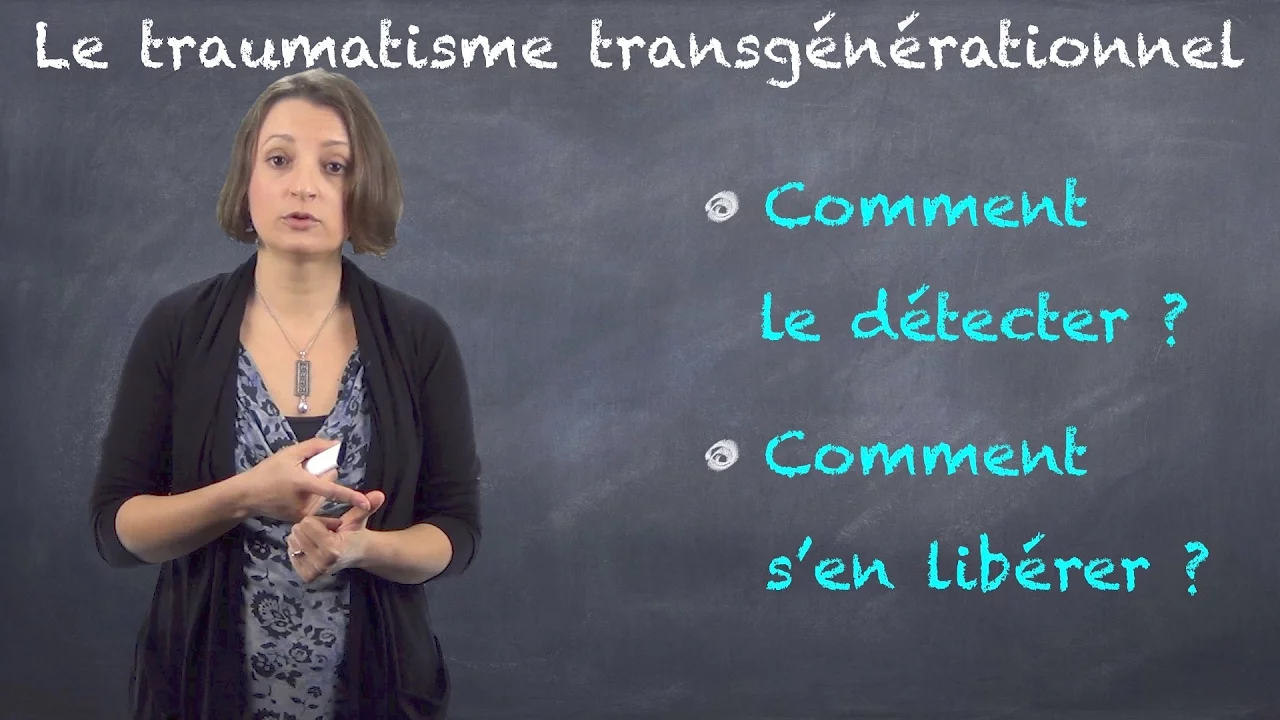

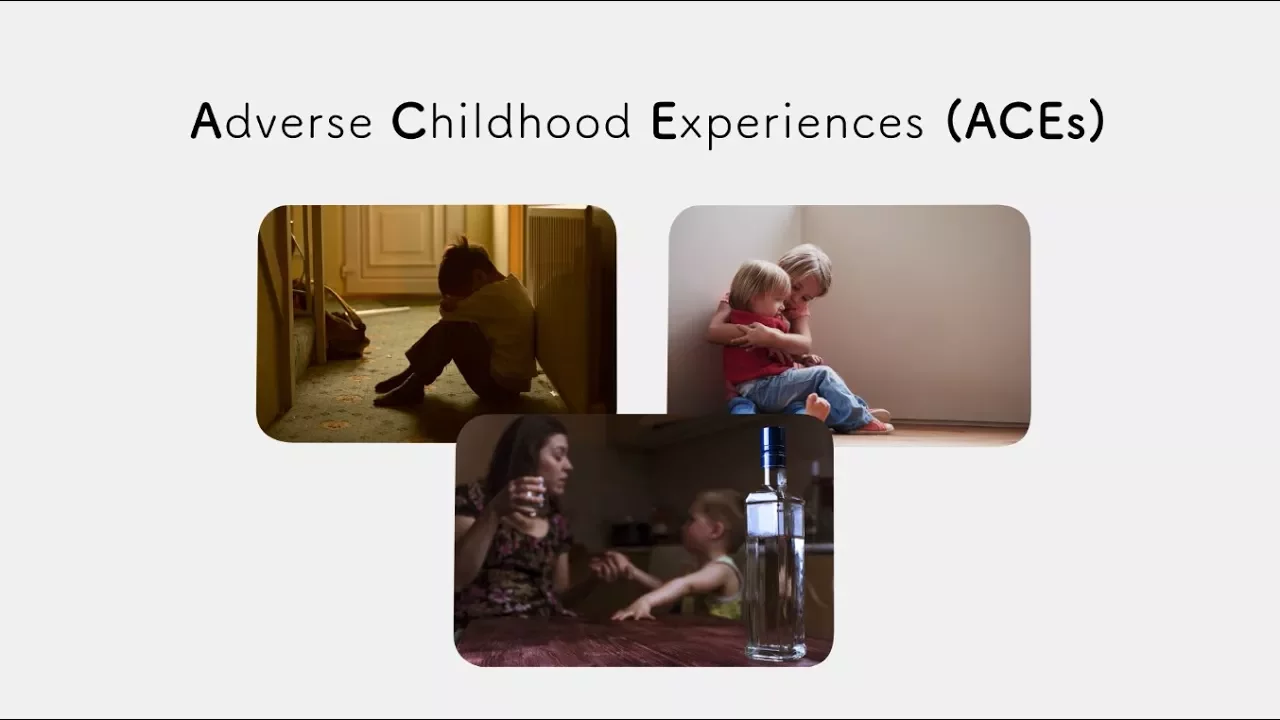


Complex PTSD differs from standard PTSD in that it results from prolonged exposure to repeated traumatic events over years, typically involving interpersonal trauma such as abuse or neglect, leading to more severe symptoms and a higher risk of developing physical and mental health issues later in life compared to individuals who experience single traumatic events; this condition is often misdiagnosed as borderline personality disorder and is associated with adverse childhood experiences measured by the ACEs questionnaire, which links early life trauma to long-term health outcomes including diabetes, fibromyalgia, anxiety, and depression.
Complex PTSD Explained: Symptoms, Causes, and Treatment Options
Added:Understanding of standard Post-Traumatic Stress Disorder (PTSD), including its core diagnostic criteria such as intrusion symptoms, avoidance, and hyperarousal.
The distinction between acute trauma (single-incident events like accidents) and chronic, relational, or prolonged trauma (such as ongoing abuse or neglect).
Fundamental concepts of the human nervous system's response to threat, specifically the fight-flight-freeze-fawn survival mechanisms and the role of the amygdala.
Basic tenets of Attachment Theory, specifically how early relationships with primary caregivers influence emotional regulation and interpersonal safety.
Advanced study of trauma-informed psychotherapies, including Eye Movement Desensitization and Reprocessing (EMDR), Internal Family Systems (IFS), and Somatic Experiencing.
The theory of structural dissociation, which explains how the personality fragments to cope with chronic, inescapable childhood trauma.
The biological and psychological pathways of intergenerational trauma transmission and the emerging field of trauma epigenetics.
Analysis of the Adverse Childhood Experiences (ACE) study and its implications for public health, community resilience, and systemic policy changes.
988.7K views32.3Klikes8:23Original Release: 2018-10-30
[Music] many people have heard of PTSD or post-traumatic stress disorder and are at least somewhat familiar with with what that might look like when somebody comes home from war or you know goes through a really horrific event like you know that that's potentially life-threatening what I think many people are not aware of is a separate category of PTSD which is called complex PTSD and I want to explore that a little bit in today's video this is something that I feel really strongly about I've done a lot of work with people with this diagnosis and it's it's tough to see the the pain that they're in when they present for treatment and so I'm going to spend a little bit of time talking about symptoms and what that might look like but more importantly I'm going to speak to the experience of sitting with somebody who is going through this and and what it really might present us in the room or when you're when you're in front of somebody what is the difference between post-traumatic stress disorder and complex post-traumatic stress disorder I think this is such a great question and something that there's a lot of confusion and even just not awareness around and so the the main difference between the two is that often PTSD is one distinct event or you know maybe a series of events over a small time so you know you're serving in Iraq and you're in this war zone and you see some really horrible things and you come back and and then you're diagnosed with PTSD you know and that has a certain look and a flavor to it with complex PTSD this is a person who over years has experienced several traumatic incidences where they feared for their own safety or the safety of someone they loved and so as opposed to one discrete event this is a series of events over you know years that gradually accumulate to the point where the individual will present with symptoms of PTSD and these symptoms are often more severe in some ways and we're gonna talk a little bit about that next one of the most difficult things about complex PTSD is that the trauma that people go through is typically of an interpersonal nature and so this is things like you know abuse from a parent or sexual abuse and so what this occurs over and over and over again to the point where the individual really loses a sense of safety and Trust in others and and so much so that we're now understanding that there's a huge connection between adult physical health issues and some of the mental health problems that come from being raised in an unsafe environment and unsafe doesn't have to be physically unsafe it can be psychologically unsafe it can be emotionally unsafe and so we're gonna talk a little bit in the next sake segment about something called the Aces which is the adverse childhood events questionnaire in the last segment I mentioned the Aces which is the adverse childhood events ERV a I think I said questionnaire but it's actually survey and this consists of 10 questions and the nature of the questions are around early childhood experiences of lacking safety in the home and this can be things like one of the questions is did a parent ever physically harm you and it goes into specifics of what that would look like it's a sensitive questionnaire and so I don't want to trigger somebody unnecessarily but the questions are around things in the home environment around alcohol use individuals going to prison physical safety having your physical needs met and it's ten questions and however many questions you answer yes - that's your ASIS score so why is this important why are we talking about this one of the most interesting things to come out of this survey was the connection between these early childhood experiences and later serious physical health problems in life things like diabetes fibromyalgia mental health issues anxiety depression and so there is definitely a clear correlation between how safe you were as a child and what your outcomes are as an adult and we're gonna wrap this around back to complex PT PTSD in the next segment but I just wanted to mention that people experience trauma in different ways and there can be individuals with a very high ASA score who don't end up having PTSD or complex PTSD their pain and suffering manifests in the form of physical issues later in life so trauma pops up in all kinds of ways and we can't always predict what that's gonna look like in any given person one of the recent findings about complex PTSD and this is just a little aside but complex PT PTSD is not a separate category in the dsm-5 but it is in the in the International classification of diseases which is basically what healthcare providers across the the world used to diagnose certain conditions and one of the things that has come to our attention is that complex PTSD is often misdiagnosed initially as borderline personality disorder and that's because some of the behaviors that individuals with complex PTSD present with are similar not the same but similar enough to borderline personality disorder that it results in this confusion I hope you found this video helpful and interesting if you did please like it below and feel free to subscribe to our YouTube channel where we're going to be producing more and more videos on a variety of different mental health topics and please reach out if there's something specific you would like us to cover or address in an upcoming video [Music] [Music]
Up Next

31:01
Building Somatic and Nervous System Capacity for Trauma Healing
@IreneLyon
200.1K views•2022-01-16

12:54
Triumph of Orthodoxy Icon: Byzantine Art & History Explained
@BenCallan
2.1K views•2024-08-06

9:49
FastAPI vs Flask vs Django: Choosing the Right Python Web Framework
@TechWithTim
302.5K views•2024-05-26

1:42
Game of Thrones Opening Credits: A Cinematic Analysis
@gameofthrones
46.3M views•2011-04-18
Related Study Plans & Knowledge Roadmaps
Structured learning paths in General & Interdisciplinary Studies
general-studies
Elevator Engineering: History, Physics & Cities
01From Hoists to Safety Brakes: The Dawn of Vertical Lift
02Hydraulic vs. Traction: The Engineering Physics of Elevators
03Modern Speed, Safety, and Algorithms
+ 2 more learning modules
12h5 modules
Explore Roadmap
general-studies
Rubber: Material Science, History & Geopolitics
01Origins of Natural Rubber & Mesoamerican History
02The Chemistry of Natural Rubber & Vulcanization
03The Geopolitics of the Rubber Boom & Colonization
+ 2 more learning modules
12h5 modules
Explore Roadmap
general-studies
Containerization: Evolution, Logistics & Trade
01Ancient Trade & Bulk Cargo: Amphorae to Barrels
02The Industrial Revolution & Cardboard Packaging
03The Containerization Revolution: Malcom McLean
+ 2 more learning modules
12h5 modules
Explore Roadmap
general-studies
Textile Tech: Evolution, Labor & Global Impact
01Pre-Industrial Textiles: Handloom & Cottage Industry
02Mechanization: The Spinning Jenny to the Power Loom
03The Factory System & Global Labor Transformation
+ 2 more learning modules
10h5 modules
Explore Roadmap