




















![31 MUST-HAVE STYLES [Akkordeon Quickstart]: Begleitungen für die linke Hand - Klassik bis Pop&Rock](https://i.ytimg.com/vi/5ORyf6D7gXw/maxresdefault.jpg)






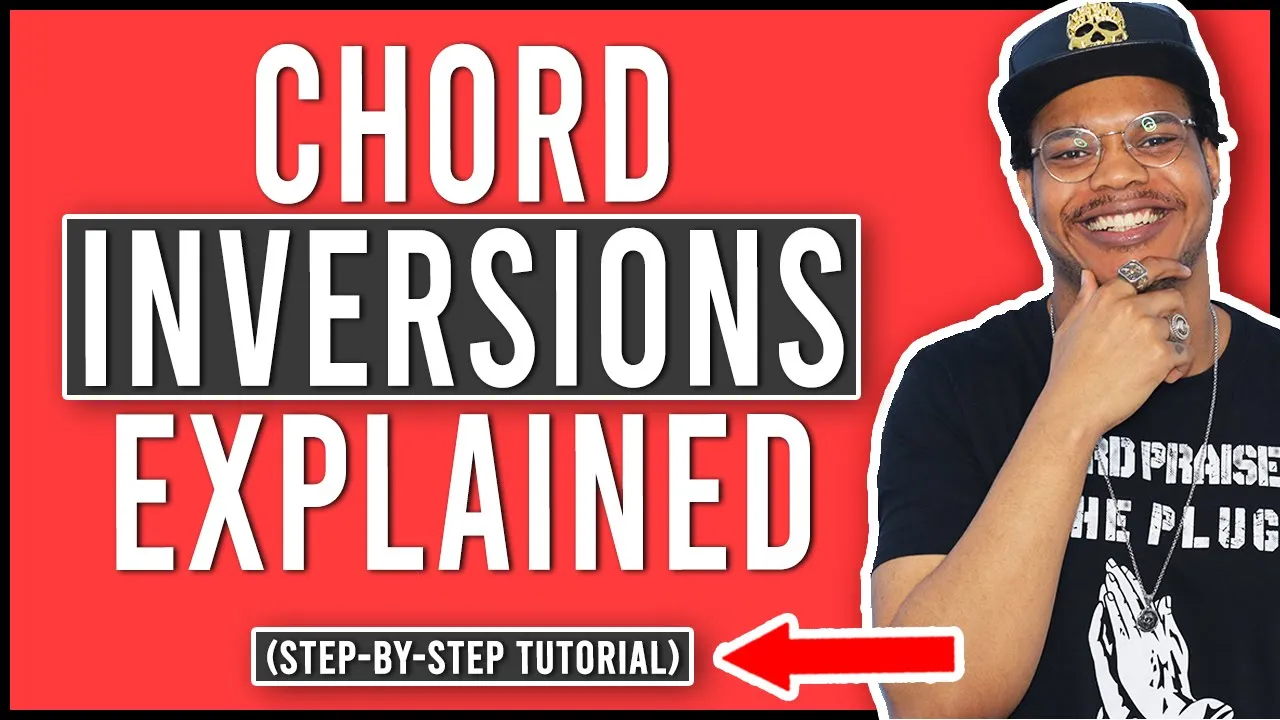
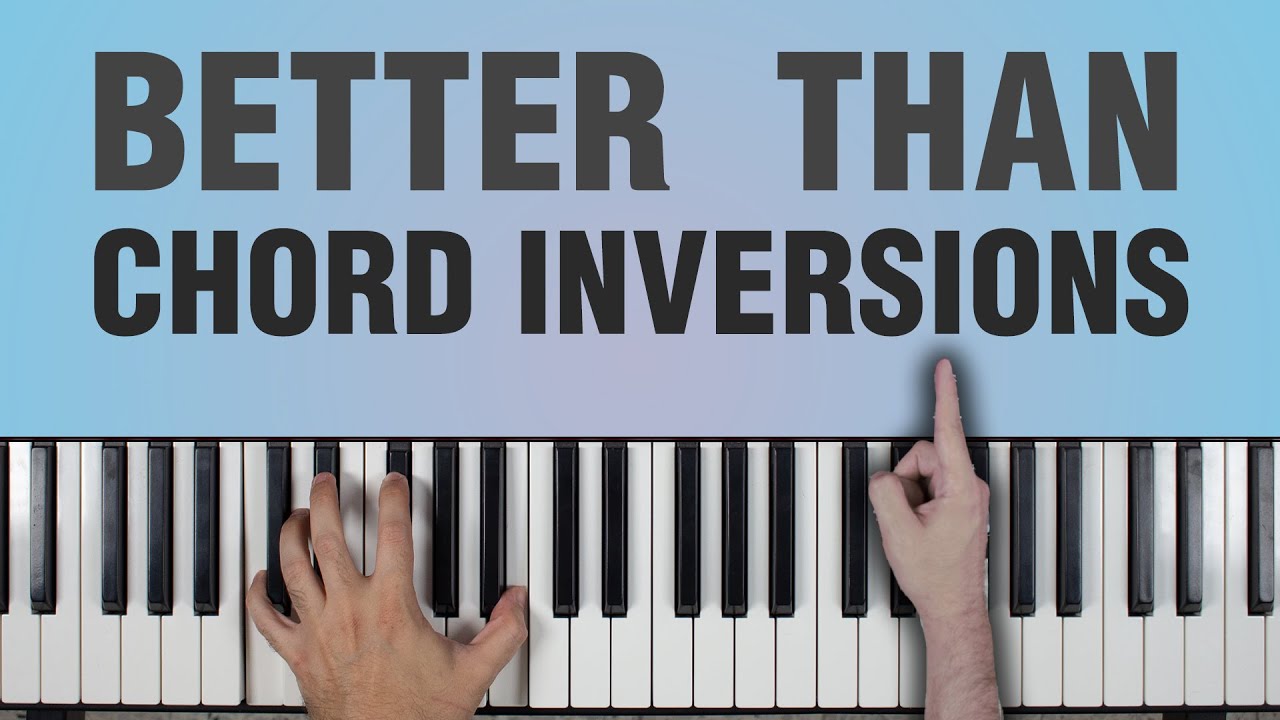
To master chord inversions smoothly on piano, practice arpeggiating chord inversions (separating the notes) up and down the keyboard, then transition to playing them as full chords; repeat this exercise in all keys to lock in the chord shapes mentally, which helps pianists quickly and naturally navigate between chord positions during performance.
Mastering Smooth Chord Inversions with Arpeggio Exercises
Added:Basic piano keyboard geography and standard finger numbering (1-5).
Fundamental triad construction, including how to form major and minor chords in root position.
The theoretical concept of chord inversions (root position, first inversion, and second inversion).
Basic finger independence and the elementary technique of playing notes sequentially.
Applying smooth inversions to voice leading in standard chord progressions (e.g., II-V-I).
Mastering inversions and arpeggios for extended chords, such as major, minor, and dominant seventh chords.
Integrating arpeggiated right-hand patterns with diverse left-hand accompaniment styles.
Utilizing chordal arpeggios as a foundational tool for melodic improvisation and soloing.
Expanding the exercises across multiple octaves while focusing on tempo, velocity, and dynamic control.
134.9K views2.4Klikes7:46Original Release: 2015-12-01
hi I'm Scott houston Do you want to know a great secret tip to learning how to play inversions on a piano and really getting them burned in —stick around I get some questions fairly regularly about, "you know you talked about when you're playing your chords all the time" because in the style we play we really focus on playing chord symbols. we don't read standard grand staff notation so when you're reading those Chord symbols I'll have students say that they have a hard timebreaking from just playing all the chords in root position and you seem to move from using inversion smoothly.
Do you have any secret? Here's a quick practice tip super fast just in case someone watching doesn't know what an inversion is- An inversion is simply playing the notes of a chord not in root position ok so if you have a C Chord a C Major chord for example Here's a C on my piano so just see a C chord in root position C, E, G IF you take that C and put it on the top that's called an inversion. wow So we have a C that's an an inversion of the C I can do it again, Let's put that E up here. Hey another inversion of a C. I can do it one more time.
put that G up one octave now we are back where we started just one octave higher right so we went from root position to very technical first inversion and 2nd inversion back to root never ever in my life will I talk about first and second version instead we will call them by their scale name but anyway so we're doing this There is a point to be made that you know what? it's If I just say, hey play a C chord It's advantageous for you to be able to mentally to be able to... be able to just go and that's pretty much the same thing as this and in both hands. So if you're coming across a chord change and you're in one spot on a piano and you see the next chord coming up you don't have to just imagine what that chord looks like in root position you can pretty much just slide into some in version to keep the notes closer and it's not a huge mental gymnastic exercise for you to do it so here's my my trick for that I'll tell you where this came from it It came from my background as a percussionist and spending hours and hours and hours on mallet instruments like marimbas, xylophone,s vibes and stuff like that One of the big things you do it because its target practice they'll never call it target practice but you know what makes you a better or worse mallet player is hitting the notes accurately and one of the things you spend a long time doing is working through arpeggios of chords and arpeggios mean just separating the notes of a chord You can go find another video of arpeggios that I have done previously if that would help. but the point is by just drilling through those up and down it really locks into your brain what ntes are in what chords let me show you a little example of what I would suggest you do on a piano here we go here's the exercise I'm gonna move down one yeah we're still me either so so you're on a secret so you just want to start and you can do this hands along and then moving in together but instead of just always playing the chord, and moving up. All I"m doing is just continuing to invert. I'm taking the bottom note and moving up one octave every time. this is a good thing but what I think is a better thing to do at the beginning its to do them in arpeggios or just separating the notes like this Like.... then mentally you go to the next one mentally go to the next one it doesn't really matter how you finger them just whatever is comfortable is fine it's like a pattern recognition thing that your brain starts saying. See how I am just working my way up Get up to a point where you're you know you're gonna get cramps in your wrists because you are too high but we just work up a couple octaves there's no absolute right or wrong in this but then go down and do it the other direction i think that is an exceptionally good and fast way to get your brain really locked into what the inversion of all the chords are; so I would suggest doing the arpeggio version first and then after that playing them as full chords. so we start out like this... big issue here that accuracy brain really locked in the notes and the chord in all these different shapes but then the key is you need to go back and do it in all the different keys if you can. that's really the better thing to do, so go up and start it on a half note higher. So now you are working on all the C# chords. Then go up to the D like that so then after you've done all the arpeggios, then you can come back and finish it up with a... A ha, I know what they are all separately and now what they all are together and you do the same thing with your right hand—terrible fingering... then do the same thing right back down if you really get your act together do them hands together Then do the next one up. you know so you could just go on and make up your own variations forever to wrap this up here's the point I want to drill home I think it's important to do those as arpeggios separated and then do them together and I think the combination of that is a really good mixture for the brain cement that you need to get all that stuff locked in. you want to do it maybe do with your major, minor chords or seventh chords you know whatever the chords are that you're coming across regularly. you need to do that and those are just great warm up things OI absolutely would not say to a student is that for the next three weeks do nothing but doing that a half hour a day no no no no no keep playing the tunes you enjoy playing keep having fun playing too but you know maybe you sit down for 10 minutes at the beginning or end of every time you sit down to play your favorite tunes spend a few minutes doing stuff like that and that's the aerobics if you will that'll get you a little more fit for playing tunes in this style.
I hope that helps a little bit as always have fun!
Up Next
12:51
Rocket Man Piano Tutorial: Chord Patterns & Voicings | Elton John
@pianocouture
540.9K views•2015-10-29

12:54
Triumph of Orthodoxy Icon: Byzantine Art & History Explained
@BenCallan
2.1K views•2024-08-06

9:49
FastAPI vs Flask vs Django: Choosing the Right Python Web Framework
@TechWithTim
302.5K views•2024-05-26

1:42
Game of Thrones Opening Credits: A Cinematic Analysis
@gameofthrones
46.3M views•2011-04-18
Related Study Plans & Knowledge Roadmaps
Structured learning paths in General & Interdisciplinary Studies
general-studies
Elevator Engineering: History, Physics & Cities
01From Hoists to Safety Brakes: The Dawn of Vertical Lift
02Hydraulic vs. Traction: The Engineering Physics of Elevators
03Modern Speed, Safety, and Algorithms
+ 2 more learning modules
12h5 modules
Explore Roadmap
general-studies
Rubber: Material Science, History & Geopolitics
01Origins of Natural Rubber & Mesoamerican History
02The Chemistry of Natural Rubber & Vulcanization
03The Geopolitics of the Rubber Boom & Colonization
+ 2 more learning modules
12h5 modules
Explore Roadmap
general-studies
Containerization: Evolution, Logistics & Trade
01Ancient Trade & Bulk Cargo: Amphorae to Barrels
02The Industrial Revolution & Cardboard Packaging
03The Containerization Revolution: Malcom McLean
+ 2 more learning modules
12h5 modules
Explore Roadmap
general-studies
Textile Tech: Evolution, Labor & Global Impact
01Pre-Industrial Textiles: Handloom & Cottage Industry
02Mechanization: The Spinning Jenny to the Power Loom
03The Factory System & Global Labor Transformation
+ 2 more learning modules
10h5 modules
Explore Roadmap