



















![doc V. Lisý: Introduction to Artificial Intelligence (BE4B36ZUI) — 07 [1. 4. 2025, LS 24/25]](https://i.ytimg.com/vi/YwQ7s7RoaJE/maxresdefault.jpg)

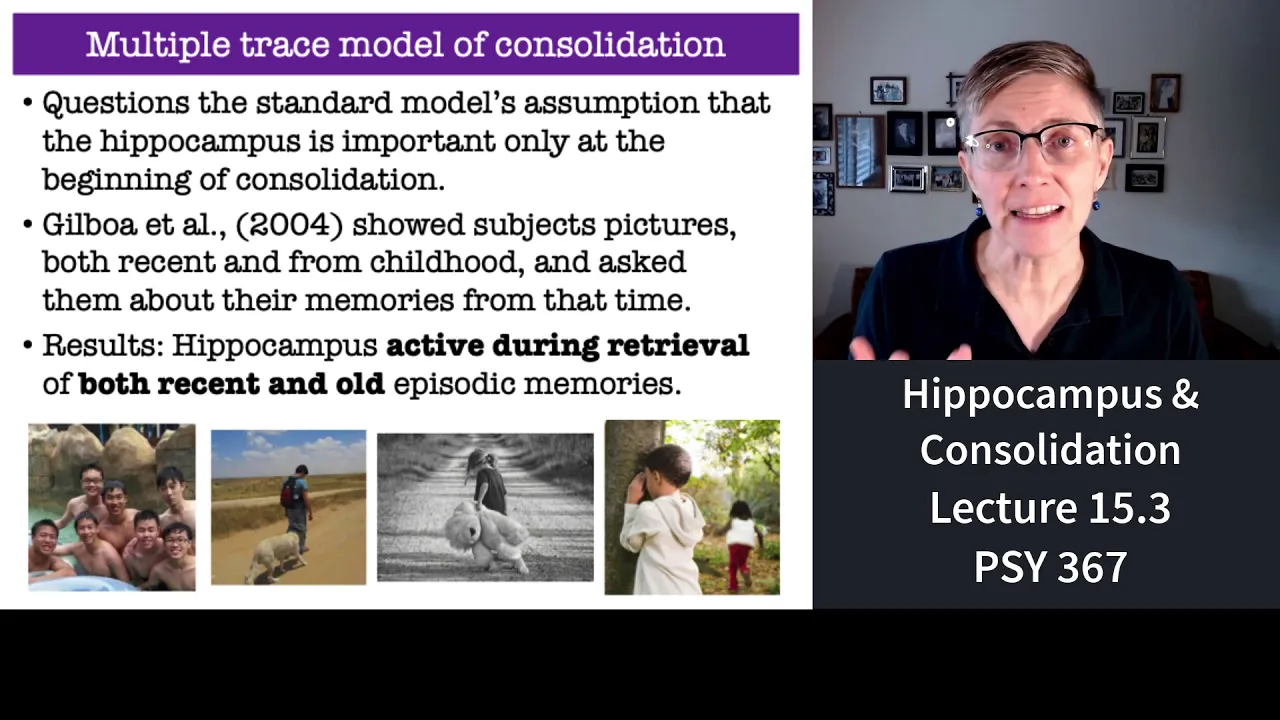
The hippocampus, acting as a 'time machine' of the brain, consolidates memories during sleep through sharp wave ripples that trigger hippocampal replay—where place cells reenact past experiences in reverse order (fast-reverse replay) to strengthen synaptic connections, and sometimes in forward order (fast-forward replay) to plan future actions, enabling the brain to both reevaluate and reinforce existing memories while preparing for upcoming challenges.
Memory Consolidation Explained: Hippocampal Replay & Sharp-Wave Ripples
Added:Basic neuroanatomy of the limbic system, specifically the structure and primary function of the hippocampus in memory formation.
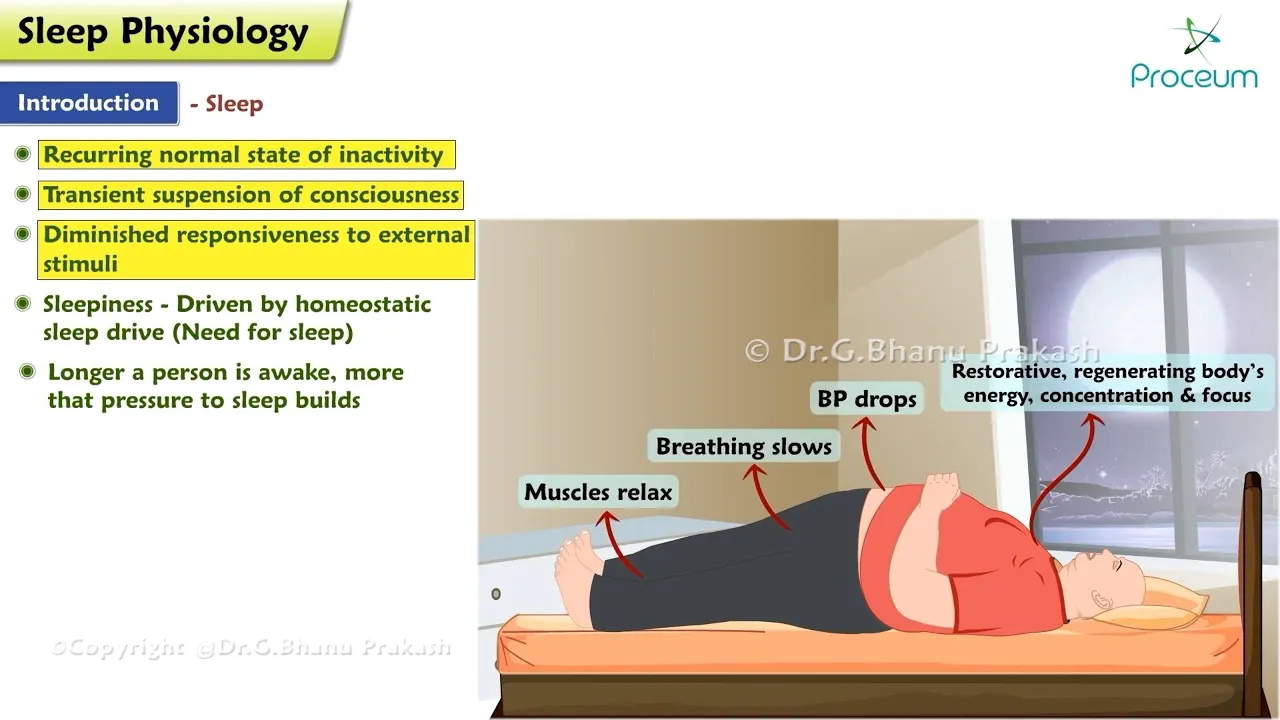
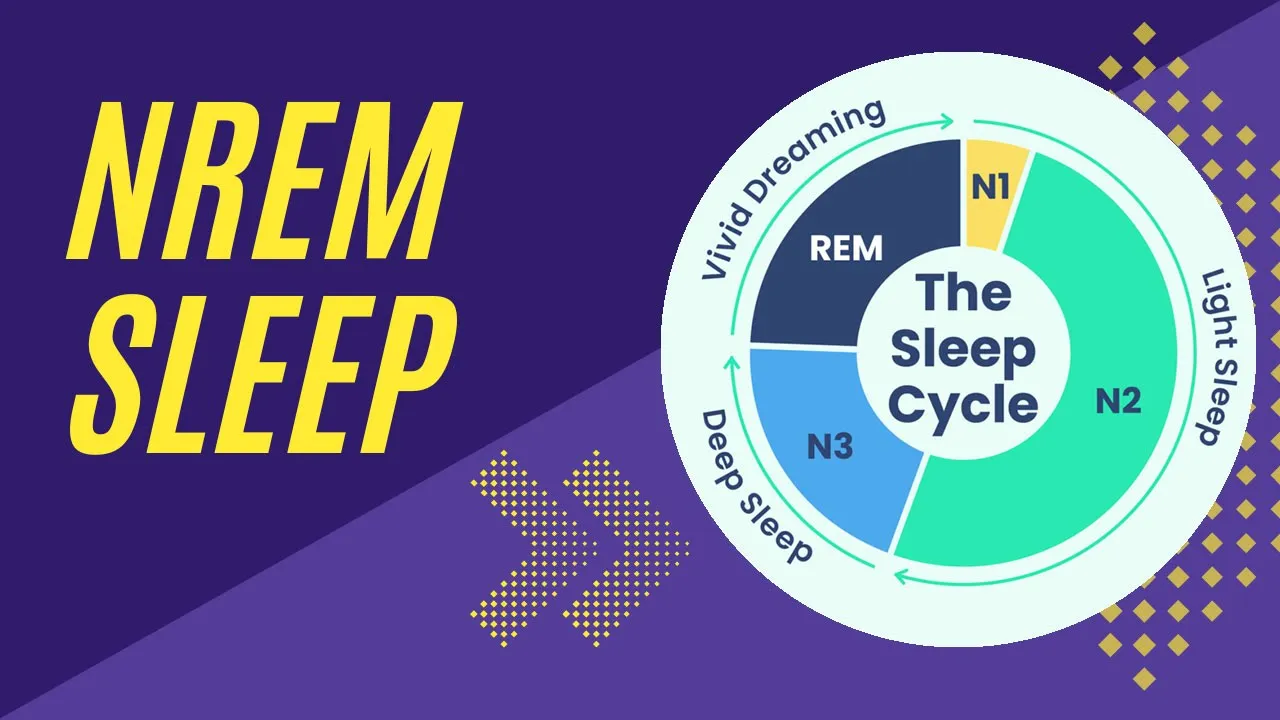
The stages of sleep, with a particular focus on Non-Rapid Eye Movement (NREM) or slow-wave sleep.
Fundamentals of synaptic plasticity, including the cellular mechanisms of Long-Term Potentiation (LTP).
The basic distinction between short-term (working) memory and long-term declarative (explicit) memory.
The Two-Stage Memory Model and the mechanism of systems consolidation from the hippocampus to the neocortex.
The cognitive and physiological impacts of sleep deprivation on memory retention and neural replay.
How disruptions in sharp-wave ripples and replay are linked to neurodegenerative and neuropsychiatric conditions like Alzheimer's disease and schizophrenia.
The application of biological 'experience replay' mechanisms in Artificial Intelligence, particularly in reinforcement learning models.
58K views3.4Klikes11:10Original Release: 2022-02-16
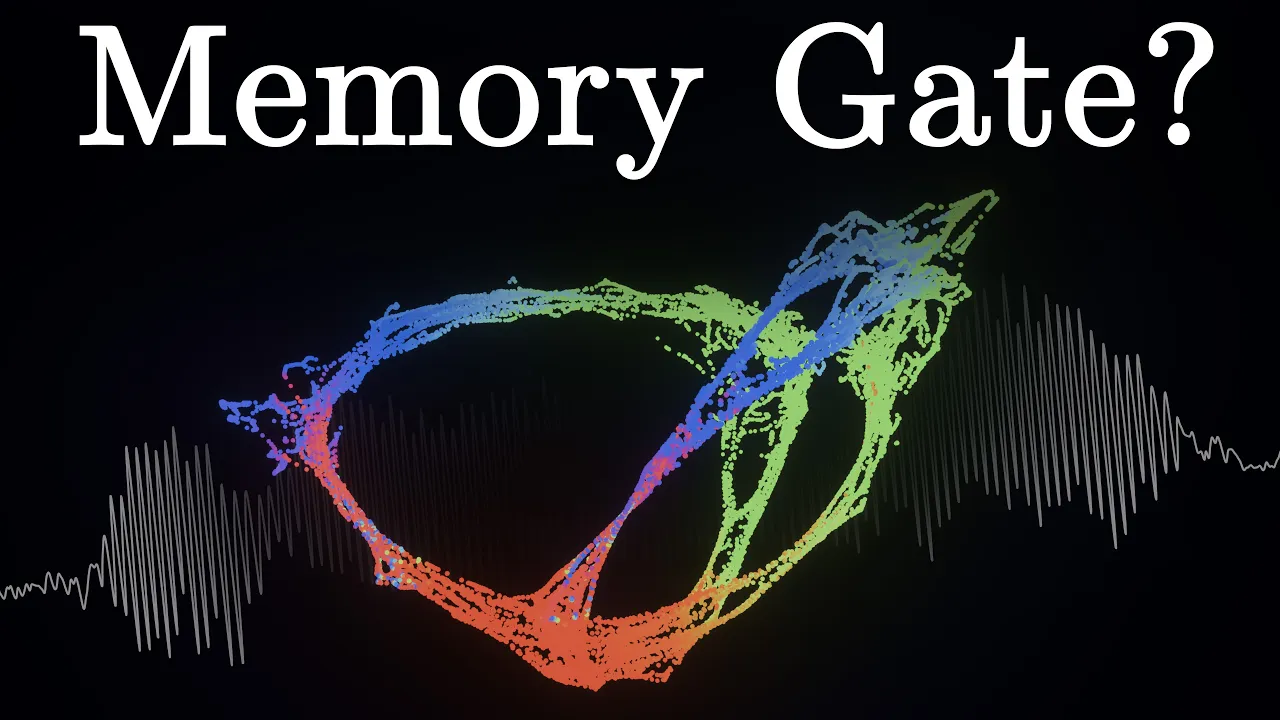
we all know that sleep is important in fact we spend a whopping one third of our lives sleeping and this would be the most ridiculous evolutionary mistake unless for some reason it was vital for our survival and well-being indeed as we now know sleep has a variety of different functions and perhaps the most prominent one is memory consolidation the process of making freshly created memories stronger stabilizing them and transferring to long-term storage and if you've ever tried to learn your entire curriculum in one night don't do it by the way you'll know what i'm talking about how does this happen that after you wake up after a good night's sleep the material you learned the day before magically becomes more clear and you remember it better i mean you literally align not doing anything you're not reading listening or otherwise consuming the information so let's find out our brains work in such a way that the most effective approach to learn anything is through practice and active engagement with the material this is where our today's sponsor brilliant comes into play brilliant is a platform for such hands-on interactive learning they offer a variety of courses in math life and computer sciences the key feature of brilliant is combining really clear intuitive explanations of the theory with the chance to deepen that knowledge through solving real problems and engaging with interactive demonstrations and examples i'm currently taking the course on artificial neural networks and i've gotta say that this approach really does make a difference and it provides a new layer of a more deep intuitive understanding you might also be interested in the course on computational biology which combines key concepts from math physics and computer science providing you with a chance to apply these fields to the study of living organisms starting from the very basics and working the way up to more complicated topics like stochastic protein folding if you want to join the fast growing community of active learners brilliant has a special offer by using this link you can get started on brilliance interactive courses for free and the first 200 people will also get a 20 discount on annual membership my name is autumn i'm a computational neuroscience student and researcher here we talk about the brain both the theory of how it works under the hood as well as practice of how to study and learn more effectively if you're interested consider subscribing to the channel not to miss anything before we begin our journey on memory and sleep let's meet the two key players that would be particularly important the first one is the cortex the executive center of the brain where all of the thinking happens it's a place for your memories thoughts and language you can think of the cortex as a warehouse or a huge library and the second key component is the hippocampus a loopy structure that lies in the depths of the brain and has extensive connections to the cortex now hippocampus plays a role of the librarian it puts newly arriving books at according shelves and restructures the existing library and this back-and-forth communication between the hippocampus and the cortex is of special interest accounted for the bulk of memory consolidation it's important to understand that even though our bodies lie still during sleep the brain does not shut down instead its neurons constantly fire up with its own internally generated activity unlike the body the brain doesn't rest it just shifts gears and enters a new mode of operation this is called offline brain state to better understand what happens inside the brain during such periods let's first look at the usual online state of the brain during the day let's consider a lab mouse at daytime as it's running around and exploring the environment signals flow from the cortex to the hippocampus it receives sensory information and performs computations required for efficient spatial navigation and the construction of cognitive maps we have already discussed this aspect of hippocampus in the previous video of the series so if you haven't seen this one go check it out because we will build up from there hippocampal position sensitive neurons or place cells fire in sequence encoding the path the animal transverses now let's turn off the lights and see what happens inside the brain of a sleeping mass the key idea is that at night this dominant information flow from the cortex to the hippocampus would be reversed now the hippocampus would step in and become the primary sender but this messaging up to the cortex doesn't happen continuously instead hippocampus sends information in discrete units kind of like data packets these events have a very peculiar and characteristic shape when they are detected on the underlying electrical activity of the brain if you stick an electrode inside the mouse hippocampus while it's sleeping the recorded signal would have certain bursts of activity kind of like little hippocampal fireworks the overall activity would suddenly go up and then decrease like a wave and on top of this wave would be a very high frequency oscillation kind of like a ripple on the water surface this is why such events were called sharp wave ripples and ever since these hippocampal explosions were discovered they posed a question for researchers at first they were hypothesized to play a role in memory because when the mouse was placed in a novel environment the rate at which sharp wave ripples occur the following night increased compared to the familiar environment but more convincing evidence came later when it was discovered that artificially silencing the sharp wave ripples that is interrupting this activity from happening leads to a slower rate of learning and the decreased performance and this is direct evidence that these hippocampal fireworks whatever their nature is are actually markers for the process of memory consolidation but what exactly happens in the brain during these sharp wave ripples well advances in technology allowed us to look at the spike content of the ripple and that is what exact neurons are firing and in what order and this is perhaps the most exciting feature of the sharp wave ripple remember how during the day place cells for firing in sequence represented the trajectory in fact each spatial memory such as the event of running through the maze and getting the reward can be thought of as a sequence of activated place cells firing one after another in well-defined order encoding the taken path if you compare the activity of place cells during the daytime at times of active foraging with their activity during sleep the following night you will see something very interesting trajectories the mouse was taken during the day at night recapitulated during the shark wave ripple and that means that the same place cells were activated one after another as if representing the same trajectory only their order was reversed and the time scale of the entire thing was much smaller it's as if the mouse brain was rewinding back to the mental tape this phenomenon was given the name hippocampal replay or fast reverse replay to be exact as we now believe such reverse replay of a particular event is what plays the major role in consolidating the memory about it audit reactivation of play cells representing past trajectories is what helps to strengthen the synaptic connections between the nerve cells encoding this particular memory in the cortex now it's important to understand that replay and the sharpness ripple is not exclusively a nighttime event yes they are most abundant during the slow wave or deep sleep when there is a process of active consolidation going on but they can also be observed at daytime especially during periods of immobility for example as the mouse successfully finds its way through a maze to a tasty reward and heavily sits down to enjoy the hippocampus fires up a replay of that path's place cell sequence to consolidate this memory and better find the root next time but sometimes you would see really weird ripples whose content doesn't correspond to any of the past experience instead place self-firing sequences encode the path the animal would take in the near future after the ripple was observed and when that root was taken you'd see that unlike reverse replay place cells firing in this ripple were arranged in the correct order as they would be firing during the run from start to finish this led to the hypothesis that hippocampus uses this preplay or fast forward replay in decision making for planning the future actions it is now clear that the two types of replay forward versus reverse serve two different functions for example changing reward only has effect on reverse replays but not the forward ones yet the two types of replay are very similar phenomena in fact almost certainly they are two sides of the same coin you can see how there is this beautiful process of mental time travel carried out by your own personal time machine the hippocampus it can go backwards in time recapitulating past experiences in reverse order to reevaluate and consolidate them or it can fast forward into the near future to consider the different possibilities to me this mechanism is absolutely elegant of course we are still yet to uncover more details about this process and exact physiological mechanisms but this is a very big step towards understanding the general computational logic behind the brain's mysterious activity hopefully next time you're faced with a dilemma to keep cramming before the exam or peacefully go to sleep you will remember about the wonders of consolidation and let the hippocampus rewind we rewind the tape you
Up Next

74:50
Neuronal Sequences in the Hippocampus: Memory & Imagination | David Foster
@dartmouth
6.2K views•2014-06-06
21:55
Deciphering Neural Circuits Controlling Anorexia in Mice | Richard Palmiter
@AllenInstitute
2.3K views•2011-10-10

4:10
Vagus Nerve (CN X): Anatomy, Nuclei & Functions Explained
@Alilamedicalmedia
305.2K views•2022-10-31
13:03
How Exercise Benefits Your Brain: Science Explained
@TED
11.4M views•2018-03-21
Related Study Plans & Knowledge Roadmaps
Structured learning paths in Neuroscience
neuroscience
Appetite Regulation: Brain Circuits & Hormones
01Foundations of Endocrinology and Brain Anatomy
02Introduction to Energy Homeostasis
03Peripheral Signals: Leptin, Ghrelin, and Insulin
+ 2 more learning modules
14h5 modules
Explore Roadmap
neuroscience
Neuroeconomics: Value, Risk & Brain Mechanisms
01Foundations of Neuroscience and Brain Anatomy
02Introduction to Neuroeconomics and Subjective Value
03Dopaminergic Prediction Errors & Reinforcement Learning
+ 3 more learning modules
18h6 modules
Explore Roadmap
neuroscience
Spatial Navigation: Cells, Grids & Brain Maps
01Foundations of Brain Anatomy and Memory
02Place Cells and Head-Direction Cells
03Grid Cells: The Brain's Coordinate System
+ 2 more learning modules
12h5 modules
Explore Roadmap
neuroscience
BCIs: Neural Decoding & Prosthetic Control
01Neuroscience Foundations: How the Brain Signals Intent
02Signal Acquisition: Recording the Brain's Activity
03Neural Decoding: Translating Brain Waves into Data
+ 2 more learning modules
25h5 modules
Explore Roadmap