
























Parasocial relationships are one-sided emotional attachments where individuals develop intense feelings toward celebrities who remain unaware of the relationship. Attachment theory explains that insecure-resistant attachment types are most likely to form parasocial relationships because they lack the fear of rejection found in real relationships, and these relationships exhibit similar characteristics to real attachments including proximity-seeking, secure base function, and protest behavior at disruption. The absorption addiction model proposes that parasocial relationships fill voids created by shyness and loneliness, progressing through three levels: entertainment-social, intense personal, and borderline pathological, with higher levels linked to poorer mental health. Both theories face methodological limitations including correlational research design and social desirability bias.
Parasocial Relationships: Attachment Theory & Absorption Addiction
Added:our social relationship section of your paper three relationships exam and you need to be aware about two main theories for parasocial relationships of the absorption addiction model and the attachment theory and we're gonna look at both of those and evaluation of both of those in a bit more detail so a parasocial relationship is a one-sided relationship now is referred to as one-sided because one person is unaware of the relationship taking place so a person will develop an intense emotional attachment to another person typically a celebrity but that celebrity will be unaware that the other person exists or that the other person has any feelings of attachment towards them so attachment theory believes that insecure attachments are most likely to form a parasocial relationship and it's insecure resistance that are most likely to develop these type of attachments because there is no threat of radec rejection from the other person so when we looked at a CH Minh Thuy looked at the idea that your early attachment style will later influence your adult type of attachments that you have with friends and with romantic relationships because of that internal working model and the continuity hypothesis so they will show you the same properties of an adult attachment type so they will have proximity seeking so they will want to be close to the person that they see as their attachment figure so they'll want to make contact with them they might write the fan mail and they might buy things that the person has touched or owned and so they want to be close to that person they believe that they have a secure base with that individual that attachment figure helps them create a secure base because of that threat of rejection so that means that they can explore other relationships in a safe way because they Saphir feel that they are securely attached to that person and they offer them that secure base to explore the world around them and they will show protests at the disruption to that attachment figure so they will show an intense emotional reaction if that attachment figure is lost so if that a TV character becomes killed off off a TV show they might become very upset about that as if they'd almost lost someone they are attached to in real life equally if a band were to split up again they would show intense reaction towards that so if we were to look at some evaluation of this so there is some supporting evidence that actually those with a parrot OSHA relationship show a similar level of negative response at that disruption to attachment compared to a real relationship so viewers who were expecting to lose their favorite TV characters characters actually anticipated negative reactions that were similar to those experienced after a loss of a personal relationship and again it was found that insecure attachment and attachment types anticipated the most negative responses so that supports the idea that insecure attachment types are most likely to develop parasocial relationships and they are or they have the same characteristics as real attachment types contradictory evidence so participants with insecure attachments were no more likely to form parasocial relationships with celebrities than participant with secure attachment types so this goes against the idea that insecure attachment types will develop parasocial relationships other explanations we can compare it to the absorption addiction model which we're going to look at later in in this video so you have to learn about the absorption addiction model so you might as well use it as an evaluation point if you can to try and reduce the amount of information that you need to know and there's methodological problems of the use of questionnaires and what social desirability bias or obviously reduces the validity of results and it's correlational research so we can't establish cause in the facts we can't really say that insecure attachment types have parasocial relationships and just because there's an association doesn't mean that that has caused it it could be a third Kay variable that we are not aware of so if we're to look at then some part of the question so this was an application and type question so researchers wish to study the link between attachment and parasocial relationships they surveyed a stratified sample of a hundred eighteen year old students from four different schools some schools had a large number of students this had a small number of students the students will ask questions about their childhood their feelings towards celebrities and about their friendships at school so that's our little scenario that we have to read and we're gonna have to relate back to this in our 8th Mark answer so discuss the attachment theory explanation for parasocial relationships refer to the likely findings of the study above in your answer so discuss means that it isn't just outline you can have to include evaluation in there and because it's an application question you can have a 2 in there so because it is an 8 marker your your split of marks will be even those marks holistically will be a o1 your description is worth three your a o2 is worth two and your ao3 is worth three so in this instance I would do one a a one paragraph on what attachment Theory explanations of parasocial relationships are so we'd say something along the lines of parasocial relationships can be linked to attachment types from childhood insecure attachment insecure attachment types in particular insecure resistant attachment types are most likely to develop parasocial relationship because parasocial relationships do not involve the same fear of rejection as real-life relationships parasocial relationships show the same characteristic as real life attachments such as protests at disruption of attachment secure base and proximity seeking so that would be my a a one paragraph I've then got to link it back to the findings above seen my a o2 so I'm going to say what the likely outcome will be so the idea is students who have a secure childhood attachment will have positive relationships with their friends and will be less likely to form parasocial relationships or less interested in celebrities whereas individuals with an insecure resistant attachment type are most likely to be interested in celebrities because they have unfulfilled needs that this attachment figure can provide for them so there won't be that fear of rejection that is going to take place now the absorption addiction model says that parasocial relationships fill a void that is created by shyness and loneliness and this type of relationship is appealing because there's little risk of rejection and individuals can become absorbed with that celebrity which then becomes an addiction so because they're helping to relieve that shyness and loneliness it becomes addictive and they become more and more absorbed in that life of this celebrity now must be identified three levels of parasocial relationships which are measured on the celebrity attitude scale so you have entertainment social so this is where fans watch and keep up to date with their favorite celebrities for entertainment so they might read gossip columns and watch TV shows or go and see their films when they come out intense personal is a deeper level of involvement and it includes intensive and compulsive feelings about the celebrity so they really love to talk to others who admire my favorite celebrity they might particularly join a fan group in talk on forums about it so it's a bit more intense then borderline pathological is when the individual emphasizes with the celebrity success and may have over identify with them so if I walked into the room the celebrity they would be happy to see me so they believe that the celebrity is also happy to see that person and this can lead to uncontrollable behaviors and fantasies about their celebrity in their lives so this interest as we said maccann can become addictive and leads them to engage in more extreme behaviors in order to sustain that level of satisfaction that they have developed with that celebrity a simple ao1 path paper question has been 40 marks briefly outlined the absorption addiction model 40 marks so you can have to do a point and expand so don't go into too much detail here it's only worth two marks so we could talk along the ideas of that parasocial relationships happen because there's no risk of being rejected by a real-life relationship and it's measured on three scales and there's three levels entertainment social intense personal and borderline pathological moving on to evaluation then of the absorption addiction model so supporting evidence that there's a link between the absorption addiction model and mental health so multiple found that parasocial relationship levels and personality traits are linked together so entertainment social levels were linked to extraversion whereas intense personal were associated when the eroticism and borderline pathological was linked to psychotic personality traits so this is provides a clear explanation of why high levels of parasocial relationships are linked to poorer mental health other explanation again you've had to learn about the attachment theory so you might as well compare it to the attachment theory if you have an opportunity to see to do so however usefulness it lacks explanation so it describes power social relationship so it describes the three levels of power to social relationships but it doesn't really explain why they develop or how they develop and the reasoning behind it and again we have methodological problems so again the use of questionnaires social desirability and cause-and-effect we can't really establish it so we can't really say that mental health is causing the person to develop an intense borderline attachment with the celebrity so if we were to look at evaluation type questions and a1 and essay type questions so explain two limitations of the absorption addiction model of parasocial relationship so this is being quite specific it wants to limitations so we can talk about the methodological problems of it being M self-report methods we can't establish which reduces the validity because of the social desirability bias people might lie might not be as accurate as first thought you could compare it to the attachment model of parasocial relationships so it might not offer a complete explanation of it if we are to move then on to sixteen marker you might get a sixteen marker that's about both of them so discuss research into parasocial relationships so this command word of disgust means a a1 and a3 relay research in this sense is theories or explanation so you can talk about attachment theory for one paragraph evaluate it then go on to the absorption addiction for one paragraph then evaluate it equally you could get a sixty marker on both of them so outline and evaluate the attachment theory of parasocial relationships or outline an evaluation the absorption addiction model for parasocial relationships
Up Next

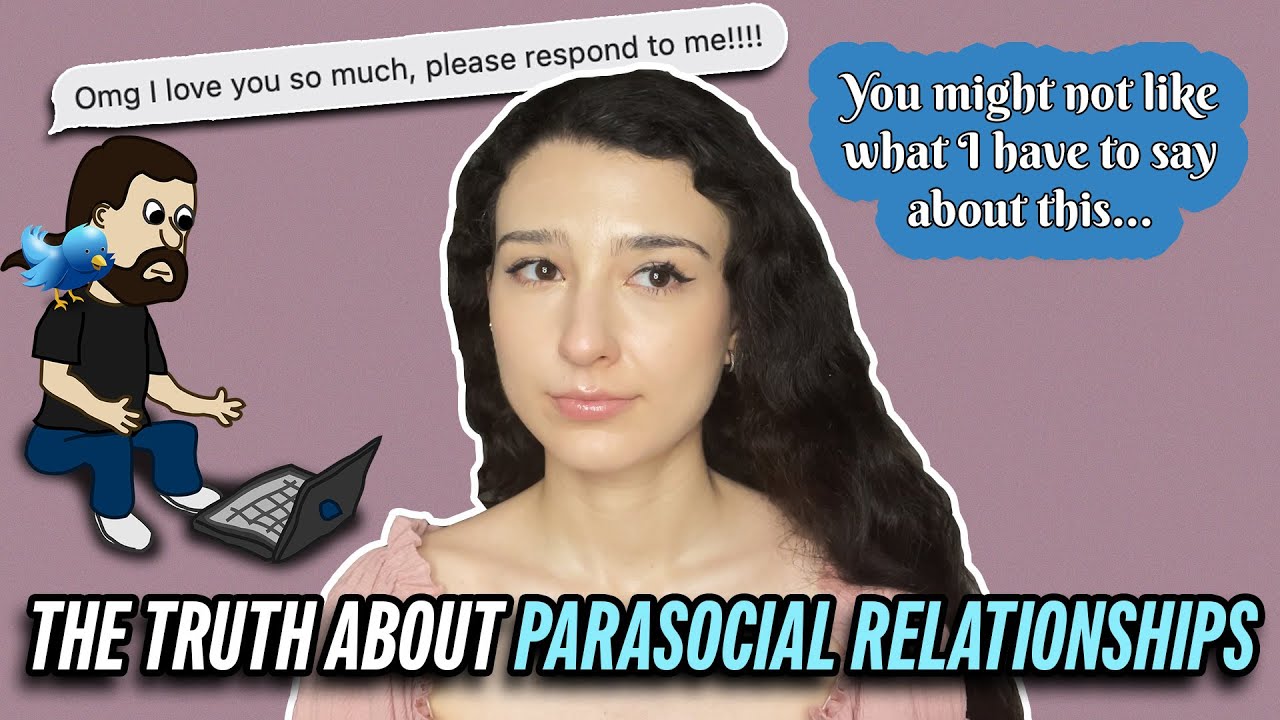
Understanding Parasocial Relationships: A Case Study of Online Obsession
@magicmush1998
1.2M views•2022-10-15

Sex Differences in Fear: Brain Structure and Behavior | Neuro Science
@NortheasternAlumni
437 views•2020-09-22

Thinking, Fast and Slow: Daniel Kahneman Animated Book Summary
@FightMediocrity
2.3M views•2015-06-05

The Nocebo Effect: How Beliefs Can Cause Real Harm
@CGPGrey
10.4M views•2013-12-23
Related Study Plans & Knowledge Roadmaps
Structured learning paths in Psychology