![[ Arduino Basic ] Bài 2: GPIO trong arduino uno phần 01](https://i.ytimg.com/vi/3awvEF2_52U/maxresdefault.jpg)

![[TUTORIAL] 03 - Uso de GPIO en Arduino](https://i.ytimg.com/vi/bmx53lCz_xs/maxresdefault.jpg)







![[ES-EN-14]8051 PROGRAMMING IN C- lession-14](https://i.ytimg.com/vi/XAVfZutGkTE/sddefault.jpg?v=6014e386)












Programmable-Air is an open-source hardware kit that enables hobbyists and makers to control soft robots using a simple four-layer pneumatic control system consisting of a compressor, vacuum pump, three valves, and a pressure sensor, allowing users to inflate, deflate, and monitor soft robot actuators through basic commands like 'blow,' 'suck,' and 'read pressure.'
Programmable Air: Open-Source Soft Robotics Control
Added:Basic electronics and microcontroller operation, particularly working with Arduino-based platforms and GPIO pins.
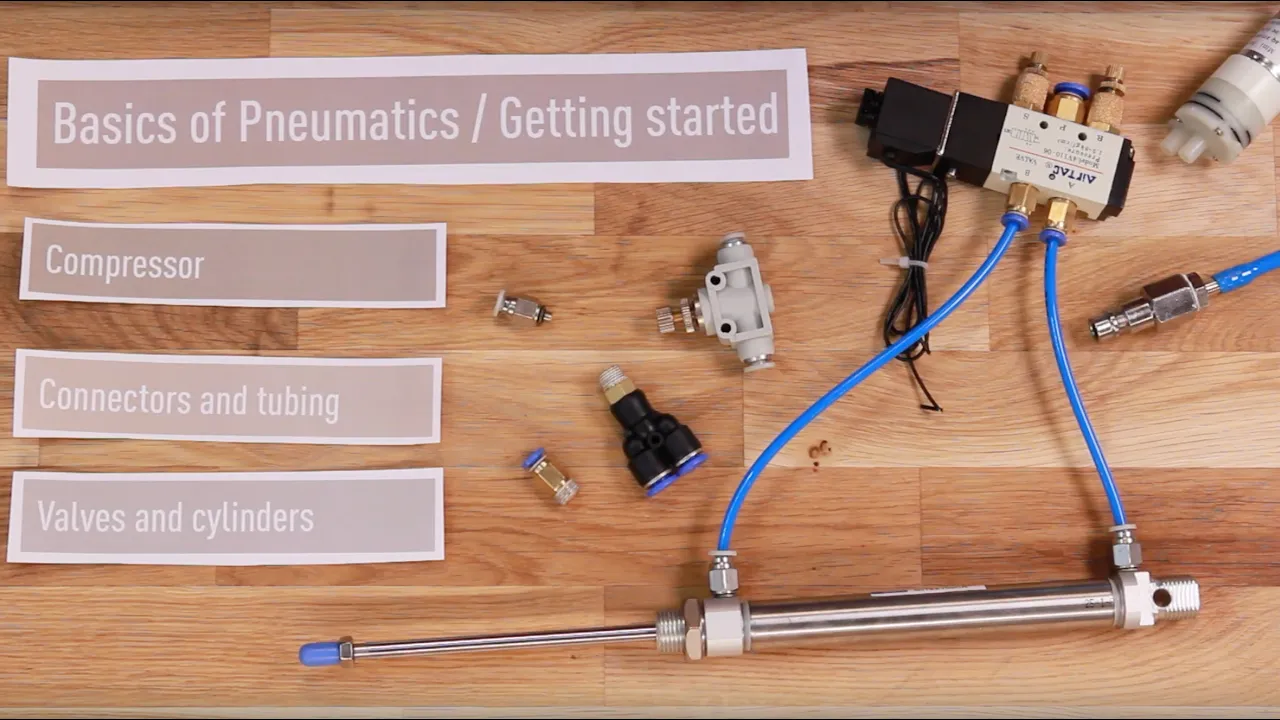
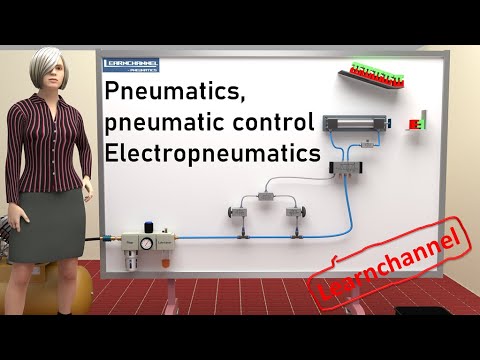
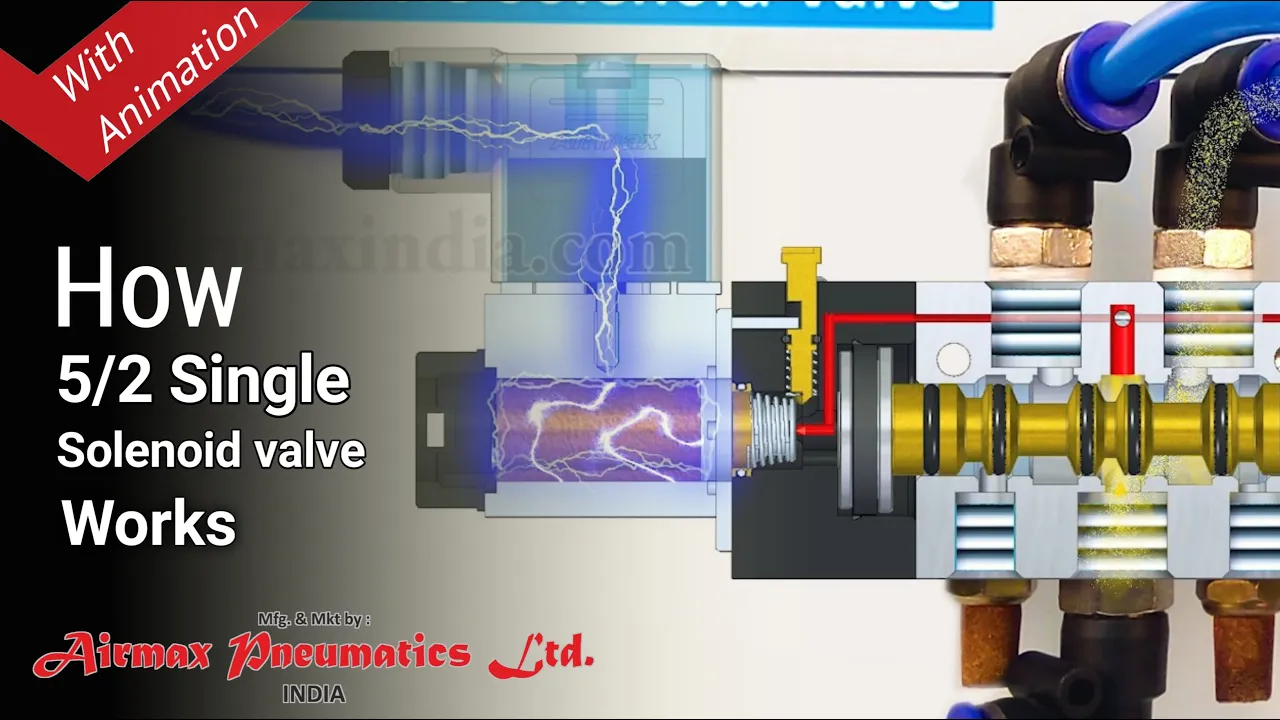
Fundamental principles of pneumatics, including pressure, vacuum, airflow, and the function of solenoid valves.
An introduction to soft robotics, focusing on how compliant materials differ from traditional rigid-bodied robots.
Basic C/C++ programming concepts, such as loops, conditionals, and functions used in hardware control.
Design and fabrication methods for custom elastomeric actuators, such as silicone casting and PneuNets structures.
Implementing closed-loop feedback control in pneumatics using pressure sensors and PID control algorithms.
Studying the kinematics and mathematical modeling of soft, continuum, and hyperelastic structures.
Exploring real-world applications of soft robotics, such as delicate bio-inspired grippers, wearable assistive devices, and medical devices.
395 views9likes22:21Original Release: 2019-07-12
all right hello everyone I'm Amitabha and I like to make stuff some of the stuff that I have made is a height sensor for elephants the green thing that you see over there is a six and a half foot PCB the final version was a 13 foot PCB that took me about a dozen movies to solder interesting experience I made super suit which was kind of like laser tag for the 21st century I embedded sensors and lights into concrete and of course I made a concrete soldering stand for my soldering iron but today I'm here to talk about programmable air which is an open-source kit for controlling pneumatics for soft robotics and inflatable soft robots what is soft robotics you ask that's not it soft robotics is the field of robotics that deals with making mechanisms out of highly flexible materials and it's seen growing applications in industrial automation and for prosthetics I started programmable air in Carrie loves soft robotics class Carrie literally wrote the book on soft robotics and for the final project I wanted to make something like this this is a crawling soft robot that came out of Howard back in 2011 I was like wow this thing moves so animated and I just want to make something like this and I started looking into it turns out it's pretty simple to make something like this you can just 3d print a mold and pour in some silicone and yeah you can make something for a hundred bucks that's as good as something coming out of a top-tier University but it's controlling the soft robot that's very difficult and these were kind of the only two controllers that I could find and they're like designed by researchers for researchers you know $1000 big clunky difficult to use and so I decided I want to make something for hobbyists to control soft robots with did some research you know design a circuit board did some prototyping and pretty quickly I had a working prototype and you know I could inflate and deflate a balloon so at this point the engineer in my brain goes the job task done let's move on to the next thing but where I saw just a balloon going you know inflating and deflating here my friend Kim saw a sculpture this is foxy Lovelace sculpture about female sexuality with accentuated lips which it does not allow you to touch when you approach it it blows a bubble and then when you move away it sucks the balloon back in so it's like y'all okay I'll explore some more so turns out you know pneumatics is pretty fun you can make up a can place machine pretty easily so you know suddenly the speed of making boards went up by 50% you know pneumatics is counterintuitive as well this tiny pump can lift me up just put a zip lock bag under your feet and it'll just lift you up like it's insane gear ratio anything that has air becomes a sensor so this is mr. Piggy generally a squeaky toy but currently controlling these lights and the cool thing is that it's very scalable like you can totally imagine this squeaky toy being replaced by a bouncy castle and suddenly the lights are in sync with their jumps right it's like yeah that's cool I should share this with people so I took it to make affair where people seem to like it I got some validation the maker community seemed to like it as well so I was like yeah you know excited I was like okay open source all the way write down all the documentation I made the code super simple like literally just blow suck went read pressure and you can you know start controlling a soft robots by the way you guys dark-themed on the Arduino get with the dark team on the Arduino IDE please okay so I documented it really well and this was one of the happiest days of my life and I was just i programmable air into the odd you know list of manage libraries I was like oh wow look at that my thing is on our do you know and you know I put a website up and as all right now people will start making their own programmable air boards and you know they'll start making fun projects at that but of course things don't work like that turns out if you want people to use your things you have to sell it to them so that they can use it so I started manufacturing this thing by hand in my tiny New York apartment my nice little Black & Decker which if you said to medium toast then it bakes pcbs pretty well and pretty soon programmable they was all over the map literally you know shipped it out all over the place and importantly people use it to make interesting projects enough interesting projects in fact that when I try to put all of them in chrome crashed so this is not even nearly all of them and there's no way that in this talk I can do justice to all of them so instead I'm gonna just give you a flavor of what some people have made using programmable there are enough who's a friend of mine made flexo flexo are plug and play soft actuators for the vex robotics system and so with that you can for example make this grabber and it's gonna pick up this thing and then move around a little bit and controlled by programmable air you might have seen this hand in the demo upstairs or on Twitter around also made with Fleck so this is Julia she made a silicone heart as a part of her ongoing artistic practice called mechanics of being human and she's controls that you know the beating of the heart which is programmable air Rashidah made birthday cake 3000 which is a birthday cake with some straws and edible glitter inside them the entire cake is a capacitive touch sensor so when you so when you cut it it sends her a little puff of air and edible glitter just out of the cake the name 3000 is for the 3,000 milliseconds of delay between you cutting the cake and the air coming out like yeah edible pneumatics that's interesting LD made an inflatable bra turns out 25% women suffer from asymmetrical breasts and her project aims to make a breast that's like adjustable so that it supports both breasts equally Aditya who I couldn't find a photo of makes origami he invented that origami dr. strange there but we worked together to make an origami gripper based on something that came out of MIT Media Lab MIT csail in March of this year and tones are like very easy to make something that can that weighs only a couple grams but can lift a kilo of weight so yeah these were some of the interesting projects that came out of now if I had my speaker notes I'd know what to say here but so we know some of what is possible with programmable air let us now see how it works pneumatics as it turns out pretty non-trivial and for some reason or the other not yet impressed by the maker community so it was a lot of like figuring out things as I was going so how do you control a software bar it has one line of tube going into it and you want to be able to push air in pull it out and you'll read the pressure and let it exchange it with the atmosphere as well so this is kind of what I came up with you have a compressor which is trying to push air in this direction you have a vacuum pump which is trying to pull air out of it this is a valve that will allow air to pass in this direction this is a valve that's closed and it will block any passage of air that's your soft robot and that's a pressure sensor okay so now let's say I want to push air into my soft robot I can have this connection and now this valve is open this compressor is pushing air into my soft robot then if I want to pull air out of it I can switch on this valve close this one and now a vacuum pump will pull out all the air and then if I switch on this valve I can let it freely exchange mas fear and all the vile this pressure sensor that's always connected to my soft robot through a single tube is giving me feedback on where what the state of my actuator is right and this is something that I'd like to call full channel air control it's not something that I've seen used anywhere else so I kind of invented it I guess but I like to think of it as the base of like you know the very base of the most minimal thing that'll allow you to do everything that you want to do with your soft robot you cannot remove any of these components and have a fully functioning system so for example people have tried doing things that with two-way valves and reduce the number of valves required but then that doesn't allow you to be able to close all of these valves and completely switch off your system you cannot remove the pressure sensor for example if you remove this atmospheric pressure valve you lose the ability of compensating for the changes in atmospheric pressure with this what you can do is like in the beginning of your code you just switch on this valve for a few seconds take a few air pressure readings everything is based off of that threshold pressure and your code works the same whether you're in Portland OR in New York or on the top of Mount Everest so this is programmable air it's based on the same four layer channel control so you have these two pumps they pump they can act as compressor or vacuum pumps so they pull an air from one end and then push air out of the other end and then you have these three valves and they allow you to control your soft robot so some interesting design challenges came as I was designing programmable air these pumps for example you might not have seen them you know put on a circuit board like this ever before and that's because they're not meant to be mounted like that and when I did mount them they would tend to the leads were just tend to vibrate and break off so I was like okay I can put some hot glue below it and this glue it glued to the PCB and that worked fine for a couple of months but then the motor gets hot and eventually cures the hot glue into a thick dark brown material that's not sticky or vibration dampening at all so now I'm using silicon as like pneumatics is difficult you guys electronics themselves by itself is difficult because you know when you're designing a system you have to make sure that all of your components are rated for the same voltage values and the same current values pneumatics especially electro pneumatics adds the fact that they have to support the same pressure range the same flow rate and then they have to same that have the same nozzle size right and so try as I might I couldn't find a way where some cheap components put fitting together with the same nozzle size so for example my pressure sensor had this really tiny nozzle and everything else had a bigger nozzle so I was like okay I know fusion 360 I'll design this adapter that goes on top of my valve and then my thick tube will come in here and then a tiny tube at the bottom is like so happy with myself yes I designed this system and then I had a good night of sleep and then I realized this is what I should be doing which is there's a little tube of of a different diameter that I just put on the pressure sensor that increases the thickness of the pressure sensor then put in my tube and there's just zip tie it and that works so much better as so much cheaper yeah and I wanted it things to be just like you know good easy for the user to use for example these buttons are color-coded their few buttons on the back as well and they're all a different color so that in the tutorials I could just be like press the red button instead of press button number two right and turns out there's just one Factory in China that makes like colored buttons that are this tiny and I had to track them down and they're giving me these buttons as a loose bag right not on a tape and reel that I could feed into an epic in place machine so paying extra for that but you know I think it's worth it I think that not in of development boards well maybe now they do but a year back Norton of development boards had some kind of user output so I put some new pixels so that the user could you know just quickly see some feedback from their system and then of course the things I thought were not hard enough already so I made it harder on myself so version 0.5 and point six looked pretty similar but in point six all the capacitors are oriented world vertically and all the resistors are reinterred horizontally did I need to know that not at all I'm so happy that I did it so much more elegant nobody knows the difference except for me yeah so I feel like all the engineering challenges have been solved and programmable air is live on crowd supplier as we speak and you can go on the website and purchase that and it comes in this beautiful foam case which honestly I am sometimes more proud of than I am again not my laptop yeah this this case took a lot of late night we chat conversations but yeah and you can you know make some little soft robots with the kit but a great product is just that any open-source project really depends on the community so I've been taking workshops and just talking to people about how they can use pneumatics in their own projects and I've been writing tutorials on you know how to make some soft robots and I've been trying to work with some other organizations open soft machines for example based out of University of Tokyo they make these amazing recipes for like soft robots that you can make out of just polyethylene tubes and ziplock bags and we're working together to make you know programmable air open source open soft machines kits noise and then my friend Joe from proto sauce invented probably the most flexible 3d printing filament and we're working together to make a service where you can essentially design your soft robots and get them 3d printed directly to you without ever having to do any assembly touch silicone or do anything else so yeah that's that's something to look forward to last month NASA tweeted this this thing they about you know using soft robots for exploring space and I was like whoa yeah that's great you know more people should get into soft robotics and then when I looked into the blog I saw this ridiculous mess of a thing that's like multi-thousand dollar equipment controlling this pretty simple soft robot it's like no you guys do it this way so that's a very similar soft robot being controlled by program over there and yeah I hope that I hope that you know more if you think about soft robotics the next time you want to get some linear motion instead of thinking about a leadscrew think about a syringe so yeah that's that's me I'm all to learn more about your projects and I talked about how you can incorporate soft robotics in them yeah at this point I'd love for you to ask any questions if you have them thank you [Applause] [Music] yeah okay so yeah see this is one of the things that I totally forgot about mentioning because I didn't have my slides one of the big things that went into programmable air was mostly the whole of the project the engineering design was just cost reduction so the pumps for example our pumps that are used in blood pressure cuffs and breast milk pumps and they are because they're generally used in the medical industry they're pretty high grade and the rubbers at all the flexible material that's used in there is pretty insensitive to chemical reactions the valves that I'm using are used traditionally in Keurig machines so they can handle water they can have in there pretty robust so I wouldn't be surprised at all if you just hooked up a propane tank to it that you'd be able to handle it the pressure inside I don't know about propane particularly I know butane the pressure isn't all that high it's not much more than not much more than one atmosphere old pressure so you can the valves can definitely handle it yeah and I like the direction that you're thinking but I will not be legally liable for anything you do with the smart man yes here I didn't get a chance to look at the API very closely yet when you do the blow and suck can you control like how strongly or is it just on/off so you can control the speed of the motors and essentially how how how quickly the motor is pushing air or pulling in air the valves themselves are just on and off toggle valves and it takes about 20 milliseconds for them to permit from you saying you know toggle to them doing the thing so you can't like PWM the valves and work that way you can do what you can do is so pneumatics the analogy of electronics to pneumatics translates pretty easily so motor is essentially a battery or a pressure source a tube of a particular diameter has a particular resistance and any volume of air is essentially capacitance so when you want to get when you want to convert a PWM into an analog value you use a capacitor right same similarly if you wanted to get a particular pressure just attach a coke bottle to act as a capacitor and then just and then just switch on and off the valve to get a particular pressure output in the bottle I was just curious so during your like inventing process and figuring out how everything was gonna work were there any resources you used as informational that you found really interesting like maybe like scrolling through patent information that's available to try and find ideas and like Nisha's and corners was it mostly just trial and error yeah I'm trying to think back this was almost a year back so it's difficult mostly what I did was I because the patent information is great and I did a lot of that but it's it doesn't translate at the end it was just a race to reduce cost I knew this things was possible because there were products that were doing that for $1000 so for me it was important to just tap into mass markets so basically most of it was just scrolling through Alibaba and Aliexpress and just you know being like okay this is this and just ordering dozens of pumps and valves and being like does this work with that how much pressure can it support and these things don't really have data sheets so is like you know okay I hooked this up to that and that leaks so probably not compatible yeah if there are any more questions I think we can take them outside as well oh that's the most important question yes you have three days four days to act four days to act you guys buy it now okay thank you very much [Applause]
Up Next

4:03
Testing a Treadmill Motor as a DC Generator for Hydro and Wind
@CaseyColando
120.3K views•2009-09-09

12:54
Triumph of Orthodoxy Icon: Byzantine Art & History Explained
@BenCallan
2.1K views•2024-08-06

9:49
FastAPI vs Flask vs Django: Choosing the Right Python Web Framework
@TechWithTim
302.5K views•2024-05-26

1:42
Game of Thrones Opening Credits: A Cinematic Analysis
@gameofthrones
46.3M views•2011-04-18
Related Study Plans & Knowledge Roadmaps
Structured learning paths in General & Interdisciplinary Studies
general-studies
Elevator Engineering: History, Physics & Cities
01From Hoists to Safety Brakes: The Dawn of Vertical Lift
02Hydraulic vs. Traction: The Engineering Physics of Elevators
03Modern Speed, Safety, and Algorithms
+ 2 more learning modules
12h5 modules
Explore Roadmap
general-studies
Rubber: Material Science, History & Geopolitics
01Origins of Natural Rubber & Mesoamerican History
02The Chemistry of Natural Rubber & Vulcanization
03The Geopolitics of the Rubber Boom & Colonization
+ 2 more learning modules
12h5 modules
Explore Roadmap
general-studies
Containerization: Evolution, Logistics & Trade
01Ancient Trade & Bulk Cargo: Amphorae to Barrels
02The Industrial Revolution & Cardboard Packaging
03The Containerization Revolution: Malcom McLean
+ 2 more learning modules
12h5 modules
Explore Roadmap
general-studies
Textile Tech: Evolution, Labor & Global Impact
01Pre-Industrial Textiles: Handloom & Cottage Industry
02Mechanization: The Spinning Jenny to the Power Loom
03The Factory System & Global Labor Transformation
+ 2 more learning modules
10h5 modules
Explore Roadmap