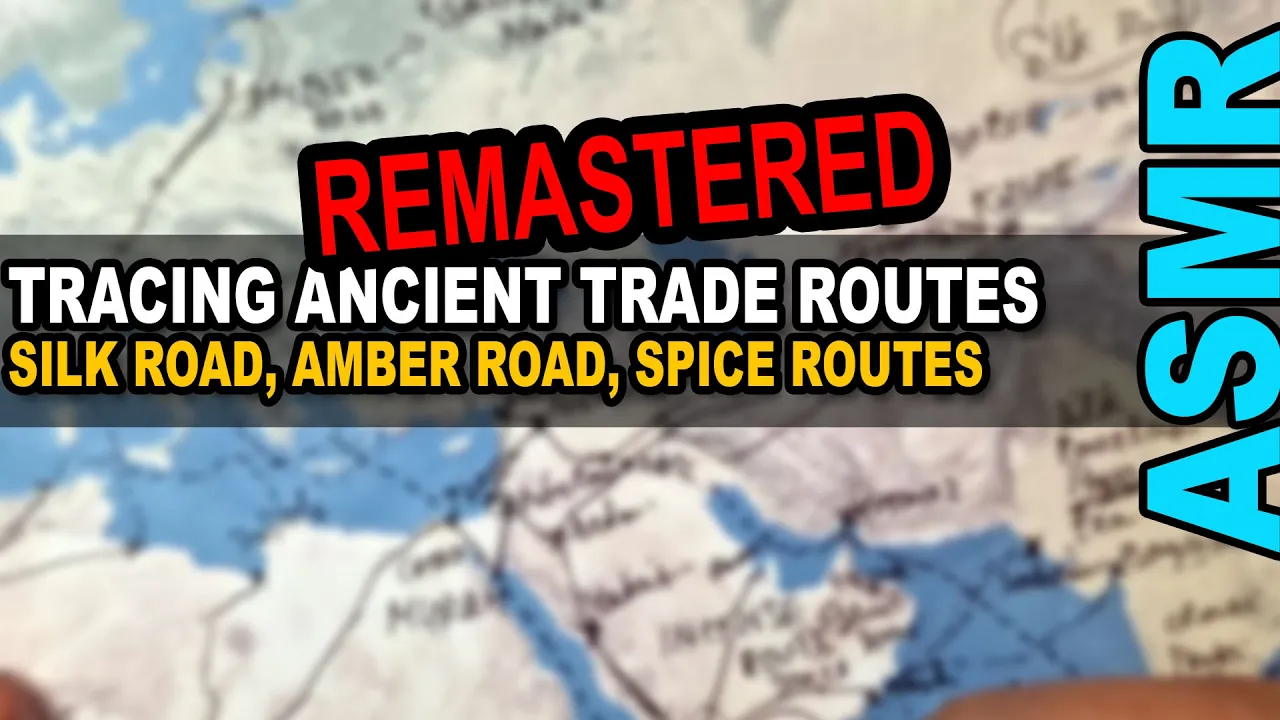


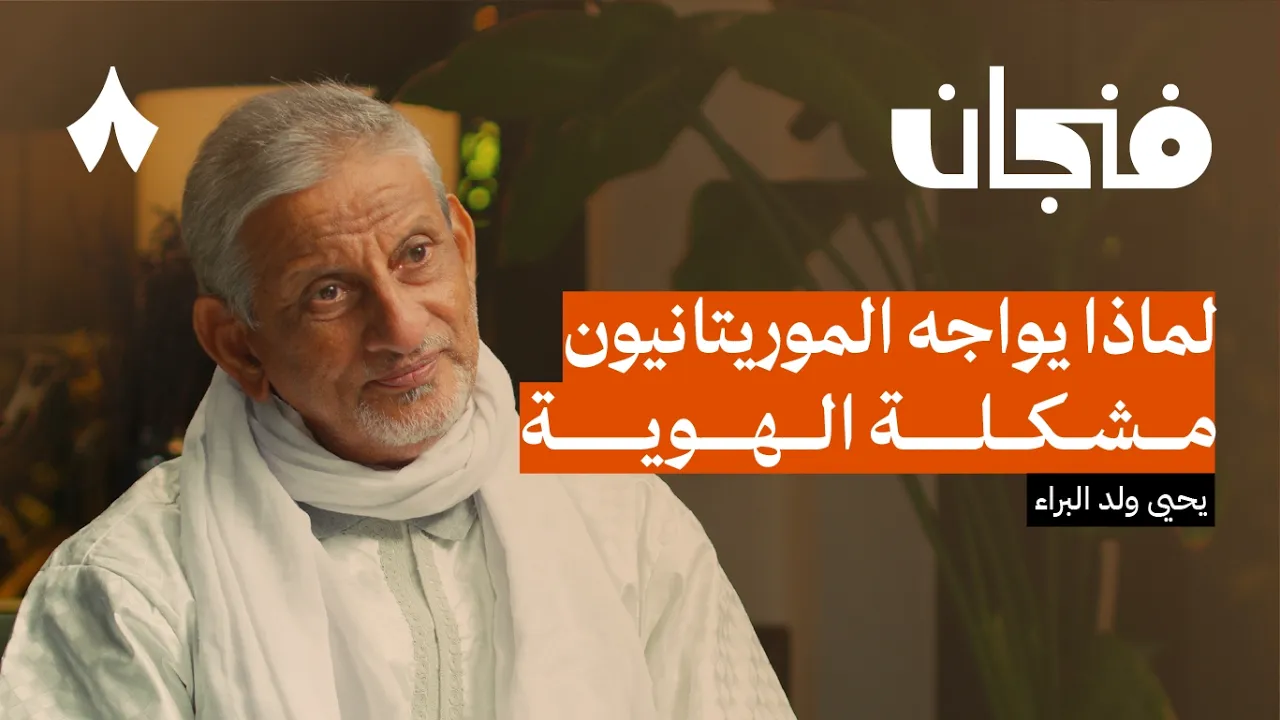


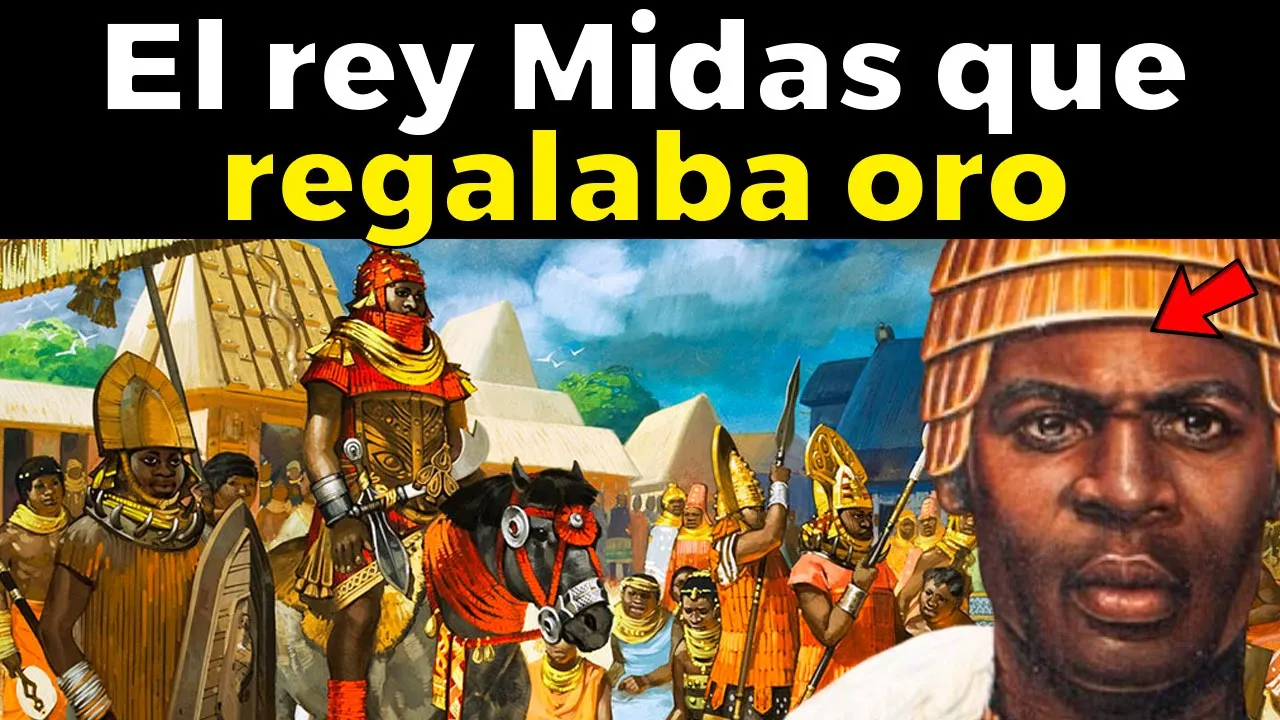


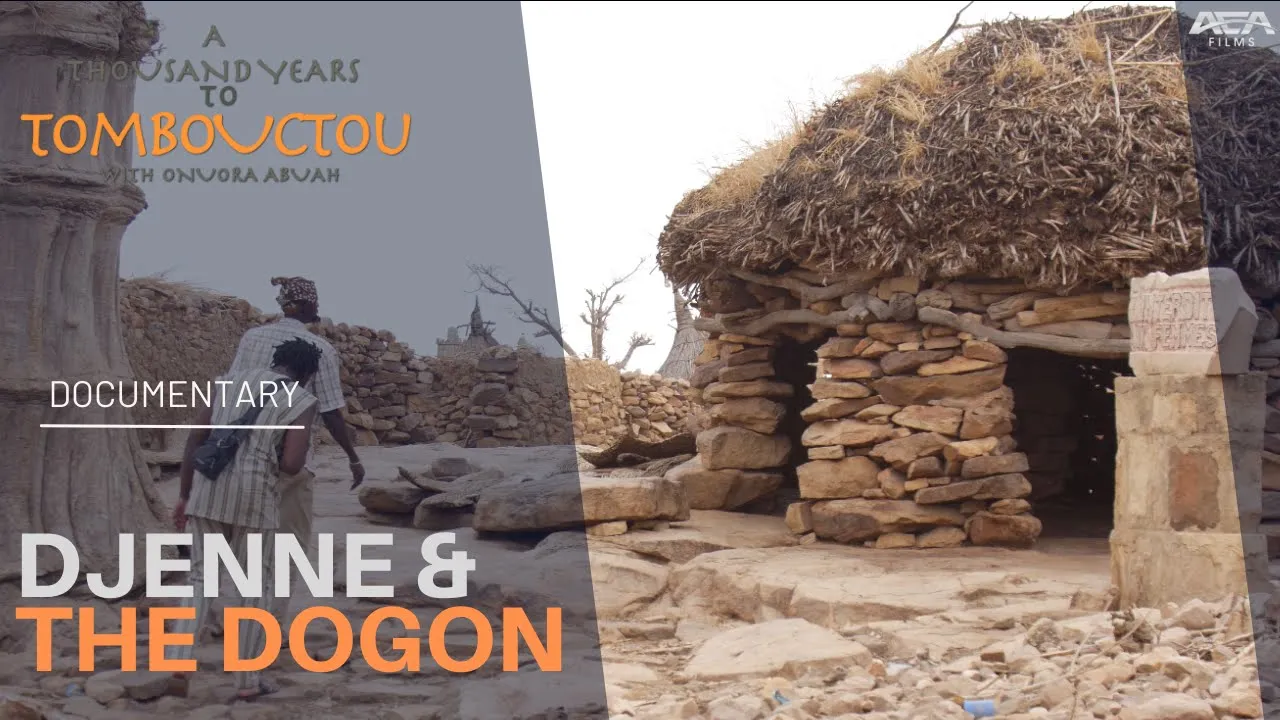








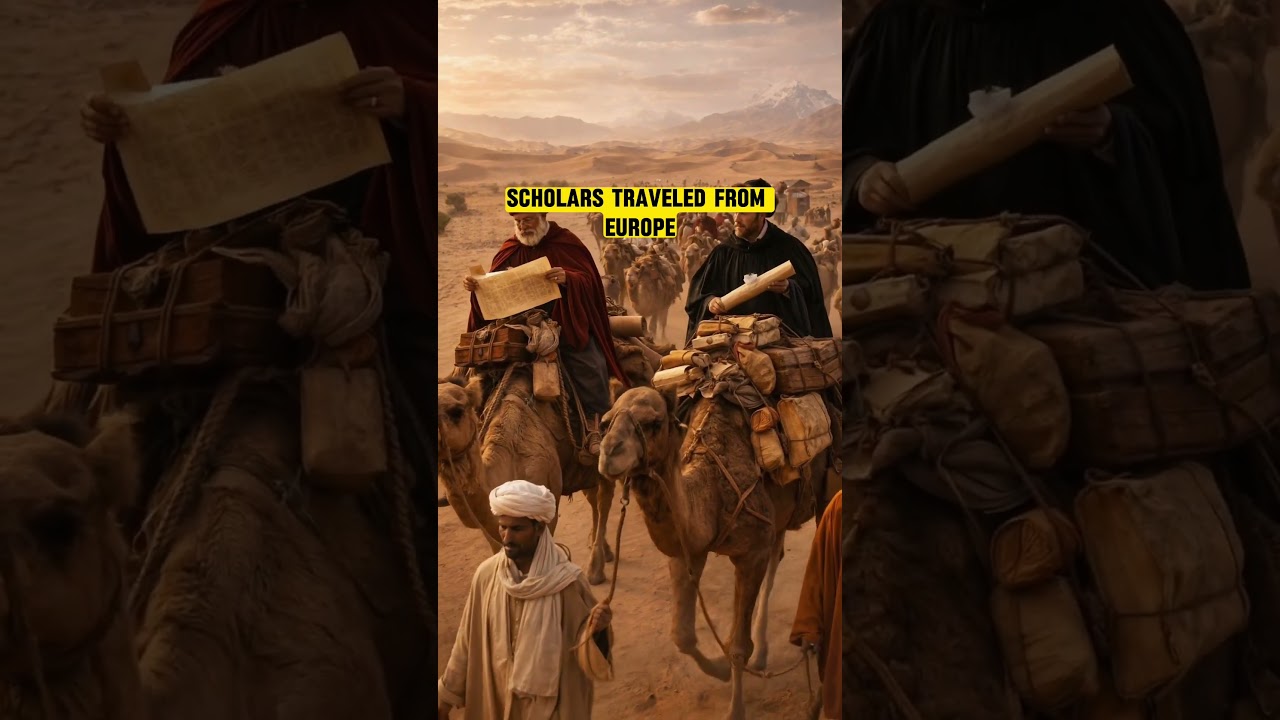


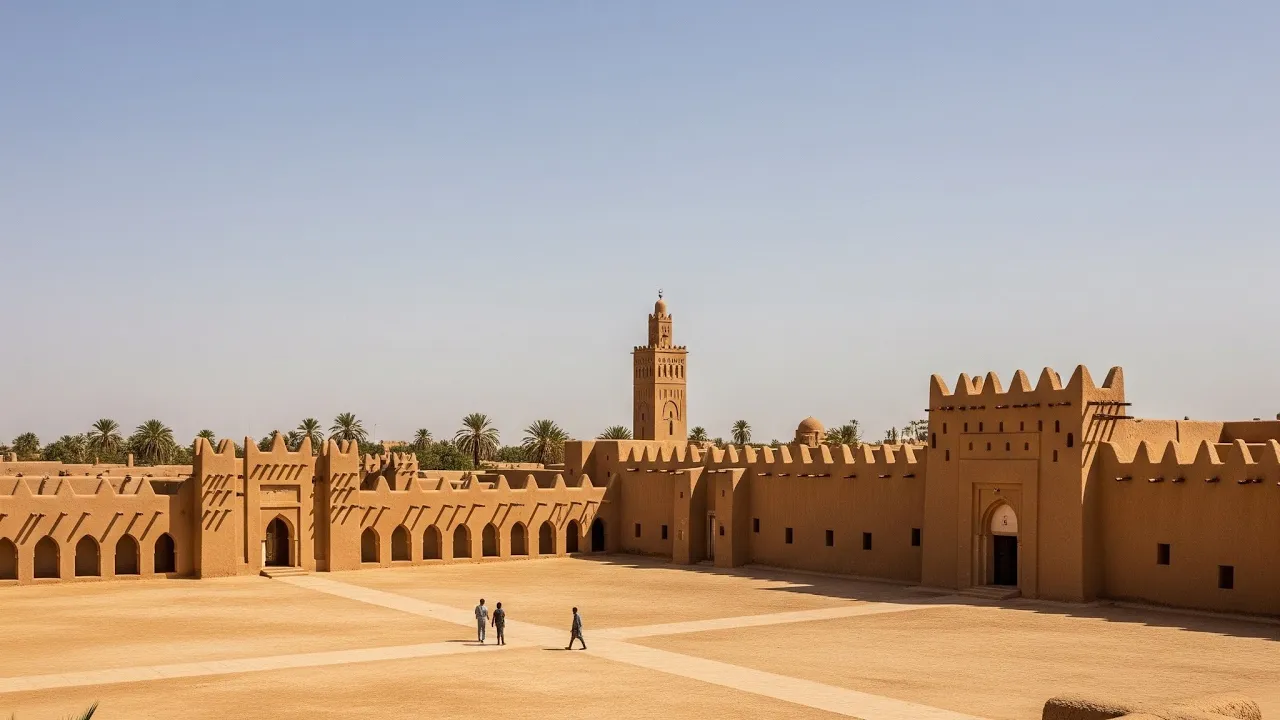
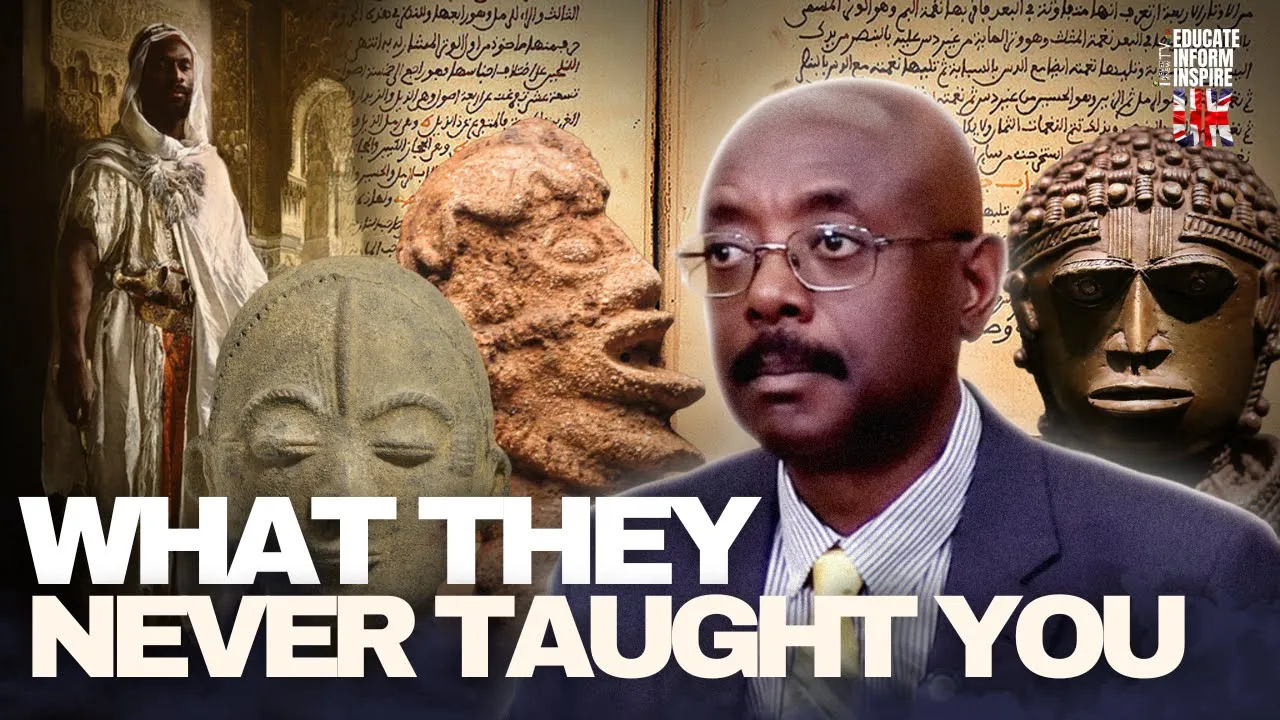

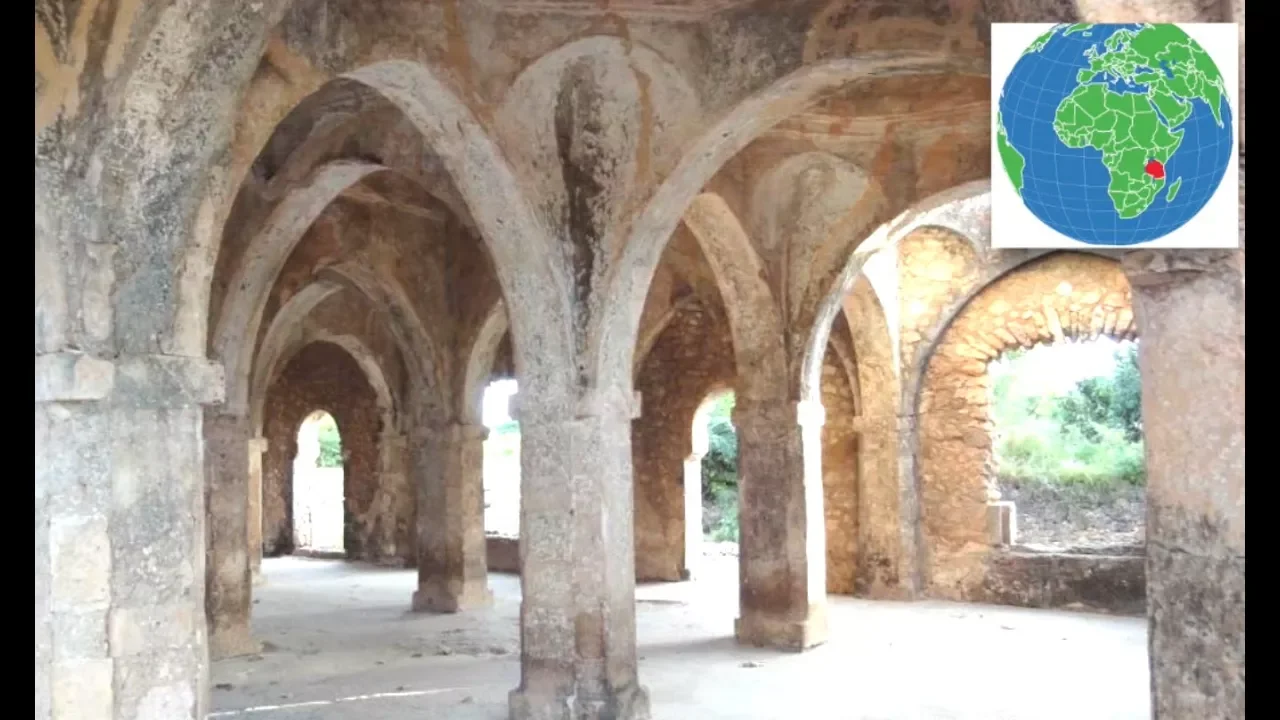
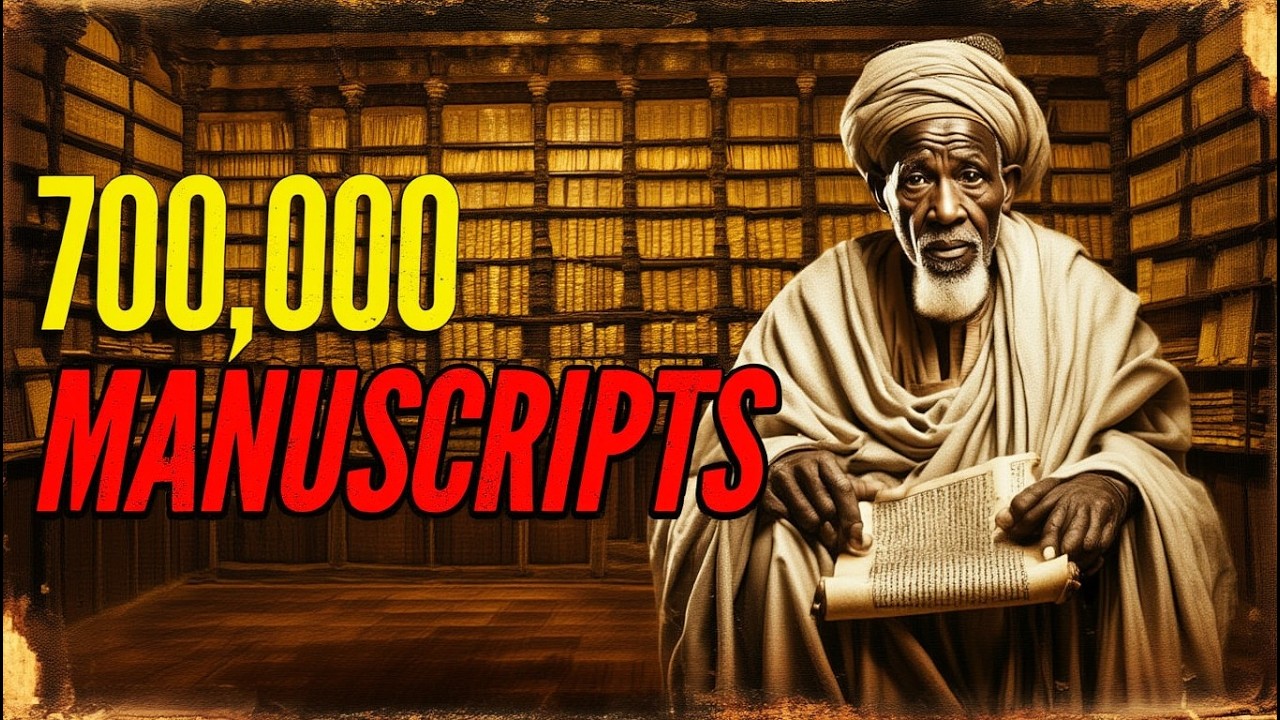

Timbuktu, originally a trading post founded by a Berber woman named Buck near the Niger River, evolved into a premier center of Islamic learning in the medieval Mali Empire, reaching its scholarly peak in the 16th century when the Sankore University housed 25,000 students and achieved 100% literacy in Arabic, with scholars studying an integrated curriculum combining religious studies with astronomy, biology, chemistry, medicine, and mathematics; this intellectual legacy, preserved through thousands of surviving manuscripts, challenges stereotypes about African ignorance and demonstrates that West Africa produced sophisticated Islamic scholarship that connected with Cairo and Fez while influencing scholars across Africa and the Americas.
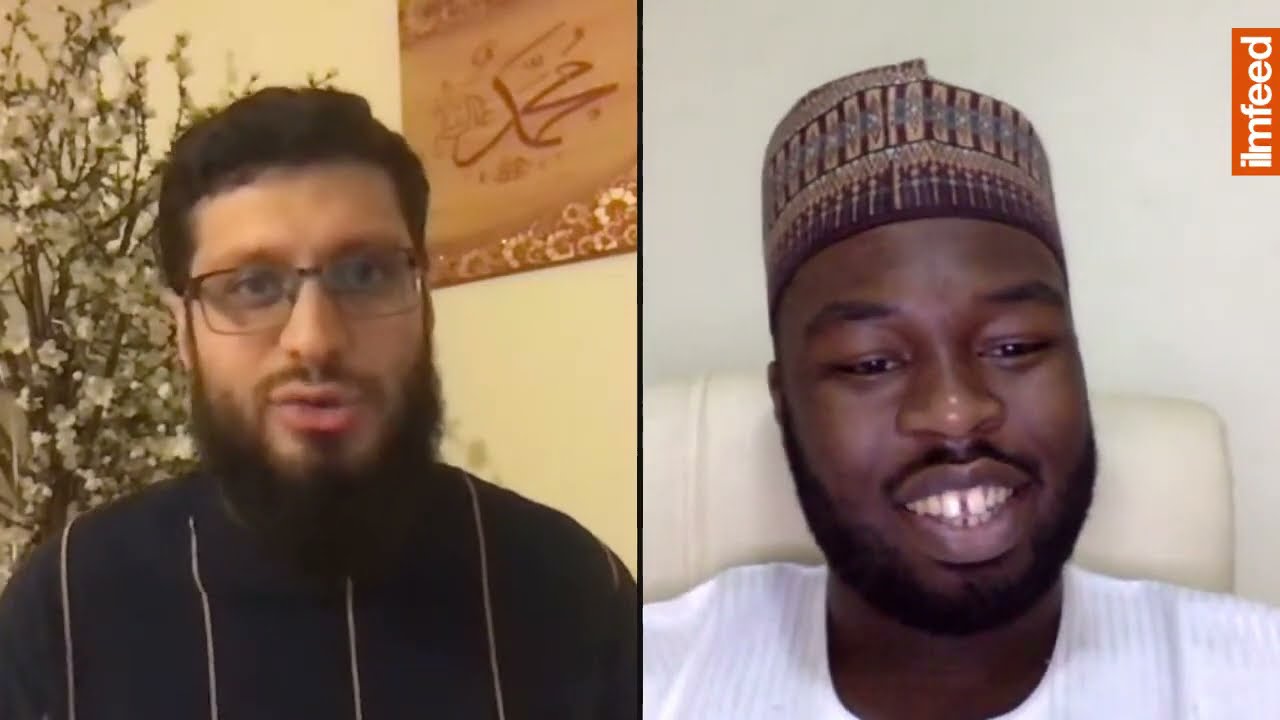
Timbuktu: West Africa's Empire of Knowledge | Dr. Abdullah Hakim Quick
Added:The geography and economic significance of the Trans-Saharan trade routes, particularly the gold and salt trade.
An overview of the rise of the Mali Empire, including the influential reign of Mansa Musa and the empire's wealth.
The introduction and spread of Islam in West Africa and its role in shaping regional governance, trade, and education.
The general structure of medieval Islamic education systems, including the concept of Madrasas and scholarly lineages.
The transition of power from the Mali Empire to the Songhai Empire, and how the Songhai preserved and expanded Timbuktu's scholarly institutions.
The scientific, mathematical, and astronomical advancements documented specifically within the thousands of surviving Timbuktu Manuscripts.
Modern conservation efforts, digitization projects, and the geopolitical challenges of preserving West African manuscripts in the 21st century.
A comparative analysis of Timbuktu's universities (such as the Sankore Madrasah) with contemporary medieval European institutions like Oxford or Bologna.
The impact of colonial historiography on the erasure of pre-colonial African intellectual achievements and how modern historians are correcting these narratives.
14.2K views406likes13:35Original Release: 2017-10-26
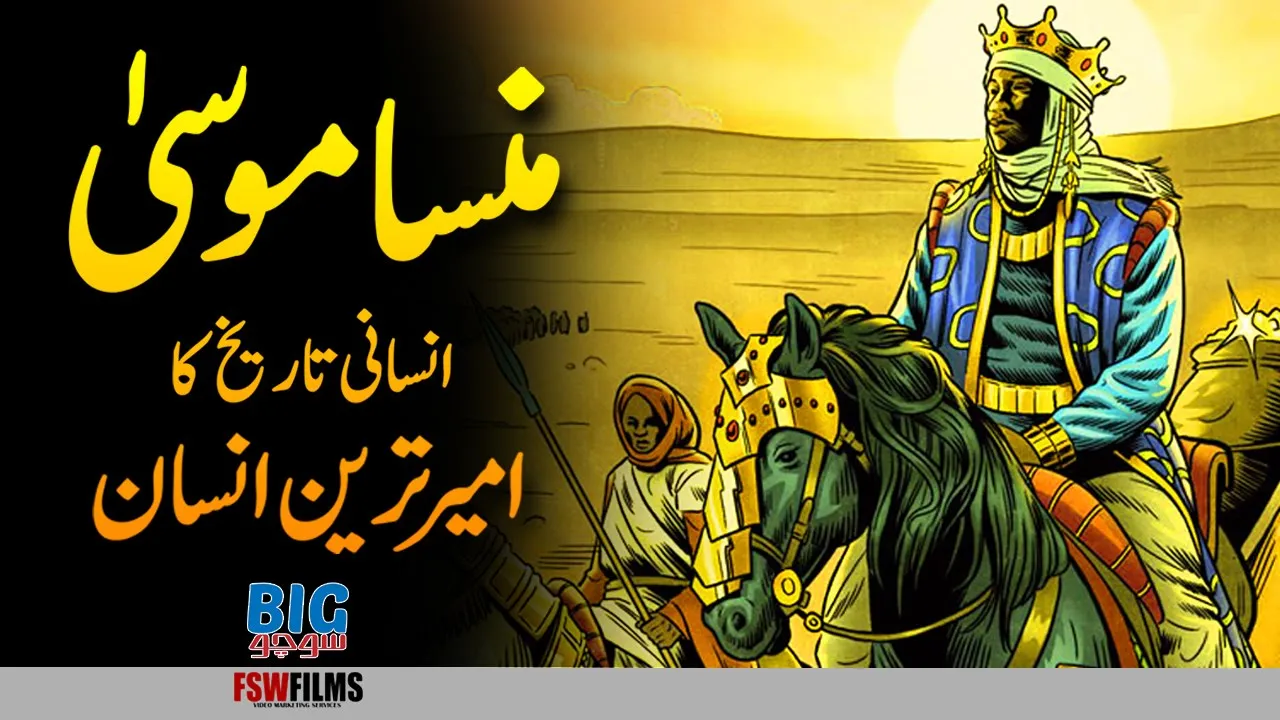
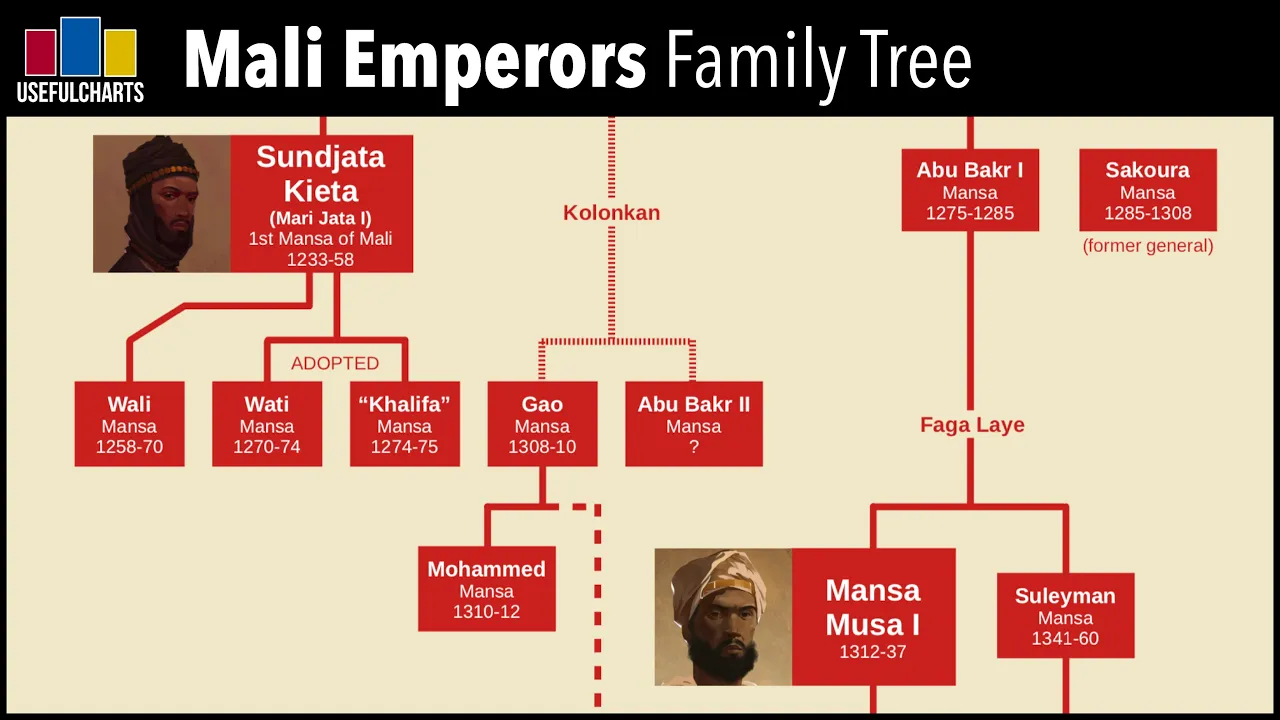
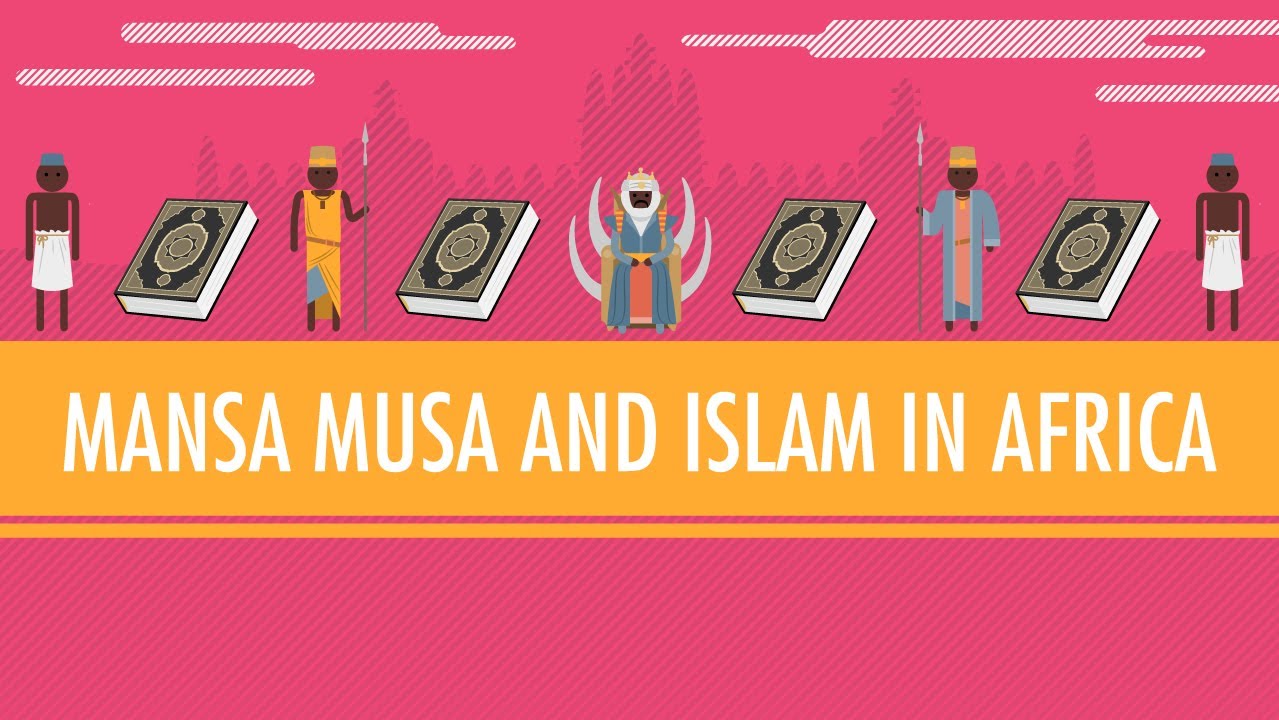
welcome back when we think of the Muslim world we usually think of the Arab world and surrounding nations often we overlook areas like sub-saharan West Africa home to millions of Muslims today we'll look at the history of Islam in that region with a particular focus on Timbuktu an important center of learning in the medieval Mali Empire to embark on this historical journey we're joined by dr. Abdullah Hakim quick dr. quick is a senior lecturer at the Islamic Institute of Toronto head of the history department of a lager Institute an outreach coordinator for the Canadian Council of Imams he holds a PhD in West African Islamic history from the University of Toronto dr. Abdullah welcome till at the grand speak Salaam walekum Salam alaikum wa salaam where i'm gonna let you work at it so your PhD was in West African Islam from the University of Toronto what really brought your interest to that region well basically as an african-american you know we have a search for roots because African people were brought into the West you know as slaves and political prisoners and so within the period of slavery and colonialism we lost their identity and so it's a natural thing you know for an african-american whether from Canada US Caribbean South America to search for family language you know and roots so that really was you know my search you know as sort of a life journey the study of the U of T is only the academic path but really the passion is from my own family and from my own desire okay so we wanted to zoom in a little bit in this interview on Timbuktu because it sort of symbolizes the culture of learning that took place in that region in Malley was it called Malley at that time it was the amazi or the Berber people the San Hodja who take you across the desert so they are the original inhabitants of the Sahara region and it was literally a sea of sin and when the Muslims came they developed trade routes to go across and so they would with them as if people the Sun Hodja they would go across and there were certain key cities below the sea of scent that were the places of trade because right below the sea of sand is the niger river and below the niger was the largest gold deposit on earth at that time active gold deposit and so therefore the trade from those cities was a bristling trade and they became you know really wealthy at that time and so the Berbers you know the arabs and other muslims you know will be in the north the Berbers take you across and then at these cities that were the basic trade ports the local people would be the Fulani the house of the Mandinka the Susu the Wolof all of the West African nations you know they would meet at these trading posts and the leading trading post was Timbuktu Timbuktu originally did not exist when that the desert people who are sometimes called to Arak when the men covered their face in the desert so when they would come down to the Niger River they were getting sick from malaria mosquitoes so a very intelligent woman who was a merchant her name was buck - and so she made a base for the eggs to bring the goods which was about twelve kilometres north of the Niger River it doesn't have to go all the way down to the river right so they dug a well and in the tamasha language which is the berbil one of the Berber dialects Timbuktu means the well of buck - okay so literally it was a base of you know trade around the well because water is life and so then it grew larger and larger and then it became like you know the premiere destination you know for the caravans mm-hmm then the scholars came from the mandingo people from from way over there western side and the Empire of Tokoroa around the 11th century they had embraced the slum and there was a very famous group of Muslim activists of merapi - who came from North Africa and they spread Islam and so the Empire of tequila and then Ghana not present-day Ghana but Ghana over there they were the early empires another one called gaol right so this year talking 11th century 12th century okay out of those came the Empire of Mali and this is where the gold trade you know and Timbuktu as a base built up Mali until it became the major Empire so this is around its height was around the 14th century okay and what was the Empire of Mali in it entirely a Muslim empire or was it at a certain point that it became yes it was predominantly Muslim but there were other nations as well that lived within Mali because it was a trade base but it was controlled you know by the Muslims it was predominantly Muslim and it actually got you know some notoriety recently because they were looking at who were the richest people in history so they looked up you know Bill Gates Rothschild Rockefeller the Nizam of Hyderabad and you know certain people who had a lot of gold and diamonds right and number one was a Mansa Musa and Mansa Musa was the emperor emperor of Mali around 324 1324 he made pilgrimage to Mecca and he carried about sixty to seventy two thousand followers Wow he had fifteen thousand camels laden with gold like they had so much gold when they depict munsi it's like an orange and they sound like big pieces of gold right and so every place they went they changed the economy and finally they came up to Egypt and they made pilgrimage and on his way back he built a mosque everywhere and and schools and he brought back scholars from Egypt which was the center of learning at the time Cairo he brought back scholars and so he revolutionized Islam there how did he get so rich was it just the fact that that area was so had so much gold yeah I mean literally they controlled the coal mines below the Niger River okay and it was a secret nobody could go down there only their people could go down and it was like active gold mines they're like literally digging out gold like grapefruits and oranges you know sending it across and gold as the international currency so pound for pound he was the richest person who ever lived on earth pound for pound and and and this is important because that breaks the stereotype of African people as very poor and African nations as poverty-stricken nations and for a long time when you use the word Timbuktu hmm you think of somewhere out in space okay go to Timbuktu you know mean go to the moon yeah but Timbuktu by the 16th century it became it switched from just being you know a trade based city into scholarship because they're in the middle of the desert so the most important thing to them was gold and then books they got into books they got into learning and so by the 16th century you have the sank or a university had 25,000 students Wow that's 1/4 of the population and it is said that at that time in Timbuktu every house had half of the Quran who had memorized the whole Quran the book of Scripture of the Muslims it was a hundred percent literate in Arabic every single man woman and child could read Arabic and speak it along with their local language and where they focused that at the University there was it entirely on religious studies or were there other scientists being studied as well yeah so for them at that time you know they would study the Quran but they also studied astronomy biology you know chemistry medicine math you know it was an integrated curriculum with the Quran and with Islam as the base of the thing so it was integrated and and that's surprising and I even found that back in the 16th century in the famous book of the history of the Sudan of Assadi he talked about one of his relatives who went for a cataract operation and it was successful where was he coming from from a different he was from West Africa there he went to a place called gen 8 which is right next to Timbuktu mm-hmm so they were literally doing cataract operations they were on high level astronomy and that's shocking to a lot of people who look at West Africa and Africans as being ignorant and knowledge coming from north south so that's part of the thing of knowledge being in the south and going north ok so it's a different concept altogether so what would you say is the legacy of Timbuktu and and how did it transition into modernity so Timbuktu really was the capital of knowledge I called the Empire of knowledge in West Africa and from there you know scholars went to different parts of the region all the way over to Central Africa and of course and North they were connected to Cairo and Fez and you know whatnot so it's that central point and surprisingly enough we even find from the slaves and political prisoners in the West African people who were captured scholars from Timbuktu there's a scholar in Jamaica who was actually from Timbuktu and you find in Brazil and other parts as well so the scholarship went out from there you mean in the early part of the transit transit Atlantic right from the transatlantic slave trade all the way until then but the problem was you know that the 16th century 17th century that's the height mm-hmm now 18th century you know by that time things are changing and the trade routes are coming in the oceans and so there when a European car you know colonial system develops the Sahara Desert is no longer a good base you know for your trade so the trade went down and most of the trade was going down to the coastline now then secondly by the 18th century 19th this is when the French came in and they colonized and the British they colonized and so Timbuktu went down as a city so by 1898 or so Henrick bath is a famous traveller and this is part of the International Travel groups they you know they they want to travel the world and instead Ladino then he was offered a reward by the French you know to reach Timbuktu because no non-muslims were allowed in Timbuktu for about 400 years so who would be the person to go to Timbuktu they made a joke out of it because they couldn't get there but by the time bath got there it was a dusty city and it wasn't the same but what is what is really remarkable about the city is that many of the great scholars of Senegal and Nigeria and other places trace their roots to Timbuktu like Sheikh Othman tanfoglio who I studied you know in my you know PhD dissertation and other great scholars and also the fact that the books many of the books are still in existence so when the former president of South Africa Tablo and beki you know went to Mali on a diplomatic tour they they said we're gonna take you to Timbuktu for a cultural trip and he said ok don't don't joke with me right he said no Timbuktu is real right so they went to Timbuktu and he found hundreds and thousands of documents written by black African scholars so literally a race was on you know - you know preserve these books documentation centers were set up and it's still considered to be an important place there's a lot of politics and fighting going on in that region now but those books are really important and Timbuktu remains you know as a symbol of Islam in West Africa as advancement you know it breaks the stereotype you know the negative image of African people that the people of the West and that Muslims may wrongly have you know about what happened below the Sahara okay great now there's so much more we can say about Timbuktu you did a documentary that's available on YouTube could you mention the title of that if people want to see more yeah so this under my name Abdullah Hakim quick Timbuktu Empire of knowledge you can go online and you can literally download that and watch the journey that we took we took a film crew from South Africa and and I was fortunate to be able to speak with the scholars and this is an important documentary now because after the recent fighting in the desert there many of these scholars have died and they've taken their books to the desert so this is a really historic documentary that was where you can still see the legacy there in Timbuktu okay thank you very much doctor quick hey youtube we hope you benefited from this video if you liked it or if you did let us know in the comments below and if you're interested in learning more check out some of our other videos and don't forget to subscribe so you can get new videos every Monday Wednesday and Friday
Up Next

61:35
Timbuktu Manuscripts: West Africa's Intellectual Legacy
@GreshamCollege
476.9K views•2021-11-22

33:02
The Great Schism of 1054: Causes and Consequences
@SacredCathedrals
113.5K views•2026-02-19

91:57
The Geopolitics of the Ukraine War and the Rise of Global Autocracy
@JordanHarbingerShow
468K views•2025-04-19
17:05
Understanding the Cold War: Superpower Conflicts and the Road to Détente
@OverSimplified
46.1M views•2019-01-24
Related Study Plans & Knowledge Roadmaps
Structured learning paths in History
history
Byzantine Iconoclasm: Theology, Art & Politics
01Foundations of Byzantium and Early Christian Images
02The First Iconoclasm: Leo III and the Crisis of Images
03Empress Irene, Nicaea II, and the Second Iconoclasm
+ 2 more learning modules
9h5 modules
Explore Roadmap
history
Iranian Revolution (Causes, Events & Legacy)
01The Pahlavi Dynasty and the Roots of Discontent
02The Spark of Rebellion and the Rise of Khomeini
031979: The Fall of the Shah and the Climax of the Revolution
+ 2 more learning modules
8h5 modules
Explore Roadmap
history
Mali Empire: Mansa Musa, Trade & Timbuktu
01Foundations of the Mali Empire
02The Trans-Saharan Gold and Salt Trade
03The Reign and Pilgrimage of Mansa Musa
+ 1 more learning modules
6h4 modules
Explore Roadmap
history
1947 Partition: Politics, Borders & Legacies
01Foundations of British India and the Divide
02The Political Negotiations and the Mountbatten Plan
03Drawing the Boundary: The Radcliffe Line
+ 2 more learning modules
8h5 modules
Explore Roadmap