


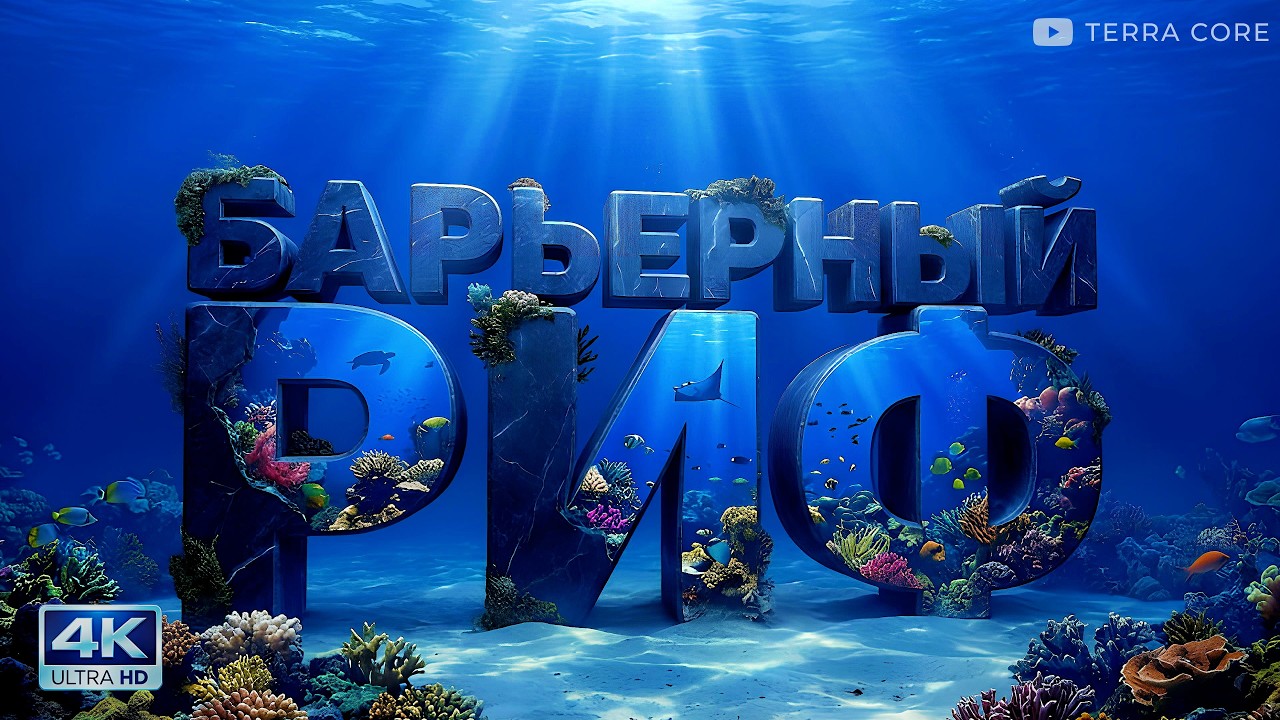
















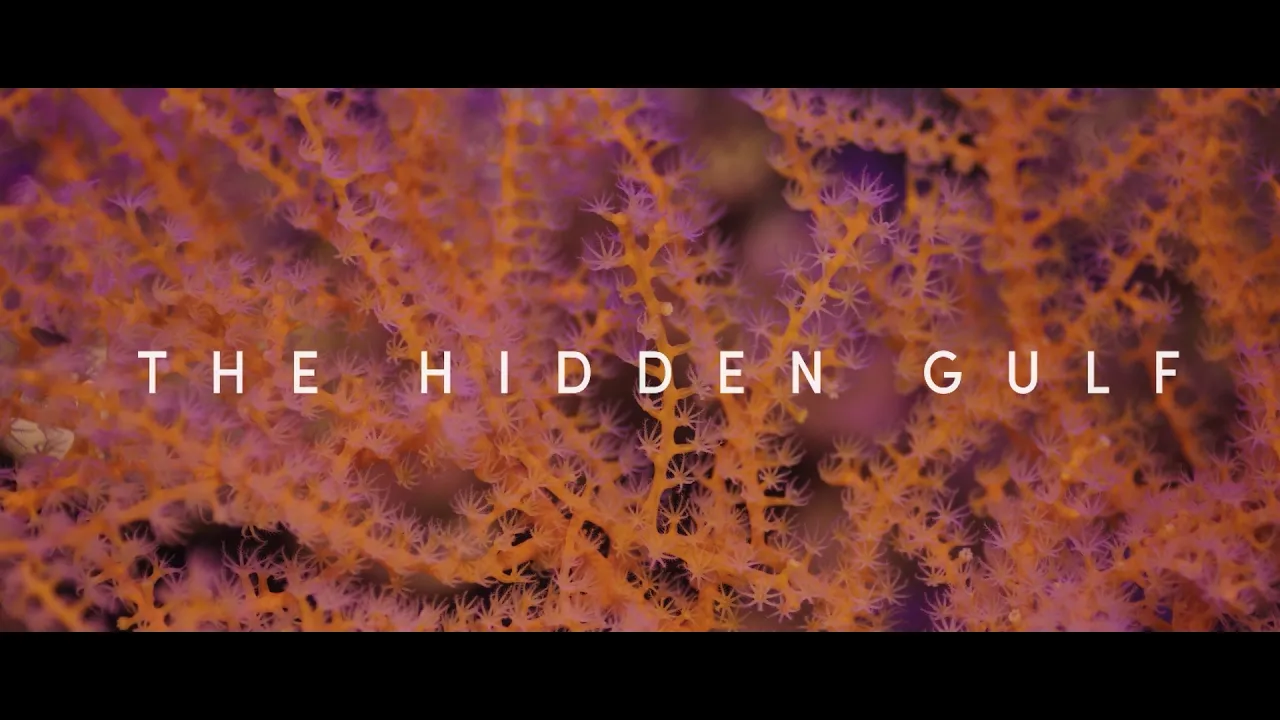
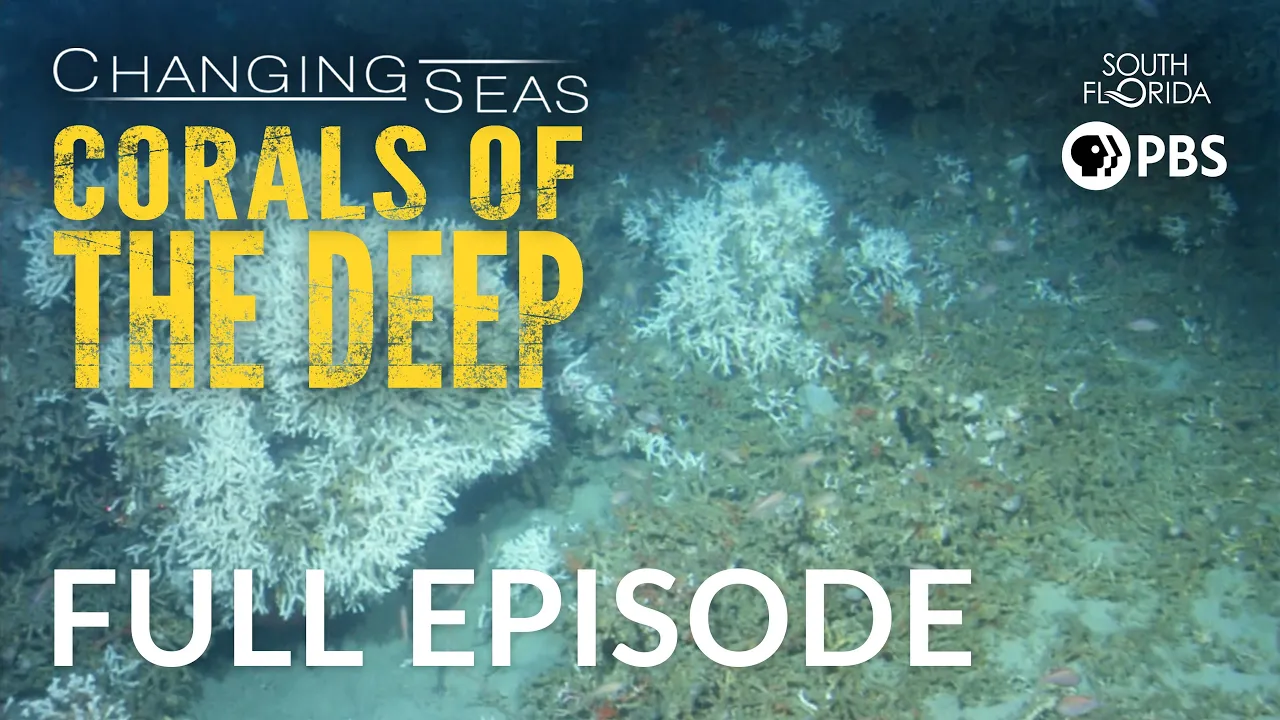


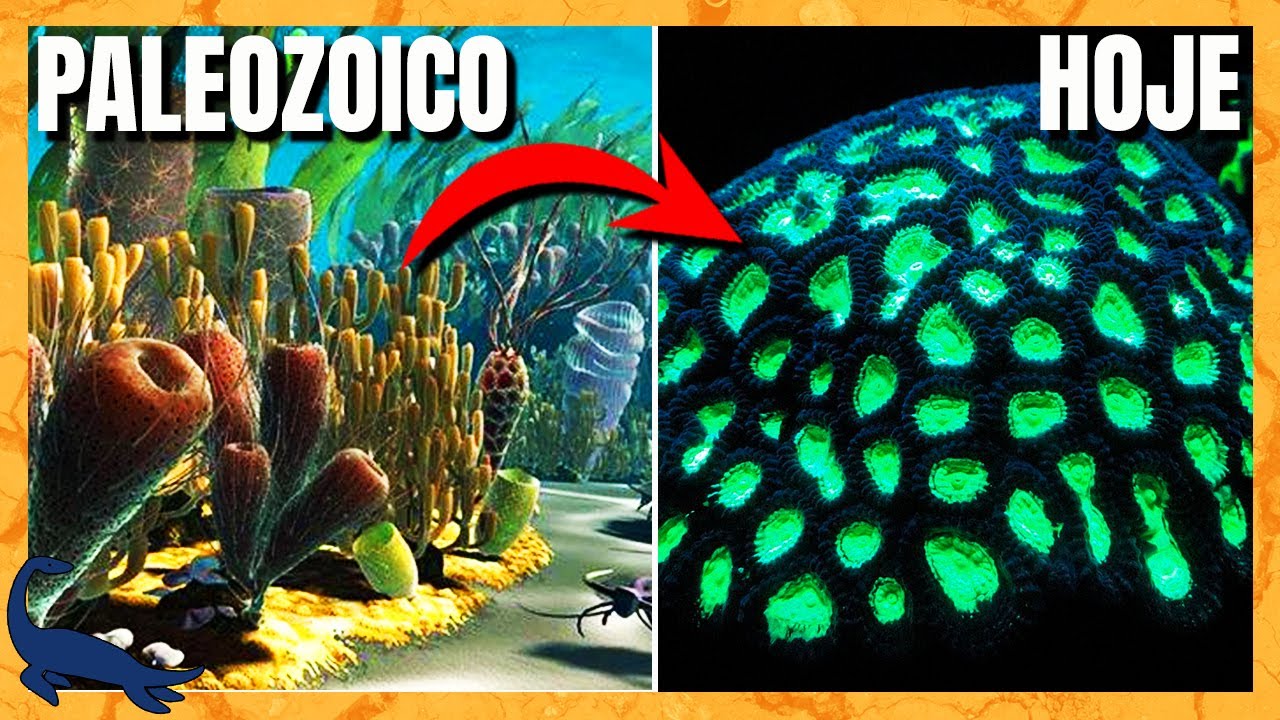
Coral reefs are among the world's most productive ecosystems, relying on zooxanthellae algae living within coral polyps for photosynthesis and energy production, with hermatypic corals serving as primary reef builders in tropical regions between 30°N and 30°S latitude; these corals reproduce sexually through synchronized spawning releasing planula larvae that develop into polyps connected by coenosarcs, forming massive reef structures that provide habitat for countless species while facing significant threats from climate change, ocean acidification, pollution, and human activities.
Coral Reefs Explained: Cnidaria Part 6 | Zoology
Added:Basic taxonomy and anatomical characteristics of the Phylum Cnidaria, specifically the polyp body plan.
The concept of mutualistic symbiosis, particularly the ecological relationship between coral polyps and photosynthetic zooxanthellae.
Fundamental principles of marine ecology, including the definition of biodiversity hotspots and foundational species.
Basic chemistry of biomineralization, specifically how marine organisms utilize calcium and carbonate ions to secrete calcium carbonate skeletons.
The physiological mechanisms of coral bleaching and the specific chemical impacts of ocean acidification on calcification rates.
Active marine conservation and restoration methodologies, such as coral microfragmentation, larval seeding, and artificial reef design.
The socio-economic valuation of reef ecosystem services, including coastal protection, fisheries support, and biotechnology resources.
An exploration of deep-sea (cold-water) coral ecosystems, comparing their biology and ecological dynamics to shallow tropical reefs.
28.4K views744likes11:29Original Release: 2022-05-06
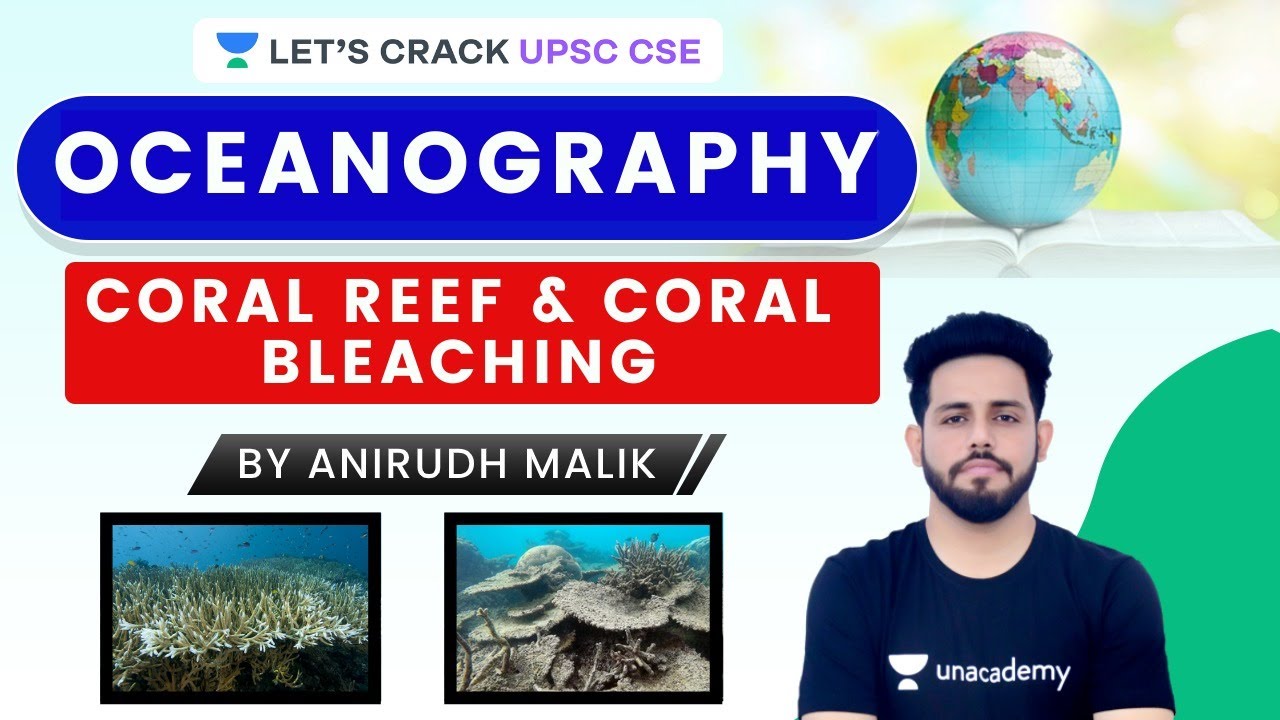
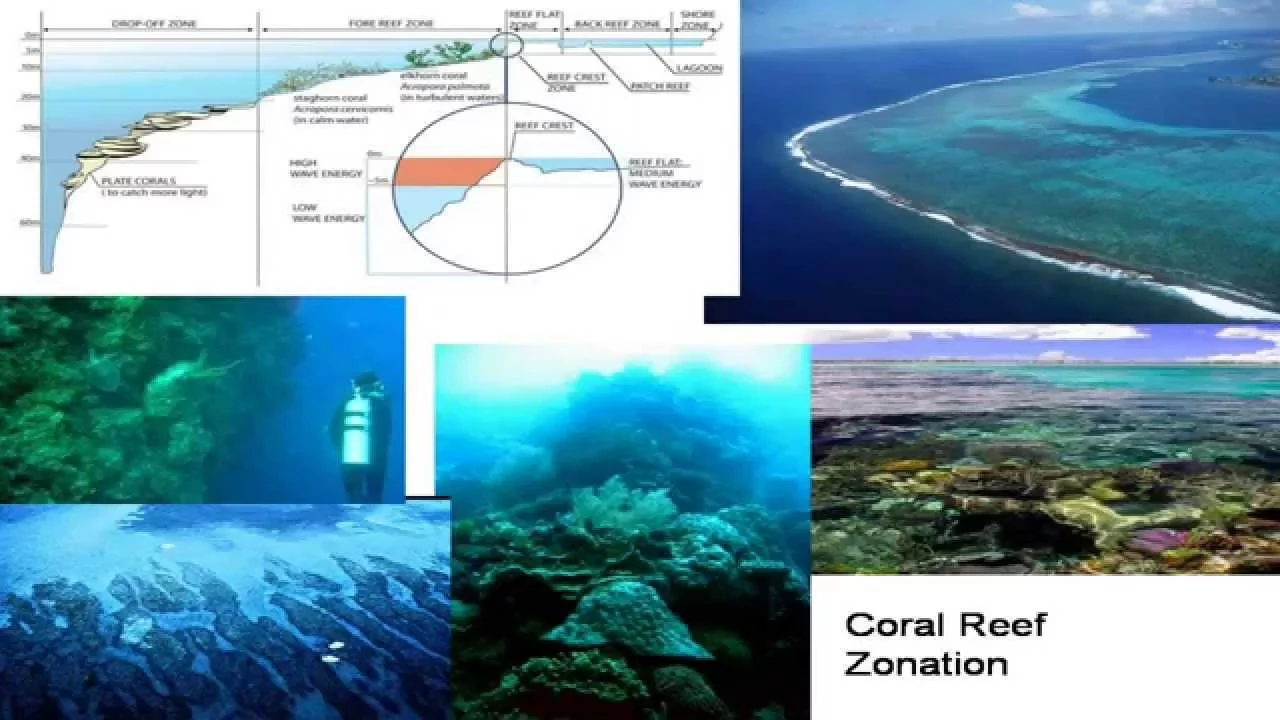
In the previous tutorial we learned a lot about the class Anthozoa, so we know a few things about coral. But now it’s time to look more closely at entire coral reefs. Coral reefs are some of the most productive ecosystems in the world. However, unlike most highly productive ecosystems, their primary producers are not plants, but the zooxanthellae that live within the tissues of hermatypic coral polyps, and the coralline algae that create calcareous deposits. Coralline algae are red algae in the order Corallinales. Their importance is sometimes overlooked, but their excretion of calcium carbonate not only adds to the total mass of the reef, but also aids in holding everything together. Their calcium deposits are usually pink or red but can also vary in color from purple to blue, and yellow to white or green. In some parts of the world, most notably the Mediterranean, coralline algae are primary reef builders since they can survive in areas inhospitable to the hermatypic corals. In addition to coralline algae, many other Cnidarians, like the octocorallian corals and the hydrozoan fire corals, also contribute to the calcareous structure of the reef. An enormous variety of other animals also aid in reef-building. However, they are all often seen more as “supplemental” to the hermatypic corals, which are generally considered to be the primary reef builders of tropical coral reefs. Most hermatypic corals require warmth, sunlight, and the salinity of undiluted saltwater. As a result, they are limited to shallow waters between 30 degrees north and 30 degrees south latitude. They are also very sensitive to pollution and sedimentation since hermatypic corals rely on their mutualistic dinoflagellates, known as zooxanthellae. It’s important to note that not all hermatypic corals contain zooxanthellae. Some, like Lophelia, are cold-water corals that survive in deep waters throughout the North Atlantic. These deep-water stony corals, like black corals, soft corals, and sea fans, provide habitats for other organisms, but rarely form large coral reefs like the tropical corals. Stony corals, like all anthozoans, can reproduce sexually and asexually. When an egg cell is fertilized by a sperm cell, the resulting zygote develops into a free-swimming planula. If this planula successfully settles into the substrate, it will metamorphosize into a primary polyp. This primary polyp will then form the basis of its calcareous skeleton through excretions of the lower epidermis. This initially forms a tiny cup for the young polyp. The polyp then secretes septa in the characteristic six-fold pattern of all hexacorallians. Then, the polyp will repeatedly reproduce asexually to give rise to an entire colony. A colony of coral polyps are connected by horizontal sheets of tissue known as coenosarcs that extend over the outer surface of the calcium carbonate skeleton and completely cover it. These sheets not only connect polyp bodies, but are also extensions of the gastrovascular cavity, meaning that nutrients and water can be exchanged between members of the colony. These colonies undergo sexual reproduction once annually. Cued in intricate ways by the lunar cycle and water temperature, they simultaneously release eggs and sperm into the water. If an egg cell is fertilized by a sperm cell of the same species, they form a free-swimming planula which can start a new colony elsewhere. Once in a while the sperm can fertilize eggs of other coral species, but the zygote usually dies before forming a planula. Less frequently such a hybrid zygote will form a planula, but this typically dies very quickly. Even less frequently the hybrid planula can settle to form a polyp and even a juvenile coral, but there are no recorded cases of these hybrid corals living past the juvenile stage. Getting back on track, before a colony of coral polyps can begin to form, the polyp needs to obtain their photosynthetic zooxanthellae. This can happen through either a direct or indirect transfer. In direct transfer, the mother coral polyp allows her own zooxanthellae to enter developing eggs, or the eggs themselves absorb zooxanthellae before they are released. In indirect transfer, developing planula and polyps absorb their zooxanthellae from the fecal matter of fish or by capturing free-swimming dinoflagellates. Most individual coral polyps are tiny, about 1-3 millimeters in size, but the skeletons they construct can be massive. Not only that, but since corals grow at a steady rate and are extremely sensitive to conditions in the world’s oceans, coral reefs, like tree rings, provide a type of climatological proxy data. Like coring a tree, something we discussed at length in the botany series, taking a slice of a coral skeleton allows researchers access to deposits that were excreted slowly over time. Though corals don’t generate rings like trees do, there are still numerous ways to date coral reefs. One common protocol for dating deep sea corals involves a combination of radiocarbon dating, a method of dating comparing the current carbon-14 to carbon-12 ratio with that of a past atmosphere, and uranium-thorium dating, a method of radiometric dating that determines the age of calcium carbonate, the dominant material in coral deposits. A second method is a combination of magnetostratigraphy, which is a geophysical correlation technique, and strontium isotope analysis, which are used in conjunction to determine the earliest evidence of the great barrier reef at around 600,000 years, though its most recent form is only about 6,000 – 8,000 years old. Despite the incredible diversity of reefs, the most common are fringing reefs, barrier reefs, and atolls. Fringing reefs form close to land masses, while barrier reefs run parallel to the shore and form wide and deep lagoons. Atolls are ring-shaped reefs that form lagoons without land masses. The Great Barrier Reef is, contrary to its name, actually a complex of many different reef types. Large reefs generally have distinguishable zones. The side facing the sea is known as the reef front, which runs parallel to the shore and slopes downward into the water. In many regions around the globe, coral reef ecosystems exhibit a similar depth zonation of dominant organisms. That is, shallow waters, less than 50 meters in depth, are dominated by coralline algae and zooxanthellae containing hermatypic corals. These organisms then give way to black corals, false corals, and other Cnidarians that do not contain zooxanthellae and dominate from below the transition zones to areas of the abyssal plains. Back close to shore, in shallow water, the reef forms a reef crest that gently slopes into a reef flat, which slopes down further into a lagoon that is protected from the waves. An astounding number of species make their homes in different areas of the reef and form unique and fragile habitats with strong ecological connections. Globally, these connections, and hermatypic corals in particular, are under stress due to climate change and ocean acidification. Global warming has been correlated to coral bleaching which occurs when corals lose their zooxanthellae and become white and brittle. As the water warms, it damages part of the photosynthetic mechanism in the zooxanthellae, which leads to a buildup of harmful oxidants which diffuse into the polyp tissues and begin to harm or kill the corals. In an attempt to survive, many corals expel the zooxanthellae. In some cases, bleached corals can then uptake new zooxanthellae later, but in others the corals become too weak. These brittle corals are then colonized by algae that outcompete the weakened polyps and colonize the skeleton, killing the coral. Corals are also under threat due to ocean acidification, where carbon dioxide entering seawater reacts to form carbonic acid, causing an increase in acidity that makes it harder, and sometimes impossible, for corals to form their calcium carbonate structure. In many parts of the world, corals are also under threat due to physical damage, sedimentation from urban run-off, nutrient pollution from farms, pathogen infection from slugs, toxic substances from sunscreen, microplastics from stormwater run-off, destructive fishing practices, and coral harvesting. Though all these problems add up to major issues for the corals, it’s worth noting the increase in local and global efforts to save coral reefs. Sanctuary reefs have been increasingly protected in Central and South America, destructive fishing practices over cold-water reefs have been prohibited in many parts of Europe, funding to save local reefs has increased in many parts of the world, and regulations to control sedimentation have become stricter. That isn’t to say coral reefs aren’t still threatened, but the increase in public awareness is at least promising. And with corals covered, we can move forward and visit just a few other types of Cnidarians.
Up Next

13:07
Coral Reefs Explained: Biology, Types, and Threats
@DeepMarineScenes
41.5K views•2022-05-31
50:12
Bacterial Communication: Quorum Sensing and Biofilm Formation Explained
@JHUAAP
12.6K views•2011-06-28

10:50
Protein Structure Explained: Primary to Quaternary | Biochemistry
@ProfessorDaveExplains
1.4M views•2016-08-27
7:08
Bacteriophages: Earth's Deadliest Killers and Future Antibiotics
@kurzgesagt
34.6M views•2018-05-13
Related Study Plans & Knowledge Roadmaps
Structured learning paths in Biology
biology
RNAi: Biogenesis, RISC & Gene Silencing
01Molecular Biology Foundations: DNA to Protein
02Introduction to RNA Interference (RNAi)
03Molecular Biogenesis of miRNA and siRNA
+ 2 more learning modules
10h5 modules
Explore Roadmap
biology
Mycorrhizae: Signaling, Biophysics & Ecology
01Foundations of Mycorrhizal Symbiosis
02Molecular Signaling and Root Colonization
03Biophysics and Bioenergetics of Nutrient Exchange
+ 1 more learning modules
11h4 modules
Explore Roadmap
biology
Circadian Clocks: TTFL, SCN & Periphery
01Foundations of Molecular Biology & Gene Expression
02Introduction to Chronobiology and Actograms
03The Core TTFL: Molecular Architecture of the Clock
+ 3 more learning modules
14h6 modules
Explore Roadmap
biology
Population Genetics: Math, Drift & Selection
01Genetic & Probability Foundations
02The Hardy-Weinberg Principle and Baseline Models
03Mathematical Modeling of Natural Selection
+ 3 more learning modules
18h6 modules
Explore Roadmap