






















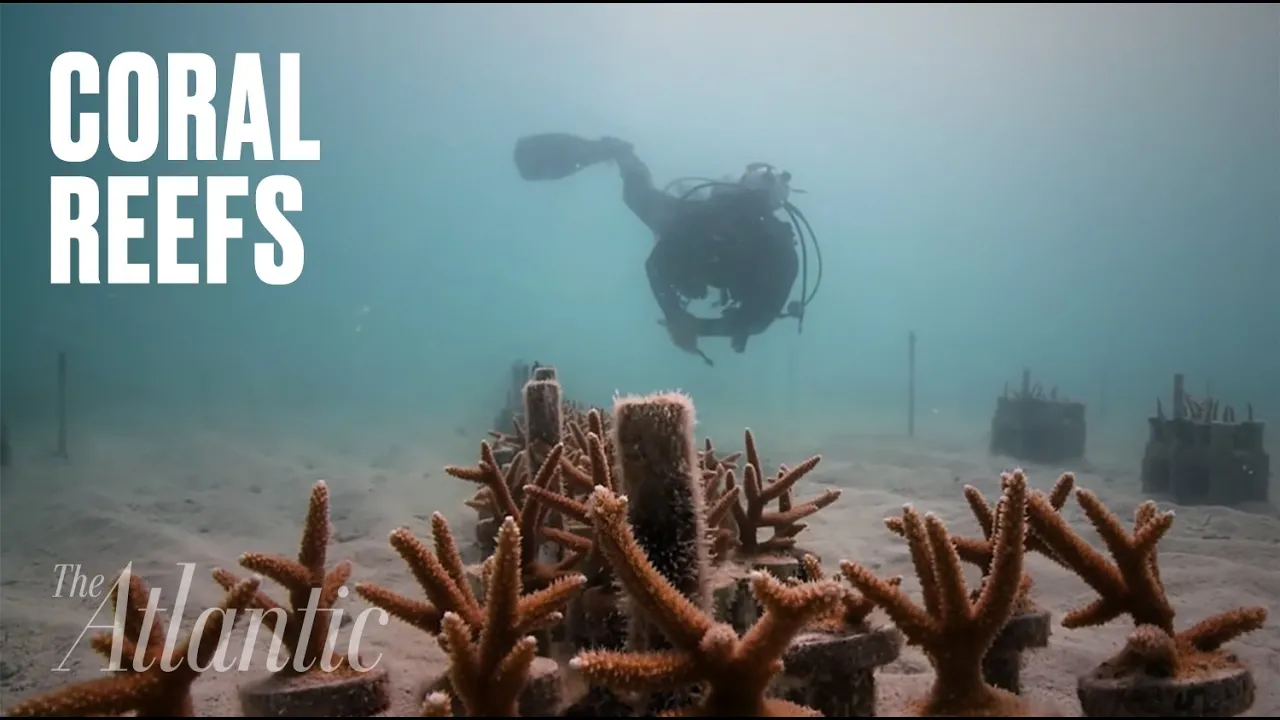




Corals are tiny, soft-bodied invertebrate animals related to sea anemones and jellyfish, not plants, that build reef structures through symbiotic relationships with zooxanthellae algae; they reproduce both asexually (through budding and fragmentation) and sexually (through broadcast spawning), and their survival is threatened by human activities including overfishing, pollution, climate change, and ocean acidification.
Coral Reefs Explained: Biology, Types, and Threats
Added:Basic understanding of symbiotic relationships, particularly mutualism, which is essential for grasping the link between corals and photosynthetic algae (zooxanthellae).
General taxonomy and biological classification, specifically understanding that corals are living marine animals (phylum Cnidaria) rather than plants or rocks.
Foundational concepts of marine ecosystems, trophic levels, and the definition of ecological niches.
A basic introduction to ocean chemistry, including the role of calcium carbonate in building marine skeletons.
The chemical mechanisms of ocean acidification and how rising global carbon dioxide levels inhibit calcification in reef-building organisms.
The cellular-level physiology of coral bleaching, examining how thermal stress causes the expulsion of symbiotic algae.
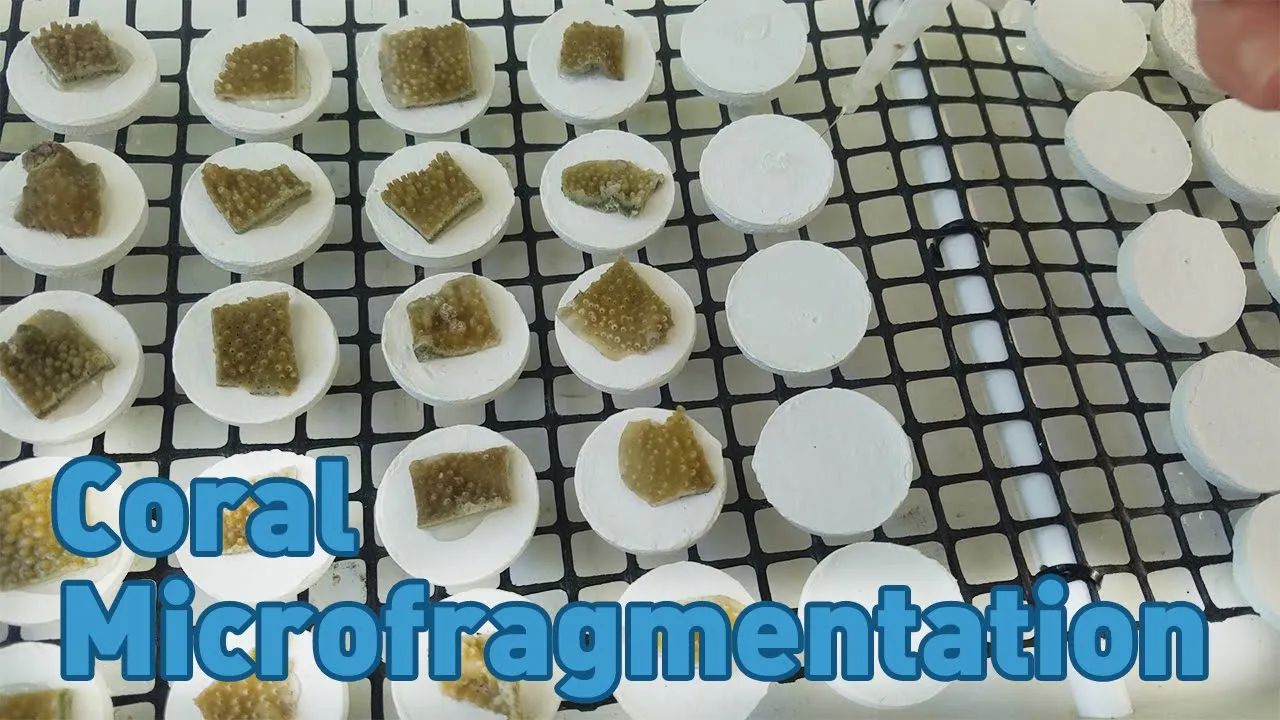
Modern marine conservation and restoration strategies, such as coral larval seeding, micro-fragmentation, and genetic hybridization for heat tolerance.
The socio-economic impacts of reef degradation, focusing on coastal protection, fisheries management, and the valuation of marine ecosystem services.
41.5K views527likes13:07Original Release: 2022-05-31
Corals are a diverse group of invertebrate animals that are found in both shallow and deep water across the world’s oceans.
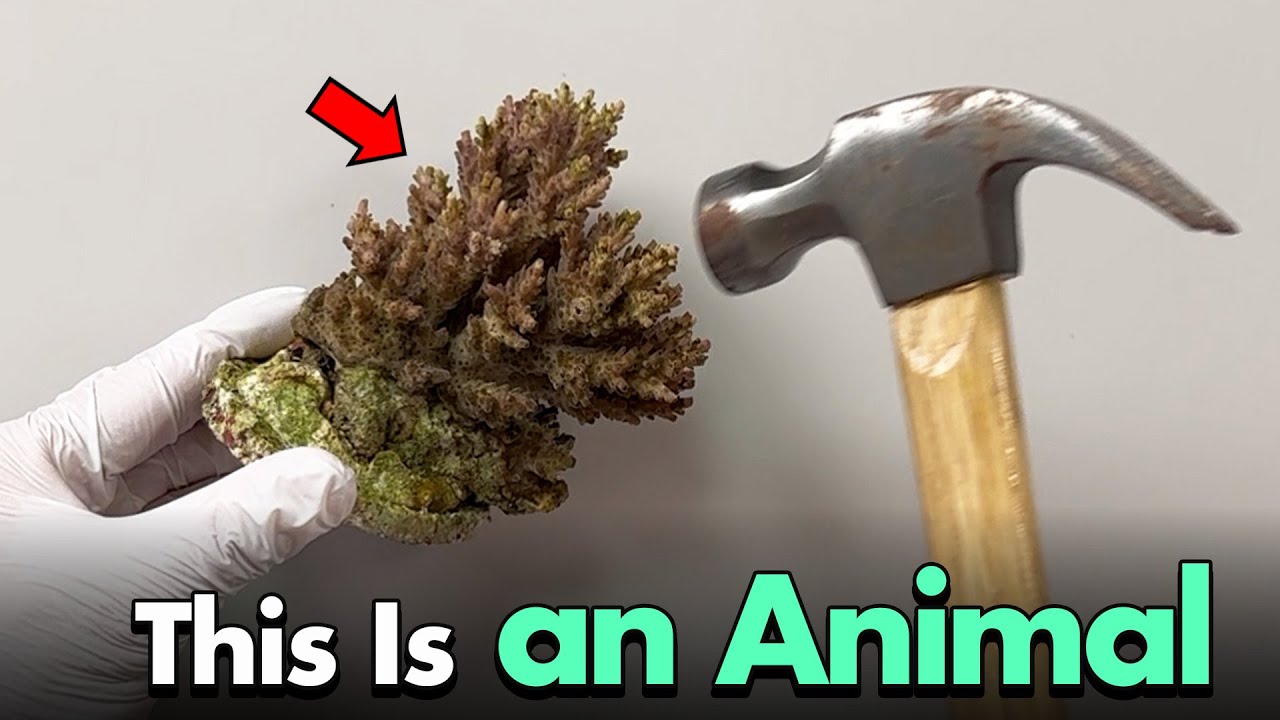
Their appearance may be deceiving, but they are not plants.
They are tiny, soft-bodied organisms related to sea anemones and jellyfish.
Thousands of species of corals have been discovered.
Coral reefs cover an estimated less than 1% of the ocean floor, but they support about 25% of all marine creatures.
They are often called rainforests of the sea.
Corals provide habitat for fish and many other species of marine life.
The largest coral reef is the Great Barrier Reef, located off the east coast of Australia.
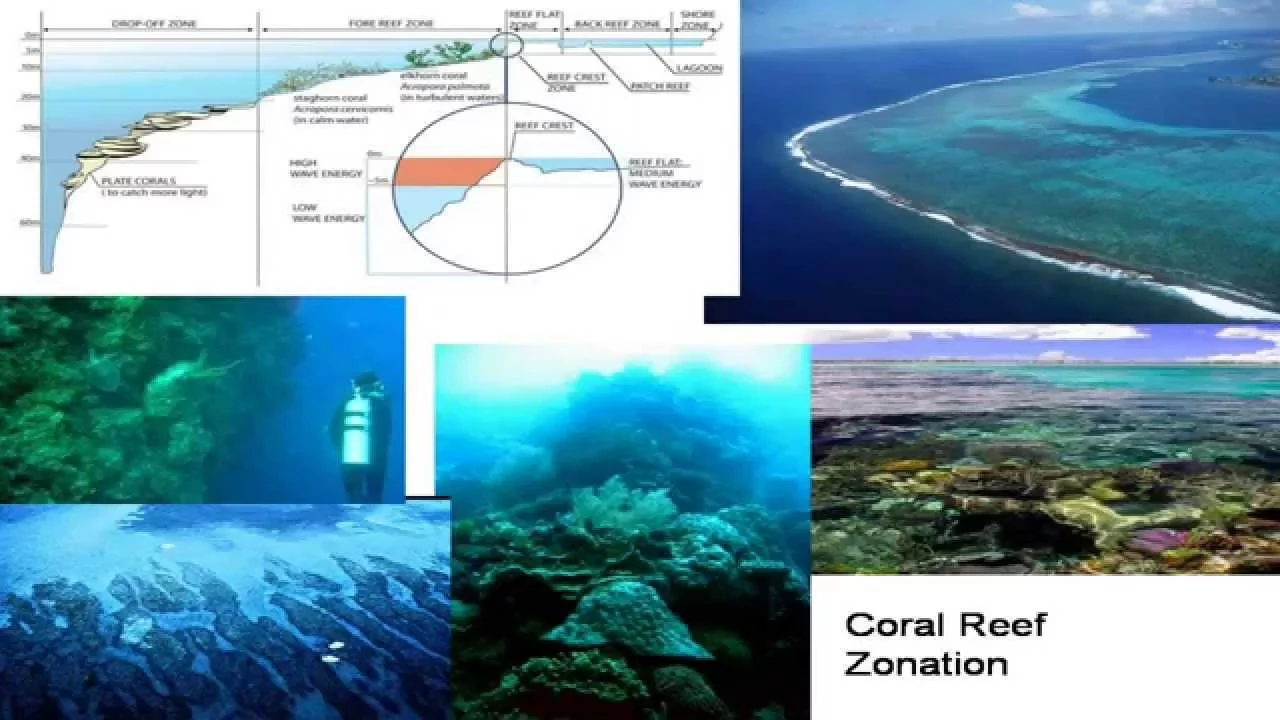
There are several different types of shallow coral reefs.
The majority of coral reefs are called fringe reefs.
They fringe the coastline of a nearby land mass.
Barrier reefs form when a coral reef grows around a volcanic island.
Over millions of years, the volcano slowly sinks, but the corals continue to grow upward and outward.
Over time, a lagoon forms between the corals and the sinking island.
A barrier reef forms around the lagoon.
Eventually, the volcanic island of a barrier reef becomes completely submerged and only the ring of corals remains.
This is called an atoll (Marshall Islands pictured).
Corals share the same simple structure as anemones, the polyp.
The polyp contains digestive and reproductive tissues.
The polyp has an open end with a mouth surrounded by a ring of tentacles.
The tentacles have stinging cells, called nematocysts.
The stinging cells allow the coral polyp to capture prey.
The mouth also acts to expel waste.
Most corals feed at night.
Depending on the size of the coral polyps, a coral’s prey can range in size from nearly microscopic zooplankton to small fish.
Individual coral polyps are usually less than a half inch (1.5 cm) in diameter.
Mushroom corals have the largest polyps, which can be more than 5 inches across.
Regardless of polyp size, colonial corals can be huge.
Mounds can be the size of a small car.
A single branching coral colony can cover an entire reef.
In addition to catching their own prey, shallow water corals that live in warm water can have another source of food, the zooxanthellae.
Corals can host zooxanthellae in their tissues.
Zooxanthellae are single celled algae that photosynthesize and pass some of the food they make from the sun’s energy to their hosts.
In exchange, the coral gives shelter and nutrients to the algae.
This type of symbiotic relationship where both parties benefit is called mutualism.
The algae require water temperatures between 70-85°F (22-29°C).
Zooxanthellae provide much of the green, brown, and reddish colors of corals.
The corals that build the hard structures of tropical reefs are reef-building corals called hard corals or stony corals.
In these corals, each polyp sits in a cup made of calcium carbonate.
This is called a calyx.
The base of the calyx upon which the polyp sits is called the basal plate.
The walls surrounding the calyx are called the theca.
The coenosarc is a thin band of living tissue that connects individual polyps to one another.
Periodically, a polyp will lift off its base and secrete a new basal plate above the old one.
Polyps can extend out of the calyx to feed.
They can contract when under stress so that they are not exposed above their skeleton.
This protects the polyp from predators and the elements.
Stony corals have smooth tentacles, often in multiples of six.
Colonial hard corals, that may consist of hundreds of thousands of individual polyps, are cemented together by the calcium carbonate that they secrete.
As colonies grow, they join with other colonies to form coral reefs.
It takes a long time for a massive coral reef to grow.
Each coral grows slowly, typically less than an inch per year (<2.5 cm).
As corals die, they break into smaller pieces and become compacted.
Just as trees do, each coral lays down annual rings so that the age of a colony can be identified.
Individual coral colonies often live from decades to centuries.
Some deep-sea colonies have lived for thousands of years.
Reef-building corals exhibit a wide range of shapes.
There are branching corals that branch out like trees.
Digitate corals look like fingers.
Table corals form flat structures.
Encrusting corals grow as a thin layer against a substrate.
Massive corals are ball-shaped or boulder-like.
Mushroom corals resemble the tops of mushrooms.
On the other hand, soft corals do not produce a hard calcium carbonate skeleton and do not form hard reefs.
They may use more flexible materials or tiny stiff rods to build their skeletons.
Soft corals have eight tentacles, each of which has tiny branches running along the sides.
Soft corals are also colonial.
Colonies often look like trees, bushes, and fans.
Both stony corals and soft corals can be found in the cold, dark, deep sea, but they do not need sunlight or warm water to survive.
Deep-water corals can be found at depths down to 20,000 ft (6,000 m).
Coral reefs have to deal with many threats.
Some fish, worms, snails, and sea stars prey on adult corals.
Population explosions of predators like the crown-of-thorns sea star can be devastating to a reef.
Corals also have to worry about competitors.
They use the same nematocysts that catch their food, to sting other encroaching corals that are getting too close.
Seaweeds are also dangerous competitors.
They typically grow much faster than corals and may contain chemicals that injure the coral.
Some coral colonies have animals like crabs and shrimp that live within their branches and defend their home against coral predators with their pincers.
They gain shelter while the coral gains protection.
Corals have may be male or female or both. They have multiple reproductive strategies.
They can reproduce either asexually or sexually.
Asexual reproduction helps to increase the size of the colony, and sexual reproduction starts new colonies and increases genetic diversity.
Asexual reproduction involves the production of clones.
This can occur through either budding or fragmentation.
Budding is when a coral polyp divides, producing a genetically identical new polyp.
Corals reproduce by budding throughout their lifetime.
If a part of a colony breaks off and forms a new colony, this is called fragmentation.
Fragmentation can occur as a result of a disturbance like a storm or being hit by fishing equipment.
In sexual reproduction, eggs are fertilized by sperm, that are usually from another coral colony.
Depending on the species, corals may use internal or external fertilization for sexual reproduction.
Fertilized eggs develop into free-swimming larvae.
Larvae float in the ocean for days or weeks before attaching to the substrate and growing into a new coral colony.
Most stony corals are broadcast spawners and fertilization is external.
Colonies release large numbers of eggs and sperm, called gametes, that are often glued into bundles (one bundle per polyp).
The gametes rise slowly to the ocean’s surface.
Spawning often only occurs once a year on cues from the lunar cycle and water temperature.
In some places, spawning is synchronized for all individuals of the same species in an area.
This type of mass spawning usually occurs at night.
The synchrony makes it more likely for fertilization to occur.
On the other hand, some corals brood their eggs in the body of the polyp and release sperm into the water.
As the sperm sink, polyps containing eggs take them in and fertilization occurs internally.
Brooders will often reproduce several times a year on a lunar cycle.
Human pressures place a large toll on coral reefs and threaten their survival.
Since coral reefs are often thriving with an abundance of fish, overfishing can affect the entire reef ecosystem.
Fish play important roles on coral reefs, such as eating the seaweeds that would otherwise smother corals, Fish also eat the predators of corals.
Rising water temperatures can cause corals to lose their symbiotic algae.
This results in coral bleaching, where coral tissues lose all their color and turn near transparent.
Coral bleaching can make them more susceptible to other threats and lead to coral death by starvation or disease if conditions don’t improve.
Ocean acidification affects coral health by making less calcium carbonate available in ocean waters, making it harder for corals to form their skeletons.
If acidification gets severe enough, it could even break apart the existing skeletons that already provide the structure for reefs.
Boats and anchors can harm reefs by breaking or scarring them.
Chemicals in certain sunscreens can also harm reefs.
Runoff from lawns, sewage, cities, and farms feed algae that can overwhelm reefs.
Seawater with too many nutrients speeds up the growth of seaweeds and increases the food for coral predators in their larval stage.
Deforestation increases soil erosion, which clouds water and smothers corals.
Coral reefs around the world are on the decline.
Marine protected areas or (MPAs) are an important tool for keeping reefs healthy.
Large MPAs protect areas like the Great Barrier Reef and the Northwestern Hawaiian Islands.
Well-protected reefs typically have much healthier coral populations and are more resilient to storms.
In the long run, the future of coral reefs will depend on efforts of reducing carbon dioxide in the atmosphere that is caused by the burning of fossil fuels.
Carbon dioxide is both warming the ocean, causing coral bleaching, and changing the chemistry of the ocean through ocean acidification.
Along with providing for marine organisms, coral reefs provide opportunities for recreation, education, scientific research and public inspiration.
The fish we catch for food rely on corals to build the reef structure where they can breed and grow.
Coral reefs support tourism and fishing industries worth billions of dollars.
They protect coasts from waves and storms.
Many current medicines that combat things like cancer, pain and inflammation have also been derived from coral reef organisms.
For more marine facts, click the SUBSCRIBE button!!
Up Next

11:55
Symbiodinium Life Cycle and Coral Symbiosis
@Plankton_Doctor
2.1K views•2016-04-16
50:12
Bacterial Communication: Quorum Sensing and Biofilm Formation Explained
@JHUAAP
12.6K views•2011-06-28

5:35
Enteric Nervous System Explained: The Gut's Brain | Neurobiology Lecture
@alumniu6029
438 views•2018-09-12
7:08
Bacteriophages: Earth's Deadliest Killers and Future Antibiotics
@kurzgesagt
34.6M views•2018-05-13
Related Study Plans & Knowledge Roadmaps
Structured learning paths in Biology
biology
RNAi: Biogenesis, RISC & Gene Silencing
01Molecular Biology Foundations: DNA to Protein
02Introduction to RNA Interference (RNAi)
03Molecular Biogenesis of miRNA and siRNA
+ 2 more learning modules
10h5 modules
Explore Roadmap
biology
Mycorrhizae: Signaling, Biophysics & Ecology
01Foundations of Mycorrhizal Symbiosis
02Molecular Signaling and Root Colonization
03Biophysics and Bioenergetics of Nutrient Exchange
+ 1 more learning modules
11h4 modules
Explore Roadmap
biology
Circadian Clocks: TTFL, SCN & Periphery
01Foundations of Molecular Biology & Gene Expression
02Introduction to Chronobiology and Actograms
03The Core TTFL: Molecular Architecture of the Clock
+ 3 more learning modules
14h6 modules
Explore Roadmap
biology
Population Genetics: Math, Drift & Selection
01Genetic & Probability Foundations
02The Hardy-Weinberg Principle and Baseline Models
03Mathematical Modeling of Natural Selection
+ 3 more learning modules
18h6 modules
Explore Roadmap