

















The International Monetary Fund (IMF), founded in 1944, is an international organization that promotes economic and financial stability among its 191 member countries through three core functions: conducting economic research and offering policy advice, providing financial support as a 'lender of last resort' during economic crises, and helping countries build institutional capacity through technical assistance and training.
What Is the IMF? Role and Work of the International Monetary Fund
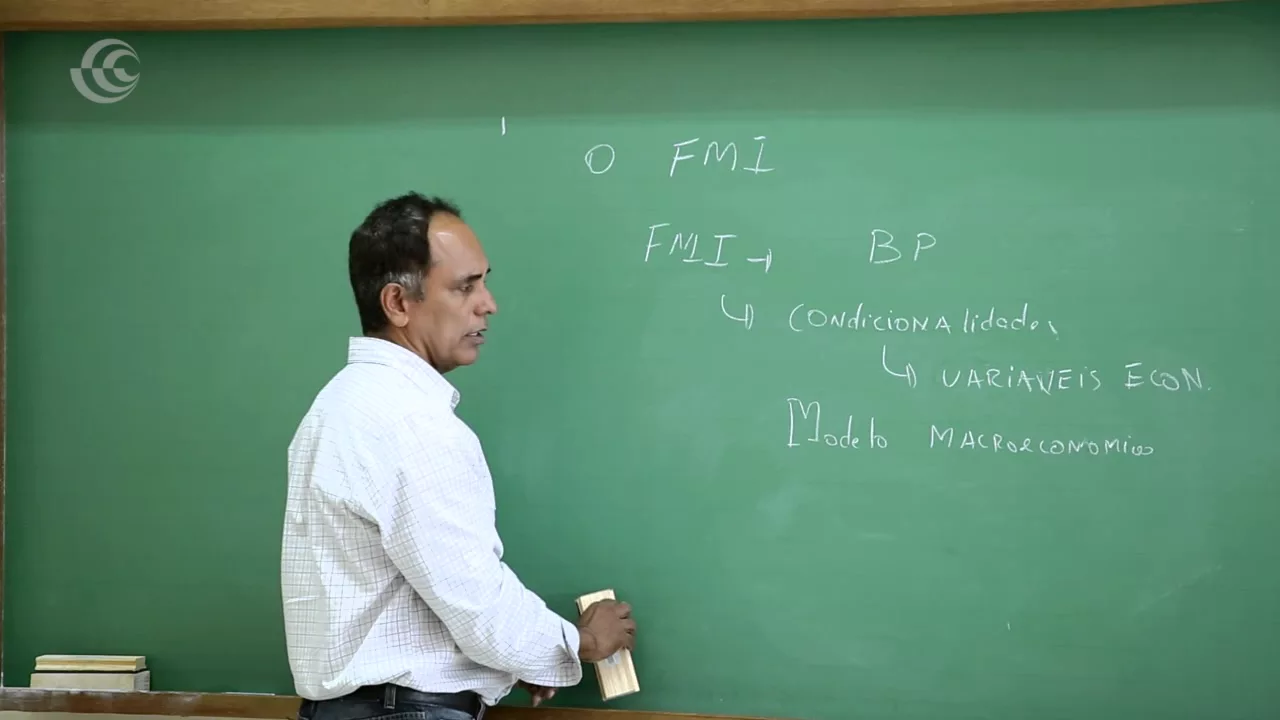
Added:Basic Macroeconomics and the Balance of Payments: Understanding how nations track transactions with the rest of the world, including imports, exports, and financial capital.
The Role of Central Banks and Monetary Policy: Familiarity with how central banks control money supply, interest rates, and manage national currency stability.
Exchange Rate Systems: Basic knowledge of fixed versus floating exchange rates and how currency valuations affect global trade and economic health.
The Origins of Global Economic Governance: Historical context of the post-WWII Bretton Woods Agreement that established the modern international financial architecture.
IMF Conditionality and Structural Adjustment Programs: Critically analyzing the specific policy reforms (like austerity or privatization) the IMF mandates when issuing loans.
Case Studies of Financial Crises: Examining historical IMF interventions in depth, such as the 1997 Asian Financial Crisis or the Greek Sovereign Debt Crisis.
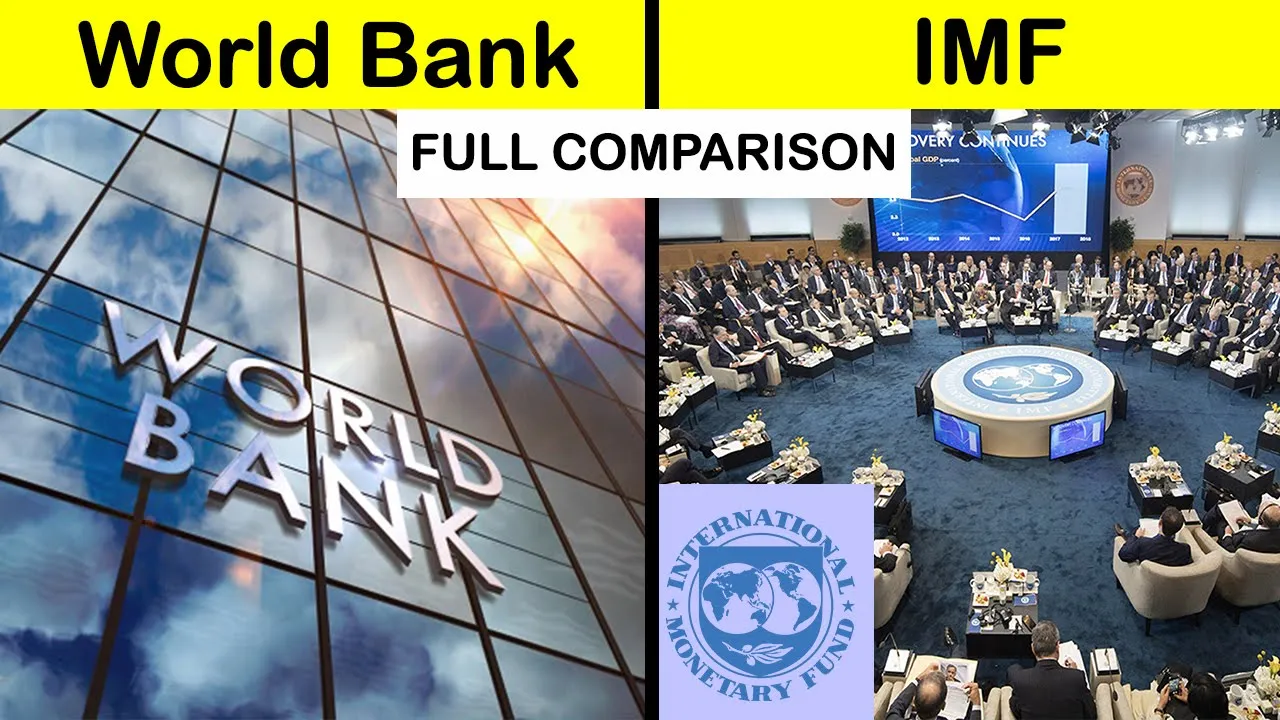
The IMF vs. The World Bank: Comparing and contrasting the complementary yet distinct missions, governance structures, and funding mechanisms of these two institutions.
Special Drawing Rights (SDRs): Investigating the IMF's international reserve asset, how it is valued, and its role in global liquidity during crises.
412.1K views3Klikes4:38Original Release: 2025-02-13
Hey there.
This is Joyce, an economist at the IMF, and this time we are talking about the IMF.
Today, I want to address a question I've been getting from many people, including my own family and friends.
What exactly is the role of the IMF?
And why does it matter?
First of all, no connection to the "Mission: Impossible" movies.
We are not the fictional spy agency known as “Impossible Mission Force”- although we are happy to share in the IMF name.
Also, we are a little bit older than Tom Cruise.
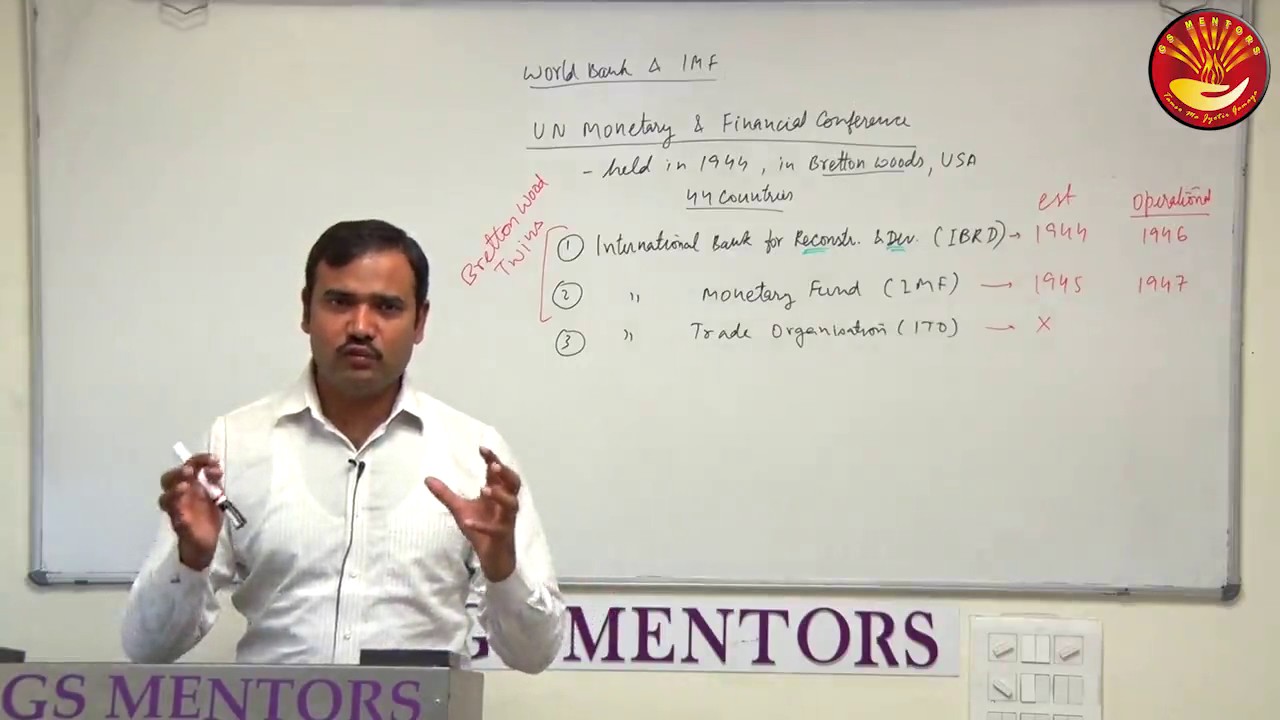
In fact, the IMF was founded in 1944, when World War II was still raging.
Countries were keenly aware of the need for international cooperation, including an international organization to promote economic and financial stability.
Think of the IMF as one big credit union, where our member countries deposit their resources and from where they can also borrow.
So what does the IMF do?
Our work is actually focused on three key areas.
We conduct economic research and offer policy advice.
We provide financial support.
And we help countries build their institutional capacity.
Let's start with policy advice.
At our headquarters in DC, our teams gather, produce, and share data to analyze the economies of our 191 member countries.
We also advise governments and exchange information with them on a continuous basis.
Then at least once a year or two, we also have the pleasure of going to most of the countries we work on.
Now, you may think we only meet the central bank and the ministry of finance.
In fact, we meet with stakeholders as varied as NGOs, academics, private sector firms, climate action entities, fintech firms, and anti-corruption offices.
All of these meetings give us a well-rounded, bird's-eye view of each economy.
Being in the field also allows us to get a sense of each country's culture, customs, and, when we're lucky, the wonderful foods.
We then put together the analysis of each of the countries and produce the regional and global economic outlook reports.
Our holistic view of so many countries, allows us to compare policies and take into account how each country's choices impact others.
Let's move on to lending.
The IMF is a so-called “lender of last resort”-meaning that we stand ready to lend to countries, and to take on countries’ risks even when markets are not willing to.
Or especially when markets are not willing to.
Is this risky? Yes.
But we do this for many reasons.
Most importantly, because economic crises carry high costs for people.
They can cause unemployment and loss of purchasing power and savings.
When the IMF lends, we also support economic reforms in the recipient countries.
These are designed by its government with IMF assistance, to ensure that the country exits in a stronger economic position.
Let me end on capacity development.
If IMF lending reminds people of, at times, emergency room doctors, our capacity development is a physical therapist who helps countries strengthen their institutions and policymaking.
Over 160 countries receive direct assistance from the Fund to advise and build capacity for their institutions.
We also provide extensive training for public officials.
The technical assistance work, like all of the IMF’s work, is usually hands-on, pragmatic and designed with each country's circumstances in mind.
The areas of focus range from public financial management to social spending and frontier topics like digital currencies.
And that's it for today.
Be sure to continue sending us your questions to [email protected] and see you next time.
Up Next

18:00
Legal Analysis: Gun Laws, Specialized Cases, and Reforms
@ArmedAttorneys
55.5K views•2025-06-16

12:54
Triumph of Orthodoxy Icon: Byzantine Art & History Explained
@BenCallan
2.1K views•2024-08-06

9:49
FastAPI vs Flask vs Django: Choosing the Right Python Web Framework
@TechWithTim
302.5K views•2024-05-26

1:42
Game of Thrones Opening Credits: A Cinematic Analysis
@gameofthrones
46.3M views•2011-04-18
Related Study Plans & Knowledge Roadmaps
Structured learning paths in General & Interdisciplinary Studies
general-studies
Elevator Engineering: History, Physics & Cities
01From Hoists to Safety Brakes: The Dawn of Vertical Lift
02Hydraulic vs. Traction: The Engineering Physics of Elevators
03Modern Speed, Safety, and Algorithms
+ 2 more learning modules
12h5 modules
Explore Roadmap
general-studies
Rubber: Material Science, History & Geopolitics
01Origins of Natural Rubber & Mesoamerican History
02The Chemistry of Natural Rubber & Vulcanization
03The Geopolitics of the Rubber Boom & Colonization
+ 2 more learning modules
12h5 modules
Explore Roadmap
general-studies
Containerization: Evolution, Logistics & Trade
01Ancient Trade & Bulk Cargo: Amphorae to Barrels
02The Industrial Revolution & Cardboard Packaging
03The Containerization Revolution: Malcom McLean
+ 2 more learning modules
12h5 modules
Explore Roadmap
general-studies
Textile Tech: Evolution, Labor & Global Impact
01Pre-Industrial Textiles: Handloom & Cottage Industry
02Mechanization: The Spinning Jenny to the Power Loom
03The Factory System & Global Labor Transformation
+ 2 more learning modules
10h5 modules
Explore Roadmap