Single-use bioreactors with a 5:1 turndown ratio enable flexible operation across different volumes (from 50L to 2,000L) while maintaining consistent cell density, viability, and growth rates, achieved through adjustable motor/impeller systems and specialized spargers that optimize mixing and gas exchange across varying volumes.
Single-Use Bioreactor 5:1 Turndown for Scalable Cell Culture
Added:Deep Dive
Fundamental principles of bioreactor design, including the differences between traditional stainless steel and single-use technologies (SUT).

SU & STAINLESS STEEL BIOREACTORS: QUALITY FACTORS FOR CONSIDERATION WHEN SELECTING A SUITABLE SYSTEM
159
When selecting between single-use (SU) and stainless steel (SS) bioreactors for bioprocessing, key quality factors include: SU systems offer faster time-to-market, reduced changeover times (from 3-5 days to single shift), and simplified clean room design, but require careful evaluation of extractables/leachables, bioreactor integrity testing, and process parameter transferability; SS systems provide better-established control over mixing, aeration, and temperature, with more mature validation methodologies, but demand extensive cleaning, sterilization, and facility infrastructure; the choice depends on specific process requirements, scale, and regulatory expectations, with hybrid facilities combining both technologies representing the future of bioprocessing.
Click to watch →

Panel Discussion: The Rapidly Changing Bioprocessing Industry
198
Environmental sustainability considerations show single-use bioreactors have lower total carbon footprint than stainless steel systems over their lifetime. Stainless steel facilities require significant energy for manufacturing, cleaning, and validation, while single-use eliminates ongoing operational costs. Single-use technology enables rapid scaling for pandemic response and multi-product manufacturing without building new facilities. Traditional stainless steel facilities are purpose-built for specific products with lengthy notification periods (6-18 months) and revalidation requirements. Single-use systems allow different configurations for different products without cross-contamination risk, providing flexibility and future-proofing that stainless steel cannot match.
Click to watch →
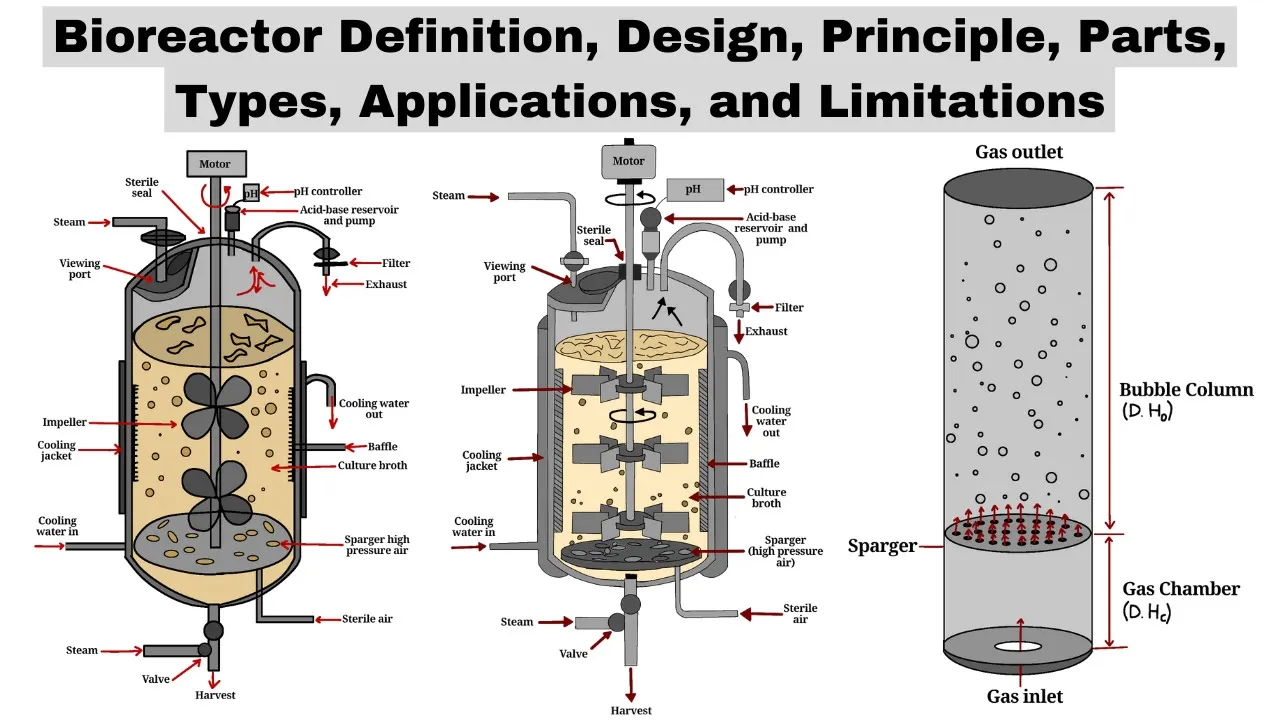
Bioreactors | Design, Principle, Parts, Types, Applications, & Limitations | Biotechnology Courses
121.1K
A bioreactor is a closed container for synthesizing chemicals and biological processes, removing waste biomass and products. Five essential functions include parameter regulation (temperature, pH, pressure, aeration, nutrient feeding, liquid level), agitation for cell-medium mixing, oxygen supply for aerobic fermentation, cell-medium withdrawal, and sterilization maintenance. Design principles are based on creating ideal conditions for target product formation, considering product value and production scale. Key features include agitator systems, oxygen delivery systems, control systems, sampling ports, cleaning/sterilization systems, charging/emptying lines, and temperature/pH control systems. Materials must be non-corrosive, non-toxic, withstand steam sterilization, high pressure, and pH variations. Bioreactor sizes range from shake flasks to industrial-scale units.
Click to watch →
Single Use bioreactor - Advantages and Applications
14.5K
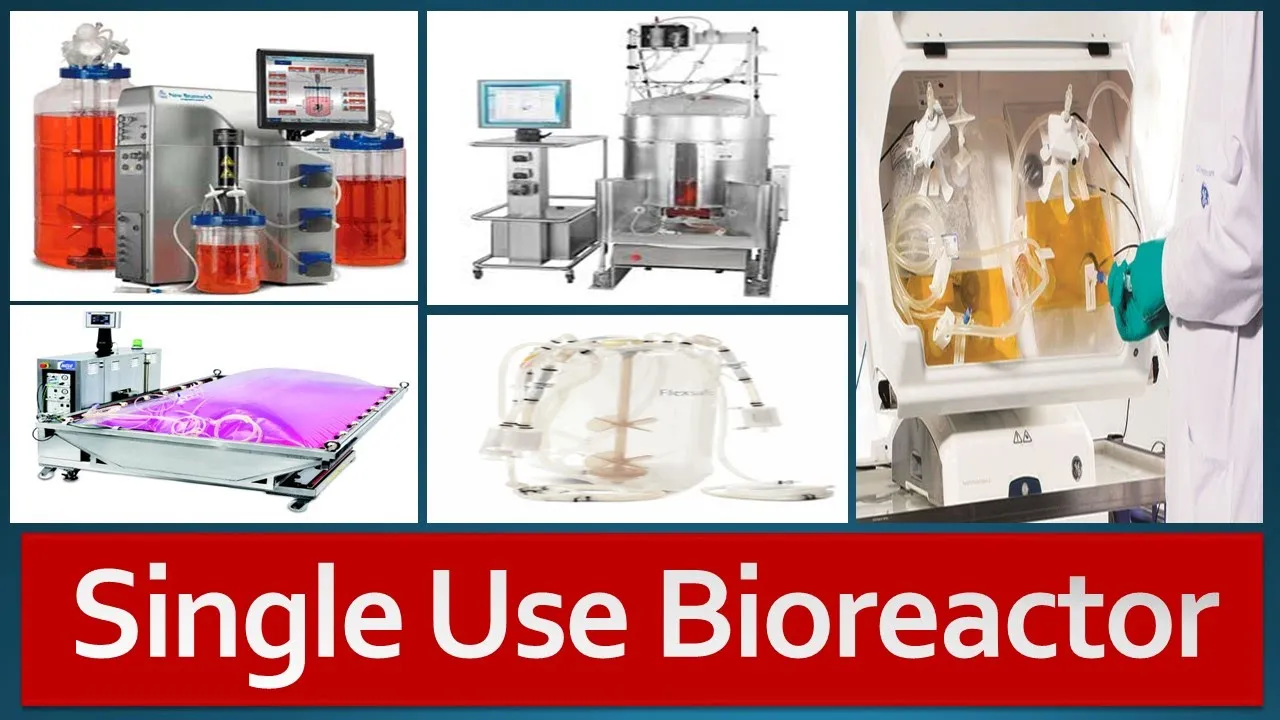
A single-use bioreactor (S.U.B.) is a disposable bioreactor system that replaces traditional stainless steel or glass culture vessels with pre-sterilized plastic bags, offering significant advantages such as elimination of cleaning validation requirements, reduced cross-contamination risk, decreased operating costs, and lower capital investment, though it faces limitations including scalability challenges beyond 10,000 L, higher per-run variable costs, and difficulties storing hot liquids; these systems are particularly advantageous for multi-product facilities and have achieved commercial viability up to 1,000 L scales.
Click to watch →
Single Use Bioreactor: Overview, Types, Advantages, Limitations and Future of Single Use Bioreactors
7.8K
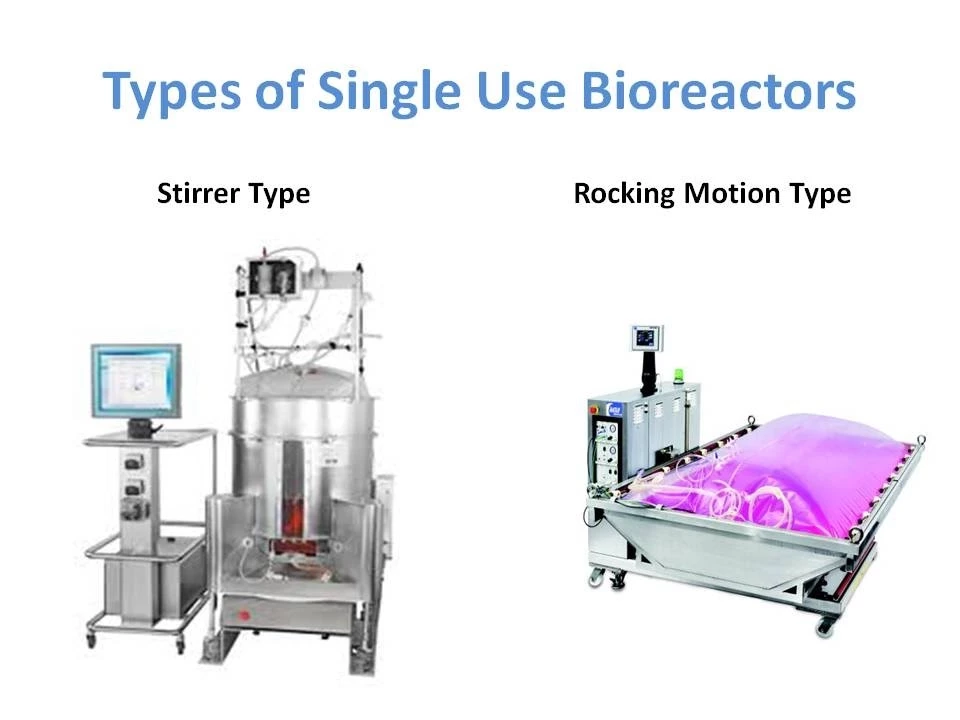
Single-use bioreactors represent a transformative approach in bioprocessing, utilizing disposable plastic bags instead of traditional stainless steel or glass vessels. These systems consist of multi-layered plastic foil bags designed for single batch use, eliminating the need for cleaning and sterilization between runs. Based on agitation mode, they are categorized into stirrer-type systems using integrated impellers and rocking motion systems relying on oscillatory movement. Key applications span media preparation, cell cultivation, process development, and microbial processing. The primary advantages include elimination of validation issues through disposable components, reduced downtime and turnaround time, prevention of cross-contamination between batches, decreased operating and capital costs, and simplified installation without complex CIP/SIP requirements. These benefits make single-use systems particularly valuable for mammalian cell-based biotechnology production where contamination control is critical.
Click to watch →
Deep Dive
The concept of seed train expansion in bioprocess engineering, detailing how cell cultures are scaled up sequentially.
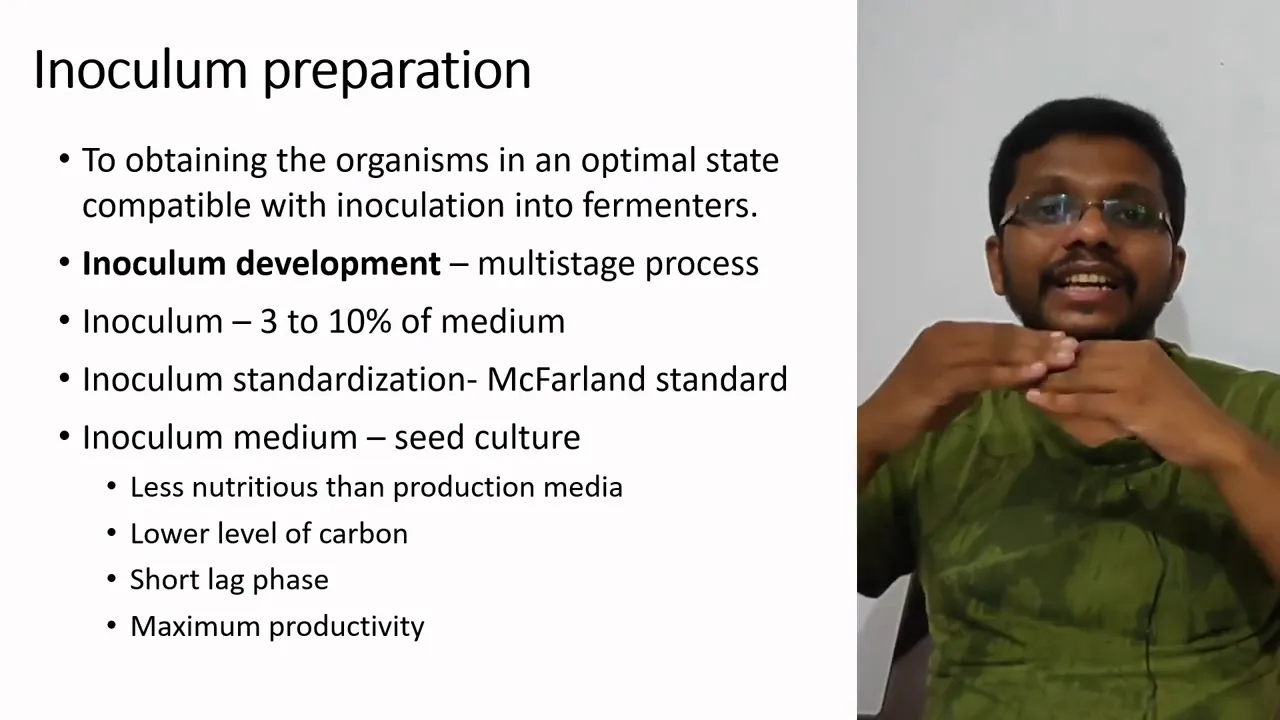
BPT 6.1 Inoculum Preparation
13.7K
The seed train is a step-wise process bridging preserved cells and production fermentation. Typical progression: preserved master culture → petri plate isolation → shaker flask → 10L → 100L → 1,000L → 10,000L → 100,000L fermenters. Direct inoculation from preservation to production is impractical due to volume mismatch and growth stage differences. Pre-culture involves selecting isolated colonies from master plates, preserving submasters, and inoculating shaker flasks for subsequent bioreactor cultivation. This staged approach ensures gradual adaptation and optimal inoculum development.
Click to watch →

Getting a bioproduct to market and future innovations
296
Biotech manufacturing requires optimizing conditions across multiple scales before commercial production. Ambr 250 systems enable testing of cell variations, media compositions, and bioreactor conditions at 100-250 milliliter scale, with Technical Economic Analysis projecting economic viability. Scale-up from 250mL to 1,000L presents significant challenges: pressure differences cause cell death at larger tank bottoms, and maintaining uniform nutrient/gas distribution becomes increasingly difficult. The gradual scale-up approach moves through 250mL → 1L → 2L/10L → pilot scale. Upstream processing involves seed train development where cells grow through progressively larger vessels before reaching production density. Inducers trigger protein production once optimal biomass is achieved, separating growth and production phases for maximum efficiency.
Click to watch →
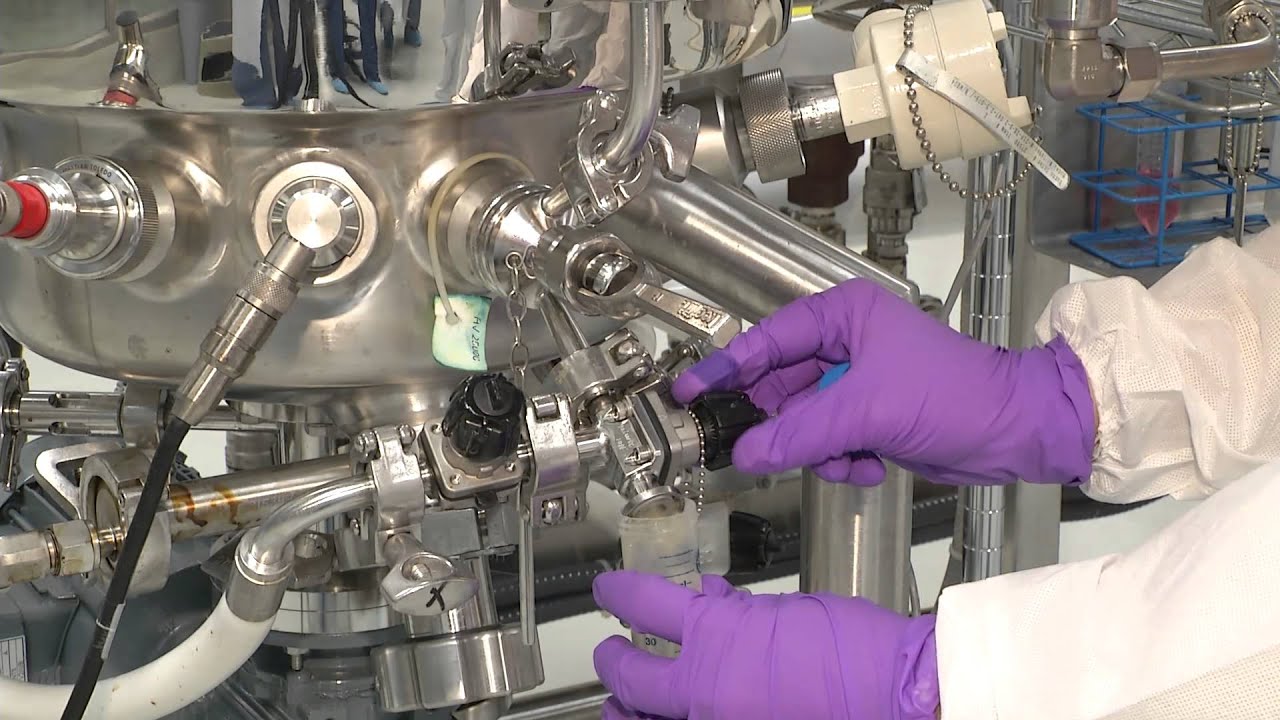
Bioprocessing Part 1: Fermentation
996.5K
The fermentation process involves selecting cells based on their ability to produce the desired product. A seed stock of cells is placed in a small amount of media containing necessary nutrients. When the cell population grows and consumes most nutrients, it is transferred to a larger vessel with more growth media. This scaling-up process repeats until the cell quantity is large and healthy enough for transfer to a production vessel called a bioreactor or fermenter.
Click to watch →

Michelet Dorceus - Graduate from Shaker to Fermentor
1K
Traditional cell culture scale-up follows a sequential process: frozen vials are expanded into single flasks, then aliquoted into multiple flasks as cell density increases. Adherent cells transfer to large shake flasks, dishes, or cell stack chambers, while suspension cells use spinner flasks or shake flasks. Spinner flasks range from 125 ml to 36 liters but face limitations including difficulty feeding cultures due to contamination risks, requirement for magnetic stirrers inside incubators, and extensive labor for decontamination. Shake flasks range from 50 ml to 6 liters but are limited to suspension cell culture and face geometric scaling constraints. Both methods lack automated process control, relying on media buffering for pH maintenance and manual feeding under biosafety cabinets. These limitations create bottlenecks that restrict process development and productivity.
Click to watch →
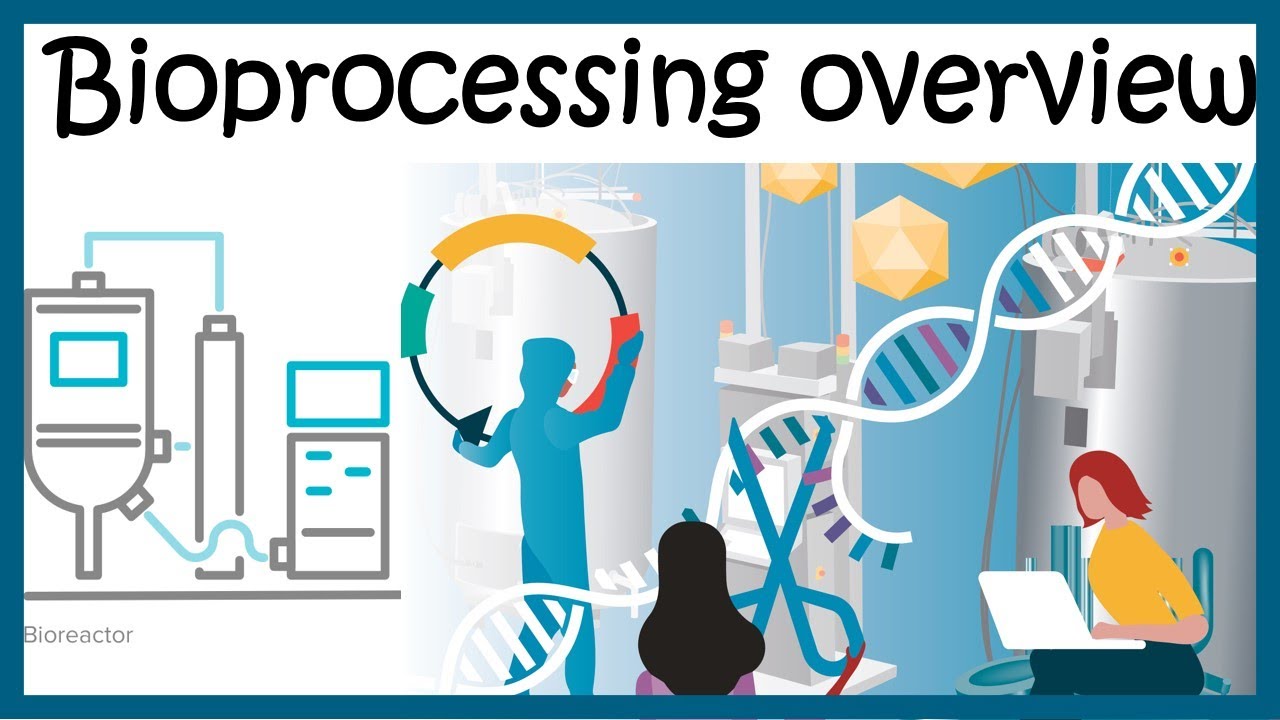
Bio-processing overview (Upstream and downstream process)
239.7K
Bioprocessing utilizes living cells (bacteria, mammalian, or plant cells) in bioreactors to produce biomedical products like enzymes, metabolites, and recombinant proteins. Unlike lab-scale work requiring only microliters, industrial production demands liters of product to meet global demand. The process begins with cloning the gene of interest, transfecting bacteria with recombinant plasmids, allowing bacterial growth to generate the product, and finally purifying it through chromatography. Companies scale this process from laboratory to factory levels, maintaining the same fundamental reactions while dramatically increasing output capacity.
Click to watch →
Deep Dive
Basic fluid dynamics and mass transfer principles in bioprocessing, specifically oxygen transfer rate (OTR) and shear-sensitive cell mixing.

Improve Process Control with Noise free Dissolved Oxygen and Carbon Dioxide Measurement
103
Oxygen transfer across phases depends on multiple pressure factors: gauge pressure (positive effect on bottom solubility), vapor pressure (negative competition), and hydrostatic pressure (creates vertical gradients). Oxygen transfer rate (OTR) equals driving force (saturation minus current concentration) multiplied by transfer coefficient K. Since driving force is predetermined by process conditions, efforts focus on maximizing K through improved mass transfer coefficients and interfacial area. This framework guides all oxygen supply strategy decisions in bioprocessing.
Click to watch →

Introduction to Bioreactors: Mixing, agitation & shear
12.4K
Flooding occurs when oxygen supply exceeds consumption at the impeller surface, causing oxygen escape before reaching all cells—creating localized oxygen-rich zones while leaving other regions deficient. Proper impeller speed scaling during reactor enlargement prevents flooding. Newtonian fluids maintain constant viscosity regardless of shear rate, though some materials like filamentous bacteria show non-Newtonian behavior. Microorganisms like E. coli experience similar forces to air bubbles. Low Reynolds numbers create limited shear primarily near impellers, potentially leaving central regions under-mixed. Increasing Reynolds number enhances oxygen transfer through turbulent vortices but excessive shear beyond an optimum point damages sensitive cells, particularly plant and animal cells, demonstrating the critical balance required in bioreactor design.
Click to watch →

Biotechnology: Principles and Processes Mega-Marathon | BioBali Series for NEET ft. Vipin Sharma
122.5K
Oxygen transfer in bioreactors is critical for aerobic cell cultures. Oxygen transfer rate (OTR) depends on: (1) Aeration rate, (2) Agitation speed, (3) Oxygen solubility in the medium, and (4) Cell density. High oxygen demand cells require efficient oxygen transfer systems.
Click to watch →

Lec 36: Oxygen transfer from bubble to cell
379
Oxygen transfer from gas bubbles to microbial cells in bioreactors involves eight sequential steps: gas-phase transfer inside bubbles, crossing the gas-liquid interface, diffusion through the stagnant liquid film surrounding bubbles, transport through bulk liquid, diffusion through the liquid film at the cell surface, crossing the cell membrane, intraarticle diffusion within cell pellets or clumps, and transport to the cytoplasmic reaction site. The rate-limiting step is typically diffusion through the stagnant liquid film surrounding the bubble. The oxygen transfer rate (OTR) is calculated as KLAC*(C* - CL), where KL is the mass transfer coefficient, A is the interfacial area, C* is the saturation concentration, and CL is the actual dissolved oxygen concentration. Factors affecting oxygen transfer include bubble size (optimal 2-3 mm), gas holdup, agitation speed, antifoam agents, temperature, and the presence of cells and metabolites that can blanket the gas-liquid interface.
Click to watch →

What is kLa? Simple explanation
7.9K
The volumetric oxygen mass transfer coefficient (kLa) measures oxygen transfer efficiency from gas to liquid phases in bioreactors. Based on the two-film theory, mass transfer occurs through boundary layers between phases, with rates depending on the mass transfer coefficient and contact area. The oxygen transfer rate (OTR) equals the difference between OTR and oxygen uptake rate by microorganisms. When OTR exceeds uptake rate, oxygen saturates the medium; when uptake rate exceeds OTR, concentrations fall below required levels for cell growth. This mathematical relationship governs aerobic fermentation dynamics.
Click to watch →
Deep Dive
The engineering definition of 'turndown ratio' and how it relates to minimum and maximum working volumes in vessel design.
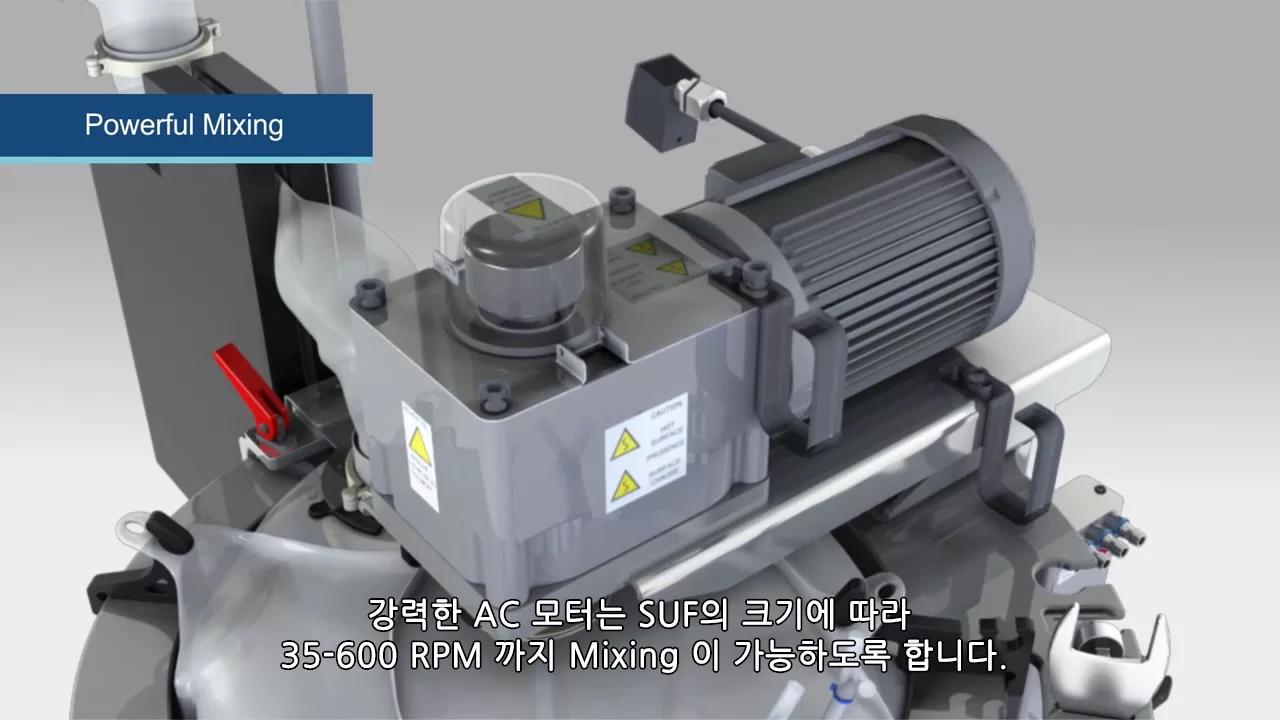
HyPerforma Single-Use Fermentor(S.U.F.)
1.2K
The Thermo Scientific High Performa Single-Use Fermenter (SUFF) represents a hybrid bioprocessing system combining conventional stainless steel design principles with single-use benefits. Key engineering features include a 32:1 height-to-diameter ratio, 5:1 turndown ratio, and visible volume markers. The system incorporates efficient cable management, dedicated tool holders, and a sterile mechanical coupling between motor and Bioprocess Container (BPC). The AC motor supports mixing rates from 35-600 rpm with top-driven vertical impeller assemblies using multiple Rushton impellers and baffles. Exterior baffles prevent vortexing while the jacketed vessel enables advanced temperature control. The 5:1 turndown ratio allows the 300L vessel to operate from 60L to 300L, with the 30L vessel requiring a minimum 6L media fill.
Click to watch →
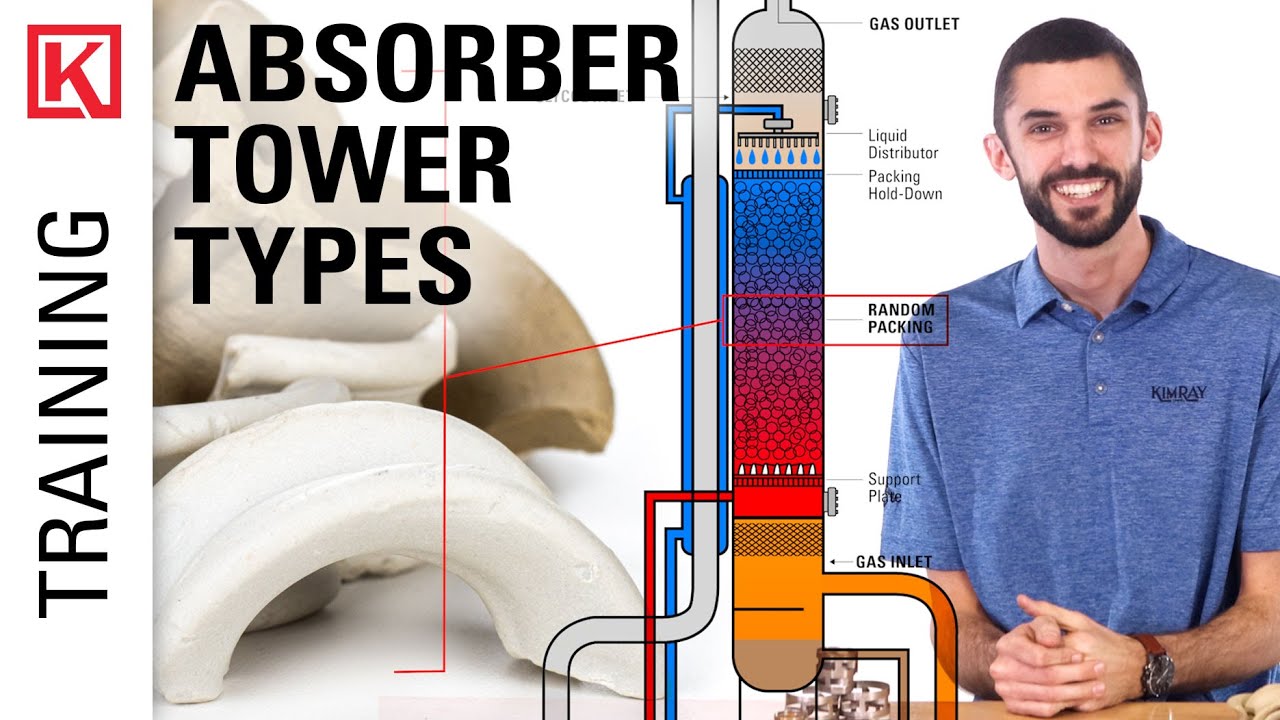
How Contactors Dehydrate Natural Gas || Random Packing, Structured Packing and Tray Absorber Towers
24.8K
The turndown ratio is the operating range of an absorber vessel expressed as the ratio of maximum flow rate to minimum capacity. For example, if a tower is rated at 10 million cubic feet per day maximum and 2 million cubic feet per day minimum, the turndown ratio is 5:1. Structured packing has virtually unlimited turndown ratios because changes in production do not impact absorber size requirements, allowing very low flow rates even up to 20:1 ratios. Random packing typically has a 6:1 turndown ratio, varying with packing shape and absorber size. Trayed towers with bubble caps have an average turndown ratio of 6:1 but can reach up to 10:1 depending on tray and bubble cap designs.
Click to watch →

Part 4 - Dumping, Stability diagram, turndown ratio & Mechanical problems leads to flooding/Dumping
8.1K
Turndown ratio quantifies operational flexibility as the ratio of design vapor throughput to minimum vapor throughput for satisfactory operation. High turndown indicates good flexibility at low throughputs. For maximum tray efficiency, columns should operate at highest possible liquid and vapor flow rates within the stable region. High liquid flow maintains deep liquid pools for adequate residence time; high vapor flow creates small bubbles and turbulence, increasing interfacial surface area and mass transfer coefficient. Operating at maximum capacities achieves both high efficiency and high throughput simultaneously, with design typically targeting vapor flow around 90% of flooding conditions.
Click to watch →
Lecture 41 : Flow Measurement
5.3K
Rangeability refers to the minimum and maximum measurable flow rates with specified accuracy. Turndown ratio is the ratio of maximum flow to minimum flow (e.g., 50:1). For a flow meter with 50:1 turndown ratio and full-scale rating of 20 L/min, the minimum measurable flow is 0.4 L/min (1/50 of 20). If minimum required flow is 0.1 L/min, maximum measurable flow is 5 L/min (50 × 0.1).
Click to watch →

Instrument Turndown Ratio Concept Basic Explanation
2.1K
The instrument turndown ratio (also called rangeability or range down ratio) is the ratio of maximum allowable span to minimum allowable span that an instrument can handle; for example, a pressure transmitter with a 0-300 PSI range and a 20:1 turndown ratio has a minimum allowable adjustable span of 15 PSI (calculated as 300 ÷ 20), meaning the process range cannot be adjusted below this minimum value.
Click to watch →
Prerequisite Knowledge
- Concept 01Fundamental principles of bioreactor design, including the differences between traditional stainless steel and single-use technologies (SUT).
- Concept 02The concept of seed train expansion in bioprocess engineering, detailing how cell cultures are scaled up sequentially.
- Concept 03Basic fluid dynamics and mass transfer principles in bioprocessing, specifically oxygen transfer rate (OTR) and shear-sensitive cell mixing.
- Concept 04The engineering definition of 'turndown ratio' and how it relates to minimum and maximum working volumes in vessel design.
Subsequent Learning
- Step 01Advanced scale-up and scale-down modeling strategies using high-turndown bioreactors for industrial biomanufacturing.
- Step 02Process intensification techniques, such as utilizing 5:1 turndown for N-1 perfusion culture or direct inoculation strategies.
- Step 03Economic and environmental life-cycle assessments (LCA) comparing high-turndown single-use facilities with traditional multi-use facilities.
- Step 04Implementation of Process Analytical Technology (PAT) sensors (e.g., pH, DO, biomass) optimized for low-volume operational phases.
SUBs 5:1 Benefits
Sparger & Scaling
Final Note
SUBs 5:1 Benefits
0:00Playing Section
- 1
5:1 turndown enables low, half, and full volume mixing.
- 2
Reduces vessels, transfers, and capital expenses.
- 3
Includes new motor mount for adjustable impeller angles.
Limitations in Mass Transfer and Sensor Control at High Turndown Ratios
While a 5:1 turndown ratio in single-use bioreactors (SUBs) offers operational flexibility, it introduces significant technical trade-offs. Operating at minimum volume (e.g., 20%) often compromises mixing and mass transfer efficiency. Impellers and spargers designed for maximum volume may generate excessive shear stress or inadequate oxygen transfer (kLa) at low liquid levels, potentially harming sensitive mammalian cells. Additionally, ensuring proper probe submergence (for pH, dissolved oxygen, and temperature sensors) is highly challenging at low volumes, risking poor process control. Critics argue that traditional multi-vessel seed trains—using smaller, dedicated bioreactors optimized for specific volumes—provide superior environmental control, consistency, and predictability compared to high-turndown single-vessel systems.
Deep Dive
Advanced scale-up and scale-down modeling strategies using high-turndown bioreactors for industrial biomanufacturing.

Escalamiento de Procesos Biotecnológicos
7.2K
Industrial bioreactors contain significant spatial heterogeneities: CFD modeling reveals high-oxygen zones near impellers (22%) and low-oxygen zones near walls (0%). Experimental measurements in 25,000 L reactors showed 50-75% of volume experiences poor mixing. Microorganisms continuously move between high and low stress zones throughout batches. To predict industrial behavior, researchers perform downscaling experiments—cyclically moving small reactor samples between conditions simulating industrial heterogeneities. Oscillation experiments revealed that while biomass and production may remain unaffected, product quality (molecular structure, post-translational modifications) can degrade significantly. Different microorganisms respond differently: some improve productivity under oscillating conditions, some show no effect, some show decreased performance. Heat transfer becomes increasingly difficult as reactor size increases due to decreasing area-to-volume ratio. An emerging approach involves genetically modified microorganisms less sensitive to environmental variations, shifting from reactor design to organism modification.
Click to watch →
Design, Characterization, and Scale-Up Strategy for a New Single-Use Production-Scale Bioreactor
9.3K
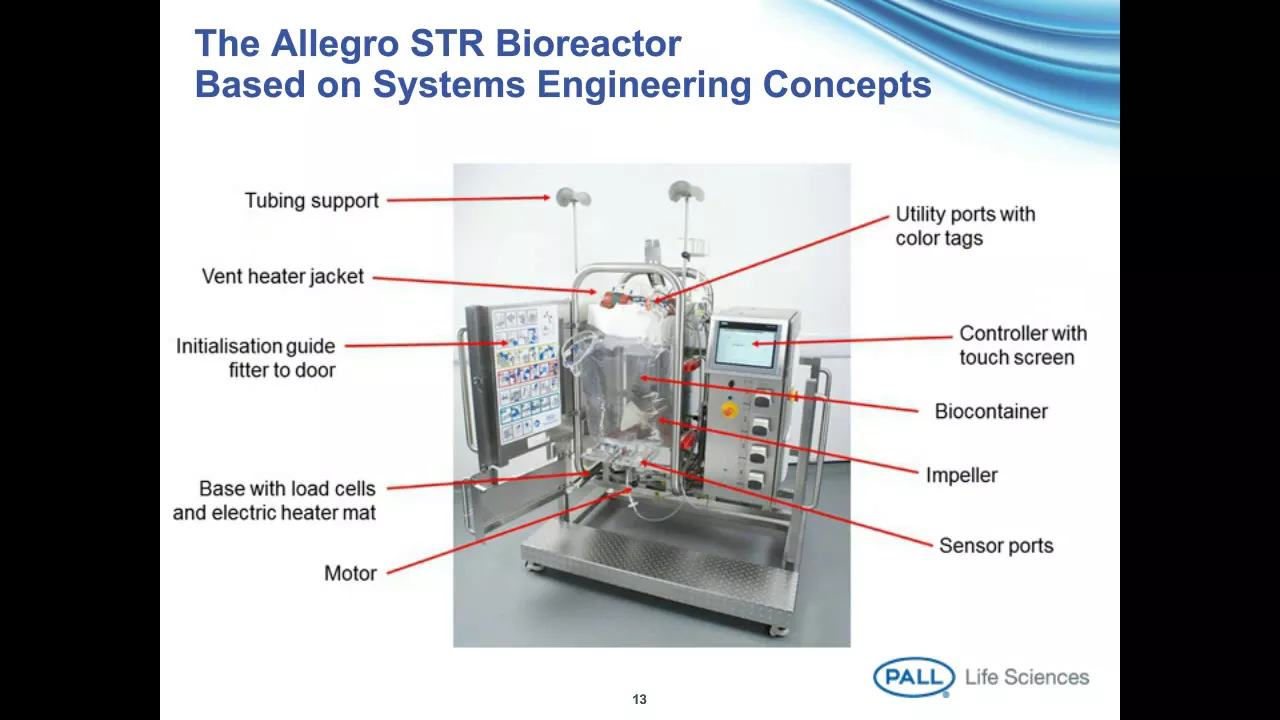
This section advances the discussion to advanced bioreactor features and systematic scale-up strategies. It covers CO2 stripping mechanisms using open pipe/ring spargers at 0.2vvm flow rates, which achieve high oxygen transfer without cell damage. The versatility of up-pumping impellers for microcarrier suspension is highlighted, along with the square geometry's benefits for surface-to-volume ratios and homogeneity. The section transitions to scale-up methodology, explaining why constant power input (rather than tip speed) maintains consistent mixing and mass transfer across scales. Constant superficial gas velocity is preferred over constant VVM to prevent excessive or insufficient gassing. The presentation establishes rigorous validation criteria including dissolved oxygen setpoints, pH control, and decoupled CO2 management. This methodology enables successful translation from benchtop development to manufacturing-scale production.
Click to watch →

Bioreactors recap: sensors, modelling, scale up and alternative reactor design
802
This video explains key bioreactor engineering concepts including sensor classification (offline, outline, online, inline), inferential control using soft sensors with PCA and PLS data analysis tools, Monod kinetics for growth modeling, and alternative reactor designs like airlift reactors for shear-sensitive cells; it emphasizes that scale-up requires careful adjustment of parameters like impeller speed and oxygen transfer rates, and highlights the growing trend toward scale-out approaches using multiple smaller reactors rather than single large units.
Click to watch →

Day4-PRECISION FERMENTATION FOR SUSTAINABLE MANUFACTURING OF BIO-ACTIVES AND INDUSTRIAL BIOCHEMICALS
265
Two primary scale-up strategies: tip speed strategy maintains identical geometry and L/D ratio (Tip speed = πDN); power density strategy maintains power per unit volume constant. Biological oxygen requirement (K_bio = OUR/C*) must be less than actual K_La. Product-specific considerations: antibody production emphasizes mass transfer and shear protection; virus production focuses on vector integrity; cell therapy requires optimizing nutrient/oxygen delivery while managing shear forces.
Click to watch →
Improving Single-Use Bioreactor Design and Process Development
1K
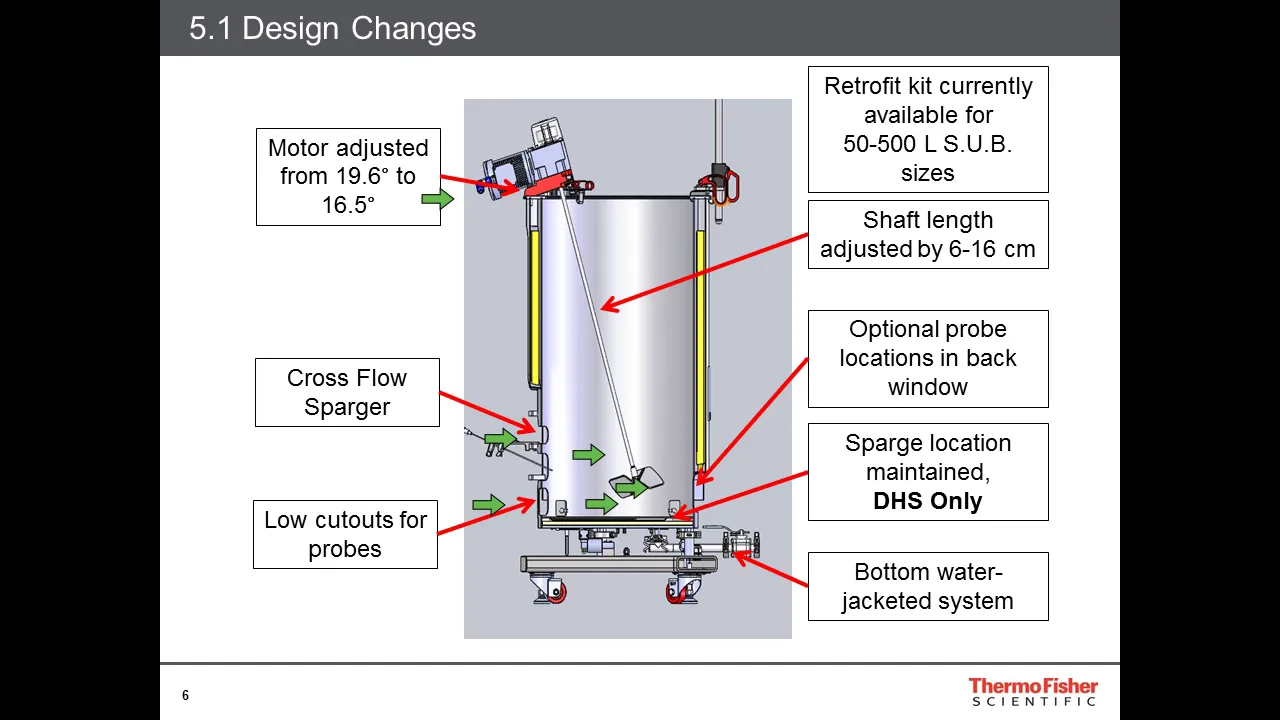
Experimental validation demonstrates bioreactors at 20% volume perform comparably to full-volume operations when tip speed and power input per unit volume are maintained constant, confirming consistent cell viability and biomass accumulation. The 5:1 ratio enables direct scale-up from 750 ml flasks to 2,000-liter bioreactors without intermediate equipment, significantly reducing floor space and transfer connections. Retrofit kits allow existing bioreactors to achieve 5:1 ratios through modified shafts and repositioned spargers. Cross-flow sparging remains effective only at small scales; at higher volumes, spargers must transition to standard overlay configurations. The technology supports both batch and continuous processing, eliminating intermediate seed bioreactors and enabling perfusion strategies. Successful implementation requires addressing gas management, heat transfer, scalability, power input consistency, and probe positioning simultaneously.
Click to watch →
Deep Dive
Process intensification techniques, such as utilizing 5:1 turndown for N-1 perfusion culture or direct inoculation strategies.

EFCE Spotlight Talks - Lifelong Learning of Process Intensification - Innovative industry - 02/12/20
328
This section presents two complementary approaches to process intensification design: (1) The research approach focuses on establishing new intensified processes using principles like maximizing molecular events, ensuring uniform molecular experience, optimizing driving forces and surface areas, and seeking synergies between partial processes; (2) The process synthesis approach treats PI as a design methodology involving scoping, function definition, function integration, modeling/simulation, optimization, and evaluation. A merged five-step strategy integrates both approaches: considering the whole process, functions and their integration, dynamic tricks, thermodynamic considerations, and equipment selection. This methodology was applied to develop a commercial biomass gasification process using novel fluid bed rotating cone reactors.
Click to watch →
Lec 01: History, Philosophy and Concept
5.6K
Process intensification in the 1980s-1990s focused on four key areas: centrifugal forces, compact heat transfer, intensive mixing, and combined technologies. Research at Delft University developed structured reactors for microstructure applications, commercialized with DSM Fine Chemicals. The Grenoble Institute developed compact heat exchangers, while Pacific Northwest National Laboratory advanced microchannel technology. MIT initiated microreactor research in the 1990s, and Beijing University developed high gravity processing. Commercial applications emerged including Eastern Chemicals' methyl acetate production, Solvay's hydrogen peroxide distillation, and Dow Chemicals' hypochlorous acid production. Ramshaw defined process intensification as designing compact plant that reduces main plant items and installation costs. Cross and Ramshaw defined it as any chemical engineering development leading to substantially smaller, cleaner, and more energy-efficient technology. Frank emphasized improvements in performance by rethinking processes as a whole, enabling new products. The philosophy follows five principles: smaller (macro to micro to nano), cheaper (more economical), safer (no health concerns), sleeker (streamlined equipment), and sustainability (long-lasting, environmentally responsible).
Click to watch →

Orasi Ilmiah Prof. Dr. Yogi Wibisono Budhi, S.T., M.T.
1.1K
Process intensification is the creative and innovative development of process equipment, methods, and advanced materials achieving substantial improvements over conventional technology. It is pursued for three reasons: improving process performance (conversion, selectivity, energy efficiency), preventing technology obsolescence, and reducing manufacturing costs (10-20% of plant costs come from equipment). The core principle is 'using less to produce more' - achieving superior performance with fewer resources. The historical evolution includes: 15th-century origins of 'intensif' meaning concentrated; 1476 Georgius's 'De Metallica' on metal extraction; 1983 Hi Gravity technology at UMIST Manchester rotating beds to reduce mass/heat transfer resistance; 2000s developments in micro-reactors, catalyst sponges, and spinning disc reactors; and 2007 global conference in Netherlands with 45 intensification experts.
Click to watch →

Mod-01 Lec-19 Energy Balance – IV : Temperature Effects on Rate & Equilibria
835
This section addresses advanced process intensification techniques and mathematical analysis for reactor optimization. Feed preheating brings the starting point closer to the maximum reaction rate curve, reducing required reactor size. For gas-phase reactions, interstage cooling represents significant capital investment due to inherently low gas-phase heat transfer coefficients, especially at high pressures. Radial flow reactors with concentric cylindrical catalyst beds offer advantages for volume-changing reactions by enabling control of catalyst bed thickness to manage both reaction extent and temperature rise. The section also presents advanced mathematical analysis demonstrating that two seemingly different optimization approaches yield identical results: setting ∂r/∂T = 0 at constant conversion produces the same locus as setting ∂x/∂T = 0 at constant reaction rate. Both approaches yield x = kΔ/(1 + kΔ), revealing that whether analyzing rate-conversion-temperature relationships from the perspective of rate maximization or conversion maximization, the optimal operating conditions lie on the same curve.
Click to watch →

Department webinar:Process Intensification via continuous flow chemistry by Prof. Anil Kumar-
1.1K
Process intensification refers to any change that improves the rate of reaction without compromising safety. It encompasses five key components: (1) Improvement in reaction rate - increasing reaction speed safely; (2) Improvement in process control - enhancing safety and reducing liability; (3) Improvement in heat transfer - maintaining production units efficiently; (4) Improvement in handling and awareness - addressing regulatory concerns; (5) Decrease in carbon footprint - reducing utility and energy requirements. These components work together to make chemical processes more efficient, sustainable, and economically viable.
Click to watch →
Deep Dive
Economic and environmental life-cycle assessments (LCA) comparing high-turndown single-use facilities with traditional multi-use facilities.

Analysing the Packaging and Packaging Waste Directive - What are the implications for our forests?
447
Lifecycle assessments compare the environmental impacts of single-use versus multi-use packaging throughout their entire lifecycle. Even with limited rotation numbers (few times reused), multi-use packaging typically performs better environmentally than single-use alternatives if the single-use items are not properly recycled. This is because single-use items often end up in landfills or incineration without proper end-of-life treatment.
Click to watch →
Analyse de cycle de vie d’un soin de pansement sur cicatrice non infectée - CH de Denain
135
The eco-conception project used Life Cycle Assessment (LCA) with the Product Environmental Footprint methodology, utilizing SINAPRO software and ecoinvent database. Eight environmental indicators were analyzed: climate change, water consumption, fine particles, acidification, eutrophication, fossil resources, and mineral resources. Three scenarios were compared: (1) current single-use set with 4-step disinfection, (2) multiple-use kit with 4-step disinfection, and (3) simplified care without kit or disinfection following 2022 French health authority recommendations.
Click to watch →

Auf diese Flasche solltest du verzichten | Galileo | ProSieben
107.1K
This segment explains the critical difference between single-use (Einweg) and multi-use (Mehrweg) bottles in Germany. Single-use bottles are made of thin, easily compressible plastic with a 25 cent deposit, marked clearly on bottles and in supermarkets since 2023. Multi-use bottles come in glass or plastic with a deposit of 8-15 cents. Single-use bottles cause nearly double the CO2 emissions because they require constant melting and new production, while multi-use bottles are cleaned and reused 25-50 times. If Germans stopped using single-use bottles, 15 million tons of CO2 could be saved annually. The segment emphasizes that choosing multi-use bottles is the better environmental choice.
Click to watch →
Одноразовые вещи
269
Life Cycle Assessment (LCA) is a scientific methodology that evaluates the environmental impact of products throughout their entire lifecycle, from raw material extraction to disposal, rather than focusing on single stages. Research shows that reusable items (like ceramic mugs or cloth bags) are more environmentally beneficial than single-use alternatives only when used frequently enough to offset their higher initial production costs. For example, a reusable mug needs approximately 1,000 uses to equal the environmental impact of a single plastic cup. Additionally, 'biodegradable' plastics often require specific industrial composting conditions to break down properly and may not decompose in landfills, making traditional plastic sometimes more environmentally preferable depending on disposal infrastructure.
Click to watch →

Life Cycle Approach to Plastic Pollution Management
193
LCA offers critical advantages for assessing single-use plastic products: (1) Whole life cycle perspective prevents burden shifting between stages; (2) Standardized methods ensure fair 'apples-to-apples' comparisons; (3) Multi-impact assessment evaluates environmental effects beyond just climate change; (4) Prevention of regrettable substitution - replacing one problematic material with another that has unforeseen negative impacts. LCA meta-studies have been consolidated for products including shopping bags, water bottles, tableware, food containers, and face masks. The key insight is that the environmental issue is often the single-use nature of products rather than specific materials, making reusable alternatives consistently better choices.
Click to watch →
Deep Dive
Implementation of Process Analytical Technology (PAT) sensors (e.g., pH, DO, biomass) optimized for low-volume operational phases.
Development of a Semi-Continuous Manufacturing Process - Webinar Presentation - METTLER TOLEDO - EN
151
Process Analytical Technology (PAT) should be implemented in a stage-appropriate manner where heavy probing occurs upfront using multiple orthogonal real-time techniques to define control strategies and quality attributes. As the process moves to later development stages, these requirements are trimmed back to rely on broadly available, robust instruments whose readouts can be directly correlated to initial characterization techniques.
Click to watch →

PAT: Process Analytical Technology o Tecnología Analítica de Procesos.
118
Process Analytical Technology (PAT) is defined as a system for designing, analyzing, and controlling manufacturing through timely measurements during production, with the goal of enhancing process understanding and quality control. For a method to qualify for PAT, it must be fast, non-destructive, require no sample preparation, provide chemical and physical information, and be cost-effective—requirements that spectroscopy uniquely satisfies. Two primary spectroscopic techniques exist: transmission (light passes through sample, suitable for thicker samples but limited to ~9-10mm) and reflection (light reflects off surface, better for geometric variations and moving samples). Critical terminology includes offline (separate rooms), outline (same room but not connected), online (sampling loop), and inline (directly in process) analysis. Continuous manufacturing offers transformative advantages over batch production: reduced time-to-market through faster development; flexibility in batch size; minimized product losses; tighter process control enabling higher quality; lower CAPEX and OPEX; reduced storage needs; improved operator safety; and smaller ecological footprint. Strategic sensor placement along the powder stream at four critical positions—above the blender, in the feed frame chamber, on the tablet turret, and in the tablet tester—requires specific considerations including residence time distribution models, cleaning concepts for dusty environments, and maintaining steady-state conditions. The three-step roadmap to real-time release involves building understanding and trust, then process optimization, and finally achieving real-time release. For spectroscopic methods, NIR works effectively up to ~5% concentration, with feasibility studies recommended for 1-5% range and typically unsuitable below 1%. Raman spectroscopy offers superior sensitivity for low-concentration detection. Model development requires creating calibration curves using blends of different concentrations, verified against reference methods. Key evaluation metrics include RMSECV (model error) and R-squared (correlation strength), with a critical consideration being balancing precision against robustness—overly aggressive optimization to minimize RMSECV can compromise model reliability by making it sensitive to extraneous variables like humidity or particle size changes.
Click to watch →
Using dielectric spectroscopy in bioprocessing - Aber Instruments
969
The FDA's Process Analytical Technology (PAT) initiative requires monitoring critical process parameters that impact product quality attributes. Biomass is a critical process parameter that must be monitored. While pH and dissolved oxygen are monitored online in real-time, biomass is often measured offline, creating an incomplete picture. Capacitance technology addresses this gap by providing real-time online biomass measurement.
Click to watch →

Oportunidades de la micro y nanotecnología en la producción de virus
116
This section covers the sensors and miniaturization technologies used in bioreactor operation. The speaker explains pH sensors work by detecting proton concentration through an electrolyte that generates an electrical signal. Oxygen sensors (Clark-type) use a membrane permeable to oxygen with a platinum electrode that generates a signal proportional to oxygen concentration. The section discusses the challenges of miniaturizing bioreactors for process development, which requires developing smaller sensors and control systems. The speaker explains that miniaturization allows for parallel testing of multiple cell clones or conditions in smaller volumes, reducing cost and time for process development. The section covers capacitance-based cell counting, which uses electrical fields to detect cells, where cells form dipoles generating pulses proportional to cell size. This enables real-time monitoring of cell density without sampling. The section also discusses microreactor technologies being developed in Europe and the United States for applications in drug testing and process optimization, including sensors for biomass measurement, gas monitoring, and humidity control.
Click to watch →
Michelet Dorceus - Graduate from Shaker to Fermentor
1K
Bioreactors address traditional method limitations by providing automated control of pH, DO, CO2, and temperature—unlike shake flasks and spinners that rely solely on media buffering. They offer process flexibility with batch, fed-batch, and perfusion modes, and scalable operations from 50 ml to 500,000 liters. Small-scale bioreactors (60-250 ml working volumes) enable media optimization, clone creation, and process development directly transferable to production bioreactors. Systems combine glass autoclavable vessels with single-use technology options, offering flexibility for design of experiments and scale-down approaches while reducing costly media consumption.
Click to watch →
SUBs 5:1 Benefits
Sparger & Scaling
Final Note
SUBs 5:1 Benefits
0:00- 1
5:1 turndown enables low, half, and full volume mixing.
- 2
Reduces vessels, transfers, and capital expenses.
- 3
Includes new motor mount for adjustable impeller angles.
Limitations in Mass Transfer and Sensor Control at High Turndown Ratios
While a 5:1 turndown ratio in single-use bioreactors (SUBs) offers operational flexibility, it introduces significant technical trade-offs. Operating at minimum volume (e.g., 20%) often compromises mixing and mass transfer efficiency. Impellers and spargers designed for maximum volume may generate excessive shear stress or inadequate oxygen transfer (kLa) at low liquid levels, potentially harming sensitive mammalian cells. Additionally, ensuring proper probe submergence (for pH, dissolved oxygen, and temperature sensors) is highly challenging at low volumes, risking poor process control. Critics argue that traditional multi-vessel seed trains—using smaller, dedicated bioreactors optimized for specific volumes—provide superior environmental control, consistency, and predictability compared to high-turndown single-vessel systems.
Fundamental principles of bioreactor design, including the differences between traditional stainless steel and single-use technologies (SUT).
The concept of seed train expansion in bioprocess engineering, detailing how cell cultures are scaled up sequentially.
Basic fluid dynamics and mass transfer principles in bioprocessing, specifically oxygen transfer rate (OTR) and shear-sensitive cell mixing.
The engineering definition of 'turndown ratio' and how it relates to minimum and maximum working volumes in vessel design.
Advanced scale-up and scale-down modeling strategies using high-turndown bioreactors for industrial biomanufacturing.
Process intensification techniques, such as utilizing 5:1 turndown for N-1 perfusion culture or direct inoculation strategies.
Economic and environmental life-cycle assessments (LCA) comparing high-turndown single-use facilities with traditional multi-use facilities.
Implementation of Process Analytical Technology (PAT) sensors (e.g., pH, DO, biomass) optimized for low-volume operational phases.
34.4K views0likes4:33@MglombOriginal Release: 2017-09-06
thermoscientific high performa single-use bioreactors or Subs are now available with a standard 5 to1 turndown ratio in all vessel sizes including the 1,000 and 2,000 L models the advantages of vessels with the 5 to1 turndown ratio include the ability to do low volume half volume and full volume mixing fewer SE Trin vessels and the ability to do concurrent cell runs in parallel vessels fewer bioprocess containers ERS or bpcs and more standardized Parts fewer solution transfers and sterile line connections and reduced Capital expenditures and operating expenses each of the 1,2000 L 5:1 Subs comes configured with a new motor mount unit which easily adjusts the motor and impeller shaft angle for different mixing volumes the 200 L sub also has a new integrated bpc lift system which assists in the installation of the bpc simply lower the bpc hooks with the bpc lift [Music] control place the bpc inside the vessel [Music] connect the hooks to the bpc hook tabs and raise the hooks until the bpc settles into place bpcs for the 5 to1 Subs are equipped with bottom mounted drilled hole spargers and a new patented cross flow Sparger for low volume mixing the cross flow Sparger is located just above the liquid level allowing for mixing of the heads space gas and therefore reduction of carbon dioxide levels in the head space and in solution for half and full volume mixing the motor position and impeller shaft angle can be easily adjusted using the motor lift's handheld controller start by closing the crossflow Sparger clamp complete the fill to the desired volume stop the impeller raise the motor and shaft into position by turning the knob on the motor lift controller and restart the impeller this graph shows the variable cell density and cell viability results for High performa 5 to1 Subs in volumes of 50 to 2,000 L the results show that Peak cell density is maintained cell viability is is preserved and similar growth rates are achieved among all of the vessel sizes demonstrating scalable performance this graph shows the variable cell density and cell viability results for High performa 5 to1 Subs including a 50 L seated at 5 to1 volume and fed to full volume a 50 L seated at 5 to1 volume and maintained at 5:1 volume a 250 L seated at 5:1 volume and fed to full volume and a 250 L seed at full volume the results show that similar cell density viability and growth rates were achieved at 5 to1 and full working volumes the use of the Cross flow Sparger at 5 to1 volumes to remove carbon dioxide buildup both in the head space and solution is effective resulting in consistent performance compared to full volumes thermoscientific High performa 5:1 single-use bioreactors now available in all vessel sizes including 1,000 and 2,000 L for more information please contact your sales representative or visit thermofisher.com ssut [Music] [Music]
Up Next
7:16
Tangential Flow Filtration: Principles, Membranes, and Techniques
@acebiologics1
88K views•2021-01-22

12:54
Triumph of Orthodoxy Icon: Byzantine Art & History Explained
@BenCallan
2.1K views•2024-08-06

9:49
FastAPI vs Flask vs Django: Choosing the Right Python Web Framework
@TechWithTim
302.5K views•2024-05-26

1:42
Game of Thrones Opening Credits: A Cinematic Analysis
@gameofthrones
46.3M views•2011-04-18
Related Study Plans & Knowledge Roadmaps
Structured learning paths in General & Interdisciplinary Studies
general-studies
Elevator Engineering: History, Physics & Cities
01From Hoists to Safety Brakes: The Dawn of Vertical Lift
02Hydraulic vs. Traction: The Engineering Physics of Elevators
03Modern Speed, Safety, and Algorithms
+ 2 more learning modules
12h5 modules
Explore Roadmap
general-studies
Rubber: Material Science, History & Geopolitics
01Origins of Natural Rubber & Mesoamerican History
02The Chemistry of Natural Rubber & Vulcanization
03The Geopolitics of the Rubber Boom & Colonization
+ 2 more learning modules
12h5 modules
Explore Roadmap
general-studies
Containerization: Evolution, Logistics & Trade
01Ancient Trade & Bulk Cargo: Amphorae to Barrels
02The Industrial Revolution & Cardboard Packaging
03The Containerization Revolution: Malcom McLean
+ 2 more learning modules
12h5 modules
Explore Roadmap
general-studies
Textile Tech: Evolution, Labor & Global Impact
01Pre-Industrial Textiles: Handloom & Cottage Industry
02Mechanization: The Spinning Jenny to the Power Loom
03The Factory System & Global Labor Transformation
+ 2 more learning modules
10h5 modules
Explore Roadmap