







![Shiroyama – The Satsuma Rebellion – Sabaton History 007 [Official]](https://i.ytimg.com/vi_webp/yX_y2SAAhPg/maxresdefault.webp)



![일본 지리, 지도 30분만에 아는척하기 [통합#일본地]](https://i.ytimg.com/vi_webp/7rET93fFxoU/maxresdefault.webp)
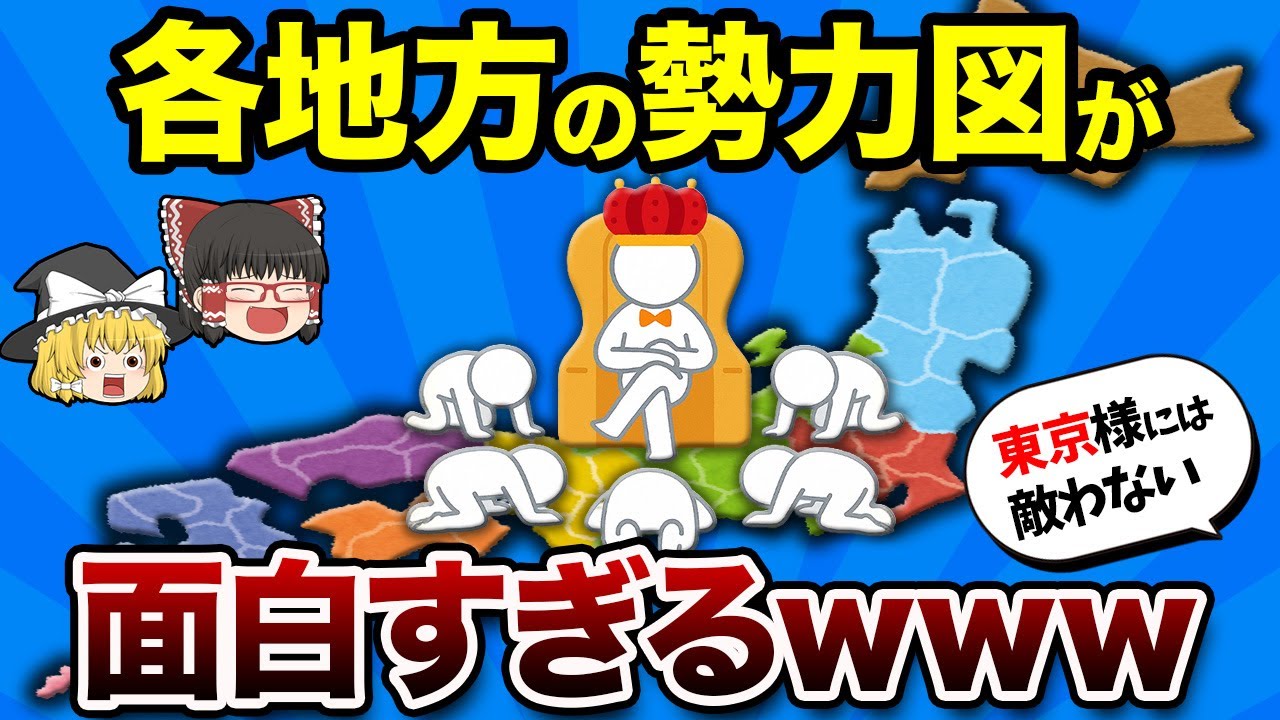

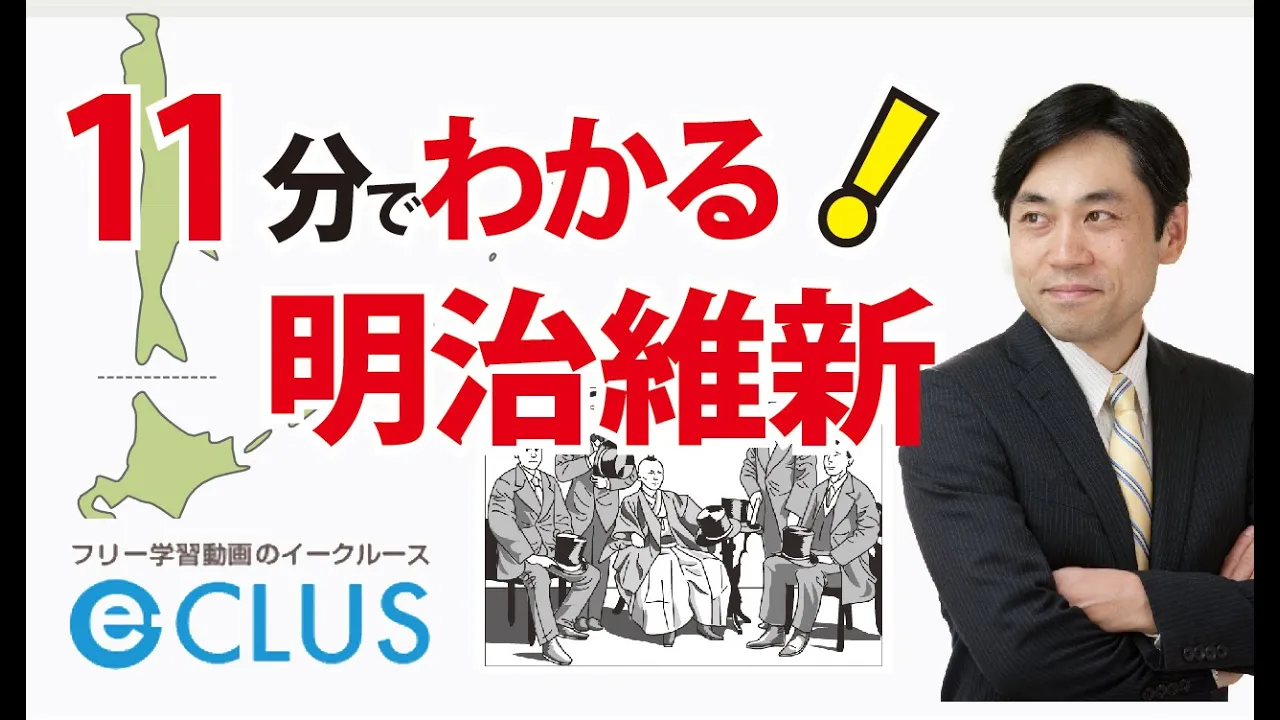
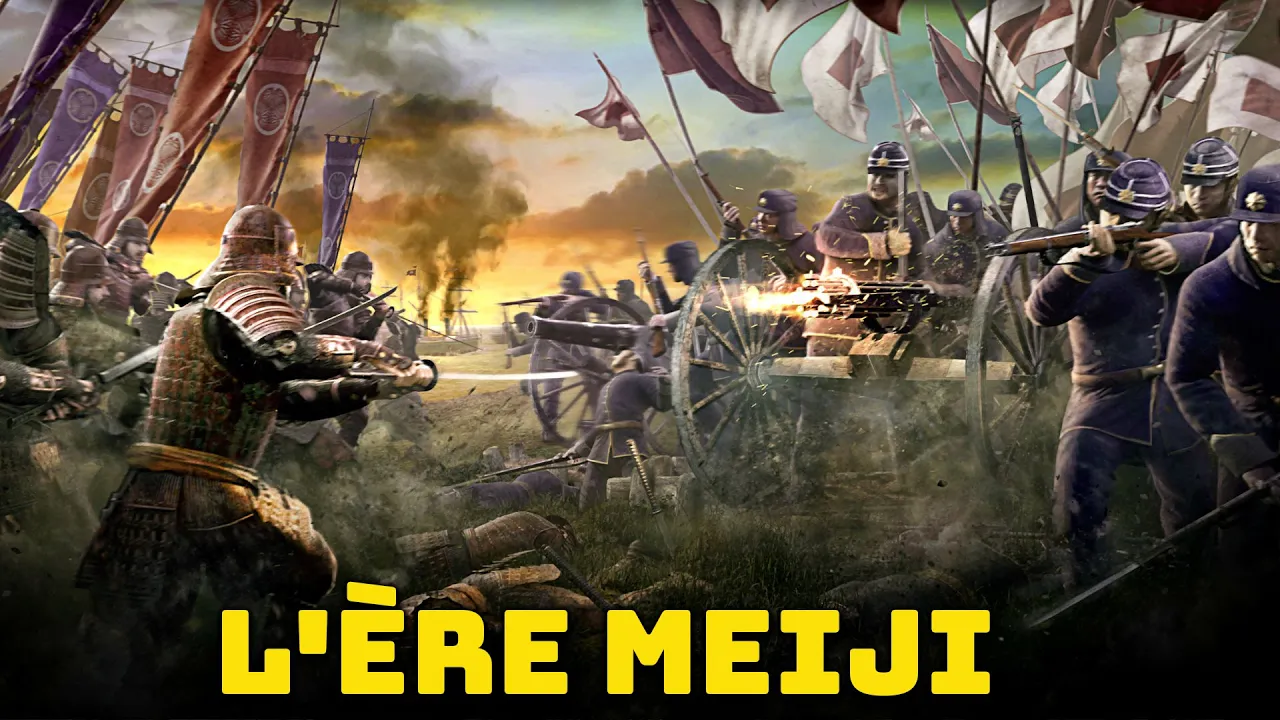


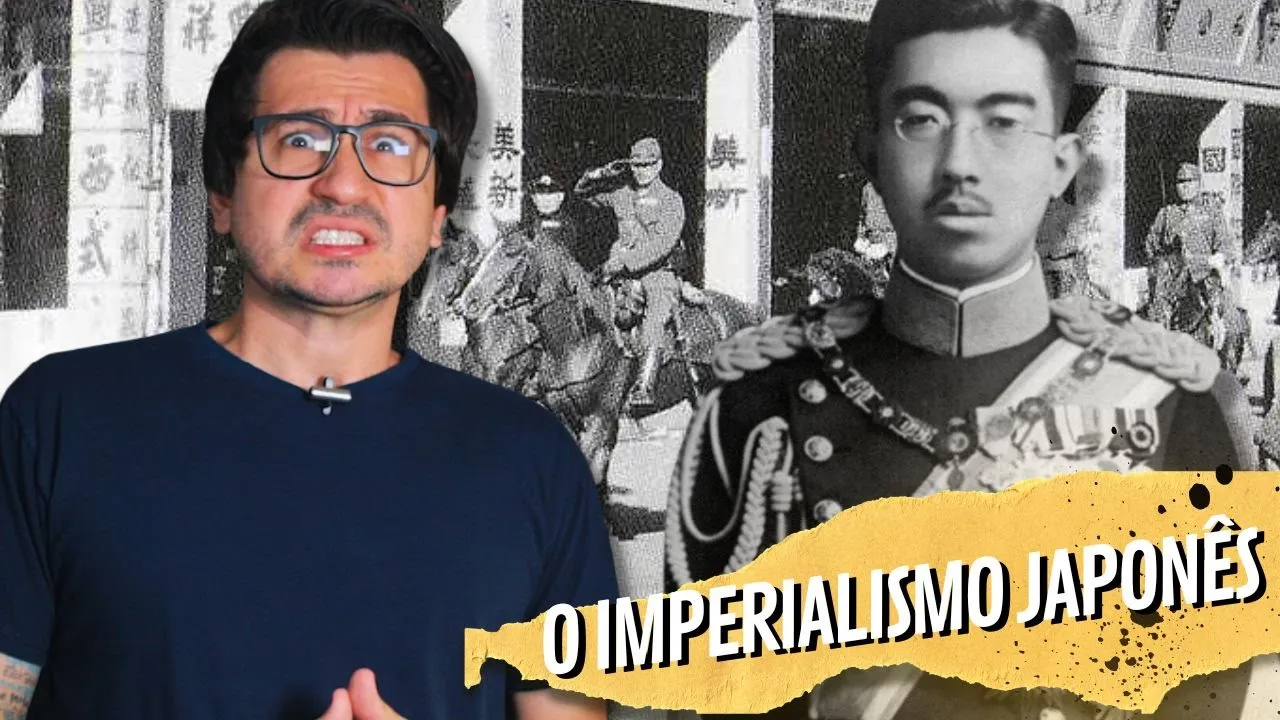








The shogunate was a military government system that ruled Japan multiple times throughout its history, with the Tokugawa Shogunate (1600-1868) being the last major one; it established a feudal social hierarchy where the Emperor held nominal power while the shogun served as the de facto head of state, ruling through approximately 250 daimyo lords who controlled domains ranked by rice production, and supported by samurai warriors bound by the code of bushido, until Western influence and internal divisions led to its overthrow in the Boshin War and the subsequent Meiji Restoration.
The Shogunate System of Japan: History, Structure, and Legacy Explained
Added:The structure and role of the classical Japanese Imperial Court (particularly during the Heian Period) and the nominal authority of the Emperor.
The foundational concepts of feudalism, including the decentralized distribution of land in exchange for military service and loyalty.
The emergence of the samurai (warrior) class and the basic tenets of Bushido (the warrior code) in early medieval Japan.
Japan's physical geography, particularly its mountainous terrain and regional divisions, which historically fostered localized power bases.
The detailed political, social, and economic reforms of the Meiji Restoration, including rapid Westernization and the abolition of the samurai class.
Japan’s transition from isolationism (Sakoku policy) to modernization and its subsequent rise as a global imperial power in the late 19th and early 20th centuries.
A comparative analysis of Western European feudalism and Japanese feudalism, focusing on differences in social contracts, loyalty, and law.
The enduring legacy of the shogunate and samurai ethics (Bushido) on modern Japanese corporate culture, national identity, and global media.
596.8K views6.5Klikes6:19Original Release: 2016-04-10
The island nation of Japan was ruled by a form of government known as the shogunate multiple times throughout its history.
The last shogunate, the Tokugawa Shogunate, ruled Japan from 1600 to 1868, before it was overthrown by the Empire of Japan.
The shogunate system created a social structure roughly similar to that of medieval Europe, and was an important factor in shaping Japanese culture and history.
So, what exactly was a shogunate?
A shogunate was essentially a military government in which a family of military lords, or Shoguns, ruled Japan.
The first shogunate, the Kamakura Shogunate, was founded in 1192 when local lords, known as daimyo, seized control of the government along with their samurai, or private warriors.
The ruler of the Kamakura Shogunate became known as the Shogun.
The new shogunate government, ruling from the city of Kamakura, kept the imperial court in Kyoto intact.
The Emperor still held his title and divine status, and was by law the head of state, though all the real power was in the hands of the shogun.
The shogun was supposedly serving as a regent for the Emperor.
The second shogunate, the Ashikaga Shogunate, was founded in 1336 when the Ashikaga clan overthrew the Kamakura Shogunate and became the new ruling family.
The Ashikaga clan moved into Kyoto in order to exercise more control over the Emperor there.
Unlike the Kamakura Shogunate, however, the Ashikaga Shogunate was unable to keep the local lords, daimyo, under control.
Through the 15th and 16th centuries, that problem reached its zenith as Japan became fractured into many local clans fighting for control.
This period is known as the Sengoku Period.
Eventually, Oda Nobunaga captured the capital, Kyoto, and unified most of Japan under his rule.
After his death in 1582, Toyotomi Hideyoshi came to power after defeating his rival Akechi Mitsuhide.
After Toyotomi himself died in 1598, he was succeeded by Tokugawa Ieyasu, who completed the unification of Japan and established the Tokugawa Shogunate in 1600.
The capital was moved to Edo, or today’s Tokyo.
The Tokugawa clan in Edo maintained a stable and feudal relationship with the local daimyo.
Which brings me to my next point.
I mentioned earlier that the social structure of the Tokugawa Shogunate resembled that of medieval Europe.
Basically, this is how it worked.
At the top of the social pyramid was the Emperor, though he held no actual power.
The shogun was the de facto head of state.
Although the shogun supposedly was only in power thanks to the Emperor’s permission, it wasn’t as though the Emperor could force the shogun to resign by withdrawing that permission.
The shogun ruled over many feudal lords known as daimyo, who ruled over small domains known as han.
The daimyo had existed in Japan even before the first shogunate was established.
There were roughly 250 domains throughout the Tokugawa Shogunate’s history, though that number often changed.
These domains were ranked by the amount of rice they could produce per year, not their land size.
The daimyo paid taxes to the shogun in rice as well.
The daimyo were also divided into three ranks.
The highest class of daimyo were the shinpan, relatives of the Tokugawa family who ruled over large domains.
The second class of daimyo were the fudai.
The fudai daimyo as a class came into existence when Tokugawa Ieyasu, after unifying Japan, rewarded his vassals and allies by making them daimyo.
The fudai were trusted by the Tokugawa rulers and their domains were placed around important features such as trade routes.
The fudai were also very prominent in politics.
The Roju officials, or Elders, were the most highly ranked government personnel in the shogunate, working closely with the shogun himself.
Only fudai daimyo could join the Roju.
The council of Roju was extremely small, with three, four, or five officials depending on the time period.
Lastly, we have the tozama daimyo, who owned the largest domains but had the least political power.
The tozama daimyo were descended from warlords who had surrendered to Tokugawa Ieyasu during his wars of unification.
The tozama daimyo were thus considered outsiders and were not trusted by the shogunate.
The tozama had to rule domains far from the capital because they were considered dangerous, and they were often kept under watch by the fudai.
The tozama were not appointed to high positions in government.
In the end, though, the tozama would be the ones to overthrow the shogunate.
Though all of the daimyo were submitted to the shogun, they did enjoy some degree of autonomy.
Each domain had their own economies, currencies, and even militaries, comprised of samurai.
The samurai were warriors who had, like the daimyo, existed since before the first shogunate was founded.
The samurai were often under a daimyo’s employment.
Unemployed samurai, known as the ronin, were not very respected in society.
The samurai served their daimyo as medieval European knights with their lords, and basically served as private armies.
The samurai were not allowed to own land and lived near the daimyo’s castle, being regularly paid by the daimyo in stipends.
The samurai lived by a code known as bushido, similar to chivalry in Europe.
Bushido was based off the values of frugality, loyalty, and honor, and also discipline in martial arts.
The samurai was initially introduced as a class of warriors, but as the Tokugawa Shogunate was mostly peaceful, the samurai began to fight less.
Instead, the samurai also became cultural leaders, engaging in the arts and literature.
The samurai could exercise some control over peasants as well, like beheading them for being disrespectful.
In summary, the shogun, the daimyo, and the samurai were the ruling class of the shogunate system.
Peasants, artisans, and merchants were the classes being ruled.
These people could own land and property, though they would have to pay taxes to the local daimyo.
The shogunate system proved to be a stable way to rule over Japan.
Even though the rigid social hierarchy did cause some rebellions, none was able to significantly damage the framework of the shogunate.
That stability ended in the 19th century, when the arrival of Western powers at Japan’s doorstep created a divide within Japan.
Japan was split into the shogunate and its supporters, who kept giving in to Western demands, and the Japanese nationalists, who sought to restore the Emperor to actual power.
Eventually, the nationalists won, and in 1868 the shogunate was overthrown in a revolution known as the Boshin War.
The revolution was led by tozama leaders from the Satsuma and Choshu domains.
The Emperor was restored to power, and a modernization process known as the Meiji Restoration began.
That put an end to the shogunate system, which had ruled over Japan for about seven centuries.
To learn more about the Meiji Restoration, stay tuned for my video on the subject, which is scheduled to be uploaded on April 11 (that didn't happen).
Other than that, thanks for watching.
Up Next

10:06
The Boshin War: Japan's Meiji Restoration and the End of the Samurai
@extrahistory
972.9K views•2020-11-28

33:02
The Great Schism of 1054: Causes and Consequences
@SacredCathedrals
113.5K views•2026-02-19

91:57
The Geopolitics of the Ukraine War and the Rise of Global Autocracy
@JordanHarbingerShow
468K views•2025-04-19
17:05
Understanding the Cold War: Superpower Conflicts and the Road to Détente
@OverSimplified
46.1M views•2019-01-24
Related Study Plans & Knowledge Roadmaps
Structured learning paths in History
history
Byzantine Iconoclasm: Theology, Art & Politics
01Foundations of Byzantium and Early Christian Images
02The First Iconoclasm: Leo III and the Crisis of Images
03Empress Irene, Nicaea II, and the Second Iconoclasm
+ 2 more learning modules
9h5 modules
Explore Roadmap
history
Iranian Revolution (Causes, Events & Legacy)
01The Pahlavi Dynasty and the Roots of Discontent
02The Spark of Rebellion and the Rise of Khomeini
031979: The Fall of the Shah and the Climax of the Revolution
+ 2 more learning modules
8h5 modules
Explore Roadmap
history
Mali Empire: Mansa Musa, Trade & Timbuktu
01Foundations of the Mali Empire
02The Trans-Saharan Gold and Salt Trade
03The Reign and Pilgrimage of Mansa Musa
+ 1 more learning modules
6h4 modules
Explore Roadmap
history
1947 Partition: Politics, Borders & Legacies
01Foundations of British India and the Divide
02The Political Negotiations and the Mountbatten Plan
03Drawing the Boundary: The Radcliffe Line
+ 2 more learning modules
8h5 modules
Explore Roadmap