
![[ENG] 일본의 역사 30분만에 다보기 l Japanese History in 30 minutes](https://i.ytimg.com/vi/iiWOHiwF54g/maxresdefault.jpg)










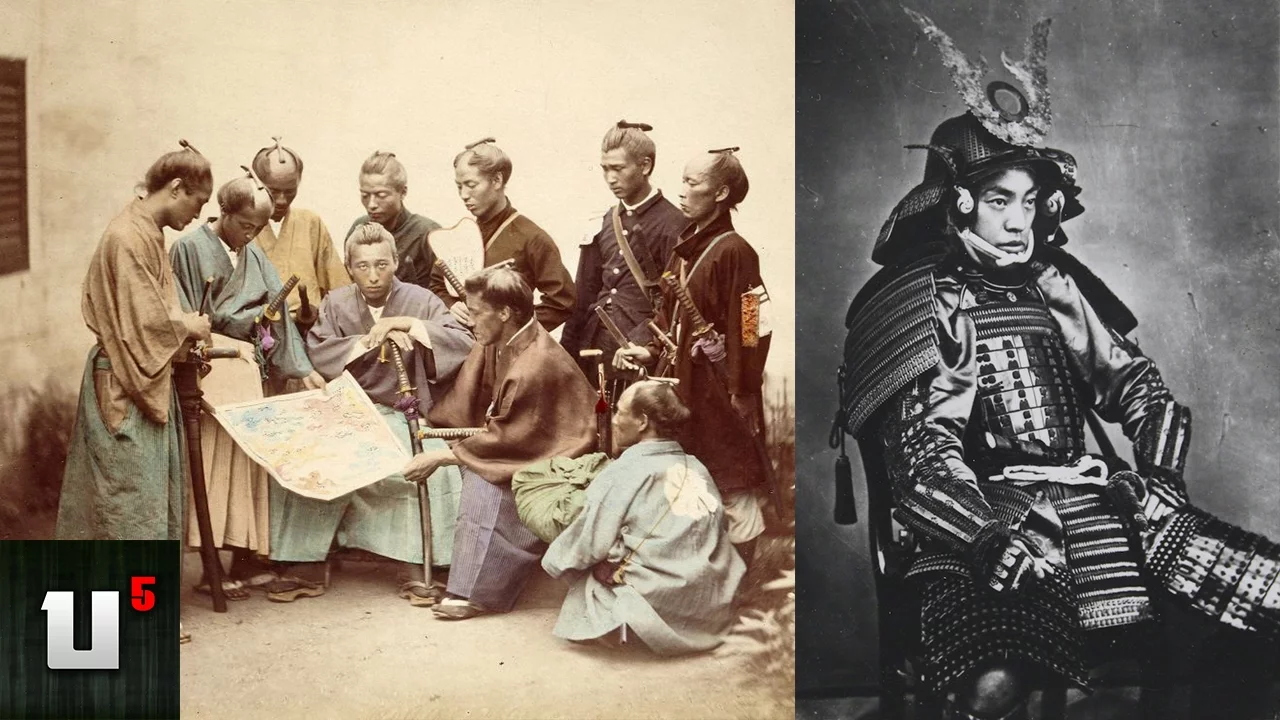
![То что вы не знали о САМУРЯХ / [История по Чёрному]](https://i.ytimg.com/vi_webp/PykEslGNMHQ/maxresdefault.webp)
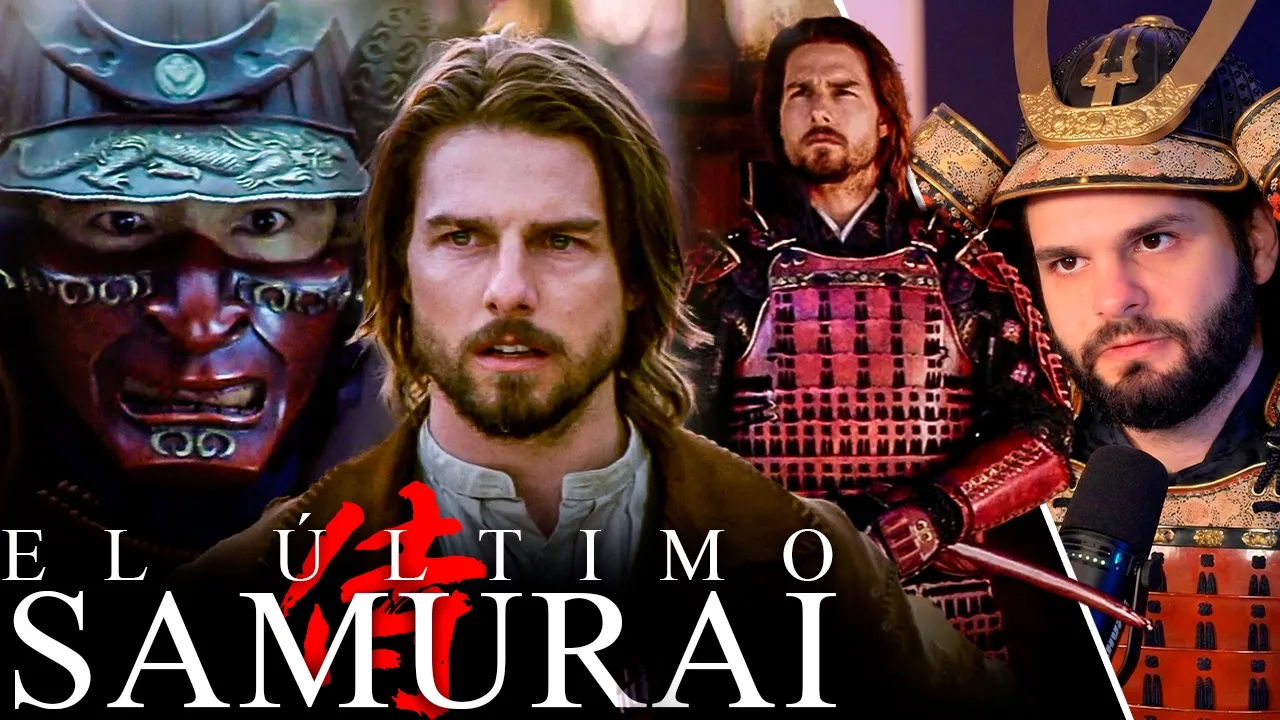

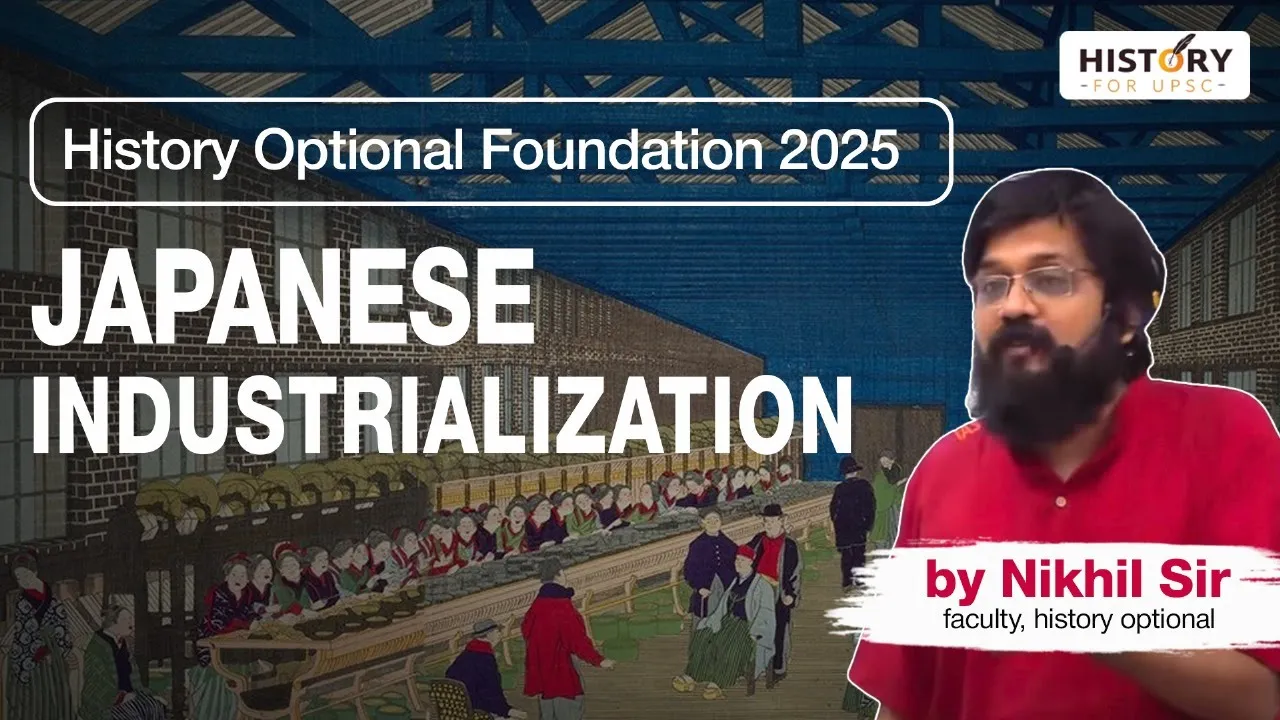
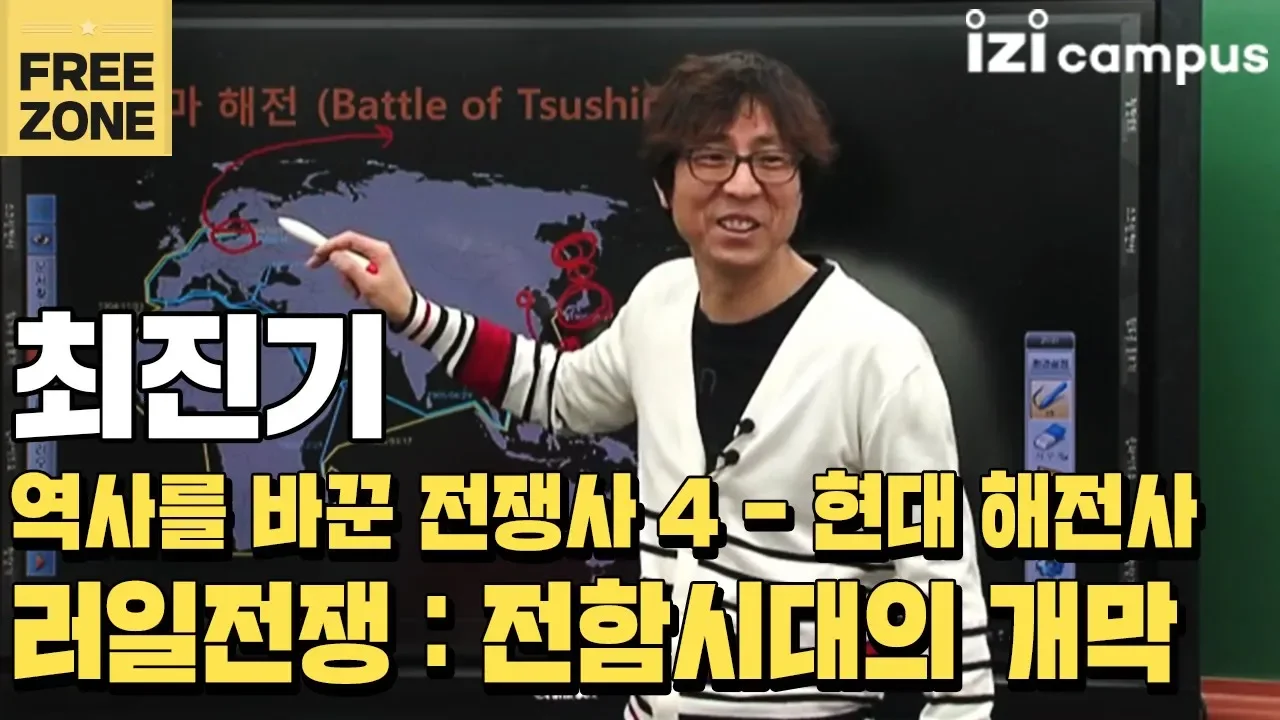





The Boshin War (1868-1869) marked the decisive conflict that ended the Tokugawa shogunate and established the Meiji Restoration, as the restorationist coalition of Satsuma and Choshu provinces, led by figures like Saigo Takamori, defeated the shogunate forces despite initial numerical disadvantages through superior Western military technology, strategic use of imperial legitimacy, and the symbolic power of the emperor's endorsement, ultimately dissolving the samurai class and transforming Japan into a modern nation-state.
The Boshin War: Japan's Meiji Restoration and the End of the Samurai
Added:Understanding the structure of the Tokugawa Shogunate (Bakufu) and the strict social hierarchy of feudal Japan, particularly the role of the samurai class.
The policy of Sakoku (isolationism) and the impact of the arrival of Commodore Matthew Perry in 1853, which forced Japan to open its ports to Western powers.
The emergence of the 'Sonnō Jōi' ('Revere the Emperor, Expel the Barbarian') movement and the growing political divide between the Shogunate and imperial loyalists.
The historical role of the Japanese Emperor as a symbolic, ceremonial figurehead in Kyoto, while actual political and military power resided with the Shogun in Edo.
The implementation of the Meiji Reforms, including the abolition of the han system, the modernization of the military, and the drafting of the Meiji Constitution of 1889.
The Satsuma Rebellion of 1877, led by Saigō Takamori, which marked the final, tragic armed resistance of the samurai class against the conscripted national army.
The concept of 'Fukoku Kyōhei' ('Enrich the Country, Strengthen the Armed Forces') and how rapid industrialization transformed Japan into a global imperialist power by the turn of the 20th century.
The cultural and philosophical shift from traditional feudal loyalty to modern nationalism, and how the concept of Bushido was romanticized and institutionalized in post-samurai Japan.
972.9K views26.7Klikes10:06Original Release: 2020-11-28
kyoto december 10th 1867.
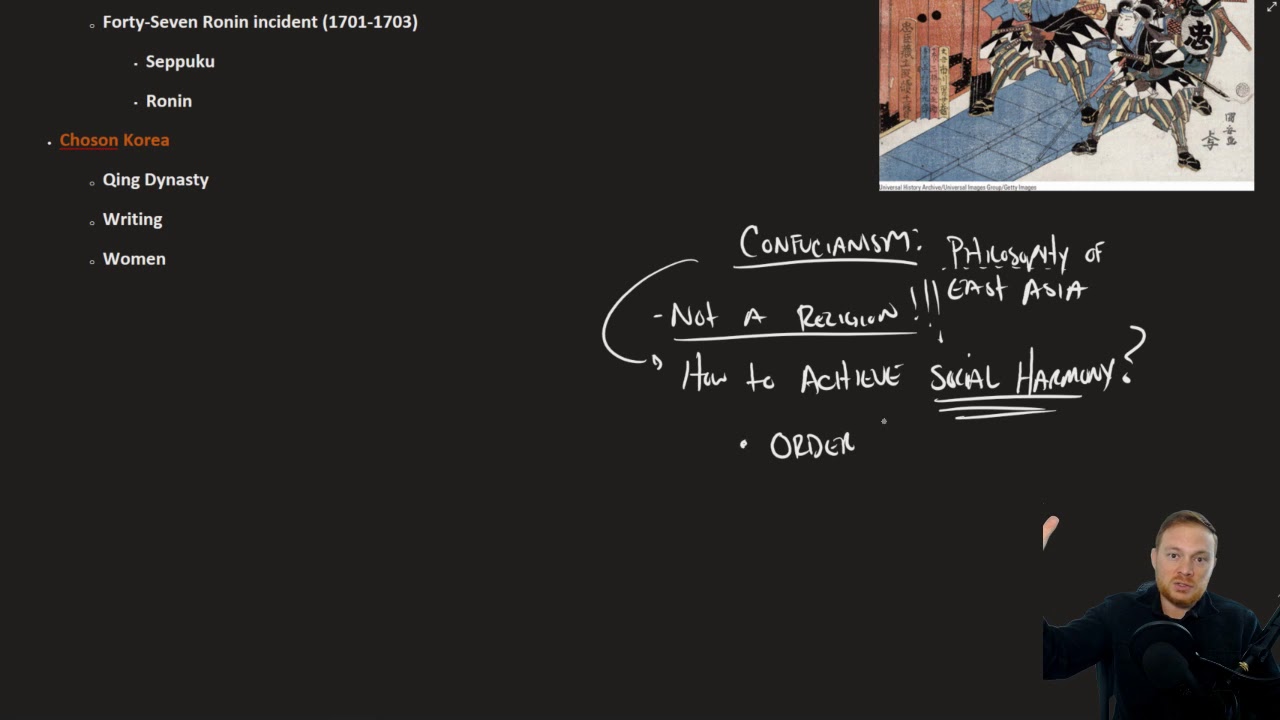
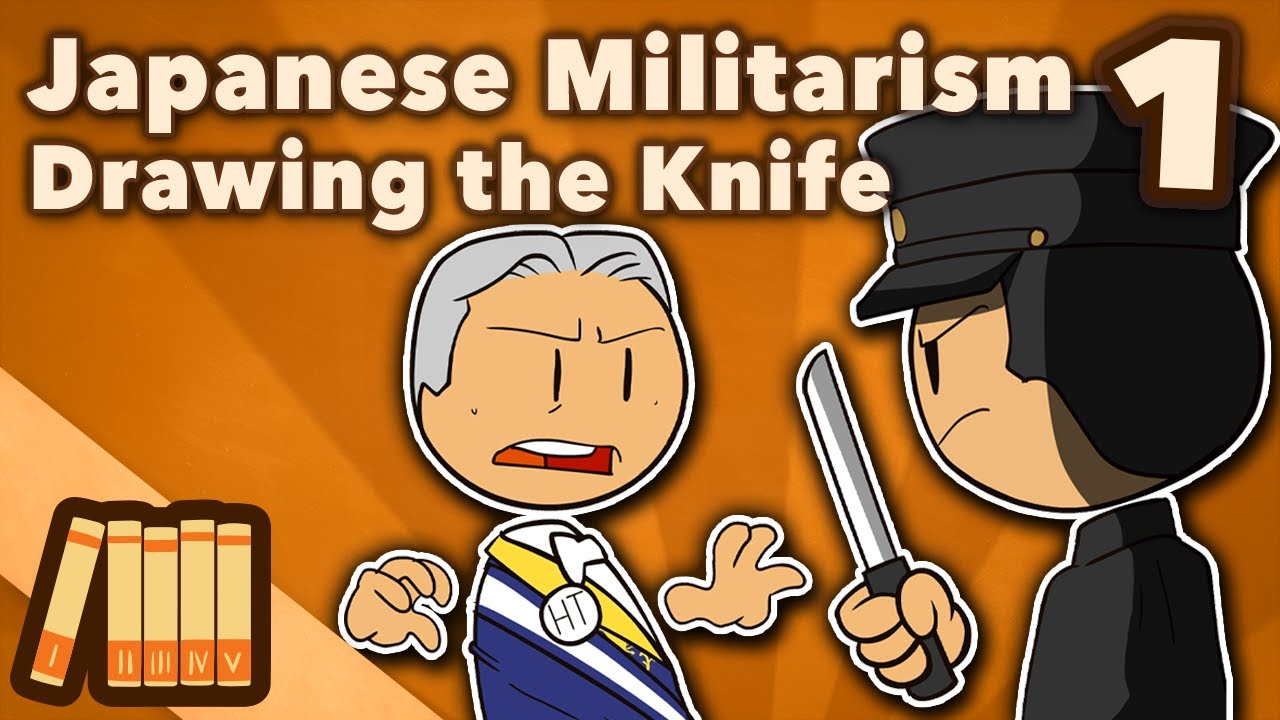
sakamoto ryoma sits in an anonymous inn discussing how things will soon change a month before the shogun yoshinobu had accepted an eight-point proposal that handed political power to the emperor ryoma had written that proposal yet the transition is not complete and his friends say there's still danger the year before ryoma had escaped assassination in a house much like this one battling his way out and firing point blank on the attackers with a smith wesson revolver suddenly a heavy thump is heard from downstairs his bodyguards two sumo wrestlers must be sparring again he yells for them to knock it off but moments later the sliding door opens revealing men with swords the shogun's men as ryoma lunges for his katana someone knocks over the room's lantern and in the sudden darkness the blades of assassins fall on sakamoto ryoma [Music] on november 9 1867 shogun tokugawa yoshinobu after years of intrigue and violence finally bowed to political reality the restorationist triple alliance of joshu satsuma and dosa provinces had a modern army to match his and civil war was on the horizon he could fight or he could step down and let the tokugawa clan retain some role in government so he accepted the eight-point plan written by the young radical sakamoto ryoma one that amounted to the total reshaping of japan's political system the first point called for yoshinobu to resign as shogun giving full political power to the imperial court there would also now be a two-part legislative body with an upper and lower house to decide government policy based on popular opinion it created new advisors and abolished old offices and called for a reshaping of foreign affairs a new legal code an enlarged navy an official imperial guard and fixing the price of precious metals to the world market yoshinobu didn't lose all of his power though exactly who would perform what function and what powers the shogun would maintain was a subject of divisive debate because the shogun's official duties were to be japan's military leader and yoshinobu still had a considerable military force personally loyal to him that included a core force of 900 modern infantry troops trained by a french military mission and a modernized fleet with british naval advisors he also had a power base of northern daimyo that he could rally to his cause indeed many in the restorationist camp thought yoshinobu should be brought into the governing coalition a peaceful transfer of power would help legitimize their new government in the eyes of foreign powers plus just like many restorationists yoshinobu was reform-minded and believed in modernization moderates thought they could work with them but the radicals among the restorationists particularly saigo takamori refused they wanted the shogun it dissolved with the tokugawa clan stripped of their lands and barred from government it was a stalemate and then the restorationists got tired of waiting on january 3rd 1868 satsuma and shoshu troops marched on the imperial palace in kyoto and got the emperor's scars in reality his shogun at jailers to stand down now freed to act as he wished the 15 year old emperor declared the restoration of imperial rule and beginning of a new era that of meiji meaning enlightened rule two weeks later in the shogunate capital of edo yoshinobu officially rejected the restorationist terms which now included the surrender of all his lands restorationist partisans burned yoshinobu's personal palace in kyoto down for refusing to submit and then he responded by raising the edo residence of the satsuma leader saigo takamori then yoshinobu sailed out of osaka castle with his modernized force vassal troops and shinsengumi and he swore to liberate emperor meiji from rebel control because despite everything that had happened to appear legitimate yoshinobu still had to claim that he was acting in the emperor's best interest the [ __ ] war had begun january 27 1868 a road south of kyoto the shogunate advanced guard reaches a bridge seeing a satsuma banner and restorationist troops dug in but their commander doesn't expect a battle shogunate forces number fifteen thousand and here there are only five thousand restorationist defenders he puts his feudal vassal troops with pikes in the front and the modernized infantry behind them haven't even loaded their rifles then he sends a messenger to the satsuma saying they carry a letter to the emperor and asking for passage the satsuma then deny them passage and open fire and it's here that the firepower of the restorationist force becomes apparent the shogunate force has two modernized infantry battalions true but the satsuma have invested in artillery a shell from a breech-loading armstrong gun explodes near the commander throwing him from his horse then more shells fall there's the crack crack of rifles throwing conical bullets the size of a thumb and then starting slow but getting faster the lethal drum beat of a gatling gun further south on a different road the second shogunate column is approaching another bridge here too the outnumbered restorationists are dug in and at the sound of shooting in the distance their guns open up as well shinsen gumi and vassal troops charge into the smoke wreath bridge into withering fire the huge shogunate army can't take the bridges but they also don't flee then on the second day a new battle standard appears on the restorationist lines an imperial brocade banner a standard that can only be carried when the military has the express permission of the emperor and his personal sanction along with it comes a directive from the emperor that yoshinobu and any who fight with him are traitors the emperor had with all of the powers of the state backed the restorationists and now this is no longer a rebel force it's the imperial japanese army this news does what the advanced guns could not it breaks the shogun's larger force men fall back unwilling to fire on the imperial banner unit's defect and previously shogun aligned daimyo locked their castle gates to the retreating army granted shogunate forces had won a minor naval victory the same day but it was cold comfort yoshinobu shaken by the dramatic political turn boarded his ship and fled to edo but the now imperial forces chased him saigo takamori also caught the head of the shinsengumi in an ambush outside the shogunate capital annihilating his force and executing him incorrectly for the murder of sakamoto ryoma then the now imperial troops surrounded edo and took it street by street over the next two months yoshinobu found his options running out in fact his one remaining point of leverage that foreign governments still recognize the shogunate as japan's legitimate government also vanished as imperial diplomats had convinced the western nations to remain neutral and back whoever won then sometime in june yoshinobu unconditionally surrendered to saigo takamori's forces and voluntarily went into house arrest at a local temple but his admiral slipped away with the fleet taking the most die-hard shogunate holdouts and a few french military advisors to the northern island of hokkaido there they declared an american-style republic and geared up for the final confrontation which is when the imperial forces wheeled out their most powerful weapon pageantry they arranged a massive imperial caravan to edo at huge expense moving the emperor out of kyoto for the first time in his life and installing him in the shogun's former castle there the emperor declared that the city would be renamed to fit its new function in the post-shogunate world it would be the eastern capital tokyo it was an enormous propaganda coup the first time ordinary people got to see the emperor and feel his presence though there were still some castles to besiege and diehards to clear out the more public the emperor became the more defections occurred the more resistance melted except in hokkaido miyako bay hokkaido may 6 1869 the shinsengumi force and their french advisor crouch on the deck of the paddle steamer ready for their desperate operation they're flying a u.s flag masquerading as a foreign ship and they're approaching the imperial fleet the one sent to crush them at its head the brand new ironclad kotetsu with armor far too thick for them to penetrate from the outside at least they raise the flag of the republic paddle wheels churning them directly for the kotetsu their guns open up at the last moment as they brace the bow of their ship crunches into the iron clad and a boarding party of the shinsengumi goes over the other side they plan to destroy or capture the kotetsu from the inside in order to have a fighting chance in the battles ahead but the drop to the enemy deck is steep they can't all jump at once and as they claim her down one at a time the crew of the kotetsu shakes off the surprise of the ramming attack and heads to battle stations the shins and gumi surge forward with their swords and pistols as the fire of the kotetsu's deck-mounted gatling gun chops into them they lose their commander the french adviser takes two hits and the boarding party breaks off the attack the last chance of survival gone the next day imperial forces led by the kotetsu will destroy the republic fleet and defeat their forces on land the shogunate's last bastion has fallen the meiji restoration complete and with the emperor finally winning his throne there's only one question left when his closest samurai turn against him can he hold on to it oh i didn't see you there ahmed ziad turk alicia bramble casey musta dominic valenciana gunner clovis kyle murgatroyd and o reels one it's so nice i can thank you all in one place [Music] do you
Up Next
11:52
Nationalism and Japanese Modernization: Crash Course World History 34
@crashcourse
4.4M views•2012-09-13

33:02
The Great Schism of 1054: Causes and Consequences
@SacredCathedrals
113.5K views•2026-02-19
8:49
Mali Empire Origins: Sundiata's Victory and the Gold Trade
@extrahistory
2.4M views•2018-04-14
17:05
Understanding the Cold War: Superpower Conflicts and the Road to Détente
@OverSimplified
46.1M views•2019-01-24
Related Study Plans & Knowledge Roadmaps
Structured learning paths in History
history
Byzantine Iconoclasm: Theology, Art & Politics
01Foundations of Byzantium and Early Christian Images
02The First Iconoclasm: Leo III and the Crisis of Images
03Empress Irene, Nicaea II, and the Second Iconoclasm
+ 2 more learning modules
9h5 modules
Explore Roadmap
history
Iranian Revolution (Causes, Events & Legacy)
01The Pahlavi Dynasty and the Roots of Discontent
02The Spark of Rebellion and the Rise of Khomeini
031979: The Fall of the Shah and the Climax of the Revolution
+ 2 more learning modules
8h5 modules
Explore Roadmap
history
Mali Empire: Mansa Musa, Trade & Timbuktu
01Foundations of the Mali Empire
02The Trans-Saharan Gold and Salt Trade
03The Reign and Pilgrimage of Mansa Musa
+ 1 more learning modules
6h4 modules
Explore Roadmap
history
1947 Partition: Politics, Borders & Legacies
01Foundations of British India and the Divide
02The Political Negotiations and the Mountbatten Plan
03Drawing the Boundary: The Radcliffe Line
+ 2 more learning modules
8h5 modules
Explore Roadmap