






















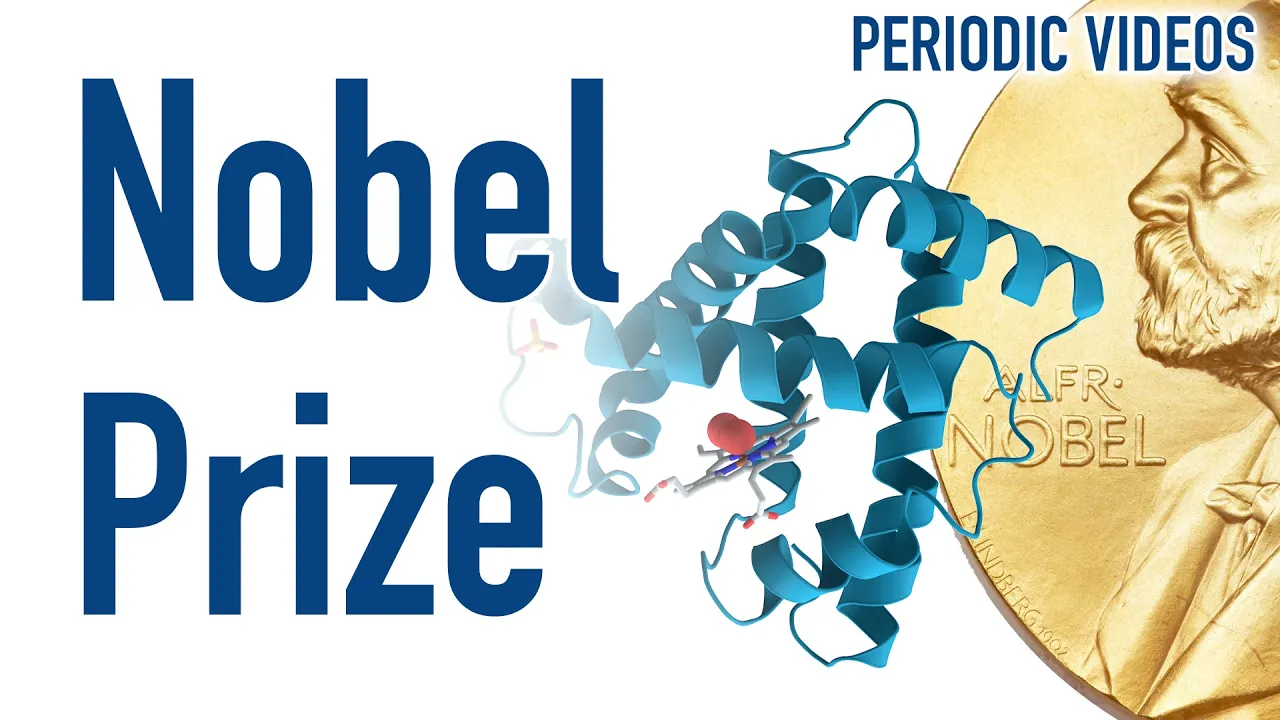


Spontaneous processes, including protein folding, occur when the change in Gibbs free energy (ΔG) is negative, which happens when the decrease in enthalpy (energy release) outweighs the decrease in entropy (loss of disorder), especially at lower biological temperatures; this explains why proteins consistently fold into their lowest free energy, most stable three-dimensional structure.
Thermodynamics and Protein Folding: Bioenergetics Explained
Added:Basic protein anatomy, including amino acid properties (polar, nonpolar, charged) and the levels of protein structure (primary, secondary, tertiary, and quaternary).
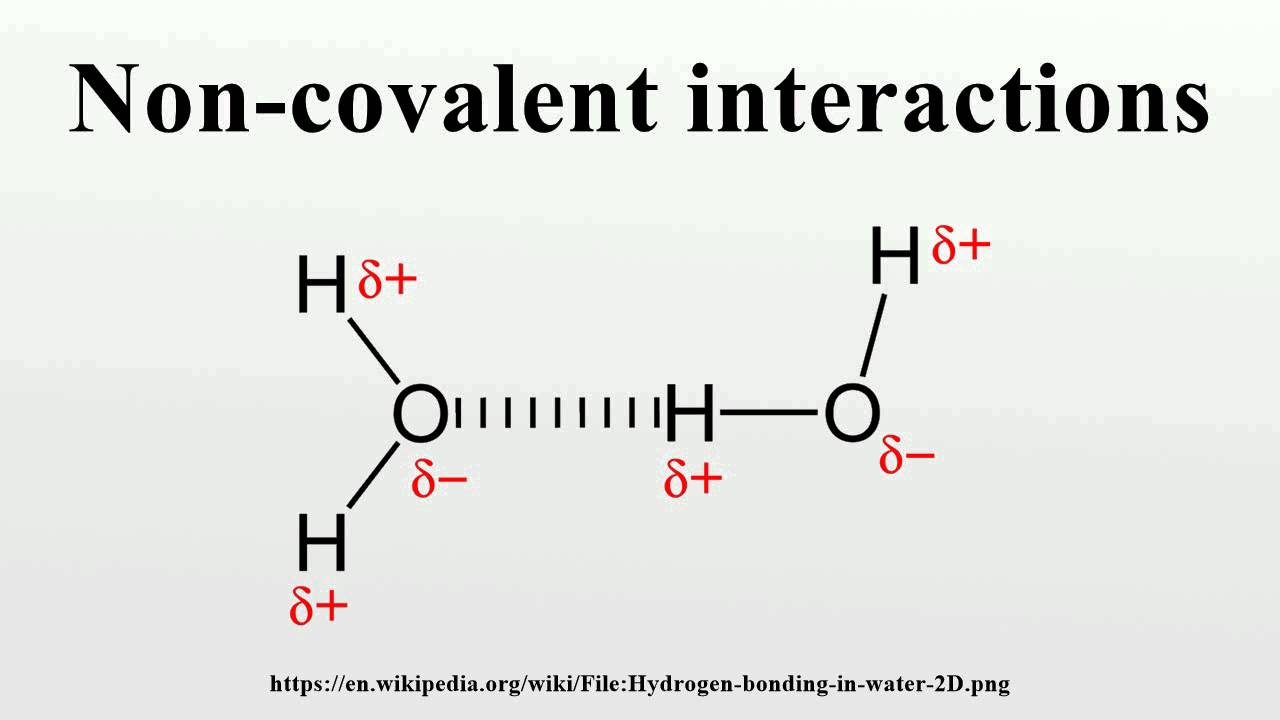
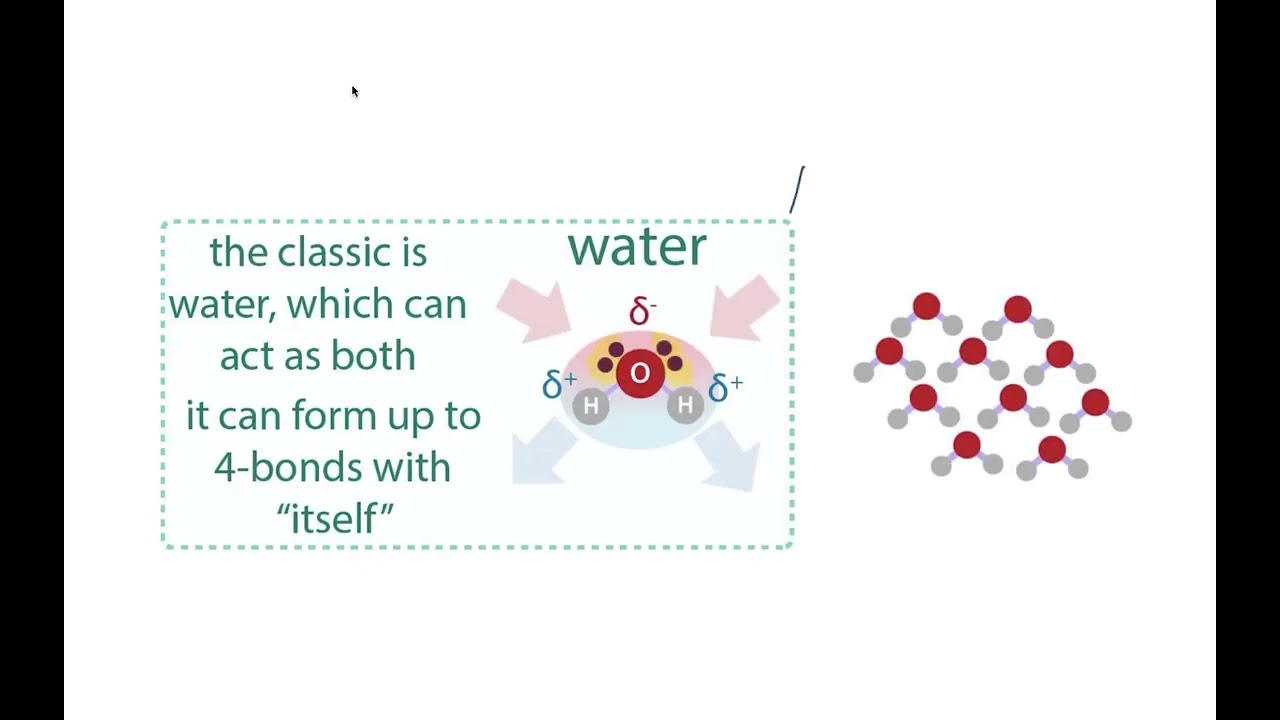
Fundamental chemical interactions, specifically non-covalent forces such as hydrogen bonds, ionic interactions, and the hydrophobic effect.
Core physics and chemistry concepts of energy, heat, and the distinction between a thermodynamic system and its surroundings.
An introductory understanding of chemical equilibrium and how chemical reactions proceed toward a state of stability.
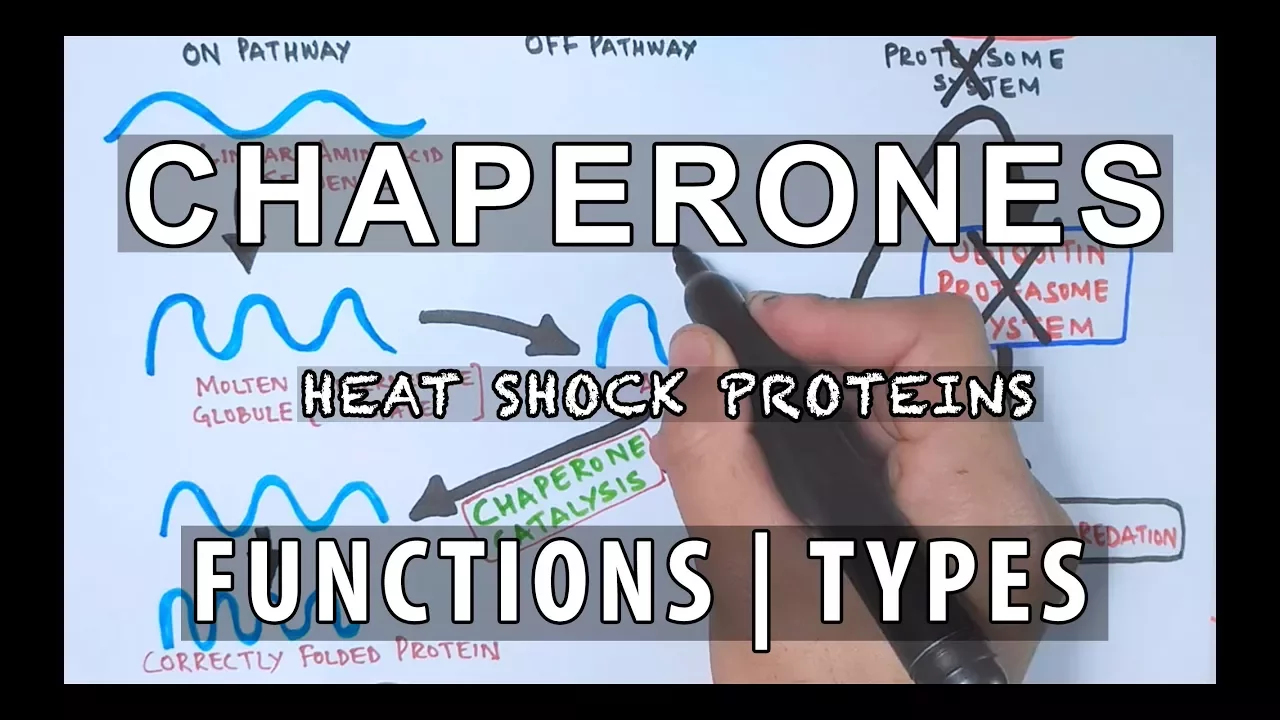
The role of molecular chaperones (such as heat shock proteins) in assisting in vivo protein folding and preventing cellular aggregation.
Protein misfolding mechanisms and their direct association with neurodegenerative diseases like Alzheimer's, Parkinson's, and prion diseases.
Thermodynamic principles of ligand-receptor binding and their practical application in rational drug design and pharmacology.
Computational structural biology and protein structure prediction, including the thermodynamic algorithms behind tools like AlphaFold.
43.7K views453likes9:21Original Release: 2011-07-18
Throughout these tutorials, we’ve talked about favorable interactions. Favorable interactions or processes are those that occur spontaneously, or naturally. For example, two opposite magnets spontaneously come together, rocks spontaneously roll downhill, and ignited wood spontaneously burns in the presence of oxygen. This doesn’t mean that these processes happen quickly – it only means that they would happen if they could. All spontaneous processes release energy.
We’ll spend this tutorial talking about thermodynamics, which is the study of energy.
With the help of thermodynamics, we can quantify these spontaneous processes. In particular, thermodynamics is important for understanding protein folding.
Energy comes in many forms, which can be categorized into either kinetic energy or potential energy.
Kinetic energy is the energy of motion, which includes thermal energy. Potential energy is stored energy, which includes chemical potential energy, gravitational potential energy, and electric potential energy. All energy is defined as the ability to do work.
A high-energy person might be lifting (kinetic) or able to lift (potential) a lot of bricks; and a high-energy molecule might be able to initiate a reaction.
For our purposes, there are two important laws about energy. The first is that energy can be neither created nor destroyed. Instead, energy is converted between forms. For example, if you’re standing on a cliff 30 feet above a lake, you have high gravitational potential energy. Once you jump off, that potential energy has been converted into kinetic energy.
The second is that favorable processes, also called spontaneous processes, that occur naturally always proceed toward lower overall energy. By the time you’re in the lake, you have lower overall energy – you no longer have that gravitational potential energy, and you’re no longer moving so you don’t have kinetic energy. The energy you lost hasn’t been destroyed – it dissipated into the air and water as heat. You spontaneously move from the top to of the cliff to the bottom at the lake, but not in the other direction. The only way to get back up to the top is to harness energy from another source – such as using the energy from food you ate that morning to climb back to the top.
Think about a piece of wood. Wood is made of lots of carbon, oxygen, and hydrogen atoms covalently bonded together, and these covalent bonds have chemical potential energy. When wood burns, those bonds are broken, which releases energy and forms carbon dioxide and water vapor. The bonds in those molecules are also covalent, but they have lower chemical potential energy. This spontaneous reaction released energy into the environment, mostly in the form of heat. That energy wasn’t destroyed – it was released as heat that is dispersed in the surrounding environment. The chemical potential energy of wood was used to do work – to form different bonds, and to create thermal energy, which is the movement of atoms and molecules. The reverse, forming wood from carbon dioxide and water is not a spontaneous reaction, because it requires forming molecules with higher energy.
The measure of a molecule’s energy that can be harnessed to do work is Gibbs free energy, abbreviated G. A molecule with high usable energy has a high G, and a molecule with low usable energy has a low G. It’s hard to determine the free energy of a molecule, but it’s much easier to determine the change in free energy when one molecule is transformed into another. So we’ll spend most of our time talking about a change in Gibbs free energy, or delta G. Delta is a Greek letter, and capital delta means change. Delta G is defined as the free energy of the final state minus the free energy of the initial state.
If a process goes from high free energy to low free energy, then delta G is negative, which is spontaneous – the process released energy. If the process goes from low free energy to high free energy, then delta G is positive, which is not spontaneous.
Gibbs free energy takes into account three major factors, enthalpy, entropy, and temperature.
The first is enthalpy, which is a measure of total energy, including chemical potential energy as well as energy that can’t be harnessed to do work. The second is entropy, which is a measure of the number of ways to arrange something, often referred to as disorder.
Entropy is a kind of energy that can not be harnessed to do work, so it’s subtracted from enthalpy to determine free energy. Finally, there’s temperature, which affects a molecule’s kinetic energy.
Intuitively, it makes sense that each of these factors is included in spontaneity. Think about wood burning to form carbon dioxide and water vapor. The chemical potential energy in wood is higher than in carbon dioxide and water vapor, so enthalpy decreases in this reaction. This is analogous to a rock rolling down a hill, moving toward lower potential energy. A decrease in enthalpy contributes to the spontaneity of a process.
Additionally, there are more ways to arrange gas molecules than there are to arrange molecules of wood. Wood is regularly arranged, and neatly located together in one place, while gases disperse randomly through the air. In other words, the molecules of wood are ordered, while gas molecules are disordered. So entropy increases in this reaction. An increase in entropy contributes to the spontaneity of a process. It would be really unlikely for gases to come back together in the perfect arrangement to reform wood, so that reverse process would certainly not be spontaneous.
The amount that entropy plays a role in spontaneity depends on the temperature. If a process occurs at a high temperature, then entropy plays a larger role in determining spontaneity.
Temperature at a molecular level is the kinetic energy of molecules. The faster those gas molecules are moving around, the less likely it is that they’ll interact in the correct orientation to reform wood.
So we can write delta G as equal to delta H – T delta S, the change in enthalpy minus the temperature times the change in entropy.
The most conceptually obvious example of a spontaneous reaction is one with both a negative delta H and a positive delta S – that is, one that forms molecules with lower total energy and with more disorder. But as long as delta G is negative, a process can be spontaneous with any combination of delta H and delta S.
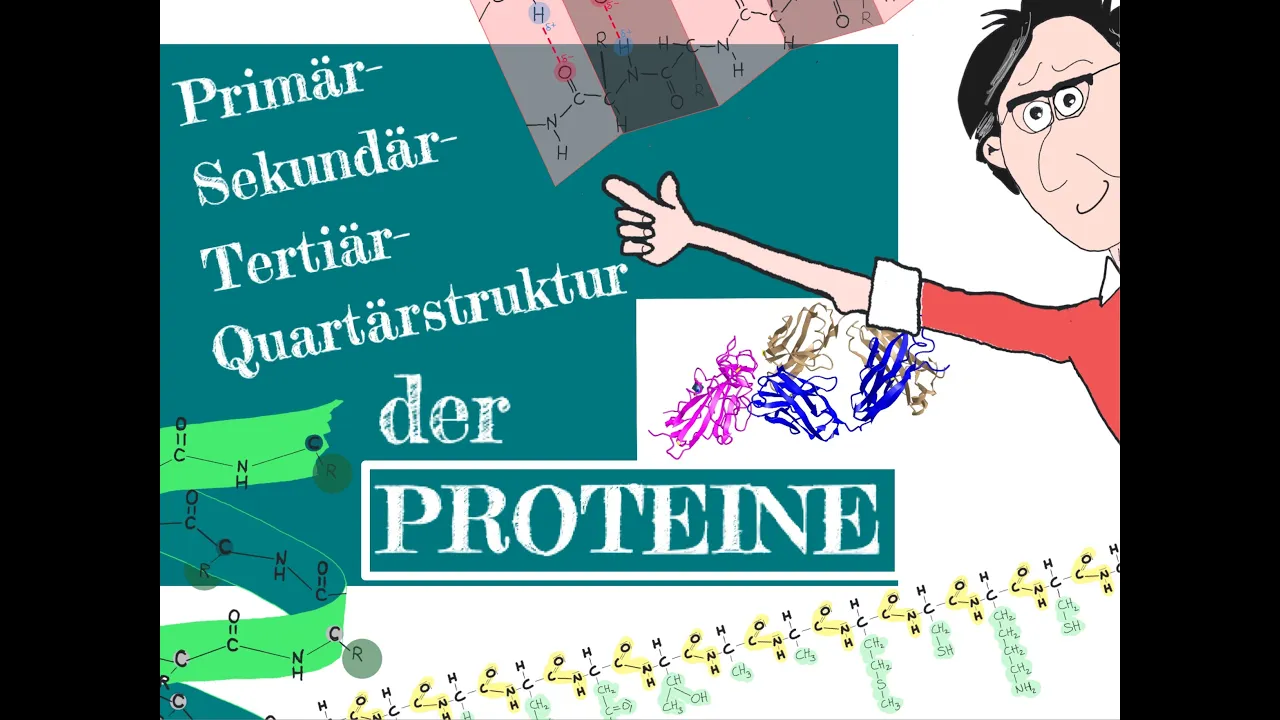
Let’s think about how this applies to protein folding. We’ve seen the various levels of a protein’s structure, from the sequence of amino acids, to the regular alpha helices and beta sheets formed by hydrogen bonds in the backbone, to the interactions between side chains that form the overall 3D shape. Think about an unfolded polypeptide that only has a primary structure. The enthalpy of this polypeptide is high, because it lacks many favorable interactions. Creating bonds lowers enthalpy. In the unfolded polypeptide, hydrophobic amino acids may be exposed to the cytoplasm, or ionic bonds aren’ be formed, or maybe cysteine amino acids haven’t formed disulfide bonds. But the entropy of this polypeptide is high, because it can bend and move randomly. This freedom to move gives it many possible ways to be arranged and thus high entropy. As the protein folds, its enthalpy decreases but its entropy also decreases. (Remember: low enthalpy and high entropy is favorable.)
So the change in enthalpy going from the unfolded state to the folded state is negative, which contributes to the spontaneity of the process. But the change in entropy is also negative, which works against the spontaneity. At normal biology temperature, the decrease in enthalpy overcomes the decrease in entropy, so protein folding is spontaneous. I’ve indicated that because the temperature is fairly low, the entropy term is small, so the negative enthalpy drives the spontaneity. The process of protein folding has a negative delta G – an unfolded protein has a higher free energy than a folded protein – so the process is spontaneous, releases energy, and is favorable. In fact, proteins will fold until they reach their lowest free energy state. This is why a given polypeptide chain always folds into the same shape – why hemoglobin, for example, always looks the same – it always folds into that same, lowest free energy state.
One way to denature, or unfold, a protein is to heat it up. This increase in temperature gives the entropic term more weight in determining delta G. In other words, higher temperature favors the disordered state even if it means breaking some favorable interactions or bonds.
Because an unfolded protein is more disordered, heating up a protein is one way to unfold it, breaking those ionic and polar covalent bonds.
Up Next
6:36
Free Radical Polymerization: Initiation, Propagation, Termination
@vmugaz
28.9K views•2020-02-19

83:56
Biocatalysis and Catalysis in Islatravir Synthesis | Merck Webinar
@SCIwheresciencemeetsbusiness
675 views•2020-10-08
10:06
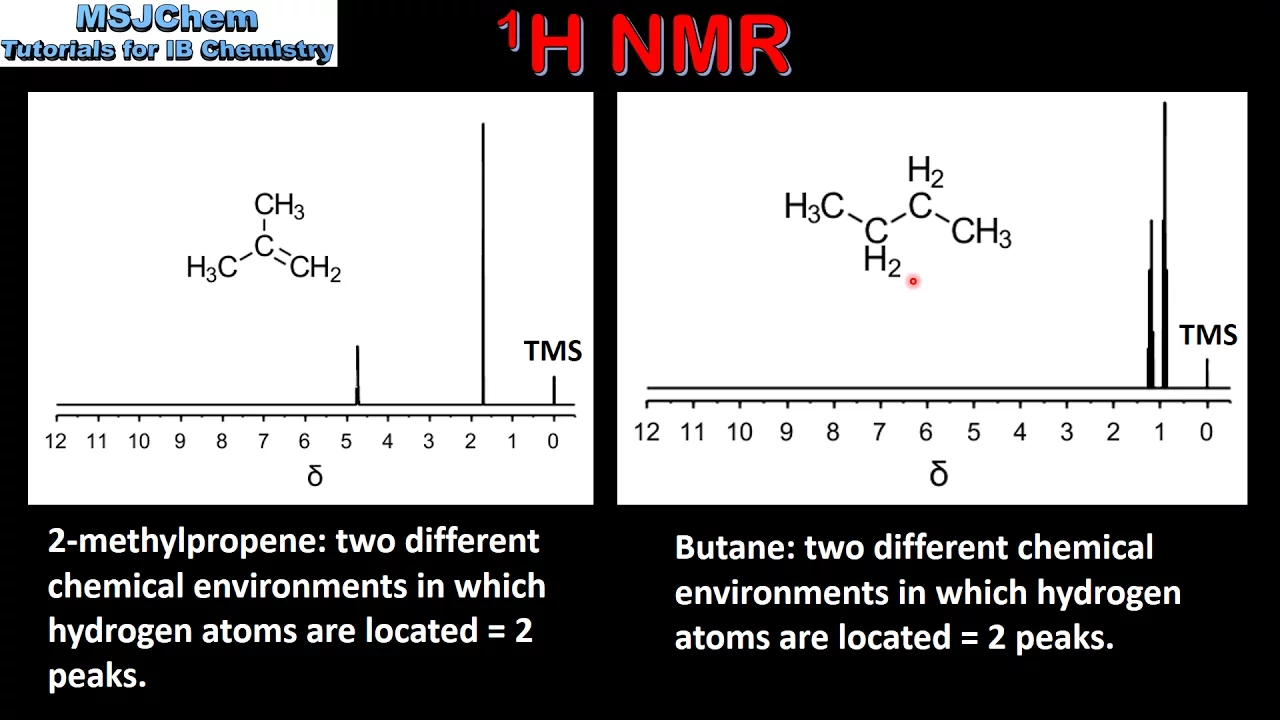
1H NMR: Determining Number of Peaks from Structure
@MSJChem
59.2K views•2017-04-06

17:31
Edible Water Bottles: A DIY Guide to Sodium Alginate Spherification
@ryan
10.5M views•2019-06-21
Related Study Plans & Knowledge Roadmaps
Structured learning paths in Chemistry
chemistry
Nuclear Chemistry: Decay, Meds & Fuel Cycle
01Introduction to Nuclear Structure and Radioactivity
02Decay Dynamics and Kinetics
03Radiation Interaction and Detection
+ 2 more learning modules
24h5 modules
Explore Roadmap
chemistry
Supramolecular Chemistry: Forces & Machines
01Foundations of Chemical Bonding and Intermolecular Forces
02Introduction to Host-Guest Chemistry
03Thermodynamics and Dynamics of Self-Assembly
+ 2 more learning modules
16h5 modules
Explore Roadmap
chemistry
Photochemistry: Excited States & Reactions
01Foundations of Light-Matter Interactions
02Molecular Orbitals and Electronic States
03Photophysical Processes and Jablonski Diagrams
+ 2 more learning modules
18h5 modules
Explore Roadmap
chemistry
Coordination Chemistry: Bonding & Properties
01Introduction to Transition Metals and Ligands
02Crystal Field Theory (CFT) and Geometry
03Magnetic Behavior and Spin States
+ 2 more learning modules
14h5 modules
Explore Roadmap