
















Alabama's private prison system, which houses inmates under government contracts designed to generate profit, has been criticized for violating constitutional protections against cruel and unusual punishment through practices including inadequate nutrition leading to severe health complications, denial of medical care, and exploitation of inmate labor at wages as low as 14 cents per hour, all while the state uses federal pandemic relief funds to expand prison infrastructure rather than address systemic overcrowding and mistreatment.
Alabama Prison Crisis: For-Profit Abuse & Reform
Added:The distinction between public and private (for-profit) prison models, including how private contractors generate revenue from incarceration.
The legal and constitutional framework of prisoners' rights, specifically the Eighth Amendment's prohibition of cruel and unusual punishment.
The basic structure of the U.S. parole and probation systems and how discretionary parole decisions affect incarceration rates.
The history and systemic drivers of mass incarceration in the United States, particularly in the Southern states.
Analysis of the 'Prison-Industrial Complex' and the lobbying influence of private prison corporations on criminal justice policy.
Comparative studies of restorative and rehabilitative justice models versus traditional punitive incarceration systems.
Evaluation of evidence-based policy reforms, such as sentencing reform, parole board restructuring, and decarceration strategies.
The socio-economic challenges of prisoner reentry, including disenfranchisement, employment barriers, and recidivism prevention.
81.3K views6.4Klikes22:58Original Release: 2022-10-04
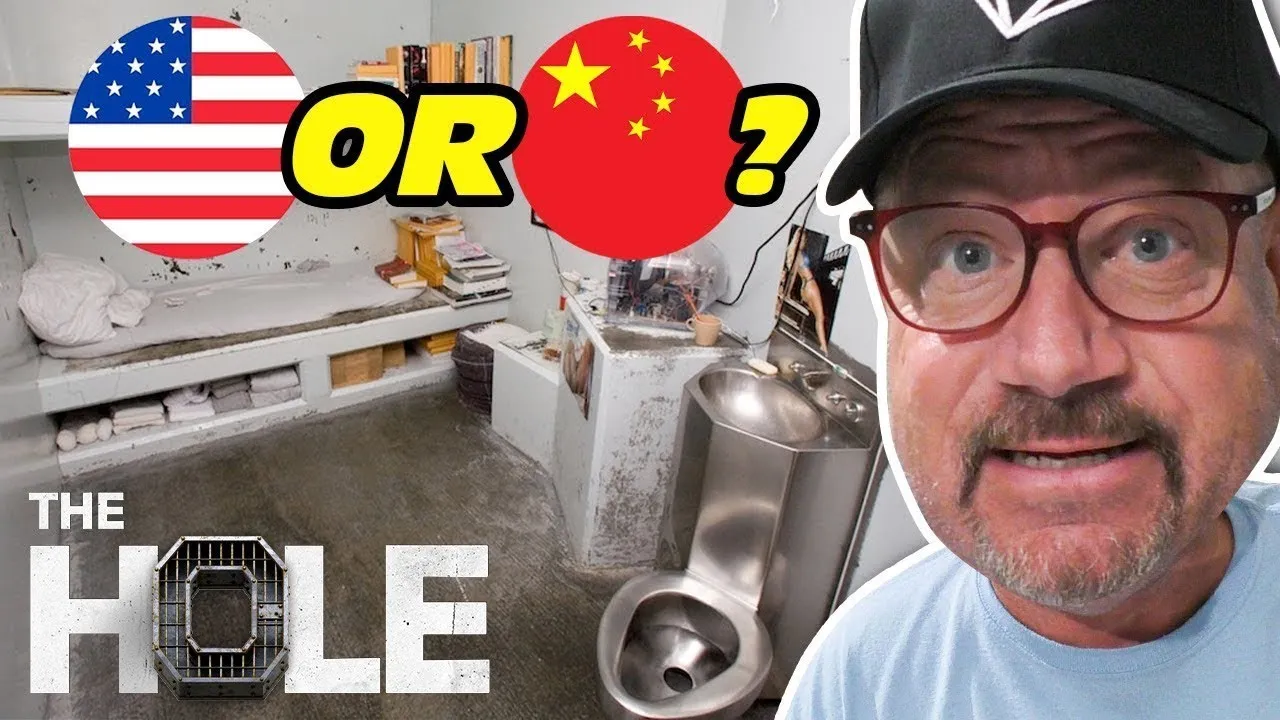
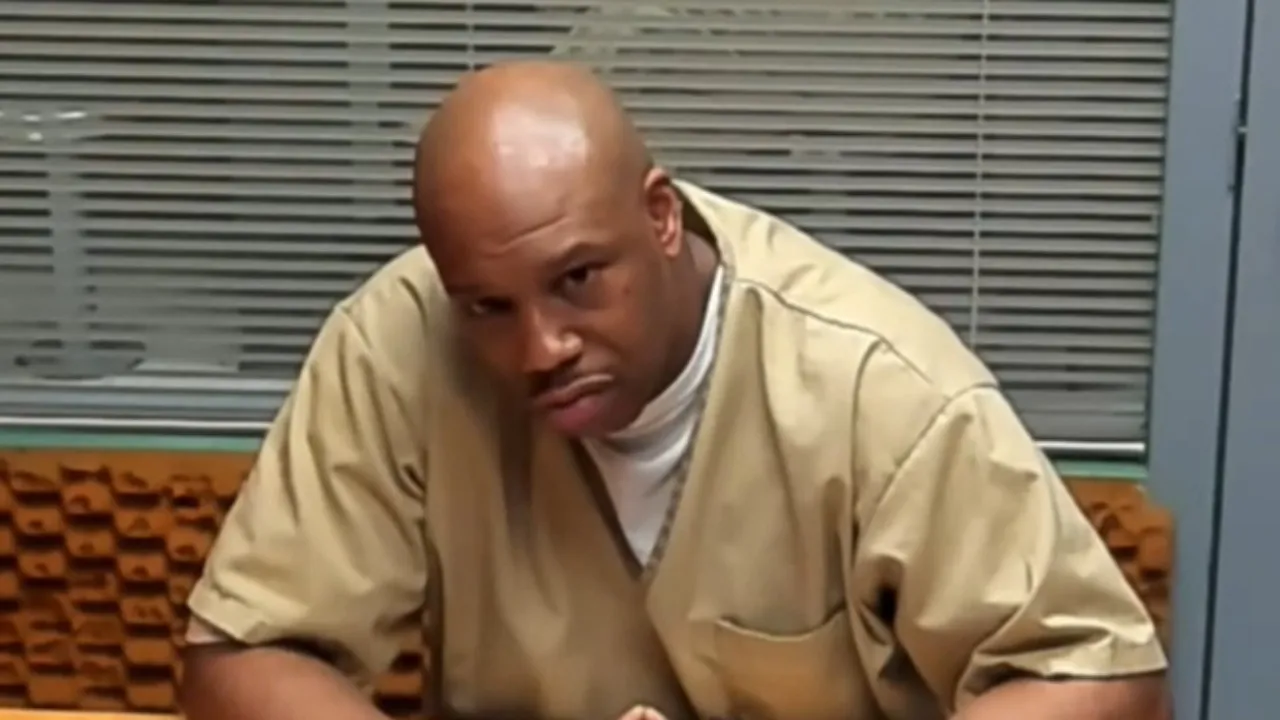
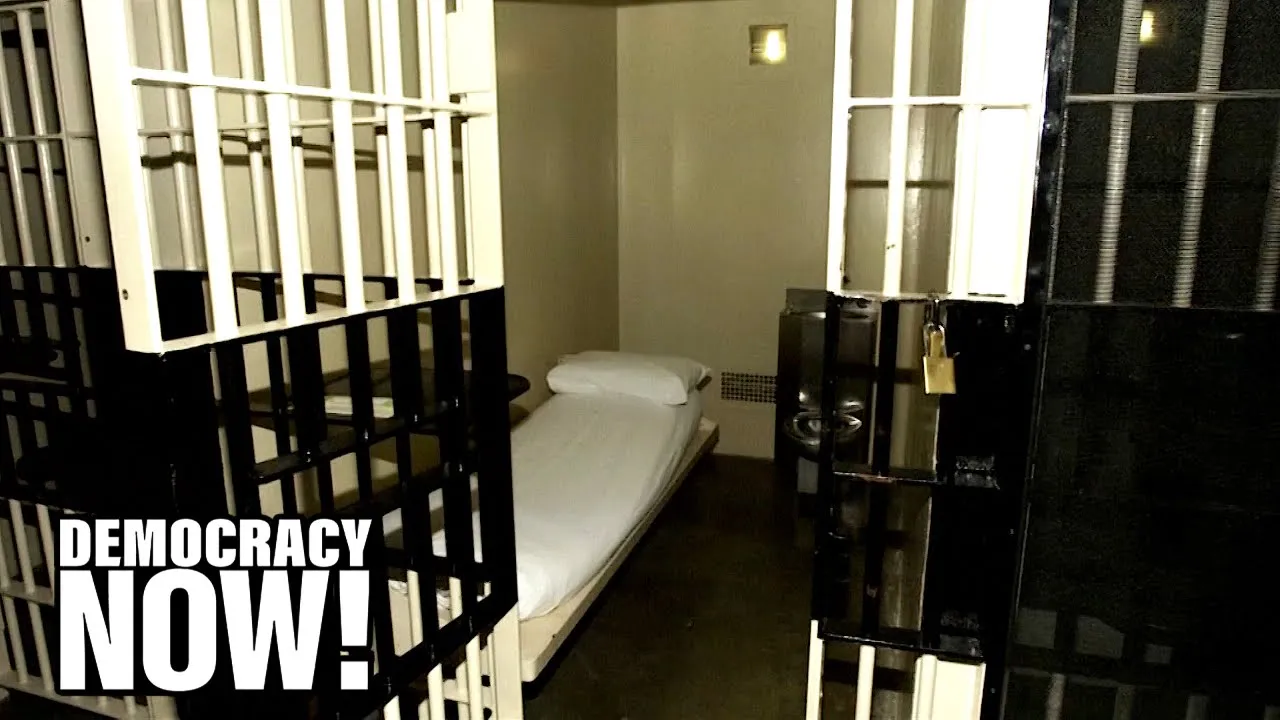
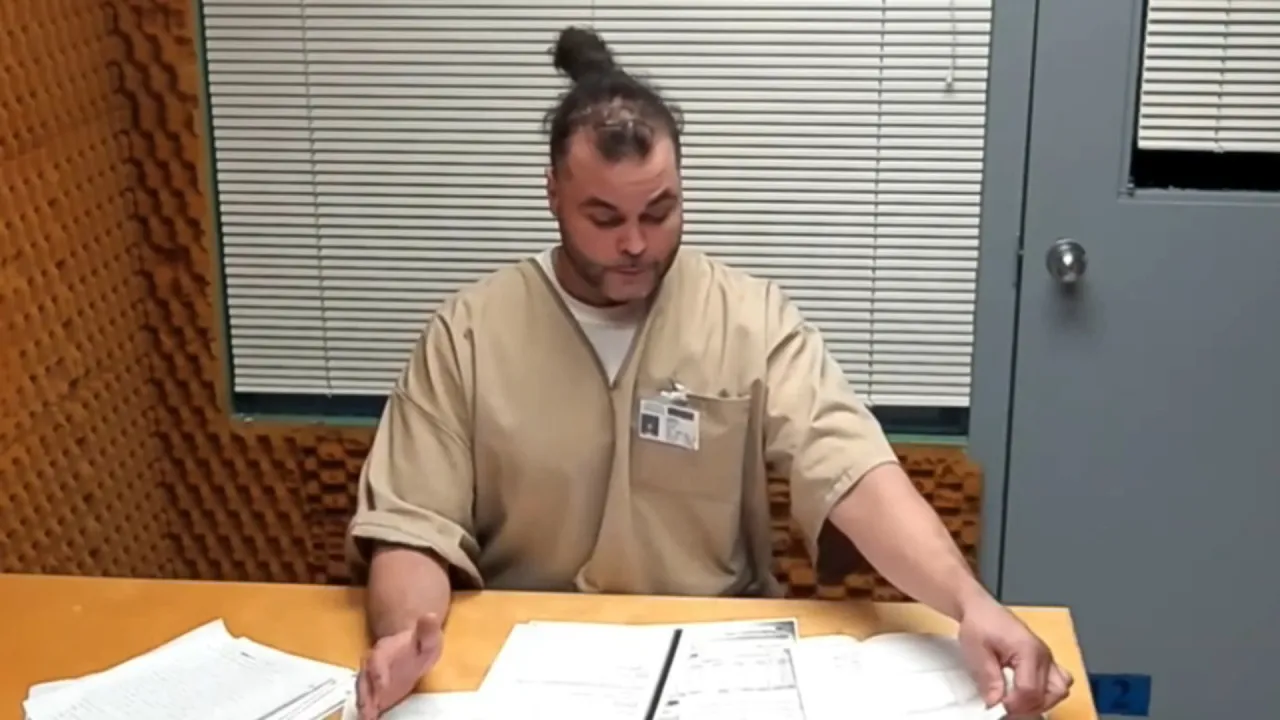
a strike continuing today inside Alabama prisons dozens of inmates have died in Alabama prisons this year the justice department says Alabama's prison conditions violate the Constitution's ban on cruel and unusual punishment CDs are the people that they should be letting go what's up you guys welcome to today's video thank you so much for clicking on it this is probably one of the most important videos I have made all year long today I'm going to be exposing Alabama's prison system and not just their prison system and their mistreatment and abuse of inmates but also their failure at parole and their mismanagement of covid relief funds their privatized prison system and slave labor and a Statewide inmate strike we have a lot to cover today I very rarely ask you guys to share my videos but this video needs to be shared please share this video any word that you can think of on any social media platform but please share this video if you guys are new here hi my name is Jess I'm a person in long-term recovery who has in fact been to prison not only have I been to prison myself I currently have a bachelor's degree in Correctional program support services and I am a board member on a prison reform non-profit called Freebird movement prison reform is my passion it's what I care the most about it is the entire reason why I started sharing my story on the internet I am unbelievably grateful that so many of you guys have subscribed to the channel and you've entrusted me to make these kinds of videos I am very aware that my platforms all across the internet are pretty substantial I also take the responsibility of having these very big platforms really seriously I'm saying that to say this I am going to do my absolute best to articulate what is going on in Alabama to the best of my knowledge oftentimes I misspeak or I forget to put things in videos and I just want to let you guys know that I'm doing the best that I can if I forget something or I leave something out or you think that there's an important detail that I should have mentioned please put it in the comment section Down Below in the description box I'm also going to leave resources for you guys to do your own research on what's going on in Alabama a petition that you guys can sign people that you can write to beg them to change their ways it's a private prison system so we're gonna we're gonna see what we can do but without further Ado let's kick this thing off [Music] so there are currently 158 private prisons in the United States now what is a private prison a private prison is a prison that houses inmates just like any other prison except for the goal of private prisons is to turn a profit the private prison system is operated by private companies that have government contracts so why do we have 158 private prisons that are specifically designed to turn a profit in America hmm crazy it is because of overcrowding stupid crowd it was super crowded so to solve overcrowding the government thought you know what we should do we should Outsource so here comes along these private companies and they're like hey I see a demand you really need facilities and the government's like yeah we do the private corporations are like I can feel that need for you your inmates are going to be in our facilities so they're not going to be all over the street thus meeting your demand and we have our own best interest at heart which is turning a profit now when the goal of a prison is profits who do you think suffers with the private prison system they're getting paid on both sides the government is giving them money for their government contracts then they are earning money on inmate labor to make like let's just say office chairs license plates uniforms so they're getting paid by billion dollar corporations inmates are paid Pennies on the dollar to make a 700 office chair that we can sell on like Shopify yay what's even more gross is inmates want to work inmates want to work they want to earn money they want to have job training so how does this tie into Alabama well Alabama has a lot of private prisons and their private prison practices say that three times fast also I'm really sorry I have a head cold I'm sure you can hear it the inmates suffer when they have to work all day long to make 12 a month or whatever ridiculous pay rate it is actually I should look it up first I shouldn't just say some random number one second so typically inmates get paid anywhere from 14 cents to two dollars an hour but some states like Arkansas they don't even have to pay their inmates anything that's right I got paid zero dollars for working in laundry 12 hours a day and to be perfectly honest I didn't like care that much because it's not like I was making office chairs or license plates on a factory line for a billion dollar companies you know what I mean it was a prison compound job and it was required to run the prison you have to do the laundry you have to work in kitchen or medical or wherever to make the prison run we need inmates from Sally Port like who do you think is mopping the hallways right so inmates run the facility just in case you're wondering how it's legal for billion dollar companies to pay inmates 16 cents an hour to make office chairs and [ __ ] it's because of our 13th Amendment our 13th Amendment literally says that slavery is illegal yay except for when they are in inmate let me just read to you the 13th Amendment neither slavery nor involuntary servitude except as a punishment for Crime where of the party shall have been duly convicted shall existed in the United States or any place subject to their jurisdiction and which says slavery is not allowed but if they're an inmate they can be a slave as long as they've been convicted of a crime we can exploit them as much as we want and pay them as little as we want sometimes no money at all we have two problems here that Amendment sucks capitalism that puts profits above people now I did mention that Alabama and their private prison systems get paid twice right they get paid by Government funding and they also get paid on all of the inmate labor and everything that they make now let's go to castillio Vaughn and I have to remind you guys that the image that I'm about to share is very very bad and it's graphic in nature but castilio Vaughn went viral a few weeks ago and essentially his medical condition is that they removed a lot of his large intestine because he was starving I was told that castilio Vaughn was taken to the infirmary and he is getting medical help but that is not confirmed that is just something that I saw in the comment sections of tick tock so I can't confirm that no one has come forward and let me know that that is a fact but that is just what I heard so I'm really really hoping that that is real and he is getting the help that he needs but castilio is not the only person that has gone viral for his physical well-being and his his health it is rapidly declining there have been other inmates that have come forward on video from an Alabama prison that have said we're starving we're hungry my health is deteriorating I'm not okay this is not okay they're starving us this is an emergency video on the behalf of Shannon Hopkins who think thank you to all the emails and stuff that was sent to the nurses and and the commission's office and so forth he was seen he made it up to the front and was seen the tragedy the tragedy behind this here the nurse practitioner misses something spilled her name not so that in public can see w-a-u-g-8 cursed him out verbally and refused to see him and also stated that he did not have any money on his arms account as her reasons for turning him around did not give him any medication sent him totally around turn him around did not feed him they did receive the call from Montgomery he was called over the nurse practitioner w-a-u-g-h in this same nurse practitioner has a habit a person and verbally abusing inmates who have medical needs or need medical assistants did not see him coordinator nurse coordinator Kelly Rice which is the coordinator at State also prison uh went along with it and she she is the nurse that's over disciplinary she calls a dress disciplinary action she thought that um that the nurse actions were okay and fine nurse Parker and nurse loan are also abusive nurses at state record sellers you have these four nurses who in my opinion I think are responsible for the six deaths that occurred not not through drug overdose anything of that nature it was six deaths to the medical neglect six inmates died through cancer and other mistreatments or or lack of treatments um dealing with inmates at at uh at State Correctional Facility this is a serious matter this man is still in pain this man still needs help please get uh uh we need more emails and we need now that you have the nurse's name we need these nurses to deal with address immediately and that's about all I can say man this is this is crazy now I've seen different reports on the timeline of this but from all accounts from what I can see right now is that after inmates started to go on strike because of the living conditions that they are enduring after they went on strike they were then punished by not having visits and having their meals cut from three to two and the state's response to that is well because of our you know shortage of Labor because of the strike we don't have enough people to feed them three times a day but you can pin on both ends you have plenty of money to feed these inmates because you are turning ridiculous amounts of profits and yet you're serving them food like this 30 of their calories were taken out if they're cutting their food and they're restricting visitation and cutting visitation out then they're probably restricting other things like phone calls and commissary I've made a lot of videos in the past talking about how you need money in prison to survive I mean that having to choke down food that looks like this and starving all the time is not okay the punishment has to fit the crime there are so many human rights violations when talking about private prisons but starving them starving them to the point where they have to get their large intestines removed is just incomprehensible and people can yell all day long like you just shouldn't have broken the law okay great but the punishment for stealing for theft for drugs for it's not murder they are failing on all sides and every single time I go to YouTube the views on these videos are like 200 views 400 views like people are not watching these videos and that just helps them get away with it if we are not talking about it if they silence the inmates and they continue to exploit and starve the inmates and then no one's talking about it then guess what they get a pass which is what they have done for decades they are hoping that people are gonna be like you just shouldn't have broken the law oh shouldn't have been an inmate they're hoping that you react that way because if we're all bickering back and forth with well you just shouldn't have gone to prison you shouldn't have broken the law it's their own fault if we're fighting and we don't come together nothing changes everyone knows the government knows what they're doing the state of Alabama knows what they're doing they know that they're starving these people they're hurting these people their health is deteriorating and they refuse to do anything about it their response to the strike was to starve them and cut off their their visitation so thousands of inmates went on strike because of these conditions the governor called the inmate demands unreasonable and some of them are far-reaching some of them are very difficult to do it's not something that a governor would have the power to do a governor has power to like pardon people they can do a lot of [ __ ] I would probably want to be a governor but they don't have the power to overturn legislation and write new laws pass bills like there's a whole process for that right so some of the things that the inmates are asking for are a bit beyond her reach so let's just go over the demands together the first one is very reasonable it says establish mandatory parole criteria to guarantee parole to all eligible who meet that criteria I'm sorry is that not already a thing apparently not that that would be like top of the the list because where there is prison there should probably be a parole system that can accommodate the people leaving and like there has to be criteria like what how is that not a thing the second one again very difficult a governor can't do this by by herself but it's repeal Alabama's habitual felony offender act which requires stricter punishment for those with prior felony convictions among other mandates that is similar to the three strike law although not as severe if you're a habitual offender you're going to be serving a lot more time so I get it I like where their head is at with that but again that's not something that you could probably get done with a protest or a strike especially when you're in prison a lot of people are going to have to come together for that the third one is eliminate life without parole sentences that will never happen that will never happen there's a reason for life without parole that reason is grotesque crimes the person that has um committed these Unthinkable crimes of violence and who even knows what they should probably never get out right like if you're a dangerous person and you've heard a lot of people you probably shouldn't go to prison right like life without parole is never going to just go away reduce the 30-year minimum for juvenile offenders to no more than 15 before they are eligible for parole I get that um juveniles it's a whole separate thing but again I don't think this is just something a governor can just do to end the strike create a review board to oversee the Alabama Bureau of Pardons and paroles reasonable fixed parole dude just just fix it streamline the review process for medical furlough so apparently there's no policy for medical furlough and furloughs are very difficult to get in prison a furlough is where you leave the facility to get medical care go to a funeral those are like unicorns in the prison system in America ensure eligible persons receive good time incentives time shaved off a sentence earned through good behavior again that is a prison policy that is very easy to accommodate how is that not a thing why is parole so messed up you're not guaranteeing good time for inmates how is how is that not happening create a Statewide conviction Integrity unit to investigate possible wrongful convictions Willie Williams is an inmate that is at the Stanton Correctional Facility he described missions as inhumane and filthy saying that there was mold all over the facility I'm sorry what there's mold are you serious you know how dangerous that can be he also said there's no compassion there's no Rehabilitation there's no training there's no there's just nothing there's no services that are actually helping these inmates their demands are awesome to improve the living conditions and improve the quality of life for the inmates and Alabama has failed over and over and over again to even acknowledge what is really happening inside of these prisons because if they address the crisis and they say this is what's really going on guess what people are going to be mad and they're going to have to take full accountability for violating human rights time and time again so yeah a couple of Demands a bit Out Of Reach but it's not an unreasonable thing to say I don't want mold in my cell it's making me sick don't remove my large intestine because of starvation and give us some kind of guidelines for parole and good time don't deny us medical care because we're dying just help us one man that I was reading about the other day his name is Luke white he died in bib Correctional Facility Bibb he died there he was just found unresponsive in his cell what's really sad about that is he didn't need to be there he really did not need to be there and the family members they were like I don't think he's gonna make it out alive I don't think he's gonna make it out please let him have parole so Luke robbed a gas station in 2012 well in 2016 a judge revoked his probation and sent him back to prison do you want to know why it's because he failed to go to court and pay the state his fees for probation now I don't know what was going on in his life at the time but you have to literally pay to be on probation you have to pay restitution court cost and fines that is very hard to do as a felon in 2020 his family was so afraid that he wasn't going to make it alive and in 2022 he died Alabama's parole system is a very huge failure as well because sometimes the parole board just says no to like everyone everyone that goes in front of the parole board they're like no no no Pro for you nope you look a little you look a little suspicious I'm just gonna say no like they just grant parole to No One why do you think they do that well they do that because the more people that they have in their prison system the more profits they turn because they're making [ __ ] like desks and chairs they can sell on Shopify their entire system is designed on the principle of get more bodies to come into our facility you would think if their bottom line is all they cared about then they would at least feed them right well food costs money so they have to cut that out and that's the real problem with privatized prisons is that they are so [ __ ] greedy and money hungry that their like food costs too much so starve okay everyone starve great so take it a step further they also don't train the officers in how to handle like anything like literally anything and that is a problem because now we're creating not only a danger for the inmates but a danger for the staff because guess who is going to feel the wrath of an inmate Riot or strike it's the staff members who are probably overworked under trained underpaid and exhausted none of it makes sense and from all of my research I don't even think private prisons can be investigated for human rights violations under the contracts that our government give them and because they're also private what our prison system in this country has so many utter failures embarrassments human rights violations and I can go on and on did you know that in 2003 George Bush Senior wrote a 126-page commission detailing a law that we now call Priya it's the prison rape elimination act because so many people were getting raped in our prison system that he had to sign that into law that you can no longer do that let's talk about these 725 million dollar covid Relief Fund that Alabama is using to build two super prisons Alabama which happens to have the highest death rate from coronavirus in the United States is planning to use federally provided coronavirus relief funds to construct prisons yeah by the way Alabama happens to be one of the states that ended unemployment benefits because of covid early earlier than it they were supposed to because why would they use that money to help people in their state when they could use it to imprison people in their state Alabama lawmakers began a special session on a 1.3 billion dollar construction plan that would use federal pandemic relief funds to pay part of the cost of building massive new lockups Governor K Ivy has touted the plan to build three new prisons and renovate others as a partial solution to the state's long-standing troubles in its prison system so why are they using 725 million dollars of covid relief money to build prisons well that's because Wall Street backed out of uh building them you know why it looks bad crazy right that Wall Street the epicenter of let's just make money like bring your grade here Jordan Belfort right they would be like no no we're good we're good and I forget the name of the company I'll put up on the screen here they backed out because they're like you know what private prisons are [ __ ] up so we're not gonna make money on this one a lot of the executives in Alabama prison systems are actually using the money that they're supposed to use on feeding the inmates for like cars and [ __ ] and I know that I'm very passionate when it comes to prison reform and things that are going on in our prison systems but I'm not being dramatic I'm not exaggerating I'm not making this up this is really happening I know that a lot of the things that I've said in this video it's hard to digest it's really hard to look at our system and think you know what there actually really isn't any justice because prosecutors just want to win a judge doesn't want to say I made a mistake like 200 times um and these people are in prison unjustly people in positions of power in this country oftentimes just want to win and earn money especially when we are built on capitalism now I'm not talking crap about capitalism I'm just saying that when you put profits above people people die I don't know how any of the people that run the Alabama prison system can [ __ ] sleep at night there are just some things that you shouldn't make money on like inmates and I know a lot of the times people are like like our tax dollars our tax dollars our tax listen we have to pay taxes regardless okay um that money is coming out regardless it should make you mad as a taxpayer to think that not only are our tax dollars going to the abuse mistreatment and murder of inmates that same place that is taking our tax dollars is also turning a disgusting profit off the backs of the suffering and there's no accountability a lot of the times it's completely slipped under the rug for many reasons you know one of the reasons is this is really hard to digest this is really hard to think about so it's so it's a lot easier to say just don't break the law but what we're missing here is our entire system is corrupt it's evil there is no justice there's no real consequence for a lot of people in power so what do we do what do we do we write the governor of Alabama we share videos like this and every other video you could possibly find on Alabama you vote protest and let your voice be heard we need to end privatize prisons that should not be a thing in this country for-profit private prisons need to be abolished immediately all right guys I'm going to end today's video here there are links to everything I mentioned in the description box of this video as always I love you guys stay safe stay in recovery whatever that looks like to you please do your own research and educate yourself when it comes to prisons in this country and how horrible they are and I will see you guys in my next one foreign [Music]
Up Next

32:09
Forensic Archaeology: Principles & Excavation Methods (FSC) | Forensic Anthropology
@Vidyamitra
640 views•2016-03-29

26:22
Walking in the City: Urban Rituals and the Flâneur in Contemporary India
@PSBTIndia
1.9K views•2016-08-02

9:49
FastAPI vs Flask vs Django: Choosing the Right Python Web Framework
@TechWithTim
302.5K views•2024-05-26

1:42
Game of Thrones Opening Credits: A Cinematic Analysis
@gameofthrones
46.3M views•2011-04-18
Related Study Plans & Knowledge Roadmaps
Structured learning paths in General & Interdisciplinary Studies
general-studies
Artificial Light: History, Tech & Human Impact
01The Pre-Electric Era: Fire, Oil, and Gas Lighting
02The Incandescent Revolution and Grid Electrification
03Gas Discharge and Fluorescent Illumination
+ 3 more learning modules
14h6 modules
Explore Roadmap
general-studies
Elevator Engineering: History, Physics & Cities
01From Hoists to Safety Brakes: The Dawn of Vertical Lift
02Hydraulic vs. Traction: The Engineering Physics of Elevators
03Modern Speed, Safety, and Algorithms
+ 2 more learning modules
12h5 modules
Explore Roadmap
general-studies
Rubber: Material Science, History & Geopolitics
01Origins of Natural Rubber & Mesoamerican History
02The Chemistry of Natural Rubber & Vulcanization
03The Geopolitics of the Rubber Boom & Colonization
+ 2 more learning modules
12h5 modules
Explore Roadmap
general-studies
Containerization: Evolution, Logistics & Trade
01Ancient Trade & Bulk Cargo: Amphorae to Barrels
02The Industrial Revolution & Cardboard Packaging
03The Containerization Revolution: Malcom McLean
+ 2 more learning modules
12h5 modules
Explore Roadmap