







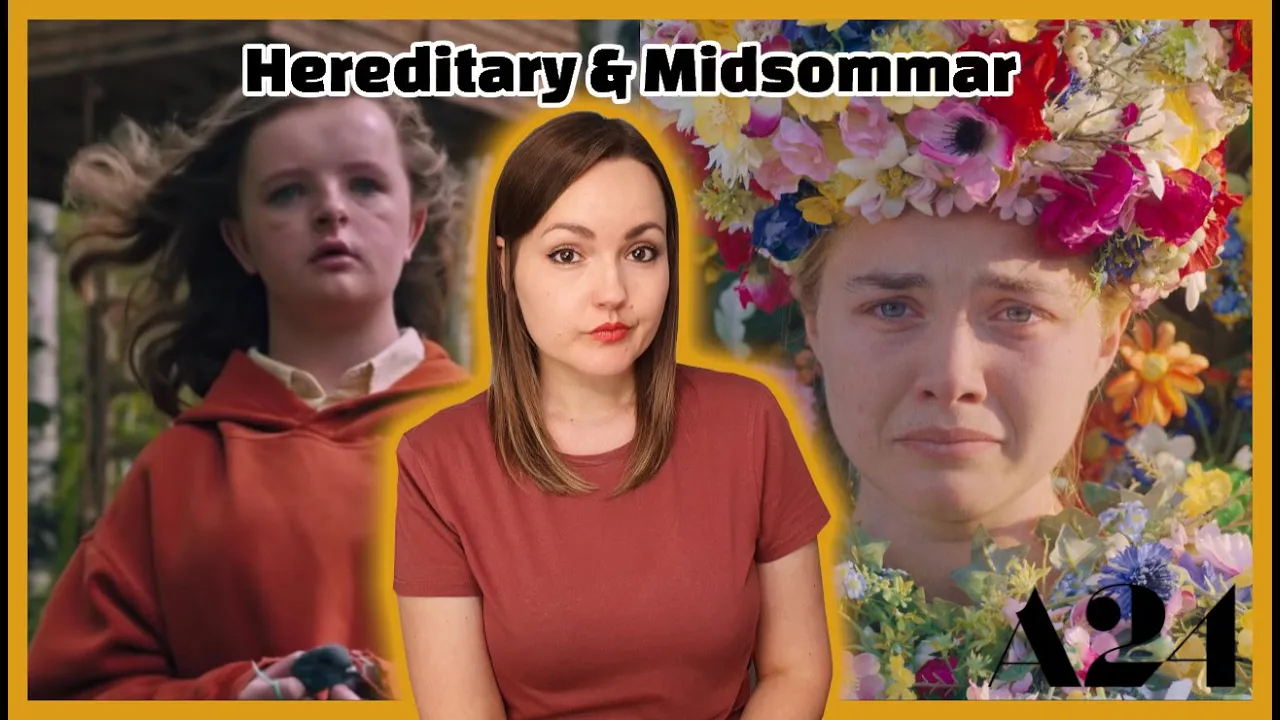
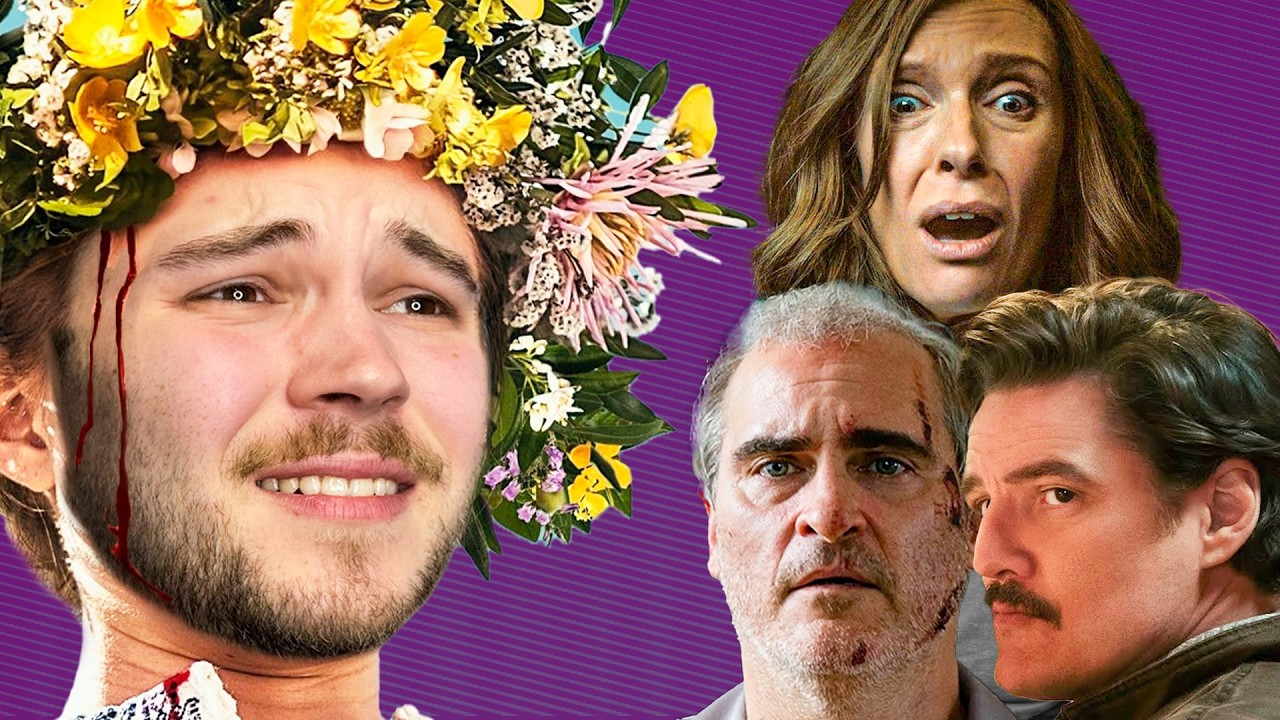






Ari Aster creates unsettling horror experiences in Midsommar through masterful use of long takes to capture awkward moments, strategic silence to heighten tension, and innovative sound design that subtracts expected environmental sounds to focus audience attention on character interactions and emotional journeys, all while blending folk horror elements with a breakup movie narrative structure.
Midsommar and Ari Aster's Cinematic Techniques: An Analysis
Added:Fundamental film terminology, specifically the concepts of mise-en-scène, diegetic versus non-diegetic sound, and continuity editing.
The conventions of the 'folk horror' subgenre, including themes of isolation, paganism, and the clash between modern and agrarian societies.
An understanding of psychological horror and how directors manipulate audience anxiety without relying solely on traditional jump scares.
Basic color theory in cinema and how color palettes are used to convey thematic shifts, emotional states, and narrative progression.
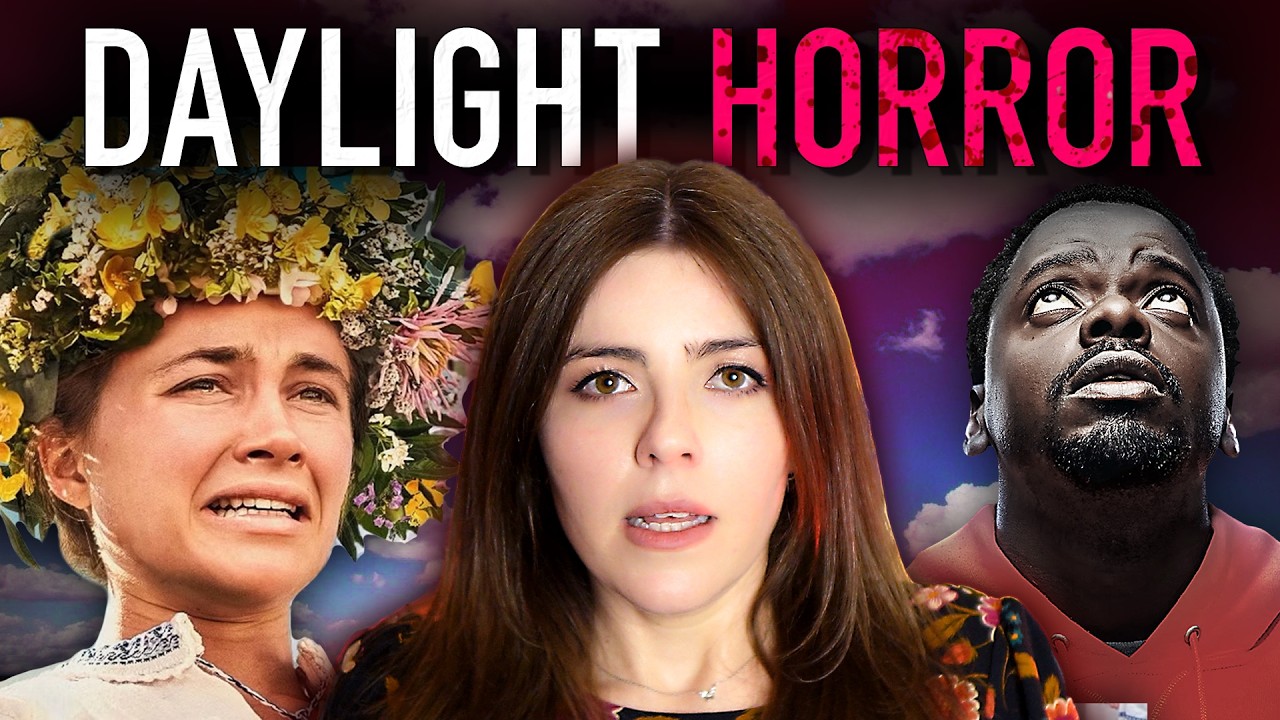
An in-depth study of 'Daylight Horror' as a subversive aesthetic technique that challenges traditional low-key lighting horror tropes.
A comparative analysis of Ari Aster's wider filmography, tracking thematic and stylistic continuity across 'Hereditary', 'Midsommar', and 'Beau Is Afraid'.
Advanced analysis of sound design in horror, specifically the use of microtonal music, dissonance, and silence to induce psychological discomfort.
Exploring the anthropological influences in cinema, analyzing how real-world folklore, pagan rituals, and mythology are adapted for narrative films.
725.4K views10.3Klikes16:35Original Release: 2019-09-15
[Music] the now it's dark movie podcast with me Mike and of course Tim hey man how's it going it's going pretty well we just kind of wanted to do a quick sort of review analysis of a movie that we've both been really impressed by which is is hit theaters fairly recently Airy asters second feature film midsummer yeah I think midsummer has overall been getting some pretty good reviews and people for the most part have been quite happy with it and I think what's what's great about the film it's it's kind of just dominated conversations a lot people have talked a lot about it even if it isn't the biggest film at the box office or you know isn't going to win a ton of awards much like his first feature hereditary you know midsummer is kind of capturing a lot of people's imagination and getting a lot of people talking and so I thought it'd be nice to kind of give some thoughts on the movie and also kind of try to delve into what makes re asters such an interesting director because I think he is one of the most interesting new auteur is working today yeah cuz you you liked hereditary right I liked hereditary a lot yeah I know we were both really fond of hereditary and we both saw midsummer together right just last week right and we were both really really happy with how it turned out arrey Esther so far as a guy whose career I'm really looking forward to so let's talk a little bit about what made midsummer such a success fair warning everybody we will be spoiling parts of midsummer so if you haven't seen it go check that out and then come back well I I think he's taking a lot of familiar elements first off I mean there's a lot that's taken from the the kind of folk horror genre area aster himself is a self-described cinephile so obviously you're getting you know the wicker man but he's also mentioned movies like the color of pomegranates and you know modern romance the the Albert Brooks kind of breakup movie as you know key influences for this he also drew in a lot of Swedish folklore and and other traditions and he has kind of described this as you know not only a contribution to the folk horror genre but also a break up movie and he's kind of mixing those two elements together so you do get a lot of familiar story elements in this movie a lot of familiar beats but how you get from one point to another how the movie unfolds is what really makes it interesting and I think from start to finish it's just so captivating well yeah so I like that you mentioned that it's a breakup movie because it's I thought metaphorically very strong its Florence Pugh who's starring as a young woman who is kind of going through a rocky time with her boyfriend and then some family tragedy strikes and so she joins her boyfriend and his buddies on a trip to a Midsummer Festival out in Sweden yeah and things get incredibly grim and incredibly bleak from there on out but yeah this has been another movie in a decade of some really strong horror movies where the metaphor has been really strong taking something that's intangible and turning it into something that is right taking the concept of a breakup and sort of managing to portray it well on screen he's drawing from his own personal experiences here too I mean he was going through a breakup prior to writing this film and I believe he was approached by you know Swedish producers or something to make this sort of slasher film set in Sweden mm-hmm and he wasn't really interested in that project initially but when he kind of found the element of the break-up when he was going through his own breakup he's like okay that could be an interesting entry point into how to do this film so he's drawing on his own experiences not only you know having gone through a breakup but also he has mentioned that his family underwent a number of hardships growing up and so I think he is really keyed into the idea of sort of like family tragedy trauma and things like that whereas redditor is more of a family tragedy movie midsummer picks off with you know a key sort of event a family tragedy but then kind of focuses more on the the personal and relationship aspect that both with Danny's own sort of method of grieving and getting over it but also her you know sort of rocky relationship with her boyfriend Christian played by Jack Rayner arey ester so far has been doing really well I think at the the slow burn horror movie yes you might get some kind of big event at the very beginning to set things off and then you don't really get a major payoff until the very end yeah there are definitely scary moments and distressing moments as the movie continues but really very little in fact I would say none at all as far as jump scares are concerned know that things like that and so he's he's really doing a lot to build atmosphere to build tension and dread yeah and I think he really incorporates terror and horror together very well yeah suspense yes and then that feeling of of just kind of pulling you along drawing you in he has said quote the joy is not in subverting expectations but delivering on expectations in a way that's both inevitable and also emotionally surprising and I think you definitely see that in mid-summer where you know there is a lot of familiar story beats but you're you're sucked into the movie because of how you know all encompassing the atmosphere is by by how sort of compelling the emotional journey of these characters is yeah I I think you know regardless of the the plot because you mentioned all of these these influences like the Wickerman and the color of pomegranates as far as plot is concerned I don't really care that he's borrowing from all sorts of different movies and he's borrowing beats from different movies right because of everything that Airy aster is doing well with with suspense and tension and the the characters interacting with each other I don't really care right and he's become really good at just using different cinematic techniques mm-hmm to sort of pull you in I mean a couple things that I notice he's really good at using long takes yeah and there's some really awesome long takes in mid-summer there's a great scene early on where you know Christian Danny's boyfriend has kind of just told her that he's going to Sweden he's leaving and he's already booked a plane ticket and she kind of you know manages to I guess convince him or he has or out of politeness or a sense of obligation of like do you want to come and she ends up coming unbeknownst to his friends you have kind of planned this trip there you know it's supposed to be an all guy sort of trip maybe meet some girls or something like that so that first scene when Danny comes over to to meet Christians friends and and she lets them know that she's coming too it's incredibly awkward and you know Airy aster plays this perfectly by having this long take where you see all the character is kind of sitting down you see Christian and Danny reflected in the mirror and by just kind of dwelling in this moment by having this long take where you're just kind of looking at all the characters faces to kind of see their awkward reactions to this it really kind of lets the awkwardness of that moment breathe and just kind of you get the full extent of that feeling another cool thing that I've noticed he does a lot is these kind of like interesting cuts these interesting edits where like for example Florence pew will walk into a the bathroom and then we cut to her in the bathroom of an airplane on the way to Sweden where it's it's kind of like what would you call that like a match cut or a jump cut match cuts yeah like that where it really is disorienting you know because they're so well done and so kind of like jarring in some ways yeah a little dreamlike in that way and you don't really know or remember how you got there yes but and also just practically a very good way to just move the plot along exactly you know a very good way to just keep the movie going also I mean there's a great shot early on when they're they're driving into kind of a fictional Swedish place called harga and when they're driving into there the cam just you know turns 180 degrees upside down and we're you're you're kind of driving along this road but the images is flipped over and it was just such a cool but very unsettling sort of camera trick that he does there and and the movie is full of of those things where it's like okay I know what sort of place they're going to I kinda have an idea of what's gonna happen but this journey is so unexpected the way it's being told the way it's being presented that's like I'm just kind of sucked into this it's it's like I want to experience this on an aesthetic level on a visceral level even if I know intellectually what's gonna happen next I found his use of colour to be really really well done yeah colours were really stunning in this movie he said he was trying to get a sort of technical or feel he mentioned like Powell and Pressburger as black narcissus yeah as a key example like a just sort of a very vibrant use of colour and he mentioned he was like I wanted to get the technical or look but I realised I've actually tried to match it exactly it was gonna look weird and out of place it would look like a movie made in the 40s or 50s right he didn't want to go for that full Technicolor look but what he did is he's like I tried to get what Technicolor what I imagined Technicolor look like it's like for him and the colorist was like close your eyes and just try to imagine what it looks like and then go for the image in your head rather than matching that exactly mmm so it's almost like the memory of Technicolor rather than the actual you know accurate representation of it another cool thing worth mentioning I think is the use of sound and music in this yeah yeah because the the sound editor for this film has talked about how they really subtracted sound in a lot of places and a lot of key moments for example there's a phone conversation between Danny and Christian early on where they just really sounds like it's taking place in a vacuum almost and because that takes place early on in the film it forces you to pay attention to listen and it's kind of a great sort of like great directorial choice to kind of make the audience attention early on so that they're kind of prepped to to focus on this film to be aware of all the the minut details are gonna be presented to you yeah silence in movies is something that I think has kind of become largely a lost art there's not there's not much use of silence in movies but Airy aster definitely uses it for midsummer whether it's the the conversations that just become so awkward because of the silence and also helps to push the the metaphor forward of how this is going to be a breakup movie how this is central to a relationship that's faltering when you kind of have it have a lot of trouble communicating with each other and you know when you go for a seven-day feast or a nine-day feast you know with with the image of feasting what do you typically think of oh you think of like food people talking yeah there's a lot of sounds yeah revelry but they're eating a lot of their meals in total silence and the only thing that you're hearing is just the silverware against the plates well they set it up in a great way where they have to wait for the kind of head of the table to pick up their knife and fork and start eating yeah and then like you know people just going down the line of the table people consecutively pick up their knives and forks and it's very synchronized in a way that's it can only seem creepy another cool thing they do is take away noises that you would kind of expect in an idyllic sort of rural place like this huh I mean like in you know the Swedish countryside you'd expect to hear bugs and birds and animal noises and children laughing the summer sense you know and they a lot of times take those away so that you're forced to focus on just the dialogue I mean there's a scene where the the sort of female leader of the celebration starts talking and it's so silent like her voice seems to be again kind of just ringing out in a vacuum and it's it's really jarring to hear that use of silence also the the kind of mix of diegetic and non-diegetic music and sounds there are times where you hear music you assume it's non-diet jeddak and then the camera kind of pans over and it's like oh there were people playing instruments yes actually this is actually diegetic I guess and when they do use non-diegetic sounds and sound escapes they use them kind of like allen split david lynch's sound designer use them where it's like these sound like things that could be happening in the scene but they're actually not exaggerated for example when people are you know talking in the comm unit expected here maybe like you know general an ambient layer of just people laughing or people talking or something like that but in this sound design they actually will just have like an isolated track of somebody hammering something or an isolated track of somebody you know like raking up hay or something like that sure sure just like one one type of sound you kind of get the sense of like there's one other person off-screen watching you right now right like they're being spied on yeah yeah and I'm sure all of this must play some part in some way of kind of playing with your mind in ways that you don't even realize yeah while you're watching the movie right I guess this is um when you when I talk about terror and horror and you mentioned the word suspense this must all come in even if you don't fully realize it when you're watching but this really adds to that feeling of dread and to the feeling that something just isn't right one area Astor is mentioned on hereditary and I imagine on this film to work he will put in sounds that are almost an audible yeah you feel more than you hear like really low rumbles and things like that that kind of probably just hearkened back to you know being stalked by a predator you know where it's just you hear this rumbling Center you feel this rumbling sound it's like okay that's not good you know like something is pursuing me right now the score done by Bobby krill ik he was otherwise known as the the Haxton cloak I believe this is his band name or artist's name his score is really good and it's just got such an interesting mix of like terrifying like shrieking strings and yeah a tonality mixed with like really beautiful sort of romantic cues as well yeah yeah so you know fantastic score once again hereditary also had a great score and soundtrack as well I'm really looking forward to what era Astor can bring to the table for his following movies and I know that you are as well right yeah yeah can't wait to see what he does next and I think as long as he's sort of exploring you know what you can do with cinematic techniques yeah even if he does make you know movies that follow more conventional genre conventions or makes things that are very much familiar in terms of story it's still going to be interesting it's definitely a career that's going to be well worth watching right well there you go midsummer go see it yeah definitely check it out and thanks for listening to our thoughts analysis stay tuned for more [Music] you
Up Next

14:25
Vocal Control in Film: Analyzing There Will Be Blood
@NowYouSeeIt
2.5M views•2017-12-22

20:12
Unfriended (2014) Screenlife Horror Film Analysis and Review
@theboredcyborg
372 views•2019-08-20
4:55
Film Blocking Techniques for Directors: Space, Shapes, Lines
@StudioBinder
1.9M views•2018-07-23

4:00
Evolution of Darth Vader: Anakin Skywalker's Animated Journey Across Star Wars Films
@TellItAnimated
13.4M views•2019-03-30
Related Study Plans & Knowledge Roadmaps
Structured learning paths in Film Analysis
film-analysis
Sensory Cinema: Foley, Haptic Sound & Texture
01Introduction to Film Sound and Foley Artistry
02Micro-Sounds, Textures, and Extreme Amplification
03Haptic Audition and Film Phenomenology
+ 1 more learning modules
12h4 modules
Explore Roadmap
film-analysis
Breaking the Fourth Wall: Mockumentary & Satire
01The Invisible Wall: Basics of Cinematic Illusion
02Looking at the Lens: Direct Address & Character Glances
03The Mockumentary: Satire, Realism, and Complicity
+ 2 more learning modules
12h5 modules
Explore Roadmap
film-analysis
Analyzing the Long Take: Cinema, Space & Ethics
01Foundations of Film Grammar: Montage vs. The Long Take
02Choreography and Mechanics of the Simulated One-Shot
03Phenomenology of Film: Real-Time Spatial Continuity
+ 1 more learning modules
14h4 modules
Explore Roadmap
film-analysis
Anachronistic Music: Period Drama & Subversion
01Foundations of Film Sound and the 'Needle Drop'
02Traditional Authenticity vs. Revisionist History
03The Rise of the Anachronistic Soundtrack
+ 2 more learning modules
12h5 modules
Explore Roadmap