













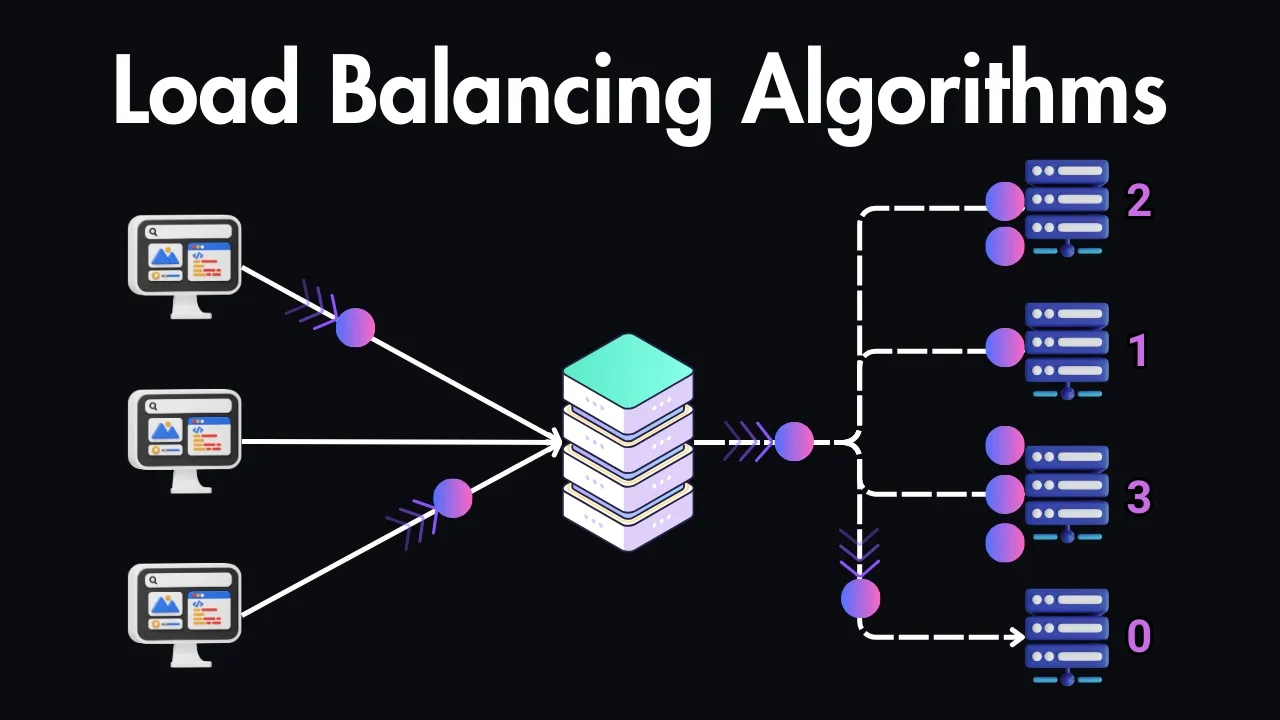


![How load balancers work - System Design Interview knowledge [Beyond the interview]](https://i.ytimg.com/vi_webp/escR-07yVAs/maxresdefault.webp)


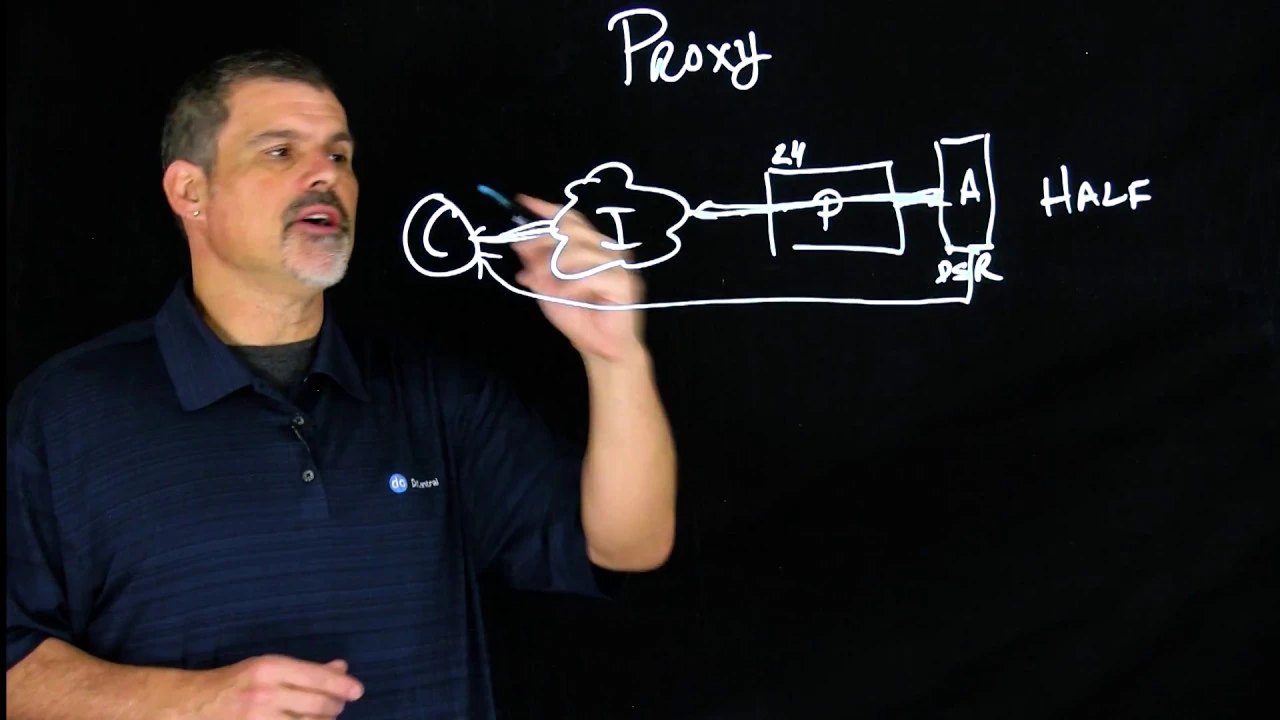

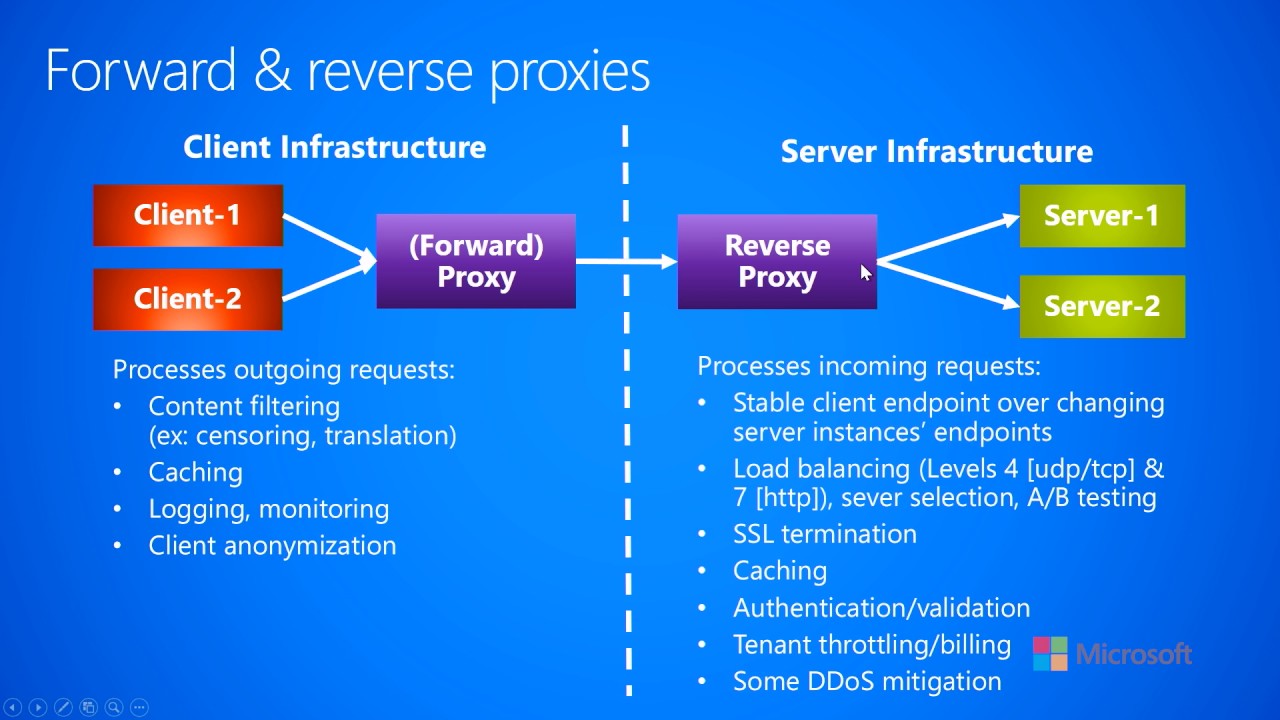






A load balancer is a special case of a reverse proxy that requires two or more backend servers to distribute incoming network traffic across them, while a reverse proxy can function with a single server and provides additional benefits like caching, security isolation, and single entry URL management.
Load Balancer vs Reverse Proxy: Key Differences Explained
Added:Fundamental understanding of Client-Server architecture and how HTTP/HTTPS requests flow over a network.
The concept of a Forward Proxy and how intermediary servers represent clients to the internet.
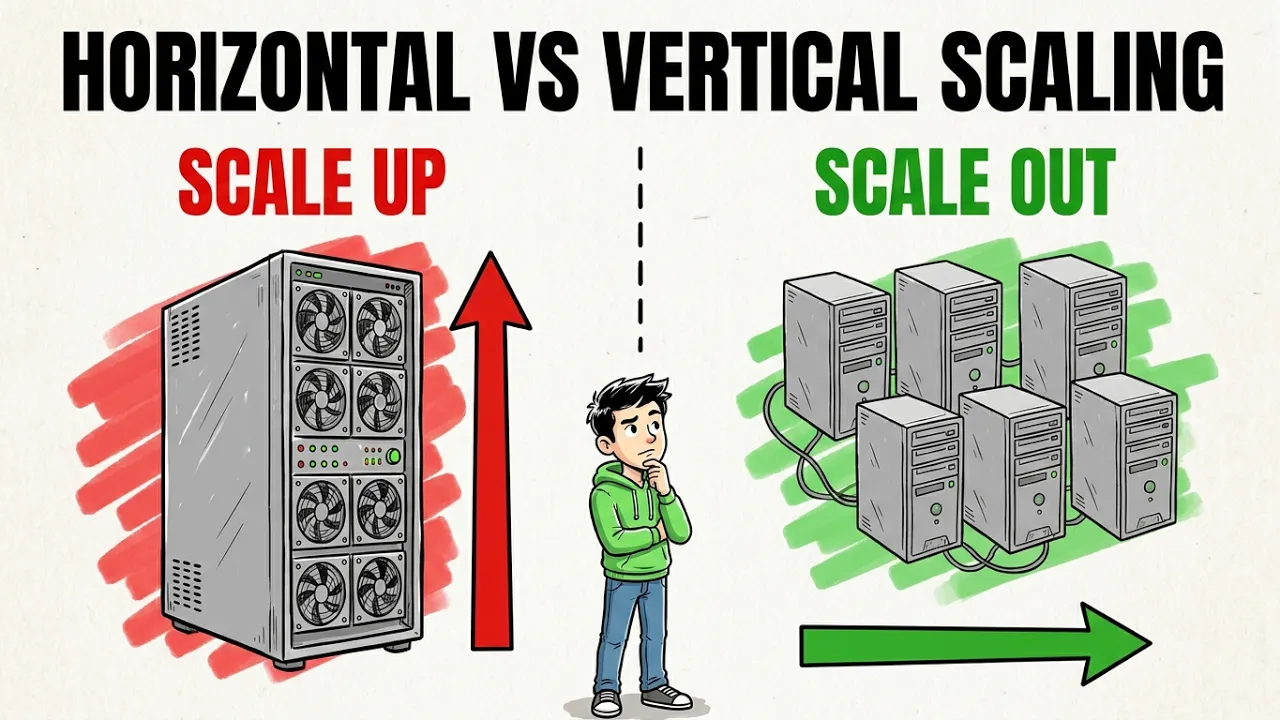
Basic principles of system scalability, specifically the difference between vertical scaling and horizontal scaling.
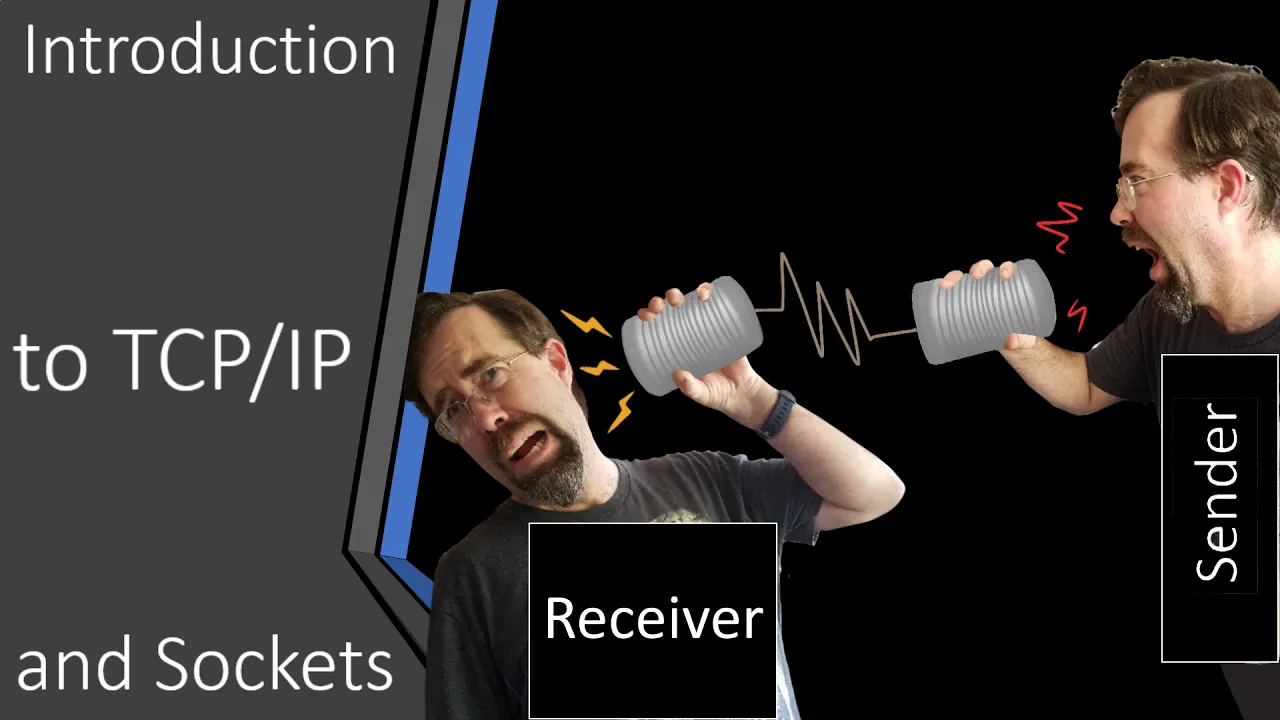
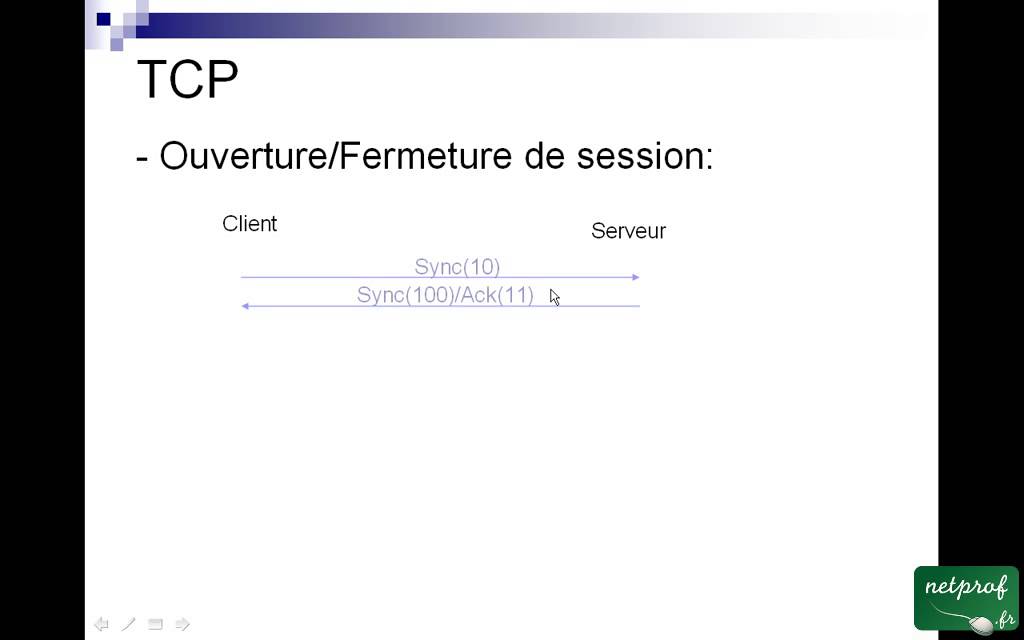
An introductory understanding of network protocols, particularly TCP/IP, IP addresses, and ports.
In-depth study of Load Balancing Algorithms, including Round Robin, Least Connections, and IP Hashing.
Understanding the differences between Layer 4 (Transport) and Layer 7 (Application) load balancing.
Exploring security features managed by reverse proxies, such as SSL/TLS termination, DDoS mitigation, and Web Application Firewalls (WAF).
Hands-on configuration of industry-standard tools like Nginx, HAProxy, or cloud-based application delivery controllers (e.g., AWS ALB).
Designing High Availability (HA) architectures to eliminate single points of failure using redundant load balancers.
110.8K views2.4Klikes9:45Original Release: 2018-12-21
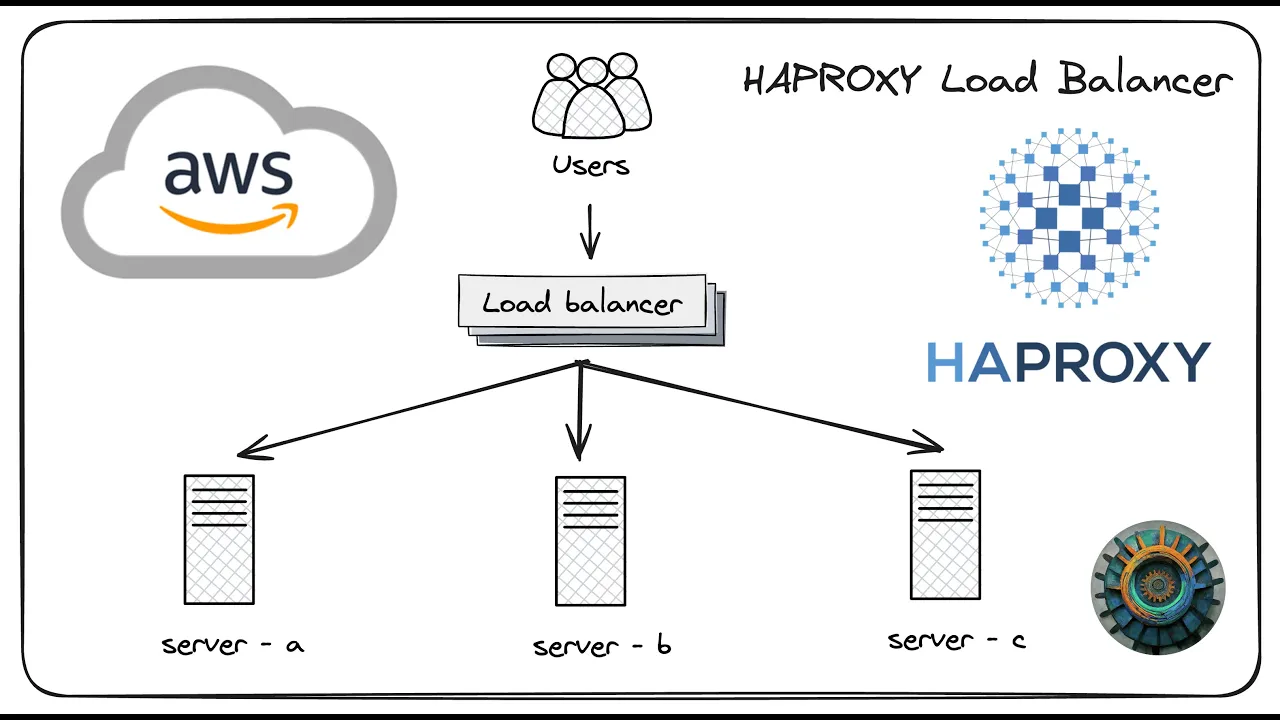
hey guys in this video we will discuss the difference between reverse proxy and a load balancer some of you guys asked this question I thought it's appropriate to actually make a video about it so personally I think I'd like to think of a load balancer as one of the applications of a reverse proxy it is just a special case of the reverse proxy so let's just get it started and define what a reverse proxy is first alright before we start guys I have made a very popular video between the difference between a proxy and reverse proxy I suggest that you watch that video I actually explain the difference between a proxy and the benefits and disadvantages of proxy and reverse proxy I'm gonna link it here in the description and and the card hopefully so that's good just quickly define whether reverse proxy is first right so a reverse proxy is this a piece of software it's a logic or server that receives clients requests and hides the back-end infrastructure of the outgoing requests so effect clients going to like say google.com there is a front-end server that receives that request and then forwards it to internal servers one or more to essentially service that request okay it's a very basic thing and just just the fact adding that extra layer gave a lot of advantages just this extra layer of instead of having the client contact connect to the server that has the application directly right that runs whatever port the advantage is like just add this middle layer and we called it a reverse proxy because it's it's exactly like it's a reverse proxy right so the client doesn't know which server is connecting as for the proxy the server doesn't know which client is coming from okay so that's actually the reverse alright so a lot of benefits and applications of the reverse proxy is you can do cache web acceleration so if I'm requesting to go to my blog Hossein Nasr com reverse proxy can actually make the first request to the server to my blog pulled that content of my blog and actually cache it right here so the next guy or the next girl that want to consume my blog that reverse proxies in I actually have a copy of this here you go I don't have to go and bother the server and execute and waste and wouldn't work bandwidth and network resources and server resources right it's just like go there so caching very important cannot redeployment very popular things a be testing kind of thing where I want to experiment with my application I may I made a feature I really made a new change but I wanted to test like own ten percent of my traffic so the reverse proxy can act like at like forever for ten percent of requests incoming go and forward them to this particular server which has a certain version of my application the ninety percent will go to another server right and that's that's the beauty of this you can just obviously there are rules to this right so you have your application should not be breaking changes like doesn't have break and change so the request and response should be identical because the client has to just consume that and magically know how to do with it right so canary deployments very popular right so I can just shift based on that security I guess the external traffic I can since this is an external facing right I can secure that but since this is internal I can leave this unsecured if I want to it's recommended to secure it obviously but you can't you can avoid doing SSL an expensive security handshake with your internal network because this is kind of isolated right it there is a firewall there nobody actually can access from outside right it's a completely internal dilemma joist sure okay so that's one benefit of the reverse proxy isolation it's completely isolated with the entire ward cannot be hid and easily right and that's another benefit is like a single entry URL so if you build that application and oh one poor one application is running on this port or another instance of your application running on another foreign port you can just do the reverse proxy or run it on a single port and then have it just go through different applications which even if you you don't even have to have like multiple servers like just one server running on one port right but I don't want to use the airport I want to use port 80 to export to the outside war and I want to secure it so you can use use just the single URL that points to essentially your server the back end and finally one of the benefits of a reverse proxy is you can if you want to make your reverse proxy as a load balancer right because it's again it receives a request and if you put some metadata some knowledge some work on your reverse proxy it can act like a load balancer essentially balancing that distributes the load between different requests to your different servers alright this brings us to the load balancer so what's the difference between load buzzer and reverse proxy so we explain where a reverse proxy right yes right a load balancer is just an instance of a reverse proxy it is a reverse proxy okay but it has I guess show characteristics ik all right I don't believe I said that correctly right so it has a special meaning here so a load balancer obviously since it's balancing the load it has to have two or more servers to balance right at the back end so it still acts the same as a reverse proxy it's receiving something from outside Ward and just like distributes the load between the server so one rukns could order this the second goes to this and so on right so it has to be two or more for the reverse proxy you don't have to have two servers you can have one right you can just do you can literally have one and this is still a cold or reverse proxy and then the reason it's like hey I want to hide my port I don't want to expose I want I want these I want these five things I don't want load balancing up but I won't all that and reverse proxy gives you all these right load balancer doesn't usually give you all these benefits to okay so load balancer also need to store some metadata about your application if you think about it right because if you if there is a request right and then let's say server one I forward the server one and serve gonna start executing and I have to there are many ways to load balance first right the dumbest way the simplest one is to do a round-robin where every request comes and then just go to the next one okay requests go to the next one requests go to the third and then one two three one two or three there is no smart ways just distributes the load right doesn't know if the server down it doesn't know if the server is overloaded doesn't know anything right that's one way loaded another kind of load balancers smart load balancer can actually collects data does heartbeats it's like every it just continues to communicate with a server so hey this server what are you doing now is that you can ask hey I'm actually executing this many requests maybe don't send me a lot of requests right oh this server is free so it just keeps kind of a table kind of a data of all these different method ATAR of all the servers and accordingly balances the load alright guys hope they hope you enjoy this episode it's just like it was like very brief and to talk about the difference between reverse proxy and a load balancer hope you enjoyed this I'm gonna see and then I'll check out the other content in this channel we talked about a lot of software engineering by example as you can see and we're gonna see you in the next one you guys stay awesome consider subscribing we have a lot of cool software engineering that's what we talk about in this channel alright guys see in the next one
Up Next
4:54
Virtual Nodes in Consistent Hashing: Load Balancing Explained
@thecodelucky
114 views•2025-12-13

87:26
Introduction to Secure Multiparty Computation with Yehuda Lindell
@fhe_org
7.7K views•2021-02-04

4:55
HTTP Requests Explained: GET, POST, PUT, DELETE
@codecademy
103.1K views•2021-10-07

19:25
Enigma Machine Mechanics: WWII Encryption Explained
@JaredOwen
13.2M views•2021-12-11
Related Study Plans & Knowledge Roadmaps
Structured learning paths in Computer Science
computer-science
Container Runtimes: Namespaces, Cgroups & Go
01Linux Systems & Go Programming Foundations
02The Core of Isolation: Chroot and Filesystems
03Linux Namespaces: Process Isolation
+ 3 more learning modules
32h6 modules
Explore Roadmap
computer-science
Building a CHIP-8 Emulator: Rust & CPU Basics
01Computer Architecture Foundations (Bits & Bytes)
02Rust Programming for Systems Development
03CHIP-8 Virtual Hardware Specifications
+ 2 more learning modules
32h5 modules
Explore Roadmap
computer-science
Building BitTorrent: Go, P2P & Concurrency
01Go Fundamentals & Concurrency
02Networking Foundations & P2P Architecture
03Bencode Parsing & Torrent Metadata
+ 3 more learning modules
26h6 modules
Explore Roadmap
computer-science
Actor Models (C++ Concurrency & Lock-Free)
01C++ Multi-Threading Foundations
02Thread Pools and Task Scheduling
03Atomics and Lock-Free Queue Design
+ 3 more learning modules
45h6 modules
Explore Roadmap