




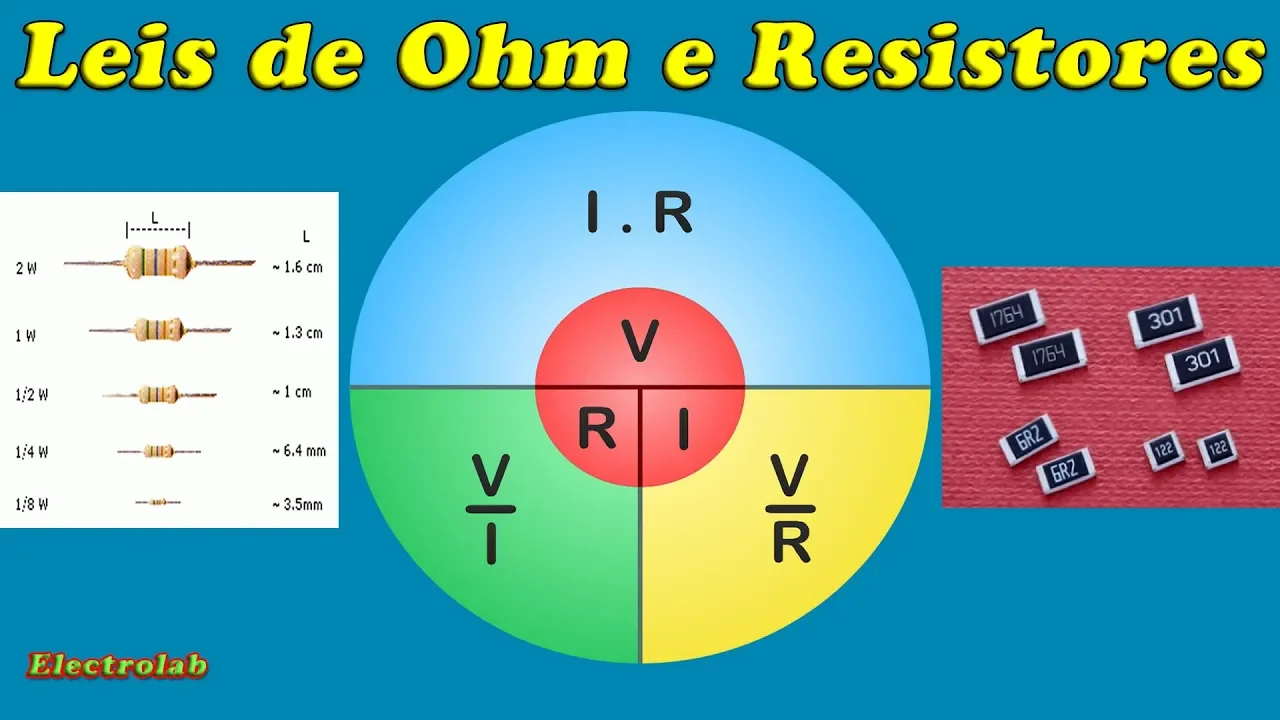

















Supercapacitors require careful charging due to their extremely low internal resistance, which causes them to draw excessive current from standard power sources; to charge safely, calculate the appropriate resistance using Ohm's Law (R = V/I) to limit current to a safe level (e.g., 10 amps at 13.8 volts requires approximately 1.38 ohms of resistance), and use appropriately sized wire (thicker gauge) to prevent overheating and damage.
How to Charge a Supercapacitor Safely with a Car Battery Charger
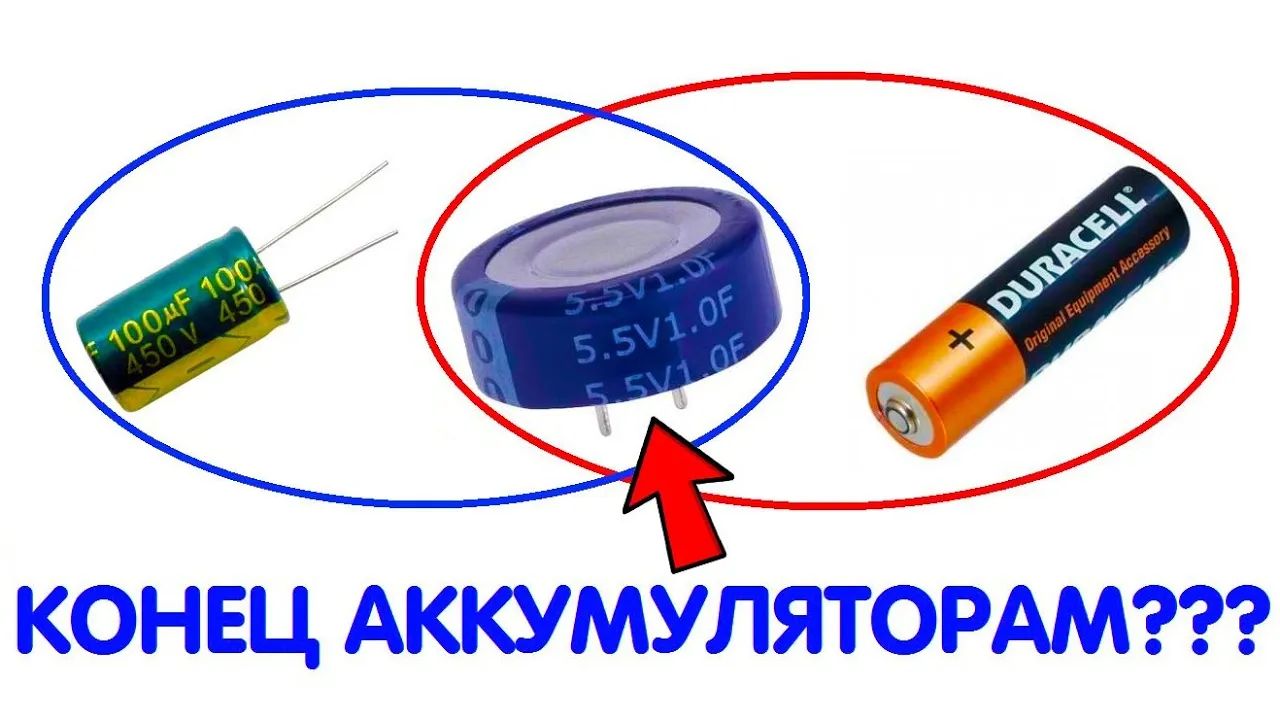
Added:The fundamental differences between electrostatic capacitors, supercapacitors, and chemical batteries regarding energy density and charge transfer.
Ohm's Law (I = V/R) and how resistors restrict current flow to manage power dissipation.
The standard output characteristics of automotive battery chargers, including typical voltage ranges and charging profiles.
Basic electrical safety practices, including the risks of overvoltage, short circuits, and thermal runaway in energy storage devices.
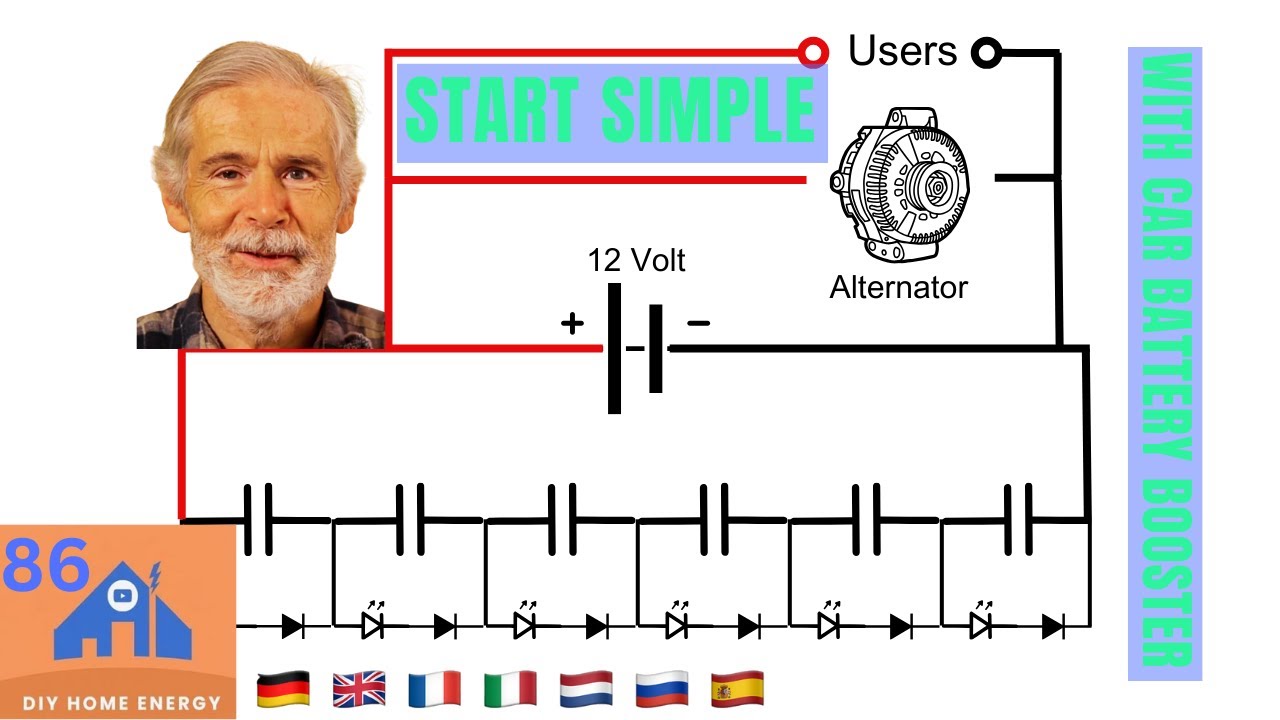
Designing passive and active cell-balancing circuits to safely connect multiple supercapacitors in series for higher voltage applications.
Using DC-to-DC buck-boost converters to regulate the variable output voltage of a discharging supercapacitor bank.
Measuring and analyzing Equivalent Series Resistance (ESR) and its effect on supercapacitor efficiency and heat generation.
Evaluating real-world applications of supercapacitors, such as regenerative braking systems, grid energy storage, and backup power supplies.
159.5K views463likes7:22Original Release: 2012-05-10
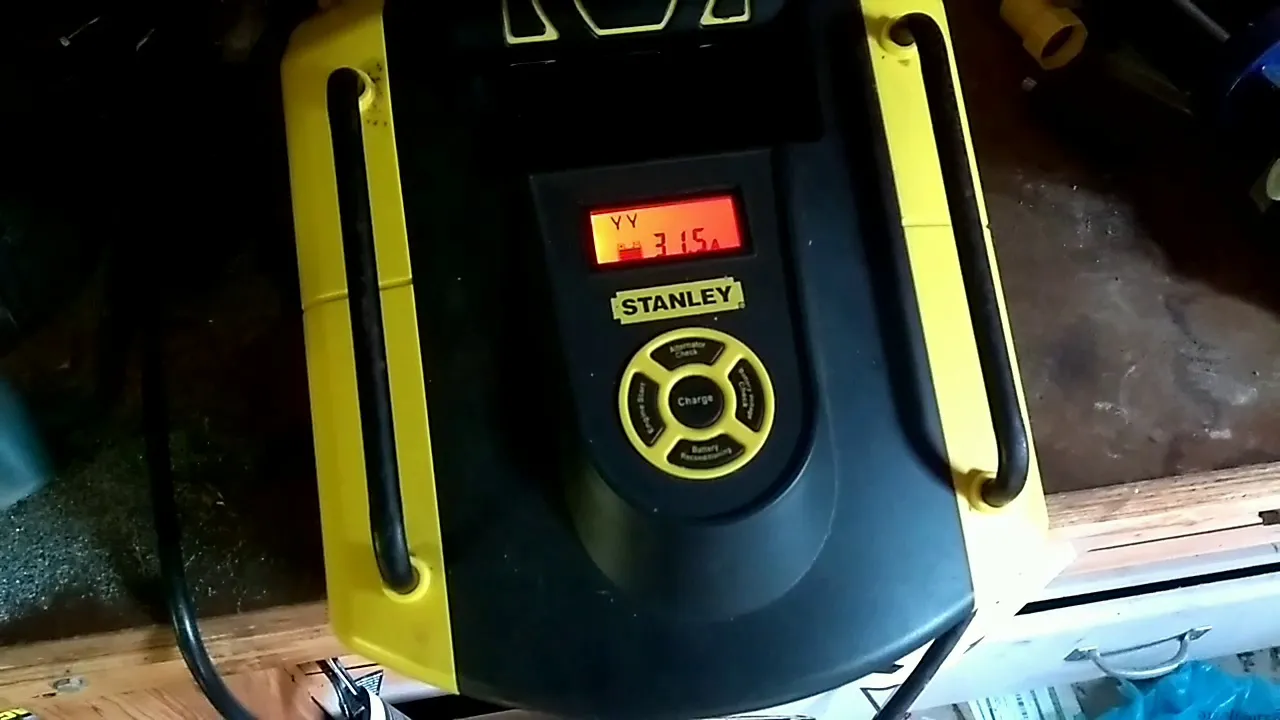
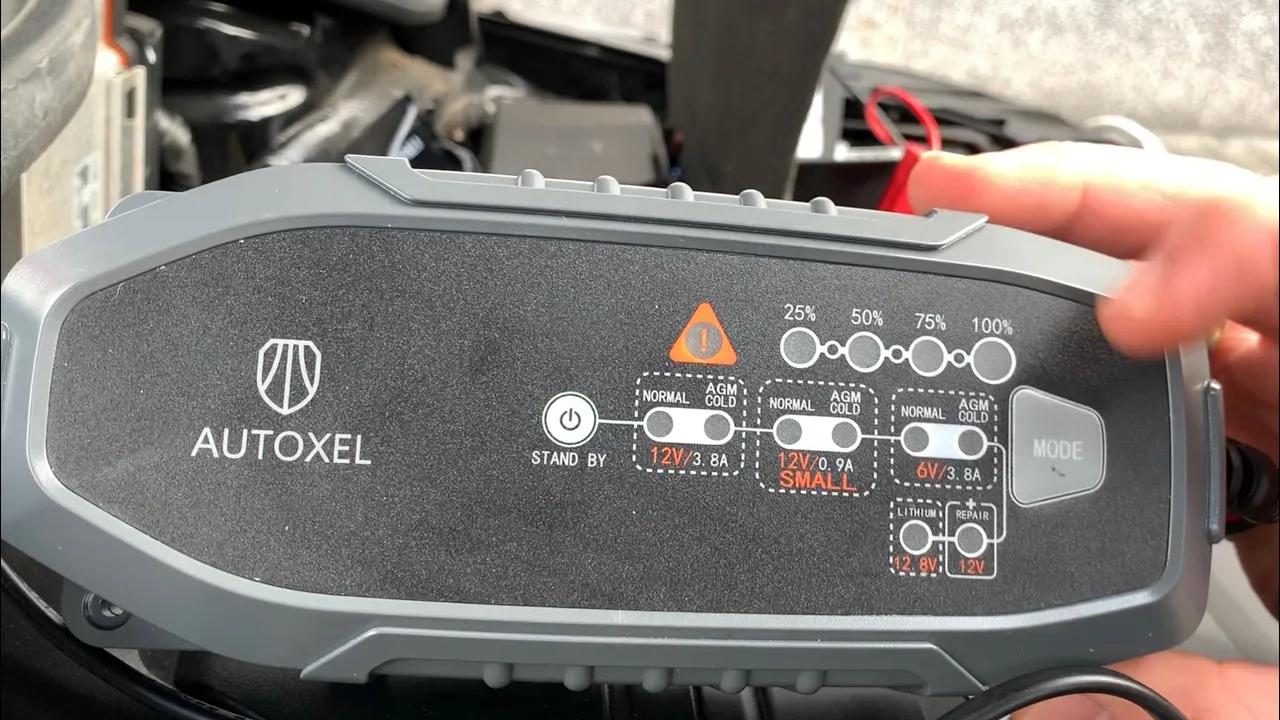
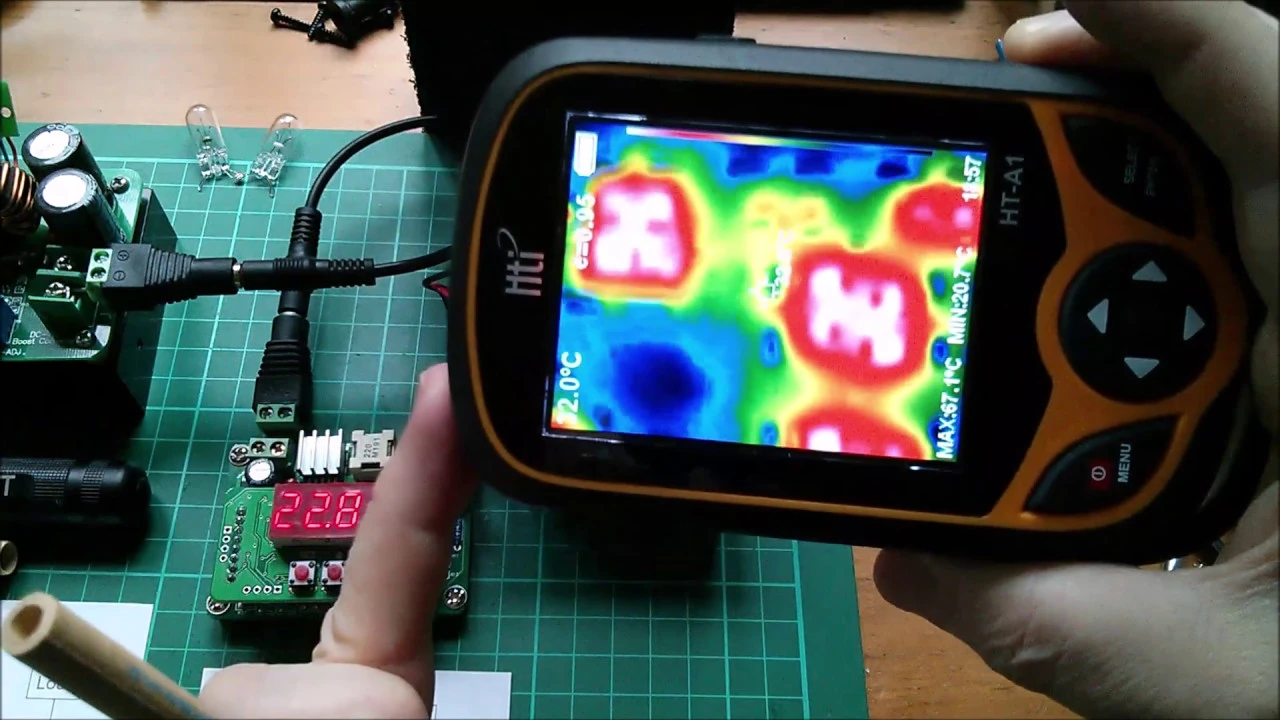
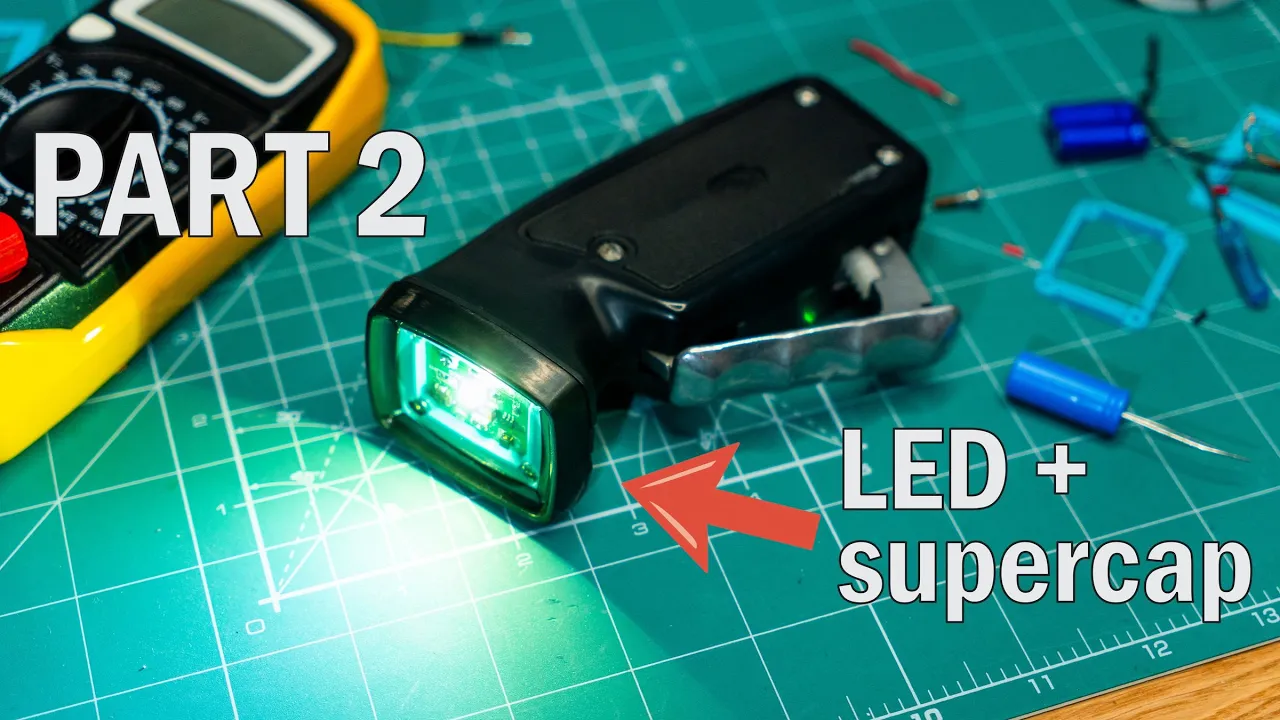
like to share how I charge my super capacitors I know a few people have asked me in some other videos um basically I just use a a battery charger for a car 12vt battery this is a um this is a 10 amp battery charger but I guess it's supposed to Surge to 55 amps I don't know um this this is one of the major problems when you charge a super capacitors when you hook uh any charger up to well anything up to a dead capacitor it's going to be almost like a short as you can see you notice this little pin on the left okay the charger automatically shut off because that's way too many amps for it to handle it's a lot of amps it's even more than 55 cuz the resistance from here to here is not that much so we need to find a way we need to find a way to charge these at a rate that this thing can handle and to do that I'm going to say um 10 amps would be maybe our goal to shoot for and just quickly using a calculator not note that if these things are 12 volts they probably charge at maybe maybe even as high as 18 volts probably more like 15 volts and maybe as low as 13.8 volts so you can never rely on this to give exactly 12 vol volts and you don't want to overcharge your capacitors you don't want to give them over voltage so each one of these are 2600 F at 2.5 volts so I have 5 10 15 I can handle 20 volts at the moment so that that puts me in a safe range for this charger um so don't don't hook one of these up to a car charger and expect that everything will be okay so you notice we're at 2.42 volts that's on all these caps at the moment I'm going to take I'm going to take 13.8 volts on the calculator divide that by I want uh let's say 10 amps and that's saying that I need a resistance of 1 38 ohms and that's to uh that's the charge this at about 10 amps so basically all I've done is I've taken 4 ft of uh 12 gauge wire it's solid but I hear that the stranded works better um I hear stranded even at the same gauge could handle more amps I'm not sure if that's true but this is what I have this is what I use uh coil it up it's about uh 4 in diameter I honestly don't think it matters but uh if you check the resistance with a meter you should get somewhere within that 1.38 range would be ideal in my case I'm at about well I'm a little less so we'll see if this charger can handle it basically all I'm going to do is connect one end to the coil and the other one I'm going to connect I'm actually going to I have these little alligator clips that probably can't have the amount of current that I'm going to give it so I'm going to connect two of them together like so and then I'm going to connect those to this and we'll see what we get that's a safe amount we're running at uh okay these things can't handle that heat but we were actually at about 12 amps which is great the only thing is these uh alligator clips are just a little too small for that so now that I've burned the insulation off these nice alligator clips let's see if we can't just let's see if we can't just use one of the clip ends to clip this wire to here I think that'll be the best for us this other black wire is just a uh it's just going to this meter right here okay it doesn't like that I'm going to let it run though for a second but obviously if you use more wire you're going to get more resistance coil always coil it up you're going to get more resistance and you're going to that's going to lead to less amps so in this case I probably should have used a five or six there it just shut off probably should have just used a five or 6t wire would have been ideal for this but you see we've increased almost 3 volts just from that short period this thing shut off it's not liking me right now and now that it's back on I'm just going to give it to it again O Okay that thing desoldered itself when it got hot look at the wire here come out of the side it can handle that for a little bit before it shuts off if you have a charger that can't um that doesn't have an a shut off like that you might want to uh definitely use more wire otherwise you'll just burn it up you'll notice there's stuff inside that glows red when you're doing this and this is a tremendous amount of energy we're giving these capacitors right now and you notice as we come up to voltage this thing's fluctuating a little bit it's going to draw less amps as you come up to voltage in this case we're at 10.7 right now and I saw this thing fluttering a little bit and it's actually it's hard to see but it's actually on on its way down and it should drop to zero as these capacitors come off the charge okay we're down to 13 amps right now okay so this charger stopped at about 15.53% dropped to 15.45 just from these uh capacitors [Applause] and then you can go ahead and hook it up to something and watch it last for a really really really long time this will probably last for a couple hours like this on these capacitors and I might just leave it here just to let it drain too it's a pretty bright light or you could always discharge in the fun way this wire is like super hot like right now like it's really warm that was fun it's a
Up Next

24:51
Chocky's Child Prodigy: Cosmic Energy & Radio Telescope Research
@theclergyman
28.6K views•2013-01-03

12:54
Triumph of Orthodoxy Icon: Byzantine Art & History Explained
@BenCallan
2.1K views•2024-08-06

9:49
FastAPI vs Flask vs Django: Choosing the Right Python Web Framework
@TechWithTim
302.5K views•2024-05-26

1:42
Game of Thrones Opening Credits: A Cinematic Analysis
@gameofthrones
46.3M views•2011-04-18
Related Study Plans & Knowledge Roadmaps
Structured learning paths in General & Interdisciplinary Studies
general-studies
Elevator Engineering: History, Physics & Cities
01From Hoists to Safety Brakes: The Dawn of Vertical Lift
02Hydraulic vs. Traction: The Engineering Physics of Elevators
03Modern Speed, Safety, and Algorithms
+ 2 more learning modules
12h5 modules
Explore Roadmap
general-studies
Rubber: Material Science, History & Geopolitics
01Origins of Natural Rubber & Mesoamerican History
02The Chemistry of Natural Rubber & Vulcanization
03The Geopolitics of the Rubber Boom & Colonization
+ 2 more learning modules
12h5 modules
Explore Roadmap
general-studies
Containerization: Evolution, Logistics & Trade
01Ancient Trade & Bulk Cargo: Amphorae to Barrels
02The Industrial Revolution & Cardboard Packaging
03The Containerization Revolution: Malcom McLean
+ 2 more learning modules
12h5 modules
Explore Roadmap
general-studies
Textile Tech: Evolution, Labor & Global Impact
01Pre-Industrial Textiles: Handloom & Cottage Industry
02Mechanization: The Spinning Jenny to the Power Loom
03The Factory System & Global Labor Transformation
+ 2 more learning modules
10h5 modules
Explore Roadmap