









![Synaptic Transmission - Biological Psychology [AQA ALevel]](https://i.ytimg.com/vi_webp/bgyDMQZIS9o/maxresdefault.webp)




















The mammalian cerebral cortex consists of six distinct layers with specialized functions: Layer 1 (molecular layer) integrates cross-modal information; Layers 2-3 (external granular and pyramidal layers) receive interhemispheric input and integrate hemispheric signals; Layer 4 (internal granular layer) receives primary sensory input from the thalamus; Layer 5 (internal pyramidal layer) serves as the main output layer with axons projecting to the spinal cord and other brain regions; and Layer 6 (multiform layer) contains diverse neurons with reciprocal connections to the thalamus for gain control of sensory signals.
Six Layers of the Cerebral Cortex Explained | Neuroscience 101
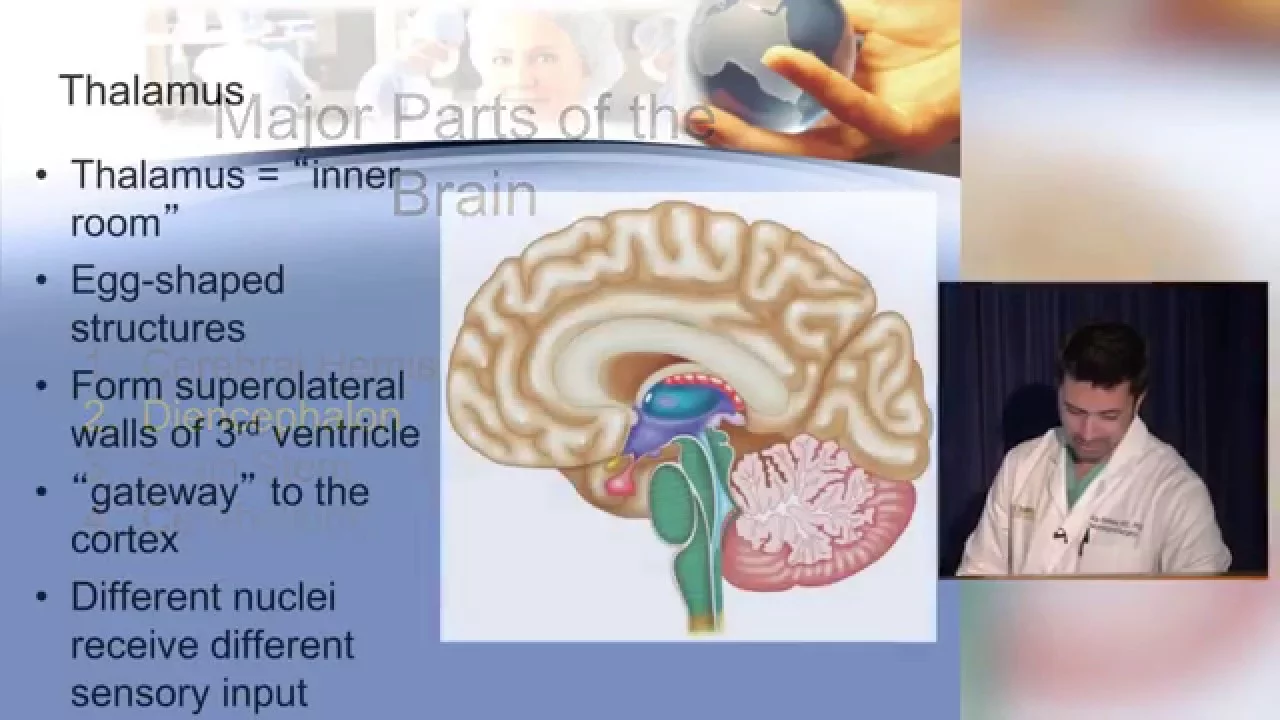
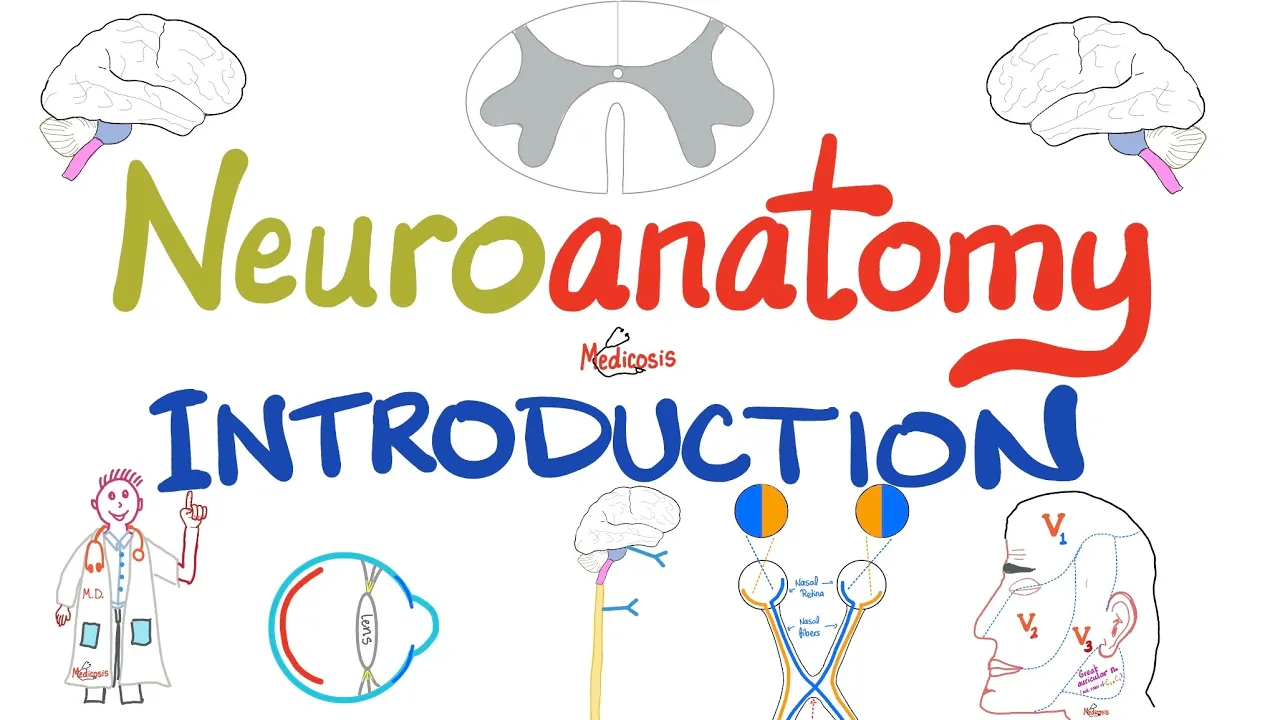
Added:Basic Neuroanatomy: Understanding the location of the cerebral cortex, the division of the lobes, and the distinction between gray and white matter.
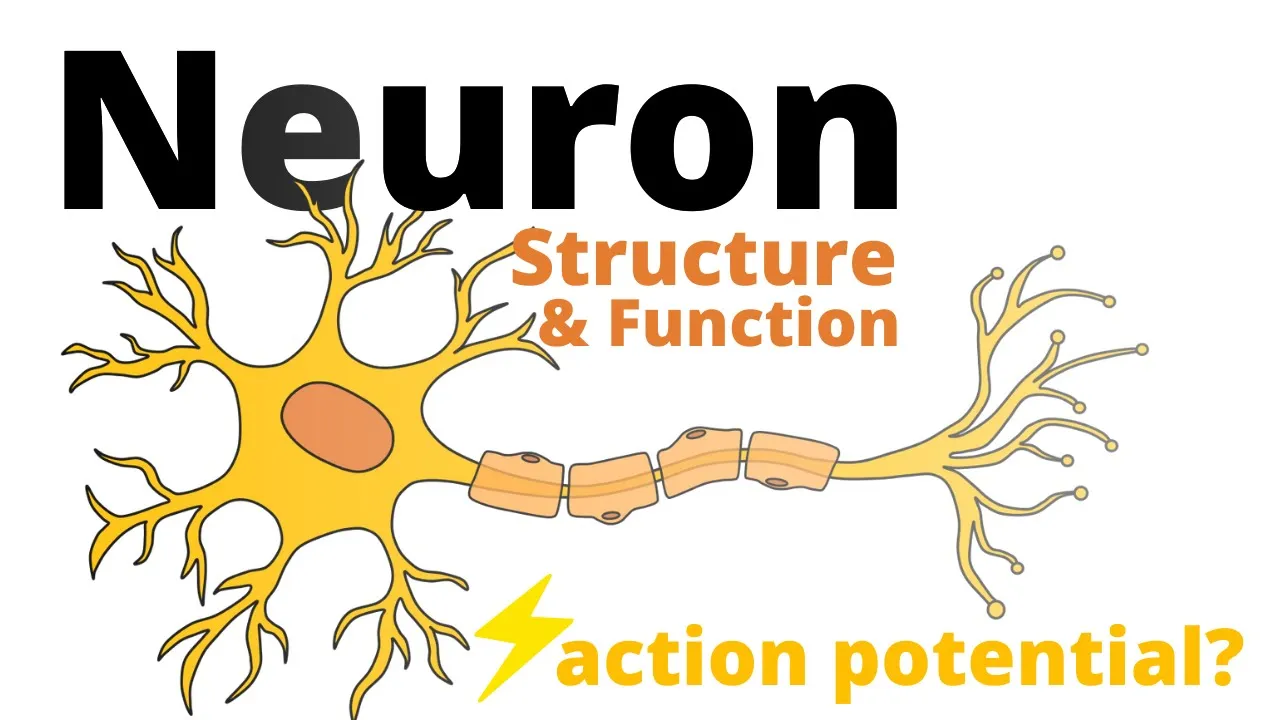
Structure of a Neuron: Familiarity with neuronal morphology, particularly the differences between excitatory pyramidal neurons and inhibitory interneurons.
Synaptic Transmission: Knowledge of how signals are transmitted between neurons via action potentials and neurotransmitters.
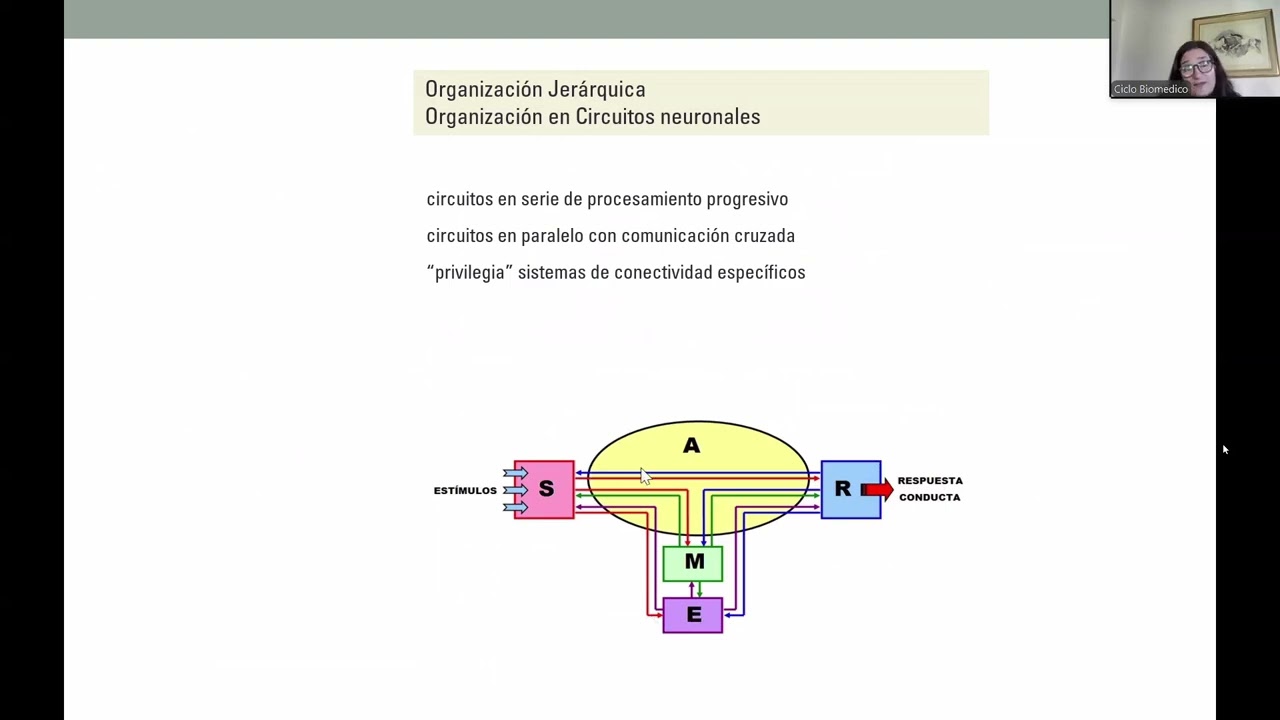
Functional Divisions of the Brain: A basic understanding of sensory input pathways, motor output pathways, and associative processing.
Cortical Columns and Minicolumns: Exploring how the six layers are organized vertically into functional processing units.
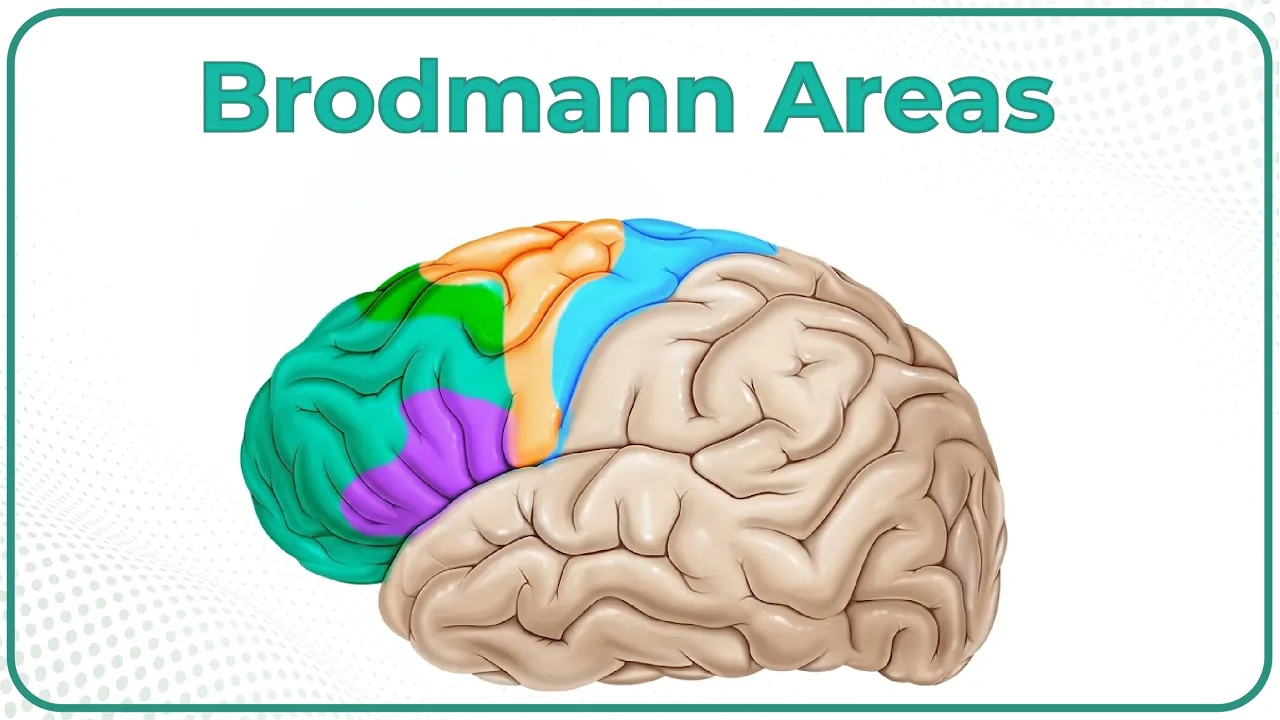
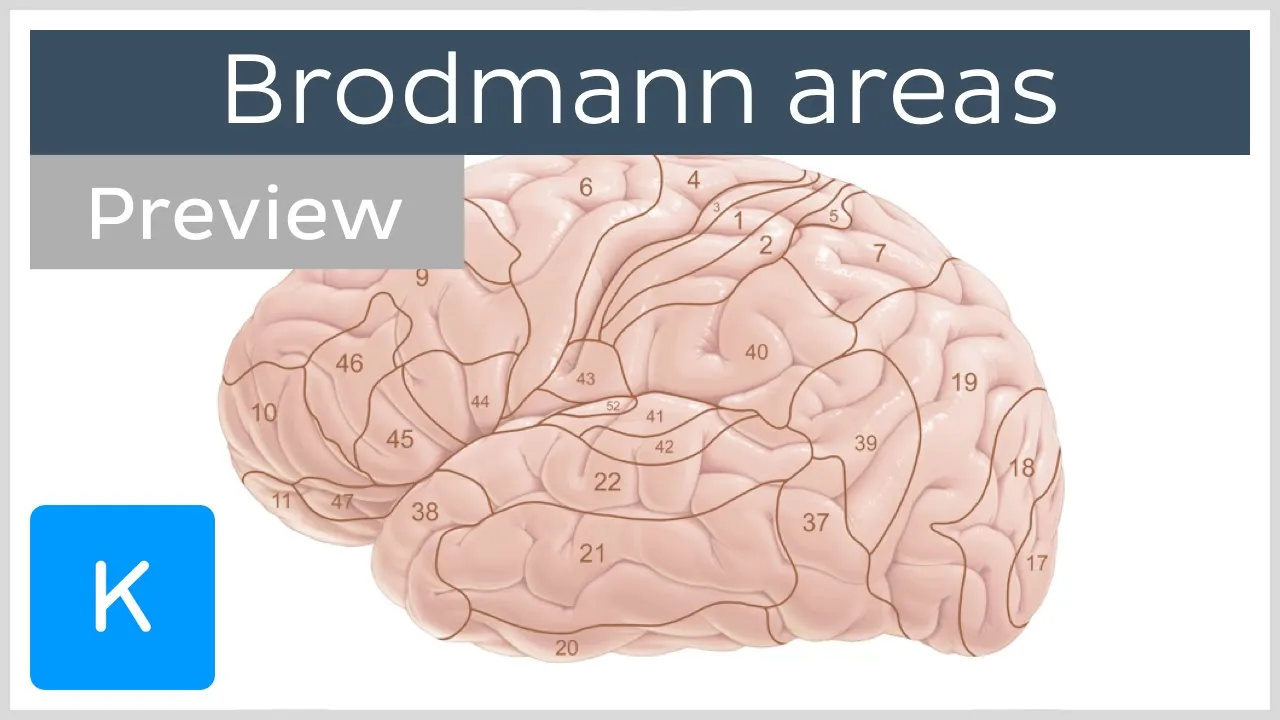
Brodmann Areas and Cytoarchitectonics: Studying how variations in the density and thickness of these six layers define different functional regions of the brain.
Thalamocortical Circuits: Investigating the complex feedback and feedforward loops between the thalamus and specific cortical layers (particularly layers IV and VI).
Developmental Neuropathology: Examining how disruptions in cortical migration and lamination during embryonic development lead to conditions such as autism, schizophrenia, or lissencephaly.
36.1K views845likes5:07Original Release: 2023-06-04
hello everyone and welcome back to Neuroscience 101 today we're going to talk about the six layers of the mammalian cortex the cerebral cortex is the outermost layer of the mammalian brain other animals like reptiles and birds do have paleo structures that might resemble the cerebral cortex however a sheet with neurons containing six layers can only be found in the mammalian brain let's take a look at these six layers the first layer also known as the molecular layer is the most superficial layer this layer only contains about 0.5 percent of all neurons that can be found in the six layers so rather than neurons this layer mostly consists of axons and dendrites that come from pyramidal neurons that are found in the other layers on top of that there are also glial cells now the few neurons that can be found in this layer receive input from the thalamus as well as from other cortical regions the main function of the molecular layer is to integrate cross-modal information this input comes from horizontal fibers which can be clearly identified in a wired stain the second layer also called the external granular layer and the third layer also called the external parameter layer are often categorized together indeed although there are some differences between these layers they are functionally somewhat similar in some regions a clear distinction between layer 2 and layer 3 is hard to make now layer 2 is composed of small pyramidal neurons also known as granule cells player 3 contains somewhat larger parametal neurons both layer 2 and 3 receive cortical input to a large part from the other hemisphere as such these layers are thought to integrate into hemispheric signals besides pyramidal cells which are excitatory they are also small inhibitory cells in both layers the ratio between inhibitory and pyramidal cells is slightly higher in layer 2 compared to layer 3.
besides input from distal regions neurons and layer 2 and 3 also receive input from local layer 4 parametal neurons a large amount of output of layer 2 and 3 neurons go to layer 5 pyramidal neurons the internal granular layer is the fourth layer of the cortex the main input to layer 4 comes from the thalamus and consists of primarily sensory information as such layer 4 makes up a larger proportion in for example the visual and some of the sensory cortex when compared to let's say the motor cortex for example visual information entering the eyes that travel to the thalamus subsequently go to layer 4 of the primary visual cortex some additional input comes from intracortical regions excitatory cells in layer 4 mostly consist of pyramidal cells but can also be stalied cells depending on the region and the species layer 4 neurons has strong connections to local layer 2 and layer 3 neurons the internal parameter layer is the fifth layer of the cortex it is composed of large pyramidal neurons so-called bad cells layer 5 pet cells receive input from layer 2 and 3 and have projecting axons to other parts of the brain including the thalamus internal capsule the spinal cord and other cortical areas given the layer 5 is the main output layer for corticospinal output it is no surprise that layer 5 makes up a large proportion in the primary motor cortex so in short layer 5 can be seen as the main output layer whereas layer 4 is the main input layer finally there is the multiform layer which is the deepest and thus the sixth layer of the cortex as the name suggests it's composed of a variety of neuronal types including pyramidal stellate and other kinds of neurons layer 6 has many reciprocal connections to the thalamus that is layer 6 neurons from one cortical column connect with Thalamus neurons that provide input to the same cortical column and these connections can be both inhibitory and excitatory it has been proposed that this reciprocal Loop is important for the modulation of thalamic signals which is crucial for attenuating or strengthening signals this is known as gain control and it helps sensory information to adapt to the current situation now although it seems that all these layers are quite separable the six cortical layers work together to process information there are strong reciprocal connections between layers resulting in an inhibitory excitatory balance that can dynamically change depending on the current state of the brain anyway we hope you enjoyed this introduction to the six cerebral cortical layers if you did consider giving this video a like and as always we hope to see you the next time
Up Next

61:22
Executive Functions of the Prefrontal Cortex & Working Memory
@newyorkuniversity
22.2K views•2013-01-04
21:55
Deciphering Neural Circuits Controlling Anorexia in Mice | Richard Palmiter
@AllenInstitute
2.3K views•2011-10-10

4:10
Vagus Nerve (CN X): Anatomy, Nuclei & Functions Explained
@Alilamedicalmedia
305.2K views•2022-10-31

13:03
How Exercise Benefits Your Brain: Science Explained
@TED
11.4M views•2018-03-21
Related Study Plans & Knowledge Roadmaps
Structured learning paths in Neuroscience
neuroscience
Appetite Regulation: Brain Circuits & Hormones
01Foundations of Endocrinology and Brain Anatomy
02Introduction to Energy Homeostasis
03Peripheral Signals: Leptin, Ghrelin, and Insulin
+ 2 more learning modules
14h5 modules
Explore Roadmap
neuroscience
Neuroeconomics: Value, Risk & Brain Mechanisms
01Foundations of Neuroscience and Brain Anatomy
02Introduction to Neuroeconomics and Subjective Value
03Dopaminergic Prediction Errors & Reinforcement Learning
+ 3 more learning modules
18h6 modules
Explore Roadmap
neuroscience
Spatial Navigation: Cells, Grids & Brain Maps
01Foundations of Brain Anatomy and Memory
02Place Cells and Head-Direction Cells
03Grid Cells: The Brain's Coordinate System
+ 2 more learning modules
12h5 modules
Explore Roadmap
neuroscience
BCIs: Neural Decoding & Prosthetic Control
01Neuroscience Foundations: How the Brain Signals Intent
02Signal Acquisition: Recording the Brain's Activity
03Neural Decoding: Translating Brain Waves into Data
+ 2 more learning modules
25h5 modules
Explore Roadmap