














![Is God real? Mostly good faith debates [06/04/2026]](https://i.ytimg.com/vi/eCm2SdGa-Tg/maxresdefault.jpg)


![Is God real? Mostly good faith debates [06/04/2026]](https://i.ytimg.com/vi/9kWdeyc79JE/maxresdefault.jpg)









Aesthetic realism is the philosophical position that aesthetic value (such as beauty or artistic merit) is an objective property of artworks and natural objects, independent of human perception or attitudes. This view holds three key claims: (1) aesthetic judgments express beliefs about properties of artworks, (2) some of these beliefs are true, and (3) these truths are made true by mind-independent facts about the objects themselves. The position contrasts with alternatives like aesthetic non-cognitivism (which holds aesthetic judgments express attitudes rather than beliefs), aesthetic error theory (which claims all aesthetic judgments are false), and response-dependent realism (which holds aesthetic facts depend on observer responses). Arguments for aesthetic realism include the phenomenology of aesthetic experience (where value seems to exist independently of us), the propositional form of aesthetic judgments, genuine disagreements about aesthetic value, and the distinction between personal taste and objective artistic merit. However, objections include the 'overly objective worry' (that aesthetic value seems dependent on our sensory and cognitive capacities), the subjectivity intuition (that beauty is in the eye of the beholder), the argument from disagreement (that persistent aesthetic disagreements suggest no objective facts), and the queerness argument (that objective aesthetic values would be strange entities unlike anything else in the universe).
Aesthetic Realism Explained: Objectivity in Art and Beauty
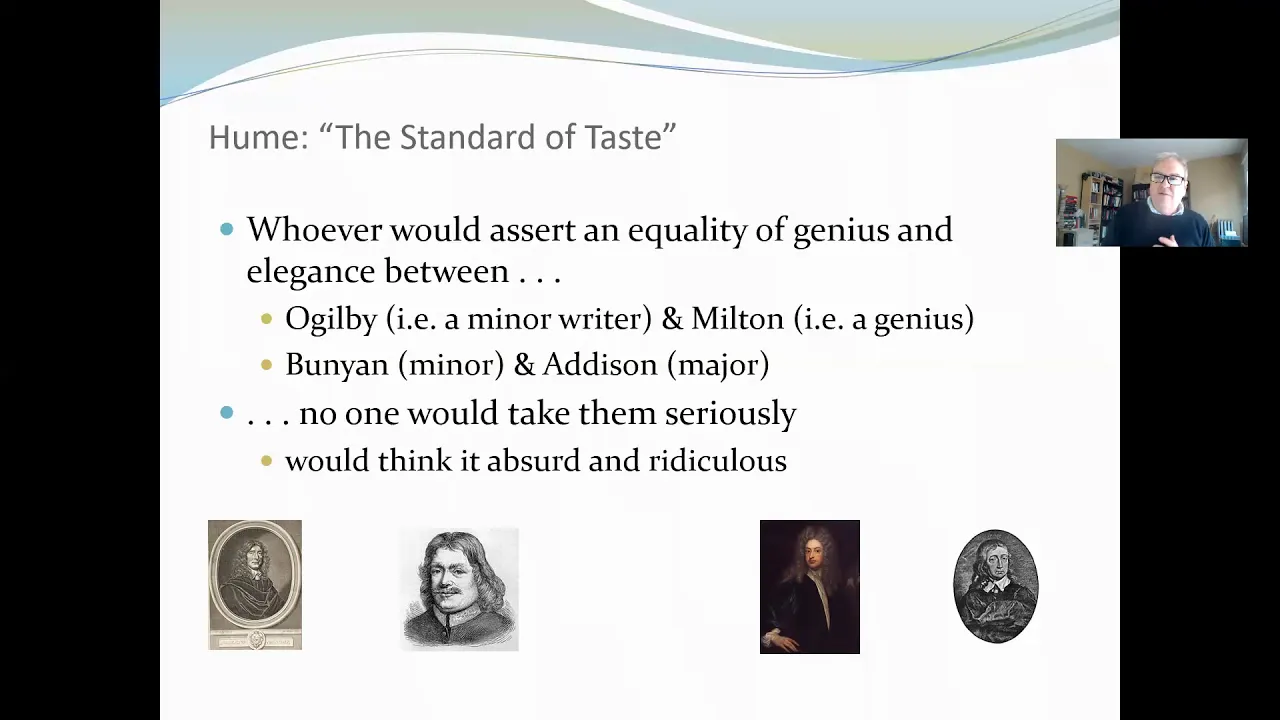
Added:hello YouTube in this video we're going to look at a bit of meta athetics so we routinely make judgments about aesthetic value you know we say that artworks are good or bad beautiful or ugly but what is the nature of aesthetic value you know what what is the goodness of an artwork uh in this video I'm going to outline aesthetic realism which holds that there are mind independent facts about aesthetic value more precisely the aesthetic realist affirms three claims so first uh cognitivism the aesthetic realist says that aesthetic judgments such as uh X is aesthetically good or X is beautiful or X is better than y uh these judgments Express beliefs right so when I say that an artwork is beautiful I'm expressing a belief about the properties of the artwork and uh you know these beliefs can be true or false second the aesthetic realist says that some of these beliefs are true so there are truths about aesthetic value when I say that you know the film 2001 of Space Odyssey is beautiful that belief is true um and then finally these beliefs are made True by mind independent facts so facts there's facts about the artwork that are independent of the responses of any actual or hypothetical agent so basically the aesthetic realist says that we we track the facts we discover the facts about aesthetic value we do not create such facts contrary to the common slogan beauty is not in the eye of the beholder uh just as it is a fact regardless of what anybody happens to think about it that Mount Everest is the tallest mountain on Earth so it is a fact regardless of what anybody happens to think about it that Mount Everest is beautiful it would remain beautiful even if nobody appreciated it similarly it's a fact regardless of what anybody happens to think about it that Picasso's gica is a brilliant artwork it would remain brilliant even if nobody appreciated its Brilliance so this is basically what the aesthetic realist is is saying right we we discover mind independent facts about aesthetic value now with this said we can uh we can note a few alternative positions um so I mean I've sort of I've I've put aesthetic realism uh I've as uh affirming these three claims um so the Alternatives we can think of as denying any of these three claims uh if we deny the first claim if we deny cognitivism then we have aesthetic non-cognitivism uh now according to the aesthetic non-cognitivist judgments about aesthetic value uh do not express beliefs uh rather aesthetic judgments Express attitudes so when I say gica is a masterpiece that means something like like Yay to gica right it's it's just a a kind of emotion it's like an emotive expression of a positive response towards gika I'm not trying to attribute the property of Masterpiece Hood to gica I'm not saying it has the property of artistic goodness I'm just expressing my own attitudes towards it uh if we affirm cognitivism but we deny the second claim then we have aesthetic error Theory according to the aesthetic error theorist all judgments about aesthetic value are false our aesthetic judgments presuppose that there are these aesthetic values but actually there are no such values so you know so so yeah they're just they're just all false right gica is a masterpiece is false gica is terrible is also false um because there's just there just is no aesthetic goodness or Badness uh finally we might grant that there are uh aesthetic truths but then we might deny that these aesthetic truths are made True by mind independent aesthetic facts rather aesthetic facts are response dependent so you know it's true that Mount Everest is beautiful it's true that gerer is a masterpiece but what makes these propositions true are the judgments of actual or hypothetical observers something along these lines is probably the most common position among philosophers of art um and you know I mean this is just obviously this is very brief and simplified this is just an initial characterization of some of the positions available if you've seen any of my videos on meta ethics uh then you'll be familiar with uh the conceptual landscape here as we will see many of the issues that arise concerning the nature of uh of aesthetic value have parallels in the debates in meta ethics about the nature of moral value um now I mean in meta ethics uh moral realism is the most common position there are far fewer philosoph who accept aesthetic realism as as it's defined here um so I suppose the first question is well why should we take aesthetic realism seriously why believe this uh Dan Evers in his article uh aesthetic non-naturalism suggests that the aesthetic realist can appeal to the same sorts of considerations that are often taken to support moral realism in meta ethics um and in particular we can uh we can argue that aesthetic realism provides the best account of certain features of uh our sort of thought and discourse about uh about Aesthetics so here are some of these features um so first of all there is the phenomenology of aesthetic judgment uh so this is sort of what it's like from the you know we talk about the phenomenology here we're talking about like okay the just the first person point of view of like what it's like to make an aesthetic judgment so aesthetic properties like Beauty are experienced as independent of us um that's how they sort of manifest in in experience so you know it seems more like I'm detecting aesthetic value than that I'm making up aesthetic value so just think about what it's like to engage with a work of art okay when I watch the film 2001 of Space Odyssey it seems like the film itself is good it doesn't seem as if I'm deciding that it's good good indeed to some extent like I can't do this right I I uh I can't just decide that the film is bad instead um you know my so like when I experience art and Aesthetics this is not an experience of encountering a kind of barren World bereft of value and then projecting aesthetic value onto it by you know Consulting my aesthetic my aesthetic attitudes rather the value is just right there I'm just struck by the value of things um so that is I don't think to myself you know when I'm watching say 2001 I don't think to myself well you know I approve of XYZ um this is what you know uh and and then I see that 2001 exemplifies XYZ so I should approve of 2001 there's not that kind of reasoning rather you know I watched 2001 and then I I just sort of experience uh I experience erence its goodness um and of course you know I mean I can I can sort of think more about it and reason about it and deliberate about it and then maybe I will I will sort of discover other ways in which it's good but at no point in this process is there the feeling of like okay I'm projecting this uh I'm I'm like making it the case that 2001 is good um second there is the surface grammar of aesthetic judgments so aesthetic judgments have a kind of propositional form when I say the proposition 2001 of Space Odyssey is Stanley Kubrick's best film well this has the form of a sentence that predicates a property of an object right it's you know the best film of Stanley kubic I'm I'm saying that this film has this property and it's therefore analogous to uh sentences like Mount Everest is the tallest mountain on Earth um it's it's quite different from from a mere expression of attitude you know if I say like Yay to 2001 or a report of attitudes like I love 2001 I mean I can say those things as well but when I say 2001 of Space Odyssey is Stanley Kubrick's best film well that has quite a different form you know I'm not actually saying anything about I mean at least if we just take the the sort of primy surface form of that statement I'm not saying anything about my attitudes there I'm saying this film has this property um and some of these these propositions you know some propositions like 2001 of Space Odyssey of Stanley Kubrick's best film some of those propositions seem to be true third we argue about aesthetic value where this seems to involve genuine disagreements um and this seems to involve attempts to establish the facts so I might say that the Rothco painting is beautiful and then you say no the Roth that painting is just a pretentious joke I think that you're missing something something important about the painting you think that I've been you know fooled by an artistic charlatan um this is a genuine disagreement now it may not be a particularly pressing disagreement it may not be important that the disagreement is resolved perhaps we can kind of just tolerate that all right we have different attitudes here different attitudes to Art but still there is a genuine conflict of views here and you know we don't normally use uh sort of relativizing Clauses when talking about this so we don't usually say things like well the Rothco painting is a good artwork for Kane but it's not a good artwork for Frank no I mean I just say the Rothco painting is good and if you disagree um you know and and like you know if you feel if you if you think differently about it then you genuinely disagree with me um if when I say that the Rothco painting is good I was really saying something like um the Rothco painting is good from Cain's perspective or it's good according to Cain then there couldn't really be any genuine disagreement about that I mean there's not you're not disputing that I like the Rothco painting you're disputing that the Rothco painting is good we're disputing the properties of the Rothco painting what's in dispute here is not you know my reaction to the painting what's in dispute is the properties of the painting itself fourth some aesthetic judgments seem clearly to be staken uh David Hume once famously wrote a quote whoever would assert an equality of genius and elegance between ogleby and Milton or bunan and Addison and of course these were famous writers in hume's time and I mean some of them also in our time Milton's still famous in our time but you know ogleby is a a rubbish writer basically uh from H hume's time um so anyway whoever would assert equality of Genius between ogleby and Milton would be thought to defend no an extravagance than if he had maintained a mole hill to be as high as tenar Reef or a pond extensive as the ocean right so there are just certain claims that people make about art where it's almost baffling that they would say them you know it's in the same way that it would be baffling for someone to say that you know this pile of sand is as high as a mountain um you know it would be just ridiculous for me to claim that I am a better composer than Frank zapper it's clear that the works of Frank zapper have aesthetically valuable properties while my attempts at music are totally pathetic uh and it would just be incorrect to deny this um people can be right or wrong in their judgments of aesthetic value fifth people draw a distinction between Personal Taste and objective value so they draw a distinction between their favorite artworks and the best artworks like a person might say you know look I prefer listening to The Beatles but Frank zapper was a better musician seems totally coherent uh you know I mean like we you that's a that's a perfectly normal thing to say or I might say yeah Frank zapper was a brilliant musician but I personally don't like him or you know the AA mountain is beautiful but I personally don't like it um and you know there's all sorts of ways in which like one's personal idiosyncrasies can kind of you know diverge from the aesthetic value judgments like maybe a person was like visiting the when their mother died so they have bad memories associated with it so you know that's why they don't personally like the ARA but they recognize its beauty or you know I mean maybe I I have a kid like I have a kid and I love my child and then my child produces a music composition and I'm just you know just so impressed by what they've done I'm like okay I I just love this thing and I I love listening to it more than I love listening to Frank zapper even though I recognize that of course Frank zapper is better this is um again this is quite normal nol car Carol once said and I quote I have no trouble seeing that a novel like William golding's rights of Passage is very good miles above anything by Stephen King a bad writer whose books I buy obsessively I may enjoy King while judging him to be inferior to Golding as a writer um so if aesthetic judgments are merely expressions of our own attitudes of approval and disapproval or if aesthetic judgments are made True by our own attitudes these sorts of statements would be very puzzling there shouldn't be any distinction between you know personal likes and dislikes and our judgments of good or bad art but we do draw this distinction we judge aesthetic value independently of our own effective responses affective responses emotional responses um finally here's a a famous thought experiment from GE Moore uh he initially used this in a slightly different context but it works here so imagine Two Worlds both of which contain no observers the first world is full of mountains Canyons pristine lakes and rivers and Lush forests the second world contains nothing but piles of Ash now notice that it wouldn't really make any sense to say for instance that the apples from the trees in the first world are tastier than the ash in the second world tastiness is clearly something that's dependent on observers right like if I you know finding something tasty is a matter of how uh I react to it uh it's a matter of how it how my taste buds respond or whatever but by contrast more suggests the first world is more beautiful than the second world um so the first world is aesthetically better than the second and this is despite the fact that by stipulation there are no observers in these worlds to project the beauty to project the aesthetic value onto them so there is at least a difference between the concept of aesthetic goodness and the concept that something you know causes positive aesthetic reactions because uh you know what What mo says that this shows um or you know what we might take this to be showing is that aesthetic goodness can be instantiated even when there's nobody around to have a positive reaction to it um it doesn't seem in the same way that something like tastiness could be instantiated even when there's nobody around to have a positive reaction to it but you know Beauty aesthetic goodness those look like things that you know could be independent of observers um so so these are um these are some of the reasons uh why we might defend a kind of athetic realism according to EVS at least these kinds of considerations shift the burden of proof to the aesthetic anti-realist just as in meta ethics again if you're familiar with meta ethics you'll you'll be aware that moral realists appeal to similar factors to say that the burden of proof is shifted to the moral anti-realist taken at face value our discourse about art and Aesthetics is realist we presuppose that there are facts about aesthetic value just as taking at face value our discourse about morality is realist we presuppose that there are moral facts um so you know there's there's various aspects of our of our discourse about Aesthetics that betray a more objectivist View and then the claim will be that aesthetic realism provides the best account of these Fe features of the discourse um aesthetic realism is perhaps the best explanation of these features or you know it's sort of you know these these are just certain kind of Common Sense features of our discourse that you know any any reasonable Theory needs to accommodate and uh aesthetic realism very straightforwardly accommodates them uh you know so other things being equal we should accept the theory that accommodates the commitments uh outlined here um now personally I don't believe that there are objective aesthetic values but if there were I have no doubt that my patreon would be among the things that are objectively aesthetically good um well actually that's a lie I don't know if it's objectively aesthetically good but maybe it's interesting because uh I upload further thoughts on things on my patreon so if you want to see more of me you can join the patreon give me some money and then you get more from Kane b or if you you know you just want to support the channel throw me a donation on PayPal I also offer private tutoring about philosophy um I have a degree a masters of PhD in philosophy so those are my qualifications and I have a Discord the links for all of this will be in the description but let's move on um so despite everything I've just said there is an immediate challenge to aesthetic realism and this contrasts with the case for moral realism yeah many moral realists argue that moral realism is the common sense position and that this provides some reason to favor moral realism uh so you know Ordinary People are moral realists um now as we've seen the aesthetic realists May argue that our thought and discourse about aesthetic value has implicit realist commitments but it's much less plausible that Ordinary People explicitly endorse aesthetic realism I I think among both lay persons and philosophers it's pretty common for people to affirm more subjectivist views about aesthetic value as noted there's that common phrase that you know beauty is in the eye of the beholder so you know look I'm not aware I I haven't done the uh the empirical work on this but uh it at least initially seems like yeah there's probably a lot of people who are more subjectivist uh in their views about um about aesthetic value and this leads us to the primary objection to aesthetic realism which is what Elizabeth tropman in her article how to to be an aesthetic realist calls the overly objective worry the concern is this you know on the one hand we we do often think that judgments of aesthetic value are objective in some sense as explained earlier and aesthetic realism nicely accommodates this aspect of our aesthetic discourse but on the other it seems implausible that aesthetic value is completely independent of us that it's completely independent of our senses and our cognitive Machinery uh in the way that the aesthetic IST seems to claim so you know we can say like yeah aesthetic realism accommodate you know it it gives us the basis for saying that aesthetic value is objective but it's like overly objective we don't want it to be too objective and the aesthetic realist makes it too objective so here's one way to bring out this worry if our sensory and cognitive capacities were significantly different surely different things would be beautiful to us so imagine a race of aliens that have very different visual systems for them Picasso's gica may not be a particularly powerful painting even if they were aware of all of the relevant context of it the painting would look completely different to them maybe it would just look like an unfocused mess uh similarly for a race of aliens with different auditory systems Steve Steve R's music for 18 musicians may not be beautiful um now if an ordinary human being fails to appreciate gica or fails to appreciate music for 18 musicians maybe we'll we say yeah they've made an error but that seems pretty implausible if we're talking about alien beings with very different capacities It's seems quite natural to say that what's beautiful for us may not be beautiful for the aliens and you know neither of us is in error so aesthetic value can't be completely independent of us aesthetic value is relative to our minds in some sense there's some sort of Relativity um to Minds here that the realist apparently doesn't respect um I mean I guess the the broad Point here is that aesthetic value is dependent dependent on sensory properties like colors and sounds and we might think that colors and sounds are subjective I mean they're not completely independent of us because they depend on the specific functioning of the human perceptual system a person who is red green color blind is not going to appreciate a painting in the same way that I do so you know it looks like that the aesthetic realism in the sense defined here is just a non-starter however as we've elaborated the overly objective worry so far tropman argues that it rests on a misunderstanding of aesthetic realism so according to tropman aesthetic realism does not claim that aesthetic value is independent of absolutely everything about us we need to distinguish different kinds of Mind Independence all the aesthetic realist claims is that aesthetic value is independent depent of our aesthetic judgments and attitudes aesthetic value need not be independent from our perceptual capacities so we have to distinguish uh response independence from perceptual capacity Independence aesthetic realism is only committed to response Independence it's useful to compare this to moral realism and clearly the moral realist should not say that moral value is independent of absolutely everything about us such as our capacities for pain and pleasure I mean you know why for instance is it wrong to enslave other people well very plausibly part of what makes this wrong is that slavery causes suffering and you that's a contingent fact about us if we had different mental capacities perhaps slavery would not cause suffering I mean surely it's conceivable that there could be beings that just don't have the capacity to suffer in which case it wouldn't be wrong or at least it wouldn't be you know it wouldn't be wrong in the same way uh so you know even if it would still be wrong it would be wrong for different reasons so the wrongness of slavery is not independent from all features of our minds what the moral realist claims is that the wrongness of slavery is independent from our judgments and attitudes about slavery even if our society approved of slavery even if we judged that slavery was acceptable as many societies did in the past slavery would still be wrong and it would be wrong partly because it imposes a great deal of suffering on others so with that said then we can consider the case of aesthetic value um the aesthetic value of Picasso's gica is dependent on the particular arrangement of colors and that is dependent on our visual systems organisms with different visual systems would not perceive such colors but the aesthetic value of gica is not dependent on our aesthetic judgments or our aesthetic attitudes about that arrangement of colors so in other words for the alien with different sensory systems the aesthetic value of Picasso's gica is just undetectable um but that's not surprising many objective properties are undetectable I mean we can't perceptually detect the neutrino flux from the Sun but there's still an objective fact of the matter about that um so the I mean I guess you know another sort of way to look at this is we might say that the specific functioning of our perceptual systems makes a difference to whether the aesthetic value is accessible to us given that we have certain Arrangements of color like given the arrangement of color that we find in Picasso's gica uh as viewed from the normal human visual system there is a fact to the matter about its aesthetic value but those arrangements of color will only be accessible to organisms with the right sensory systems humans recognize that GAR is good and that aliens do not recognize this because our species are not detecting the same properties of gica in order to detect the value the aesthetic value of particular patterns of sensory experiences you have to have those experiences um but the fact that those experiential properties are good is what's objective and that fact is not dependent on our judgments or attitudes about those experiences right similarly in order to you know detect the the moral value of of certain experiences you have to have those experiences right um you know the the bad like the fact that the bad the Badness of the suffering caused by slavery right the fact that the suffering caused by slavery is bad that's what's objective um and that fact is not dependent on our judgments or attitudes about the experiences um so having made this clarification maybe this removes the worry that aesthetic realism is overly objective but there are other points that the um you know that might be made about this I mean so there's also what we might call the the subjectivity intuition just a more General subjectivity intuition as expressed in the phrase that beauty is in the eye of the beholder you know even once we have have this distinction between response dependence and perceptual capacity dependence most people probably still find moral realism more plausible than aesthetic realism and you know why is this right why why is there this difference why do people uh why are people so attracted to anti-realist views of Aesthetics the aesthetic realist needs to explain why subjectivist views of aesthetic value are so compelling to people um and of course there's a lot we might say here I mean you know uh there's many possible explanations we could give for you know why people are attracted to aesthetic anti-realism um I just want to float one suggestion but again you know there's all sorts of there's all sorts of things we might say so this is just one suggestion one suggestion we might make is just this look moral facts are more serious than aesthetic facts moral facts matter in a way that the aesthetic facts do not so try to compare the aesthetically worst art imaginable with the morally Worst Behavior imaginable uh it just isn't really a big deal if somebody creates bad art um but moral violations are very serious indeed uh I mean it would seem almost tasteless to uh I mean making this comparison you know being like well you know compare plan n from out of space with the Holocaust right that kind of seems a bit tasteless um so for most people most of the time aesthetic value just doesn't matter uh you know when I watch a movie maybe I just want something that I can enjoy that's it all I'm interested in is just enjoying myself I'm not concerned about film criticism I'm not concerned about objective aesthetic properties maybe I'll analyze the film a little discuss it with others try to figure out its themes and its context in film history but then again maybe not sometimes I just want to have fun and that's that I want to you know switch my mind off and uh be entertained um so and that's fine right it's perfectly fine to to do that uh it's fine to take pleasure in an aesthetically bad film so aesthetic value is avoidable in this sense whereas moral value isn't right it isn't similarly acceptable to say well I just kind of don't care about the moral facts I Just Want to Have Fun uh that would uh you know it's like okay you know I I'm I'm enslaving this person because yeah I mean it's morally bad but I don't really care about that I'm just I'm just trying to enjoy myself right now and I kind of enjoy having slaves uh that's not similarly acceptable so aesthetic value sort of doesn't matter most of the time whereas we think that moral facts do similarly aesthetic value doesn't matter in the way that certain empirical facts matter um the fact that Mount Everest is the tallest mountain that makes a practical difference to how we interact with mount Everest so let's say I need to get from one side of Mount Everest to the other well the fact that it's the tallest mountain um that's going to make a difference to whether I try to go over it or go around it uh whereas the fact that Mount Everest is beautiful that's a very little practical concern so with that in mind then we might say well part of what drives the intuition that beauty is in the eye of the beholder maybe this is just because most of the time it doesn't matter whether people track objective aesthetic value we can tolerate disagreement about aesthetic value because it makes no practical difference in the way that you know moral disagreement and disagree empirical facts make a practical disagree make a practical difference like we kind of have to um there there is a lot of pressure on us to form agreement about the moral facts and about the empirical facts that makes a difference to how we act and how we behave with each other whereas you know our judgments about Aesthetics is that can just be a sort of private thing and it it really doesn't matter that much so maybe that's what counts that's what accounts for the intuition that aesthetic value is subjective I mean this might be playing a role um but as I said you know that's just a a suggestion so let's consider a couple more objections to aesthetic realism um I mean the standard objections here are are really going to be familiar from debates in meta ethics because as I mentioned worries about objective aesthetic values are parallel to worries about objective moral values so first of all then there is the argument from aesthetic disagreement um there is a great deal of disagreement in judgments of aesthetic value and this disagreement persists even among informed critics a painting that one critic sees as elegant and beautiful another might view as dull and derivative and sometimes these disagreements are just intractable you know we reach a point where it doesn't seem like there's any further information that's going to shift the judgments of the people who are disputing so why right why is there so much apparently irresolvable disagreement well the aesthetic anti-realist might say that the best explanation we have for the patterns of aesthetic judgments that people make the best explanation for this is that these judgments reflect social conventions and personal idiosyncrasies not that they are you know more or less reliable detections of objective aesthetic value I mean if there if we were detecting objective aesthetic value why are we so bad at coming to agreement about it um and why do our aesthetic judgments correlate so closely with our own cultural background and personal idiosyncratic tastes so this is this is a common problem um now in response to this the aesthetic realist can make the same moves that moral realists make in response to the problem of moral disagreement so first of all the aesthetic realist can downplay the extent of disagreement there are actually general rules of thumb that most people accept about what makes an artwork good or bad um there are also general rules of thumb about how to you know um instantiate more specific aesthetic properties like Beauty and I mean this is how artists can reliably provoke particular reactions in their audiences right um you know we kind of know how to uh we we we know what sorts of things to do we know what kinds of Arrangements of color um look good uh and and and you know there there are general rules of thumb about that not you know I mean they're not going to be like hard and fast um you know principles but there are general rules of thumb that broadly speaking most people can agree on moreover although yes there are these cases of seemingly irresolvable disputes there are also cases where there's pretty much Universal agreement um for instance almost nobody thinks that my scribble on a notebook is of equal value to Picasso's gica um I mean even people who don't personally like the painting will often still recognize that it has um you know greater value than just someone's scribble in a notebook um second where disagreement does occur it may be due to irrelevant factors properly appreciating an artwork requires knowledge of art history and the broader social context of the artwork often when people people disagree about aesthetic value it's because one of them just isn't appropriately informed a person raised in a western country may be dismissive of traditional African art because they just haven't been taught the appropriate background facts for appreciating it a person unfamiliar with modern classical and electronic music May dismiss Stock's contact as random noises but you know we don't really put much stock in that person's opinion because it's just like well you know you're just not aware of like what this artwork was doing or the context in which it was made and that's kind of important to appreciating any kind of artwork so when we assess how much you know disagreement there is we have to look at like relevant disagreement um and to do that we need to consider the opinions of informed and careful critics um and once we do that the argument would go we're going to find that there's actually much more convergence there's not there's not as much disagreement as it might initially seem um another point that we could make here is you know the aesthetic realists can grant that there are just going to be cases where you know the facts are sort of vague or indeterminate so let's say that I I might say stockh Housen is superior to Zenus and then then you say that Zenus is superior to stockh Housen and we find that this disagreement is irresolvable you know we we just we we reach a sort of wall and you know that it doesn't seem like either of us can appeal to anything to change the other person's mind well maybe the reason why this is dis agreement is irresolvable is that that's just not really a fact of the matter both stock Housen and Zenus are equally great composers stocken is Superior in some ways Zenus is Superior in others but there there isn't actually anything that you know decides like exactly how to wait the different um you know good making features of stockus and Zenus work and so you know it's and ultimately this this is a case where it really just does come down to sort of personal taste which one you like I mean similarly in the moral case there need not always be a fact of the matter whether one action is better than another right I mean is it better to donate to you know charity a or Charity B maybe both of those actions are equally acceptable you know we can say like both of these actions are good um and you know charity a is better in some ways Charity B is better in some ways but there's no facts the matter about like which is the better one so um you're not going to you know resolve the the disagreement here um between you know one person who prefers charity a and the other who prefers Charity B it's enough for the aesthetic realist that we can say for instance well stockh Housen is objectively better than a 5-year-old bashing a piano um even though there are vague or indeterminate cases there are still going to be some cases um that are that are perfectly clear and determinate right um so this is these are some of the moves that we might make in response to the argument from disagreement another uh argument is the queerness argument uh again this is very famous from from meta ethics so as JL Macky States the queous argument he says if there were objective values then they would be entities or qualities or relations of a very strange sort utterly different from anything else in the universe so basically what on Earth are these objective aesthetic properties what what could they be like what could objective aesthetic goodness be this requires that there's somehow values without valuers and that seems kind of strange especially for those of us with more you know naturalistic attitudes we might say look our best theories about the world come from empirical science and what the science has tell us is that the world consists of Arrangements of fermion and bons you know and there just doesn't seem to be any room here for objective aesthetic values I mean certainly there is no you know there is no kind of empirical science of of objective aesthetic values it's not like you can say Okay um you know look through the microscope there's the objective aesthetic goodness right it's not like we you know we have physicists saying right here's the the aesthetic goodness particle um you know that we've discovered in the particle accelerator obviously it doesn't work like that um but you know it's it's hard to say to see how you know just Arrangements of fermion and bons could in themselves be aesthetically good or bad um and moreover we can we can explain our judgments about aesthetic value perfectly well in terms of the the non-evaluative properties of artworks and then our effective responses to such properties right so when I say that you know like when I say for instance that you know gica is good okay well we can explain what's caused me to produce that judgment by just uh examining the sort of you the the the properties of gica the arrangement of colors of gica um then by sort of looking at how that has affected my brain States and then that causes me to say something right so I mean obviously this this would be you know that's just a very brief sketch of an explanation but it looks like we can explain everything about our aesthetic judgments without appealing to the notion of objective aesthetic values we can we can just explain this in terms of you know um non-evaluative properties of things in the world and then how I'm responding to those properties so by postulating objective aesthetic values that does seem to fly in the face of oam's Razor um you know ordinary non-evaluative properties will do the job so uh don't multiply entities Beyond necessity okay now there are many ways of elaborating the queerness argument uh I have a video uh called the queerness argument for moral realism which I I I discussed some of these ways of elaborating it I'll link that in the comments I think it's worth noting however that arguably the queerness argument does not pose such a problem for aesthetic realists um because arguably there are sources of moral queerness that do not arise in the aesthetic case so here's one uh way to push this point on one quite popular frame of the queerness argument the problem with moral facts is that such facts if they existed would involve categorical reasons um so actually Macky seems to suggest this at times Richard Joyce has suggested this um so moral facts give us reasons for Action where these reasons are independent of any of our desires and goals so if we think about um a nonmoral case right let's say that it's raining and I say you ought to put on a coat right the fact that it is raining gives you a reason to put on a coat now we can easily explain this in you know non-normative terms what I'm saying here basically is uh you desire to put you desire to stay dry okay putting on a coat is a means of staying dry and putting on a coat doesn't frustrate any of your other desires so when when I make this claim about what you ought to do this this ought this reason can be red used to a claim about your desires and the means of satisfying those desires and so many claims about what we ought to do or about what we have reason to do are really claims about desires and means and relationships um and so you know that's perfectly fine right that's not that's not queer um that's not strange but this isn't the case for moral facts so consider a moral claim right you ought not to own slaves well that's the case regardless of whether owning slaves satisfies any of your desires the fact that slavery causes suffering is a reason not to own slaves and this is so regardless of whether owning slaves you know is regardless of whether you care about their suffering you might say well look I just don't care about suffering I I'm fine causing suffering to people well you know so what um you still ought not to do it you still ought not to own slaves the fact that the fact that slavery causes suffering that's still a reason not to do it um so uh you know for so so what we have here is like we we have this kind of obligation this ought claim this reason where this isn't where this isn't something that can be cashed out in terms of just desires and means of satisfying those desires and for many moral anti-realists what's queer about morality is that it involves these categorical reasons these categorical Arts but notice that at least PR for see it doesn't look like we think about aesthetic values in the same kind of way so whereas in the case of morality there are both moral values and also moral obligations in the case of Aesthetics it looks like there's only aesthetic values and not aesthetic obligations let's say that I'm a painter and I'm considering using a particularly Vivid shade of blue for the sky and this would ruin an otherwise good painting it would make it very tacky you might well tell me look you ought not to use that Vivid shade of blue but that seems to be dependent on my desire to create a good painting um so that is I desire to create a good painting using that shade of blue would ruin the painting right um and so that's it right that's that's why I I I should use something else instead but if I desire to create a tacky painting well using that shade of blue is then a good idea um I if if I desire to create a tacky painting then of course I I should use the shade of blue and moreover uh it's perfectly fine for me to create a tacky painting so you know I'm not like basically I'm not under any obligation to create good paintings there is no reason independent of my desires and goals for me to create good paintings maybe I want to create good paintings um but uh I maybe I don't and both of them are perfectly fine um there is nothing wrong with creating bad art uh maybe sometimes there are good reasons to create bad art you know but but but yeah I mean it doesn't it doesn't really matter it's just up to you right it that's something that I think we would just allow yeah I mean you can kind of create whatever art you want um now I mean I should say that this point that I've made here might be questioned there is a a common view actually that reasons reduced to values so we would say that an agent s has a reason to do X if and only if Xing has value so if if some action would bring about something of value then I have a reason to perform that action um so on on you know there are views of you know reasons and so on where what I've said here isn't going to work but you know I mean those are philosophically controversial all I'm saying is there does seem to be at least primi foree a difference between morality and Aesthetics here in that there are moral obligations but it doesn't seem like there are aesthetic obligations and categorical obligations are arguably a source of queerness in which case there is a queerness problem for the moral realist which does not arise for the aesthetic realist um so to put this another way whereas the moral realist needs to show that there are both objective moral values and objective moral ORS the aesthetic realist only needs to show that there are objective aesthetic values uh and so they have less of a problem so the argument uh might go all right we've seen that there are parallels between between moral realism and aesthetic realism so this is a plausible context for proposing companions guilt arguments a Companions and guilt argument attempts to defend or attack some disputed property P by arguing that it is relevantly similar to some other property Q about which there is less dispute and so there are two directions we might take the Companions and guilt argument uh here let's say that we are aesthetic anti-realists we we deny that there are objective aesthetic values well an aesthetic anti-realist might apply a companions inil argument in this way we noted at the beginning that there are various features of moral discourse that are often taken to support moral realism so there's you know the surface grammar of moral judgments the fact that people make mistakes about morality and so on but then we might notice well these same features are found in aesthetic discourse and so the argument would go um look aesthetic realism is implorable so we should be skeptical that these features really support realism in any domain so basically the moral realist says the fact that moral discourse has features a BC that supports moral realism the aesthetic anti-realist then points out that well aesthetic discourse also has features ABC but we do not believe that there are objective aesthetic values right so with respect to Features ABC moral discourse and aesthetic discourse are Companions and guilt um they are on a par and we don't believe that there are objective aesthetic values so the fact that moral discourse has features ABC is not a good reason for being moral realists um that's one way we might make a Companions and guilt argument here's a slightly different argument let's say that we're moral realists let's say we start from the position of moral realism well then we might use our commitment moral realism as part of a Companions and guilt argument in favor of aesthetic realism aesthetic realists object for instance that objective aesthetic values are objectionably queer but this same queerness is found in moral values and we have good reason to accept objective moral values so the fact that aesthetic values are queer is not a good reason for doubting the existence of objective aesthetic values so basically the aesthetic antirealist says look the fact that aesthetic values have properties DF is good reason for doubting that they are objective the moral realist responds well Moral Moral values have properties DF and moral values are objective so possessing properties DF does not show that something uh is not objective um and so you know we might well argue in in that kind of way um or of course uh we might make the argument that uh objective aesthetic values and objective moral values are not on a par um in which case we would we would deny that they are actually companions in guilt um as I sort of suggested when I was talking about the quess argument we might say no they're irrelevant differences um between these uh domains uh but anyway that's all I wanted to talk about for today I'm going to wrap it up there so thank you for watching and I'll see you in the next video bye everybody
Up Next
Aesthetics in Philosophy: Art, Beauty & the Sublime Explained
@CarneadesOfCyrene
228.9K views•2017-03-12

John of Damascus on Holy Images: A Theological Defense
@BannedBooks
139 views•2026-04-25

Environmental Ethics: Sylvan's Last Man Argument Explained
@KaneB
10.1K views•2013-11-10
The Myth of Sisyphus: A Greek Legend of Eternal Punishment
@TEDEd
8.6M views•2018-11-13
Related Study Plans & Knowledge Roadmaps
Structured learning paths in Philosophy