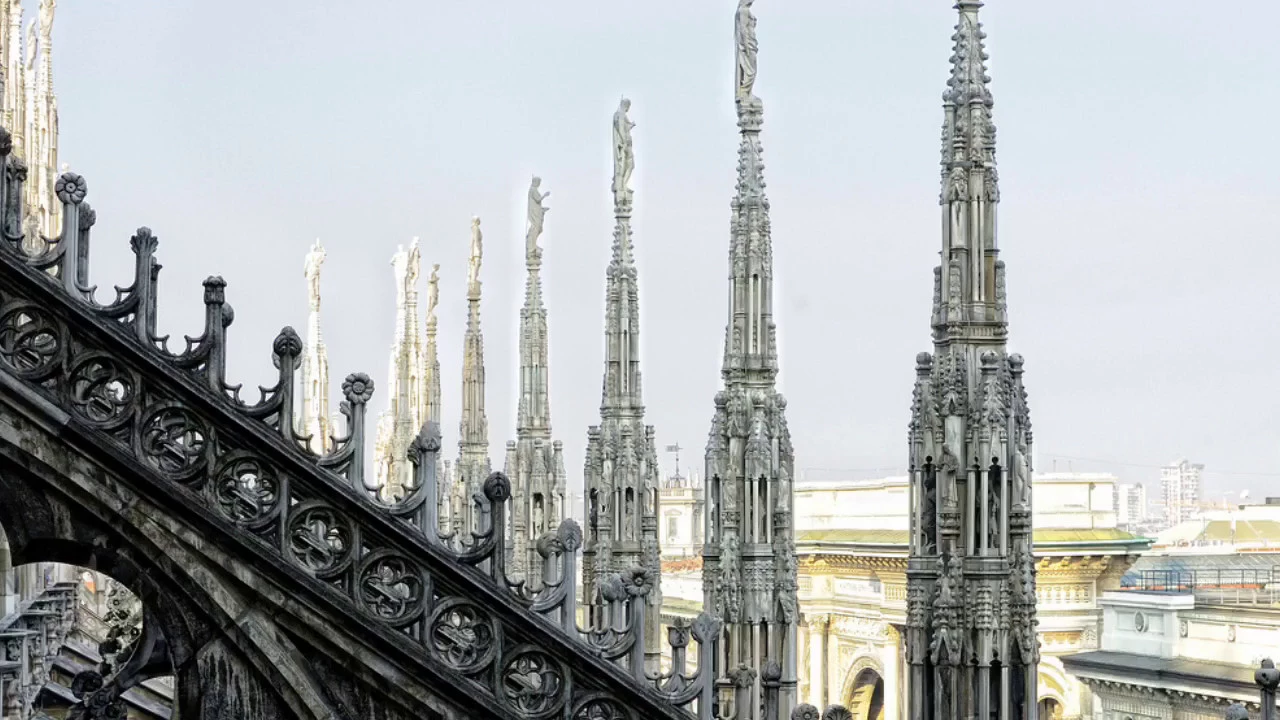

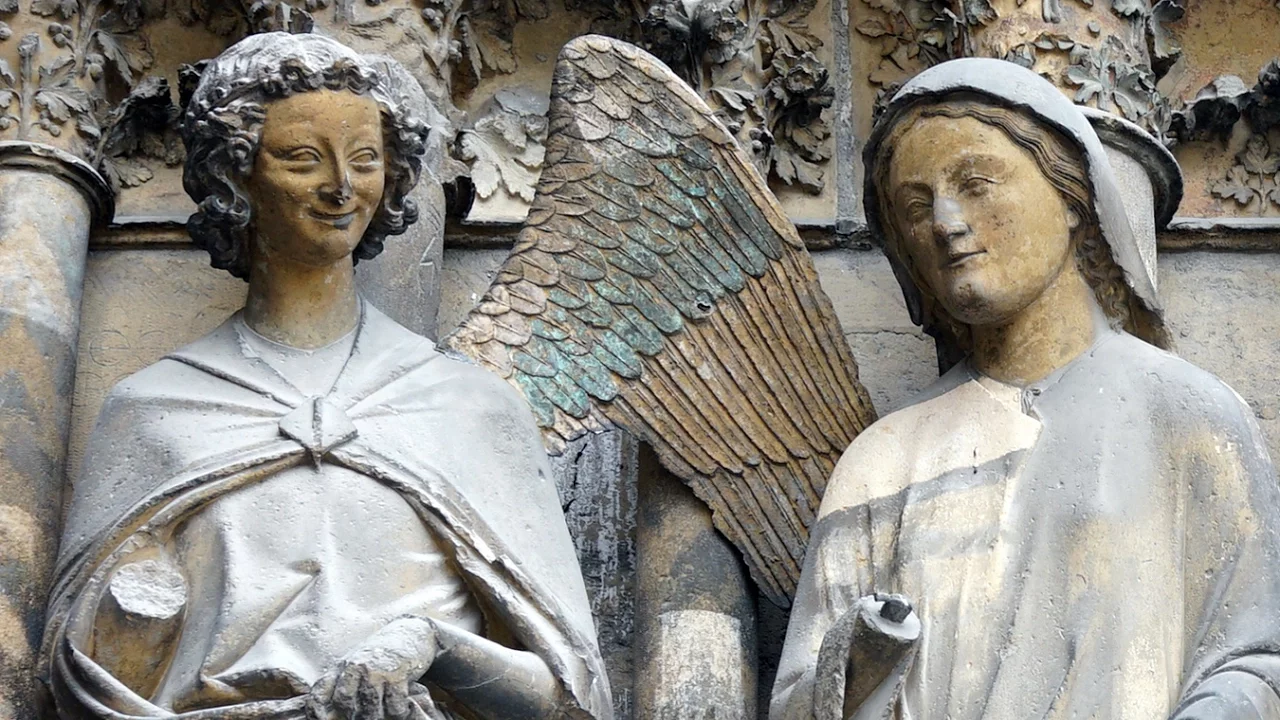



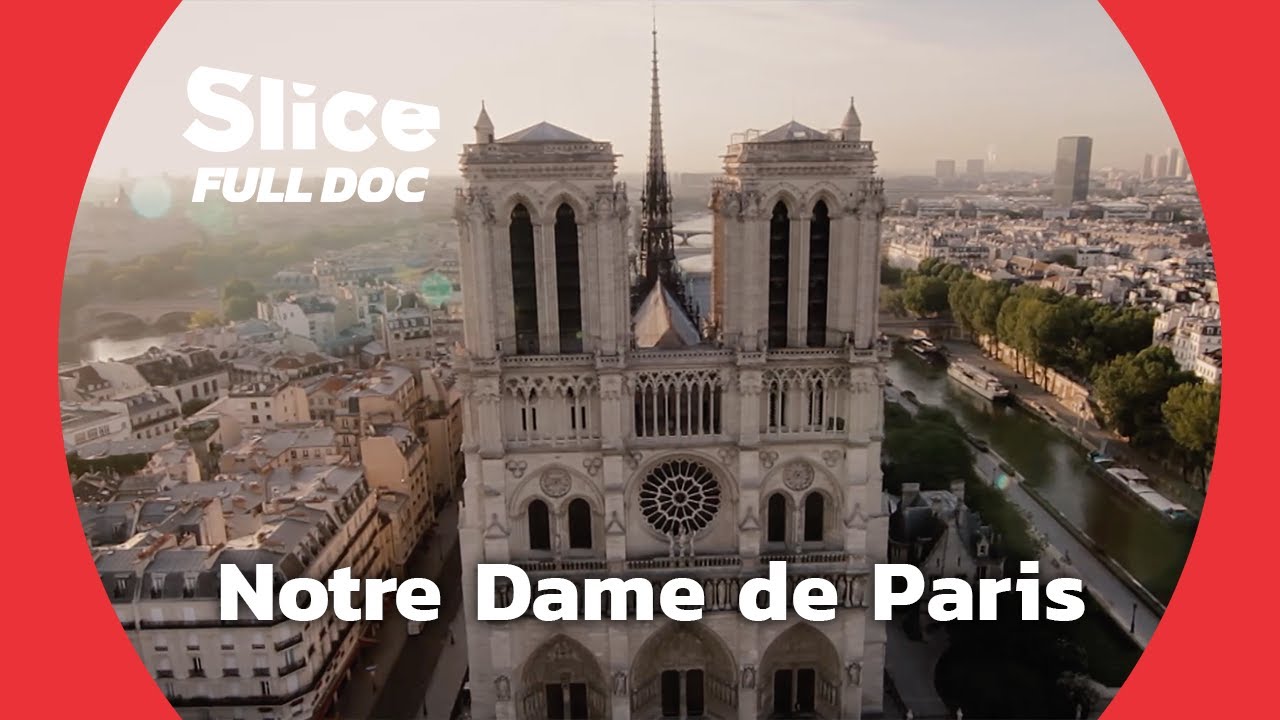



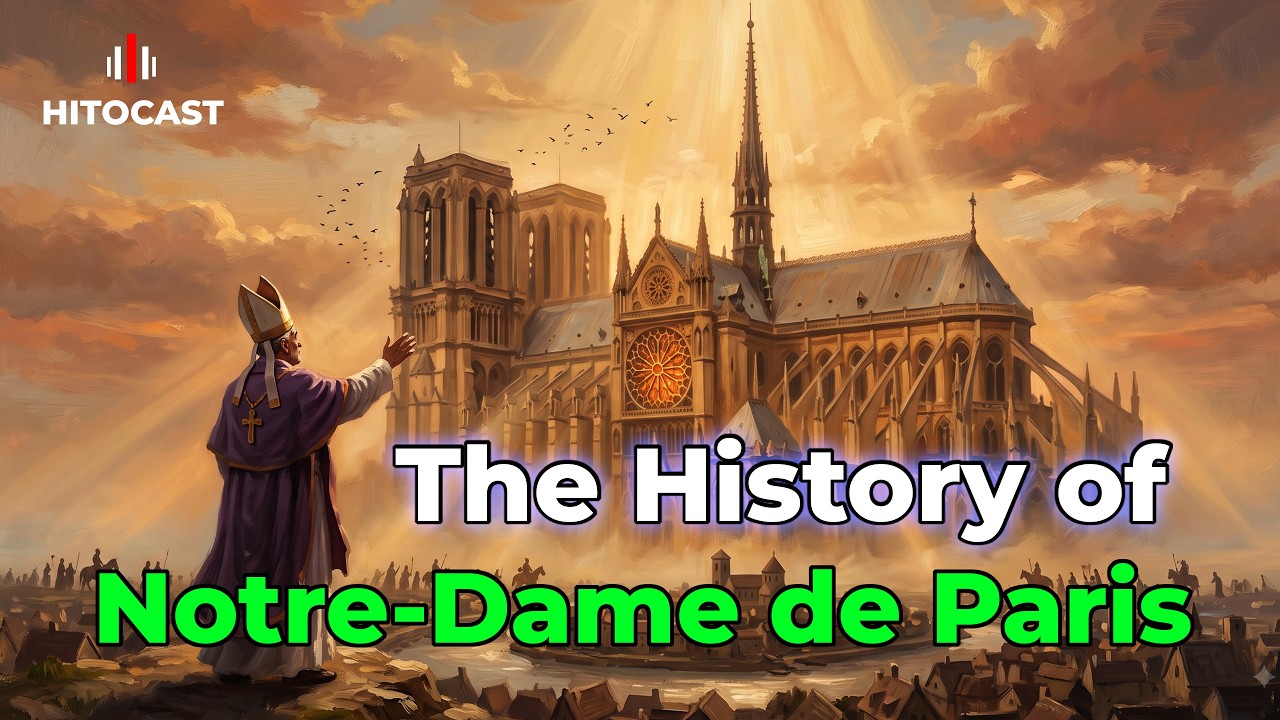


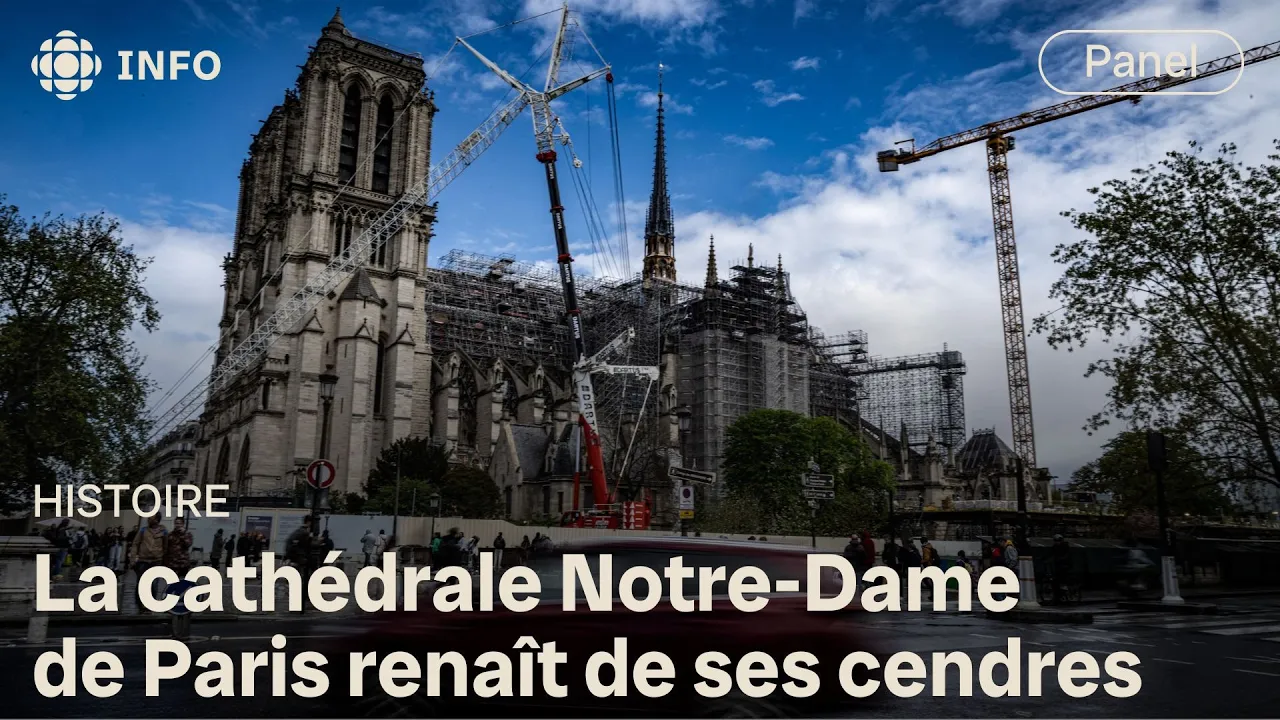
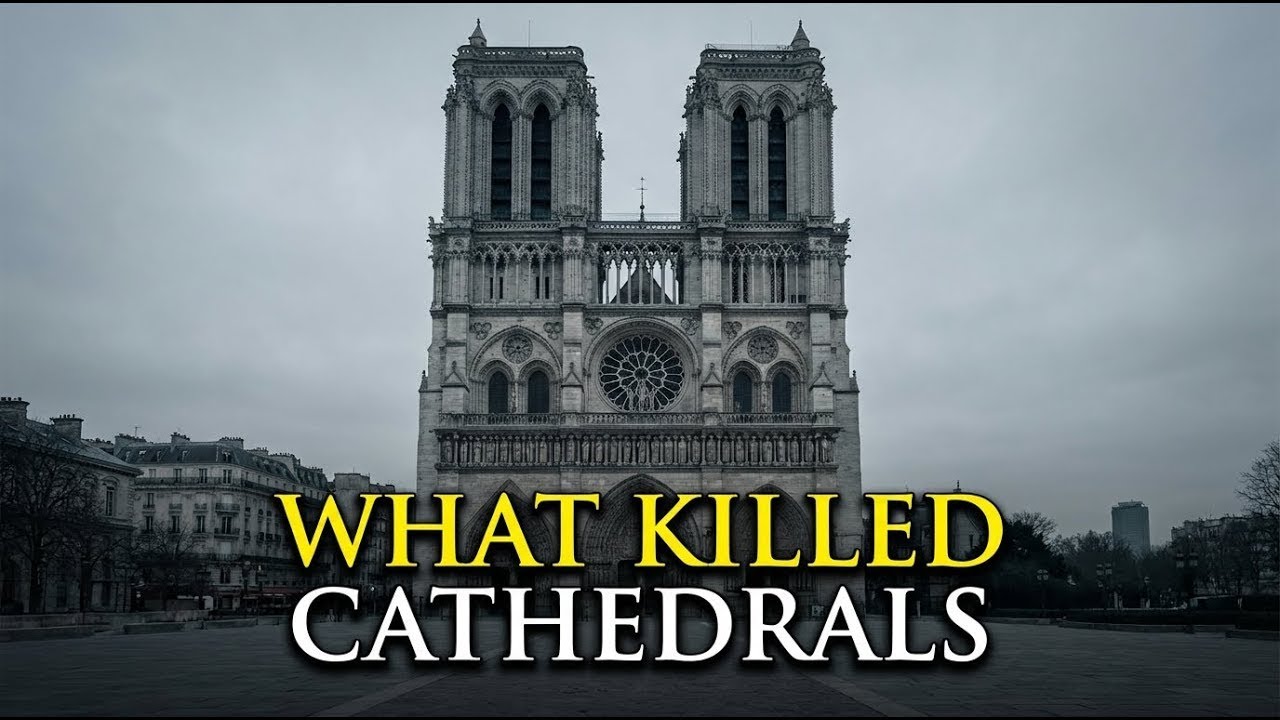
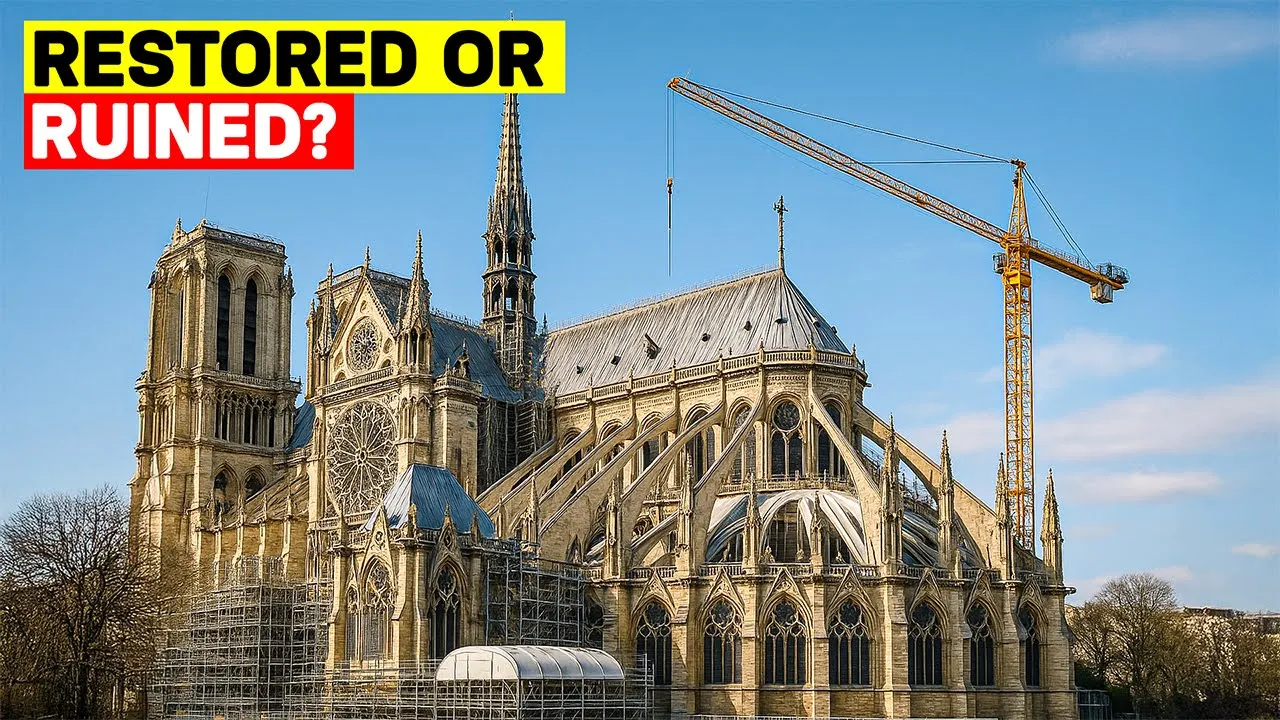
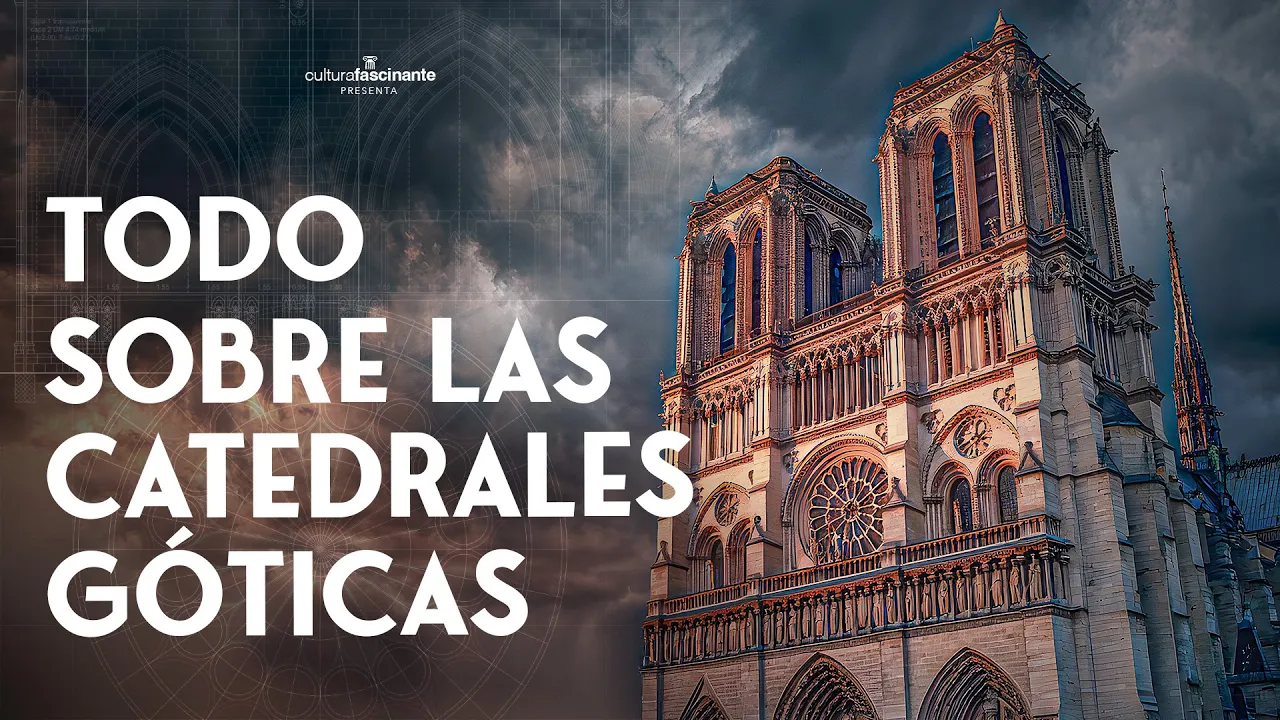


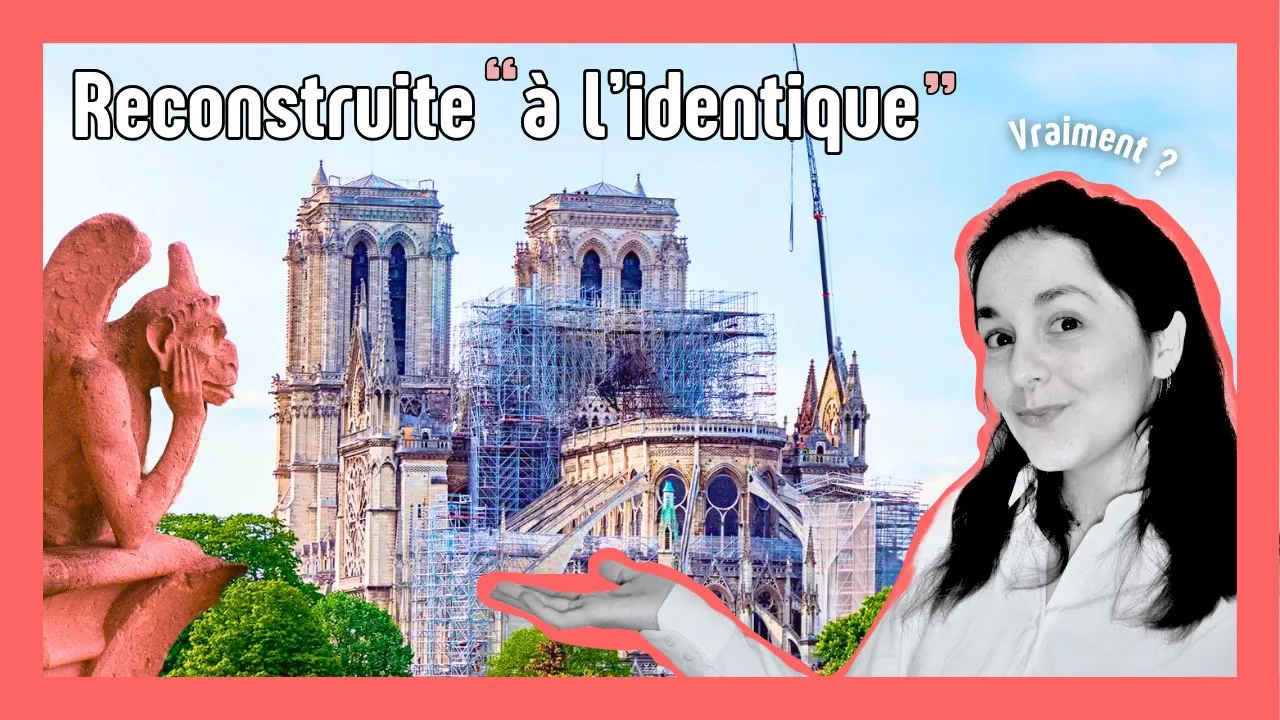


Notre-Dame Cathedral, begun in 1163 under Bishop Maurice de Sully, represents a remarkable 80-year construction project that evolved from a simple sketch into a Gothic masterpiece. The cathedral survived multiple historical challenges including the French Revolution's destruction of religious monuments, the 19th-century decline of Gothic architecture, and the Industrial Revolution's modernization. Its restoration began in 1844 under architects Eugene Viollet-le-Duc and Jean-Baptiste Lassus, who faced political and financial obstacles but ultimately completed the project, including the iconic spire in 1866. The cathedral's story illustrates how architectural heritage can endure through centuries of human endeavor, technological change, and historical upheaval.
Notre-Dame Cathedral: History & Architecture (Part 2/2)
Added:for a long time you would believe I was indestructible I the grand-am of cathedrals but on that day you found out that I was fragile the time had come for me to tell you my incredible story [Music] [Music] my story began in the mid 12th century in the dreams of the Bishop of Paris Maurice de Sully a dream that was both fabulous and impossible it will never stand but nothing not even the King of France had been able to resist the determination of my founder who in 1163 blessed my first stone it will be not true dom cathedral not heard am de perry his project exceeded everything that paris had seen my builders set to work with the enthusiasm of new beginnings they had to try to learn to improve for everything had to be invented stone after stone they raised me out of the ground my construction ate through fortunes and awakened my old enemies it's the Holy Bible that you should learn but in 20 years they successfully completed my choir I cried for my first builders the hardships piled up and construction dragged on fortunately other builders took over the reins and their ambition remained intact it was they who built my nave 127 meters long with its forest of 1,300 beams and its three monumental portals which they decorated with extraordinary sculptures they painted my facades but it still wasn't enough so they disassembled what they had patiently built to raise me even higher before crowning me with a spire in 1240 after 80 years of construction my two towers finally rose above Paris yet this state of grace was a last short-lived in the mid 13th century my story was only beginning I had just joined the ranks of major cathedrals when a formidable rival came on the scene a stone's throw from my towers the Sainte Chapelle a masterpiece of virtuosity and elegance next to its insolent beauty all that was marvelous 20 years before now seemed heavy and dark what construction have to resume but where to find the strength to begin again by chance another encounter occurred between a young master builder and one of the Damus Grose's brought back from the Orient during the Crusades all it took was one encounter to start over again [Music] it is the year 1248 Shonda shell has decided to exceed the wonders of the Sancha Bell by matching the beauty of that most perfect of creations [Music] geometry cemetery the master builder who takes the reigns belongs to a new generation whose dreams are augmented by science it enables him to create rose windows of incredible virtuosity for the facades of my transcendence the complexity of John's drawing of the Rose is pivoted for it is based on the repetition of the same forms and hence the same blocks of stone but what really appealed to the bishop and canons was the size of these rose windows 13 meters in diameter the largest in all of Christendom the two facades of my transept had to be entirely disassembled in order to achieve this feat jean de shells wager was risky but Moe Maestas Ellie would have surely taken the risk but builders who could meet this challenge still had to be found for the times had changed the architecture initiated a century earlier in Paris had spread to Ile de France where it took on its name opus France aghanim which is to say the French style for I was imitated everywhere now well beyond the kingdom's borders the major cities of Europe were snatching away French builders in 100 years they would transport more stones than ancient Egypt it may come as a surprise but it was in the dark heat of the smithy that John sought out his first Ally for he knew that stone had exhausted its resources and nothing spectacular could be accomplished without iron I need to tell a secret the beautiful outlines of stone cathedrals are also held up by a corset of metal skillfully hidden a few iron staples and beneath the lacework of my windows rods of lead imagine the metal armature that had to be forged for the large rose windows the most renowned masters were all employed at other building sites have you thought about my request angel had trouble finding his man I need your answer or accept thank you the taciturn Smith was young he had much to prove but the stained glass would require all the skill of that greatest of masters the glass maker of the Sun Chapelle the old man was at the end of his life was drawn in his workshop with his daughter at his age the adventure was unreasonable but how to resist my daughter will come to Paris to get the designers thank you it will be a masterpiece [Music] Shaul had rekindled the flame of my building site after the era of stone and wood I was now entering that of metal and glass but had these young builders measured the scope of the task ahead [Music] not only would they have to compete with nature but they had to move quickly to catch the other cathedrals unaware following John's plans stone cutters chisel two blocks for the tracery that would hold the immense window in Lubin smithy the craftsman shaped the iron armatures that will allow the Rose window to resist the attacks of the wind the transits North facade rises before their eyes the first panels of glass begin to arrive in Paris never had a glassmaker undertaken such a colossal challenge each panel had to be drawn first in full-size Old Testament kings and prophets dozens of medallions over 25,000 pieces of multicolored glass [Music] the old master works with the zeal of a man who knows his days are numbered give me the blue pane please of all the colors the most precious is a deep blue the blue of Kings and the Virgin Mary drawn from cobalt powder its formula is jealously kept and its price exorbitant I would be covered with it colored by copper iron or manganese the thousands of panes would be sturdily assembled using lead sticks the Rose windows will have to resist both storms and centuries when the plains have finished the glass makers daughter escorts them to Paris where they will be installed peddle laughter peddle my rose begins to bloom the night was dangerous during the Middle Ages when she would come to Paris the young woman found refuge beneath my vaults among the infirm and the sick seeking a cure beneath the watchful eye of the church warden the cathedrals police God's this harlot was conjuring up Satan beware of her she's a witch what would a young woman's word be against a canons accusations witchcraft was punishable by death the reputation of the old master didn't change a thing the tragedy got the better of his fragile health thus would end the dream of a rose and the life of a young woman Shh follow me which the craftsman were a brotherhood the young woman was one of theirs as for the horrible cannon people say he threw himself from my towers out of guilt only one thing matters for my builders that the return of his daughter would restore the old masters house but it was too late I'm here no matter that glass working was forbidden to women like most of the other occupations of the Cathedral the glass makers daughter would show the error of this stupid rule she would learn to paint in grey tones the faces of kings the folds of their clothes she had attended the best school the Smith would melt the lead together they would finish our fathers masterpiece their masterpiece [Music] [Music] I like to say that the North Rose is the daughter of love what grace [Music] in 1250 it begins to radiate its magical light it is the largest in all of Christendom 20 years later the second Rose window will bloom on my South facade a visitor during the Middle Ages described them as so wonderful that the soul cannot help but contemplate them it is the year twelve seventy I'm a little over 100 years old and my construction is about to finish the time has come to make my voice heard the bells are bronze giants the small ones which people call the sparrows weigh 500 kilos a trifle compared to the enormous 10-ton bells that would join them later so that my stone skeleton can resist their ringing my builders had the brilliant idea of constructing a belfry a wooden tower built inside my stone towers it absorbs their terrible swinging without touching my walls [Music] the bells are consecrated each one christened with a name do pass key a Thibault they will sing in harmony the sound of the alarm of danger was appeals of high mass [Music] Parisians will live to the rhythm of my heartbeat [Music] I will sound when it is time to wake up time to stop work [Music] I will sound the great hours of the history of France [Music] I would like to tell you a beautiful story about a Cathedral loved by the humble pampered by the powerful I could boast of the splendor of my choirs great panels sculpted by the imagej of the 14th century Notre Dame majestic protective sailing the stormy seas of history centuries later grateful Kings will offer me their infinitely graceful marbles [Music] but all this beauty distracts us from the tragedy that is unfolding the admiration that once surrounded me has slowly disappeared in the 16th century the axe fell my architecture would henceforth be referred to by a scornful term gothic meaning barbarous and primitive I would henceforth live in the shadow of other monuments after the time of cathedrals came the time of palaces marvels of the renaissance in the noir Valley they were the builders new masterpieces then it was the majestic cemetery of Versailles which would outshine me for good but in 1789 the French Revolution upset this old world it brought tremendous hope to the people but proved a difficult ordeal for monuments a period of uncertainty began for churches like myself they started by removing my bells the young Republic needed their bronze to cast canons I was forced to open my eyes I also embodied the past from which the revolution wanted to make a clean break even worse I was linked to the monarchy to the king who had just been decapitated in the year 1793 my fate is in the hands of a man named Baron an entrepreneur who switched to a lucrative sector destruction don't think that I was the victim of blind vandalism Baron followed a program established in high places no symbol of the despised time of kings and feudalism must remain the demolisher provided an estimate everything had to be quantified down to the restoration of the square which would be damaged by the falling statues [Music] poor wise men poor some are self decapitated like so many others my persecutors spear thick black paint on Jean splendid stained-glass windows to eliminate fleur-de-lys and crowns the art and memory of the Middle Ages was being wiped out beneath of Iran's impassive games this grim undertaking took nearly ten months for a time I was transformed into a temple of reason to welcome the new revolutionary religion but nothing could be done I no longer had a role the authorities intervened solely as a matter of public health the tatters from my gown of stone are sold at auction for a discount to serve as ballast the buyers name is Bertrand he has 24 hours to clear the premises sometimes history plays tricks on us go on put some effort into it we don't have much time on that summer night in 1796 in Paris the courtyard of a private mansion hosted a rather mysterious ceremony the remains of my statues had ended up in the hands of a fervent loyalist they made tombs to shelter them from the storms of history [Music] in 1804 I even believed that my past glory had returned with 15,000 guests for an imperial coronation for it was i that napoleon chose to celebrate the ceremony making him the Emperor of France on that day I was the queen of cathedrals indeed [Music] but the splendors of my decoration were as fleeting as the Emperor's reign and with each season my condition worsened I was exhausted by the centuries abandoned my gown in tatters my sad lot no longer interested anyone [Music] the return of the Kings to the throne didn't change a thing after all why would I escape the fate of so many other ancient monuments behold precious Jimmy edges abbey ruins have a beauty of their own like fossils they Harbor within them the memory of their past glory [Music] but the 19th century would not be my grave because one man rebelled during his long visits he would murmur words of hope I was his vast symphony of stones the colossal work of an entire people this man who was indignant about my sorry fate is no more than a poet but he believes in the power of the word [Music] have you recognized him his name is Victor Hugo in this year 1831 with the stroke of a pen he has saved these unpopular Middle Ages from oblivion and brought enchantment back to the old Paris of my splendor here e populates me with imaginary figures the beautiful Esmeralda and the Hunchback Quasimodo transformed the way Parisians see their old cathedral the novel is a huge success and it bears my name Notre Dame de Partie it will be the first stone of my second founding [Music] in 1844 the brand-new Commission for historic monuments ordered a major restoration of the Cathedral of Paris the giant project was entrusted to two young architects here's the first one a certain Eugene viola leduc he's barely 30 years old with little experience but a confidence that is disconcerting to believe him he knows what a Gothic cathedral is better than Maurice de Sully Eugene I would take it as a favor if you'd work in our offices wonderful let's go history has somewhat neglected his colleague and mentor jean-baptiste lassu but in the eyes of the Commission he was the more qualified of the two I just came from the Commission they're enthusiastic but they would like to know how much all of this will cost let's not scare them now I've just had two or three ideas that I absolutely must discuss with you and what are these new ideas large-scale work would begin once again but to be honest I didn't find this strange duo entirely reassuring with might you could clearly see the marks on the framework to think that in spite of everything it stood for six centuries what a pleasure to see the teaming activity of a building site once more my corset of scaffolding the warm aroma of the forge the music of chisels against stone all of the gestures that the craftsmen have passed down over the centuries [Music] [Music] the priority is to reinforce everything that is collapsing to replace ailing stones with brand-new blocks during this 19th century marked by inequality elite artisans rub elbows with the crowd of laborers who sacrifice their health for a pittance [Applause] all this poverty will end badly we found something six centuries of building modification and destruction had made me an enigma making sense of this puzzle would require the skill of a surgeon and the mind of a detective this is how a viola leduc turned the entire profession against him I was starting to like him this 19th century man who spoke of the Middle Ages as though he had lived at the time [Music] since childhood this brilliant draftsman dreamed of knights castles and gothic churches during the course of his travels he had gathered tremendous knowledge which he was now putting to use for me by redesigning their ornamentation that had disappeared [Music] but when sources were lacking he didn't hesitate to give his imagination free reign he had such an intimate knowledge of Gothic art that he was convinced its spirit came flooding back into his drawings thousands of drawings [Music] that's how Violette Leduc began to cover my facades with entirely personal creations worried expressions sullen faces threatening gargoyles in late 1847 after three years of construction the till is already empty they were able to reinforce the sections that were collapsing new statues were placed in the gallery of Kings but it's a far cry from the promises of the two architects who had announced the reworking of the windows and Rose windows and the construction of a sacristy anger was rumbling in the capital in 1848 driven by misery and a thirst for Liberty Parisians rose up once more against monarchy [Music] so it would be the century of great revolutions I had already seen three forms of government since my restoration began monarchy a short-lived Republic and the second empire which swore by a single disturbing word modernity the capital shook beneath the largest building project in its history by order of Napoleon the 3rd Baron Haussmann cut avenues and boulevards through the city my old Paris had had its day what would become of me in this new city someone would have to plead my case if construction were to resume until now my architects had skillfully navigated the changes in government but they were not in favor under the Empire I will go down in history as the two weathervanes always on the side of power but answer with this Jean batiste do we really have a choice we're not going to stop here to charm the Emperor vo Leila Duke transformed himself into a theatre decorator broke aids gilding velvet canapes heavy wall hangings the architect proposed to refurbish me to host major imperial ceremonies his drawings hit the bull's eye Napoleon the third and Empress eugénie became infatuated with his neo-gothic visions the resumption of work became an affair of state the money that had been so sorely lacking wouldn't no longer be a problem it is the year 1853 and my architects now have carte blanche [Music] listening only to themselves Vionnet Leduc unless you will intervene everywhere there isn't a single block a single stitch or loop of my stone lace work that isn't scrutinized during their restoration despite protests the gallery windows are restored according to view Leila Dukes wishes [Music] the flying buttresses are completely reworked and crowned with pinnacles [Music] they set my walls bristling with an army of gargoyles criticism mounts as viola LaDuke is faulted for inventing a cathedral that never existed instead of restoring it you may be surprised but I can imagine the statues of Adam and Eve at the level of the Rose window an excellent idea the restoration turns into an obsession viola de Duke is not content with reinforcing the South Rose window he orders it to be entirely disassembled and turned by a half petal he reconfigures each of the chapels as new railings cast and builds a sacristy for which he designs all of the painted decorations and furniture down to the least iron work he also designs the liturgical objects including the relic we for the holy crown bought by Saint Louis which was finally given to me [Music] just five years after resuming work one final project remains building the medieval spire above the pillars of my transept it had to be brought down a century earlier due to its damaged condition the architects spend a long time observing my framework studying the remains of my old spire amid this jungle of centuries old beams they are familiar with its modest shape through numerous drawings [Music] in view of all they had accomplished it was a small undertaking but fate decided otherwise on July 15th 1857 lassu suddenly dies Agnus Dei qui tollis peccata mundi Dona Nobis bad chef he too would not see his finished work but my debt to him is no less great who remember Jean batiste lassie who can recognize among the kings in my gallery the face of this generous and passionate craftsman [Music] viola Leduc had lost a friend and someone who kindly contradicted him rebuilding my spire was all that was left but my last architect was alone facing this century torn between his taste for the past and an insatiable thirst from Adana tea my restoration work seemed anachronistic at a time when the Industrial Revolution was promising the lure of other wonders when long metal beams stretched in Airy structures when large glass domes began to replace the stained glass of churches how to resist the temptation of metal [Music] it had already intruded upon the framework of the venerable sheltra Cathedral which had been the victim of a fire but for VLA Leduc that was an insult to the genius of my builders he would make my spire out of wood just as they did in the Middle Ages but it would be full of a Grace and virtuosity that mohist de Sully himself would never have dreamed of vo Lila Dukes carpenters carried on the rituals of the first builders they took the art of drawing lines to new heights for the uninitiated they are no more than strange strokes esoteric geometries but in these drawings the initiated could read the form dimensions and precise location of every beam in 1866 20 years after the start of construction vo Lela Dukes craftsman raised the framework for my new spire it's steep slopes feature the 12 apostles 12 copper Guardians gazing into the distance all except for one st. Thomas the patron saint of architects villa Leduc had the insolence of turning him to ward his masterpiece and giving him his own features [Music] this marvel of grace was given a place of pride 93 meters above the ground that made me the largest monument in Paris at the time and viola leduc one of the most fascinating architects of his time for he was not simply content with reinventing gothic architecture viola leduc turned me into a book of images one that enduringly shaped your representation of the Middle Ages my 54 chimeras which burst forth from his imagination are the sisters of Quasimodo grotesque and magnificent the public was thrilled by his creatures but without really understanding what drove the all-powerful architect one of them would become my emblem a melancholy ageless demon the Stritch who watches the Capitals agitation with bewilderment [Music] [Music] you may be wondering what I think of Violetta Dukes great restoration was it a betrayal or a resurrection it was something else an encounter and like every genuine encounter it changed both of us [Music] [Music] viola LaDuke didn't just revise my past splendor his uncompromising quest for beauty and perfection was also a tribute to all those that had preceded him [Music] to their genius to their courage to their daring and their dreams which people said were improbable remember those who built me [Music] I miraculously survived the shocks of the 20th century to almost disappear in a mundane fire yet I have never been closer to you I the grand old queen of cathedrals I remind you that humans were able to work together across generations and centuries to build an incredible monument [Music] that surpassed them all [Music] [Music] you
Up Next
Restoring Chartres Cathedral: Gothic Masterpieces Unveiled
@SLICE_Full_Doc
23.5K views•2025-03-31

Christian Iconography: History, Theology, and Meaning | Fr. Panayiotis Papageorgiou
@Trisagionfilms
58.8K views•2020-02-21
Ukiyo-e Art: History, Woodblock Printing & Influence
@japanathand
6.3K views•2023-06-08

Earliest Depictions of Jesus in Art: 10 Ancient Images Explained
@UsefulCharts
5.9M views•2022-06-03
Related Study Plans & Knowledge Roadmaps
Structured learning paths in Art History