


![Marshall McLuhan - The Medium Is The Message [1977] (Media Savant)](https://i.ytimg.com/vi/UoCrx0scCkM/sddefault.jpg)
















Streaming platforms have fundamentally transformed entertainment into what scholars call 'content'—a commodity prioritized for circulation and profit over artistic or cultural value. This shift follows a historical pattern where each new media technology (radio, television, cable, streaming) initially disrupts existing entertainment forms but eventually succumbs to the same commercial logic that reduces creative expression to marketable products. The assembly-line approach to content production, driven by algorithms and profit motives, has led to formulaic programming that prioritizes passive consumption over meaningful engagement, raising concerns about how this transformation affects both cultural quality and democratic participation.
Did Streaming Content Kill Culture? A Media Theory Analysis
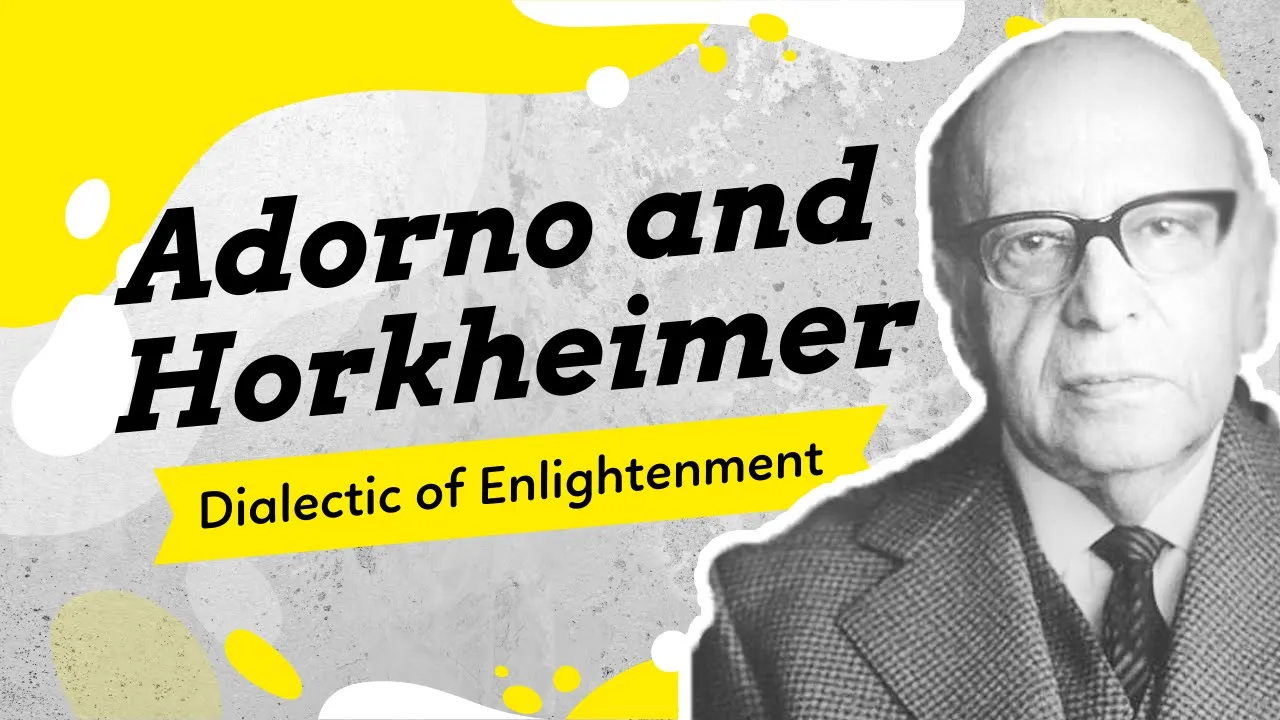
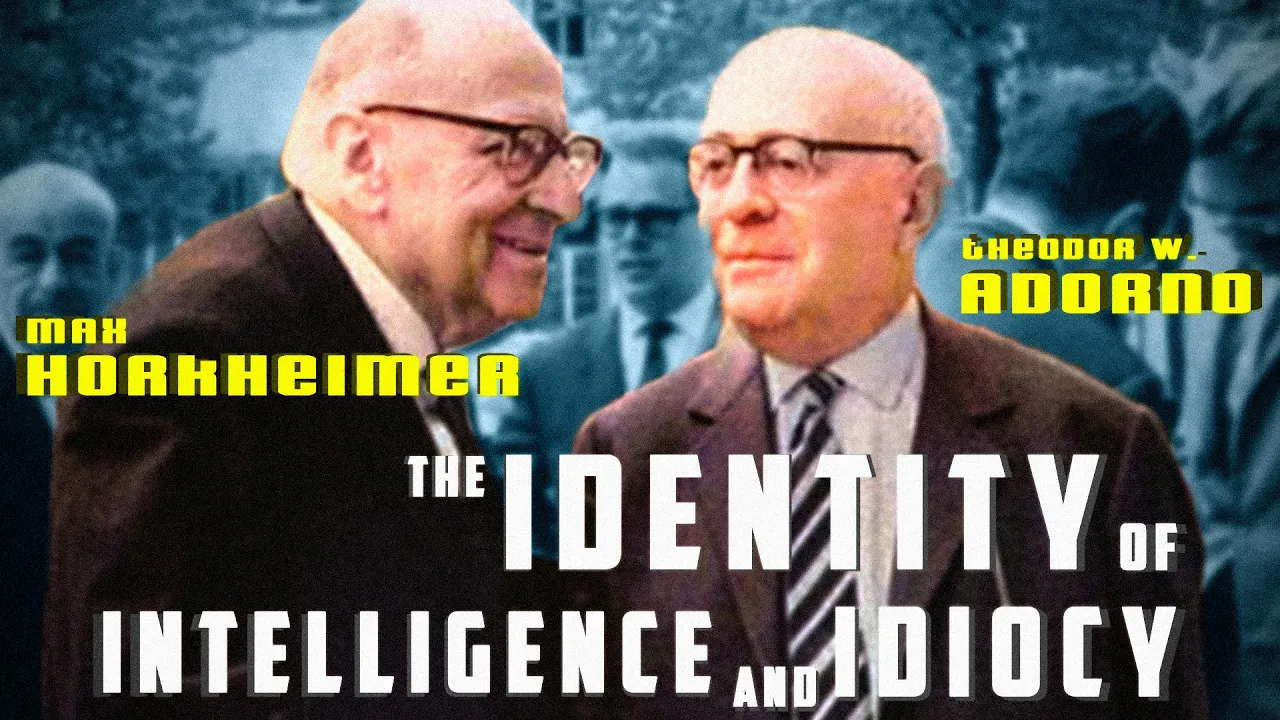
Added:The Frankfurt School's concept of the 'Culture Industry' (Adorno and Horkheimer), which critiques how mass media commodifies art and pacifies audiences.
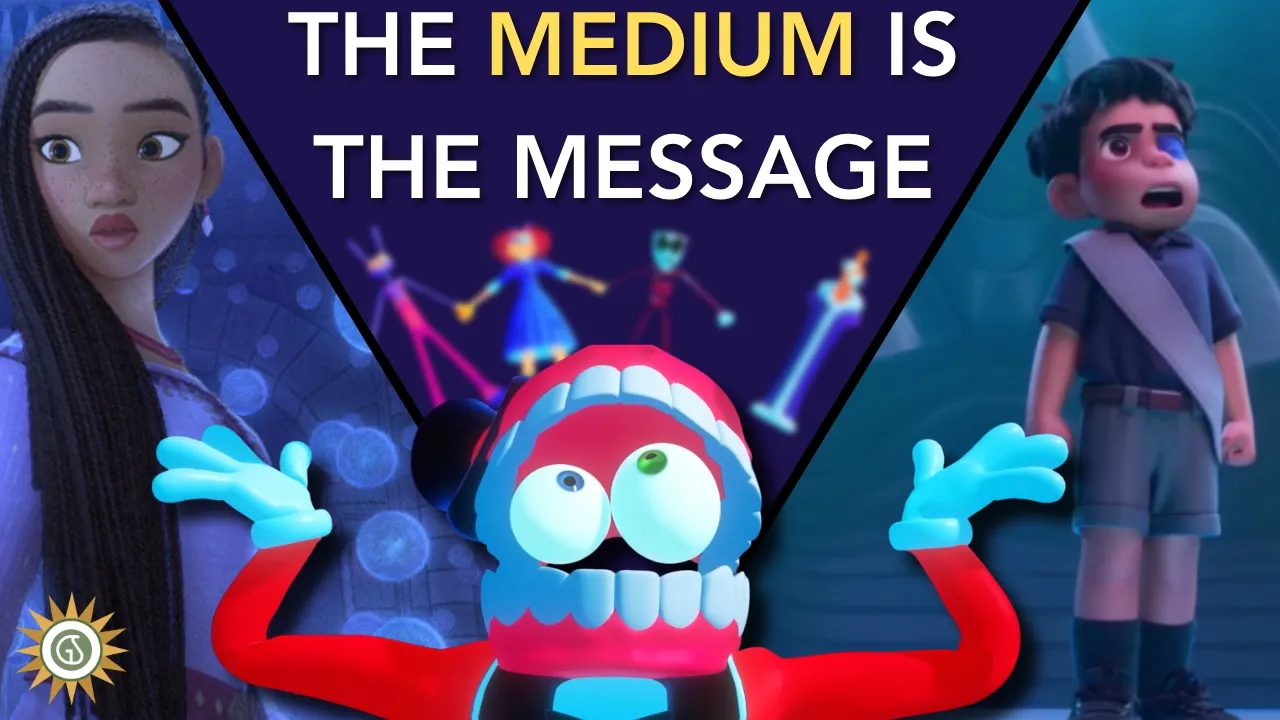
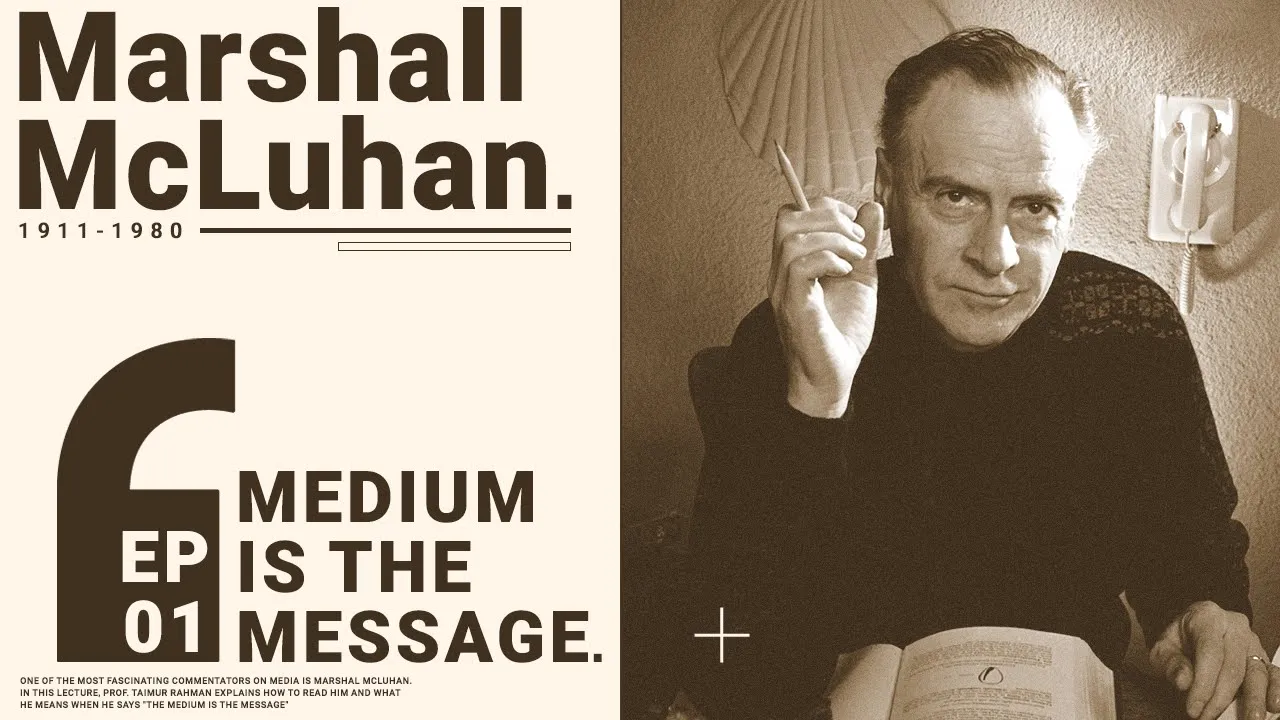
Marshall McLuhan's foundational media theory, specifically the concept that 'the medium is the message,' to understand how streaming technology itself shapes perception.
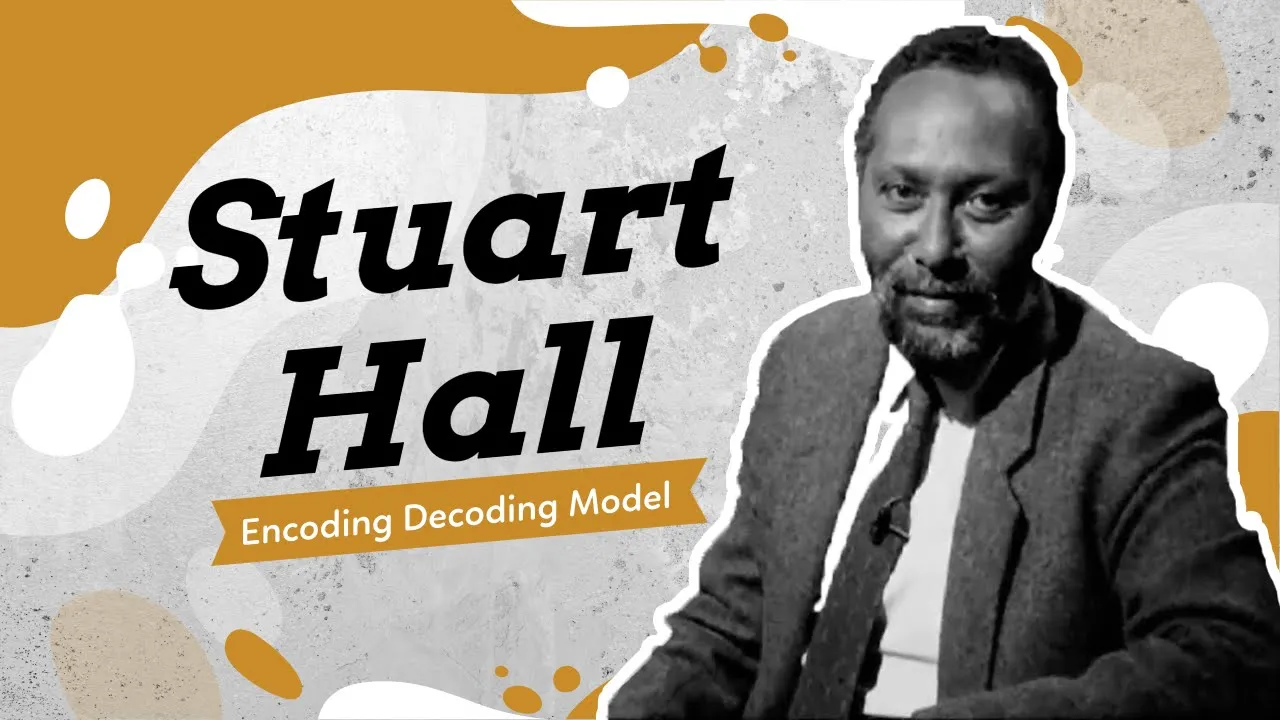
Basic models of audience reception, such as the debate between passive consumption (hypodermic needle theory) and active audience theories (uses and gratifications, Stuart Hall's encoding/decoding).
The fundamental differences between traditional linear media distribution (cable/theatrical release) and digital platform capitalism (subscription video-on-demand).
The impact of 'Platform Imperialism' on global cultural diversity, examining how dominant Western streaming platforms influence local media production and cultural sovereignty.
The psychological and cognitive implications of the 'Attention Economy,' focusing on the design strategies used to induce binge-watching and friction-less consumption.
An analysis of cultural fragmentation and the erosion of the 'monoculture,' investigating how hyper-personalized recommendation algorithms affect shared societal narratives.
The study of alternative media economics, exploring how decentralized distribution models and creator-owned platforms attempt to bypass algorithmic gatekeepers.
270.1K views12.3Klikes17:55Original Release: 2022-09-19
(steady music) - What's up, friends?
Michael here to reminisce about a simpler time.
The year was 2013.
My cholesterol was simply high for my age.
I still necessitated haircuts, and there was a new serialized political thriller starring an Academy Award-winning actor whom we had no reason to suspect was a sex offender.
"House of Cards" hit Netflix to instant acclaim and a million network executives had simultaneous panic attacks because the television landscape had apparently changed forever.
Flash forward a decade, and it's fair to conclude the revolution will not be Netflix and chilled or Netflixed and chilled.
Is that it?
I don't know. That means to have sex, right?
That's because, these days, streaming services are going through it.
In June, Netflix fired 300 employees as the company lost 70% of its value.
Then Warner Brothers announced the HBO Max and Discovery+ merger, sending the internet into a collective freak out.
In the weeks since, HBO has, among other things, shelved the already filmed $90 million feature film "Batgirl," weathered rumors of looming layoffs, and purged its archives of many beloved TV shows.
Hard to believe that just a few years ago media forecasters confidently predicted that streaming would kill television as we knew it.
But with companies now firing employees, consolidating their platforms, and canceling much anticipated releases, we've gotta ask, is streaming on the way out?
Or has it turned the media landscape into a content machine that's too big to fail?
Let's find out in this "Wisecrack Edition, Did Streaming Content Kill Culture?"
Before we can reflect on content, culture and streaming, it's worth looking to the entertainment industry's past.
As reporter Brooks Barnes notes, Hollywood's no stranger to titanic moments of instant change, writing, "Once a generation, Hollywood experiences a seismic shift."
In these moments, all accepted facts about people's entertainment consumption are called into question, and premature eulogies are written for once-beloved forms of mass media.
For example, when it began broadcasting in the early 1950s, TV started cannibalizing content from the then reigning mass entertainment medium, radio.
Popular shows like the Western drama "Gunsmoke" and the family sitcom "Father Knows Best" were adapted for the screen.
While some of these shows kept a foot in radio, television would eventually render narrative radio essentially obsolete, though if you've ever listened to a podcast, you know audio-only entertainment has reemerged as a force and you probably also know discount codes for mattresses, online gambling and fancy toothbrushes, but network television would barely get its moment in the sun before mainstream media started predicting its own swan song.
Sick of your stodgy NBC, ABC and CBS offerings?
Well, circa August 1st, 1981, you were in for a real trip.
♪ Video killed the radio star ♪ - [Michael] MTV is remembered for popularizing the art form of music videos, but importantly, it also helped drive consumers to cable television subscriptions.
- I want my MTV!
- By 1989, an estimated 60% of U.S. households had cable.
Once seen as the minor leagues of television where reruns and old movies reigned supreme, cable suddenly became a real threat to network television's dominance.
And by the late '90s, it was cutting into its profits.
What's more, reality TV's meteoric rise in the form of "American Idol" and "Survivor," coupled with the 2008 writer strike, suggested that network television was on the outs, and "Mad Men's" Emmy win marked the first time a basic cable television show took home the prestigious award, but cable couldn't stay on top forever, and more change predictably came.
Although many have called the early 2010s the golden age of cable, by 2013, "The Economist" was already asking, is Netflix killing cable television?
Rising to prominence as a DVD mailer service that attempted to replace the truly irreplaceable, Netflix quickly pivoted into video streaming and original content.
As "Variety" announced in 2020, cable TV's gravy train went off the rails when streaming arrived.
Hollywood became terrified about Netflix's rising cultural dominance and serious film ambassador, Steven Spielberg, campaigned against even considering Netflix films for top Academy Awards honors.
- Once you commit to a television format, you're a TV movie.
You certainly, if it's a good show, deserve an Emmy, but not on Oscar.
- Given how TV reporters, economists, and even the creator of "E.T." himself has propped Netflix up to be a big cultural boogieman, you'd think the company would be too big to fail, but with the recent loss of subscribers, the decrease in market value and the string of layoffs, it's tempting to buy into the media's preemptive obituary for streaming, arguably though, Netflix and other streaming platforms have hit a wall of their own making.
And as some of argued, they simply have no more room for growth.
As journalist Louis Chilton writes, "Financially, streaming has always been coasting by on vibes alone.
You can't build an entire business around exponential subscriber growth.
Eventually, you're simply going to run out of new customers."
Rather than eking out hundreds of millions of dollars in theater tickets, the streaming model means releasing content enticing enough to keep current subscribers paying for the privilege of watching it, and ideally, convincing new clients to sign on too, even as the pool of potential recruits keeps dwindling.
And how do you convince people to keep mailing in 999 pennies a month?
By the logic of streaming services, you start producing stuff to watch, lots of stuff to watch.
Netflix started growing its empire with a budget in the humble hundreds of millions that quickly ballooned into $17 billion by 2021.
I wonder what $17 billion would do to the increasing amount of student loan debt, huh?
Joseph Biden?
And the mass proliferation of stuff to watch rendered streaming's rise inextricable from the overall emergence of the content industry.
The content industry basically includes any company that produces digital content, i.e. stuff that you stare at on your phone when you could be, I don't know, like connecting with humans or something.
While rumblings about the rise of the industry started in the '90s, It wasn't until the emergence of search engines, streaming platforms, and faster internet speed that it really exploded.
As scholar Kate Eichhorn writes, "Content sometimes conveys information, tells a story or entertains, but it doesn't need to do any of these things to circulate effectively."
Viewed in this way, the primary purpose for content's existence is, according to economist Bharat Anand, "Circulation."
And that's what distinguishes content from previous forms of entertainment.
Eichhorn notes that the material and aesthetic aspects of the content lose significance.
She writes, "In the world of content, genre, medium and form become secondary concerns.
And in some instances, seem to disappear entirely."
This is epitomized by the streaming ecosystem.
As Annika Brawl Martins writes, "The cultural practice of consuming video on Netflix doesn't necessarily translate into experiencing it as television, but rather as content."
We can see some of this in the way that Netflix has eroded conventional differences between film and television, especially with the rise of binge watching.
As scholar Anne Friedberg argues, "The differences between the media of movies, television and computers are rapidly diminishing."
Form becomes increasingly secondary to content's ability to attract the most eyeballs.
And of course, then to use those eyeballs to collect delicious data.
In this way, a piece of content's success can be judged, not by say, it's message, if there is indeed a message, it's defined explicitly by how widely it spreads.
Consumption is the entire point, not the happy side effect.
It's kind of like a Big Mac, right?
The point isn't that it's a high quality burger, but that it's a burger that's consumed around the world 24/7 because of this, Eichhorn argues that content is the "Ultimate expression of neoliberalism and that it represents a shift away from understanding cultural production in relation to aesthetic and material categories and towards understanding cultural production solely through a market-focused lens."
That is to say, in the new content landscape, pieces of culture only matter insofar as they bring in profit.
If beauty or meaning is the mark of quality art and enjoyment is the mark of quality entertainment, bankability is the mark of quality content.
This state of affairs feels eerily in line with the mid-20th century assessment of mass entertainment made by scholar Theodore Adorno.
In recent decades, he's been fairly criticized for being a bit of a curmudgeon for his critique of the mass culture and especially of classic Hollywood films and jazz music.
To be clear, both of those things rip, but when it comes to modern streaming series like "FBoy Island," we think his argument bears consideration.
Along with philosopher Max Horkheimer, Adorno conceived of mid-century entertainment, what they called the culture industry, as a sort of assembly line where art and entertainment are reduced to mere products created solely to produce profit.
As they write "The cultural entities typical of the culture industry are no longer also commodities.
They are commodities through and through."
In this way, they thought art started being valued for its ability to sell rather than its ability to impart a message, elicit emotions, or express an aesthetic vision.
An essential part of this assembly line logic is that the entertainment industry recycles the same storytelling conventions ad nauseam until the distinctions between individual works of art become entirely meaningless.
And again, while we don't think this applies to say, the improvisational jazz of John Coltrane, we do think it's a fitting encapsulation of the streaming industrial complex where there are seemingly infinite reality shows about rich people who love fashion and live for drama or cute couples who help people build their dream homes.
With an estimated 1,600 shows and several hundred movies made and distributed on various stringing platforms each year, there's never been more content to consume.
And if you're listening, streaming networks, why not make it 1,601 and give us a shot?
But the assembly line logic of it all becomes glaringly apparent when you consider how a platform like Netflix generates its ideas.
- Netflix, you're green lit.
Who am I speaking with?
- Specifically, the platform relies heavily on its $1 billion artificial intelligence program to guide its content selection.
If I was running things, after this clip, then it would cut to the Dr. Evil from "Austin Powers" saying, "$1 billion," or doesn't say "1 million?"
See, I (beep) it up. Nevermind.
For example, "House of Cards," a remake of a BBC program, was algorithmically generated to attract the Venn diagram intersection of Kevin Spacey fans who liked David Fincher and enjoyed British political thrillers.
Here, we see how a work of entertainment is reduced to the sum of its parts rather than, say, it's artistic integrity.
It's like when KFC had the Double Down Sandwich where the bread was fried chicken and where the chicken would normally go was bacon and cheese.
And literally just talking about it, I feel my LDL just spiking.
We talk about this in our video about why all Netflix films look the same but it bears repeating.
The result of this AI content selection has led to the proliferation of a sort of mutant film created to tick as many box office happy criteria as possible.
This is also why we get a lot of content based on existing intellectual property, whether it's the million Marvel shows on Disney+, or "Bridgerton," which is based on a series of romance novels, or how about the show based on a "New York Magazine" article about Anna Delvey, or "The Staircase," which is based on a documentary series, which is based on a real life true crime.
In case you missed that one, it's a narrative show based on a documentary series about a real life murder that an owl did to a lady.
I am a proud member of Owl Theory Nation.
Shout it out in the comments if you are too.
The assembly line logic of streaming also explains the rise in reality TV shows which are significantly less expensive to produce than conventional narrative content while also allowing for other money making avenues like seamless product placement.
Take HBO, famously the capital H Home of prestige television.
Its merger with Discovery and with it acquisition of reams of reality television is indicative of just how much streaming has changed from its days of high quality programming to its increased reliance on low budget reality shows that are conducive to endless spinoffs, like "FBoy Gaza Strip," "FBoy Emergency Room," "FBoy Alaskan Mortuary," "FBoy Cruise Ship Stranded at Sea With a Disease on It," or "FBoy Pediatrician's Office."
No wonder that streaming has coincided with the slow devaluation of mass culture and the people who make it.
Streaming services have used their classification as new media to deny entertainment workers fair pay, especially those doing thankless jobs on film and TV sets.
Residuals, once a vital source of income for entertainment workers, have been slashed.
Meaning, workers ranging from production designers to lead actors are often paid only once for their work or compensated significantly less overall because they can't rely on reruns, DVD sales, et cetera.
Clearly, the streaming industry's assembly line of content encapsulates the ethos of the content industry, and with it, the acceleration of Adorno and Horkheimer's logic about the culture industry's cheapening of art.
Fittingly then, streaming's dominance also seems to be shifting the way we view content, both literally and conceptually.
While television fans were formerly at the mercy of weekly air times to catch "Seinfeld," - A car just bashed into a parked car and sped off right on my block.
- You gotta follow that car.
- [Jerry] What? (audience laughing) - Streaming services have enabled the consumption of an entire show all at once.
As Netflix's CEO put it, "We're competing with sleep."
The very format of the platforms is conducive to this.
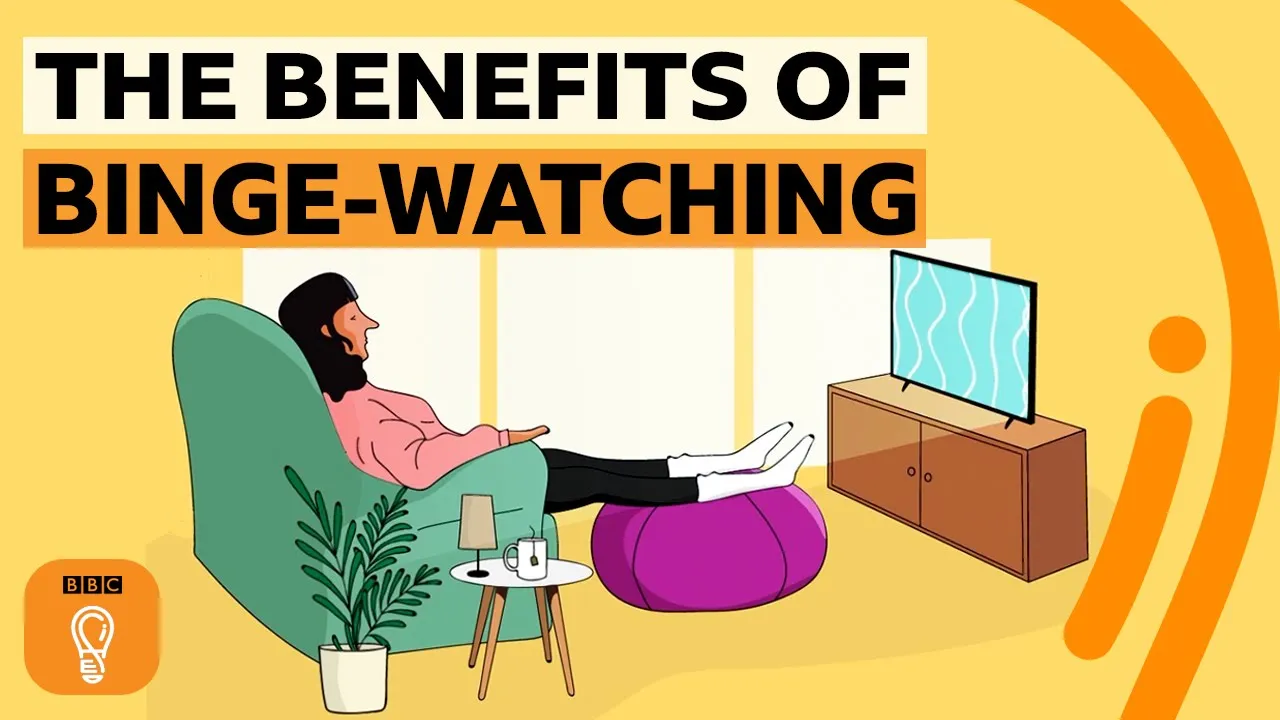
Netflix's auto play function facilitates endless watching, essentially choosing for the viewer to continue the next leg of their viewing binge.
It's no wonder then that much of our entertainment consumption is done absentmindedly with the exception of video games, which remain arguably the most active form of cultural consumption, so gamers, keep on fighting against the dying of the light.
As writer Jake Pitre argues, "In a binge culture, the banal pleasures of zoning out coexist with and play an increasingly strategic role in maintaining the intensive pleasures of switched-on viewing."
The rising phenomenon of second screens compounds the zoning out effect, with viewers dividing their attention between multiple stimuli.
Also, if you have a boring job and you need multiple stimuli, on Thursdays at 11:00 AM Pacific, check out our stream "Wisecrack Live."
You can have it on with headphones and you like act like you're working but really we're just hanging out, watching videos.
I'll probably get unhinged for a little bit.
It'll be fun. Check it out.
Arguably, this is why much of the streaming services' low impact content works so well.
It doesn't demand rigorous attention but it does demand our time, lots and lots of our time.
I guess it takes time to spot all of the Fboys on the island.
It's like, where's Waldo?
Except Waldo (beep).
And that's the real reason streaming services aren't going anywhere, because they have a loyal army of workers supporting them.
Namely, you.
See, according to Adorno and Horkheimer, the assembly line nature of cultural production under late capitalism and the repetition of entertainment's narratives and forms essentially turns consuming entertainment into mechanized work.
They write, "Amusement under late capitalism is the prolongation of work.
It is sought after as an escape from the mechanized work process and to recruit strength in order to be able to cope with it again.
But at the same time, a mechanization has such power over a man's leisure and happiness.
And so, it profoundly determines the manufacturer of amusement goods that his experiences are inevitably after-images of the work process itself.
What happens at work in the factory or in the office can only be escaped by approximation to it in one's leisure time."
In this way, while we may see a long night of streaming as an escape from the humdrum repetition of our day jobs, consuming it becomes something of a part-time job in and of itself.
But hey, what else would we do at that time? Right?
We're gonna like hang out and reflect on our lives and maybe reflect on our lives in relation to society and our place in society.
Maybe we'd gather with our friends and neighbors, reflect collectively, organize to change a society that's grinding us all into dust.
(Michael laughs) (wind whipping) Yeah, that'd be, that'd be random.
Importantly, Adorno and Horkheimer also argue that the culture industry has significant ramifications on our political agency.
Because it's produced and consumed under the logic of profit minded neoliberalism, products of the culture industry typically uphold dominant social and political values.
As scholar Kumars Salehi writes for Verso, "Chief among Adorno's concerns is that, in the culture industry, what gets left out is an understanding not only of the real mechanisms of power in society but also the possibility that those mechanisms could be changed.
Submission in the realm of culture prepares us to be submissive in the realm of politics."
This submission is encapsulated by the passivity we experience when binge watching, as we're directed to continue consuming.
And arguably, when we consume content consistent with dominant political realities, we're being primed to quietly accept them, or the opposite, i.e. we're watching a show with relatively smart social or political values but this only furthers our desires to sit in place and watch all 10 episodes.
So either way, we aren't going outside.
While art has long been seen by artists and philosophers as a vital means of questioning dominant values or offering alternatives, content tends to conform to them.
That's true whether it's glamorizing extreme wealth, emphasizing the social importance of sex appeal, or reminding us that what really matters is home ownership and the nuclear family.
In this way, because of the logic behind its production, it's very difficult for content to be truly subversive.
Unless it's us. We can, we figured it out.
Upon reflection, it's surprising that streaming ever attempted to be anything other than an assembly line of capital C Content to facilitate endless consumption.
The early years, dominated by prestige shows and indie films, simply don't fit the logic of the way we consume content.
The kinds of reality shows and docu-series and carbon copy rom-coms that have proliferated in recent years and to significant dismay are far more fitting to the zoned out binging that the medium of streaming encourages.
So, streaming isn't dead, but it's arguably a zombified version of itself, stuck in a race to the bottom where no amount of content is ever enough and cheap utterly watchable entertainment that forgoes provocation is king.
But what do you guys think?
Has content destroyed culture as we know it?
And are streaming platforms the main culprits?
Let us know what you think in the comments.
Thank you so much to our patrons for all your support, and do check out our Patreon page if you haven't in a while.
Be sure to like this video if you thought it was good content, and thanks as always for hanging out and watching.
We'll catch you later.
(steady music)
Up Next
54:57
Contemporary Sociological Theory: Micro, Macro, Integrative
@NaSESYNC
45.7K views•2016-02-17

27:23
Habermas Public Sphere Explained | MA Sociology Critical Theory
@experiencelearning8405
7.7K views•2022-03-20
19:23
How to Analyze Conversations Scientifically | Elizabeth Stokoe | TEDx
@TEDx
1M views•2014-12-04
9:41
What is Sociology? The Sociological Perspective Explained
@crashcourse
4.6M views•2017-03-13
Related Study Plans & Knowledge Roadmaps
Structured learning paths in Sociology
sociology
Celebrity Culture: From Hollywood to TikTok
01Foundations of Celebrity Sociology
02The Rise of Micro-Celebrity & Digital Platforms
03Parasocial Relationships & Algorithmic Intimacy
+ 2 more learning modules
12h5 modules
Explore Roadmap
sociology
Hostile Architecture: Space, Power & Control
01Introduction to the Sociology of Space
02Social Control and Surveillance in the City
03Hostile Architecture and Defensive Design
+ 2 more learning modules
12h5 modules
Explore Roadmap
sociology
Loneliness Epidemic: Third Places & Isolation
01Foundations of Social Capital and Community Cohesion
02The Death of Third Places and Urban Space Erosion
03The Privatization of Leisure and Atomization
+ 2 more learning modules
12h5 modules
Explore Roadmap
sociology
Sociology of Tourism: Gaze, Power & Heritage
01Foundations of the Sociology of Travel and Leisure
02John Urry and the 'Tourist Gaze'
03Staged Authenticity and Cultural Commodification
+ 2 more learning modules
14h5 modules
Explore Roadmap