





![[Comparative Linguistics] 1. Nominal morphology | Category of noun | inflection | number | gender](https://i.ytimg.com/vi/kkTx-YUenF8/maxresdefault.jpg)



![Semantics: Intro to Linguistics [video 8]](https://i.ytimg.com/vi/ycWDuU5eYv0/maxresdefault.jpg)


![[AFLA27] Absolutive movement in Polynesian: Syntactic ergativity and word order - Lauren Clemens](https://i.ytimg.com/vi/i2eXiK_7zxo/maxresdefault.jpg)




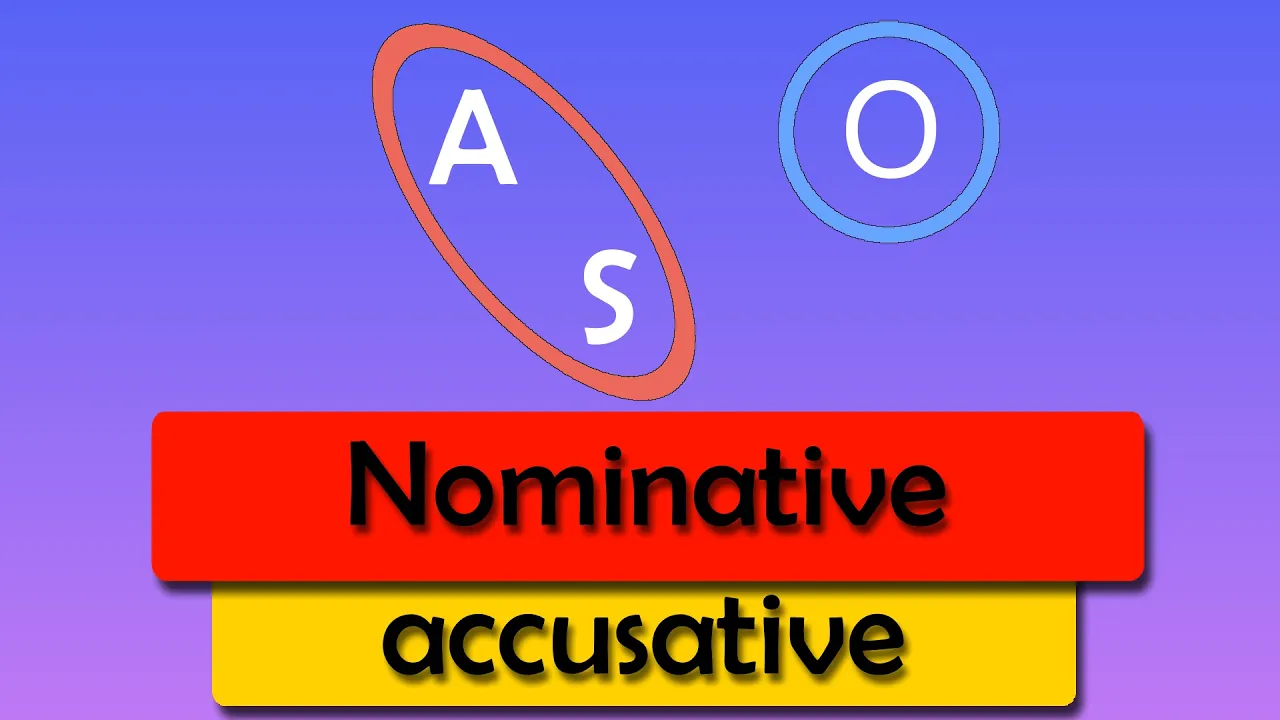
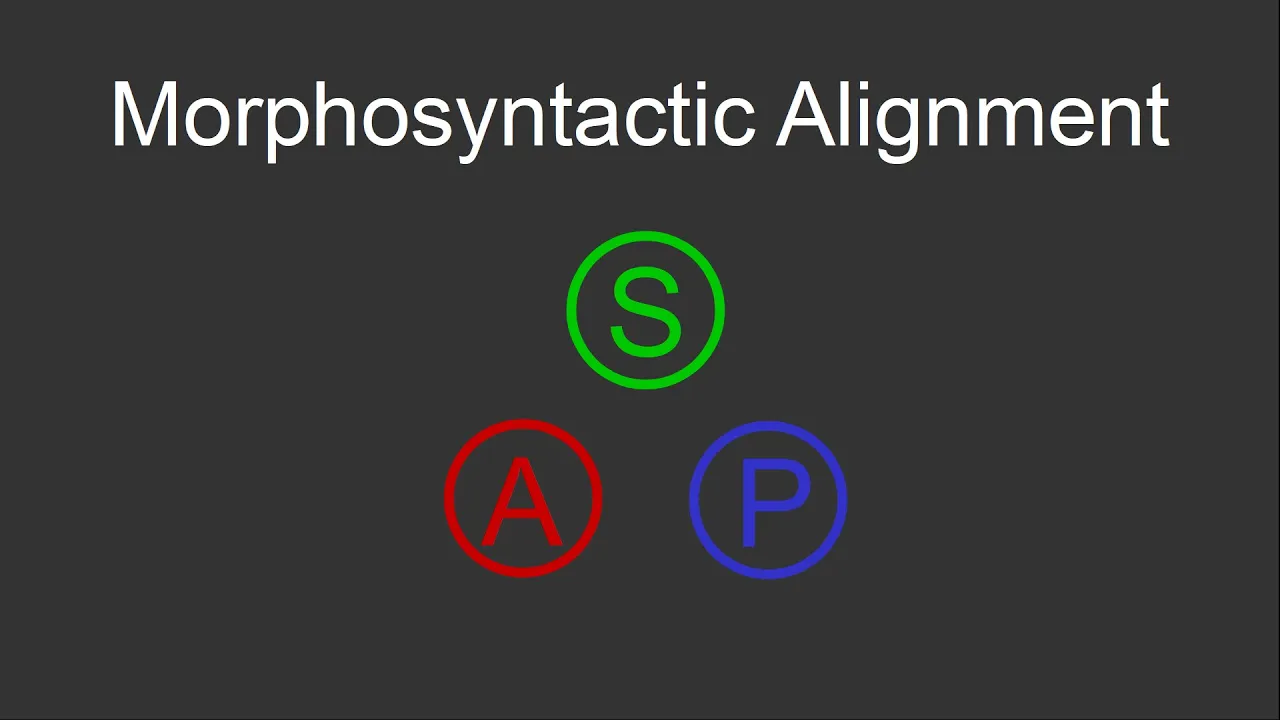
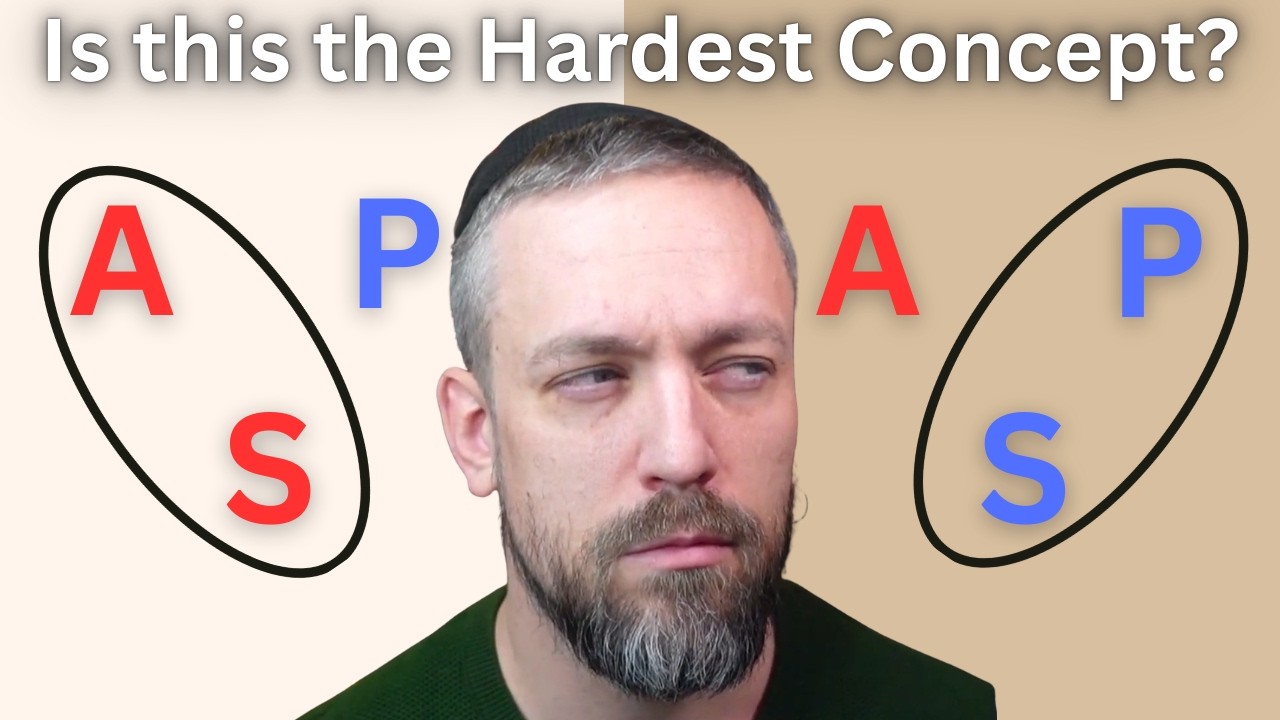
Ergativity is a morphosyntactic alignment system where the subject of an intransitive sentence and the object of a transitive sentence share the same grammatical form (absolutive case), while the agent of a transitive sentence takes a distinct form (ergative case), unlike nominative-accusative languages like English where the subject maintains the same form in both sentence types.
Morphosyntactic Alignment: Understanding Ergativity
Added:Understanding the distinction between transitive and intransitive verbs, and their core arguments: Subject (S), Agent (A), and Patient/Object (P).
Familiarity with the Nominative-Accusative morphosyntactic alignment, which is the system typically used in English and other Germanic languages.
Basic knowledge of grammatical case systems and how morphological marking (like prefixes or suffixes) defines a noun's role in a sentence.
The concept of semantic roles (such as Agent vs. Patient) and how they differ from grammatical relations (such as Subject vs. Object).
Exploring 'Split Ergativity', a phenomenon where languages (such as Dyirbal or Georgian) shift alignment systems based on tense, aspect, or NP hierarchy.
Investigating 'Syntactic Ergativity' to see how ergativity affects deeper syntactic processes like coordination, relative clauses, and passivization.
Studying alternative morphosyntactic alignments, such as Tripartite, Active-Stative (Split-S), and Austronesian (Philippine-type) alignment systems.
Applying typological frameworks to the study of language change and historical linguistics, examining how alignment systems evolve over time.
4.2K views211likes9:18Original Release: 2023-01-15
today we will be dealing with a very interesting topic in linguistics called morphosyntactic alignment now forget all of that forget all the complications just look at the screen and look at the two sentences I slept versus I saw the cat what are the differences it's very very simple you know I slept you have basically the word I and slept so two parts in the sentence I saw the cat has three parts I the person doing the action saw which is the verb and then the cat which is the object the person or the thing that's receiving your action the thing that's being seen pretty much that's it so if you look here I saw the cat the three parts you have the verb in the middle saw right that's the action you have the subject I doing something to the cat so the action moves across basically across the verb to the object to the cat I saw the cat and so the magic word here is across and let's just think about it what is the Latin word for a cross well we use it every day right so don't worry it's not complicated at all if you look at a map of the world if you're going across the world from Europe to the Americas what kind of flight is it like this what would you call this flight from Europe to say North America this is a transatlantic flight so the word here is trance across the Atlantic and you see this as well for example on the map of Romania um there's a region called Transylvania which literally means across or beyond the forests in medieval Latin so that's it so that a cross or Beyond is trans or trans and you see this as well if you're transitioning if you're changing from one stage in life to another you're going across from one you know uh status level to another that's a transition so Trends as well so because of this this type of sentence where there's a verb in the middle and there are two two objects across the verb from each other I do blah blah blah the cat this day is called basically so you see the two objects here transitive that's it and that's how you remember it pretty simple actually not too difficult I think and therefore what about what's the opposite of this in a sentence like I slept since I saw the cat as transitive what is I slept well pretty easy it's not transitive and then if you look at this if a person is not decent he or she he in this case is indecent if the food is not edible it's inedible right so if it's something that is insufficient like you don't have enough money it's insufficient so something that is not transitive is intransitive simple all right so that's lesson number one so intransitive and transitive a transitive sentence it always has a verb and two things on either side firstly someone doing something and something receiving something this is in English of course the intransitive only has someone doing something and the action that is done and that's it all right so so that's how you remember it simple right now we could look at more full syntactic alignment and these will be a little bit more complicated now if we look at this here a sentence like this I slept right versus I saw the cat the I for the sorry what is intransitive one intransitive the I here is in I slept is the subject I am doing something right the same thing this is in English of course so the same thing with I saw the cat I here is the agent the one that's doing something to the cat which is the patient the receiver of the action all right so this is the English structure in a language like Basque things are a bit reverse it looks more like this so in Basque when you say so look at transitive intransitive sentence like Martin fell Martin Falls sorry present tense the word Martin the name Martin is the subject all right now what how about if I say something like this if I were to say Martin sees sorry Maria sees Martin in Basque there is a little bit of extra thing here you see Maria becomes these uh the Agents of this of the sentence Martin receives the action but Maria sorry I will go back again Maria has a key in it mariach so this is interesting case because the Maria who is doing the action has a k at the end mariak why is that well that's what we come to the ergative case and we're going to talk a lot about this because the languages we'll be discussing in the next few over the next few videos next few Clips will all be ergative languages yay a lot of fun so let's take a look as well um in a sentence like this where I slept I saw the cat in in both cases the subject I as well as the agent of the transitive verb I saw the cat is always the same and that's called a nominative accusative language so a nominative accusative alignment is found in English French Arabic for example all these sentences I slept and I saw the cat the I and the I are the same in in transitive and transitive this is how it looks however so you're the same now if we go to a language like Basque however it's different it's at the subject of this of an intransitive sentence like I sleep I fall I walk it's the same as the object of a transitive sentence and then the agent uh the of the of the translated sentence takes on a Case marker called the ergotif so it's a little bit different from what we are used to all right so in this sentence like this Martin being the the person falling is Martin he doesn't change Martin is also the one that's being seen in Basque he doesn't change the one that has a special suffix or special form is Maria because she's the one doing the action so mariach is doing something to Martin Maria is doing something Martin so that's how an orgative absolutive language works all right so let's look at it again so Martin false so this error is a verb complex meaning to fall in the present tense so but it falls easy Maria Martin and you've got little you could translate an orgative sentence almost like a passive form right so like um Martin Falls Martin is seen by Maria you could almost say that sorry Martin is seen by Maria so this is how um uh Basque things work in past so mariak with a K Maria Martin so Maria with a K is literally by Maria ekush nandu is almost like um it's almost like a passive form a passive verb is sin and Martinez Martin so so literally by Maria Martin is seen so by Maria Martin Maria she's Martin so that's how they do it in basketball and I this structure is actually quite common around the world so a very short example from Aranda which is a language from North Central Australia in this language the word the word order is quite free and you only know basically who's doing doing what to whom based on the suffixes that attach themselves to the noun so let's look at two words you've got the word for man which is so a-r-tw is pronounced and we'll look at the phonology later on and the word for to sit is so the man sits is right so that's how they say it it's it's uh there's a lot of liaison in this language a lot of vowels sort of running into each other eight one number so the man is sitting down is sitting all right what happens when you say if you compare these two sentences the man is sitting so a dual number which is an intransitive sentence with a dollar the man is looking at the child so you see the word has Allah that comes after that's that's like the K in bask right exactly the same function means child a-m-p-e pronounced means to look or to see so that's how you say okay very very quickly I don't love Aroma say 10 times is how you say the man is looking at a child but in in actual fact it's actually man ergative child no marking and then look so something the child is looked at by the man and that ladies and gentlemen is basically how interrogative language works all right so we'll look at more examples later on uh we'll be having more videos coming over the next few weeks uh discussing languages such as arunda all the different structures as well uh Mayan languages as well as even languages like um the of course assumption languages in the Northwest Pacific Northwest of the US and Canada we'll look at those and we'll see how they differ from English and some of the more interesting aspects of learning um a minority language right because you you find a lot of things that you wouldn't expect to find in a language like English or Russian or French or Chinese so until next time bye for now
Up Next
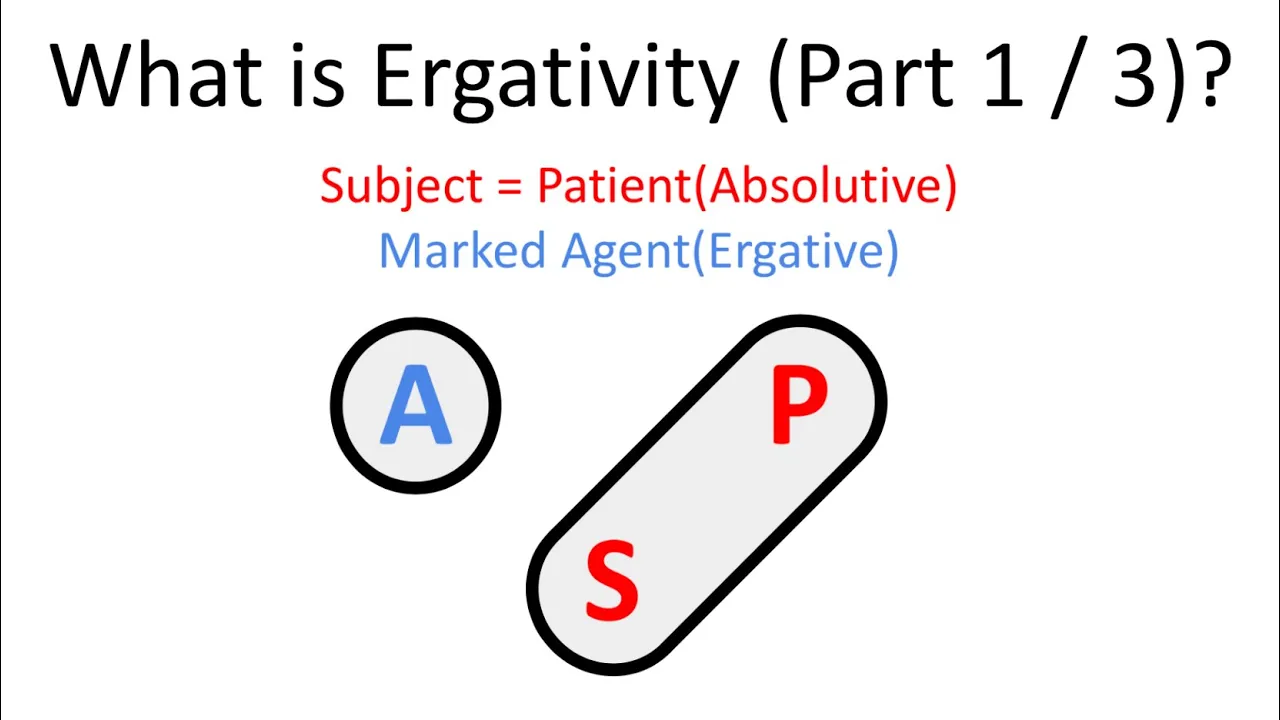
9:02
Ergativity & Morphosyntactic Alignment: Conlang Evolution Guide
@wopnik1890
4.3K views•2021-09-19
36:52
Constraint Interaction in Optimality Theory: Epenthesis & Deletion
@Vidyamitra
180 views•2018-08-20

8:59
Forensic Linguistics: How Language Solves Crimes | PBS
@pbsstoried
1M views•2024-01-25

21:32
Accent Expert Explains U.S. Regional Dialects | Part 1
@WIRED
9.3M views•2021-01-21
Related Study Plans & Knowledge Roadmaps
Structured learning paths in Linguistics
linguistics
Optimality Theory: Tableaux & Constraints
01Phonological Basics: Sounds, Syllables & Rules
02Foundations of Optimality Theory: GEN, CON, and EVAL
03The Constraint Inventory: Markedness vs. Faithfulness
+ 2 more learning modules
15h5 modules
Explore Roadmap
linguistics
Morphosyntactic Alignment: S, A & P Systems
01Foundations of Syntax: Transitivity and Arguments
02The Linguistic Variables: Mapping S, A, and P
03Nominative-Accusative Alignment
+ 3 more learning modules
12h6 modules
Explore Roadmap
linguistics
Analyzing Sign Language: Phonology & Syntax
01Foundations of Sign Language Linguistics
02Phonology: The Five Parameters of a Sign
03Morphology: Word Formation and Classifiers
+ 2 more learning modules
14h5 modules
Explore Roadmap
linguistics
Pragmatics: Speech Acts, Grice & Politeness
01Introduction to Pragmatics: Meaning in Context
02Grice’s Cooperative Principle & Implicature
03Speech Act Theory
+ 2 more learning modules
14h5 modules
Explore Roadmap