













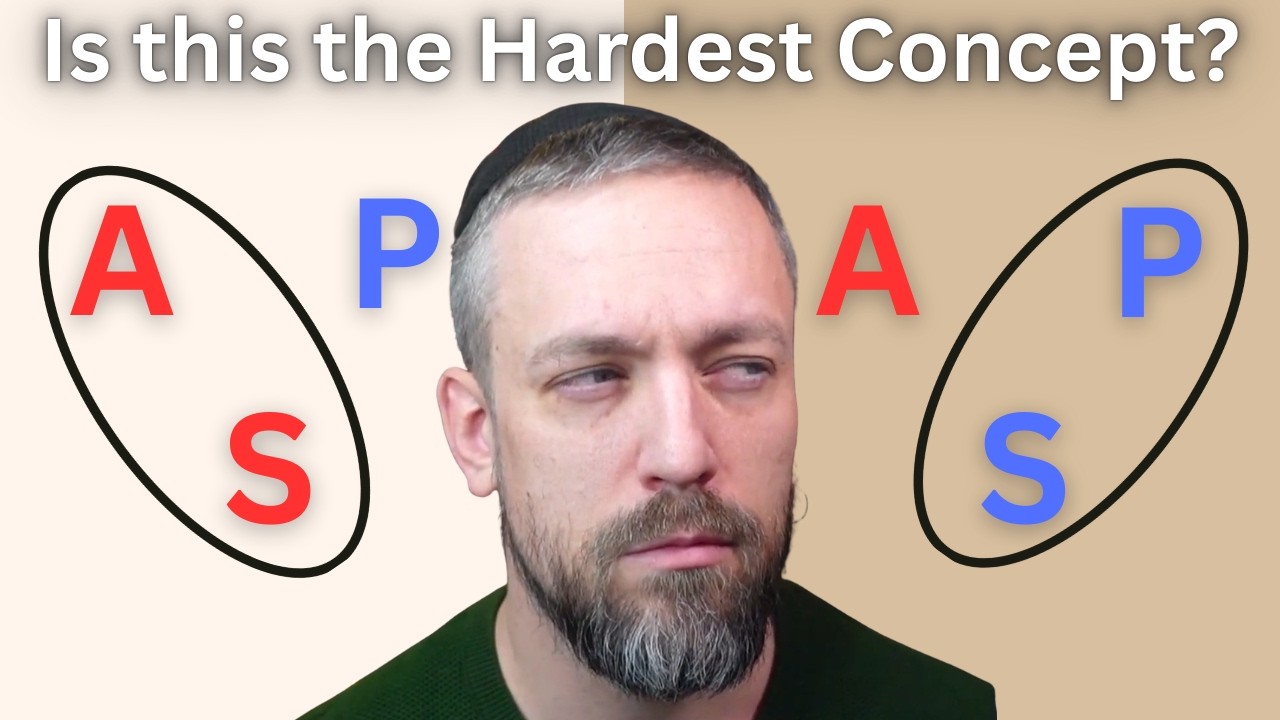


![[AFLA27] Absolutive movement in Polynesian: Syntactic ergativity and word order - Lauren Clemens](https://i.ytimg.com/vi/i2eXiK_7zxo/maxresdefault.jpg)


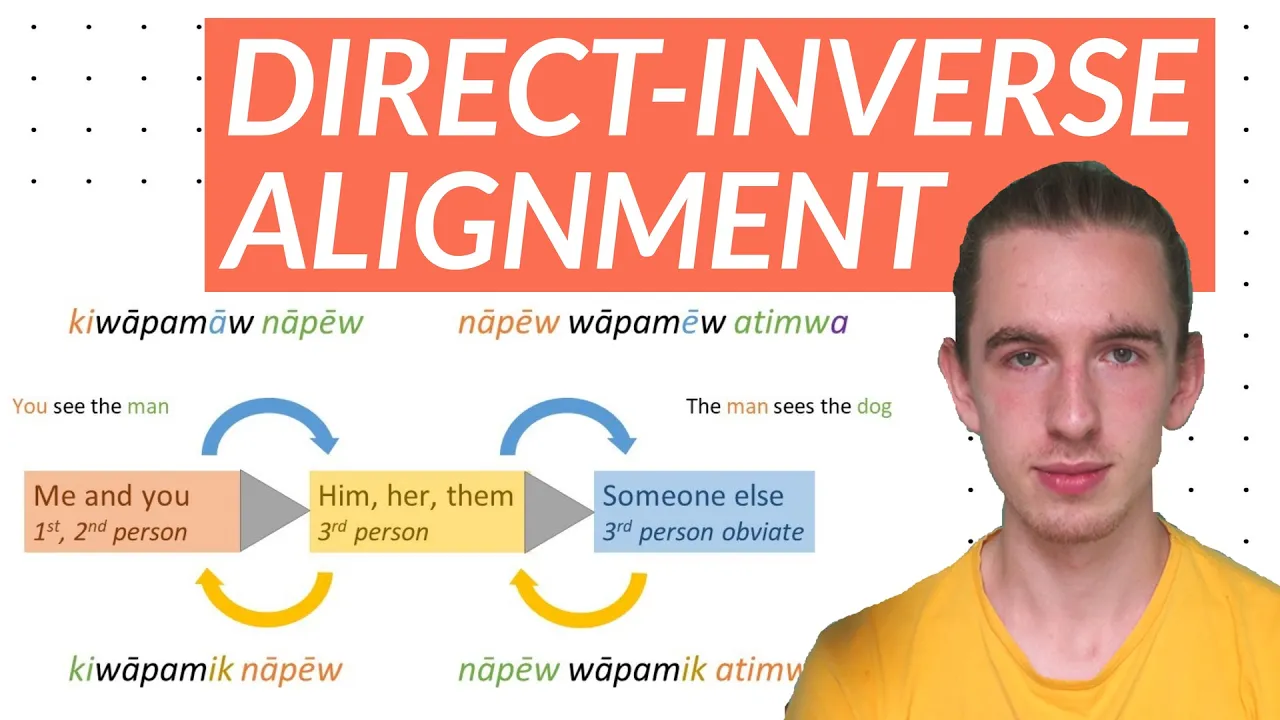




Ergativity is a morphosyntactic alignment system where the subject and patient of a sentence are marked identically (in the absolutive case), while the agent is marked differently (in the ergative case), contrasting with the more common nominative-accusative alignment found in languages like English, Spanish, and Russian where subjects and agents share the nominative case while patients take the accusative case; ergativity typically evolves through passive constructions and nominalization processes, and approximately one-quarter of the world's languages display ergative constructions, though most exhibit split ergativity rather than pure ergativity.
Ergativity & Morphosyntactic Alignment: Conlang Evolution Guide
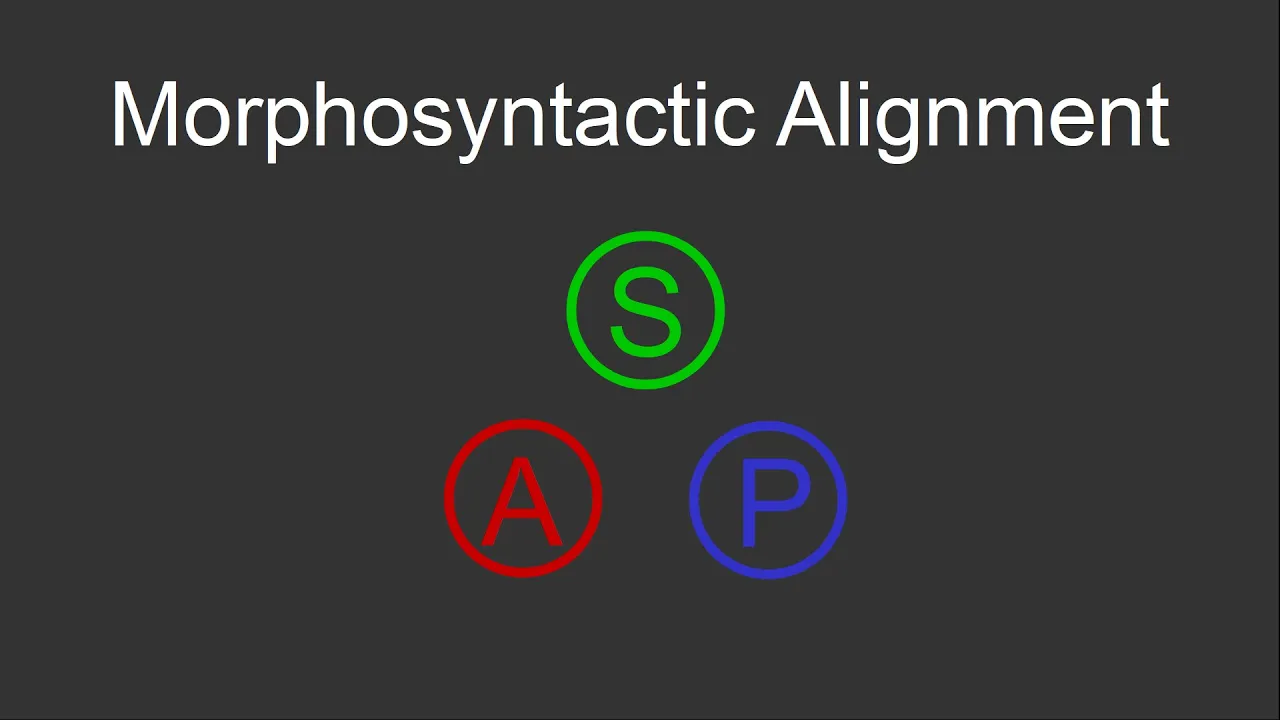
Added:Understanding grammatical roles: the distinction between the subject of an intransitive verb (S), the agent of a transitive verb (A), and the patient/object of a transitive verb (P or O).
Familiarity with Nominative-Accusative morphosyntactic alignment, which is the baseline system used in English and most European languages.
Basic knowledge of morphological marking, specifically how languages use grammatical case and verbal agreement to show syntactic relationships.
A foundational understanding of syntactic operations, particularly passive voice constructions and nominalization (converting a verb or verb phrase into a noun phrase).
Exploring Split Ergativity, where a language's alignment system shifts between nominative-accusative and ergative-absolutive based on tense, aspect, or the animacy hierarchy.
Investigating Syntactic Ergativity, where ergative constraints affect clause-level syntax (such as coordination and subordination) rather than just morphological marking.
Studying other major alignment systems, such as Tripartite, Active-Stative (Split-S), and Austronesian (Trigger) alignment.
Applying diachronic linguistics to conlanging by simulating historical sound changes and semantic shifts that trigger morphological reanalysis over generations.
Analyzing real-world case studies of ergative evolution in natural language families, such as the Indo-Aryan, Mayan, or Australian Aboriginal languages.
4.3K views280likes9:02Original Release: 2021-09-19
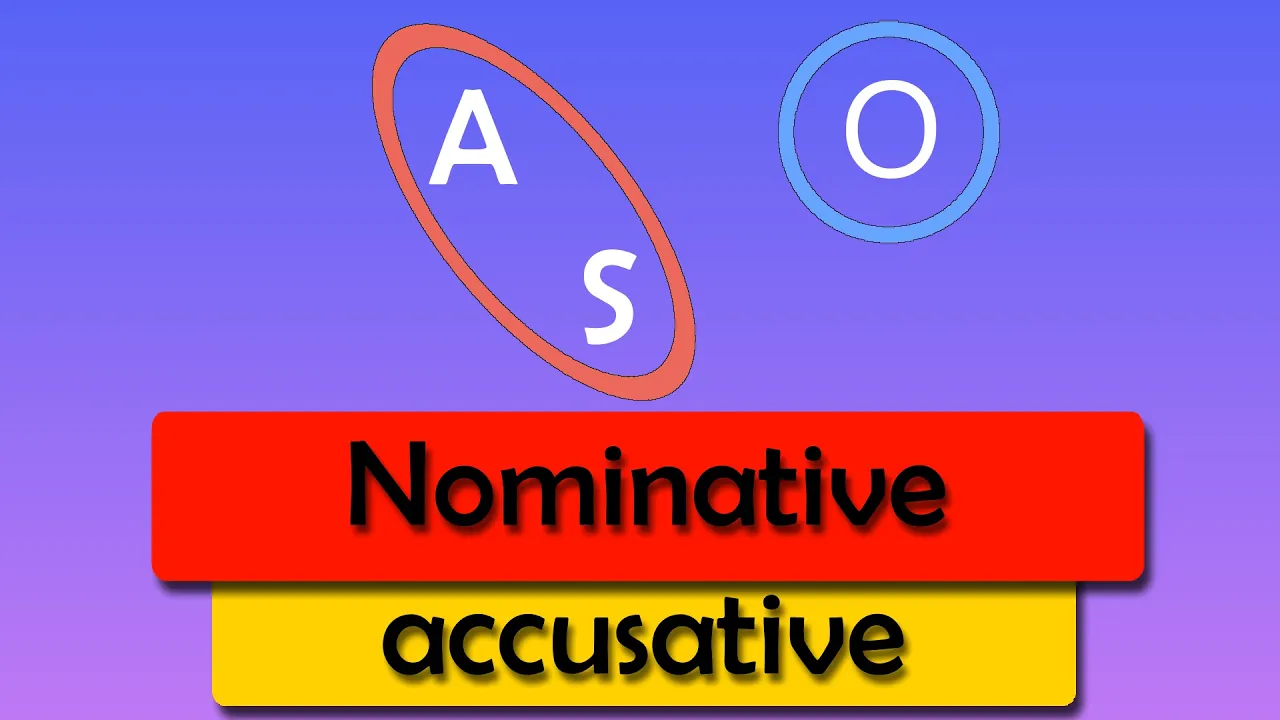
[Music] hello my name is wapnic and today we will be discussing the linguistic phenomenon known as ergativity in this episode specifically we will be discussing what ergativity is and how it works and also we will touch on how it can linguistically evolve especially in your very own conlang well let's start with the first and most important question what is ergativity well to understand it and how it works we must first define some important terminology morphosyntactic alignment or just alignment is essentially the rules within a given language that distinguish roles and arguments from one another govern how they interact and determine how they can behave in a sentence or a clause as a whole in one language one argument may behave entirely differently from that same argument in a different language this may manifest via case marking syntax and even verb agreement now let's take a look at these two sentences samuel walked and arnold taught peter what do you notice about these sentences well in the first sentence we can see that there is only one main role or argument while in the second sentence there are two main rules or arguments we will call the sentence with only one main argument an intransitive sentence and the sentence with two main arguments a transitive sentence the single argument of an intransitive clause is called the subject often abbreviated as s now the subject is the one who is both performing the action and who is experiencing the action in the sentence samuel walked samuel would be the subjects and samuel is the one who is both doing the walking and experiencing it in the sentence sarah slept sarah would be the one who is the subject since sarah is the one who is doing and experiencing the sleeping the argument who is actively performing the action in a transitive clause is called the agent often abbreviated as a in the sentence arnold taught peter arnold would be the agent since arnold is the one who is actively teaching peter in the sentence alice 8 pairs alice would be the agent since alice is the one who is actively eating the pears the argument who is being affected by the agent in a transitive clause is called the patient often abbreviated as p in some ways you can think of it like the patient is the one who is receiving the action from the agent in the sentence arnold taught peter peter would be the patient since peter is the one who is being taught by the agent arnold peter is being affected by the agent in the sentence alice eight pairs pears would be the patient because the pears are the ones who are being affected and eaten by alice the agent well now that we have our basic terminology defined let's swap out the nouns in our sentence for pronouns since they inflict for case marking in english now we have he walked and he taught him what do we notice well we can see that the subject of our intransitive verb is being treated in the exact same way as the agent of our transitive verb while our patient is being marked and treated differently in linguistics this subject agent case is called the nominative while this patient case is called the accusative this is called nominative accusative alignment and is found in the vast majority of languages in the world english spanish russian arabic japanese korean tamil turkish finnish and german all display this form of alignment so you may think to yourself hey nominative accusative alignment is cool and all but what's our negativity well in the exact same way that nominative accusative languages will group the subject and the agent together in the nominative case and will mark the patient urgative absolute languages or just ergative languages will treat the subject and the patient alike in the unmarked absolute case and will mark the agent in what's called the ergative case if we could imagine a theoretical ergative english instead of having a more agent-like subject like he walked and he taught him we would have a more patient-like subject and may see patterns like him walked he taught him just mainly focus on inergative languages that the patient and the subject are treated in the exact same way while the agent is marked let's look at some real world language examples drum roll please on team nominative accusative we have latvian and on team ergative absolutive we have hunzeeb okay okay i'll stop anyways in latvian we can see that the subject and the agent are being treated in the exact same way in the nominative case while the patient is being marked differently in the accusative case highlighted here in red conversely we see the opposite pattern in hunzib where the subject and the patient are being treated and marked in the exact same way in the absolute case while the agent is being marked in the ergative case highlighted here in blue well you may be asking how can these systems evolve and come about in a conling well ergativity is highly often a product of pacifization construction and nominalization constructions let's make a sample language with a fairly standard phonology and let's say that this language will have a basic head final syntax and a default word order of subject object verb let's take the sentence the man sees the dog what if in the proto-language are the speakers decide to use a passive construction maybe in this passive construction for focus reasons the patient which is now the subject will be moved to the front of the verb while the agent which is now an oblique or an ad positional phrase gets placed after the verb and is marked in an instrumental case which is essentially the equivalent to the english preposition by now we have the sentence the dog is seen by the man perhaps as time passes our language's speakers will become more used to this construction and the instrumental case will become a standard agent marker or ergative case maybe word order shifts back to the standard sov word order now our subject and patient are marked and are treated in the exact same way while our agent is being marked differently in our ergative case and voila ergativity however things are usually not this simple now many scholars have estimated up to one-fourth of the world's languages display ergative constructions now notice how i said ergative constructions and not ergative languages because believe it or not no language is 100 percent ergative absolutive and that most languages that display ergativity have it split along other certain grammatical and semantic factors in part two we will discuss the different types of ergative splits and the different ways in which ergativity can manifest we will specifically touch on tense aspect-based split ergativity person animacy based split negativity and split intransitive systems if you did enjoy this video and learn something new please consider liking and subscribing if you have any feedback you'd like to give me please consider disliking the video and writing a helpful comment well without a further ado thanks for watching and
Up Next

8:18
Split Systems in Linguistics: Definitions & Types | Mini-Lesson
@isabelthelinguist
4K views•2018-03-23
36:52
Constraint Interaction in Optimality Theory: Epenthesis & Deletion
@Vidyamitra
180 views•2018-08-20

8:59
Forensic Linguistics: How Language Solves Crimes | PBS
@pbsstoried
1M views•2024-01-25

21:32
Accent Expert Explains U.S. Regional Dialects | Part 1
@WIRED
9.3M views•2021-01-21
Related Study Plans & Knowledge Roadmaps
Structured learning paths in Linguistics
linguistics
Optimality Theory: Tableaux & Constraints
01Phonological Basics: Sounds, Syllables & Rules
02Foundations of Optimality Theory: GEN, CON, and EVAL
03The Constraint Inventory: Markedness vs. Faithfulness
+ 2 more learning modules
15h5 modules
Explore Roadmap
linguistics
Morphosyntactic Alignment: S, A & P Systems
01Foundations of Syntax: Transitivity and Arguments
02The Linguistic Variables: Mapping S, A, and P
03Nominative-Accusative Alignment
+ 3 more learning modules
12h6 modules
Explore Roadmap
linguistics
Analyzing Sign Language: Phonology & Syntax
01Foundations of Sign Language Linguistics
02Phonology: The Five Parameters of a Sign
03Morphology: Word Formation and Classifiers
+ 2 more learning modules
14h5 modules
Explore Roadmap
linguistics
Pragmatics: Speech Acts, Grice & Politeness
01Introduction to Pragmatics: Meaning in Context
02Grice’s Cooperative Principle & Implicature
03Speech Act Theory
+ 2 more learning modules
14h5 modules
Explore Roadmap