















![[Galaxies SIG] The Case for a FUV Spectrograph: From Molecular ISM to Hot IGM - Blakesley Burkhart](https://i.ytimg.com/vi_webp/PcLedfFJdGo/maxresdefault.webp)

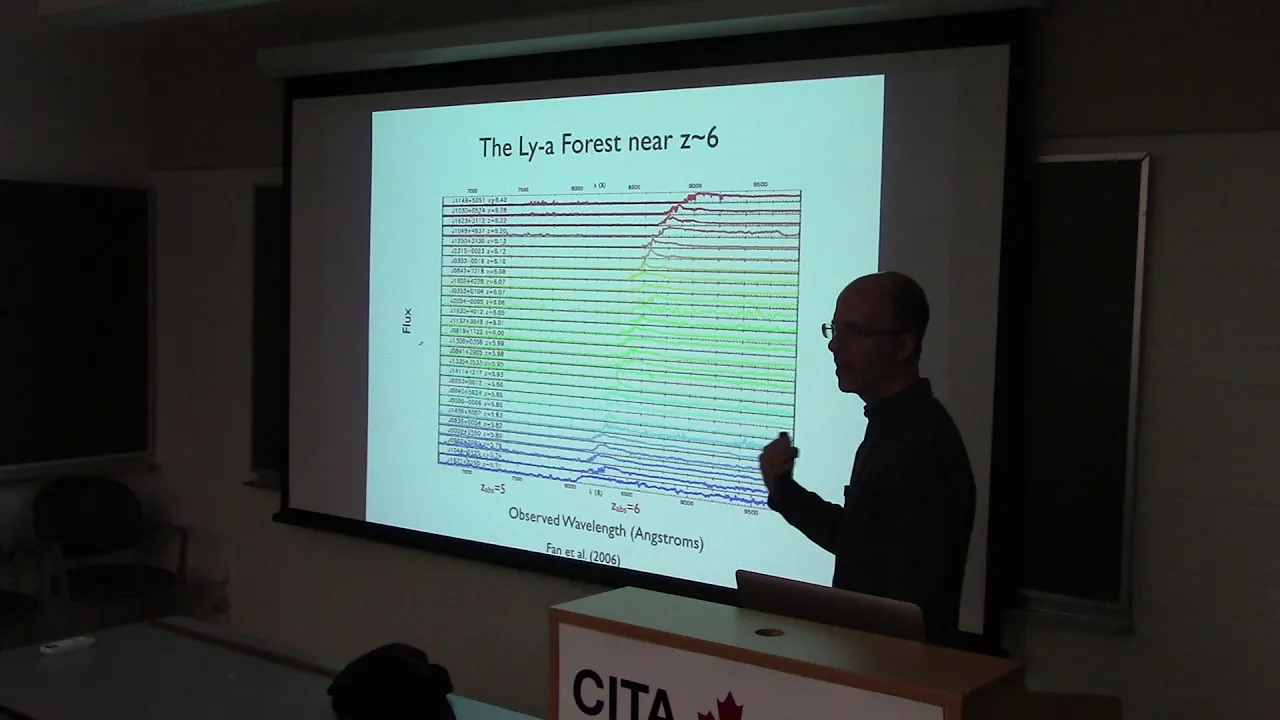



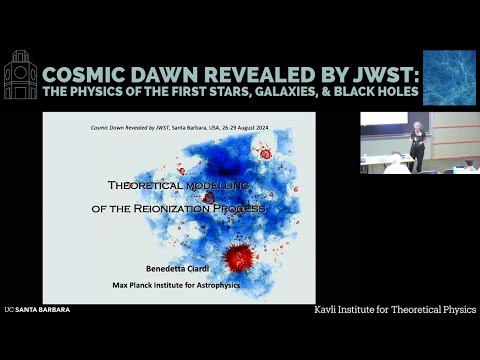

Cosmic reionization is the epoch when the universe transitioned from a neutral to an ionized state, occurring approximately 400,000 to 1 billion years after the Big Bang. This global phase transition was primarily driven by the first stars (Population III) and subsequent galaxies, which emitted ultraviolet radiation that ionized the neutral hydrogen gas filling the cosmos. The process began around redshift z≈6-7 and completed by z≈6, representing one of the last major transformations in cosmic evolution. Observational evidence for reionization comes from multiple probes including the Cosmic Microwave Background (which shows Thomson scattering imprints from free electrons), Lyman-alpha absorption systems, and the 21-centimeter line emission from neutral hydrogen. Understanding reionization requires connecting theoretical models of early star and galaxy formation with observational data, as direct observation of these early objects remains extremely challenging due to their extreme distances and faintness.
Reionization: Physics of the First Stars and Cosmic Phase Transition
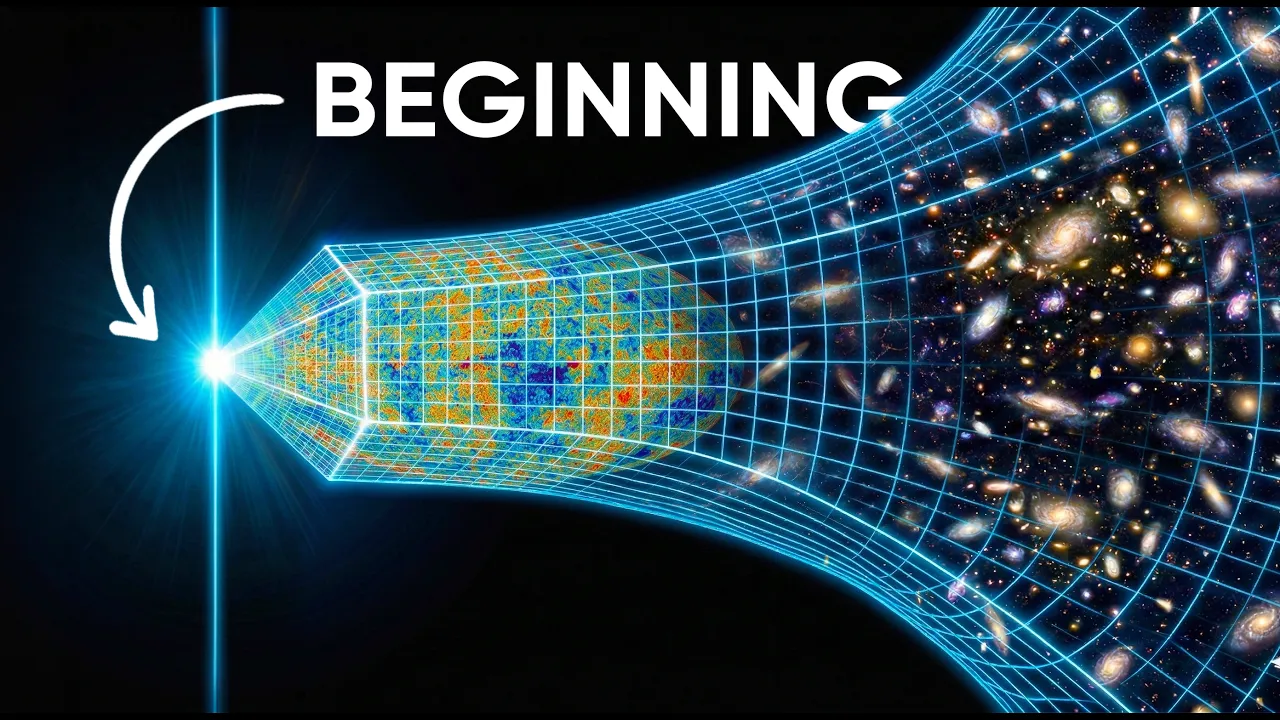
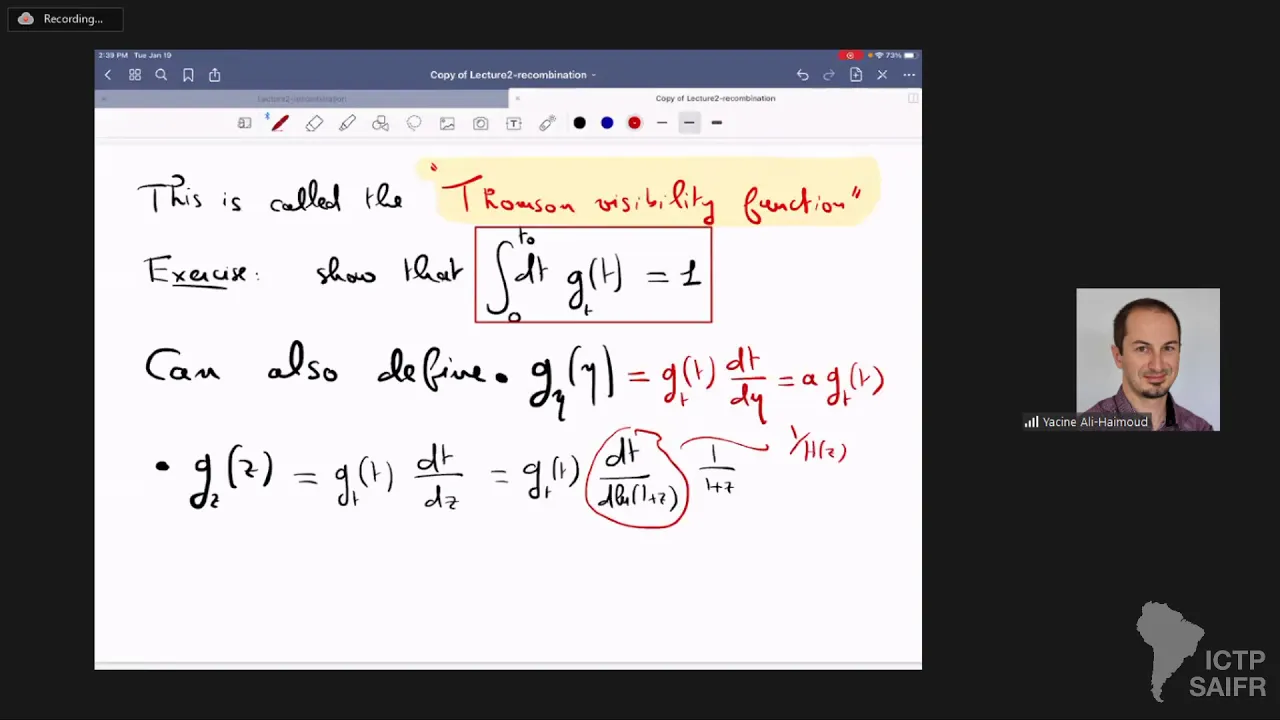
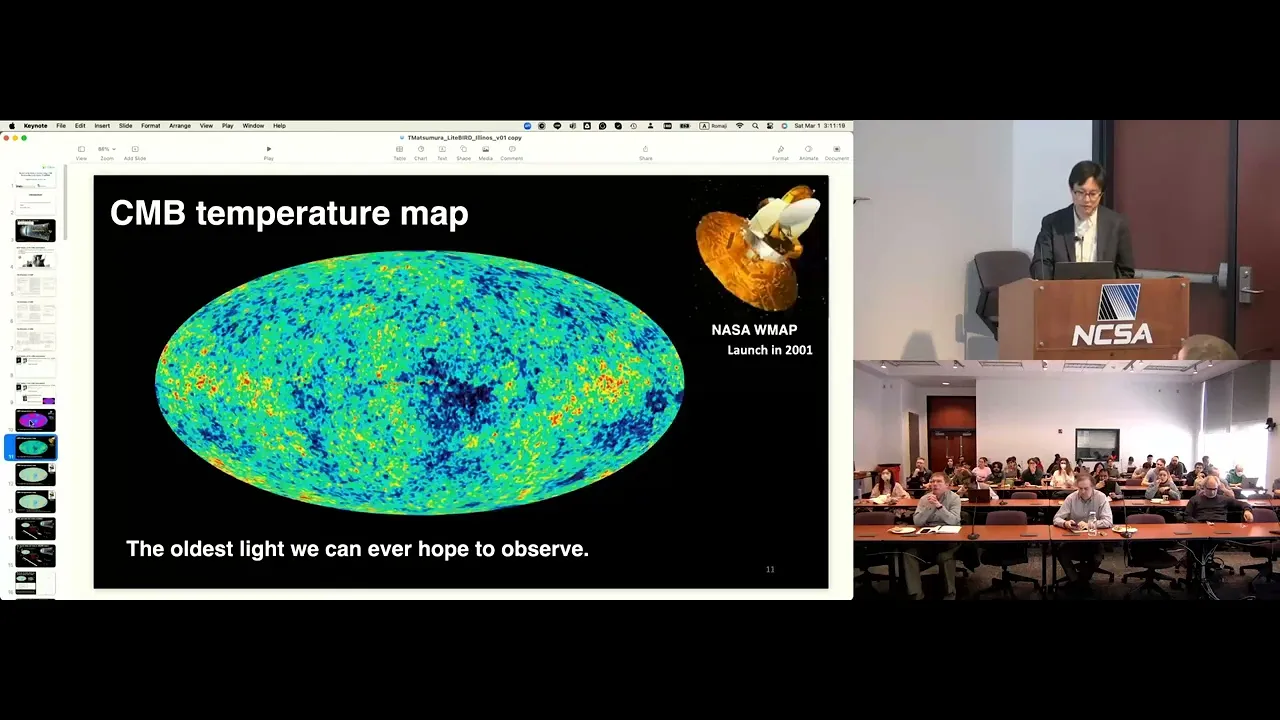
Added:okay welcome back it so one announcement that after this lecture we will have the group photo so please come and come to the picture so we have a new course the one on realization and the speaker is having the Ruby thank you it's pleasure being here thanks for the invitation to give these talks I I realize that I'm one of the last speakers in this series and you are really tired so I've tried to be as entertaining as I can given the topic I will I will go mostly I mean my plan in this is to give you a flavor of everything not to go into details too much because otherwise you will get lost in details maybe I will start with a very kind of sketchy way of describing the first stars I mean what is this epoch how we understand it and and a little bit of theory our theory is mostly simulations in these days and then move from that to observational props of reorganization and the focus of the second one probably the last lecture will be the 21 centimeter probe which is this very exciting probe then that's what makes which thesis okay so I'm sure you have seen this picture many times this is the history of the universe this is one of these renditions I think this appeared in science magazine and I like this one specifically because it has so much details but it doesn't different it's not different from the other kind of images of this this is the universe history as we understand it is the Big Bang or you know kind of day and their inflation happens yeah and this is the same be the last scattering surface for my purposes before the CMB everything was a big and ionized right so that's that's my that's why I show this and so the CMB you have the separate number of lectures on it this is we know incredibly well the wealth of information from the CMB is unbelievable if you started when I started in this field when I was a student when I started seeing be fluctuations were not discovered yet right I'm that old and in 92 Kobe came up with the fluctuations and all what we knew about was the amplitude of like fluctuations there were many many many papers but the only real information in the Kobe papers which are many is that is the scale of the fluctuations and then other other experiments came came by and so that showed us this incredible detail it's it's the gift that keeps giving and we'll be giving for a while so CMB is very exciting but for the purpose of this talk the scene B is what the universe became it's the last scattering surface the decoupling and recombination that's when things became neutral hydrogen became neutral rough you know at most there's still some small fraction of of ionized stuff if you if you were if we were to live there then the CMB if humans were there and they would look at the scene be the CMB is about you remember what's the same B temperature now it's about 2.7 3 Kelvin this is rich if roughly 1100 1200 so we are talking about something of about 3,000 degrees temperature it's kind of reddish right so if we were alive then you will see the universe it has a color it will have a color of red right that's it's like just something that helped me at least understand the same be the same be if you want to think about the same base like the inverted Sun the Sun we see only the the last the chromosphere the last stuff that releases photons everything inside is like daily universe right all what we see is this crust of the hot initial phase of the universe and it's very similar in terms of physics this is Thomson scattering so it's not very complicated anyways after this face the universe keeps expanding and of course this color of 3,000 degrees red shifts a little bit more and a little bit more until it cause until it goes out of the optical right it becomes infra red and then we stop seeing it if we were alive then that's why this face was dubbed the dark ages because if we were alive who would see a dark right there's nothing of course there at this stage there are no stars no galaxies immediately after after the last scattering surface and the nervous becomes a very boring thing there's nothing except the gas that is geometrically evolving and cooling this is not completely true because the fluctuations that were seeded by inflation have time to grow you through gravitational instabilities and at some stage these things become so nonlinear that they start forming galaxies zones and stars first stars and galaxies and those will will emit UV radiation either in their first regeneration or second generation of stars and they start ionizing their surrounding and the universe will become ionized the game and this phase starts here so if you remember this is when the universe was 400,000 years old roughly three hundred seventy eight thousand years old this starts when the universe is half a billion years old so this is about the time fraction of a thousand roughly in terms of in terms of this evolution and this basically plunges the universe in this one of the last phase transition in it where the gas goes from neutral to hydrogen to ionized this is the Evoque transition it's a global phase transition it's interesting for cosmologists because it's a global phase transition it talks about the universe as a big thing it censoring it as this think of it is interesting Forrester astrophysicists because this is where Astrophysical objects started this is when galaxies started and and and and star started so it's a significant event in many in many ways in other words this is when baryons became very important in the illusion and producing things so so it's it's it's a very exciting epic and the universe before it and after it goes from the unfamiliar to the familiar the universe before it that doesn't have so many galaxies it's just something that is very weird after it it becomes having galaxies and stars it becomes familiar to us it's like the universe now of course not exactly but but in rough terms now so this is in terms of that why this is interesting the other reason why this is interesting is that we observe lurid shift stuff very well we have telescopes that go very you know up to achieved six relatively routinely but after this redshift this is roughly achieved six and and we'll come to that in detail after this redshift it's hard to for our telescopes to go there there's some data now which has been a very exciting development in the last number of years but but it's it's it's a kind of a slow progress the next piece of information after age 56 we have Richard 1100 so there is this huge lack of information about a big chunk of the evolution of the universe which we would like to understand to put everything in kind of to tie the picture in a very coherent and and systematic way okay so this is my story if you don't take anything from my talk take this one and that will be basically enough to give you the the flavor or the big idea of course there's lots of details and I will lie to you if I'll say that we understand everything we almost don't understand anything in the end days ever we have lots of speculations lots of because of the lack of data but this is changing this is changing a lot and I'll try to convince you that we are starting to understand what's happening and in the future we'll understand much more given the excitement of new new projects I'm very formal in my way of talking so if you have a question if you have anything that I say that is not clear or please please talk and ask okay so we start with the sources of reionization and if I would ask you what we do you would think the sources for ionization are the simplest things is the first Stars the galaxies right that's that's the thing that we see around us this epoch of redshift six seven that you will see why I'm keep mentioning this stretch of six seven is where galaxies start popping up and we start seeing them then they are the most kind of normal candidate their energy output is huge they can do this realization quite easily or relatively easily etc however they are not the only candidate they are the most favored candidate and probably they are what ionize the universe or most of it but there are some details which I'll kind of touch upon more than touch upon a little bit talk about population to three versus population to stars that different types of stars I'll come to that these population three are the primordial stars there are stars that are made from the primordial mix of gas which is hydrogen and helium they don't have methods metals for us is anything you know kind of heavier than helium right so that's and pop to our our what we now call pop to there are all stars around us that these fans they were young stars and and this is the competition and who ionize the universe is this one or this one most people think it's this one it's what makes more normal galaxies but those have played a very important role they they came first and then made way to do that to the pop to that would be part of my lecture today there's also other things like us owes or faint agents what we called many quizzers these are sources that are fed by by accretion direct accretion of mass so there are Christian dominated sources and they are not thermal stars are thermal normally they they follow Planck closed Planck's law normally edges and quasis emit things in terms of like power laws mostly right they are they're very high and they produce hard photons like x-rays we don't know much about them at high rates but in recently there have been a number we you know and I'm of quasars discovered that I redshifts and there is a speculation that maybe the faint quasars are there much more there than we expected so they might have played a role although there are limits there so I think that consensus is that QSOs and faint Adrian's did not ionize the universe but they played some role maybe some 10 20 percent they play the role in heating I'll come to that hopefully in the second or third part of my my lectures there's also x-ray binaries witches are also kind of something that people consider but there are more exotic things like dark matter and inhalation and more exotic scenarios like primordial black holes and stuff like this these are I will not touch upon these things too much but again the consensus is that they don't contribute much if they are there we can use ionization if we understand it very well and see the history very well we can understand it we can use it to constraint these these processes but not the other way around so so I'll focus on the conventional pictures but this is to mention that there are other things now so let's start with the first stars this is a big topic and its monthly mostly done with high high resolution simulations and I will not plunge on into it too much but I'll give you the basic physics of it just to give you the flavor of why why is it different then so so the first generation of stars is formed with the primordial mix of gas and the primordial mix of gas had only hydrogen and helium a bit of lithium but that's almost negligible but it's it's hydrogen and helium can anybody tell me if you are not in the field don't answer this question yeah why why is why is it unusual to I mean why this is different from a normal star that that a star that has hydrogen and helium alone will be different than a solid the Sun that does anybody know yes or for for him for the producing the heat in the side the Sun that's the cenote well that's that's true but most the the dominant thing is that it's the hydrogen burning less it's not in there yes they are big in size as a consequence of the physical reason that's why I am saying right yeah so that's the right answer I'll explain it in detail so when you the way things stars form or any kind of these gravitational systems were formed at the end to form something that was baryonic at the center you start with gravitational instability things collapse but at some stage if you have baryons things heat up because you push everything to the center once things heat up pressure prevents things from kind of things collapsing more that's what happens in galaxy clusters galaxy clusters actually the gas is distributed almost as much as the Dark Matter actually dark matter is a little bit more concentrating than gas in these systems so in order to form things more to have to have things condense more the gas has to lose its energy and the way gas loses its energy is by in astronomy more in most processes is there are number of processes but the dominant one normally is relative cooling which means if you have a quantum system at an atom it gets excited from the heating to higher energy levels and then it gets the excited when it's the excited it emits a photon that can run away from the system this is the cooling so you lose energy by this relative cooling process in primordial mix when you have only hydrogen and helium and here in hydrogen is the more important one the first level of excitation is lyman-alpha Lyman alpha is 10.2 electron volts then point four ten point two I think involved if you translate that to a mass if you ask what hello when things collapse they they heat up so what mass of a hello that would collapse will get to that temperature 10 to the 4 it will be huge it will be 10 to the 11th into the 10 solar masses or 10 to the 9 solar mass that's a very big mass to have before starting forming stars I'll go into that in detail but the point is that early in the universe there were not so many of those very big hellos there was not enough time to accumulate so much mass to heat up these things so so quickly so that's why forming these things is very hard it's not easy whereas if you have a little bit of metals fine a bit they have different energy levels much much lower and through these channels energy can escape quite easily so radiative cooling is way much more efficient you only need one in a thousand to become a normal star so these stars if they form the expectation is the initial expectation was they will be huge because their cooling process is very it's very hot so that's the reason first stars are different than normal stars okay so this is the cooling issue there is another issue now lettest let's assume that you managed to get a mass that is collapsing and cooling efficiently how from that you would form a star this is gas that is kind of contracting how from that you will form a star then there is lots of gas and the competition then is is as follows it is between the collapse time of the hello right if the collapse time is very fast that it leaves very little room to other things to do stuff but if the collapse time is very long then compared long and and short always always in comparative terms almost always in comparative terms relative to the local cooling so if you have a gas that is contracting and here you have a parcel of that is cooling very quickly so what will happen in this one in this very small parcel it will cool down and it will condensate faster than the rest of the gas that is collapsing this is how you fragment stuff right and if you go through it I mean that's the theory in rough terms you should get star masses that like that we observe in our surrounding so it's a competition between the collapse of the big hello and the fragmented the cooling time that fragment stuff locally if the cooling time is shorter you will fragment to smaller pieces if the if the cooling time is large you will not fragmented morning missus the problem of these systems if you have hydrogen alone atomic hydrogen the cooling time is not very efficient why and unless you get to these very very big masses so if you produce stars there will be huge and people started talking in the beginning at thousand solar mass like a star or hundreds of solar mass stars now it's different I'll come I'll come to it so so pure atomic hydrogen I didn't mention helium so much but hydrogen dominates everything here pure atomic hydrogen has a problem it's very hard to understand how things would form and I'll go through details a little bit to clarify this picture and then I'll I'll talk a little bit about what well at the end what does it do the rest of the idea especially in terms of population two stars okay so this is the cartoon you start from an over density and at the beginning and then dense thing becomes denser this is gravitational instability and then when once thing becomes very very peaky they go nonlinear and form galaxies so that's the the initial picture and even in nature that gets rich gets poorer richer and the poor get poorer that's kind of it seems like everything is unfair in the world ah that's not working no it's working so this is the cartoon that I was there that I was talking about if you this is the this this it's this kind of cloud that is that is collapsing and as it collapses it it heats up and then you need to radiate this heat up to get more condensation and then fragment to form stars right so these are the three things that we have three or four things that we have to worry about to work these things in detail that's that's difficult because you have to go over many many scales so to to simulate something like this you have to start from cosmological scales - down to large-scale structure things down two galaxies down to the stellar scales and these are human and down to even more so that's a huge range of skills so to simulate this thing was not easy so the first the first set of simulations was a big a big achievement so this is the picture now I was counting on the fact that you will learn something about projector but you haven't in this in this course so far they have Oh excellent excellent so so you have you have heard about the projector so this is so this is taken from this review and then from bark and I and lope we're so here what you see is the mass in terms of solar masses versus that the mass fraction in hellos and and and you can see that you know so that's the mass fraction per per megaparsec cubed and you can see that big masses like like so this is red shift sorry so this is red shift zero here and this is rich if 30 I think that's the that's the and you can see that at higher chips these are the high red shifts ones you don't have large masses of halos so most halos at at the beginning at higher chips are small too small to make too cool hydrogen right that's the argument of the cooling before actually this looks like most initially you would see that most of the mass is in this small halos because you have so many of them but that's misleading actually most of the mass is at the break right that's the press sector kind of so there is M star which you have defined I hope the typical mass at some certain redshift most of the dominant mass at any red shift is that M star although smaller masses will be much more abundant there we have much more of many more of them but the big ones are the ones that matter in terms of mass okay so this is the point I was trying to make that at high redshift you don't have enough mass to cool to perform hello's that have temperature of 10 to the 4 Kelvin so this is another this is another kind of it's the same kind of work done differently so this is that again that's mass as a function of redshift this is for a standard model this is the one Sigma 2 Sigma 3 Sigma fluctuations let's focus on the 1 Sigma this says that at redshift end you will have masses of order the dominant one will be 10 to the 10 to the 2 and anyways you will have these very big masses 10 to the 10 to the 12 only at very small Richards right at 2 & 3 Sigma fluctuations you will get more here there are two lines ignore this for the time being I'll come to back to it later this is that the atomic cooling line so this is below which below this there is no atomic cooling that is efficient and you can see that you form very little mass that that is cooled enough to form this stars with h1 this is the temperature again here you have two lines I don't know if you can see them this is in Sion from here I can but I don't know from the back it's from the paper itself sorry about the color I couldn't change it in time and so you can translate mass to virial temperature there's energy considerations and this is that 10 to the 4 solar mass 10 to the 4 Kelvin that's when h1 cools and and you can get this lyman-alpha cooling they let you ask in a second so this is it again below this there is no efficient cooling above this there's no there's efficient cooling and you can see that if you consider the one sigma thing the organization should happen or kind of sources or galaxies should all deform at very low redshift so this cannot be the story so there it must be something else yes this is a this is no no this is from theoretical kind of grin so I mean it's the projector formalism so you assume that the universe is Gaussian and you assume that things above a certain threshold in fluctuations can you know Kangol and linear it come again no no I'll show you where it comes from it's from simulating the cool simulating it's from calculating the cooling times a function I will come to the cooling function there is a cooling it's a very long calculation but cycle collation not a simulation or something I cannot I cannot here right this one this is mass fraction in MegaPath so it's 1 over bigger particles it's number the number density if you see with if you want with different with certain mass mass hello masses ok ok now I come to the cooling rates so the cooling rate is this is the famous kind of function so the cooling rate of H 1 star that has or a cloud that has only helium a hydrogen is this is this red thing and you can see it has a wall here at around 10 to the 4 this is the lyman-alpha cooling this is things going to the lab first excited state and going down right and you can see that it doesn't cool below 10 to the 4 back this is where 10 to the 4 is and 10 to the 4 basically corresponds to very massive stuff so you have to wait until very massive stuffs comes so that you can cool but then something else comes to the rescue and this is kind of has been the breakthrough in the last 10th when yes is that it's true that we only have hydrogen and helium but hydrogen in certain conditions can go from atomic to molecular hydrogen prefers the molecular kind of phase in normal circumstances in very early universe that's not the case but but you know in high densities that would happen some fraction of the will of it will become molecular and molecular hydrogen is different than atomic hydrogen why because molecules have vibrational and rotational modes they have much lower energy transitions therefore I can cool much easier than this jump this huge jump this is I think assumes that one in a thousand of the hydrogen gas is in a molecular phase and you can see that the temperature drops from 10,000 to a few hundred a couple of hundred so I can cool things with hellos that are a couple of hundred and that if I go back these are these lines so before with the h1 I could all see see I could only conform galaxies with these very very you know kind of hot things or here very massive things but with h2 I can go now to halos with of order 10 to the 6 10 to the 8 solar masses which are kind of much more abundant at these hydrogens okay so that's the physical picture that's why this is very important now to calculate yes come again yes that's that that's the h1 cooling rate if you only have h1 is hydrogen atomic hydrogen that's what I mean right the blue dashed line is when you have a ch2 Molecular molecular not the Astronomy is confusing well now you have molecular hydrogen okay it's - is that real - not Roman - yeah so okay so so that's what saves you so that drops you're cooling from this 10 to the 4 to 10 - which means that much smaller hello's can now cool and fragment and collapse okay more questions that yes yeah I mean this is the it's the cooling curve is kind of there's a range of energies that it's efficient more efficient here but it has a sufficient tail at lower energies okay yeah yeah why is it because it has these vibrational and rotational so so you don't need to push an electron to the lyman-alpha the fact that the to do this can absorb some of the energy and then emit it as in photons that are related to that transition which is much much smaller energy yeah so you can do it much easier actually this is what we see in local star formation starts locally formed in molecular clouds what we call you need molecules to do that and that's the reason it's easier to do things with molecules so this is one of the not the earliest paper but this is one of the pioneers a paper by one of the pioneers for Karim I mean the first people to calculate this is Brahma and Faulkner Brahma and his and his collaborator and automobile and his collaborator and they often produce these things and this gives you the the scale of the issue why this is so complicated to simulate so you start from three hundred parsecs actually you should start from tens of mega parsecs but then you zoom on to five power 625 solar idea and then ten au at nominal units this is a huge resolution and to do this this is an achievement and the way they did it mostly is with am are adapted mister time refinement kind of techniques but i think those guys use mostly gadget so there are a few few ways to do this and you can see that you start from a cloud when you kind of go down and down and down you can actually see the accretion the accretion phase that builds up the mass at the central at the central point here we don't have more resolution that you can see but here there is a center and there's an equation phase and even kind of kind of odd would you call try the spiral spiral arms kind of and where where the star forms that's also also another issue so that old picture was the initial stars form at the center there is a study that I'll show in a second that shows maybe the stars not form in the center but in these in these in these waves of gravitational kind of arms where you have higher density and then you have more probability to do stuff and the difference is that if you form things here then the mass will be large if you form things here the mass of the stars will be smaller so that's that's the difference so this is a study in the same year here you see one star forming in the center here you see this fragmentation in these in these spiral arms why why people do this because we want an idea how massive are the first objects right so I gave you this hand waving physical argument but there's lots of more details there's things that have to do with turbulence with with angular momentum with magnetic fields which nobody touches of course that's that's too difficult to do to do so there's lots of details on top of the cosmological kind of simulations that you need to do the hydrological simulation to reach this resolution so there's groups don't necessarily kind of agree but they do these things to have an estimate of what is the mass of the initial stars we thought at the beginning of this field that they will be either 100 solar masses 50 solar masses if these fragmentations are correct we can get down to 10 solar masses it becomes much easier to make them right and that's that so there is no consensus yet as far as I know about what is the right answer because again this is complicated stuff but but people are doing this and it's very interesting field and it's incredibly exciting actually to do this and lots of physics lots of other things when these things form for instance black holes early on so that's another kind of thing that I'm not touching on but they the frustrating thing about think about these things as much as you would like simulate them and and and see them in simulations we we probably will never be able to see them directly because they are really at the center of these of these we don't have the resolution to see something like this at the age of 10 11 15 or 20 this is kind of that will never have in the future so will have their collective effect but not individual effect some of the issues we will have to see to sort you kind of sort out indirectly okay so to summarize this and put the steps that in terms of the further evolution so the the population three stars are expected to have masses now we think is 10 to 100 how much at the high end how much at the low end there's lots of debate but this is the range just to give you a number I saw a star with 20 solar masses would live for anybody knows how much what's the lifetime of a star with 20 20 solar masses and it gets 1 million 1 million year that's it so it's very soft we have talking about billions of years right it's very short so they live and die very quickly right so so that's one thing the other thing is that if that's the range of masses 10 to 20 10 200 we will never see them now because they will be dead long long long long ago right now the universe is full of metals it's contaminated all of that stuff right why they are important so do they ionize the universe by themselves they are live very they are massive in their life they produce a lot of UV does I mean massive stars produce UV normally ultraviolet radiation ultraviolet radiation they then they explode the Khan that the iGEM etc but because of the short pine life nobody expects them to ionize the universe by their own their importance actually we think there's some kind of discussion is the fact that they contaminate and there's feedback effect from them that contaminates the rest of the universe the feedback and contamination gives rise to population to stars because when they explode these things after a million years in their centers they have produced new atoms now right nuclear and these have not helium and hydrogen anymore you'll have more things like carbon and other things and those are very easy to cool and they form much much smaller stars the ones that we are used to okay and those population two stars which don't have too much metals but they have metals they produce lots of UV their numbers are large the masses that of the galaxies that they kind of the number of galaxies that they can form on is now much larger because they don't have to form in the highest peaks they can form in the lower peak and those can ionize the universe so this is the picture we have now they do something else they produce Lyman Vernor photons lament for you for those of you who don't know what Lyman remember photos these are photons in the band between 10.2 electron volt and thirteen point six electron volt so this is between the lyman-alpha and hydrogen and the continuum and those if you have them they will they will destroy molecular hydrogen so once they produce them the smaller hellos that didn't produce anything before and they were going to produce population three stars cannot do it anymore why because this radiation prevents the formation of molecular hydrogen so this is this is a very you know kind of complicated process and it's point it depends where you are in the in the in the density field but but this and they finally after all of this process which is this is very schematic this is oversimplified I kind of emphasize this there's lots of details lots of work here that can be this finally create stable galaxies where they're virial temperature is 10 to the 4 and and something like that yes please high density basically there is this a process if you iron eyes I mean it's it's kind of filter so that they can form through a channel of ionization so your own eyes and then so I didn't want to go to these details there is a kind of schemes of how things can go so you ionize one hydrogen and this ionized hydrogen kind of sticks to another neutral hydrogen and that's how you form it but it needs high densities and it needs normal temperatures not not completely so there is lots of conditions I mean this is I'm trying not to go in too much into details I mean I hope that's the right decision I'm not sure okay so I'll show you a moving out but I would like to ask people to turn on that turn off the light Thanks so this is finally after all of this we have normal galaxies kind of and the question is how these normal galaxies ionized the universe this is a simulation that was done by Marcelo Alvarez and I think Tom Abbott was involved this is God's view here in the sense that if you stand outside the universe and look at it from outside how will you see the process of reionization happening right so you see here about there's this a cube here you it's very you know you can make it out and basically you can see it and these are the first sources of ionization and you will see how they evolved now it's a bit delicate did it work yes so you start seeing that these regions around these first galaxies gets carved out with the ionization radiation and this ionization radiation increases the number of sites where you have these ionizations happening increases and it's a slow process relatively but but bit by bit it fills the whole universe until it bits there's a percolation process here you can describe this a percolation process those of you who likes that mathematics can can describe this as a percolation until everything ionizes that yeah the blue stuff is in our stuff basically and you will see the galaxies at the end appearing as points kind of white points but this is the process now we don't know a lot of details so these are the galaxies that did the whole thing now you can see them that's how it started and that's the universe that we are left with left with we don't know let me just run it again so that you can appreciate it we don't know exactly what are how fast this process is what's the you know how efficient these things are because you produce UV photons at the Stars level but for these UV photons to go out to the intergalactic medium itself and and ionize things it needs to escape there is something called escape fraction which is a whole kind of forms that people don't really understand how much of this for these photons go out what's their fraction and and so this will set up how we'll decide how much of this we will see what's the efficiency of star formation at these modes of forming stars also we don't know so this is you know kind of an educated guess but this is by no means something certain right the time there is a fine there's normally they put a red shift somewhere and they tell you this is will take a rich to - red shift bins or something like that but don't believe any of that stuff we really don't know okay questions so far am I getting the right level of things are people following or I'm too simple fine people certified and if you are happy okay good oh that's that's huge yes please yeah well I there now let me let me remember I can't remember exactly what the red is the I think it's the it's the range of temperatures that you have in that gas after it's ionized so initially it heats up but towards the end it kind of gets cooled and you can see that it's cool that's my recollection this is all the old things so I apologize if I didn't answer it correctly okay so now I move to more yes please no no I mean I mean this is not what I said we don't think it is the main source of ionization it can absolutely it produces a lot of UV and it can iron as it's running but if you go through the numbers of how many hellos with this mass and that will become it doesn't add up right but it they might be the own you know we might have surprises and actually there are indications that we might we are we have surprises but but they are not completely clear this is I'm telling you what's the conventional wisdom but with it whether this is true or not it's not clear yet this is an open field so many of these things are not sent with certain okay so now I move to observational things and to talk about more questions before I move to this is it fine okay so so there's lots of lots of observational probes and I'll start with with observations that we already know and what we already kind of learned something from and you will see it's it's it's not much but it's improving a lot and in the future we will have much much more handle on this whole process there's it's a it's a long laundry you know it's long list I'll start with the CMB actually you heard about it I'll go a little bit into detail why the same business can tell us anything about realizations so that's that's the first thing a little bit in terms of the physics of the CMB I'll today I'll tell you a little bit about the lyman-alpha absorption systems how they teach us about about reionization I mean alpha emitters and probably I'll start talking about the first galaxies sorry the high the hydrogen galaxies that that are also that's something that has been very active in the last decade less actually and but there are lots of other things that one can talk so I'll focus first about the CMB and these things and later I will talk a lot about the 21 centimeter emission okay now i'll this shouldn't be here this should be somewhere else I'll move it later for some words right so let me start with the same be why the same be tells us anything about reorganization right so that's that's the few the few slides that that will come this is an old topic that you can see from the papers some of them go back to 1994 but most of this is where most of I think this paper where most of the physics is laid out quite nicely there's another nice review and the results are so this is the theory and the results have been coming in recent years especially with W map and recently Planck and hear how I mean this is a schematic picture now this is kind of the opposite picture that you see the Big Bang happens at this at this circumference of this of this of this circle this is the last scattering surface right this is where we start seeing the CMB and photons from here come to us and then will come to us they come to us most of the universe as we said is neutral until you they we start ionizing the universe at low rate chips when you're in a sense you have free electrons free electrons do interact white effectively with photons Thomson scattering basically it's a very simple process so from realization to us there is additional scattering of these photos this additional scattering is leaves imprint on the CMB kind of measurements it's a secondary process it's not primordial it doesn't happen here it happens on the way of these photons to us that's what we call it secondary but it happens and that's why we can from the CMB say something about the ionization because it tells us something about where this happens of course this is the wrong picture this depicts things happening suddenly here at the realization transition doesn't happen suddenly it happens gradually etcetera but this is the picture and it turns out that it influence it influences things right so so this is you have seen something like this in the lectures of the same P so I don't need to go to too much details but the dominant the dominant contribution happens basically due to Doppler shift of the scatterers so you have a electron that is moving and you have the seen before tone coming and the fact that they interact it basically scatters the photon and changes changes its temperature a little bit so you see some fluctuations in the in the temperature and this is the this is the equation that's the Doppler kind of effect of the temperature this function is called the visibility I don't know if you have if you have seen it and which is basically the optical depth of four Thomson scattering multiplied by the velocity right so this is the process I think this is the mathematics is nice but but it's the intuitive understanding is the important one it's the fact that you have scattering of photons it destroys their coherence because they scatter so that's that's the main effect so let me show you so this is the visibility function that I mentioned that go into this calculation but again this is not that it's interesting if you want to know the details but the çal picture is very simple the physical picture is as follows and these are the two things that you that I will describe so the physical picture is as false you have the same be the same B we see through this power spectrum which has these kind of parse power at different scales these are coherent because you have power at different scales it means that you have coherence of fluctuations at certain scales right otherwise the Queen's destroys there's no correlation at these clips now if you have photons that scatter a lot before they arrive to you that coherence is destroyed because they don't come to you all of them some of them scattered their something and if the process is very efficient most of them scatter that will destroy the whole coherence so you should not see the CMB as we see it so this figure this is an old figure from Sugiyama 1995 who was one of the pioneers of this and he shows the power spectrum that we now all know and love as a function of how much optical depth for Thomson scattering there is on the way in other words how many free electrons on the way of the same bee to us these photons see okay so and it starts from zero which means no array no reai inhalation whatsoever the universe is neutral until now and this is what you should see which is roughly what we see now if you go to 1/2 you will see that the coherence is getting destroyed and means the amplitude is going down it doesn't happen at the large scales because this is beyond the the the causality scale right the you know the LOL of 200 that's where the the the the light horizon at at at at recombination so that's not affected at all these are happened at cogent kind of things but you can see that the coherence gets destroyed in other words the amplitude goes down and and the smaller scales affected more than the landscapes if you have larger and larger and larger and look at a tool if you have things that are completely an ionized this will suppress completely these fluctuations the CMB would look like this so the fact that you see don't see this means the universe has very little new ionized have very little free electrons on the way from the last Catharine surface to us it tells us one thing that's the first thing you learn from the CMB that's almost nobody mentions normally which taken for granted the first thing you learn from the scene be that the universe became neutral at some stage that's the first lesson from the scene be right it also teaches us about authorization but the first thing because you see this it means this these effects are very little right so the universe became neutral at some stage so that's very important bit the second thing so so we are not at these levels absolutely not now what happens if the level of ionization is smaller so you go from this range of point zero three this is from I should I forgot to give the credit this is for an Tony Louis here I should give him the credit for this for this figure this goes from very low Tao to very large Tao low-tom means low number density of free electrons on the way and large Tao is louder it's still not very big I mean it's nothing compared to these numbers and you can see that the shift there is a shift so this is the influence of these ionizing photons on that amplitude of the CMB fluctuations right the temperature fluctuations I haven't talked about polarization yet okay so you should expect an effect on the amplitude of their fluctuations so that's the first thing now these things do more why do they do more now let's kind of make this this this model a little bit more simplistic let's assume that you had the scattering surface from here that the photons come and then suddenly see a cloud a stretch of 10 of ionized stuff then you can write this visibility function that I talked about before as as this combination it's the it's the probability of transmission so the photons that come from here will kind of continue that's the probability that they continue plus the scattered stuff right so that's the that's the photons that come from here scattered into our directions etcetera so that's that that's a picture that we can live with and we can calculate all kinds of simple things here but you can see that this term that comes from here is very negligible these are the photons that are scattered from the CMB they were coming in that direction and then they hit this ionizing ionized stuff and they came to us right so this is very small so that means that this ionization stuff is not that that large so that's another kind of way of saying the same thing now let's look at polarization so ionization should reflect itself in that temperature fluctuations now we will talk about that polarization itself which is much more sensitive that's why people as you can imagine because people mentioned mentioned the Tau in the same breath when they talk about polarization so normally the CMB is polarized why is it polarized anybody knows because it's Thomson scattering right you have a little bit polarization before it will stay remain polarization it polarized it kind of maintained polarization any pretty scattering process produces polarization scattering of light over water right that's what you want you need your Polaroid glasses to reduce that kind of polarization so anyway so that's that's that scattering processes produce process or at least amplify them normally when you talk about polarization there are and now I'm throwing you back to your electromagnetic course there are four stalks rameters if you remember you normally talk about stocks parameters the first one is the total intensity that's the normal to experiment that stocks I what day is called and then there are another three the stocks Q&U that are linearly polarization by a polarized and then there is tox V and that's circular polarization circular polarization we will neglect here it's not important it it happens in certain circumstances but mostly we'll neglect when people talk about polarization in the CMB actually they don't measure the circular polarization there's nothing that measures it they only measure linear polarization and which means Q&U and here and you have different symmetries at 90 so this one looks like this this one looks like this at if you rotate by 90 degrees you get this this symmetry in both and if you rotate in 45 degrees you you do this and normal is the polarization angle defined defined in this way and polarized intensity what they call polarized intensity this P which is the amplitude of square root of Q squared plus u square so basically the amplitude so this is what what we use normally if you go to Radio Astronomy which I'll mention later these are the number the prop parameters they use CMP they decided to use something else let me do it here what they do in the same be they take a combination of Q and you and form things that called a and B polarization they are simple kind of linear transformations of these q on you what they do they reflect symmetries you combine q a new two for me in such a way that if you put a mirror on front of your universe make a parity transformation it looks exactly the same right the B mode is the opposite it's it's it's it's it's dope you know that the symmetry is is it changes changes direction so the sign changes right so you can form these types of it's why they do it because of practical reasons not because of fundamental reasons so this is I I took this I think from Wayne whose webpage I think this is an old thing so if you have two waves coming to a scatterer this is the electron in the electron frame of reference the electron moves up and down when you scatter so you know if it moves like this it will keep this in this mode it will go up and down like this now if you if you come from this side now I think I don't know why it doesn't have it but anyways so now imagine you have another wave coming from this side that does this and this one would also kind of have scatter over the same photon it will produce something something a little bit different so this direction if it's a little bit different than this direction the combined thing that comes out from the scattering will be different the combination of both so if this is different than this you will get something that's polarized right so that's the simple Thomson scattering okay now a and B modes I talked about them there's they are this is now they produce them I will not go into this too much so in the B mode there is a parity flip and in a mode there is no flip now if you look at the at-at recombination let's assume that this is the horizon scale of recombination we know what's the horizon scale at recombination it's almost 1 degree right it's the L of 200 it's 1 degree all of these processes that I'm talking about you know scattering Thomson scattering produces polarization that would happen within the within that cause you know causal causal distance right prime skill so at three combination I shouldn't see any polarization above well well I will see decay of polarization at scales larger than one degree otherwise a tells that are smaller than two hundred because they are not causally connected so there is no connection between the polarization there and the polarization there right so if there is no if there is no there's nothing else other than the last scattering surface at redshift 1100 the scale at which I should see fluctuations in the polarization is L of 200 and below in other words larger else smaller scales but not above because the above scales are not causally connected I took that one out right so I make a mishmash a little bit to show you the point I'm trying to make this is a famous picture from W map these are a number of different power spectra I'm sure you have seen something like this right power spectra of EE and TE did they follow or not yet did they see power spectra like this yes okay so if you look at the key mode that's the --mode polarization power spectrum that's the green one you should see that so this is the primordial expectation from the last scattering surface you see here fluctuations fluctuations but here you should see something that drops to this direction instead we see this point which is at L of few which means that we are seeing polarization happening at much larger scales whether there is something in the fundamental physics of of these things that we don't understand or the one degree on sky one degree is here right to remind you that's the one degree that's the peak that's the l200 after l200 it should decay because you don't have causal connectivity as they are you know they are far away from each other they don't know about each other polarization but suddenly you had this this measurement here right what does that mean so now I'll go back it means that the scale at which we measure that that we measure is not this it's much larger but but it cannot be larger than the horizon scale therefore it has to be at a different time cannot be at the last kettering surface it must be much much closer when the horizon has increased a lot to produce fluctuations on these scales this is why we get this very small effect at very small ills because the horizon later not a very combination at-rich of ten or twenty is much larger number you know thirty forty degrees rather than one degree yeah so what we measure is not the horizon scale at recombination but the horizon scale at or the fluctuation scale if you want at a three inhalation that's why this measurement is important okay so these are simulations that show you the very low multiples so if you go back to this normally this is the L of 200 it's here now we are going to be note in from 50 to 10 it's this that we should get right so let me go back so this is the CV itself the primordial CMB but if you have tau that is between point zero four and point zero eight these are the colors so this is point zero eight this is point zero four this is the effect of ionization on the CMB so it's only in this very very low mode that you see this effect that's why for instance such small experiments in CMB cannot see this they need you need a very large scales whole sky right that's why only Planck W map can't reproduce the stuff there are two effects there one is the amplitude the more tau you have the more free electrons you have you have a larger effect versus the you know the point zero four but there's another effect which is a little bit more subtle which is where the peak is the peak moves from right to left you see it right it also has to do with the scale when ionization happens so we learned something about it when from when it Peaks if we can model this kind of upturn very very well we can learn a lot this is a simulation this is the effect on the polarization this is the effect on the cross power spectrum of te so this is the e e the e mode polarization this is the T okay another thing which this is from Planck paper this is from last blank paper which gives this surprising result but this is all simulations so far and that the gray area here there is the is the it's basically the uncertainty that cosmic variance basically right I don't know if you can see the gray area but there is a gray area okay this is a word of warning which all knew we owned you for a long time but this is a but the Planck people did a very nice job in demonstrating it this is a number of different three ionization scenarios you can see this there is one that happens almost suddenly this red one raises and then a little bit more later that's this bit is the helium thing right if I mean we are talking about hydrogen alone but there is helium helium ionization later fully organizes later because it needs much more energy for the second electron to ionize the first electron organizes it almost immediately but the second one takes this is another kind of scenario where things ionize recombine and in ionized again all kinds of all kinds of scenarios right all of them you see them when you calculate their power spectrum they kind of almost lying on top of each other the same B cannot tell us the details it's an integral constraint it tell us basically how much of this scatters when it comes to us how it scatters it scatters here or here we don't know okay so when they tell you the redshift of ionization from Team B is 7 there's an assumption there and the assumption is about the history if I know free ionization they tell you it's a sudden realization or or kind of gradual or there is a some assumption it's a big assumption there you actually can produce this by having a very low level of ionization from redshift hundred to 0 you get the same result right there's no problem you can think about models like this ok so W map so I think I'll finish with W map and Planck I was planning to go more but I spend too much time on these things so W map the first W map result that came it was 2004 and in 2004 3 something like this they claimed that tile that they measured was 0.1 7.17 was huge was unbelievable and of course like you know like like in every other field theoreticians can explain everything and there were lots of papers explaining this upon 27 except that people kind of started and this is this is not right there's something not right with this turns out that that they had some problems immediately almost a year or two after that they reduce this number to point zero nine first point zero so there is a trend they started for point 1 1 and then point 0 9 and then point 0 8 5 8 8 something like this and the reason is this is a very difficult measurement when you do CMB and I'm sure you have heard there is four grounds that you have to clean in total intensity in the temperature these programs are much more handy you know there's underst well understood then in polarization polarization the sky looks crazy the the galaxy doesn't appear at the center alone there is these huge arms of things want something called north polar spear that goes from B of zero you know they sent the galaxy Center up and it's a very different game also they had some systemic issues in the data so this is the this was the best estimate until recently but clanks and then started getting results and Planck they have very funny names lollipop that means low L likelihood something probability and I think this P over were added to have lollipop and in the acronym something but it's it's their pipeline basically of producing stuff for us says this VHL that's the high the high l modes that comes from a difference so also from plank there's all kinds of things but they they produce this stuff which is way too small that's really small now we are going to dance so we start with one point one zero point one one seven and now we are up point zero five it's almost didn't they are you nice and tight shift six I mean then we are getting really a problem I was in a couple of months ago I was in a workshop on reionization in Munich a month so there's lots of discussion and the running joke was if we wear ten years we'll have negative tau because of that trend you know so that's which kind of anyways this is what tau is now this is this is the level of tau it's very small but notice the roll bars they are not that small so two sigma effect can take you these are they I think they are 1 Sigma 2 Sigma effect can take you back to point zero seven point zero seven five something like this which will so there is lots of uncertainty in this game and again this doesn't say much about the details it tells us only about the integral and if you take certain reionization scenarios something that so this is modeled like like a function like this where ionization happens so if you look at the neutral fraction goes like this where the center is the reorganization redshift and this is dealt as it right there's they have some sort of model there and they kind of constraint both I'll tell you what the difference between the green and and and and blue in a second so let's look at the blue the blue tells us that the reorganization redshift is about between 6 and 10 and but the Delta Z it can be from 2 to 8 you cannot constraint how oh yeah it can be very wide right for both scenarios the difference between the two is that the blue one has the data from the scene be alone this one the Green has another priority top priority stiix means that you assume something information that you know and the prior here was that ionization ends at reach of six by by by construction you see this is this flip here that says we ask it to finish at the age of six and it gives you this so it's kind of tighter constraints but again it's a it's okay I'll stop here tomorrow I'll continue with lime enough I took me more than I expected I hope but I hope I mean I care more about you understanding what I say then covering stuff so so I hope that's the right strategy and I hope you are enjoying it more questions anything before I finish ok thank you [Applause]
Up Next

Astronomy & Astrophysics: Early Universe, Gravitational Waves | Harvard Radcliffe Institute
@harvard
68.8K views•2016-11-07
First Billion Years of the Universe with the Square Kilometre Array
@iaaudc
121 views•2022-05-26

Kepler's Laws of Planetary Motion Explained (Educational Astronomy Video)
@Peekaboo_Kidz
404.9K views•2023-02-17
Gamma-Ray Bursts: Cosmic Snipers Explained | Astronomy
@kurzgesagt
15M views•2016-07-31
Related Study Plans & Knowledge Roadmaps
Structured learning paths in Astronomy