
























While stepping into intimate partner violence situations is extremely dangerous, bystanders can effectively intervene by physically separating the aggressor from the victim, using tools like OC spray for self-protection, and maintaining awareness of the threat, as demonstrated when a bystander successfully stopped a man from beating his ex-girlfriend by pushing him away and preventing further harm.
Bystander Intervention in Domestic Violence: Critical Lessons
Added:Understanding the psychological dynamics and behavioral warning signs of Intimate Partner Violence (IPV) and domestic abuse.
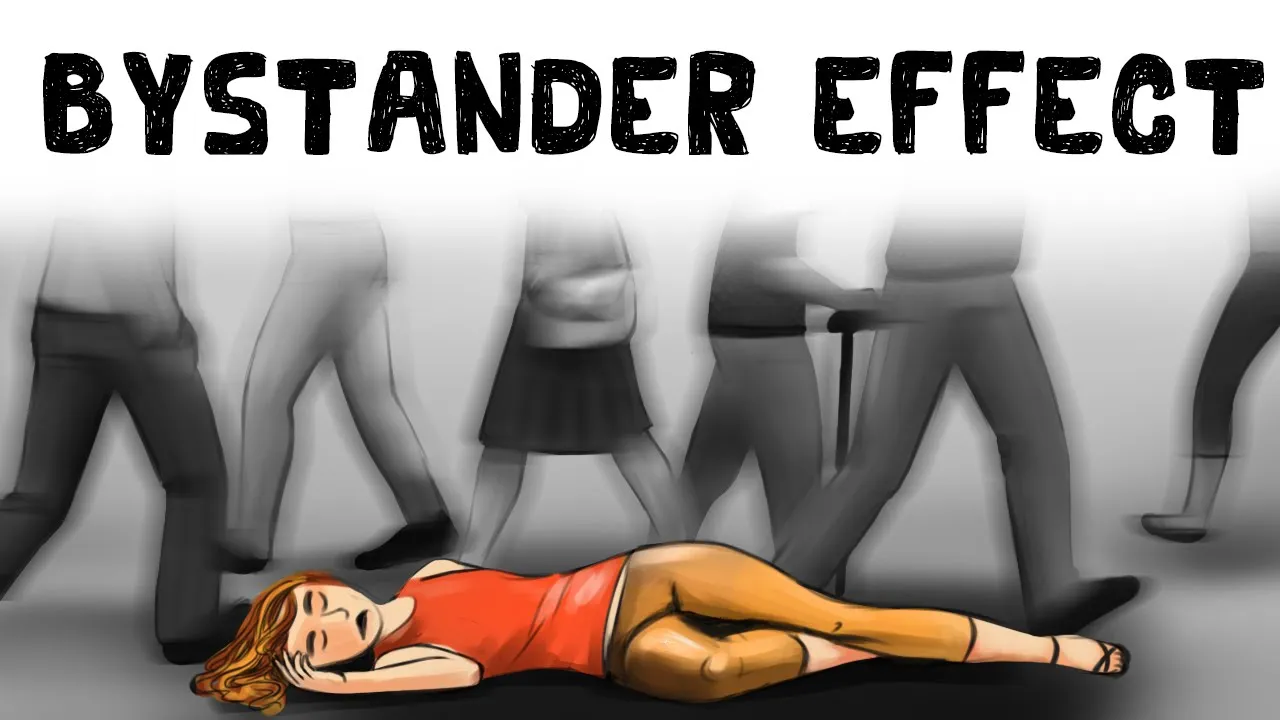
The social psychology concept of the 'Bystander Effect' and the phenomenon of diffusion of responsibility.
Basic principles of situational awareness, personal safety limits, and threat assessment in public and private spaces.
Fundamental legal definitions distinguishing misdemeanor assault, aggravated assault, and domestic violence.
Advanced crisis de-escalation techniques and verbal containment strategies for high-stress, hostile environments.
The systematic '5 Ds of Bystander Intervention' (Distract, Delegate, Document, Direct, Delay) and their safety-first applications.
Legal rights, liabilities, and protections for intervening citizens, including 'Good Samaritan' doctrines and witness protocols.
Introduction to trauma-informed care and psychological first aid for supporting survivors of domestic violence in the immediate aftermath.
Designing and supporting community-level violence prevention programs and advocacy networks.
261.4K views11.7Klikes8:34Original Release: 2020-12-22
stepping in to intimate partner violence is dangerous in the extreme but sometimes you just gotta do it [Music] hey everybody welcome to today's lesson here at active self protection i'm your host john korea today's video comes to us from the czech republic i wanted to introduce you to our newest sponsor private internet access they've been around since 2010 and they are a pc mag editor's choice if you watch active self protections because you're interested in protecting yourself your loved ones and your family and part of that is internet protection and having a virtual private network is definitely part of that private internet access is the leading vpn in the world that is no longer vpn it means they keep absolutely no records of where you've been they got apps for every platform so whether you're on your desktop or your mobile device android ios all the major operating systems they've got apps for it it's very simple to use every single app even has a quick kill switch button private internet access allows them to unblock geo-restricted content and streaming services and stuff like that you can unblock content on amazon prime on hulu on disney plus all the streaming services they've got over 3000 servers in 48 countries so no matter where you want to connect they got you covered they got multiple ways that you can pay paypal bitcoin you name it they take it really best of all to me it's super cheap if you buy the long term package which is what i did it's less than three bucks a month they've also got a 30-day money-back guarantee they're even offering a special discount to active self-protection watchers so hit the link in the description and your one account is good for 10 different devices i think private internet access is the way to go hit the link in the description and tell them we sent you we see this guy wailing a tune here on his ex-girlfriend according to the news story that i've linked in the description she doesn't want to go with him and he is trying to drag her by the hair and then again throws a punch at her has a balled up fist at her and she's gonna go down on the ground so he's gonna come around here and kick her in the face and continue to you know berate her and yell at her and throw closed uh fist punches at her and kick her and and she's just laying there trying to cover up and not take any more beating than she has to here now he's going to drag her outside what looks like a bus station and what's going to happen here is he's going to continue to wail on her until here in just a second finally a bystander is going to come by that says hey man get off her and push this guy away now he's going to wander off now watch our bystander is now kind of like i don't know what i'm going to do he starts communicating with people and our aggressor walks off a little ways but now he is going to walk on back and now what is our bystander going to do and what is our victim going to do when this guy decides to come on back and we got a guy who comes into the screen now who is recording and now our bystander has to kind of keep on him again the guy's going to decide he's going to whale on her some more so he kind of throws him off the guy and the guy is finally going to decide you know he's going to try some more but had enough now if you go read the news story our our hero here actually just walked off after this they arrested the bad guy he is going to do a decade in prison for aggravated assault for this but our good guy here they had a hard time finding him eventually they finally did and he was able to testify against this guy he's a hero in my book let's talk about lessons in a sec i think today's video is really good for asking questions so let's have a discussion in the comments would you have stepped in here would you have stepped into that spot and tried to get between them and chased the guy off or would you have said hey man not my circus not my monkeys i think it's a good discussion so let's have it in the comments so i think we would be remiss if we did not start by talking about these kind of intimate partner kind of issues and of course i decry all kinds of intimate partner violence and domestics are very difficult very common unfortunately they do go both ways male to female female to male but here we see the more classic male on female violence and you know there's a lot of complicated reasons why a woman would stay in an abusive relationship like this even though she's broken up with them he decided he is going to beat on her like this so of course anybody in an abusive relationship i strongly just encourage you to go get help get away from this person you don't have to take that kind of beating this is morally repugnant of course now then she is going to do something i think is pretty wise here which is get down on the ground to keep from being taken where she doesn't want to be taken but of course that's just going to lead to him continuing to beat on her and notice all the people that have walked by and nobody's helping so i think the first solution here is for this woman to have a very robust skill set herself to be able to defend herself and whip this boy's butt and make him pay for trying to hurt her that's the biggest and first solution right here being a tool user and keeping this guy off you and defending your own boundaries and i think that that we should encourage women to have that robust skill set and be able to defend themselves because she can't hear and because she can't then this is what happens she gets kicked in the face with a shot foot now i will say this here in the united states you kick somebody with a shot foot in a face like that that has aggravated assault that is very likely to cause great bodily harm or even death so now we have escalated from this being merely a physical altercation to being a deadly altercation and that ups the the stakes very significantly to kick somebody in the face like that you intend to do them great bodily harm and that really ups things so when we talk about stepping into a third party encounter when we see an aggravated assault that is a big difference from even seeing a simple assault and so again she is trying to just you know cover up and lay down i think that's good playing the toddler hey i'm not going to be taken somewhere else but eventually that has limits as well because he's able to drag her outside even though she makes it harder here now they when our bystander comes out of course the question that we all have to ask ourselves is what are we willing to get involved in and everybody gets to set this for themselves they get to decide what third party encounters am i willing to get involved in i will tell you you get involved in a domestic like this it's really dangerous and you know very often not not all the time but a pretty high percentage what we see is we see the victim turn on the defender and defend the aggressor and i see that all the time but sometimes again in an aggravated assault like this you just gotta step in and you get to decide that for yourself our good guy here decides to do that and pushes this guy off and that guy goes away but now you better pay attention this is also a great reason again to carry tools a good oc spray here when this guy starts walking back might have changed things pretty significantly if you bless this guy with the hot sauce now then one of the things i will say is notice that our good guy is looking around to see who else wants to help and he will get a couple people eventually but notice that takes his eyes off the potential threat and you don't know what tools that guy is carrying you know that he's aggressive you know he's willing to commit aggravated assault but if you take your eyes off him he very well could turn that anger onto you and i would be very cautious of that and maintain your eyes on that thread until he is well out of your area of interest instead of kind of looking around and seeing what the heck else everybody else is doing so he does look back to him that's a very good thing but now he's got a re-emerging threat so what is he going to do again having committed aggravated assault i think in most jurisdictions in the united states if you had you know pointed a firearm at this guy and told him to stop the fact of the matter is he's coming back again having just committed aggravated assault you'd probably be justified in doing that however i think smarter in this case for most americans draw your own sea spray and hose this guy and bless this jerk with the hot sauce and that'll probably cool him off and get him to go away instead he's got to go empty-handed and okay he has the ability to do that and he grabs this guy and chucks him so if you have a robust empty-handed skill set you can do this or if you're just large you can get this kind of thing done i will say though recognize that every time you put hands on that guy he can turn around and hurt you as well it is a zero not a zero risk game so make sure that you do that this is one of the reasons that i personally carry and recommend having an oc spray so then that way you can do that without him being able to contact you and diminish him that even if you have to go hands-on with him he is significantly diminished of course it's perfectly justified for him to do this to to resist this force with physical force i think in light of the aggravated assault it probably could with with deadly force as well though i think in this case it worked out better and i don't know what their firearms laws are there and whether he could carry a firearm now we've got multiple people finally showing up but one of them is on the camera so recognize that even if you decide to be a good samaritan here you very well could be on your own thankfully this guy was willing to step in and the harm to this woman was stopped and that's a very good thing recognize the danger in doing so though friends and be prepared with the attitude skills and plan to cover your asp
Up Next

17:25
Molecular Strings and Fingerprints with RDKit | Materials Informatics Tutorial
@TaylorSparks
13K views•2022-01-23

12:54
Triumph of Orthodoxy Icon: Byzantine Art & History Explained
@BenCallan
2.1K views•2024-08-06

9:49
FastAPI vs Flask vs Django: Choosing the Right Python Web Framework
@TechWithTim
302.5K views•2024-05-26

1:42
Game of Thrones Opening Credits: A Cinematic Analysis
@gameofthrones
46.3M views•2011-04-18
Related Study Plans & Knowledge Roadmaps
Structured learning paths in General & Interdisciplinary Studies
general-studies
Elevator Engineering: History, Physics & Cities
01From Hoists to Safety Brakes: The Dawn of Vertical Lift
02Hydraulic vs. Traction: The Engineering Physics of Elevators
03Modern Speed, Safety, and Algorithms
+ 2 more learning modules
12h5 modules
Explore Roadmap
general-studies
Rubber: Material Science, History & Geopolitics
01Origins of Natural Rubber & Mesoamerican History
02The Chemistry of Natural Rubber & Vulcanization
03The Geopolitics of the Rubber Boom & Colonization
+ 2 more learning modules
12h5 modules
Explore Roadmap
general-studies
Containerization: Evolution, Logistics & Trade
01Ancient Trade & Bulk Cargo: Amphorae to Barrels
02The Industrial Revolution & Cardboard Packaging
03The Containerization Revolution: Malcom McLean
+ 2 more learning modules
12h5 modules
Explore Roadmap
general-studies
Textile Tech: Evolution, Labor & Global Impact
01Pre-Industrial Textiles: Handloom & Cottage Industry
02Mechanization: The Spinning Jenny to the Power Loom
03The Factory System & Global Labor Transformation
+ 2 more learning modules
10h5 modules
Explore Roadmap