




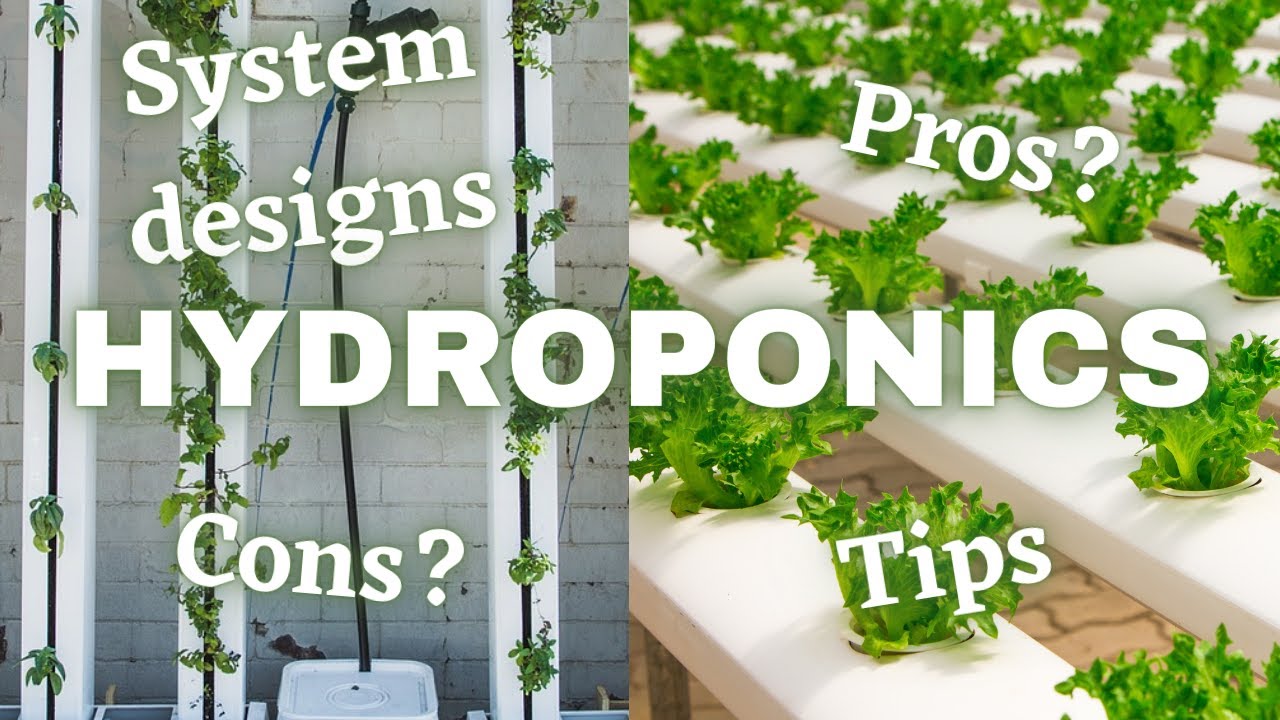





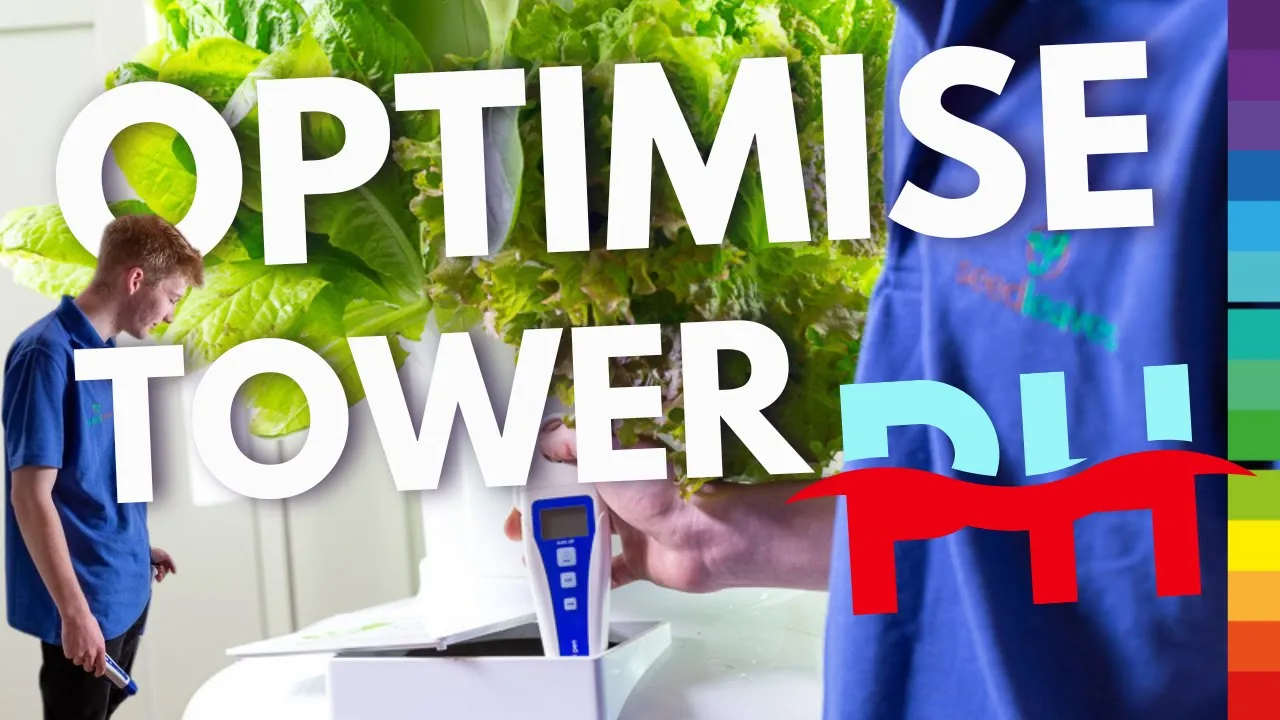

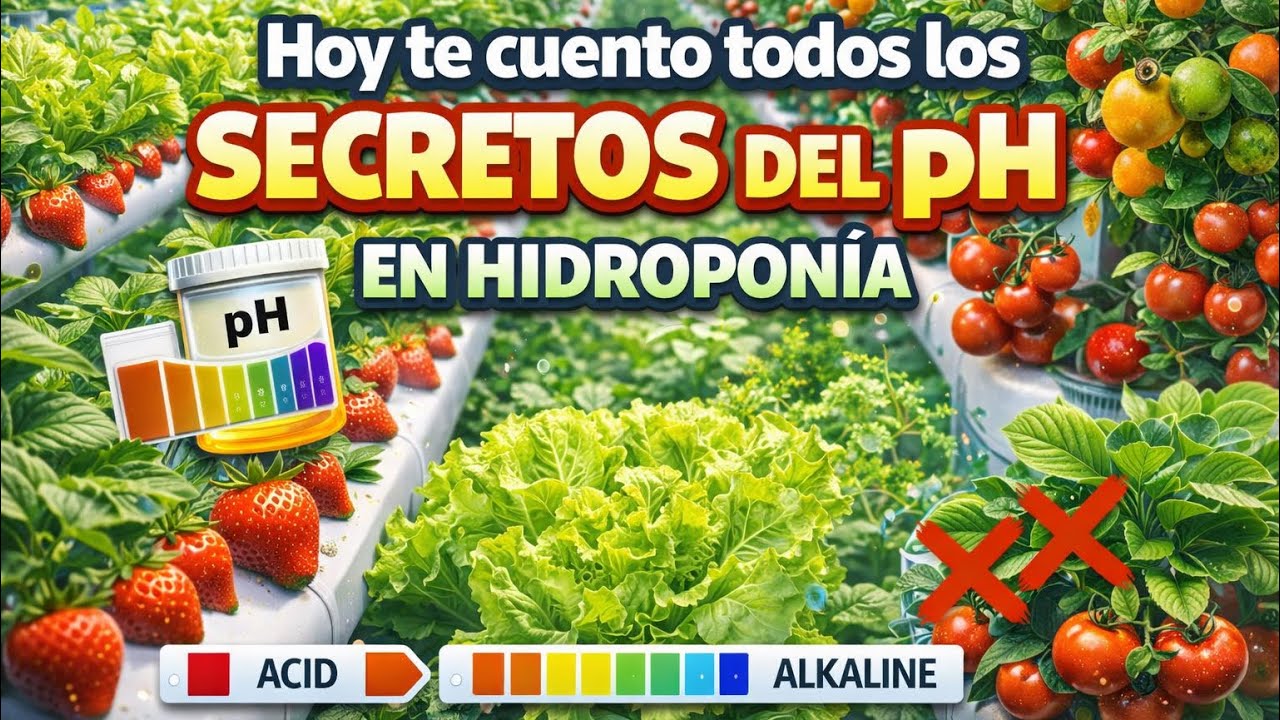







pH (potential of hydrogen) measures the concentration of hydronium (H+) and hydroxide (OH-) ions in a solution, with hydroponic growers targeting a pH range of 5.2 to 6.5 (the 'grow zone') to maximize nutrient availability; in this range, minerals remain fully dissolved and accessible to plants, while pH imbalances cause nutrients to precipitate and become unavailable, requiring careful monitoring and gradual adjustment using diluted pH adjusters rather than direct application.
pH for Hydroponics 101 | Nutrient Solution | Grower Education
Added:Basic chemistry of the pH scale, including the logarithmic nature of the scale and the difference between acidic, neutral, and alkaline substances.
Fundamental concepts of hydroponics, specifically how plants grow without soil using water as a medium for nutrient delivery.
An introductory understanding of essential plant nutrients (such as nitrogen, phosphorus, potassium, and micronutrients like iron and calcium).
Practical methods for adjusting reservoir pH using 'pH Up' (bases) and 'pH Down' (acids) chemical adjusters safely.
Managing the relationship between pH and Electrical Conductivity (EC) or Parts Per Million (PPM) to optimize nutrient uptake.
Diagnosing nutrient deficiencies and toxicities (such as iron chlorosis) caused by pH lockout in various plant species.
Exploring automated pH monitoring and dosing systems suitable for commercial or advanced hobbyist hydroponic setups.
137.3K views1.9Klikes5:51Original Release: 2015-02-23
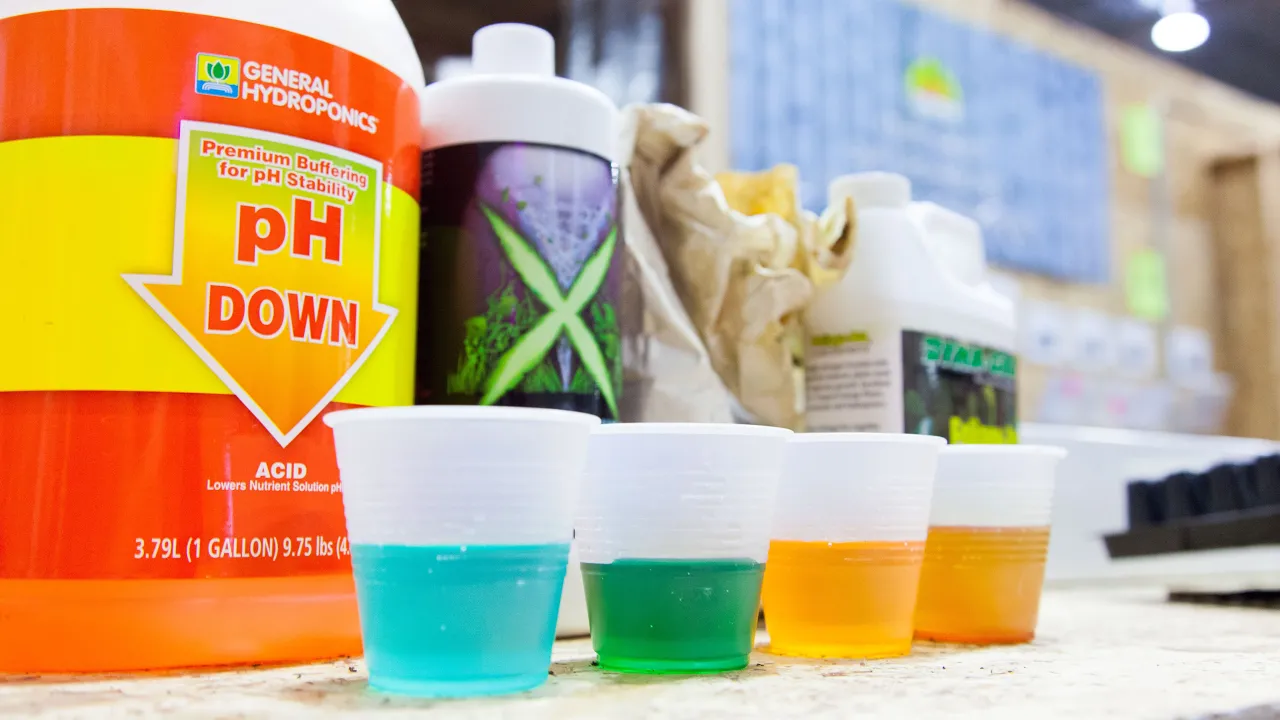
pH you know it's a scale from 0 to 14 0 to one is the stuff like battery acid seven is neutral pure water around 12 is that pine scented bleach in your bathroom nice and ph14 is really scary stuff like concentrated barium hydroxide ouch please don't try sniffing that anyway as hydroponic Growers were a lot more interested in a specific PH range namely between 5.2 and 6.5 aka the grozone that's the range that most of us shoot for when testing and adjusting the pH of our nutrient solutions for maximum nutrient availability why because the guy at the grow store told us so that's why serious though maybe you're the inquisitive type and as such you might be wondering 5.2 to 6.5 what why is this particular range good for my plants why does my buddy say 5.5 to 6.2 did he get it wrong should I point and laugh at him what's all this about nutrients becoming available what happens if they become unavailable will they ever become available again and how do I control any of this and uh what exactly is pH again relax people this is pH for Hydroponics 101 Jazz for grower style let's do this pH is a water thing you know that big wet party of H2O molecules that makes life on this planet possible two tiny positively charged hydrogen atoms joined via shared electrons to one larger negatively charged oxygen atom stick about 1.67 sextilion of these identical molecules together and Bam you've got and made yourself an average size water droplet congratulations water can be both acidic and alkaline that's because the world-renowned molecule H2O isn't the Rock Solid stable family unit you thought it was sorry if I burst your bubble you see very very occasionally a water molecule loses one of its hydrogen atoms it becomes O A negatively charged hydroxide ion otherwise known as a water molecule missing one of its hydrogen atoms meanwhile that Renegade hydrogen atom quickly finds another water molecule to latch onto and that results in h3o plus AKA a hydronium ion sometimes referred to as H+ for Simplicity so pH sometimes expanded as potential hydrogen or the power of hydrogen is all about the relative concentrations of hydronium and hydroxide ions in pure water there's an equal number and when hydronium and hydroxide ions are balanced out like this the pH is seven or neutral think of it like this when we add pH Down adjuster to our nutrient Solutions we're essentially adding more hydronium ions and when hydroniums outnumber hydroxides our solution is what we call acidic conversely when we add pH Up adjuster to the point where hydroxides outnumber hydronium ions then we've created an alkaline solution okay so what has all this got to do with hydroponic nutrients in Plants well firstly it's worth remembering that Hydroponics only works because it's possible to dissolve all the mineral elements our plants need into water to form a nutrient solution minerals dissolve into water when its molecules can mat or overcome the attractive forces between the water molecules themselves in this ionic form minerals can pass directly into our plants through the casparian protective strips and The Roots and be put straight to use look the really important thing to take from all this is that when Hydroponics talk about a particular nutrient element being available all they are essentially saying is that it's fully dissolved similarly when we say an element has been locked out or has become unavailable it's just no longer in the solution in chemistry terms we say it's precipitated as such it's lost its free ride into the plant courtesy the H2O Express a slightly acidic pH for your hydroponic nutrient solution is ideal because extra hydronium ions help to keep all the elements your plants need in the solution at the same time the grow zone is the best fit to keep them all in place right there in the solution I'll go deeper in a follow-up video If you encourage me to do so in the comments I monitor the pH of my nutrient solution with a blue lab Guardian connect actually this awesome Gadget sends the log to my computer too not just the pH but also the temperature and concentration very handy if you're inclined to be lazy then you can invest in an automatic Dozer to adjust the pH for you so that you can focus on other interests in your life but at the very least you should be using a liquid litmus kit or a digital pH meter on a daily basis by the way if you haven't watched my other video on 2 point pH meter calibration you might want to check that out too so you can be sure that you're taking accurate readings it's really important to regularly clean and calibrate your pH probes remember pH is a logarithmic scale so little differences mean more than you might think professionally Blended liquid hydroponic nutrients make your life easiest as a grower although some folks prefer dry powder nutrient products such as Maxi grow and Maxi blue just note that pH stability and the broadest spectrum of nutrient availability is what really separates profession off-the-shelf hydroponic nutrients from something you could knock up in your garage from base mineral ingredients as a hobby grower I can quickly create a whole bunch of different nutrient Solutions tailored for vegetative transitioning and blooming plants with maximum pH stability even as the nutrient solution gets recirculated mix up your base nutrients first plus any additives and then test your pH it's always a good idea to wait five or 10 minutes first just to let everything settle and equalize I always keep some dilute PH adjuster fluid handy for small adjustments never add undiluted acidic or alkaline PH adjuster products to your nutrient solution Direct directly from the bottle adding undiluted pH adjusters causes temporary localized Extremes in PH this in turn can cause elements to precipitate out of your nutrient solution rendering them permanently unavailable to your plants major bummer all around for instance if you've ever noticed white clouds appear in your nutrient solution immediately after you've added undiluted ph up oh then I'm sorry to inform you that's calcium and magnesium both positively charged ions binding with negatively charged phosphate ions precipitating out of your nutrient solution that's bad news for your plants as it's no longer available uptake it's really important to stir everything you add to your nutrient solution thoroughly if you find that you're adding lots of acid usually phosphoric to your nutrient solution to bring it down into the Grow Zone then you probably have hard water magnesium and calcium carbonates and bicarbonates are effectively neutralizing your acid what a downer to sum it up if you're serious about Hydroponics then you need to get serious about pH invest in quality gear from meters monitors or dosers to reverse osmosis machines so you can grow with the purest water possible and professionally Blended hydroponic nutrients let me know if I've missed anything or if I've given you a broke or an aneurysm by trying to follow along or if you still have any burning questions ha no seriously always handle PH adjuster products with care and store carefully well away from cute little people or curious pets cool that'll do it for now this is Everest dissolving back into the internet bye-bye
Up Next
6:52
ESP32 ADC Guide: Advanced Functions, Accuracy & Calibration
@G6EJD
76.5K views•2017-11-14

12:54
Triumph of Orthodoxy Icon: Byzantine Art & History Explained
@BenCallan
2.1K views•2024-08-06

9:49
FastAPI vs Flask vs Django: Choosing the Right Python Web Framework
@TechWithTim
302.5K views•2024-05-26

1:42
Game of Thrones Opening Credits: A Cinematic Analysis
@gameofthrones
46.3M views•2011-04-18
Related Study Plans & Knowledge Roadmaps
Structured learning paths in General & Interdisciplinary Studies
general-studies
Elevator Engineering: History, Physics & Cities
01From Hoists to Safety Brakes: The Dawn of Vertical Lift
02Hydraulic vs. Traction: The Engineering Physics of Elevators
03Modern Speed, Safety, and Algorithms
+ 2 more learning modules
12h5 modules
Explore Roadmap
general-studies
Rubber: Material Science, History & Geopolitics
01Origins of Natural Rubber & Mesoamerican History
02The Chemistry of Natural Rubber & Vulcanization
03The Geopolitics of the Rubber Boom & Colonization
+ 2 more learning modules
12h5 modules
Explore Roadmap
general-studies
Containerization: Evolution, Logistics & Trade
01Ancient Trade & Bulk Cargo: Amphorae to Barrels
02The Industrial Revolution & Cardboard Packaging
03The Containerization Revolution: Malcom McLean
+ 2 more learning modules
12h5 modules
Explore Roadmap
general-studies
Textile Tech: Evolution, Labor & Global Impact
01Pre-Industrial Textiles: Handloom & Cottage Industry
02Mechanization: The Spinning Jenny to the Power Loom
03The Factory System & Global Labor Transformation
+ 2 more learning modules
10h5 modules
Explore Roadmap