















Circadian rhythms are controlled by a molecular feedback loop involving CLOCK and BMAL proteins that activate genes during the day, while PER and CRY repressor proteins accumulate and inhibit this activation at night, creating a self-sustaining 24-hour cycle that regulates over 40% of human genes including those controlling metabolism, hormone production, and body temperature; disruptions to this natural timing mechanism through genetic variations or modern lifestyle factors like shift work and artificial light exposure can lead to serious health consequences such as diabetes, heart disease, and cancer, making understanding these molecular mechanisms crucial for developing treatments to help people adjust to circadian misalignment.
How Our Cells Track Time: Circadian Rhythms Explained
Added:Fundamental understanding of gene expression, specifically the processes of transcription and translation where DNA is converted to functional proteins.
The concept of transcription factors and how specific proteins bind to DNA control regions to turn gene expression on or off.
The mechanism of negative feedback loops, where the accumulation of a pathway's end product acts to inhibit its own further production.
Basic cellular biology concepts, including protein-protein interactions, phosphorylation, and targeted protein degradation.
The function of the Suprachiasmatic Nucleus (SCN) in the hypothalamus as the master pacemaker coordinating peripheral clocks throughout the body.
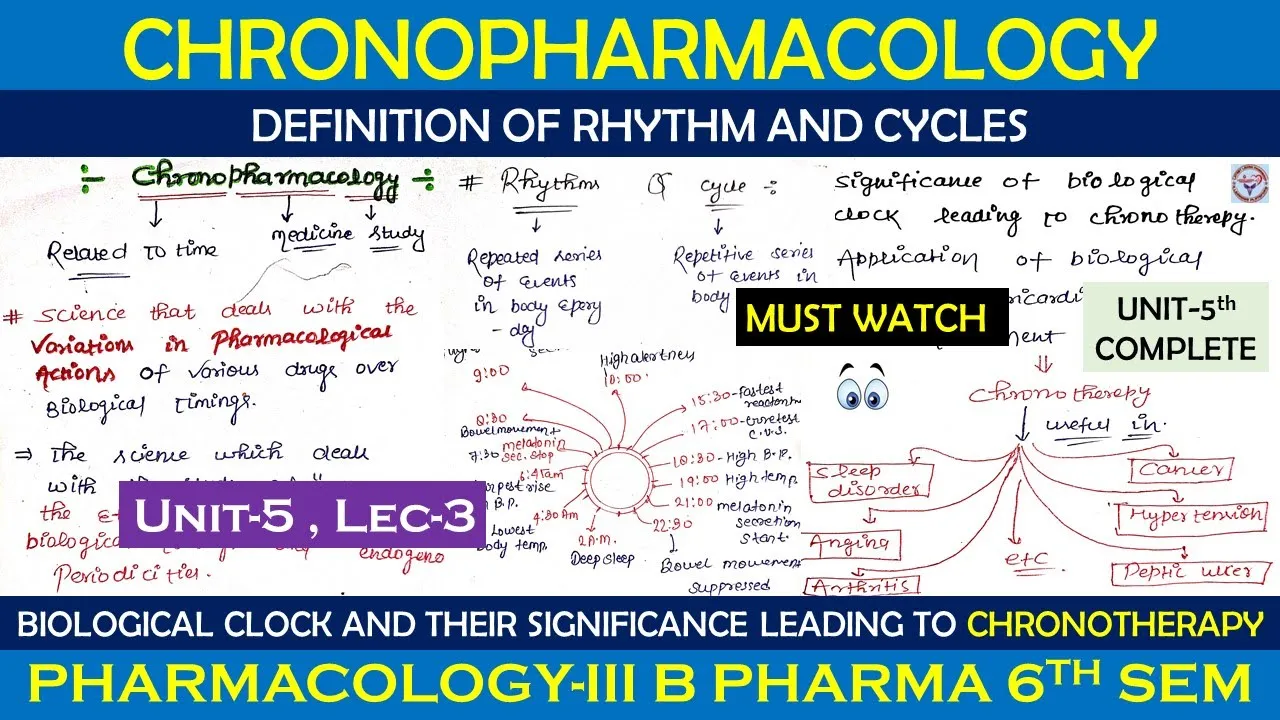
Chronopharmacology and chronotherapy, which study how the timing of drug administration impacts efficacy and reduces side effects based on circadian cycles.
The physiological and pathological consequences of circadian disruption, such as its links to metabolic syndrome, cardiovascular disease, and cancer.
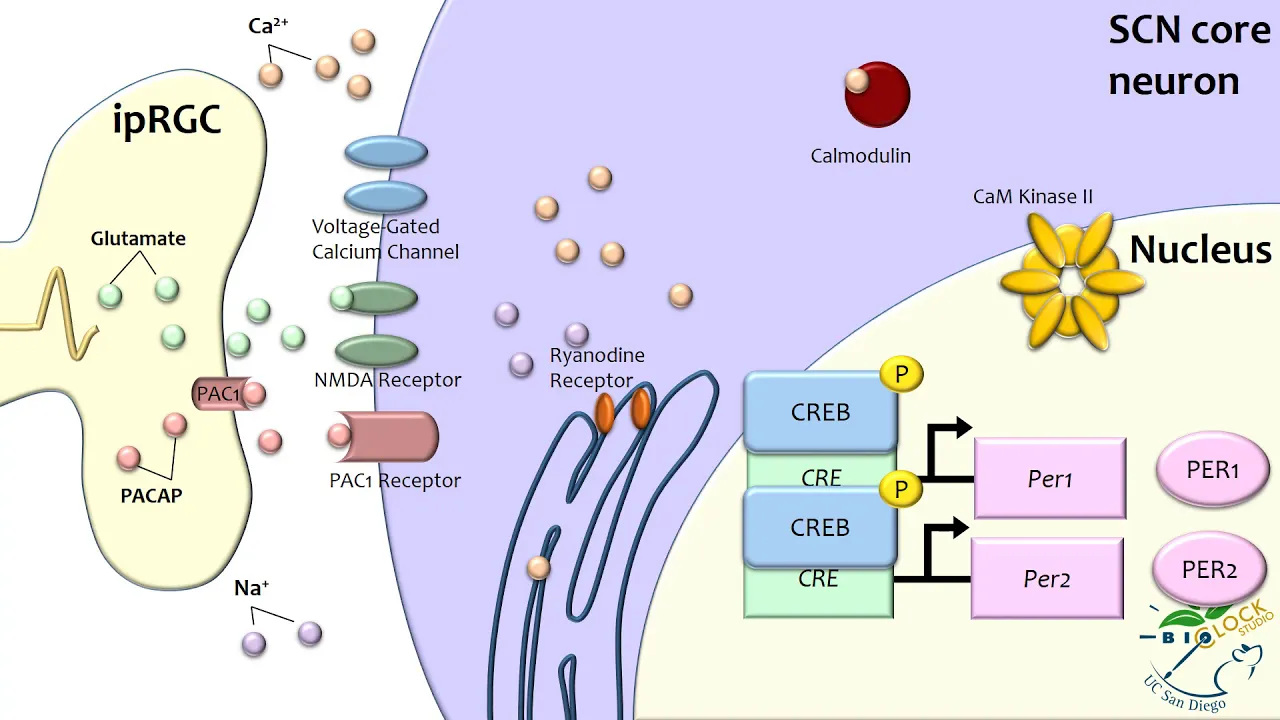
The mechanisms of photic entrainment, detailing how light exposure detected by melanopsin-containing retinal ganglion cells resets the molecular clock.
85.7K views2.3Klikes8:18Original Release: 2023-10-10
This machine may hold the secrets to time.
Inside it, scientists are looking for the mysterious mechanism that controls the daily biological clock.
Everything in your body is controlled on this 24-hour process.
The things that seems most interesting to me about circadian biology is the fact that it spans many timescales and many size scales.
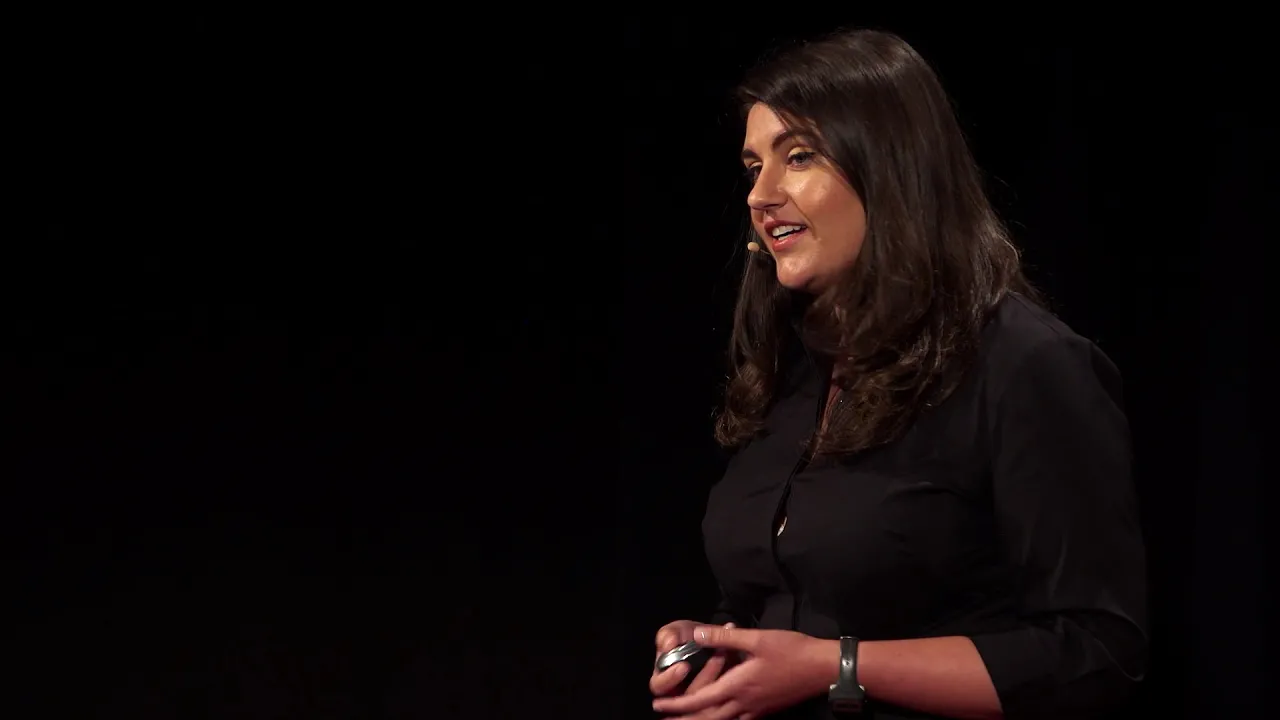
For more than a quarter of a century, chronobiologist, Dr. Carrie Partch, has been peering inside our biological clock mechanisms trying to understand just what makes them tick.
I mean, I was hooked. As soon as I began graduate school.
I really knew that I wanted to work to unravel the molecular details of circadian timing.
In 2020, Dr. Partch was diagnosed with a neurodegenerative disease, ALS, also known as Lou Gehrig's disease.
Due the ALS, my speech is beginning to decline, so I use an AI clone of my voice, to give talks and to answer questions like this.
But she's still in search of answers to how the clocks in our cells govern our days and nights.
I believe we all need a purpose. I can't imagine not working.
Also, I really enjoy the moment of discovery in research after putting in lots of thought and hard work to be awarded with a fundamental insight into life is about as good as it gets.
Chronobiologists study the effect of time on biological cycles.
Those could be as fast as a heartbeat or slow as a seasonal animal migration.
There's one rhythm most of us know intimately: the circadian rhythm, which governs a living organism's 24-hour clock.
This daily synchronization was first observed in the early 1700s when a French astronomer put a plant in a dark room and watched it respond to the cycles of day and night.
Since then, researchers have been trying to decipher just what sets the rhythm of these clocks.
Advances in DNA sequencing in the 1990s led to breakthroughs that began to unravel the mystery, by identifying the genes that govern circadian rhythms.
In 2017, a trio of researchers were awarded the Nobel Prize for their work on the molecular mechanisms controlling fruit fly circadian rhythms.
Identifying the genes required for timekeeping and understanding how they work together in a genetic network was an incredible step forward for our field.
That was the end of the story for many scientists, but not for all.
For people like Carrie and me and other people in structural biology, there is another layer that I think we really want to know.
I'm really interested in the molecular steps of these biological clocks and how protein-based signals in our cells can measure out a day.
The circadian clock is triggered by the sun, but it's not just about sleeping and waking.
The circadian clock also governs more than 40% of human genes, which regulate myriad other essential functions, including metabolism, hormone production, and body temperature over the course of the day.
In fact, some medicines like acetaminophen are better metabolized in the daytime.
And vaccines can work differently depending on when they're given in the morning or at night.
Many aspects of modern life like traveling across time zones and exposure to artificial light at night can wreak havoc on our natural circadian clocks.
But being out of sync with the natural cycles can cause more than just fatigue.
Working the overnight shift is associated with diabetes and heart disease, as well as certain cancers.
To fix this mismatch between our bodies and the modern world, Partch is searching for ways to tweak the circadian clock.
But first, she had to map it.
For us to understand sort of how the gears of the clock turn, we need to understand how proteins find one another, how they interact, how long they stay together, and how that might be changed over time.
To study the human biological clock at the molecular level, Partch's lab uses a technique called Nuclear Magnetic Resonance Spectroscopy or NMR.
NMR is very highly related to MRI, which many people will know a lot more about.
What NMR and MRI have in common is we both need really big magnets.
In an NMR tank, liquid nitrogen and helium, cool a superconducting magnet, which produces a magnetic field a million times stronger than Earth's.
So why do we do all that?
That high magnetic field lets us be able to detect signals coming off of many of the atoms inside of the proteins or drugs or DNA or RNA that we're putting inside of a tube in the middle of the magnet.
To study the biochemical and biophysical mechanisms of the circadian rhythms, we need to make proteins outside the human body in test tubes.
We take the DNA and we tell bacteria to do that for us.
So this is the NMR tube, we put it in the magnet to take the reading.
Using NMR, researchers like Partch can see a picture of proteins at work.
NMR is sort of like taking a series of GPS snapshots of a protein.
NMR gives us information about the environment around certain atoms in the protein and how they move, which lets us infer how the protein wiggles around in solution and responds to its partners like other proteins or drugs.
The real power of it is that all the work we do is literally on samples in solution at room temperature.
In Partch's lab, the samples are often of what's called 'clock proteins.'
We call the proteins that interact with each other and our genes to regulate our circadian rhythms 'clock proteins', just like how the gears of a mechanical clock work together.
At the heart of the process are two protein molecules called CLOCK and BMAL.
Each day at dawn CLOCK and BMAL pair up in the cell cytoplasm before entering the nucleus.
Once inside, they bind to the DNA on thousands of sites to regulate the production of proteins important for daytime functions.
The CLOCK-BMAL pair also regulates the production of two repressor proteins PERIOD and CRY, which play a critical role in their circadian feedback loop.
Levels of PERIOD and CRY build up during the day.
Then at night, they enter the nucleus to strip CLOCK-BMAL from the DNA, shutting things down.
Over the course of the twilight hours, the repressor proteins decay, diminishing their effect.
While the supply of CLOCK and BMAL proteins builds back up.
In the morning, the whole cycle begins again.
However, genetic variations can alter this protein clock cycle, leaving some out of sync with the day and night light cycles of Earth.
One tiny change in a clock gene, an inherited change that only alters a few atoms in the protein it encodes can dramatically alter your internal clock timing and change when you go to bed and wake up.
I'm sure we all know some morning-larks, folks who go to bed early and enjoy getting up with the sun or night owls who like staying up late.
While some genetic changes can change clock timing by hours leading to bedtimes at 5:00 PM or 4:00 AM.
By studying the smallest components of our biological clocks, Partch's lab is searching for ways to correct problems caused by genetics or the intrusion of the modern world on our circadian rhythms.
We're using NMR now to discover and map how small molecules bind to clock proteins with the hope of turning these into drugs that could help people adjust to shift work or reduce jet lag or even treat certain cancers like glioblastoma that depend on circadian machinery.
To Partch, the world is full of clocks waiting to be pulled apart and understood.
Oh, there is still so much more to learn about our own clocks and circadian rhythms in other species like plants that could be important for sustaining life on Earth and beyond.
It's exciting to see an awareness of circadian biology and its impacts on our health finally begin to grow in the clinic.
Hopefully we can build on this to incorporate a better understanding of how time influences our biology and improve everything from our sleep to how we respond to drugs.
Up Next
6:33
How the Circadian Clock Works: TTFL Explained
@TheSheekeyScienceShow
10.3K views•2019-07-22
50:12
Bacterial Communication: Quorum Sensing and Biofilm Formation Explained
@JHUAAP
12.6K views•2011-06-28

5:35
Enteric Nervous System Explained: The Gut's Brain | Neurobiology Lecture
@alumniu6029
438 views•2018-09-12
7:08
Bacteriophages: Earth's Deadliest Killers and Future Antibiotics
@kurzgesagt
34.6M views•2018-05-13
Related Study Plans & Knowledge Roadmaps
Structured learning paths in Biology
biology
RNAi: Biogenesis, RISC & Gene Silencing
01Molecular Biology Foundations: DNA to Protein
02Introduction to RNA Interference (RNAi)
03Molecular Biogenesis of miRNA and siRNA
+ 2 more learning modules
10h5 modules
Explore Roadmap
biology
Mycorrhizae: Signaling, Biophysics & Ecology
01Foundations of Mycorrhizal Symbiosis
02Molecular Signaling and Root Colonization
03Biophysics and Bioenergetics of Nutrient Exchange
+ 1 more learning modules
11h4 modules
Explore Roadmap
biology
Circadian Clocks: TTFL, SCN & Periphery
01Foundations of Molecular Biology & Gene Expression
02Introduction to Chronobiology and Actograms
03The Core TTFL: Molecular Architecture of the Clock
+ 3 more learning modules
14h6 modules
Explore Roadmap
biology
Population Genetics: Math, Drift & Selection
01Genetic & Probability Foundations
02The Hardy-Weinberg Principle and Baseline Models
03Mathematical Modeling of Natural Selection
+ 3 more learning modules
18h6 modules
Explore Roadmap