























![[2/6] Tributação de Lucros e Dividendos no Brasil](https://i.ytimg.com/vi/ryigw1gQCAA/sddefault.jpg)

![[해커스 세무사] 57회 세무사 1차 재정학 총평 (서호성 교수님)](https://i.ytimg.com/vi/NdY1RmBc6iE/maxresdefault.jpg)



The Laffer Curve, developed by economist Arthur Laffer, illustrates that government tax revenue does not necessarily increase with higher tax rates; instead, there exists an optimal 'efficient tax rate' beyond which further tax increases actually reduce total tax revenue. This occurs due to three main factors: (1) disincentives that discourage work and entrepreneurship when high taxes make additional effort unprofitable, (2) emigration of highly skilled workers and entrepreneurs to countries with lower tax rates, and (3) increased tax evasion and avoidance activities. The curve shows that before reaching this efficient rate, raising taxes increases revenue, but beyond it, higher taxes paradoxically decrease total revenue collected by the government.
The Laffer Curve Explained: Tax Rates and Revenue
Added:hi everybody the laugher curve idea is a fantastic argument to bring in to your writing whenever you're questioning whether an increase in tax rates like income tax will always translate into higher tax revenue collected by the government Arthur Latha an American Economist said that yeah by increasing taxes like income tax tax revenue collected can increase and that extra tax revenue can then be used to help redistribute income and wealth can be used to help fund essential public services in the economy to do all these great things but only up until a point Arthur life has said that as soon as taxes start to increase Beyond a point beyond what he called an efficient tax rate the amount of tax revenue collected by the government will start to decrease so by mapping the relationship between tax rates and tax revenue collected Arthur lappa came to this conclusion this diagrammatically is what Arthur Latha said and he said that there comes a point where the government reaches an efficient tax rate and at that tax rate the government is maximizing the tax revenue collected by that tax and on this diagram that occurs when the tax revenue collected is at its maximum the efficient tax rate is T so what we've just drawn here is our Laffer Kirk right there so the two things in red explain what this leper curve shows and Lapis said that before the efficient tax rate at T if the government increases taxes let's keep it simple and say this is income tax right now if the government increases income tax then yes the government is going to see an increase in tax revenue collected they can do whatever they want with that money fantastic news but lapis says hang on only up until a point only up until 10 Beyond a tax rated T if the government increases taxes tax revenue is actually going to decrease and he argues that it's going to decrease for three reasons beyond the efficient tax grade one reason is because of the disincentives that higher tax rates bring so a very very high income tax rate on the rich for example will disincentivize working really really hard it will disincentivize being entrepreneurial in fact workers may start to substitute their work for leisure instead realizing that working extra hours or working hard is pointless considering how much that income is being taxed away so the end result is that those workers at the higher end of the income Spectrum will work less now what's the point in working more or working at a certain level is so much of that income is going to be taxed away they'll work less entrepreneurs take less risks they don't want to make as much profit anymore they don't take the gambles to make higher profit knowing that a lot of the income is going to be taxed away so you disincentivize work it you disincentivize higher productivity and the end result is lower tax revenue being collected as these guys are working less now another strong argument is the emigration that comes from setting tax rates so so high if income taxes are really high what's the incentive for the highly skilled workers for the best entrepreneurs to stay in your country well if tax rates are lower in other economies all you're going to do is incentivize them to leave your country to emigrate so lafa argues the higher your tax rate is beyond the efficient tax level the more you incentivize highly skilled immigration and a lot of these guys are actually the biggest providers the biggest taxpayers to the government so if you get rid of those guys you're going to see a big big four in your tax tape as they go so this is a very damaging thing to the overall level of tax revenue collection if you incentivize it if you push basically your highest income earners your most productive workers your best entrepreneurs to leave your country because you're taxed too high lappa also argues that the higher your tax rate the more you're going to promote activities such as tax evasion and tax avoidance which will reduce the overall tax take to the government the overall tax revenue collected by the government tax evasion is simply not declaring all of your income and that is illegal that means obviously you're not going to pay as much tax that is illegal whereas tax avoidance is legal tax avoidance is finding loopholes in the tax system whereby you don't pay as much tax as you would otherwise so tax avoidance is legal tax evasion is illegal it doesn't matter which one is done both will reduce the amount of tax revenue collected by the government both is not good for the government in terms of the amount of tax revenue that comes into them but that's what happens you promote such activity when you the government taxed too highly so latter says that these three arguments come to the fore when the government cite to set taxes Beyond an efficient tax level that's when the amount of tax revenue collected by the government may actually start to do to decrease so when it comes to you writing your essays anytime you're talking about governments raising taxes to collect more tax revenue don't just say that that is guaranteed to happen use the laughing of argument to really critique that point to critique that argument okay now that makes sense and you're really comfortable with the lather curve argument very strong evaluation here thank you so much for watching guys I'll see you all in the next video
Up Next
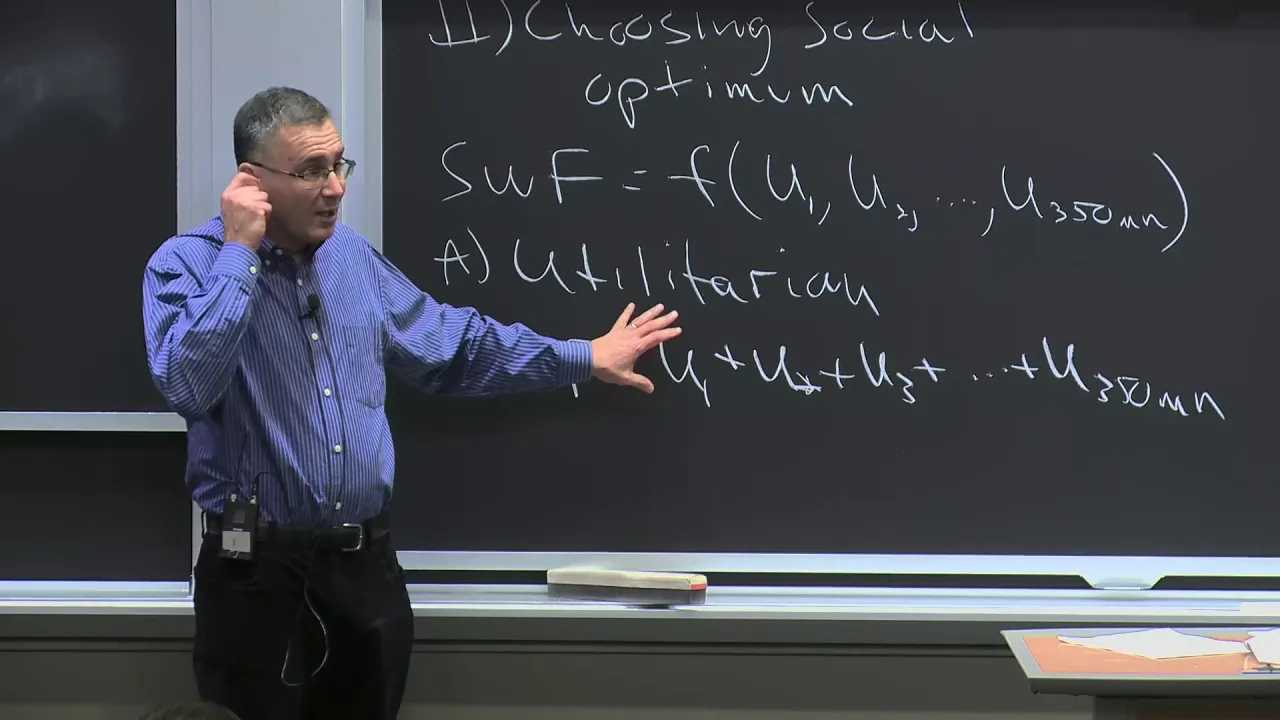
Efficiency vs Equity: Social Welfare & Leaky Bucket | MIT 14.01
@mitocw
46.6K views•2020-07-16

Impact of Yuan in Indo-Russian Trade Amid Sanctions
@WION
261.9K views•2022-07-01
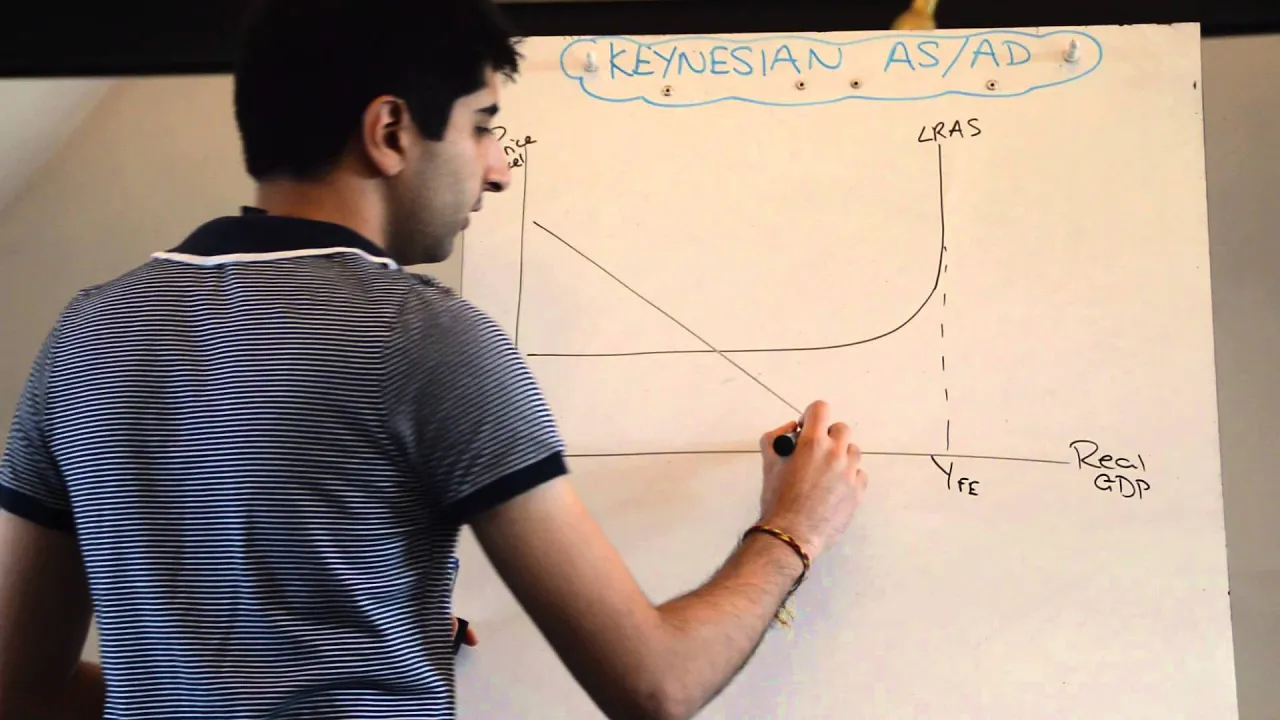
Keynesian AS/AD Model: Sticky Wages and Fiscal Policy
@EconplusDal
235.6K views•2015-02-28

The Age of Easy Money: Fed & Inflation | Full Documentary
@frontline
21.2M views•2023-03-15
Related Study Plans & Knowledge Roadmaps
Structured learning paths in Economics