










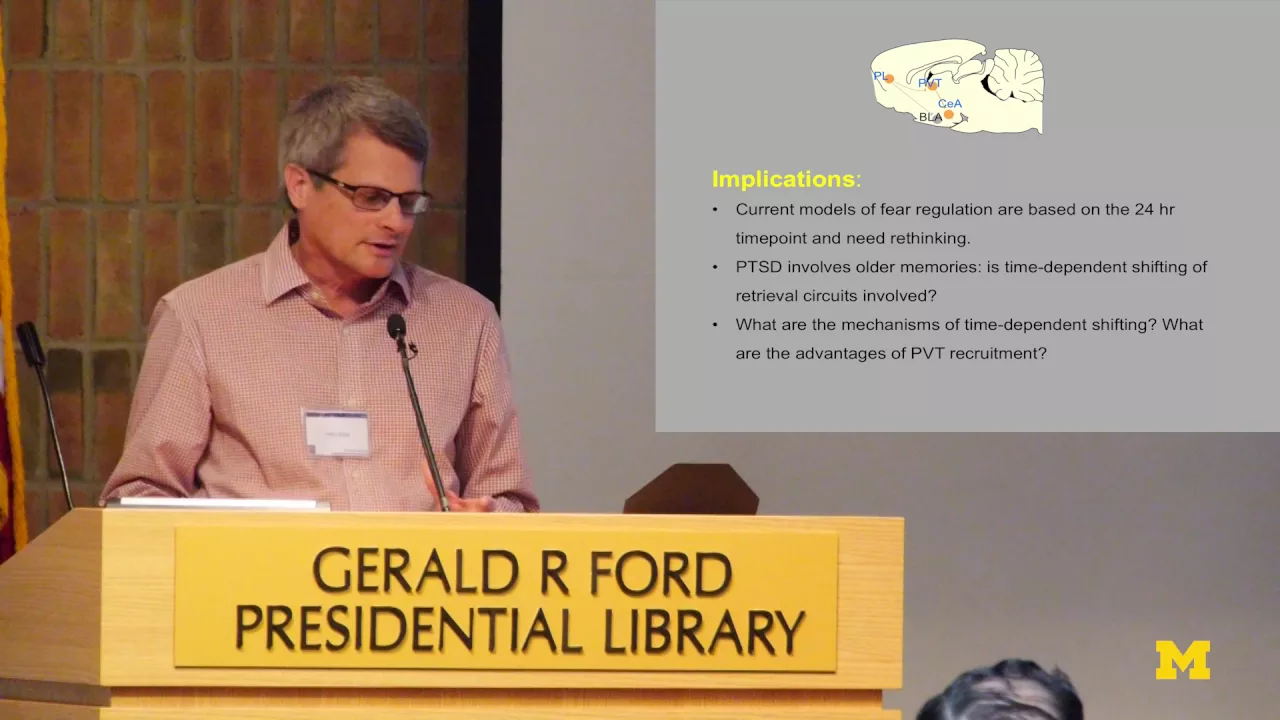







Fear extinction creates a new safety memory rather than erasing the original fear memory, and context plays a crucial role in determining which memory is expressed; the hippocampus communicates with the amygdala and prefrontal cortex to mediate this contextual selection, with different neural circuits (infralimbic prefrontal cortex for fear suppression and prelimbic cortex for fear renewal) and distinct neuronal ensembles in the amygdala being activated depending on whether the conditioned stimulus is presented in the extinction context or a new context.
Brain Circuits for Contextual Control of Fear | Stephen Maren, Texas A&M University
Added:Fundamentals of classical conditioning, including fear conditioning, conditioned stimuli (CS), unconditioned stimuli (US), and the process of extinction.
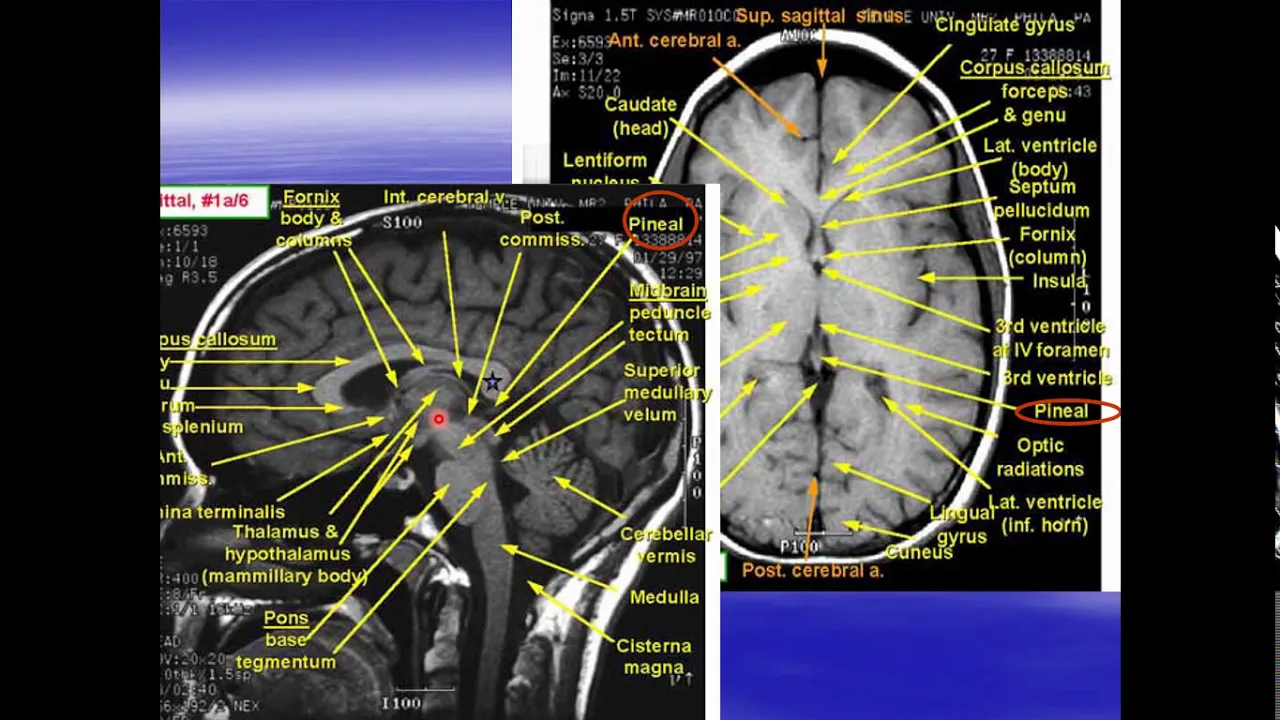
Basic neuroanatomy of the limbic system, specifically the anatomical locations and primary functions of the amygdala and the hippocampus.
The concept of contextual memory: how the brain encodes and retrieves associations linked to specific environmental or situational cues.
Basic cellular mechanisms of learning and memory, such as synaptic plasticity and long-term potentiation (LTP).
Clinical applications in psychiatry, specifically how deficits in extinction and fear renewal circuits contribute to PTSD, phobias, and anxiety disorders.
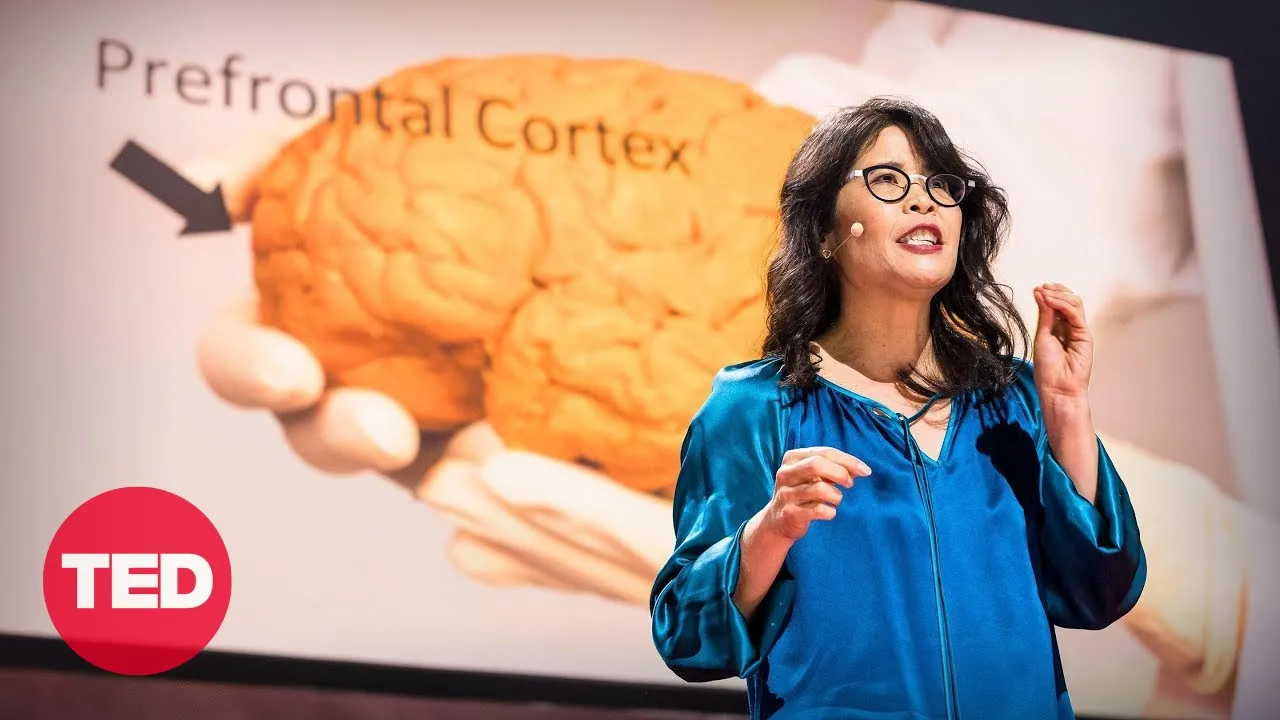
The role of the prefrontal cortex (particularly the infralimbic and prelimbic cortices) in mediating top-down executive control over the amygdala-hippocampal circuit.
Advanced neuroscientific techniques (e.g., optogenetics, chemogenetics, and calcium imaging) used to selectively manipulate and observe specific neural projections during fear retrieval.
Pharmacological and behavioral interventions designed to enhance safety learning, prevent relapse (renewal), and optimize exposure therapy in clinical settings.
333 views7likes26:54Original Release: 2017-07-20
I want to first thank the organizers uh Andre and EV and this is a great event and I have to say it's quite an honor to be invited to speak at this event um hearing some excellent science outstanding science from some real heroes of mine in the field um so you've heard about Gnostic units you've heard about reactivity and plasticity now and what I'd like to talk to you about is the another idea which Professor shro mentioned earlier which was this notion of reciprocity amongst conditioning and Extinction memories in particular but an idea korski formulated about drive and anti-d drive which is actually very relevant today to work in uh learning a memory and learning theory and particularly um is relevant to the work that I do on fear so bad things happen in life fearful events traumatic events here are just some examples and we have memory systems in place to encode this information rapidly and the animal can maintain it or human can maintain it for months years um and this is obviously very adaptive um it's good to avoid and organize appropriate defensive behavior when you encounter threats in your environment but it be can become maladapted and lead to Psychopathology and so obviously there's a great effort in the clinic to develop interventions to deal with the adverse effects of trauma um and one of those mechanisms is uh exposure therapy which is essentially uh confronting an individual with their feared or phobic object in a safe setting in the effort to reduce um fear well essentially it's something like exposure therapy involves Extinction learning and this is something that korski spent a lot of time experimenting on and thinking about and it's been a topic that my lab has been interested in now for about 10 years so this is you know I'm preaching to the experts here but this is obviously the framework uh under which we've done most of this work we use pavlovian conditioning and Extinction procedures we pair conditional and unconditional stimuli in our case typically tones and shocks which leads to a fear condition response as shown here in acquisition curve and then if you present the Cs by itself a number of times you extinguish the fear you produce a reduction in conditional responding and that's shown here paav appealed to a mechanism that he called internal inhibition to explain this reduction in conditional responding and this is something that canori spent a lot of time thinking about um what's interesting the interesting observation that Pavlov made and korski also appreciated is that Extinction memories are very fragile though quite unlike the original conditioning memories which tend to be very robust and long lasting um so in our case fear returns this is relevant to the recession in the United States and I guess internationally that happened a few years ago but um I like this slide because it says fear returns but uh in our case fear returns after Extinction and so there's a number of examples of this fear returns with the mere passage of after Extinction so the this is a phenomenon known as spontaneous recovery it was described initially by Pavo um fear will return after another aversive event occurs so if you give a life stresser or another unsignaled shock fear will return to an extinguished Cs and then fear will also return if you deliver the Cs outside of the extinction context now I didn't have a good slide to really capture the essence of context but I thought this would do a good job so this was an assignment that a a school child was asked to prepare about you know what they wanted to be when they grew up and the teacher became quite concerned when she got this submission from this young woman in class who um so she called the parents in and said a little bit concerned about the environment at home for your daughter um and the woman said well I don't see what the problem is selling snow shovels at the hardware store the point is is that context matters and so fear will return uh outside of the extinction context and this is a phenomenon known as uh as renewal okay so fear returns outside the extinction context and I'm going to spend the remainder of the talk in terms of my data talking about this renewal phenomena but it's a major challenge to CL interventions because it suggests that the fear memory lives on and the extinction memory is somewhat labile and this is actually a point that korski made both in his 48 book and his 67 book which is that it underscores the fact that Extinction is not an eraser of conditioning it's not an overwrite and this is the point I was trying to get up with yadin and I'm not saying that yadin would argue this but it's not like the Extinction event undo you know undoes or substantially reconsolidate the conditioning memory into something totally different in fact it seems as though Extinction results in new learning and this is the point that korski really U spent a lot of his 48 and 67 books talking about was that new learning happened along with Extinction and so actually in the ' 67 book I found this picture which I thought was interesting which was taken here in the 60s um of Mor Michigan and korski um but this is uh you know korski was really intrigued by pavo's notion of internal inhibition and he said you know quote one of the most important problems they dealt with and this is another quote from the 67 book he said as soon as the new laboratory of higher nervous activity was instituted in Warsaw here after the war my first aim was to has the theory and so he spent actually a lot of his effort right after the war here going after this problem of the nature of Extinction and in fact he very clearly said and this is really was stated most eloquently in his 48 book and he actually changed his position a little bit in the 67 book but this is the view in essence in the course of Extinction the inhibitory connections are being formed side by side with the totally preserved excitatory connections so this is an interesting point because it suggests that something about that original conditioning memory sticks around and accounts for these relapse phenomena recovery renewal green statement okay so my lab has been interested in the question of how does the animal know what to do after it's been conditioned and extinguished and has these two pieces of information that the Cs is bad on the one hand and the Cs is safe on the other how does it know what to do and so we spent a lot of time thinking about the role of context in making that decision that context is serving as an indexing sort of retrieval function in giving the animal information about what to do um and then secondly our fear and Extinction memories represented in different neural circuits in the brain which is sort of implied by kori's box and arrow models that um Professor shro showed earlier okay so the anatomy this is sort of a c cartoon in human brain illustrating the main players which are the igula of course which is Central to air conditioning and Extinction the prefrontal cortex which Greg Quirk jool Leu and colleagues have really implicated in inhibitory control fear this is true both in rats and humans and then the hippoc campus which as we know has a very important role in episodic memory and context processing so that's the easy circuit the more complicated circuit looks like this this is possibly not as complicated as the visual system circuit but I just wanted to give you a flavor of context involving cortical structures and hippocampus and it all converging on the amydala which is involved in associating cs's and Us's and reaching motor structures in effect for the performance of fear behaviors and so we know that the amigdala is involved in EN coding both fear and Extinction but questions then how does context pick what which memory the animal should uh perform essentially which memory get released into behavior and so for many years we've um focused on the role of the hippocampus in this process um again this is this is what we do in my lab we put rats in boxes and we give them a grid shock to their feet which is the aversive event and we pair that with auditory stimuli we measure freezing Behavior which is immobility of the animal um it's well described behavioral Paradigm to get at this is context the experiments look something like this we train the animal in one context which we'll call context a which has some unique features will extinguish the animal in a different context the odor of the box has changed the light level the tactile properties of the floor often are changed and then we'll present on a retrieval test the conditional stimulus which has been extinguished neither the same placees where it was extinguished or in a different place which is equally familiar because because we've equated exposure to these two places it's an equally familiar place theyve just never heard the tone there so the data looks something like this um when animals are conditioned they show increasing levels of freezing as a function of CSUS pairing so we typically use five CSUS pairings we give uh 45 Extinction trials typically so here before the tone is turned on in this new place Once you turn there's little freezing when you turn the tone on there's high levels of freezing and then it shows a nice within sessions within session Extinction and it's equivalent no matter where you put the animal this shows that fear itself is not context dependent they're just as afraid in these two places which are very different from where they were sha they show Extinction and then here's the critical test data if you ask the animal what the Cs means in the extinction context it shows very little fear but if you present that same CS which has been very effective itively extinguish note the low levels of fear at the end of Extinction if you present that same CS outside of the extinction context fear renews and it renews to a point that's really no different from an animal that's not undergone Extinction so the animal knows two things about the Cs it's safe and it's scary and this appeals to this sort of idea that as korski proposed Extinction forms a new memory alongside with the fear memory so what structures arbitrate this fear safety um decision well so we focused our early studies now that this is now 10 years ago on the hippocampus for obvious reasons it's involved in context and episodic memory and so the first studies used reversible in activation this was done by Kevin corkin in my lab um so he simply put canula into the dorsal hippocampus and Infused mimal gab Agonist to reversibly inactivate it and he did that during the test phase when they were being asked what what the Cs means and it's saline controls so the animals are not on drug here this is just showing their Extinction performance so they're scared initially and then they show low levels of fear after Extinction and then critically when he puts them into the retrieval situation the controls do what I just told you they're scared outside of the extinction context but fear is low in the extinction context but on drug when the hippocampus isn't active they lose this contextual regulation they they're sort of in this case intermediate it's as if they don't know what the Cs means or where where it's being presented so what are the brain areas engaged in this process what are the circuits engaged in this process we have evidence that suggest the hippocampus is communicating with the amigdala but is it through a direct route or an indirect route we don't know so to do to ask this question we evolene actually came to my lab as a postto in 2006 and used large scale seos mapping approaches to kind of look at the systemwide regulation of memory retrieval in this task and so she used the identical task I just described and asked what brain areas are active when animals are suppressing Their Fear in the extinction context when when fear is low and there she found high levels of Foss expression in the infralimbic region of the pre medial prefrontal cortex as well as this inhibitory region of the amigdala the interated cells which resonates with GRE per quirk in Den P's story about the role of these structures and suppressing fear and then when animals are renewing fear that is when they're retrieving the excitatory fear Association she found high levels of activity in the prelimbic cortex of the medial prefrontal cortex the lateral amydala in the central medial nucleus which is an area involved in fear expression um so this suggests some reciprocity of fear and Extinction memories in the circuitry then interestingly she found also that the hippocampus and basolateral nucleus of the amydala were sort of active in both conditions it's like they cared about the Cs no matter where it was presented suggesting that they may be somehow involved in arbitrating the decision about what to do the amigdala was a little bit of a surprise in that regard um Caitlyn or and my lab followed this work up by asking whether these FAL active neurons that e eolina had described actually projected to the amydala and so she injected a retrograde Tracer CTB into the basolateral amydala and asked whether double labeled cells in the typic Camp the cortex were present she did The Identical behavioral procedures as I described this shows A CTV infusion in the igula and some double labeled Foss and CTV cells these are cells that are active during a particular behavioral event that are projecting to the amula um this is identical behavior and essentially what she found what Caitlyn found was that in the infr liic pre-ic and hippocampal regions that project to the amydala you see essentially the pattern that eolina described but in a proportion of neurons that actually project and connect with the amydala so this gives us some connectional some functional connectional information about the circuit and again infralimbic cells that project to the amydala were more active when animals were suppressing Their Fear as opposed to renewing Their Fear whereas prelimbic and actually vental hippocampus there is more activity when animals were exciting fear showing fear responses compared to when they were suppressing fear so this begins to describe a circuit um a functional circuit the question is do amydala neurons that are active during these behavioral events of renewing fear and suppressing fear do those neurons actually receive input from the hippocampus medial prefrontal cortex to address this issue and this is work of both evalina leic and number of other people at the Institute and their collaborators they developed this really novel and important animal they call the Venus rat which localizes um a Venus fusion protein which you can visualize two synaptodendritic compartments and this just shows um where pre and post synaptic markers collo and so they use this animal and this is I should say under an activity dependent promoter under a Foss promoter so active neurons do this neurons that are active so what evilina did was used this animal to ask when an animal suppresses its fear for example and neurons become active in the amydala what what inputs do they get so she put anogra tracers in the preal cortex and hippocampus and ask where they cooll localize and even I'm sorry that I stole your talk for today but I did but I did come all the way from Texas so um so like I said she used con focal Imaging to localize on these Venus positive cells where the anog tracers calized and this is sort of just a summary SL but what she found was that neurons in the amydala that were active when animals were suppressing Their Fear had predominantly input from the infralimbic cortex whereas cells in the amydala that were active when animals were renewing Their Fear actually had their dominant input from the vental hippoc campus and a little bit more from the prelit cortex so this is very much like what korski talked about in terms of these dual channels and it looks like even in the amydala there's sort of a reciprocity of the excitatory sorry the excitatory CSUS memory and the you know possibly inhibitory CS no us or Extinction memory and actually canori later in the' 67 book got away from the term inhibitory because he felt that this was just another excitatory memory that was being formed essentially an excitatory memory in the anti- drive system and that's kind of consistent with this these are projection neurons these are glutamate princip cells these aren't inhibitory neurons and it's suggesting that that Extinction memory might be encoded in plasticity and projection cells in the amigdala as well which is consistent with the fact that it's also blocked by nmda receptor antagonist appi there being coding of Extinction okay so context seems to select this reciprocal Circuit of renewal on the one hand involving prelic lateral and Central medial nucleus and then this infr limic ITC circuit and the Bas lateral amydala seems to arbitrate this possibly in some way and that's sort of the subject of future work the last piece of data I want to show is a collaborative project that we we um pursued with Sheena Joselyn to ask at the cellular level is there any indication that there are different representations of the Cs when it's in an Extinction context or when it's renewing fear and so to do this we used the um I'm going to skip over my little cartoons here to talk about what these are I think more confusing than they are Illuminating um but they're kind of fun to look at though um so what we did was use a catfish procedure where we looked at the differential cellular localization of Ark in the dendritic compartment versus the the CYO plasmic compartment versus the nuclear compartment you know within subjects design where rats were first presented with the Cs in the let's say the extinction context and then secondly 30 minutes later presented that same CS in the renewal context and we have of course counterbalanced it and so forth and counterbalanced the the test order and the context and everything but you could then ask if a cell showed just cytoplasmic Arc it was associated with one of the behavioral experiences if it was just nuclear Arc it was associated with the other and if you saw convergence it was processing both well interestingly what we saw um that's just describes so if you look at just our single labeled neurons in the open bars in the renewal situation we sort of observed what eolina and Caitlyn have previously reported is that there's more Arc activity in the lateral nucleus the prelit cortex and in this case the basil lateral nucle it's when animals are renewing fear but when animals are suppressing fear the iil shows greater levels of Arc activity but of course what we were interested in is what sort of what the ratio of the single to double labeled cells is that is the extent to which the memory is kind of contextualized in the circuit so this is a ratio of basically the single to double labeled cells and what it's telling you is the greater the number you have here the more the representation has been separated between the extinction context and the renewal context that is there's more cells here that are single labeled than there are um over here and so what was sort of a considerable surprise to us is that the place in the among these structures that We examined in the amydala ventral hippocampus and medial proof frontal cortex the place that hosted the most context dependent representation was in the amydala we expected it in the hippocampus actually but we found it in the amydala suggesting that these two channels of you can think of it as the drive and anti- drive representations or the CSUS and CS no us uh representation were actually found in different and unique populations of cells in the basil lateral M it's also the case that this difference emerged as a function of Extinction training that is before Extinction training most of these areas showed an overlapping representation that is the Cs was treated the same whether it was in one context or another was only until after the Cs acquired this new meeting that pattern separation had occurred okay so just to conclude um Extinction yields a new safety memory a memory of relief that competes with fear for expression of behavior and this is was core to kori's thinking about uh Extinction and this idea continues to resonate through the field and I think it's one of the ideas it's actually receiving lots of careful current work neuros in the Neuroscience field um the hippocampus mediates contextual control of Extinction through its projections to the prefrontal cortex and amydala and as I just showed you the amula contains context dependent neuronal ensembles in some ways Gnostic neurons Gnostic fear and Gnostic Extinction neurons if if one believes that there are such a thing for emotions and um it's been suggested that there are um that the M contains these sorts of representations so I just want to thank new members of my lab here at Texas ADM where it's currently 95 degrees as it was last week and the week before um so this cool and rainy weather is actually quite refreshing for me um and of course the collaborators Caitlyn who I've already mentioned Sheena and chenyan at Toronto who were involved in the catfish work and then leic and eolina here at nensy Institute involved in the Venus rout work so thank you very much thank you very much now comments questions um obviously now the one one next question would be about the identity of the neurons that are differentially engaged in the in your different sub systems are you currently looking into this and have any idea if there's a segregation at the neuronal type level yeah that's a really interesting question as far as anyone can tell so um sir luy has done some recordings on of these neurons and the neurons look quite similar in terms of their firing properties but they're differentiated by their anatomical inputs which is what eolina also observed um so in ter they both they seem to be common populations of projection neurons in the basil lateral amydala what might Define them as their targets and so this is a question we're interested in is whether they actually might have differential targets to Central lateral versus Central medial and it's something we should probably talk about but we're we're now doing some retrograde tracing functional studies it's quite challenging doing you know small amounts of retrograde Tracer and Central lateral versus Central medial but seeing it when if it pulls back into basil if there's different populations of cells that are hitting the target Som related to to this is there a clustering of single label neurons or double and double label neurons are they located there's no topography as far as we can tell it's just sort of a dispersion you know there's not any clear mapping it's like a very salt and pepper type organization so whether that's just shaped by the behavioral experience and it's sort of somewhat random in the network and just gets honed it's an interesting thought can I one short question yes sure this is from old work on avoidance learning do you think that your procedure of exting extinguishing fear the new conditions where the Cs is presented is learning of safety is there anything that animal learns actively or it's just Extinction no I think there is a component of learned safety learned relief and that the Cs does take on lots of properties of the safety signal in those situations so people have tested this you know it shows slower you know it it can show summation with other exciters where it reduces performance and so there I think there's a lot of reasons to think that it is very much like a safety signal almost like a condition inhibitor
Up Next

15:26
How Neuroscientists Manipulate Memory with Light | Steve Ramirez & Xu Liu
@TED
145.5K views•2013-08-15

59:49
Neuroscience and Genetics of PTSD: A Precision Medicine Approach
@UWPBSCI
221 views•2024-05-09

4:10
Vagus Nerve (CN X): Anatomy, Nuclei & Functions Explained
@Alilamedicalmedia
305.2K views•2022-10-31
13:03
How Exercise Benefits Your Brain: Science Explained
@TED
11.4M views•2018-03-21
Related Study Plans & Knowledge Roadmaps
Structured learning paths in Neuroscience
neuroscience
Appetite Regulation: Brain Circuits & Hormones
01Foundations of Endocrinology and Brain Anatomy
02Introduction to Energy Homeostasis
03Peripheral Signals: Leptin, Ghrelin, and Insulin
+ 2 more learning modules
14h5 modules
Explore Roadmap
neuroscience
Neuroeconomics: Value, Risk & Brain Mechanisms
01Foundations of Neuroscience and Brain Anatomy
02Introduction to Neuroeconomics and Subjective Value
03Dopaminergic Prediction Errors & Reinforcement Learning
+ 3 more learning modules
18h6 modules
Explore Roadmap
neuroscience
Spatial Navigation: Cells, Grids & Brain Maps
01Foundations of Brain Anatomy and Memory
02Place Cells and Head-Direction Cells
03Grid Cells: The Brain's Coordinate System
+ 2 more learning modules
12h5 modules
Explore Roadmap
neuroscience
BCIs: Neural Decoding & Prosthetic Control
01Neuroscience Foundations: How the Brain Signals Intent
02Signal Acquisition: Recording the Brain's Activity
03Neural Decoding: Translating Brain Waves into Data
+ 2 more learning modules
25h5 modules
Explore Roadmap