












![60분 만에 배송? 이게 되네…? [1시간 배송을 가능하게 만드는 LG CNS 스마트 도심 물류센터]](https://i.ytimg.com/vi/y82Cg17hOug/maxresdefault.jpg)


The goods-to-person approach in logistics revolutionizes warehouse operations by bringing products directly to workers instead of requiring workers to travel to product locations, thereby eliminating the primary waste in picking operations—travel time—and enabling significant improvements in labor efficiency, space utilization, and order accuracy through automated systems like conveyance, carton erection, and inline weight scales.
Goods-to-Person Picking Systems for Modern Warehouse Operations
Added:Fundamental warehouse operations and traditional 'person-to-goods' picking methodologies (e.g., zone, batch, and wave picking).
Basic terminology of inventory management and logistics, such as SKUs, order throughput, cycle time, and order accuracy.
The role of Warehouse Management Systems (WMS) in coordinating inventory control and order fulfillment workflows.
Advanced robotics in fulfillment, including Autonomous Mobile Robots (AMRs) and automated robotic piece-picking systems.
Financial modeling and ROI analysis for capital-intensive warehouse automation and integration projects.
Implementation of artificial intelligence and machine learning for predictive slotting and dynamic picking optimization.
Micro-Fulfillment Centers (MFCs) and urban logistics strategies utilizing compact goods-to-person technologies.
135 views0likes43:13Original Release: 2024-10-16
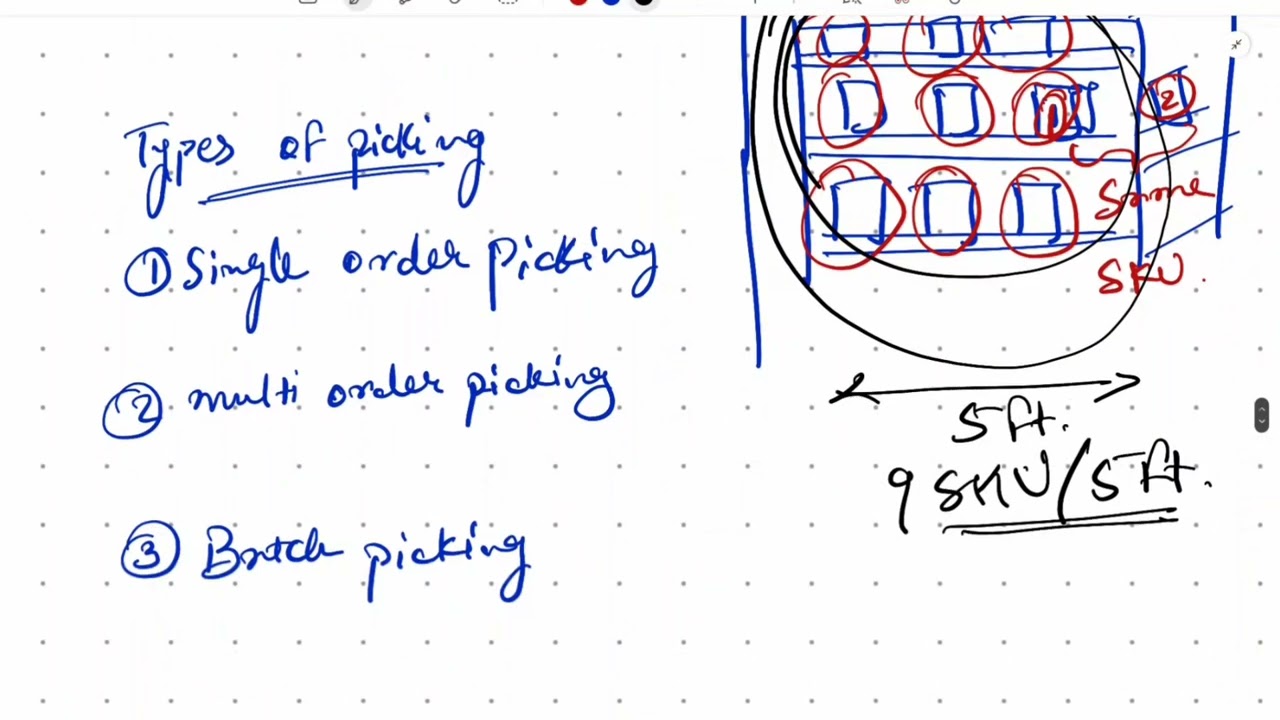
okay welcome to revolutionizing Logistics the goods to person approach to efficient Supply chains the information discussed in this session represents the views of the individuals and does not constitute legal advice you should consult with your organization's leadership and legal counsel for any advice Beyond this thank you hello my name is Dave Chine uh I've been with uh Alpine for several years now I'm a managing director and um I am in the um uh God I can't think of the name of the group but um and anyway I've been working with alpine for quite a long time I'm here to introduce uh the two um pres presenters for this process and I'm going to let them present themselves Jim take it away yep thank you Jim Chamberlain I'm senior managing director at Alpine within our warehousing practice I've been with alpine for just under five years and spent my entire career working within the four walls of distribution centers 30 plus years experience um lot of work with Labor Management Systems layout design automation um all the things that uh are cost components within the four walls of a facility and I'm Tyler Daniels I've been with alpine for almost three years now uh as a data engineer I focus primarily within the four walls as well specializing in storage type analysis determining the right slot size um also the slotting of items the evaluation of different automation Alternatives picking and packing processes um this is right up our alley we're we're happy to present to you guys all right so today we are going to be talking about the first off just the introduction into the revolutionizing logistics um what we're really talking about as it relates to how businesses are operated traditionally versus um how they can be operated as you continue to grow your business and become more sophisticated so we'll get into current picking and packing processes that we see quite commonly in the industry and then we talk about how we look to optimize Pick and Pack processes and the neat thing is one size doesn't fit all all businesses are different but when you're having good proog uh problems where your business is growing these type of Technologies help you to scale that business effectively and efficiently and then we'll also talk right at the end you know how can Alpine help you this is one of the things we do for our clients and we can help you along the journey and we'll just give you a little bit of a a sendoff with that at the end of the presentation if you have any questions during the presentation um feel free to you know hit the chat um with your questions and Dave will feel those we'll try and answer them as we go and then um will also take time at the end of the presentation all right so today like I kind of mentioned in the Amazon fast-paced type world where everybody wants everything same day or within a day you know the supply chains global economy and Logistics all of that is super important and we've seen that time and again with you know covid issu issues at the ports long shoreman striking um there's all sorts of uh issues that come into play that um Can impact the success of many businesses across various Industries and as these different markets become more interconnected and consumer expectations rise traditional Logistics practices are really no longer sufficient it's no longer the right answer to say we'll just add more people that's we know um training people relying on them to show up every day just all the issues associated with variable labor it's very important that you always look at what are the options that are going to um allow me to be successful and to scale my operations so what we're going to look at is traditional and um opportunistic ways to do picking and packing within the four walls of your facilities and the neat thing like I mentioned earlier is that there's a lot of automation out there any of you that go to promat or modex you know it can be overwhelming there's a lot of shiny objects out there and what we're going to try and do is show you the different types of picking and packing that's out there and what automations are good matches for addressing those so what you can expect in the next 30 minutes or so is just ways that you can address increased labor costs labor availability how you can combat the increasing lease or building costs by optimizing your Footprints more effectively and then also um focusing on service level to your clients uh you know making sure that you improve your cycle time within your fur walls which allows you to deliver to your clients on time so let's jump right into it and as we go through these what you'll see is there's a handful of ways to pick orders and we start from the very simplest and we move on to the more sophisticated and just like any business as your business gets more complex that's when you need to look at the different types of picking to optimize productivity Within your four Ralls so discrete picking is the way we we typically see a lot of smaller operations operate and this is where each order is picked individually and think of it as all of your skus are um assorted throughout your pick aisles whether those are full pallet locations hand stack or bin shelving the Picker moves from location to location to fulfill the particular order the advantage is you've got one person that's picking that order complete so the chances of accuracy are greater because you're you know basically only picking that one order at a time whether that's picking to one pallet or filling one carton or one tote at a time disadvantages as you can imagine it can be time consuming if you have thousands of SKS your pick path and your travel distance can be longer and it takes that much more distance and time to fulfill the order so what's another option another option is badge picking that's where you go through the same pick path but now instead of picking one order at a time you're picking multiple orders at a time so as you walk or use equipment to go through the pick line once instead of fulfilling one order you may fulfill eight orders 10 orders 12 orders 20 orders at a time depending on the size um of the orders so with this you are reducing travel time increasing efficiency and especially when you've got orders that are where you're going to the location then you're picking for those multiple orders every time you go to that location disadvantages uh there is more complexity and it does open up the opportunity for errors because you have to make sure you're putting the right SKU into the right order whether that is a like I mentioned a carton or a tote next one is Zone picking and think of this as the individual picking the orders they do not leave their zone so the travel distance is minimized and the product comes to the zone and that can either be through conveyance it could be through um autonomous mobile robots but the whole um idea here is that the pickers are you know working in one smaller area travel distances or reduced uh but the disadvantage here is or you could probably say requirement is there's much more coordination um as you're trying to bring product from Zone to Zone and typically when you're going to do Zone picking you do want to have a system that's directing the activities to make sure that there's coordination and everything is Flowing effectively very uh similar and continuing on um the sophistication is wave picking so just think of wave picking as batch picking where now you take the timing of when the orders need to be shipped when the uh customer ship time and expected delivery times are and you sort it to that next level so now not only are we picking multiple orders but we're picking all those orders that need to go out at 12 o'clock at before we batch and pick orders that need to go out at one o'clock and two o'clock Etc so same type of thing um the advantages you are minimizing travel you're you're doing a much better job of optimizing when the work needs to be done and you're also U having better flow within your facility disadvantages once again much more careful planning and scheduling to make sure that you're utilizing your resources throughout every hour of the day finally we get into multi-order picking and think of multi-order picking as I have a handful of SKS where those SKS are the only SKS on an order and instead of having to go through your regular pick aisles and process to pick those orders you segregate those handful of SKS into one small defined area and you pick all of those orders up front towards your dock those never have to go through the regular picking process same type of thing here it's very efficient for those orders that have those few SKS only and high quantity of of those SKS and orders disadvantages um you want to make sure once again that you are using systems to organize to to get all these um items and orders identified so that they can be picked but when you take advantage of the multi-order picking it can be very powerful because once again travel time within a facility is always one of the big enemies so at this point I am after going through some of the pick strategies I'm going to turn it over to Tyler and he's gonna talk about some of the different packing strategies that are out there oh before I turn it over to him though I did want to just share this um screen here that just gives you an idea of from the simple to the very complex the different aspects as it relates to warehouse space number skes system support or Direction and the order diversification we'll share this um deck out after the presentation but it does give you an idea of as you go from more simplistic operations to more complex more sophisticated that's where you need to look at all of these different factors all right take it away Tyler all right so Jim's already covered a lot of the pick strategies that can help increase throughput and kind of minimize some of the risk and travel time associated with picking but at the end of the day those items still need to make it to the outbound dock so packing is is a necessity um right now I I believe most people are doing what's called individual packing it's the simplest process um each order is packed individually and it does have its advantages um namely that every Packer must lay eyes and hands on every single order going out of the building um so it's a great opportunity for additional quality assurance and if you have um particularly valuable items or unique orders this can be a really good way of of making sure that everything looks correct on the outbound side but there are some ways to improve this as well um namely batch picking um this is usually the easiest method to transition to um because any organization that is doing individual packing now that shares different I'm sorry that shares similar pack types in other words you have roughly the same size carton the same sort of void fill and taping process you can start to group those orders together and perform those processes in parallel instead of bouncing back and forth between one and another um the the greatest opportunity here is that you can start to get some economies of scale on the outbound side while you're packing of course the disadvantage is now there's no longer a packer that is placing direct eyes and hands on every single order um so we need a little bit of quality assurance Upstream to ensure that everything is going out properly and then the very last uh form of pack strategy if you will and this uh this comes with a a heavy caveat that is heavily dependent on your order profile so there needs to be some data backing this up but if you do ship multiple orders to the same customer one of the best ways to reduce the amount of material and time used in packing is to consolidate those orders take some of the earlier orders and hold them off for maybe a day and then wait for orders to accumulate and ship them out in one box again this is not something that just anyone can transition to you typically need customers that consistently order several um orders at once so that we can ship them out at the same time but again we can reduce expenses and certainly minimize waste by not individual packing every single order out to the exact same customer um but it does it does get a little bit more complex sometimes it does require a little bit of system um integration as well to to handle this but um it can be a huge win if if your order profile supports this all right so we kind of give you an idea of how the different pick types um are executed within the four walls and the same thing on the packing side so let's talk about Advanced Pick and Pack strategies so these are ways that you can help to improve labor costs and space utilization so think of that as the the double win within your four walls so from a pick strategy side um there are the first opportunity that we're going to talk about in more detail on the future slides is picking individual orders into a shippable box and then using con Lance to move the product so this is one that addresses the travel that we talked about in the previous slides where here the Picker is going to be working in their area think of you know like a pick module maybe it's one two thre level pick module but the product is conveyed via Zone routing or pick and pass to the um individual um and they can have different te technologies that are interfacing with them where they're picking individual orders into a box that's already sized for the specific order and then we use conveyance to take the product away you can also do batch picking to tote so same type of thing where we're going to pick multiple orders worth of a given skew into a tote let conveyance take it on its way and then you can sort to and by individual orders Downstream finally you can look at Goods to persons um Technologies and with these think of it as storing of products with no aisles all the product is presented to the worker the worker will pick individual orders into a ship box that has been sized based on the cube and the items that are going to be a part of that particular order and then conveyance takes you to the pack areas and within the packaging areas the strategies to help optimize those um particular activities carton Erectors so carton Erectors are are great because they do all the things that human would normally do think of it as making boxes taping them up um but they're doing it on demand based on information coming from the WMS the cubes and the quantities of the items to say this is the right siiz box that you should be picking into to minimize Cube minimize Dage Auto tapers same type of thing the the carton is erected automatically it's also taped automatically uh inline way scales these are great to address the accuracy of U orders and with these if you're supposed to have five of this 10 of that and 12 of another item and the WMS knows the weight of each of those items it also knows the weight of the um corrugate for the box if the uh item or excuse me if the carton is outside of the weight tolerance for that it'll kick it out to a hit F Lane for further investigation so it's a great way to make sure that you're ensuring accuracy on the back end you also have Jim yeah go ahead so a lot of the picking strategies that we're seeing here um are related to the uh cutting out of if you want to call it the walk time of a resource right it's it's keeping him more uh centered so that he's not using using that that wasted time of moving from place to place is that I mean cutting that labor time correct it's it's one of the um eight forms of waste is travel or you know transportation and that's one of the big ones that uh these pick strategies do is they help to bring the product to the worker as opposed to the worker going to the product and the packing St Strate IES is kind of another area in the fact that it's the redundancy taking the redundancy out of people's work and that that redundant constant movement that they have to do is that right correct it's also drives consistency and um safety checks or you know those type of things without having to have a person tied to the activ perfect thank you you bet so the print and apply once again on the end once you um have created the carton taped it you picked it you made sure it's all correct then you can do all of the parcel labeling on the back end and he hasm labeling all of those different things um on the back end even the rate shopping uh that that goes into it and finally Dage stations for you know applying Dage however the nice part about that is what you find using these strategies is there's less need for the Dage because you are right sizing your cartons all right so this is a visual here of kind of what we were talking about the first one where we're pick the individual order into a shippable box and then we're using conveyance and the neat part about this as you can kind of see this person is working and they're picking the items and in this particular case it's a pick the light system so you can see by that person in red there is a red light and a green light so the system will light up and it'll let the person know that you need to from this Box gives you the quantity and they know then that's what needs to go into each one of the boxes and they scan each one of the boxes that it's coming by their work area another area Beyond just technology is slotting so slotting can help you with ensuring that when the worker has to perform their job the majority of their picks are coming from their golden Zone area so for this particular person you want it between shoulder and waist high where they do most of their picking because that's ergonomically more friendly for the Picker they're going to be more efficient and it's going to be um safer for the worker because they're not bending down or reaching up high to do their picks and then finally proper sizing of pick locations is another big win that you can do by analyzing the movement of your different items making sure that um you've got the right quantity in the forward pick to be able to handle either day or a week's worth of of Supply so that when orders come through you don't have to have Pickers waiting on replenishments or having orders held up and not being able to be fulfilled very similar same type of thing here we're using totes where we are picking product and putting it into the totes and at this point we are picking for multiple orders so think of this once again as I might need for this particular wave 50 of this item that's going to go across 20 different orders I'm going to pick all of these into a tote and then on the back end if we go to the next slide there is technology out there that can do the Sorting into all of the final orders so think of the batched quantities and the bigger totes coming into this machine and then this machine takes it and say okay if you're looking at this particular one it looks like we have about 40 different orders that are going out in this wave it's going to be able to fill each one of those orders with the right items and the right quantities of items without any human intervention and then from this we can convey these F to the pack area so I'm gonna hand it back over to Tyler and he's gonna talk about some more of the goods to person um opportunities for picking and then he's going to transition into how that moves into the packing opportunity and packing automation yep thank you so I want to preface this by saying when we talk about automation a lot of times the term Goods to person comes up and there are several Solutions um in a Goods to person system that I think we'll talk about a little bit later um but it does exactly what the name implies it brings the goods directly to the person who's going to be picking the item which is going to eliminate the number one waste in any picking operation which is travel I think something that Jim and Dave have touched on a little bit before so if we can eliminate the uh the need for travel and then also present the right item with 100% accuracy to the Picker every time we can gain some efficiencies pretty much all the way across the board but we can also take this and we can pair it with uh what I would consider to be the cherry on top which is picking directly into the outbound shippable box because in the packing automation contrary to the picking Auto or operation the sourcing and constructing of corrugate tends to be the biggest waste there as well so if we can sort of preempt that with a good to person technology or something like a carton erector then we can eliminate travel and eliminate the largest waste in packing at the same time we can also take this and then go even one step further and pair it with an auto tap or a print and apply in an inline weight scale so that we can assure accuracy and again eliminate those nitpicky things that happen on the outbound process that can possibly be better suited by some form of automation um and then there's also sort of a um a little caveat to that as well if you're picking individual orders from a uh G to person technology and not batching then there's no need for sortation so that's a huge win as well and we don't need to worry about slotting and rotting continually as demand changes within a gizo person technology because the presentations happen at the same time and the same rate regardless so it does eliminate a little bit of the volatility if your if your outbound order profile and your monthly summary tends to look um bodal or tend to have like a a strong season if you will you can ramp up and ramp down demand without needing to manage resources um in conjunction with that so here are a few of those goods to person examples this is by no means all inclusive there are a seemingly infinite number of different solutions and it does vary greatly from customer to customer no one solution is correct for every customer but the example shown here on the top left is a geek plus um top right is a Opex perfect pick and down at the bottom is an auto store so again the correct solution varies from customer to customer most of the time it ends up falling back on what the ROI looks like because we don't want to implement a solution that isn't going to end up saving us money in the long run of course and there's really two things that drive an Roi when you're considering a Goods to person the first one and the most easily realized is the throughput for example a lot of these systems can get you up to 400 picks per hour which is well beyond what most people can do by walking um with with several different employees so we can do that typically from a single Goods to person system eliminating again travel time but also increasing throughput again tailored to demand as well so you don't you can meet demand digitally instead of having to hire on or um reallocate more resources throughout the year but another one that drives the ROI is an opport cost which is typically utilizing the full clear height and therefore also maximizing the density within a space um the reason I call this an opportunity cost is because it it really extends the amount of time that you can typically stay in a building or build out a current pck mod without needing to expand if you start to reach the upper limits of your building right now there is again always there's always a solution seemingly for almost every client in the goods to person it just just has to be the right one this is an area where it needs to be heavily leveraged by your data and we really highly recommend reaching out to consultants and experts before making a decision like this that way we can avoid chasing you know the shiny objects in the room and start focusing on what you really need um that way we can get that Roi built up get it down you know to maybe two years or less and start realizing the potential of what you currently have and then we've given uh several examples of pack automation but I wanted to go through these really quickly um so that we can kind of apply visual here um this is a print and apply that um I think we talked about a little bit before the print and apply is going to apply labels and there's in even in the next slide there's many different variations of a print and apply um for different carton sizes different labeling you know one or two top or bottom but this eliminates the need to print individual labels and then have a person put those on um this way we can get very assistent placement we can print and apply in real time directly and then we can also free up a resource that might just be putting labels on a box to do something more complicated or perhaps even more fulfilling but my personal favorite on the right side is the inline weight scale not only do we need to weigh our outbound shipments for any carrier data that they may require but when we talk about doing batch picking Zone picking wave picking and then also picking into a outbound carton what we're really doing is is eliminating the amount of hands and eyes that need to be on every box going out so the number one concern for many clients is how do I know that the orders being fulfilled properly do we need another hospital Lane do we need some quality assurance associate and a lot of times the inline weight scale can eliminate that um that uncertainty in the outbound process by pairing with your WMS using the right data and saying this package should be 12.4 o and was it's within a quarter of an ounce so it's within margin or if there was a mispick or um you know someone picked too much of one item not enough any of the variations of a mispick then the scale can determine that there is an error here and we can divert that package around to have it double checked by human as well so this not only serves as a quick way to gather the data that you need on the outbound side but also use that data to make sure that everything going out meets the quality specifications and then here is just a plethora of different print and apply options that we have as well um that again it varies by box um this is going to be sort of a custom tailored item depending on your product sizes product Cube um average quantity per line lines picked all that fun stuff but the carton erector is a really interesting one because it can in real time look at the cube of an order and not just produce the same generic BLX time and time again but also tailor the size of that box to properly meet the order itself so we can you know program in certain margins for things like packing materials peanuts airbags Etc but what we can also do is shrink the size of that box to avoid being dim weighted on outbound this not only protects the items a little bit better and prevents any rattling around but it eliminates the waste of having extra packaging material on the inside and can reduce the overall shipping cost as well all right so so we're hoping that you found this webinar informative here at Alpine you know we've analyzed thousands of sets of data for our clients and and really the key is to make sure that um like I had mentioned and Tyler had mentioned that the right solution is put into place for your business today and and what you forast for the future so very important as you look to invest in Goods to person technologies that you've got the proper business case and the return on investment analysis that is something that Alpine can definitely help you with we like to think of it as Ready Aim Fire a lot of times uh people will make the purchase and then figure out how are we going to make this work for our business Alpine is very agnostic in our approach and we're very familiar with all the different Technologies out there so um we tend to be one of the partners that are out there that Tyler had mentioned that can help you on the journey and make sure that the hurdle rate is met for your given uh organization [Music] um I think the the last piece that I wanted to talk to you about is just um we can also work to help identify the optimal storage types for your pick and Reserve locations that's just as important as technology making sure that you got the right items in the Right Storage types and that can help you to address the footprint within your building a lot of times we do have clients come to us where they're looking to move into a new facility and we're able to do a storage type analysis that shows them if you just increase the amount of dense storage for the items that are good fit for it you can actually stay within the four walls so the combination of maximizing your space utilization pairing it with the right um automation can really be u a powerful tool to optimize both space and labor within your four walls so with that we're going to open it up to any questions that might be out there uh right now we're not seeing many questions I guess I have one big question is is that um with all of this I mean this is just a you know these are just Tools in in the whole group of Designing and laying out a warehouse or a building or a manufacturing area right it's it's just one part of that whole process um we actually you know we actually look at the entire plan as we're designing these things right that is correct it's a very um collaborative integrated approach um we work very closely with our clients with our partners to not only just look at the storage but look at all the different processes that are going on within a facility uh to make sure that everything works um hand and glove right and and the other thing here is is this is not just uh oh let's eliminate resources but it's it's a uh tools that you can add on to help help your growth and help your um your movement um forward with things without having to add more resources it's it's tools to you know basically enhance your team as well as you know um you know they always talk elimination but it's more about the uh the growth of your of your business right what am I I'm trying to get on yeah no you hit it on automation isn't for eliminating head out it's for scaling growth and that's the way to think about it when you're operating in a facility with 10 employees and you're shipping a 100 orders a day you know you don't need automation but when your business doubles quadruples and you start to say wow I don't need 10 people I need a hundred people then you start to get into okay if I'm looking at automation that can actually have a very compelling AI um versus just scaling up head count and it also gives you much more consistent reliable results uh because the automation is is designed to run you know 247 uh one of the questions we had out there is you know what's what's the typical lead time for a good person solution and depending on the uh technology we're probably looking in that 12 to 14 month Allin from concept design all the way through manufacturing implementation and commissioning of a system so if you're thinking about you know lead times and then what it take to execute that fully that's probably a good rule of thumb to use and it also helps you to kind of work backwards from you know um when you feel that you actually want to be implementing the new technology we have another question here um for you guys are you Fielding many questions or inquiries into the use of RFID to provide efficiency and visibility into the supply chain Logistics process and how do you support those discussions well I think I think the short answer is yes um however RFID tracking became I think a little bit more important with some of the fda's concerns around food tracing um and traceability for U you know any FDA regulated product so we typically don't work with that directly we have partners that do um not namely because they might appreciate it lvat is one of the uh industry leading um barcodes and RFID taggers providing equipment for both the labels themselves and the scanners um so we we certainly do work with customers that have those requirements but we are not the the leading expert on RFID so we typically do Outsource that to our partners who are the experts fair enough um another question we have how much historical order and inventory data do you require could properly play in a facility typically I it required is is sort of a loose term because every customer is different I've had customers that only have really good data for the last few months so we we always have to preface that every solution we can come up with is based on the accuracy of the historical data and if that time period is short the variability is long um I like to see a Year's worth of orders um with some insight into what previous years looks like the only reason I need previous years is typically to compare with expected growth rates in the future to make sure that they are not outlandish goals that we're going to quote build the church re or Sunday or potentially undersize it but I would say if you have a solid years worth of inbound and outbound data you have a quality item Master with Dimensions units of measures and weights there's almost nothing we can't do within your facility and then it's a really good question too because it is important to understand you know Peak month Peak Week Peak day and even you know peak hours within your facility because if you're going to be considering automation Alternatives it has to be able to handle um you know your Peaks uh that you're going to be experiencing and it's also very important then beyond just the data that Tyler mentioned but understanding what are your growth projections you know what are we building a system for um one year out five years out so all of those are components of the solution that um we work very closely with our clients on okay that seems to be the questions we have thank you so very much my friends for stepping in and and giving us great insight into uh into your world awesome thank you everybody for your attendance y thank you very much we appreciate it if you have any questions please feel free to reach out all right thanks all
Up Next

8:55
Third-Party Logistics (3PL): Definition, Functions, and Benefits
@Ennilogistics
1K views•2023-09-21

12:54
Triumph of Orthodoxy Icon: Byzantine Art & History Explained
@BenCallan
2.1K views•2024-08-06

9:49
FastAPI vs Flask vs Django: Choosing the Right Python Web Framework
@TechWithTim
302.5K views•2024-05-26

1:42
Game of Thrones Opening Credits: A Cinematic Analysis
@gameofthrones
46.3M views•2011-04-18
Related Study Plans & Knowledge Roadmaps
Structured learning paths in General & Interdisciplinary Studies
general-studies
Elevator Engineering: History, Physics & Cities
01From Hoists to Safety Brakes: The Dawn of Vertical Lift
02Hydraulic vs. Traction: The Engineering Physics of Elevators
03Modern Speed, Safety, and Algorithms
+ 2 more learning modules
12h5 modules
Explore Roadmap
general-studies
Rubber: Material Science, History & Geopolitics
01Origins of Natural Rubber & Mesoamerican History
02The Chemistry of Natural Rubber & Vulcanization
03The Geopolitics of the Rubber Boom & Colonization
+ 2 more learning modules
12h5 modules
Explore Roadmap
general-studies
Containerization: Evolution, Logistics & Trade
01Ancient Trade & Bulk Cargo: Amphorae to Barrels
02The Industrial Revolution & Cardboard Packaging
03The Containerization Revolution: Malcom McLean
+ 2 more learning modules
12h5 modules
Explore Roadmap
general-studies
Textile Tech: Evolution, Labor & Global Impact
01Pre-Industrial Textiles: Handloom & Cottage Industry
02Mechanization: The Spinning Jenny to the Power Loom
03The Factory System & Global Labor Transformation
+ 2 more learning modules
10h5 modules
Explore Roadmap