















The CUSABIO Plasmid Maxiprep Kit uses ionic exchange column purification technology to isolate high-quality plasmid DNA from bacterial cells through a three-step flowthrough column process, capable of purifying up to 1.5 mg of plasmid DNA from 150-300 mL of bacterial culture using the alkaline lysis method, with endotoxin removal suitable for downstream applications including transfection, transformation, CRISPR genome editing, and sequencing.
Plasmid DNA Maxiprep Kit Protocol: Step-by-Step Guide
Added:Understanding of plasmid biology, including the structure, function, and role of plasmid vectors in recombinant DNA technology.
Familiarity with bacterial cell culture techniques, specifically growing Escherichia coli carrying the plasmid of interest using selective antibiotic media.
Knowledge of the chemical principles of alkaline lysis (using SDS, NaOH, and neutralization buffers) to separate plasmid DNA from genomic DNA and proteins.
Basic laboratory safety and liquid handling skills, including pipetting and centrifugation.
Methods for DNA quantification and quality assessment, such as spectrophotometry (NanoDrop A260/A280 ratio) and agarose gel electrophoresis.
Downstream molecular biology applications of high-purity plasmid DNA, including mammalian cell transfection, restriction digestion, and Sanger sequencing.
Troubleshooting strategies for low DNA yield, genomic DNA contamination, or poor transfection efficiency.
Advanced scaling techniques and Good Manufacturing Practice (GMP) requirements for therapeutic-grade plasmid DNA production.
231 views1likes6:44Original Release: 2024-07-12
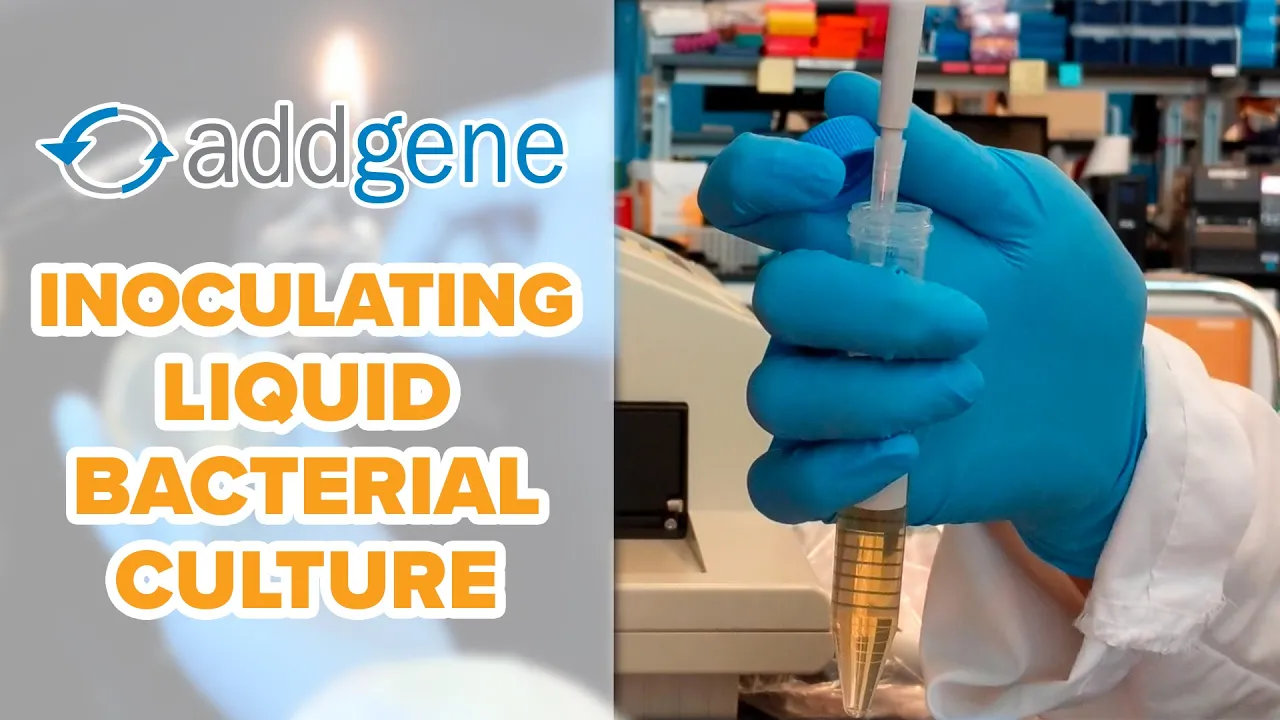
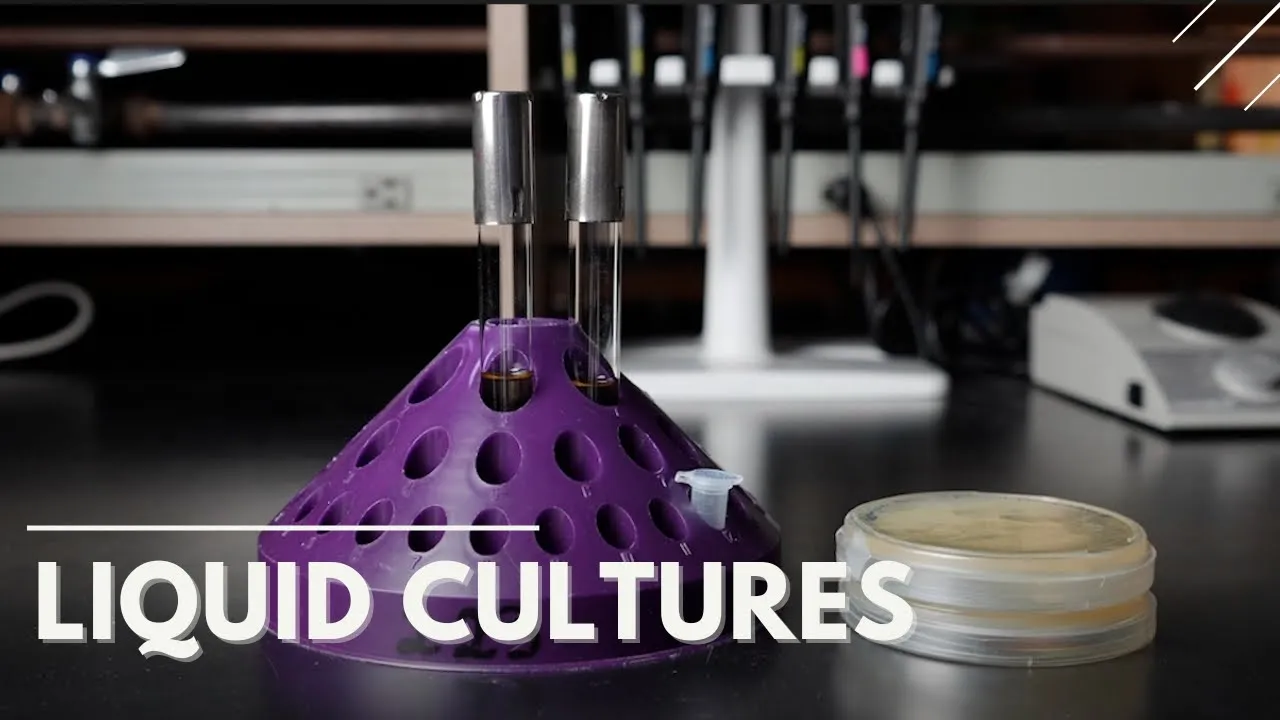
[Music] welcome to kazab bio today we will introduce you to the plasmid DNA purification Maxa prep kit this kit provides a quick and simple method for isolating high-quality plasmid DNA from bacterial cells let's get started the kaaa bioplasma DNA purification Maxi prep kit is based on a novel ionic exchange column purification technology to extract transection grade plasmid DNA this kit not only works quickly and efficiently but also includes a unique endotoxin removal reagent making it suitable for various Downstream applications such as transection transformation lentivirus packaging crisper genome editing sequencing restriction endonuclease digestion PCR inv vitro transcription translation and more using a phenol chloroform free method and just a three-step flowthrough column process you can purify up to 1.5 mg of plasma DNA from 150 to 300 mL of bacterial culture this experiment uses the alkaline Lis method to extract plasmid DNA which includes three basic steps preparation of a large number of bacterial cells collection and Lis of the cells and isolation and purification of plasmid DNA the kit includes the following components S1 buffer S2 buffer S3 buffer RN CA ER R buffer two bottles of wash buffer elution buffer te buffer and five plasmid purification Maxi prep columns now let's go through the experimental steps one by one step one bacterial culture begin by inoculating 50 mu of glycerol stock or a single colony into 3 ml of liquid medium containing the appropriate antibiotics incubate overnight at 37° C with shaking at 220 RPM next transfer 200 mu of the overnight culture into 200 mL of lb medium with antibiotics and incubate overnight under the same conditions step two harvesting bacterial cells pour the 200 mL culture into a 500 mL collection bottle and C Refuge at 8,000 RPM for 3 minutes at room temperature discard the supernatent and invert the bottle on lab paper to remove any remaining supernatent step three resuspending bacterial pellet add 10 mL of S1 buffer to the pellet and use a pipet to resuspend the cells completely split the resuspended cells into 2 50ml centrifuge tubes step four cell lces add 5 ml of S2 buffer to each tube close the lids and gently invert the tubes 8 to 10 times to fully lice the cells after 5 minutes add 5 ml of S3 buffer to each tube mix gently until white flocculent precipitates form let the mixture stand for 5 minutes then centrifuge at 4° C 12,000 RPM for 20 minutes step five filtering the supernatent filter the supernatent using a 20ml syringe and a 0.45 microm filter into a 50ml centrifuge tube step six column preparation label each column with the project name and secure them sequentially on a rack remove the caps and allow the storage solution to drain naturally next fill the columns with pure water to wash the resin thoroughly finally equilibrate the resin by filling the columns with wash buffer step seven endotoxin removal after filtering the supernatent add 3 ml of er buffer to each centrifuge tube mix well and incubate at 4° C for 30 minutes to remove endotoxins from the plasmid supernatent then pour the supernant into the column and allow it to pass through by gravity three times step eight washing an elution wash the column twice with wash buffer then add 10 mL of elution buffer to the column and collect the eluate in sterile centrifuge tubes step nine precipitating and washing plasmid DNA add 5 ml of isopropanol to 10 mL of the eluate mix well and incubate at -20° C for 30 minutes centrifuge at 4° C 12,000 RPM for 15 minutes then carefully discard the supernant wash the pellet with 1 ml of 70% ethanol and centrifuge at 12,000 RPM for 10 minutes discard the supernatent and repeat the wash with another 1 ml of 70% ethanol centrifuge at 12,000 RPM for 5 minutes remove the supernatent with a pipet and air dry the it in a 60° C oven for 10 minutes ensuring no ethanol residue remains step 10 dissolving and storing plasmid DNA dissolve the plasmid DNA in 200-500 mu of endotoxin-free water store at 4° C for shortterm or- 20° C for long term Step 11 plasmid quality control use a nano drop to measure the OD values of the plasmid recording concentration volume od260 od280 and od260 OD 230 then assess the purity of the plasmid and check for RNA contamination using auro gel electroforesis here are some common questions and their answers regarding the experiment [Music] thank you for watching we hope this video helps you better understand and use the cause of bioplasm DNA purification Max a prep kit for more information visit our website or contact us
Up Next
4:03
Qiagen RNeasy RNA Isolation Protocol: Step-by-Step Guide
@LafayetteChBE
80.8K views•2015-06-25

12:54
Triumph of Orthodoxy Icon: Byzantine Art & History Explained
@BenCallan
2.1K views•2024-08-06

9:49
FastAPI vs Flask vs Django: Choosing the Right Python Web Framework
@TechWithTim
302.5K views•2024-05-26

1:42
Game of Thrones Opening Credits: A Cinematic Analysis
@gameofthrones
46.3M views•2011-04-18
Related Study Plans & Knowledge Roadmaps
Structured learning paths in General & Interdisciplinary Studies
general-studies
Elevator Engineering: History, Physics & Cities
01From Hoists to Safety Brakes: The Dawn of Vertical Lift
02Hydraulic vs. Traction: The Engineering Physics of Elevators
03Modern Speed, Safety, and Algorithms
+ 2 more learning modules
12h5 modules
Explore Roadmap
general-studies
Rubber: Material Science, History & Geopolitics
01Origins of Natural Rubber & Mesoamerican History
02The Chemistry of Natural Rubber & Vulcanization
03The Geopolitics of the Rubber Boom & Colonization
+ 2 more learning modules
12h5 modules
Explore Roadmap
general-studies
Containerization: Evolution, Logistics & Trade
01Ancient Trade & Bulk Cargo: Amphorae to Barrels
02The Industrial Revolution & Cardboard Packaging
03The Containerization Revolution: Malcom McLean
+ 2 more learning modules
12h5 modules
Explore Roadmap
general-studies
Textile Tech: Evolution, Labor & Global Impact
01Pre-Industrial Textiles: Handloom & Cottage Industry
02Mechanization: The Spinning Jenny to the Power Loom
03The Factory System & Global Labor Transformation
+ 2 more learning modules
10h5 modules
Explore Roadmap