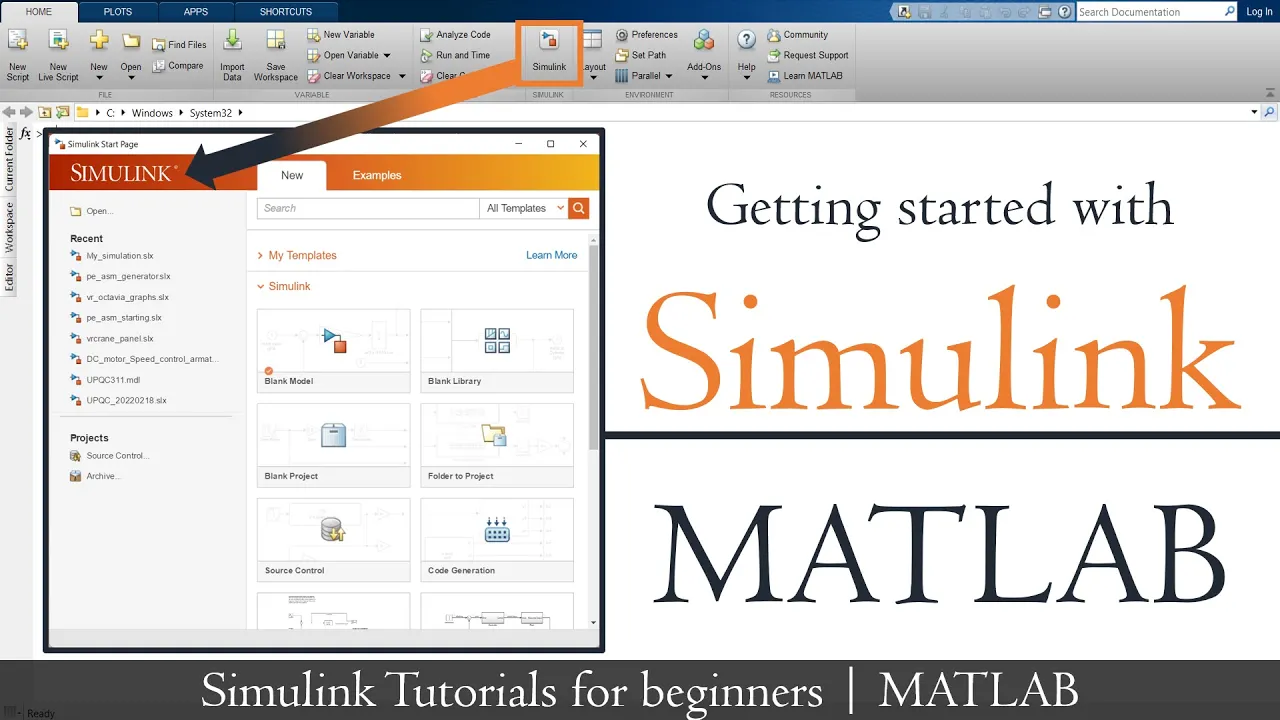

![🔴 DIAGRAMA DE BLOQUES EJERCICIOS ► [Sistemas de Control] # 002](https://i.ytimg.com/vi_webp/I-nQmyYaops/maxresdefault.webp)


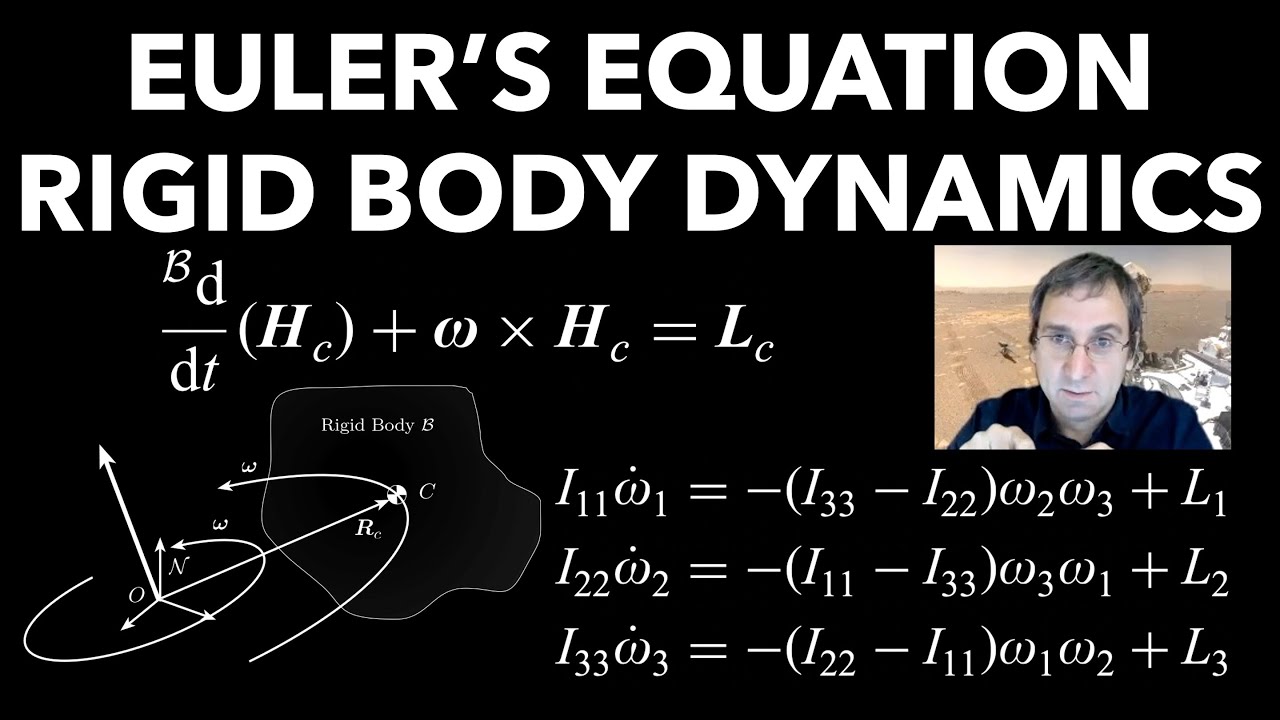
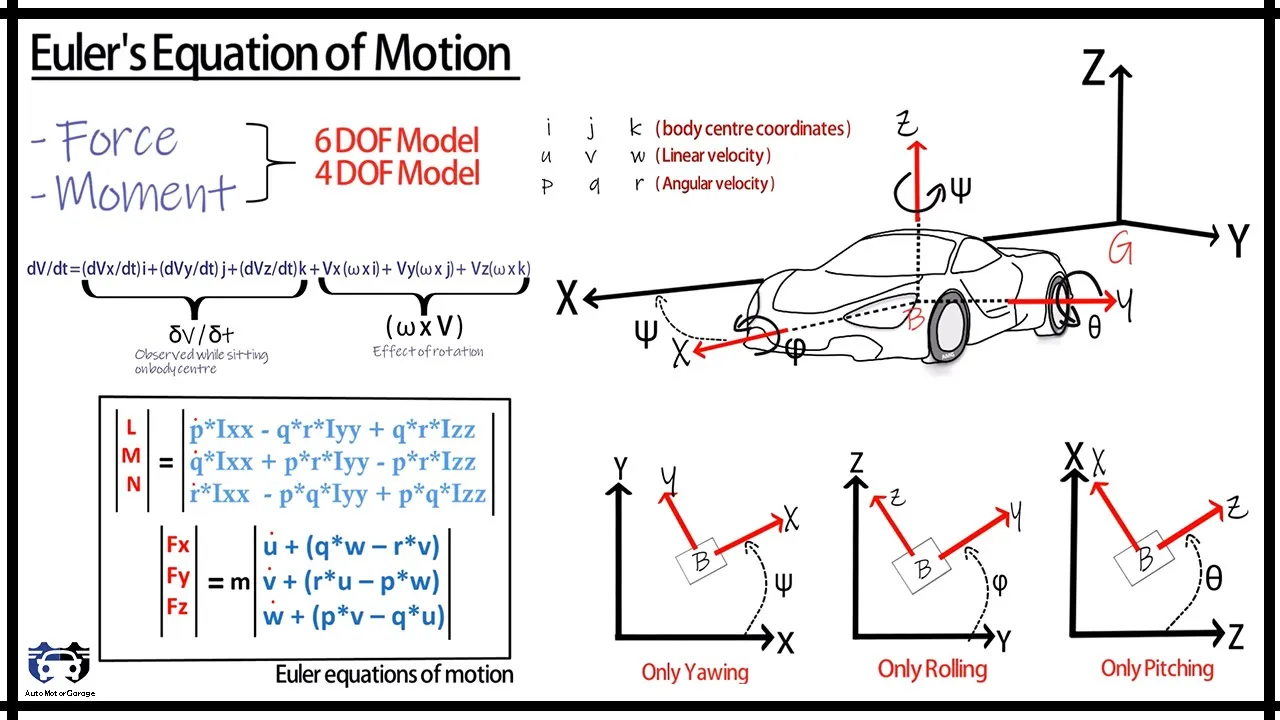


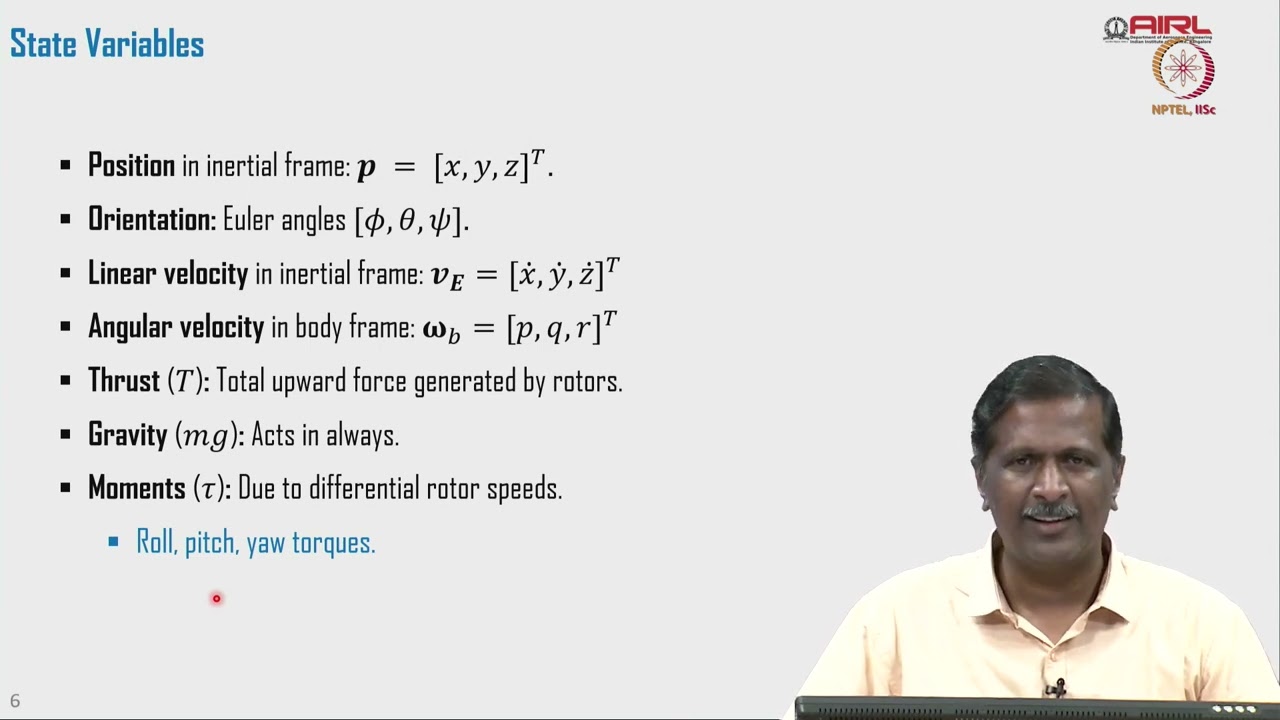





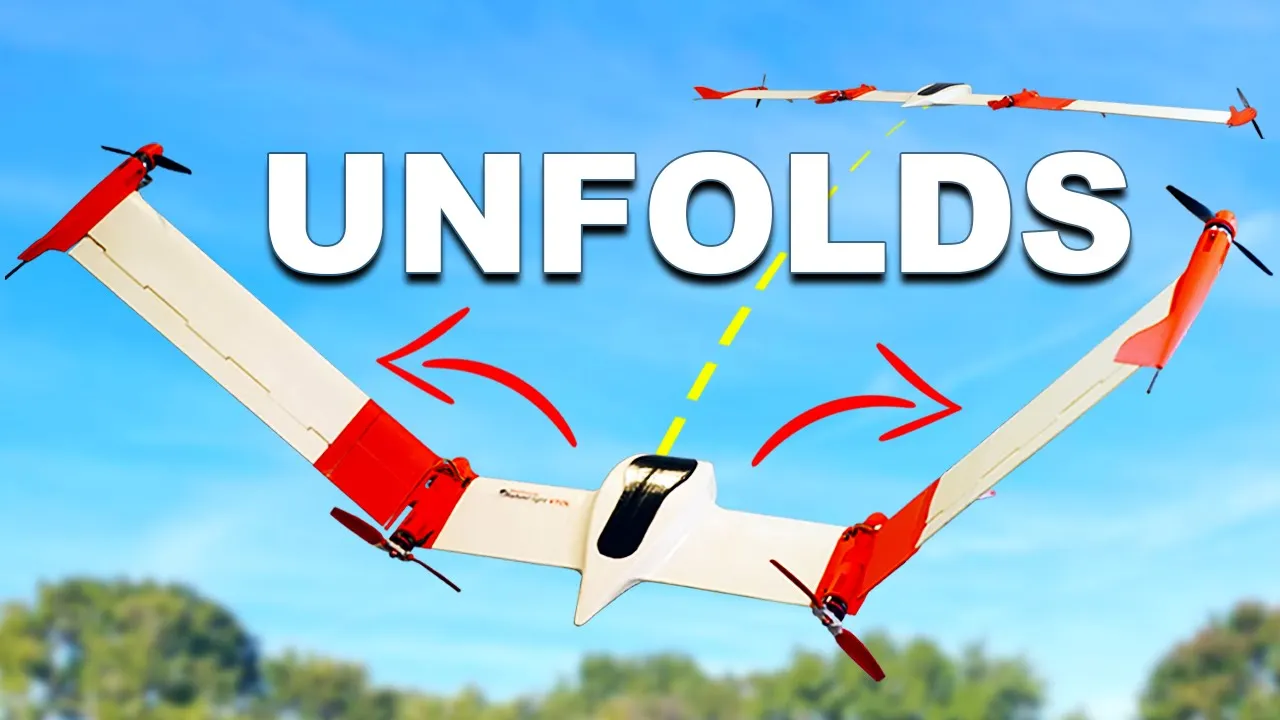
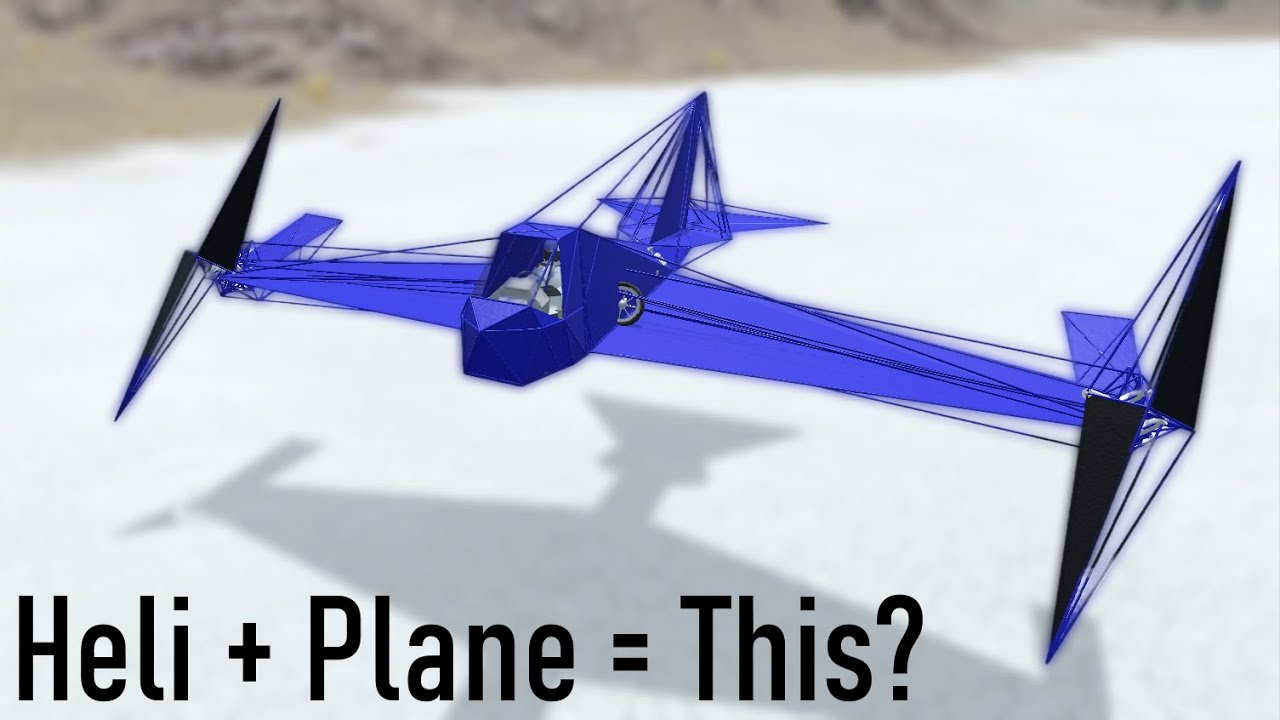




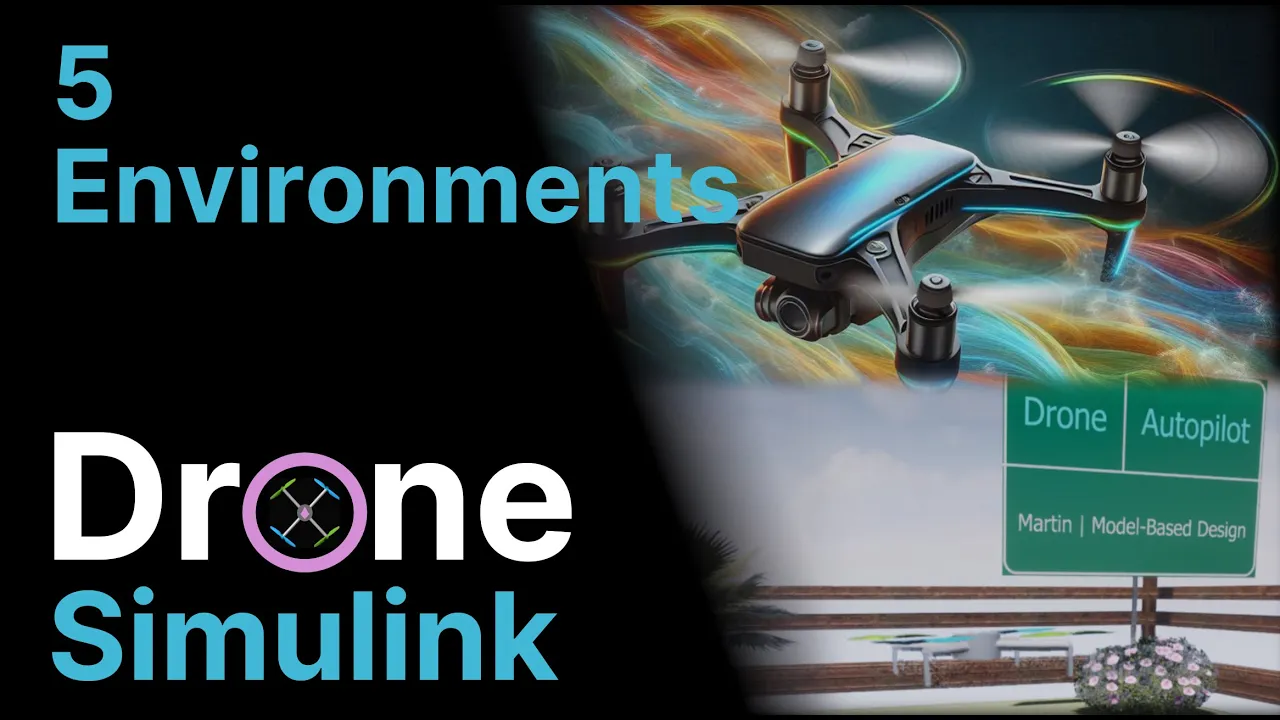


In vertical take-off and landing (VTOL) aircraft, altitude control requires distributing thrust forces across multiple thrusters while simultaneously managing torque to maintain stable vertical orientation; this involves calculating forces so they sum to the necessary lift while their moments about the center of mass equal zero, preventing unwanted rotation during vertical transitions.
VTOL Flight Control Simulation: Vertical Takeoff Tutorial
Added:Basic proficiency in MATLAB and Simulink, including block diagram manipulation, signal routing, and configuring simulation parameters.
Fundamentals of rigid body dynamics, specifically Newton-Euler equations of motion, forces, torques, and coordinate system transformations.
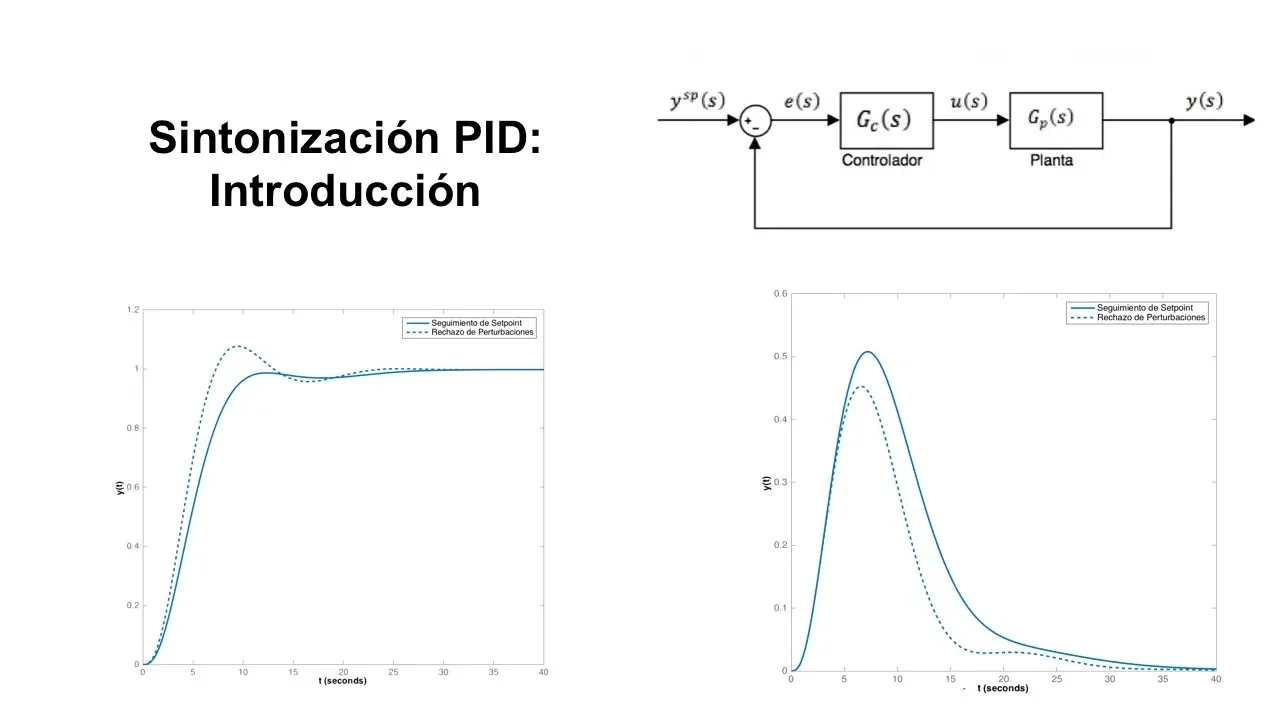
Basic feedback control theory, particularly the concept of closed-loop systems and the tuning of Proportional-Integral-Derivative (PID) controllers.
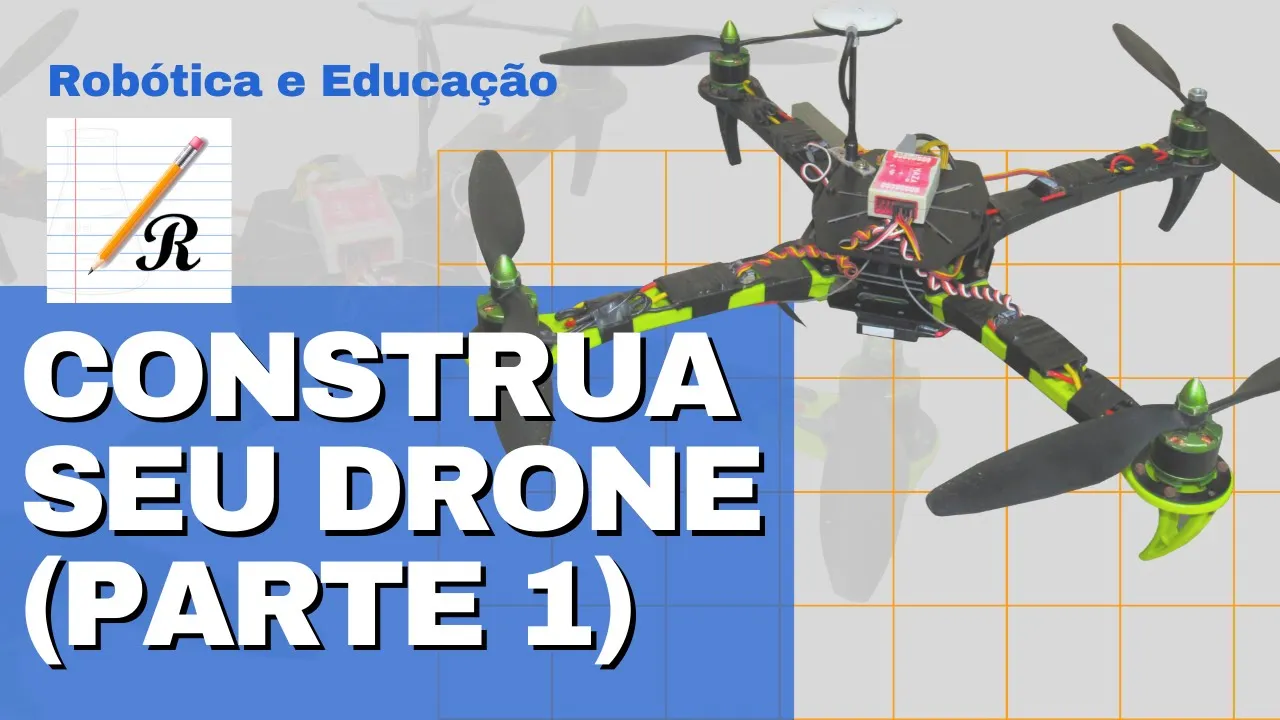
Introductory multi-rotor aerodynamics, understanding how differential thrust in a four-thruster (quadcopter) configuration produces altitude and attitude changes.
Transition flight control design, learning how to smoothly transition the aircraft from vertical takeoff to horizontal, wing-borne aerodynamic flight.
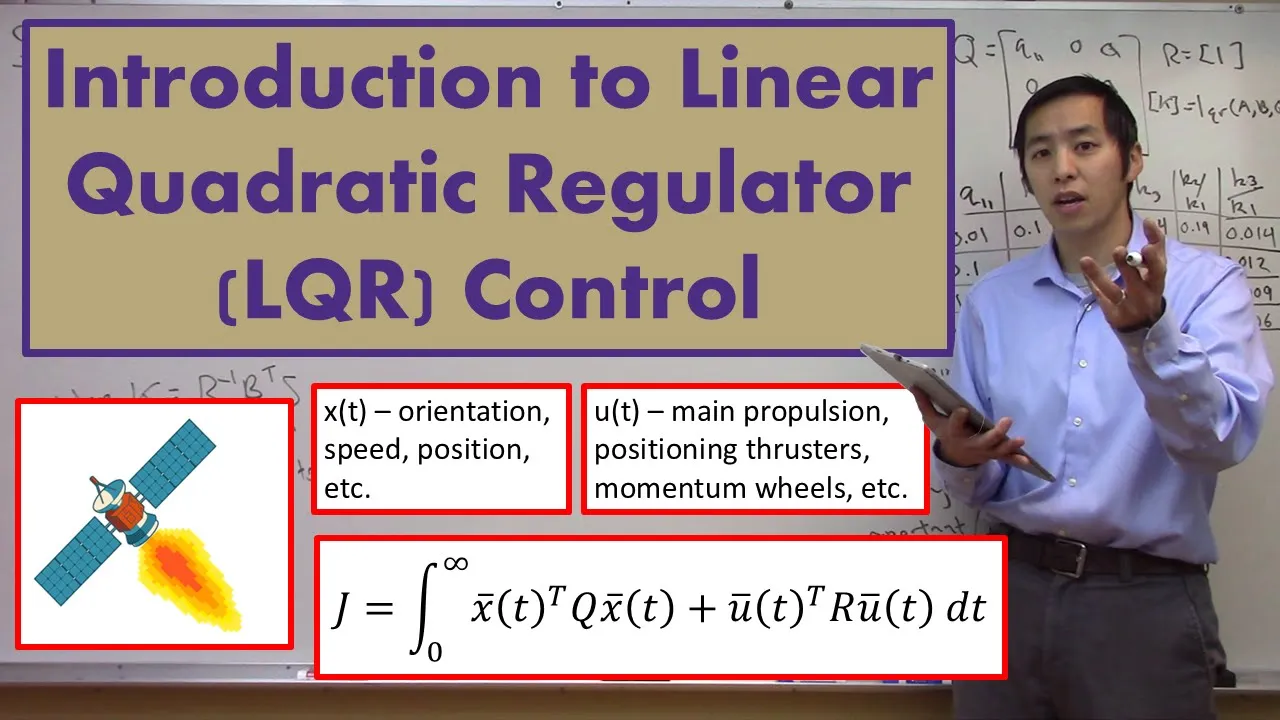
Implementation of advanced control algorithms, such as Linear Quadratic Regulator (LQR) or Model Predictive Control (MPC), to handle nonlinearities and coupling effects.
Environmental disturbance modeling, incorporating wind shear, gust models, and sensor noise into the Simulink environment to analyze controller robustness.
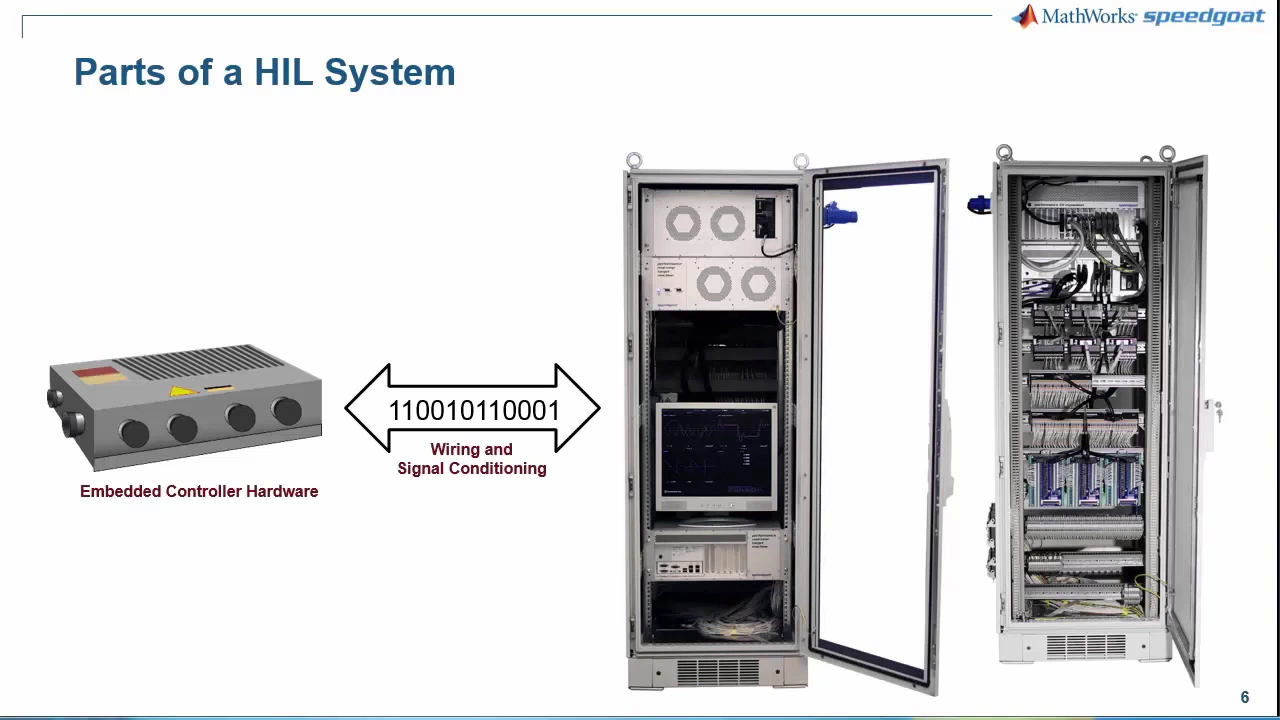
Hardware-in-the-Loop (HIL) testing, using automatic code generation to deploy the simulated controller onto physical autopilot hardware like a Pixhawk.
311 views6likes5:45Original Release: 2024-01-07
hi it's Terry denry of the math works so uh yeah I decided to do one more video and it's here where I'm going to really say that what we've been doing in these previous three videos really has incredible relevance and you know one example would be you know the it's essentially the approach for doing a flight simulation especially our choice to do a vertical kind of transition and so uh anyways I got this cool little aircraft right here and you'll see that I apply the controls and the forces and the thrusters of this thing will basically um allow to transition again from zero to five meters okay and uh again it's the that same format of the model you know FN and PVA out and what I liked about this example was uh it required a little bit more elaboration right and so what I mean by that um is that once we get in here we're doing a little bit more with it right so that force is coming in it turns out there are four thrusters right and we take that force and divide it by very um I'll say very simple approach not necessarily the right approach but probably a good place to start is divided by four and a while all four thrusters to apply that same load all right and uh the reason we can get away with it is because we chose to do this and then we did put in that vertical constraint so uh anyways this is intended to be kind of a quick video and so I just want to kind of reveal kind of on the simwise side that we got the two rear thrusters right there and if you look at this and wireframe you'll see there are two forward thrusters right and uh that's that's basically it and um I'll kind of leave this by switching to what we call a six St count I think if I type in six yeah 6df joint there it is all right and this is going to allow it to move in any direction again this is a three-dimensional tool right and you'll see that I um made my positional measurements using a different approach and it's essentially kind of in the world reference frame kind of uh making a direct uh I'll call it measurement of the body position of the Fus Solage itself right main point here you kind of see in the the image on the Block is that this is one they'll allow to move in all directions and uh we'll go back here and we'll reset we'll run it from here and who knows it might do okay for 0 to 5 meters but no not at all okay and and uh um you know as we kind of move through this actually here's one last kind of look at it so let's undo undo undo until we get back to here right and we'll delete that and so the additional measurement we're going to make this time is g to be a total torque actually let's do a constraint torque right and um we'll just kind of let's just put in a PS to simulate [Music] converter let's put in a scope and I think that this is a three-dimensional signal so it'll just all kind of show up in one scope here all right and so I kind of set it up so it goes up and down again so we'll see it Go vertically successfully this time and the whole importance of putting in this constraint is allowing it to account for the torqus that are required to keep it you know kind of vertically actuated and um you know in a way that's kind of an important part of what like flight controls do make it look a little bit more like an airo again is that you know the the thrusters that are kind of operating kind of in the front the load or called the gravitational force that's pulling it down through its Center of mass and that the thrusters are operating in the back they really need to be determined they need to be calculated so not only do they add up to the lift forces that we need but also that they sum to a zero moment um you know and one way of thinking of it is take the moments with regard to the center of mass through which the gravitational uh force will act and uh and make sure that those moments add up to zero you know and so flight controls and things like that you know do that for for vehicles like this and uh definitely really interested in the you know this kind of General shape and kind of including air foil forces and all kinds of stuff and so uh this might lead into kind of the next series I'm going to do and I I like the idea of a um you know a project like this where we'll do flight controls for a vertical takeoff but also a vehicle that will Transit transition into normal I'll call fixed wi um you know fights or flight controls so anyways um all this stuff I think super important hope you like this video thank you
Up Next

50:12
Thrust Vector Control for Model Rockets: A Beginner's Roadmap
@BPSspace
326.9K views•2020-03-09
30:32
Ultrasonic Transducers: Resonant Frequency Measurement and Horn Design
@imajeenyus42
229.9K views•2017-02-22
54:16
Polymer Environmental Degradation: Mechanisms & Stabilization
@iit
1.8K views•2012-07-10
33:39
How a Student's Question Saved a NYC Skyscraper from Collapse
@veritasium
22.8M views•2025-04-26
Related Study Plans & Knowledge Roadmaps
Structured learning paths in Engineering
engineering
Building Acoustic Levitators: Physics & Arduino
01The Physics of Sound and Standing Waves
02Piezoelectric Transducers and H-Bridge Drivers
03Arduino Programming: Generating 40 kHz Signals
+ 2 more learning modules
14h5 modules
Explore Roadmap
engineering
Building Peltier Cloud Chambers: Particle Tracks
01Cosmic Rays & Cloud Chamber Physics
02Thermoelectric Cooling (TEC) Fundamentals
03Custom Liquid-Cooling Loop Design
+ 2 more learning modules
18h5 modules
Explore Roadmap
engineering
Yagi-Uda Antennas: Modeling, Build & VNA Test
01Introduction to RF and Antenna Fundamentals
02Yagi-Uda Antenna Design Principles
03Antenna Modeling and Simulation in 4NEC2
+ 2 more learning modules
18h5 modules
Explore Roadmap
engineering
ECG Monitor Design: Op-Amps, Filters & Noise
01Electronics & Breadboard Basics
02Op-Amps and Instrumentation Amplifiers
03Bioelectricity and ECG Fundamentals
+ 2 more learning modules
18h5 modules
Explore Roadmap