



![Criminal Law: Introduction (Burdens of Production & Persuasion) [LEAP Preview]](https://i.ytimg.com/vi_webp/qpthxkNQmbc/maxresdefault.webp)







![[뉴있저] "검찰, 정경심 재판 증거 조작" 감찰 진정...조국 논란 2라운드? / YTN](https://i.ytimg.com/vi/Ne4Nno_mLqc/maxresdefault.jpg)





In self-defense cases, the key question is whether the individual was being attacked or threatened at the moment they used force, rather than whether they provoked the situation or entered a prohibited area; the presence of weapons and prior aggressive behavior by attackers can still constitute legitimate self-defense even when the person was not invited to the location.
Kyle Rittenhouse Case Analysis: Self-Defense vs. Murder
Added:The legal standard for self-defense, including the concepts of 'imminent threat,' 'proportionality,' and 'reasonable belief' of harm.
Basic principles of criminal law, particularly the burden of proof ('beyond a reasonable doubt') and how it applies to affirmative defenses.
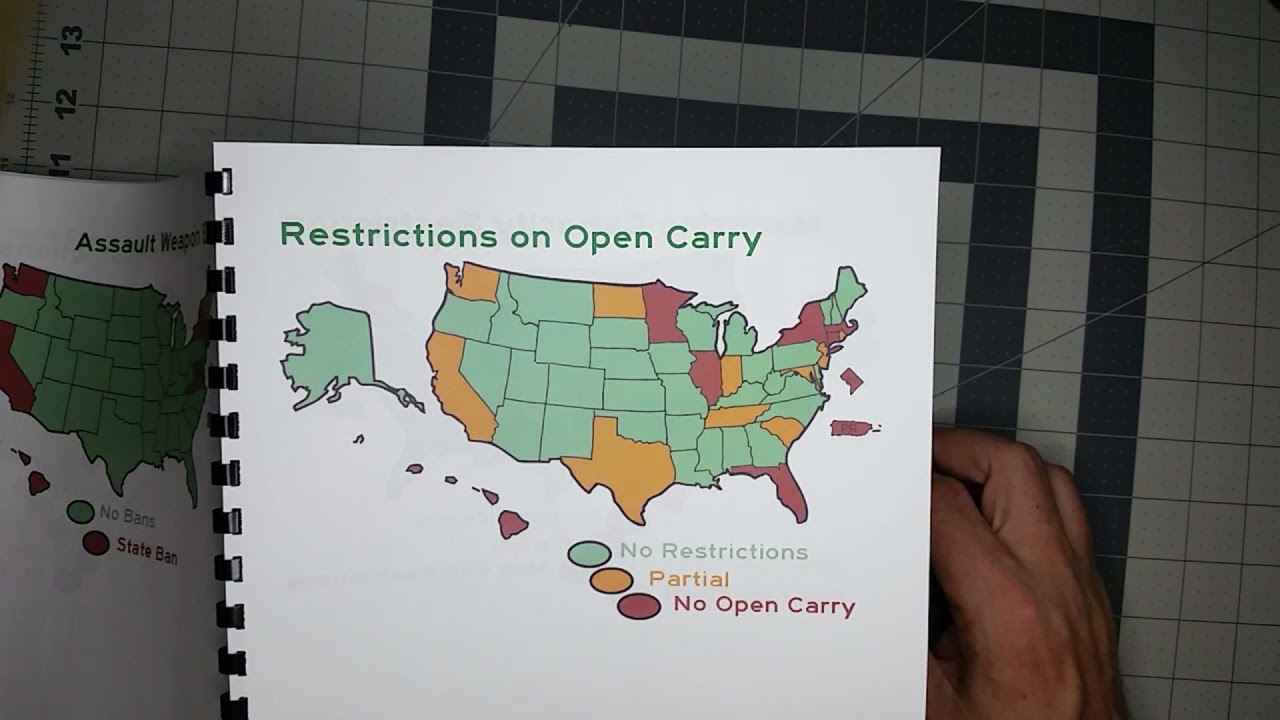
An understanding of open-carry laws and firearm regulations in the United States, specifically pertaining to youth and state boundaries.
Fundamental psychological concepts of acute stress response (fight-or-flight) and threat assessment in high-tension, volatile environments.
A comparative analysis of 'Stand Your Ground' laws versus 'Duty to Retreat' doctrines across different legal jurisdictions.
The role of media framing and public opinion in high-profile legal cases, analyzing the gap between trial evidence and public perception.
Advanced study of legal ethics, specifically focusing on prosecutorial conduct and defense strategies in highly politicized trials.
Sociological and psychological investigations into crowd dynamics, active civilian intervention, and civil unrest in modern America.
852.5K views37Klikes15:30Original Release: 2021-11-11
oh this is Dr Grande today's question is can I analyze the case of Kyle Rittenhouse just a reminder I'm not diagnosing about this video only speculating about what could be happening in a situation like this if you enjoyed this video please like it subscribe to my channel and consider supporting me on patreon I will put the link to patreon in the description for this video so first I'll look at the background this case including the timeline of the alleged crimes that'll offer my analysis on August 23 2020 a black resident of Kenosha Wisconsin named Jacob Blake was shot in the back four times by a police officer the police had attempted to take him into custody because he had an outstanding warrant for several charges Blake refused to drop a knife and tried to climb into a vehicle the shooting left him paralyzed from the waist down protests started occurring in Kenosha as a result of the shooting many stores in Kenosha were looted several buildings were burned down a 17-year-old resident of Antioch Illinois named Kyle Rittenhouse took an interest in defending property from the protesters he had been active in police cadet programs and voice support for law enforcement Antioch is about a mile away from the Wisconsin border Rittenhouse had connections to Kenosha Wisconsin he had worked there as a lifeguard and his father lived there Rittenhouse heard about a local car dealership whose owner was concerned about the property being vandalized or destroyed Rittenhouse and a friend traveled to the general area of Sheridan Road and 59th Street in Kenosha on August 25 2020 as protests were going on Rittenhouse was armed with what the police described as a Smith and Wesson AR-15 style rifle chambered in 223 he joined other armed people who said they were there to protect businesses Rittenhouse also carried medical supplies a curfew was put in place but Rittenhouse evidently did not seem concerned about that he remained near Sheridan Road at some point during all the commotion a 36 year old man named Joseph Rosenbaum became upset with Rittenhouse he threatened Rittenhouse on two occasions and made threats to other people in the area ridden House made his way toward a car lot to put out a fire and Rosenbaum started chasing him they entered a used car lot at which time Rittenhouse said he felt cornered he turned to face Rosenbaum who lunged toward him grabbing for the rifle Rittenhouse shot Rosenbaum four times Rittenhouse stayed there with Rosenbaum for a few moments as someone else began administering first aid Rosenbaum would die from his injuries Written House called a friend of his on the phone and said he just killed somebody after this incident several protesters started chasing Rittenhouse he started running away from them toward where the police were at one point he was struck on the head moments later he fell down several people were yelling orders like get him and beat him up a 26 year old man named Anthony Huber struck Written House in the shoulder with a skateboard and tried to get his weapon a single shot from Rittenhouse struck Huber and killed him another man named Gage grosscrutz who was also 26 years old claimed that he believed Rittenhouse was an active shooter gross Crews had a concealed Glock semi-automatic pistol in his possession he had a concealed carry permit but it had expired he produced the weapon and was holding it in his hand he approached Rittenhouse but then held up his hands as if to surrender gross Crews would later claim that Rittenhouse manually operated the action of the rifle as if Rittenhouse was trying to clear some type of malfunction so he could shoot him ridden house denied operating the action at that time gross Crews brought his hands down and pointed his pistol at Rittenhouse he claimed it was unintentional so he was unintentionally pointing a gun at another person Rittenhouse responded by shooting gross groups one time in the arm ridden house stood up and walked toward the police with his hands up in an apparent attempt to surrender the police drove right by him they did not stop ridden house surrendered on August 26 in Illinois he was charged with one count of first degree intentional homicide one count of first-degree Reckless homicide one count of attempted first degree intentional homicide two counts of first degree Reckless endangering safety and possession of a dangerous weapon by a person under 18. his trial started on November 1 2021 at the time making this video the trial is underway it has not been going well for the prosecution but who knows what's going to happen now moving to my analysis the case of Kyle Rittenhouse has taken on political meaning outside of the reality of the shooting some on the left tend to see writtenhouse as a murder someone who victimized innocent protesters like he encouraged them to attack him so he could use deadly force some on the right tend to see Rittenhouse as someone who is simply exercising his right to defend himself against dangerous rioters when politics entered the room logic typically stands up and leaves they can't really exist in the same place at the same time this case has been no exception now moving to the question was writtenhouse guilty I'm not going to focus on the misdemeanor charge of possessing a weapon by someone who's under 18 or the reckless endangerment charges rather on the two murder charges and the one attempted murder charge let's take a look at the evidence pointing both for and against the idea of guilt not all the evidence I will be discussing was admissible to trial starting with the inculpatory evidence Rittenhouse armed himself with a rifle and entered an area that was populated with protesters looters and rioters a curfew was in place and he was not supposed to be on the streets of Kenosha at one point he falsely identified himself as an emergency medical technician he pointed his weapon at the men during confrontations which one could argue prompted those men to attack him Rittenhouse may not have been invited to defend that car dealership there's almost the sense that he was looking for trouble Rittenhouse allegedly flashed white power symbols at a bar a few months after the shooting and associated with no members of white supremacy groups now moving to the exculpatory evidence in all three instances where Rittenhouse shot someone it has been confirmed through video and eyewitness testimony that Rittenhouse was being attacked rosenbaum's behavior that night was described as erratic and extremely aggressive he had just been released from the hospital earlier that day after attempting to bring an end to his own life perhaps by confronting Rittenhouse Rosenbaum believed he could find a way to complete that task like he had some type of Death Wish Anthony Huber attacked Rittenhouse with a skateboard there's no question about that attack as it was captured on video Huber was guilty of attacking Rittenhouse gross Cruz admitted on the stand that Rittenhouse shot him only after he pointed a pistol at Rittenhouse gross Crews claimed that he had no intention of shooting Rittenhouse with the pistol that he was holding in his hand if he had no intention of shooting Rittenhouse why was he pointing the pistol at him was he going to ask writtenhouse how it worked like he was going to say I know this is a weird time and all as we're in the middle of a riot but can you tell me what this thing does I found it concealed on my person his story is impossible to believe next item Rittenhouse had medical supplies on his person he testified that he did render Aid to a couple of people ridden house attempted to surrender after the shootings guilty people are typically not too interested in contact with law enforcement his attorney said that he has never been part of a white supremacy group considering all the evidence do I think that Kyle Rittenhouse was guilty I do not think he was guilty Beyond A Reasonable Doubt in each instance when he fired his weapon he did so while being attacked or threatened by someone else I can appreciate the prosecution's argument that Rittenhouse pointed his weapon at the men which may have made them think that Rittenhouse was going to shoot them but those men chased Rittenhouse prior to his pointing of the weapon if Rittenhouse had pointed his gun at random people and they responded with lethal force that would be a completely different situation so again I would say Not Guilty by the illegal standard but what about in reality in my opinion Rittenhouse was looking for trouble he took a weapon into a place that he wasn't lawfully allowed to be he wasn't allowed to use the weapon to defend property so that was never an option if somebody wanted to burn down that car dealership Kyle Rittenhouse would not be allowed to fire on that person he should have simply avoided the entire situation if self-defense was his goal not entering that area would have been the best way to achieve it even still it's hard to escape the fact that he was being attacked when he fired so I would say not guilty in reality as well this case was about the immediate actions of Rittenhouse in that moment did he feel threatened it seems reasonable to believe that he did technically somebody is allowed to take a weapon into a volatile area and engage in lawful activities Wisconsin is an open carry state citizens are allowed to carry guns in plain view I look at this case as involving a collection of young people with poor judgment coming together in a violent setting the protests demonstrations or riots depending on one's point of view allowed everyone to feel a little bit safer as far as getting away with bad behavior it was a place for young people to cut loose break the law set some things on fire and believe they would not experience the consequences for their behavior it was a sensation seeker's dream come true repeatedly throughout this whole case we see people who are highly excitement seeking trying to satisfy that need by jumping into these demonstrations they weren't necessarily interested in politics they wanted the exhilaration in my opinion everyone in the situation acted foolishly when people attacked Rittenhouse they should have known that he would be willing to defend himself they tried to beat up or otherwise harm a person carrying a rifle and they lost the fact that one of the attackers used a skateboard to strike someone carrying a rifle gives us a good idea of the level of sophistication that we are dealing with in this case it seems like everyone in this case believed that they were Invincible I'm not surprised this case has become the focus of political debate because sadly everything can be dragged into the arena of politics but I don't think the people involved in this case are good representatives of their theoretical corresponding political affiliations none of them are heroes many if not all are perpetrators if written house is found not guilty that doesn't mean he was right that doesn't mean that he acted intelligently or responsibly if he's found guilty that doesn't mean that people should be allowed to attack someone on the street just because that person is carrying a weapon at the heart of this case is how Society has defined self-defense can a person arm themselves go into a dangerous area then defend themselves if they are attacked that's what this case comes down to did Kyle Rittenhouse provoke a situation so he could use his weapon therefore losing the right to defend himself I don't think the Written House made good decisions but there really isn't much evidence that he provoked anybody outside of being armed trying to put out a fire with a fire extinguisher and pointing the weapon when he was threatened I think what happened here is that Rosenbaum started this whole mess once writtenhouse shot him in self-defense it set off a chain of events which resulted in the other shootings now because Rittenhouse was charged with possessing that weapon illegally this brings us to another question if somebody is possessing a weapon illegally are they allowed to use it in self-defense so running under the assumption that written house was not allowed to possess the rifle could he still use it if he did use it is that murder or would it be some other offense these questions remind me of a famous case in New York City in 1984 a man named Bernie guess was illegally carrying a firearm when he was attacked by four assailants on a subway he shot each one of them he was charged with a number of offenses including four counts of attempted murder ultimately he was acquitted of these serious charges but was convicted for illegally carrying an unlicensed firearm I think it makes sense that a person will use whatever means necessary to defend themselves rather than asking themselves in the moment when they are being attacked could I get in trouble for using this weapon there's an old saying that goes something like I'd rather be judged by twelve than carried by six moving to the next question what about the judge ruling that the decedents could not be referred to as victims a big deal has been made about this like the judge was biased against the prosecution the trial is all about determining if those killed were victims allowing this term to be used would be like allowing the prosecution to refer to Rittenhouse as the guilty party this is what the trial was actually for so I don't think the judge was really biased one way or the other as far as that particular ruling now moving to the Lessons Learned I have three here for this case number one it's not a good idea to attack someone who is armed as a matter of fact attacking anyone is usually a bad idea number two if someone is going to carry a gun into a riot or demonstration they should know that using it will almost certainly result in criminal charges therefore it doesn't make sense to travel to those areas in the first place if written house had stayed at home you would not have shot and killed anyone number three it's not a good idea to use a volatile situation to try to satisfy excitement seeking needs trying to get excitement is fine as long as it doesn't involve hurting anyone else excitement seeking Behavior specifically tied to violence often comes with a steep price tag those are my thoughts in the case of Kyle Rittenhouse please put any opinions and thoughts in the comment section they always generate an interesting dialogue as always I hope you found my analysis of this topic to be informative thanks for watching
Up Next
23:20
Ballerina Murder Trial: Stand Your Ground Self-Defense Analysis
@LawAndCrime
446.7K views•2023-07-06

4:27
US Secondary Sanctions Impact on EU Businesses and Blocking Legislation
@Bureauvandijk
1.6K views•2019-03-20

20:34
Self-Defense or Manslaughter: The Tucker Moore-Reed Case Analysis
@DrGrande
141.6K views•2024-11-15

24:42
Police Interrogation Tactics: False Confessions & Legal Reform
@LastWeekTonight
7M views•2022-04-18
Related Study Plans & Knowledge Roadmaps
Structured learning paths in Law
law
Self-Defense Law: Imminence & Castle Doctrine
01Foundations of Self-Defense Law
02Imminent Threat & Reasonable Belief
03The Principle of Proportionality
+ 3 more learning modules
12h6 modules
Explore Roadmap
law
Defamation Law: First Amendment & Actual Malice
01Introduction to civil torts and the First Amendment
02Elements of Defamation: Libel and Slander
03Public Figures vs. Private Individuals
+ 2 more learning modules
8h5 modules
Explore Roadmap
law
Hearsay Rule: Trial Evidence & Exceptions
01Introduction to Trial Evidence & Courtroom Basics
02Demystifying Hearsay: The Core Definition
03Non-Hearsay: Exclusions Under FRE 801(d)
+ 3 more learning modules
14h6 modules
Explore Roadmap
law
Medical Malpractice: Law, Liability & Care
01Foundations of Tort Law and Civil Liability
02The Four Elements of Medical Malpractice
03Defining and Proving the Standard of Care
+ 2 more learning modules
12h5 modules
Explore Roadmap