












![[CSA series] Is water diplomacy working in the Mekong, and what does this mean for Asia?](https://i.ytimg.com/vi/cDSbwrkEaMY/maxresdefault.jpg)


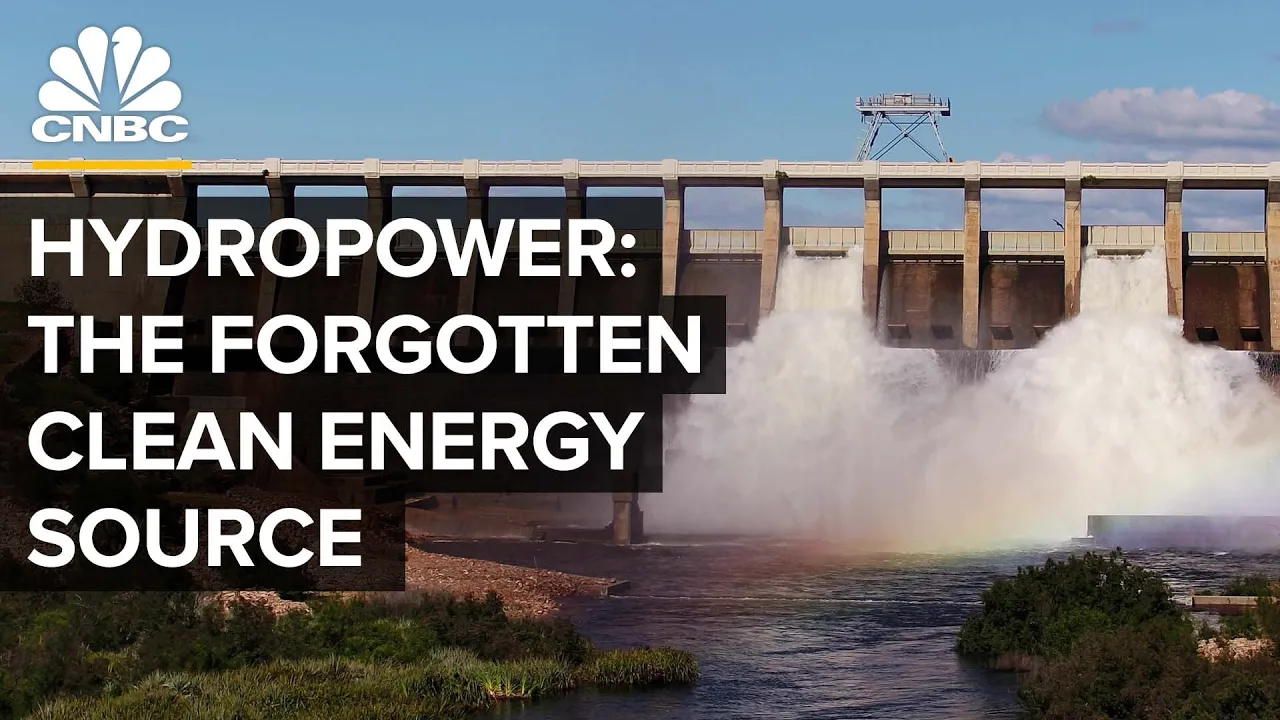



Large-scale hydropower development on transboundary rivers like the Mekong can cause devastating ecological and social impacts, including disruption of fish migration patterns that support the world's largest inland fishery (catching 3.9 million tons annually), alteration of natural flood pulses essential for agricultural productivity and sediment transport, and threat to unique biodiversity such as the endangered giant catfish and Irrawaddy dolphin; these projects often prioritize corporate profits and energy generation over the livelihoods of millions of people dependent on healthy river ecosystems, highlighting the need for comprehensive environmental assessments and inclusive decision-making processes in international water resource management.
Mekong River Dams: Environmental Impacts and Devastating Effects
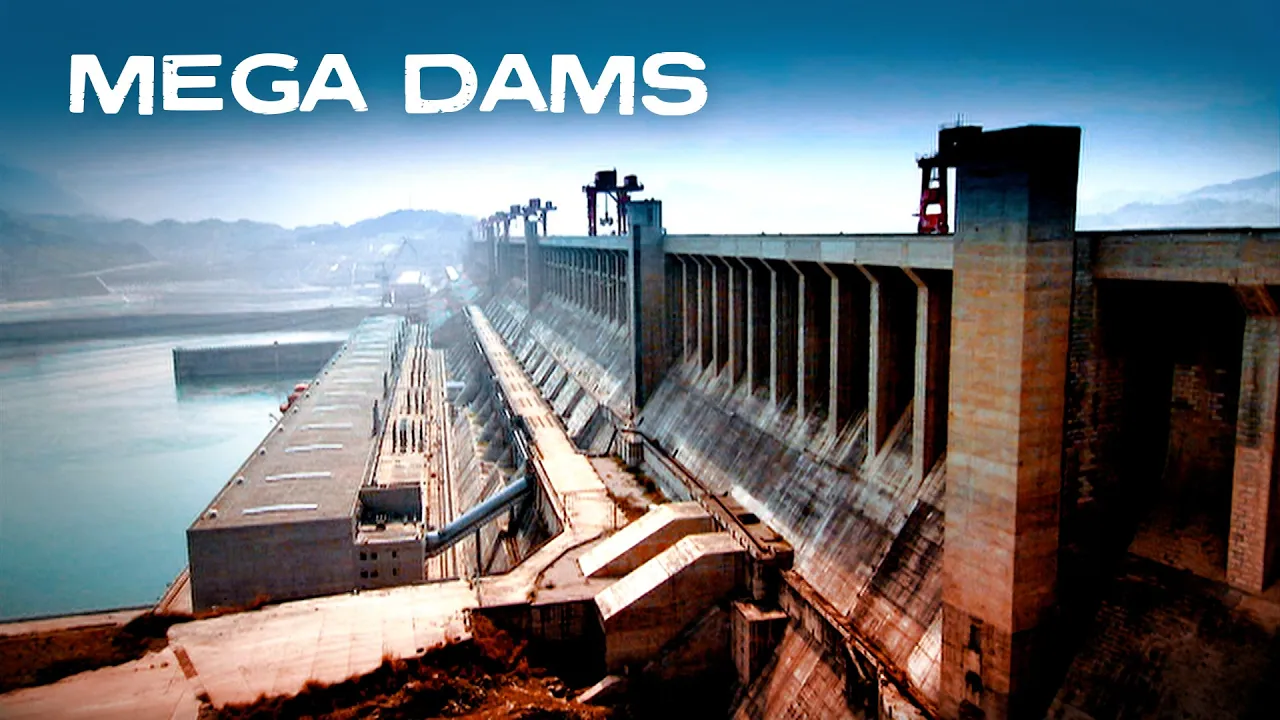
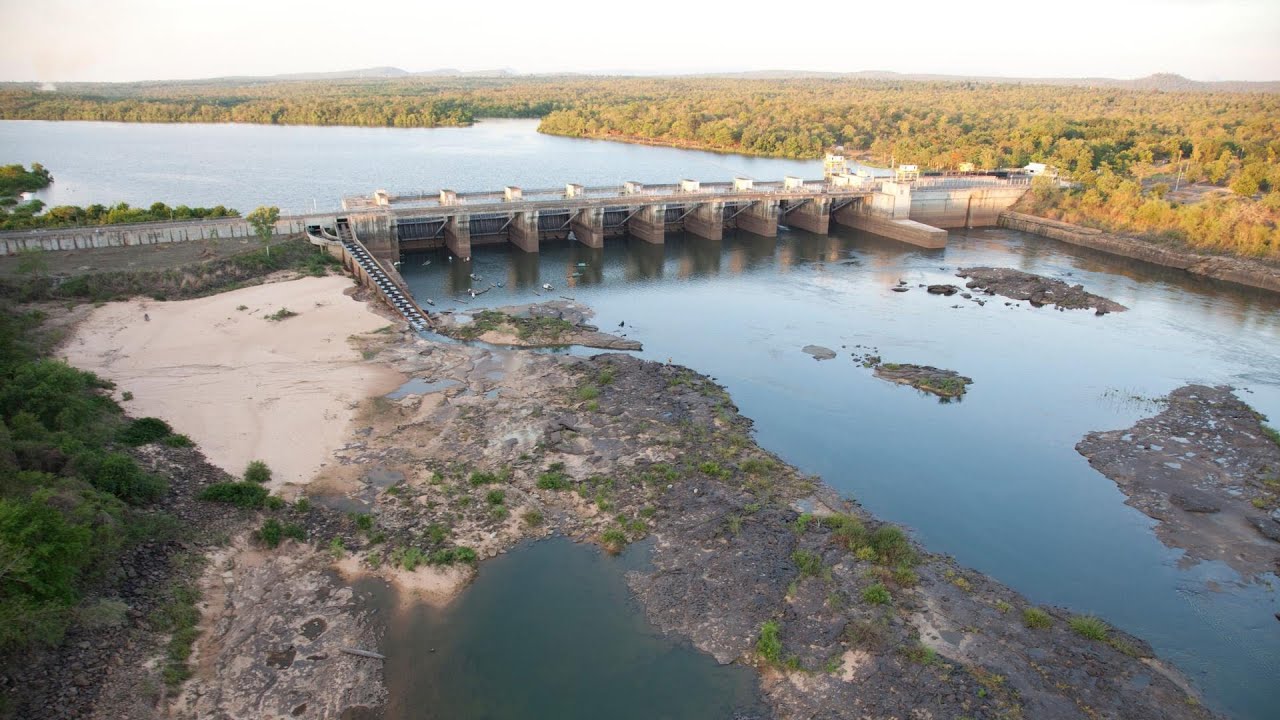
Added:[Music] I think I in the K rer when I I go down to theong River that I saw uh many many people who uh use M for life it's very bad situation in M now people should pay more concern pay more attention about how to protect the meong river meong river is lower and lower in March 2010 the water reached its lowest level for 50 years could the major cause be found in man's attempt to conquer nature to tame the Rapids and Roar of the meong with a Cascade of dams the Mong one of the Great Rivers of the world coursing through six countries from its source high in the Himalayas of Tibet 4,900 km long its Journey ends in the makong Delta of [Music] Vietnam rich in Fisheries Wildlife dolphins and extraordinary biodiversity this is the Amazon of Southeast Asia in give everything food give uh culture give uh uh for Life For Life uh can uh when you don't have food you can you can uh get a food for River vegetable h her everything everything and it's really important for the people make same M I think m is M but dark clouds are gathering a storm of controversy hangs over the future of this Great River black clouds beckon the makong is moving towards a huge Dam building program will the river become devastated by dams a Cascade of dams and reservoirs are being planned in the boardrooms of Chinese Hydro power corporations Thai companies and other developers which could change the makong forever to Chinese Thai and Malaysian companies development Banks technocrats and business lobbies the makong is the dream of hydropower potential for an energy hungry region but to the fishermen small farmers millions of villagers along the makong this Taming of the Raging torren with a Cascade of dams is not a dream this developer's dream is a fisherman's nightmare 65 million people in this region are dependent for food and livelihood on a healthy Mong that long sustained their ancestors if the fastf flowing currents are transformed into still reservoirs the makong will be transformed into a devastated ecosystem [Music] because their life is depend on the meong river and it's not only aect to loud people and not only inang is Central of LA and up to North La is depend on the F from meong CTI Roy is a teacher and environmental activist in in Chang Kong from the Tha side of the Mong he has educated 55 communities in a lively campaign to save the Mong before have a upper upper in have them in China have problem many problem the gigantic zwan Dam at 292 M high is the world's tallest high arch Dam nearly as high as the Eiffel Tower in [Music] Paris its vast Reservoir covers an area of 190 Square [Music] km the operation of this uh dams all the stations doesn't affect the world flow of the Manon River so it doesn't affect the world flow of mik Australian makong specialist Philip HS has a very different assessment of these dams the Sean Dam and the NAD Dam of of a quite different order these are dams that are going to fundamentally and permanently affect the flow the hydrological regime of the mikong uh all the way through the system Tai teacher couti points out China has not changed its policy at [Music] all China still plans to build four more dams without any consultation with the communities that live down stream the headlong Rush of hydropower plans to build ever more dams continue news China has scheduled a total of eight dams on the upper Mong on the lower meong 11 more dams are being promoted in Laos and Cambodia I would really propose to slow down the peace and take a kind of time out and look at the feasibility of the whole the whole process and also consider alternative developments how is it possible that a company could even consider erecting a dam only a few kilometers away from the rapturous beauty of the con waterfall in Laos Candon District of Laos is known as 4,000 Islands a pristine Wonder of nature it is Central to the development of Laos as an ecotourism leader in the region Malaysian company Mega first plans to build a dam right here Cambodia Vietnam Thailand depend on who because Fe migrant from Downstream to upstream and then Upstream to Downstream so if they block this channel I'm not sure if we will get fish to eat the food security yeah the people's life and people's future depend on who home the LA government isn't conducting any studies regarding this project the LA government has to rely purely on the information that's provided by the company which essentially means that they've got the fox guiding the hen house the Don sahong Dam project and two more dams across the border in Cambodia in stung Tren and would be the final blow to the survival of mong's dolphin population as this is the last remaining habitat of the iraa dolphin in the makong so a dam anywhere on the makong would have probably a devastating effect on the DOL the Irani dolphin has long been a um almost a sacred animal in Cambodia certainly a revered animal in Cambodia Cambodian people totally depend on fishery as I mentioned in ter of consumption rate in term of protein intake so it's worth about 250 thou 250 million usar at the Landing side and this value uh contribute to like 8 to 12% % of the total GDP of Cambodia is very high and accounting for more than 30% of the the primary production is agriculture so is is so F sector is very important in term of uh uh nutrition in term of uh economic in term of employment and in term of biodiversity and also in term of uh tourism people in Cambodia the economic systems here in particular the agriculture is adapted to a river that floods nearly every year um the floods bring the water that's necessary to irrigate the rice fields the floods also bring the sediments and nutrients that are essential to maintain the fertility of the soil so if somehow this cycle of flooding is somehow controlled or interrupted or even modified to a relatively small degree that could potentially have enormous impacts on agricultural systems food Security in Cambodia fishery of the makong which we've discussed as being the most productive and and important in the world largely depends on that flood pulse that comes every year as you know there's this remarkable phenomenon where the river that connects tonle sa the great Cambodian lake with the makong reverses its flow every year when the makong is high water flows into tonle saap the area of the lake at tonle saap expands four or five times the fish are able to go out into the flooded Forest to breed and to feed this essentially becomes an incredibly productive nursery for the Fisheries [Music] the fish then come back down the river into the makong and migrate up the river as far as Thailand you know according to that study there is thousand fish spes along the makong and majority of the fish species uh they need to migrate in know to give birth of the new uh uh you know from the up stream any modification of the hydrology of the meong puts this incredible system at risk and at risk is the greatest Inland Fisheries in the world which is catching around 3.9 million tons of fish a year valued at nearly $3 billion this is a basin which has the largest Inland fishery in the world and the second most diverse after the Amazon so the Fisheries issue is the number one issue that has to be solved and the owners for demonstrating that that can be solved rests with the promoter of these projects the dam is highly significant it's first Dam if it goes ahead that would be built on the Mekong mainstream outside of China it's significant in its own right the World Wildlife Fund for nature recently issued a report saying that the giant catfish the iconic species of the mikong uh will go extinct if cabor and nearby dams go ahead in that section of the river 41 other species are likely to go extinct because if the C Dam goes ahead it just opens excuse the pan it opens the flood gates for the rest of the meong mainstream dams to go ahead in effect once you've got cabor you've got the lot I think it's say uh say is a dangerous buing for for the people in everybody want to money for make Dam Dam from uh electric easy for make money easy this $3.8 billion project for the Z budy dam is funded by the four biggest Thai Banks 95% of the electricity will be sold to Thailand the dam builder bangkok's choan Chang Corporation plans to make a handsome profit the opposition is growing among the citizens of the Mong they demand the dam Builders respect the international nature of this River and the rights of the citizens of the makong shared by six nations I think the development have different dimensions if you're talking about infrastructure development you could say you know the building of bridge D and things like that but also there are many called Social Development you know to build the to build the um livelihood of the people in particular the poor and vulnerable groups you have to thinking about the development for home it is important for the developer or the government to sing development for whom who will be benefit from the development the question need to be answered carefully I think that the more important point is not how much money we're going to gain or lose by these projects but who is going to gain and who is going to lose the people that are going to lose are generally poor people rural people people that the laow government or governments in the region International organizations are spending a lot of time trying to alleviate poverty trying to reduce uh Poverty of of of the of the country and it's those people that are the are are at the edge of poverty are the ones that are going to be impact if all of them three of them say that no more them I think Camp really happy our government really happy with that and we try to find out another way to get the power to get the the energy for our people um develop economy that is a need of energy however there are different type of energy that would generate it aside from the D and you know for example like bio gas biomass they decentralized we call the centralite Energy System former Senator Dr Chek chunavan served as chairman of a parliamentary committee on good parliamentary governance which investigated the environmental impact of dams on the Mong where they going to build the dam in sayur the me River will be uh devastating to the rest of the countries from Lao down to Thailand Cambodia and Vietnam 18 million people live in the very fertile makong Delta I think Vietnam in this case has a very very uh big stack um we have to consider how important the meum Delta is for the economy of the whole country um also in terms of bi biodiversity the mom Delta is where uh there is the most number of fish species compared to the whole meon river so bi diversity is important uh fish is very important in the AM Delta agriculture is extremely important especially rice production uh Vietnam is the second largest rise exporter in the world so now if there is a dam push in the river it's blocking sediments and it's not just the quantity of the settlement it's also the quality of the settlement that's important and that may change the ecosystem of the meon river entirely the cumulative impacts of the all I mean the Cascade of the dams uh could be quite massive the disaster to the meom Delta people so they um they share that that could be disaster to their lives Vietnam's point of view seems to be very clear we think it is reasonable to call for this 10year delay for the construction of Cur Dam Vietnam fully endorsed the Strategic environmental review a special study on the impact of dams on the future of the meong the review recommended that no more dams should be built for at least 10 years the two prime ministers from Cambodia and Vietnam held a summit meeting in April 2011 in pomen they called on the Lao government to suspend the zurri dam they also said in their statements uh that uh they felt that the uh dams on the meong including C B should be put on hold for at least 10 years the L government committed to do a review of the process there are too many dams already in Thailand so they can never build a dam in Thailand anymore so the big companies like Chan Chang goes to uh uh LA to build big dams even while the decision of the zurri dam was supposed to be under review by the Lao government Chang wasted no time in building a road to the dam site their message was clear the international consultations and agreements of the Mong River commission were irrelevant we have called them that they they did not come to the parliament Jo Chang does not uh respect the law in Thailand or or its obligations to the parliament Chan Chang is a construction company uh it's a company that's there to make a profit for its shareholders to my knowledge it's not a company that's signed up to any principles of corporate social responsibility CH Chang operates without um Environmental Studies or when they do it they do it very poorly they don't need to they don't feel compelled to do a a a a comprehensive one um and therefore if they're told they can go ahead and build the dam they'll go ahead and build the dam they take the narrow view that we are responsible to our shareholders and we're out there to make a profit whatever it might might may cost the river whatever it may cost other countries along the river what whatever it may cost people who live along the river uh their focuses on their own bottom line if they can get away with it they will mounting protests against the zurri dam prompted the Lao government to hire an international consultant Pui energy based in Zurich Pui the Lao government and the Thai dam builder choke K Chang have been closely working together on the namun 2 Dam in Laos the puir report on whether the dam complied with the makong river commission guidelines on dams gave a green light to the dam Builders it provided a stamp of approval for the Lao government to launch the zurri dam German trained civil engineer Dr Xian huaming is WWF advisor on hydr power this consultant this Finnish Swiss company has advised uh the developer their client uh to go ahead in spite of unsolved problems the compliance report has no credibility with the MRC countries or with the MRC development partners because it was done unilaterally um and commissioned to a consultant of the ministry of energy and minds of Laos um this was completely outside the MRC process um it is merely a commercial consultant report done by a company who is looking for contracts the dam was launched poiry energy found their contract they were handsomely rewarded with an 8-year contract to supervise the dam design and the engineering the Tha wers in eight me provinces in the north and Northeast submit a letter to the Thai environmental minister to urge him to take a position not to buy electricity from the sayuri dam and to how the power pess agreement between the Thai utility the eat and the shaan Chang company Thailand will buy 95% of the electricity from the dam makong villagers and NOS have filed a case in the Thai courts to stop the contract piry the parent company in Helsinki is under investigation by a government-backed tribunal B gave badly Mis misleading advice it helped the present government of LA to push through its devastating plans to D meong at zorri against the 1995 meong agreement this is not how cooperate responsible industry players should perform the government insists that companies should adhere to Europe's oecd rules of corporate social responsibility both at home and abroad by placing the Ambitions of per above the spirit of cooperation of the mechon agreement buru has chosen to place also the livelihoods of tens of millions of people in danger this is unacceptable puir has denied all these accusations we would like to stress that poiry has no conflict of interest in the Zury project it was natural that we were willing to continue in the project since this way we can best supervise our recommendations will be implemented MC experts found many flaws in the 2011 poir report some of them are very very fundamental but then oddly enough the report um recommends to go ahead with building the dam and fixing the problem s on the way you don't get on a plane for example while you're still uncertain about how to design it or whether you're uncertain how to land it puir assured diplomats the latest technology would provide over 80% mitigation for the fish but many scientists like Dr mang dismiss these claims in Switzerland fish ladders only deal with a small number of species whereas the meong is teeming with hundreds of different fish building a fish passage built on based on experiences of Northern Europe of Switzerland and transferring them to the makong to a large tropical river is just not serious business this is a dam which is so benign they claim that it is virtually not there this is basically non it's ridiculous um it is a Communications sales trick and it's sand into the eyes of the people who are unexperienced in dams and hydrop power issues and it's basically a honey Trail for the political decision makers the dam construction has started in a world of increasing natural disasters building dams on sites prone to earthquakes is a major concern the March 24th 2011 earthquake in Myanmar also inflicted damage on Northern Thailand and Laos as Dr sapan a Thai expert on earthquakes explains yeah that earthquake was quite a big one uh for Thailand and people in that region is recorded uh 6 pi8 on the RoR scale which is pretty big this terrible destruction occurred only a few hundred kilometers from where the Thai company choan Chang is determined to build a dam even in that area you know in say sayuri area that there were a lot of big earthquakes occur already just recently there there uh magnitude 6.3 about four or five years ago near the area so that indicate that the area was also earthquake so there was a bit of a worry if them was hit by the uh earthquake bigger than what they have thought then if the dam collapse they're going to be a kind of a Inland tsunam occur in the area dams on the mayong threaten a man-made disaster that could destroy food security the threat of earthquakes only adds to the dangers posed by hydrop power now the developer wants all the stakeholders the people and the governments Downstream to follow him blindly while taking a leap of faith into an uncertain future and to watch them take a very risky game of goulette based on biased advice now the stakes for 60 million people are just too high for such a gamble this is just a very very high risk to go ahead if the zyber dam goes ahead the giant catfish already endangered will soon pass into the realm of the extinct many species of migratory fish will die out and a unique ecosystem is doomed can the world allow the gradual killing of the mighty M Kong Dam by Dam the meong river uh should be a river without dams a river that would give life and biodiversity from China down all the way to uh the sea there should be uh no dams at all we have fish said more them we Le fish local people they said well development project damn bring brightness in the eyes but darkness in the heart you know people here they was born and the meong is like a blood like I said the meong and the river is the principle of life so if the meong destroyed or damage I will be sad will the children of the future be asking where have all the fish gone [Music] [Music] oh [Music]
Up Next

A Fish Ladder Design Explained by NOAA Ecologist
@rinaturalhistory
3.9K views•2022-05-21

Triumph of Orthodoxy Icon: Byzantine Art & History Explained
@BenCallan
2.1K views•2024-08-06

FastAPI vs Flask vs Django: Choosing the Right Python Web Framework
@TechWithTim
302.5K views•2024-05-26

Game of Thrones Opening Credits: A Cinematic Analysis
@gameofthrones
46.3M views•2011-04-18
Related Study Plans & Knowledge Roadmaps
Structured learning paths in General & Interdisciplinary Studies