




![PSICOLOGÍA - Teoría de los condicionamientos [CICLO FREE]](https://i.ytimg.com/vi/rkiKa3m0qkU/maxresdefault.jpg)


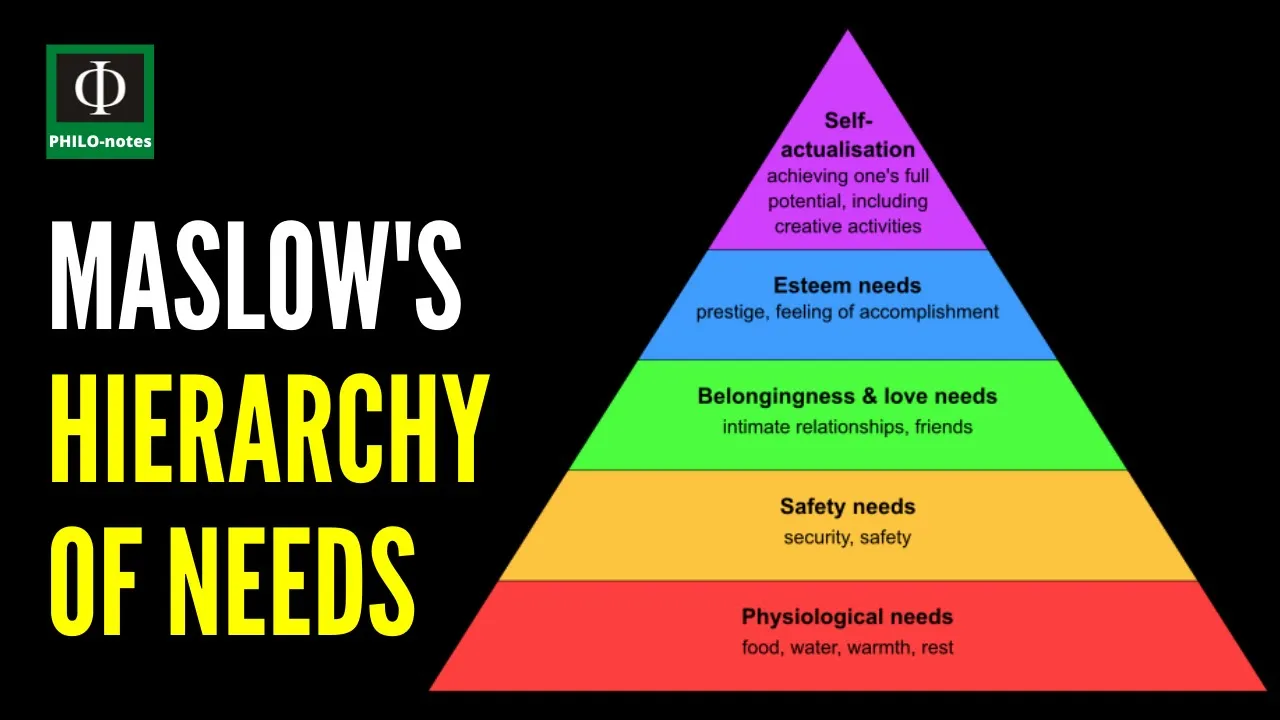
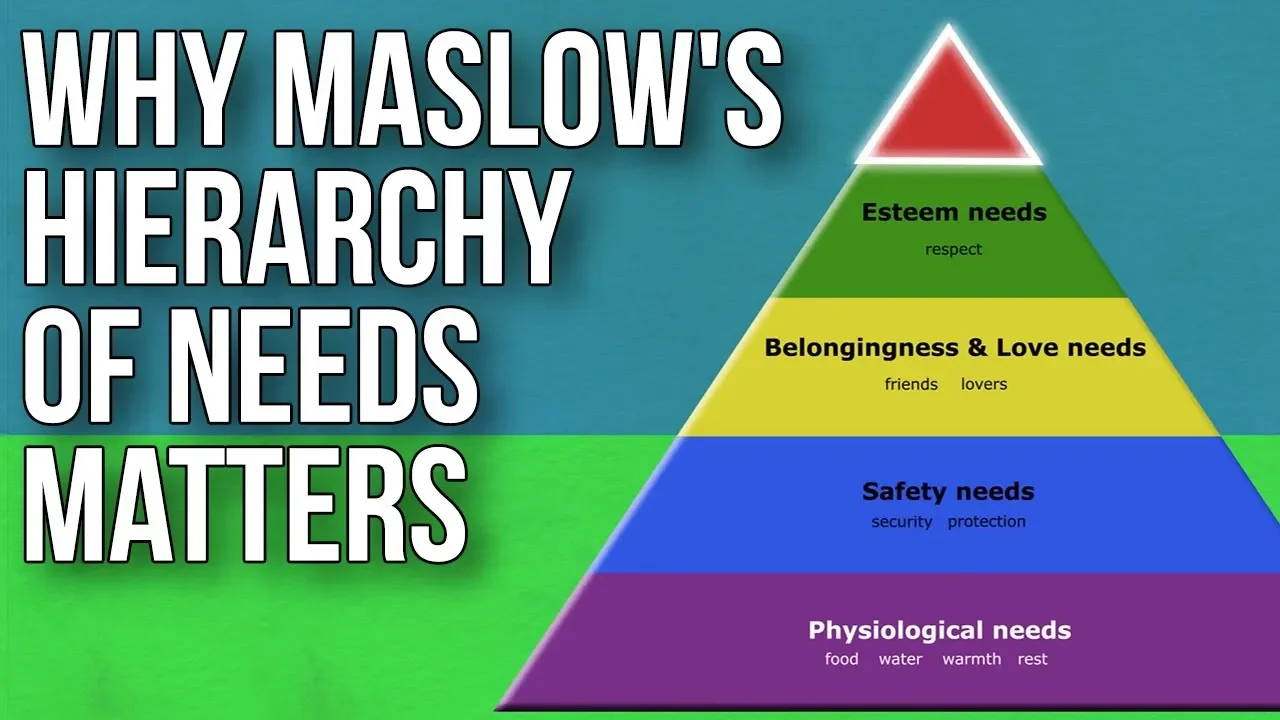






















Self-determination theory, developed by psychologists Richard Ryan and Edward Deci in the 1970s, proposes that human motivation is driven by three fundamental psychological needs: autonomy (the desire for freedom and choice), competence (feeling capable and skilled), and connection (experiencing belonging and being valued). These needs exist on a spectrum ranging from amotivation (lowest quality) to intrinsic motivation (highest quality), with six distinct types of motivation in between: amotivation, external regulation, introjected regulation, identification, integrated regulation, and intrinsic motivation. While extrinsic rewards like money can motivate behavior, research shows they often undermine intrinsic motivation. Understanding and satisfying these three basic needs is essential for fostering genuine motivation and well-being.
Self-Determination Theory: Autonomy, Competence, and Relatedness
Added:Ask people for blood donation, and you might find many volunteers. Tell the same people that they'll get paid for it, and many will now decline to help.
Why do you think that might be?
Self determination theory argues that we do what we do, because we are motivated by three basic needs that drive our behavior more than anything else.
First comes autonomy. We desire to have the freedom of making our own choices and not be forced to do something we don’t want.
Second is competence. We want to feel that we have the skills required to do the work ourselves, and not be confronted with tasks that we don’t understand.
Third is connection. We want to experience a sense of belonging, of being needed, and not feel useless or like an outsider.
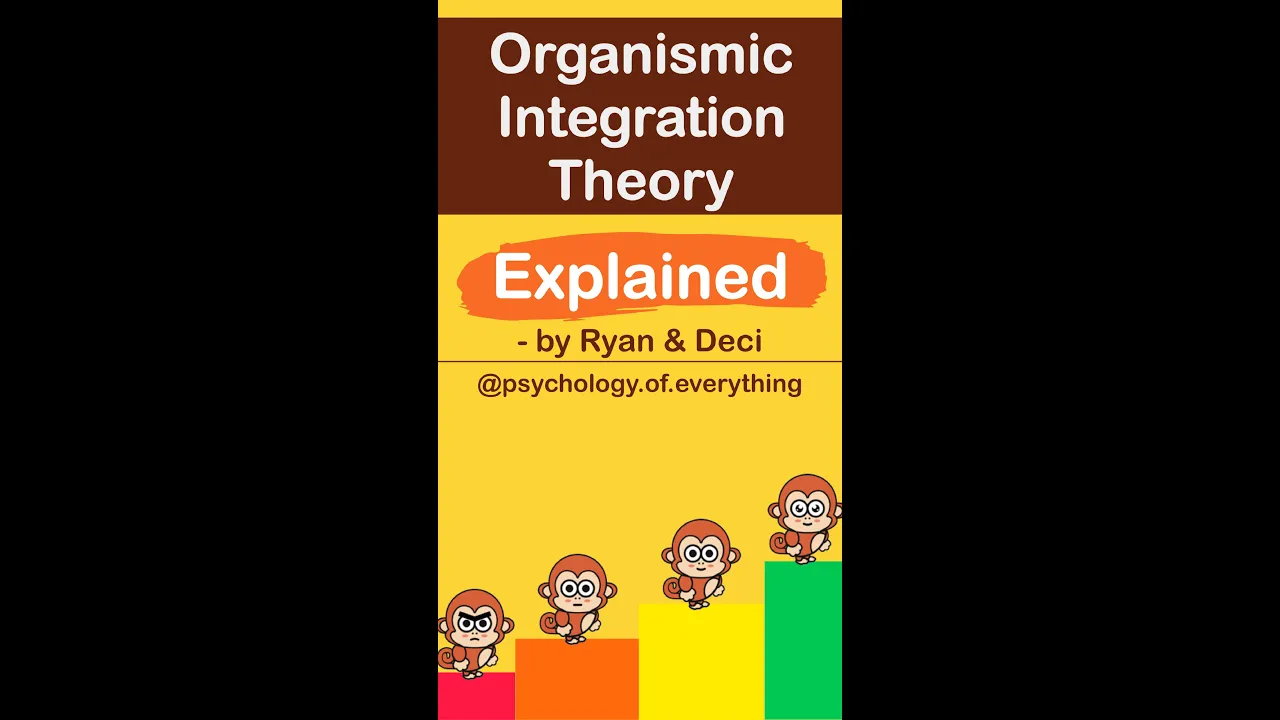
We can think of motivation ranging from “non-self-determined to self-determined.” On the left we have amotivation, in the center extrinsic motivation, and on the right intrinsic motivation. In terms of quality they range from lower forms to higher forms. Along this spectrum are, according to self determination theory, 6 distinct types, represented here by: Anton, Mary, Taichi, Abeni, John, and Lalisa who all have to study for a major exam.
Anton does not understand the topic and therefore feels disconnected to the material. His need for competence remains unsatisfied and undermines his autonomy — leading him to lose control over the situation. As a result he begins to think that school is pointless. He experiences amotivation.
Mary likes to learn, when she knows that if she does well, she will be rewarded. But when no one is around to stimulate her, she feels disconnected. Mary is not autonomous in her studies, because she needs rewards that regulate her behavior externally — a job her mother usually does.
This stage is called extrinsic motivation: externally regulated Taichi strives to win, or match the performance of others. When he’s not among the top, his desires for competence and autonomy are not satisfied. He feels guilty when he can’t be as good as others. The root of his behavior is therefore external.
This stage is known as extrinsic motivation: introjected regulation Abeni values learning and sees herself as a good student. To her, getting good grades is important, because it confirms her self-image. Despite the fact that she doesn’t feel connected to the material, she does well because she regulates her behavior by identifying with the idea of being a good student. She’s motivated by an ideal.
This stage is called extrinsic motivation: regulation through identification John thinks learning is important, because it makes him a better human being. To develop his intellect and become the best version of himself, he tries to understand things, even if they are boring. He feels connected and competent. But since his behavior is regulated by the desire to live up to an idea, he is still not fully autonomous.
This stage is known as extrinsic motivation: integrated regulation Lalisa learns things because she is curious and enjoys it.
She can feel completely connected to the material and often loses track of time.
Studying gives her a deep sense of satisfaction. She experiences complete autonomy and as a result of her intrinsic interests, develops the highest forms of competence.
Now we speak of intrinsic motivation.
Regardless of where we are along the spectrum, we all have complex human minds with changing interests and conflicting desires.
Doing one thing, we may feel fully motivated — autonomous, competent and connected. But then, the next day, life gets in the way and robs us of our three basic needs — we feel nothing but amotivation.
To regain your self-determination, you might want to take a break, seek a change in environment or connect with other people.
Self-determination theory was developed by the two American psychologists, Richard Ryan and Edward Deci, in the 1970s. More recent research points to some cultural differences. Many American students' seem to learn to outcompete others. When Chinese study hard, it’s often because they feel guilty if they do not meet expectations.
On the interplay between extrinsic and intrinsic motivation, Deci said: “Sure, money motivates, but that’s not the point. The point is that while money is motivating people, it is also undermining their intrinsic motivation. ” So what do you think about the model? Do you agree or disagree with the theory? And what do you think about extrinsic rewards? Share your thoughts in the comments below, and let us know what motivated you to do so.
This and all other Sprouts' videos are licensed under the Creative Commons.
That means teachers from all around the world can use them in classrooms, online courses or to start projects - and today, thousands already do!
To learn how it works and download this video without Ads or background music, checkout our website or read the description below.
If you want to support our mission and help change education visit our Patreon - that's patreon.com/sprouts.
Up Next

Achieving Flow: The Psychology of Optimal Experience Explained
@Nerdwriter1
660.9K views•2014-07-04

Cognitive Skills for Differentiated Instruction | Teacher PD
@BrainWareLearning
631 views•2017-12-17

Thinking, Fast and Slow: Daniel Kahneman Animated Book Summary
@FightMediocrity
2.3M views•2015-06-05

The Nocebo Effect: How Beliefs Can Cause Real Harm
@CGPGrey
10.4M views•2013-12-23
Related Study Plans & Knowledge Roadmaps
Structured learning paths in Psychology