





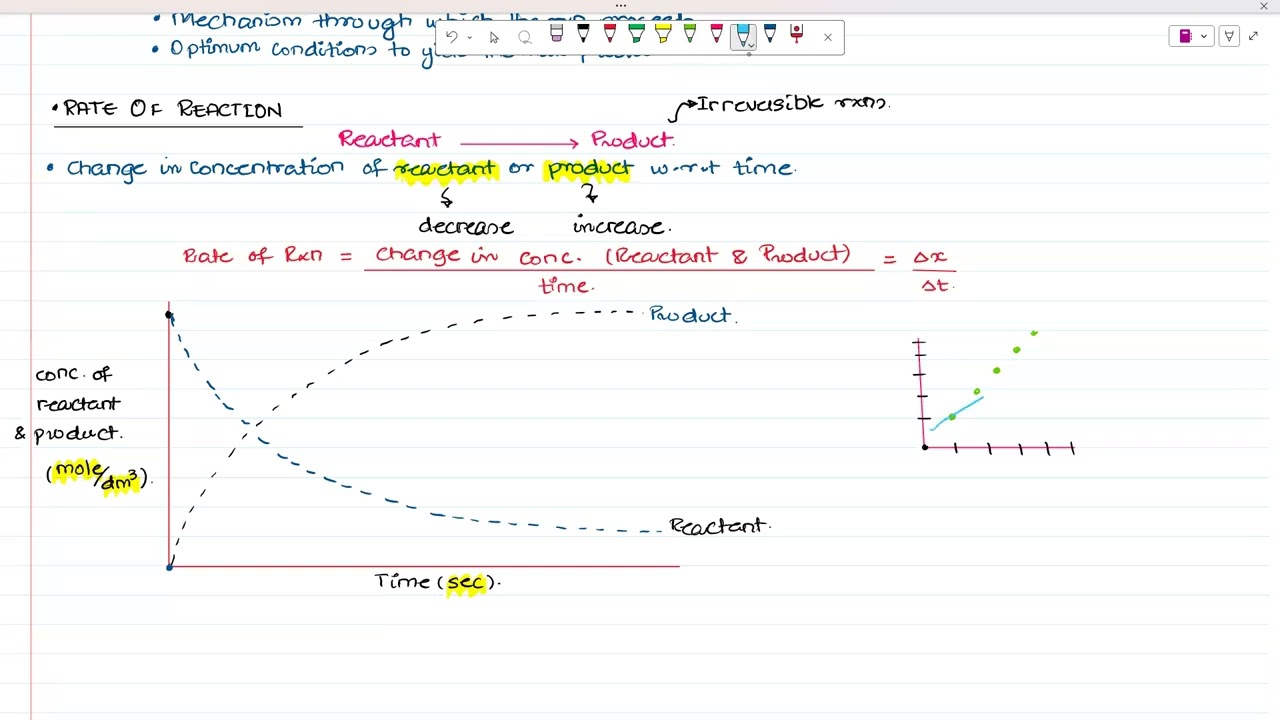
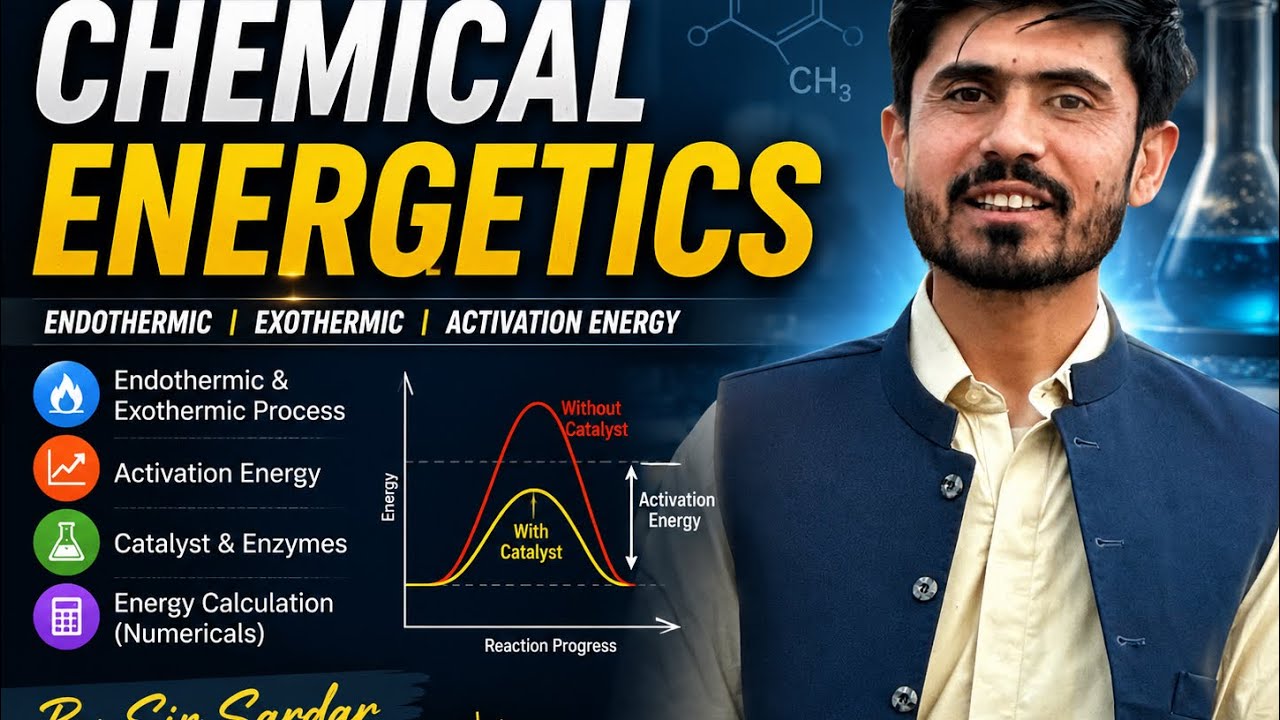






Activation energy (Ea) is the minimum energy required for reactants to transform into products, represented by the 'hump' in reaction diagrams; exothermic reactions release more energy than they consume (negative ΔH), while endothermic reactions require more energy input than they release (positive ΔH), and catalysts lower the activation energy by providing an alternative reaction pathway.
Activation Energy Diagrams (Endothermic & Exothermic Reactions)
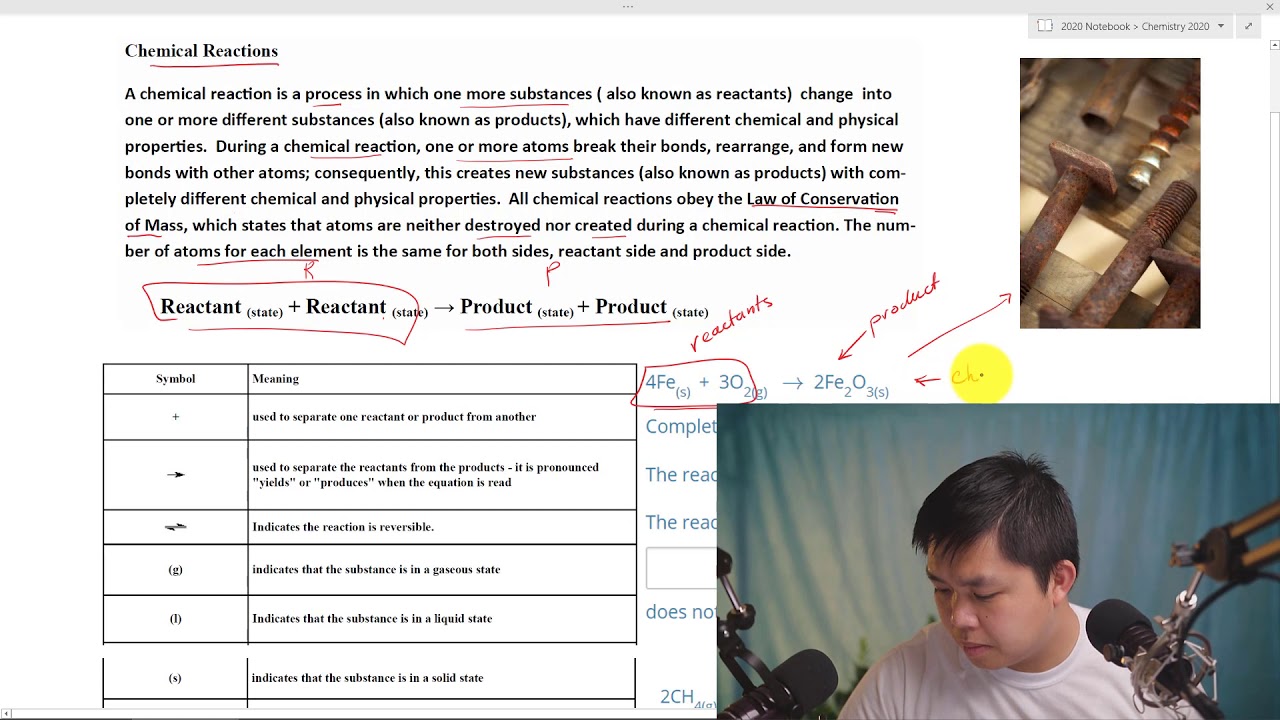
Added:Basic understanding of chemical reactions, including identifying reactants, products, and interpreting chemical equations.
The fundamental concept of energy in chemistry, specifically potential and kinetic energy at the molecular level.
Qualitative understanding of endothermic (absorbing heat) and exothermic (releasing heat) processes.
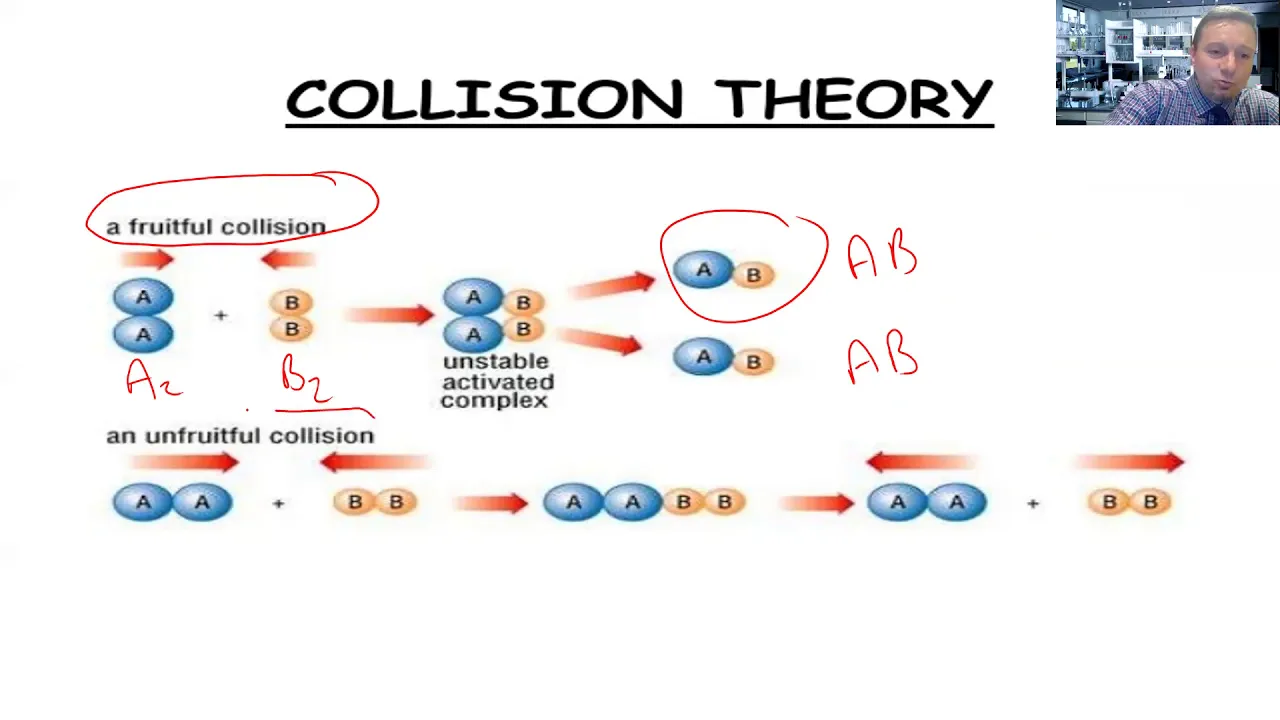
Basic Collision Theory, which states that reactant particles must collide with sufficient kinetic energy and proper orientation to react.
The role of catalysts and enzymes in lowering the activation energy barrier, and how to represent this on potential energy diagrams.
Reaction mechanisms involving multiple steps, including identifying reaction intermediates and determining the rate-limiting step from energy profiles.
The Arrhenius Equation, which mathematically relates the rate constant of a reaction to temperature and activation energy.
The critical distinction between chemical thermodynamics (the stability and enthalpy change of products vs. reactants) and chemical kinetics (the speed/rate of the reaction).
5.5K views152likes8:20Original Release: 2019-12-03
hi let's talk about activation energy activation energy is crucial when we are talking about rate the activation energy is the minimum energy required reactants to change the products you have to have so much energy in order for those reactants to break you'll recall from the collision theory we need two things number one proper orientation of reactants when they hit excuse me and number two you need enough energy well that enough energy is activation energy our symbol for activation energy is a capital e with a lowercase a now there are two ways that we can describe this with diagrams one is with an endothermic and the other is with an exothermic diagram so I've written a generic equation up here reactants a plus B let's look at some thermic first so here's how you draw it we're going to begin with our reactants a and B I'm going to end with our products and D now notice this hump right here that is indicating the amount of energy minimum energy that's required for the reactants to break bonds and then form bonds to make the product that sensation of reactants breaking bonds forming four products happens right there at the apex a very very top now in AP they call it transition state I've seen books that call it transitions day and I'm equally with same frequency steamboats call it the activated complex so I put that in parenthesis just in case you're a professor teacher textbook uses the term activated complex they are the same thing this is going to be that moment where reactants break and then bonds formed form for the product it is extremely unstable here's a true fact it is so unstable and so crazy fast that we haven't been able to collect significant data at all we honestly for everything that we know we really don't know how bonds break and how bonds form because it happens so fast right there at that transition state so minimum energy now you could put more energy in then with a minimum that's required that's just going to make the reaction go faster because you have enough energy enough energy enough energy for all those trillions of little molecules to react with each other but once two molecules they have enough energy they have that proper orientation boom it's done they'll react really really fast right there now when bonds are formed it creates a stability there's a stability when those bonds are formed and this is indicating that energy that's released when those bonds are formed so the energy released right here at this long arrow that's called the activation energy reverse amount of energy released when the products are formed now there's another reason and I think this really makes sense why this is called the e of a reverse let's go backwards let's go backwards us make products become reactants so I go from here put an arrow this way go from products back to reactants this shows us the energy that we have to put into it to get back to that transition state so now we're going to put energy and break the C and D bonds form a and D bonds and the nothing energy that's released the stability when a and B would be formed so we could also look at this let's go backwards I'm not the energy that you'd have to put into a minimum energy you put into products going back to those reactants now really cool connection why we can say this is exothermic say this is the energy that you put in here's the energy that's released when those products are formed if you subtract that the amount of energy that you put in from the amount of energy that's released that difference is a net energy released and that is your enthalpy for the reaction the Delta EIJ for this whole reaction if this was this reaction I put Delta H negative whatever that value is this right here now that I know can be a little obscure so I have a little example for you when I was in fifth grade I was in 4h and I - so an apron still have the apron really cute little red gingham apron walked it with me and it's going to help this make sense let's pretend that I went and bought my material for five dollars that's the money that I put in the energy that I put in then I took all my material so it was the cute little red wibbit ribbon and the y eyelet lace I saw it that's my transition state and then I look at this beautiful apron I said hey let's sell this and I sell it for $15 okay that's the money I get out of it I sold that for $15 now the difference of what I put into it five dollars subtract the difference I got out fifteen dollars that's my Delta EIJ I made $10 profit that Delta H is like the profit the net profit that you would make so maybe that little I'm hopeful that little apron example will help you understand how to interpret that activation energy diagram okay so now let's look at an endothermic reaction so here notice we put a huge amount of energy in for that activation energy the minimum energy required for reactants to break a bonds to form substantial okay large so we put in this minimum energy which is actually quite a bit we have the transition state so reactants break bonds the products form bonds really fast really unstable apart the transition state you gain the stability of the products and those that release this energy but the energy small so you're a of a reverse the amount of energy released when the stability of products being formed is smaller than the energy required what's put in for those reactants to break and bonds to form so notice a of a is small V of a reversed is small not all of energies released or products are formed a huge amount of energies put in for your your activation energy so the difference the energy that you put in subtracting the energy that you get out leaves you with a we had a net we had to put energy in that is endothermic absorb require energy that would be a positive Delta H so if this reaction was this diagram right here I do Delta H positive whatever that number was okay so let's use our apron example on this let's say that I go and I pay five dollars so I've got my five dollars for my material we go ahead and I sew it again I put on the red ribbon and the white eyelet lace on this kilo red and white gingham material and I'm like okay I'm ready to sell this well I try and I try I can't sell it so finally I sell it for a dollar oh so sad it must have been an ugly apron so I put five dollars in I got one dollar out so the mine put in five minus the money I got I received we're at one dollar I mean it cost me four dollars that was a four dollar loss that's the endothermic it costs us energy we had to put more energy into it than the amount of energy that came out so there's your endothermic reaction so activation energy now little connection I want to show you just really fast and if you haven't watched the the video on catalysis little reminder when you add a catalyst I want to do it over here it decreases the activation energy by there we go by changing the pathway so sometimes you'll see another line on here and it will stay e of a catalyzed di catalyzed that just means we added a catalyst to the reaction and it decreased the activation energy so the whole reaction will go faster just wanted to add that here and if you haven't watched the video on catalysis take a look at that video under the rate playlist okay nice have a great day activation energy
Up Next
6:10
Steady-State Approximation in Chemical Kinetics | Intermediate Concentration
@TMPChem
80K views•2016-09-15
24:04
The Jablonski Diagram: Radiative and Non-Radiative Transitions | Photochemistry
@benedictugi8420
262 views•2025-07-15
10:06
1H NMR: Determining Number of Peaks from Structure
@MSJChem
59.2K views•2017-04-06

17:31
Edible Water Bottles: A DIY Guide to Sodium Alginate Spherification
@ryan
10.5M views•2019-06-21
Related Study Plans & Knowledge Roadmaps
Structured learning paths in Chemistry
chemistry
Photochemistry: Excited States & Reactions
01Foundations of Light-Matter Interactions
02Molecular Orbitals and Electronic States
03Photophysical Processes and Jablonski Diagrams
+ 2 more learning modules
18h5 modules
Explore Roadmap
chemistry
Coordination Chemistry: Bonding & Properties
01Introduction to Transition Metals and Ligands
02Crystal Field Theory (CFT) and Geometry
03Magnetic Behavior and Spin States
+ 2 more learning modules
14h5 modules
Explore Roadmap
chemistry
Polymer Chemistry: Synthesis & Properties
01Introduction to Macromolecules & Monomers
02Polymerization Synthesis Mechanisms
03Polymer Characterization Techniques
+ 2 more learning modules
12h5 modules
Explore Roadmap
chemistry
Separation Science: GC, HPLC & Mass Spec
01Foundations of Separation Science
02Gas Chromatography (GC) Principles & Systems
03High-Performance Liquid Chromatography (HPLC)
+ 2 more learning modules
24h5 modules
Explore Roadmap