













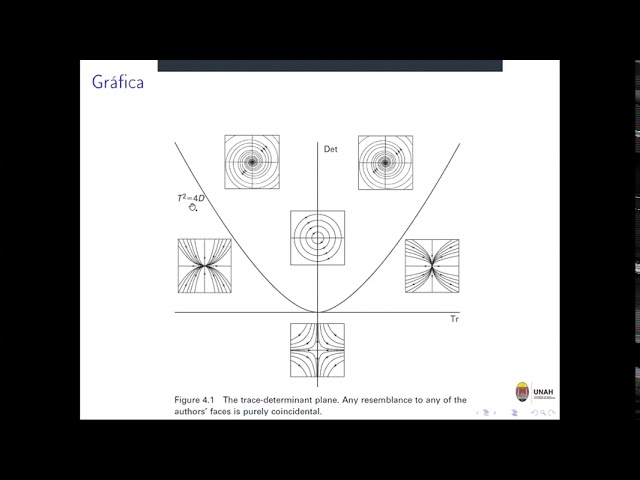
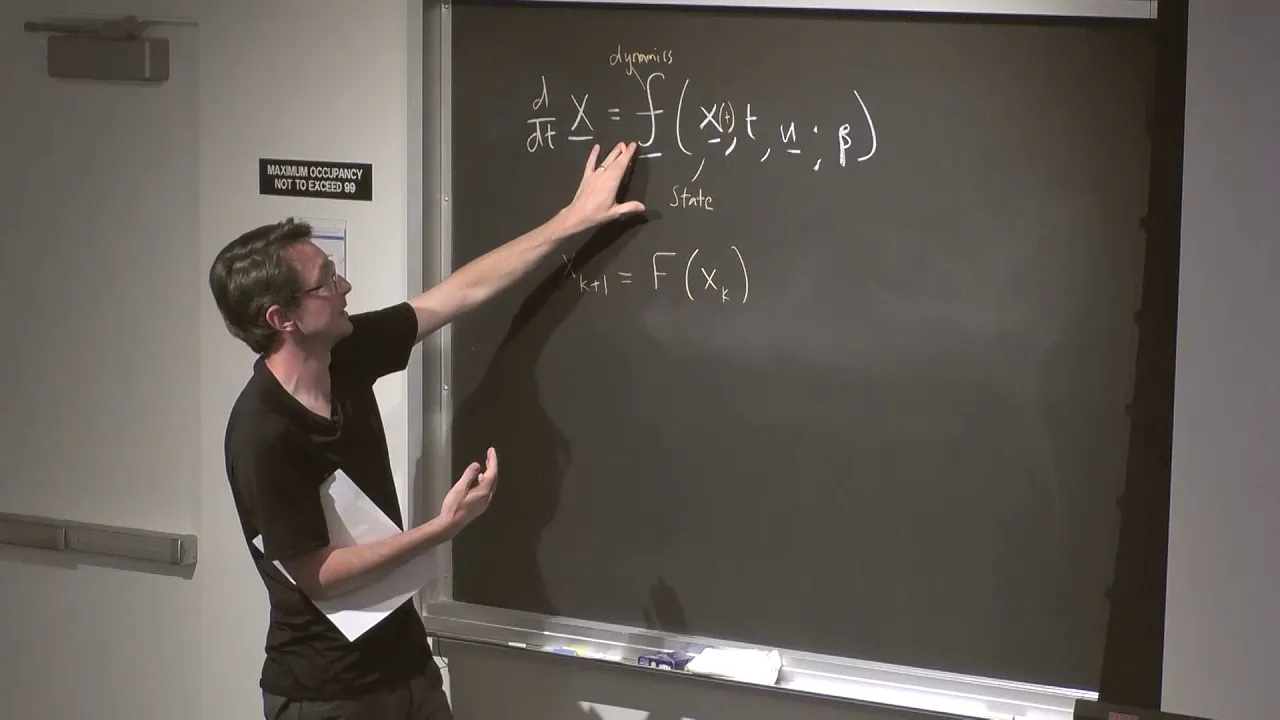




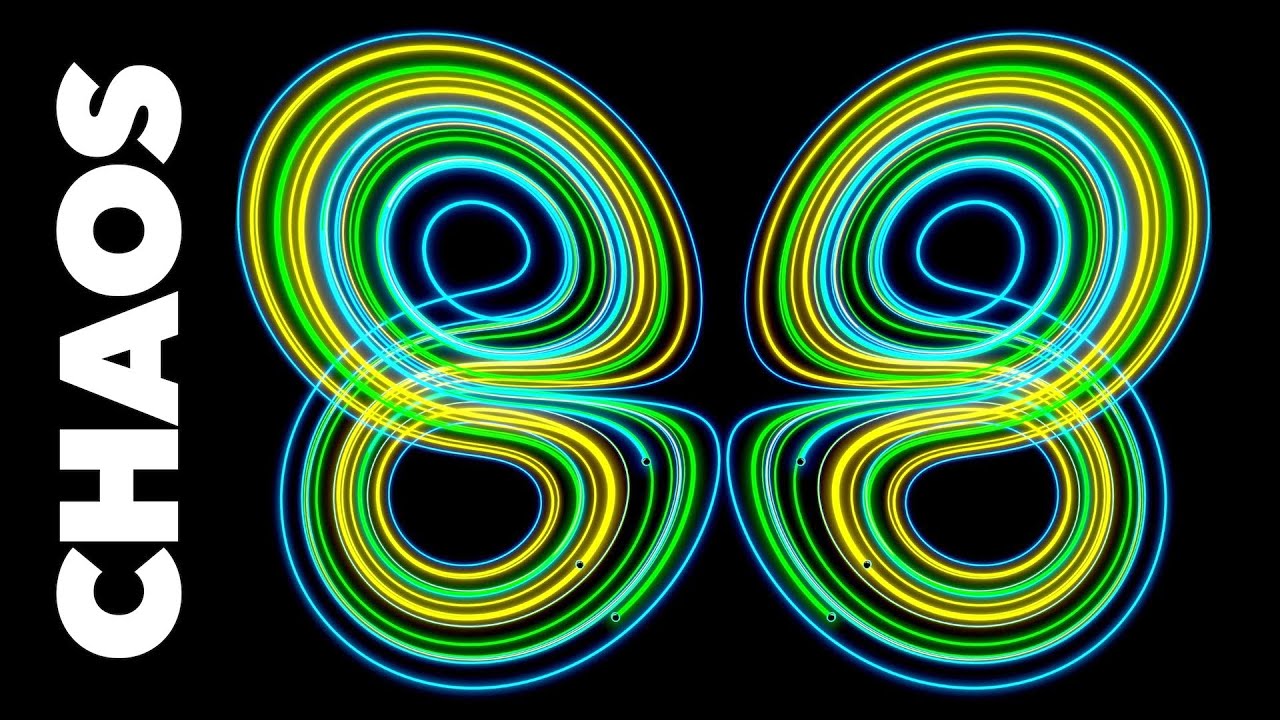



Edward Lorenz discovered that simplified atmospheric models reveal chaotic behavior characterized by sensitive dependence on initial conditions (the butterfly effect), where tiny changes produce vastly different outcomes; however, despite this unpredictability, chaotic systems exhibit remarkable organization through strange attractors—complex geometric structures toward which all trajectories converge, demonstrating that underlying order exists even in seemingly random complex systems.
Chaos Theory Explained: Lorenz Attractor & Butterfly Effect | Math Documentary
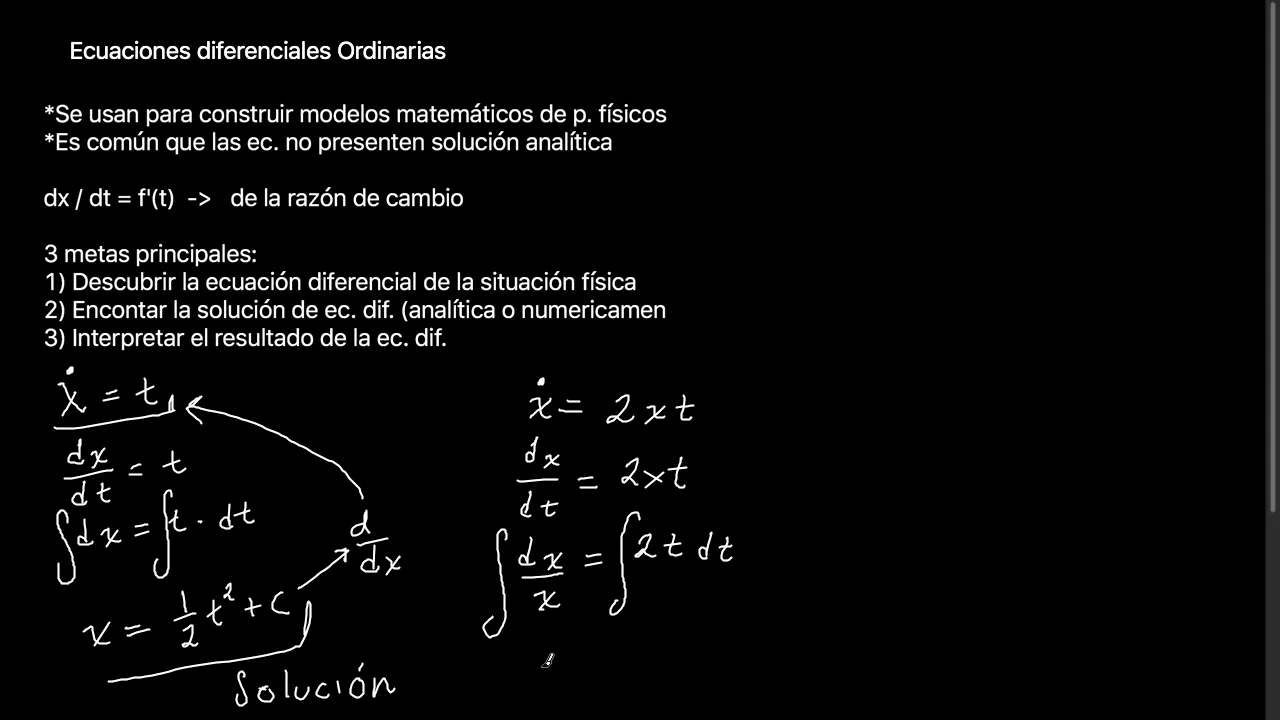
Added:Basic understanding of ordinary differential equations (ODEs) and how they model rate of change.
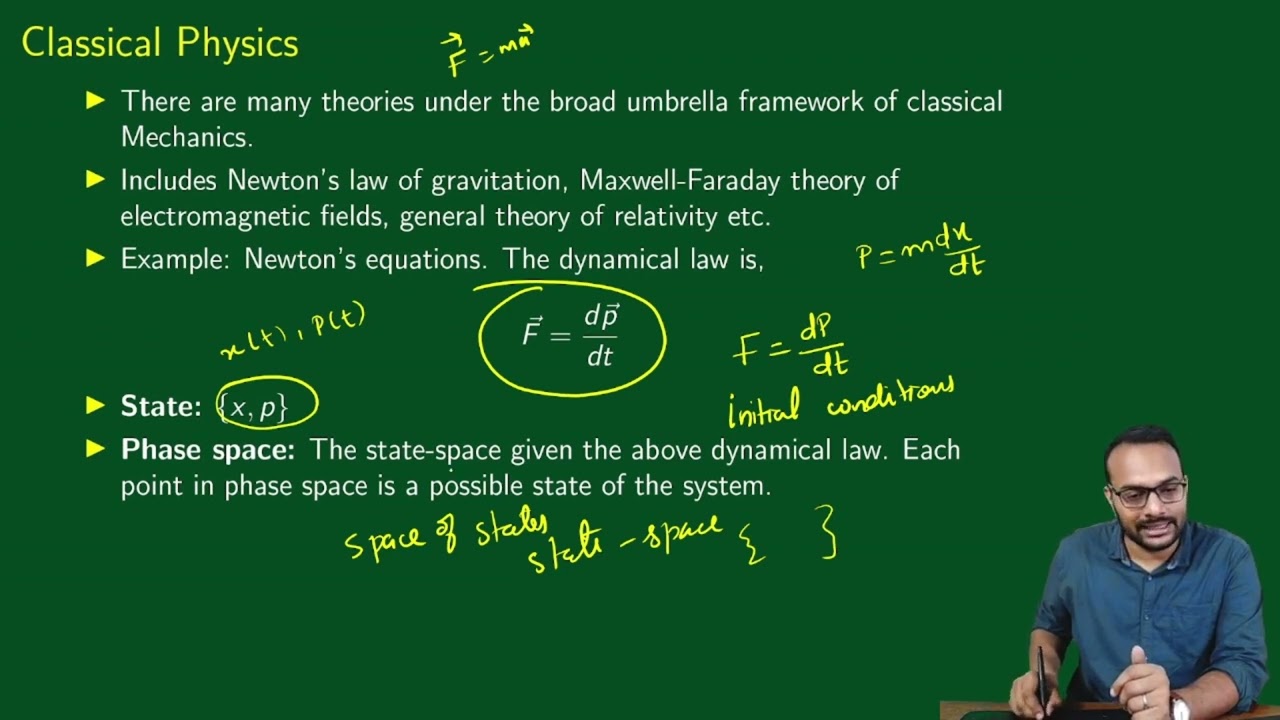
The concept of a phase space (or state space) where all possible states of a system are represented.
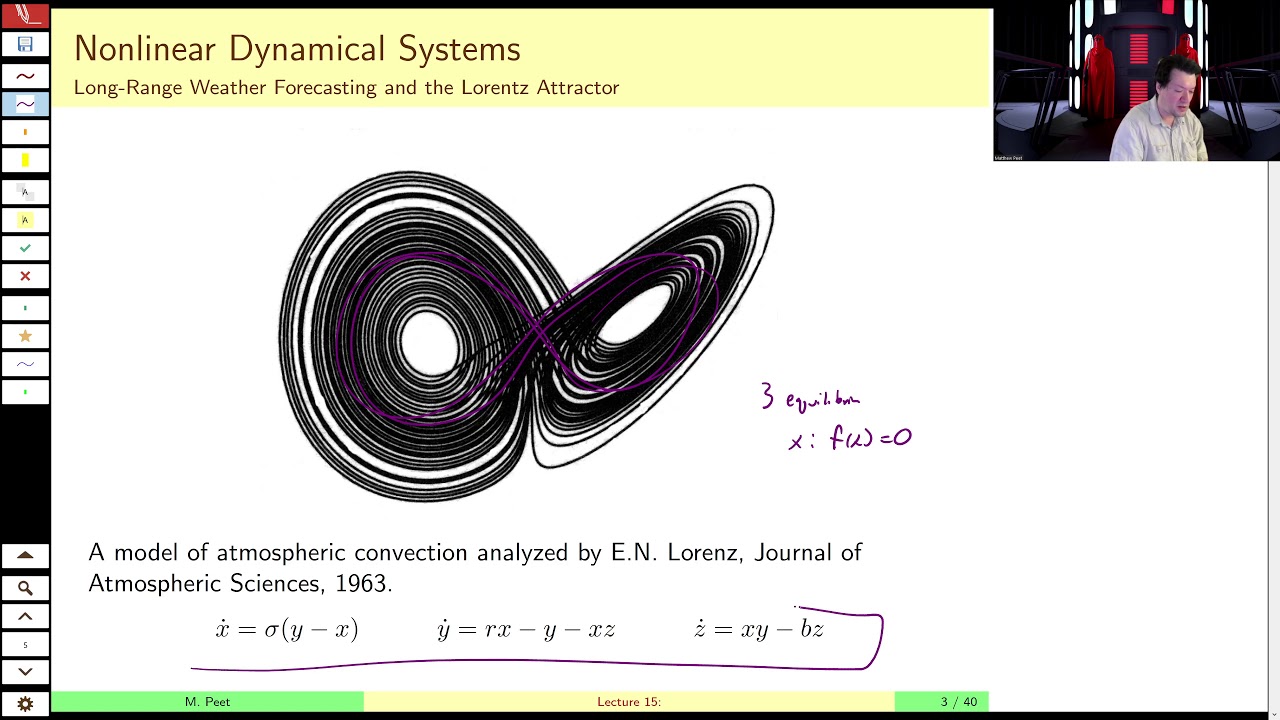
The fundamental difference between linear and non-linear mathematical systems.
The concept of classical determinism, to appreciate why the unpredictability of chaotic systems was a groundbreaking discovery.
Lyapunov exponents, which mathematically measure the rate of separation of infinitesimally close trajectories.
Bifurcation theory, analyzing how a system's behavior qualitatively changes as a parameter is varied.
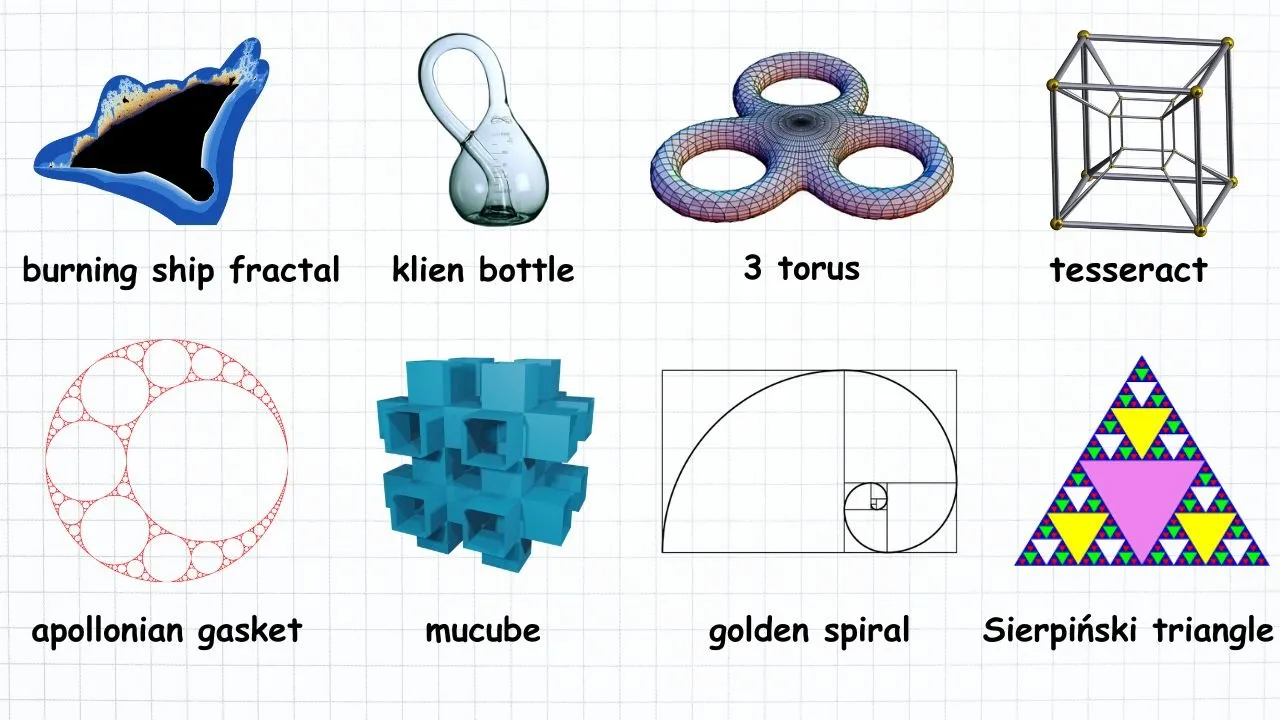
Fractal geometry and Hausdorff dimension, to understand the self-similar, non-integer dimensional structure of strange attractors.
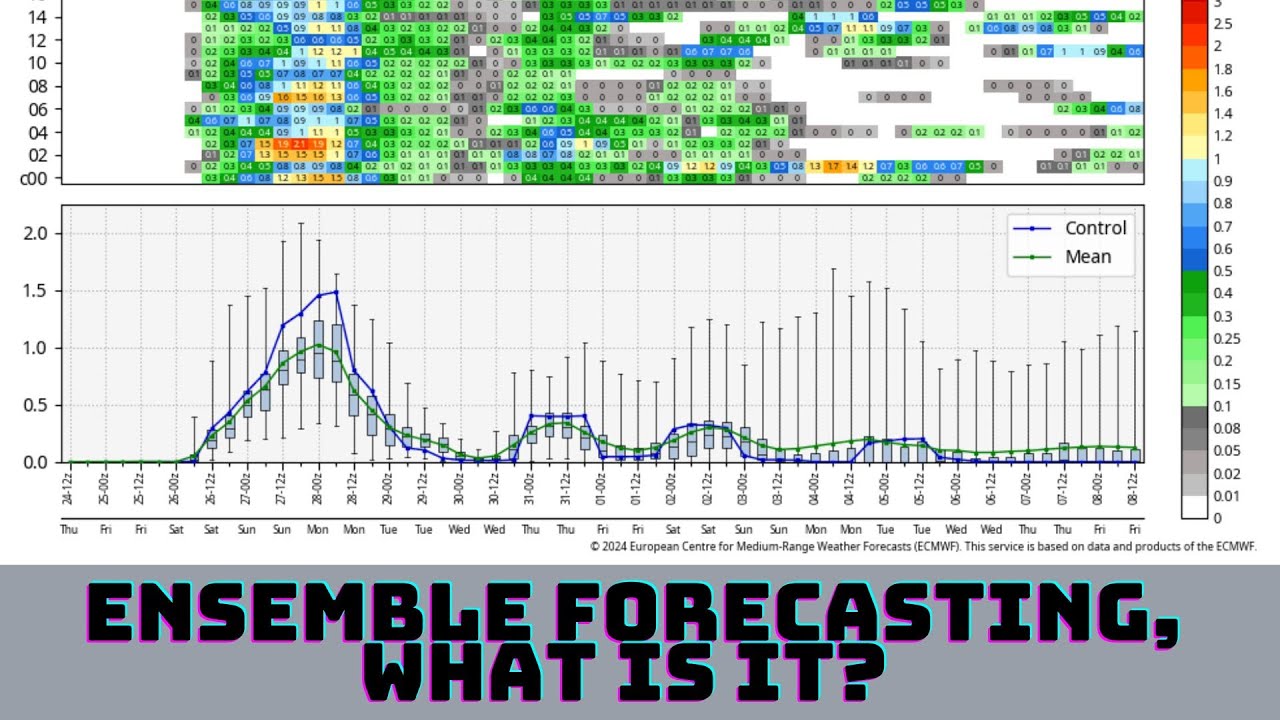
Practical applications in meteorology, such as ensemble forecasting used to predict weather despite atmospheric chaos.
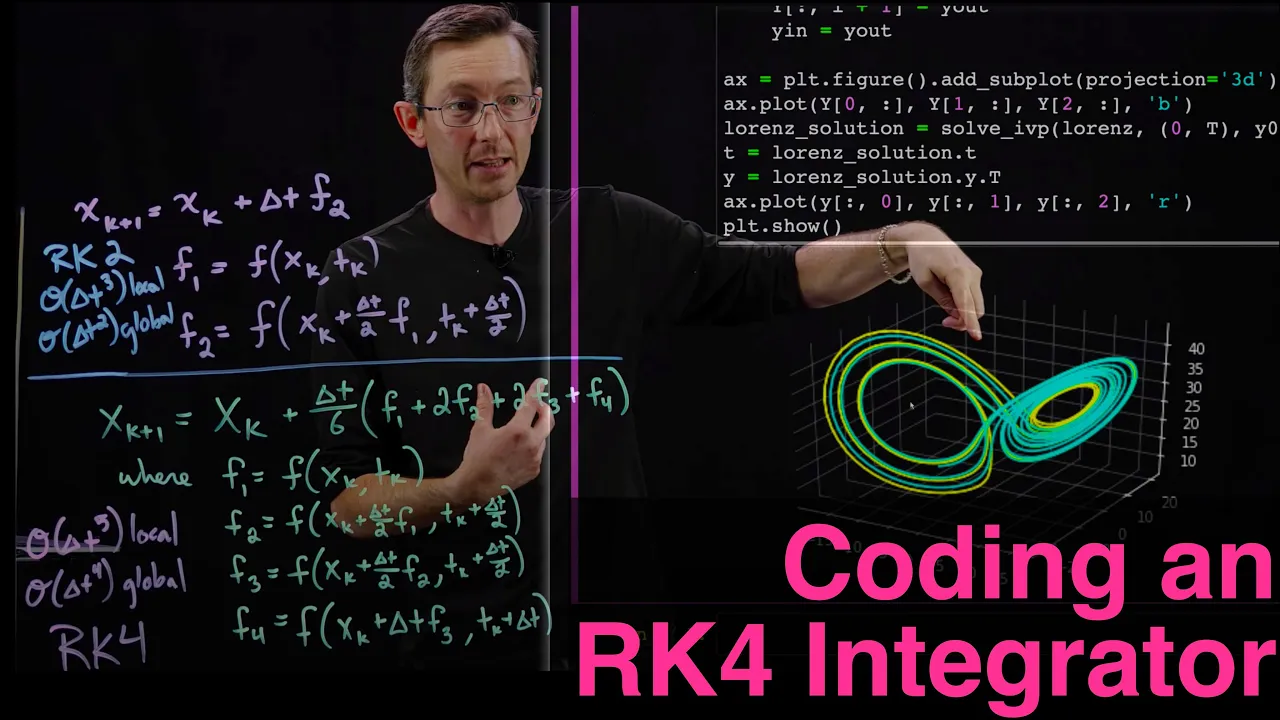
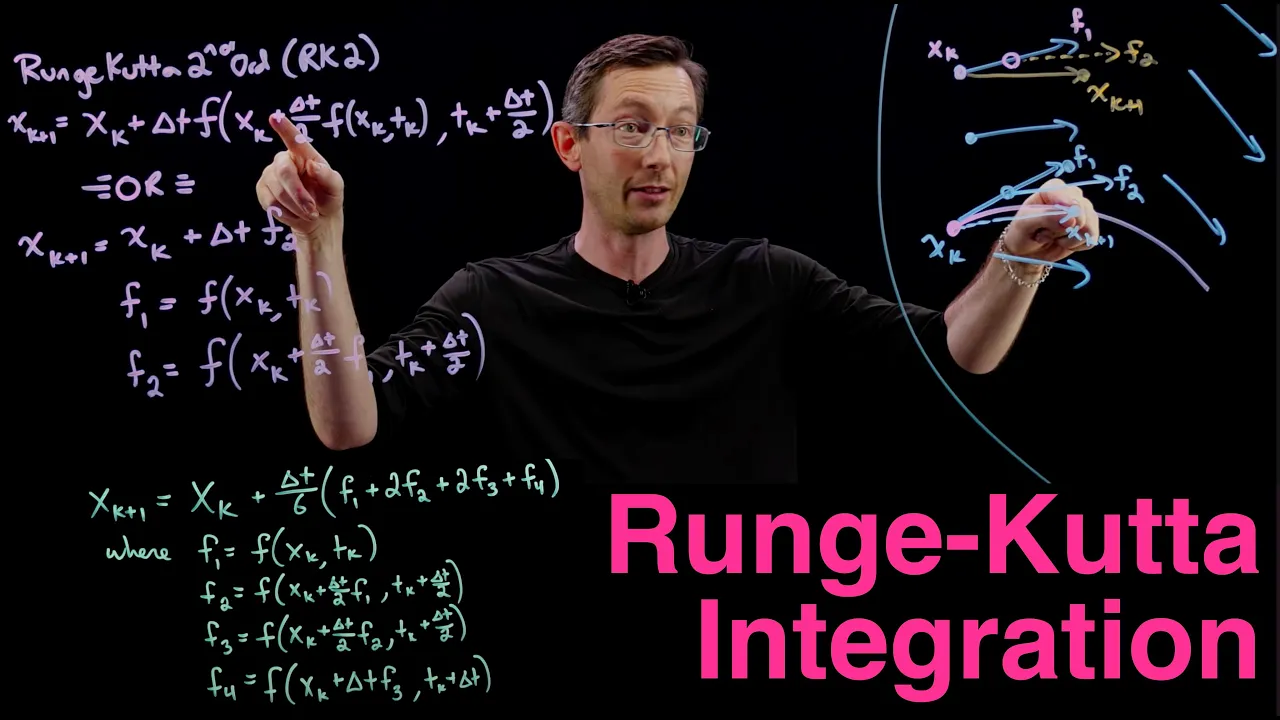
Numerical integration methods (like the Runge-Kutta algorithms) required to simulate chaotic systems on computers.
280.9K views4.4Klikes13:21Original Release: 2013-09-14
when we look at the movement of the atmosphere we quickly realize that it is infinitely more complex than that of the solar system the atmosphere is a fluid that has at each altitude above each point of the Earth's surface a speed a density a pressure a temperature and so on all of this data varies over time it is of course impossible to understand this practically infinite amount of data it is almost as if we were in a space with an infinite number of [Music] Dimensions to understand something about it we must make approximations in 1963 Edward Loren simplified and simplified and simplified the problem again he simplified it to such a degree that there is no guarantee that his equation has anything to do with [Music] reality his model of the atmosphere was reduced to just three numbers X Y and Z the evolution of the atmosphere was reduced to a simple equation each point XYZ in space represents a state of the atmosphere the evolution follows a vector field for example and this is only an example the first coordinate could represent the temperature the second the wind speed and the third the [Music] humidity over here it is cold Breezy and [Music] rainy here the opposite [Music] holds when we follow a trajectory of the field We are following the evolution of the [Music] weather the weatherman just needs to solve a differential equation this is what luren saw when he studied his model does this have anything to do with real weather that is far from clear this is what physicists often call a toy model used to try and understand the broad outlines of some complex [Music] behavior in fact the ren only had these sorts of graphs to look at because his computer in 1963 was quite primitive [Music] let's look at two atmospheres represented by the centers of these two balls that are extremely close together so close they are almost identical let's observe what happens to them at first the two Evolutions are almost [Music] indistinguishable but then they split up significantly the two atmospheres become completely different this then is chaos sensitive dependence on initial conditions in 1972 Loren was going to present his work at a prestigious conference but he was late in sending in the title of his lecture the organizer Philip meres was in a hurry to send the program to the participants so he chose a title for Loren predictability does the flap of a butterfly's Wings in Brazil set off a tornado in Texas the butterfly effect was born mathematical concepts are often not well understood by the general public the image of a small frail butterfly having an influence on the world is very poetic the idea was very successful and has been endlessly modified there is always a butterfly but sometimes it comes from Africa and sometimes from China and it is responsible for disasters in New York or in Chicago interesting the idea found its way into literature music and movies the list of films based upon this idea is endless it generates a lot of emotion in Bobble the 2006 film by Alejandro Gonzalez in aratu the insignificant incident of a gunshot in Morocco will change the lives of an American couple a Mexican nursemaid and a Japanese girl an interplay of small causes and large consequences how chance determines the fate of humans unfortunately only one half of Lorena's message made its way to the general public can Chaos Theory be limited to the statement that it is impossible to predict the future in practice how could scientists resign themselves to such an admission of failure lorenz's message is is much richer here are two trajectories of the Len system one blue and one yellow that do not start from very similar initial [Music] conditions let's erase say the first 10 seconds of the movement and then let's observe what happens [Music] what do we [Music] see the trajectories are indeed very different they seem a little crazy and very [Music] unpredictable but they accumulate on the same butterfly-shaped object this accumulation does not seem to depend on the initial position the trajectory seem to be attracted to this butterfly this is what is referred to as Loren attractor a strange attractor here is a positive scientific phenomenon one not as famous as the butterfly effect instead of observing just two trajectories let's look at many more look at all these balls each one of them representing a simplified [Music] atmosphere after a while they all accumulate on the same butterfly [Music] a very nice object that we can admire endlessly these are real problems for mathematicians and for scientists also instead of describing the future starting from a given initial position which we know is impossible we will Instead try to describe the attractor what does it look like how do the internal Dynamics work in the 1970s Burman gimer and Williams proposed a simple model for trying to understand the lorenza tractor here is a strip of paper Let's Fold it and cut it and glue it together [Music] and we have a special object in [Music] space let's go to the starting line [Music] here we go we drive and a little while later we are back at the starting line but we are at a different point of the starting line from here A New Path starts our position on the starting line is given by a number X between 0 and 1 at zero we are on the left at 1/2 we are in the middle and at 1 we are on the right if we start from the point x then we will return to the the point 2x if x is smaller than2 and we will return to the point 2x - 1 if x is larger than 1/2 in other words when the car moves the points where it meets The Starting Line are doubled at every turn except we need to subtract one if the result is greater than [Music] one it's a bit like the Horseshoe the Dynamics in continuous time get replaced by Dynamics in discrete time namely by the successive places where we cross the starting line look we start off from 1/3 we arrive at 2/3 and then we arrive at 4/3 but we must subtract one that is to say we arrive at 1/3 so we are back to our original starting point after two rounds thus we have a periodic trajectory of period two here is a trajectory of period [Music] 18 periodic trajectory passes successfully through the left and right ears following a certain [Music] sequence well it can be shown that all sequences are possible and of course not all trajectories are periodic whatever the infinite sequence of lefts and rights there's a trajectory that follows that Destiny what is the relationship between the lorenza tractor and the model made of strips of [Music] paper well it wasn't until 2001 that the mathematician Tucker showed that the paper model accurately describes the movement on the lorenza tractor for each trajectory in the lorenza tractor there's a trajectory in the paper model that behaves an exactly the same way is it possible that the movement of the atmosphere can be reduced to continually doubling a number X between 0 and 1 and subtracting one if the result is greater than one of course not all of this is much too simplistic but it is an illustration of the phenomenon simple things mathematicians love them why has the butterfly effect become so popular perhaps because it gives us back our [Music] freedom the legacy of Newton's cold determinism sometimes leads to a kind of fatalism the Loren butterfly claims that small as we are we can have an influence on the world good news for us
Up Next
21:21
Coding Challenge: Lorenz Attractor Visualization in Processing
@TheCodingTrain
415.1K views•2016-05-06

4:43
Elliptic Curve Cryptography Explained: ECC, ECDSA, ECDH
@PracticalNetworking
28.5K views•2024-10-21

49:54
Abstract Algebra Lecture 1: Review of Linear Algebra and Groups
@itssoblatant
532.4K views•2013-09-06
6:00
The Mathematical Impossibility of Accurate World Maps
@Vox
23.3M views•2016-12-02
Related Study Plans & Knowledge Roadmaps
Structured learning paths in Mathematics
mathematics
Tensor Calculus: Vectors to Riemann Curvature
01Mathematical Foundations: Linear Algebra & Calculus
02Covectors, Dual Spaces, and Tensor Basics
03The Metric Tensor and Index Gymnastics
+ 2 more learning modules
40h5 modules
Explore Roadmap
mathematics
Gödel's Incompleteness: Logic, Proofs & Limits
01Introduction to Formal Systems & Hilbert's Dream
02Set Theory, Cardinality, and Cantor's Diagonal Argument
03Arithmetization and Gödel Numbering
+ 2 more learning modules
14h5 modules
Explore Roadmap
mathematics
Galois Theory: Fields, Groups & Solvability
01Foundations of Abstract Algebra: Groups & Fields
02Polynomials & Field Extensions
03Splitting Fields & Symmetries
+ 2 more learning modules
24h5 modules
Explore Roadmap
mathematics
Non-Euclidean Geometry: Models & Geodesics
01Euclid's Fifth Postulate and the Birth of New Geometries
02Hyperbolic Space and the Poincaré Disk Model
03Geodesics: Defining Straight Lines in Curved Spaces
+ 2 more learning modules
15h5 modules
Explore Roadmap